EAT FOR BETTER ENERGY ISSUE
Vitamins and minerals are essential to well-being, good health and disease prevention.

Celiac disease can lower the absorption of key micronutrients, impacting your energy levels.
How do I learn more?
Vitamin D

Vitamin D, also known as the sunshine vitamin, helps the body absorb and use calcium and phosphorous, which are important in the maintenance of healthy bones. Many people with celiac disease are deficient in Vit D.  
Calcium

Calcium is essential for building and maintaining healthy bones. For those newly diagnosed with celiac disease, there is damage to the small intestine, causing poor absorption of nutrients, including calcium. This can lead to weak bones and increased fracture risk.
Zinc

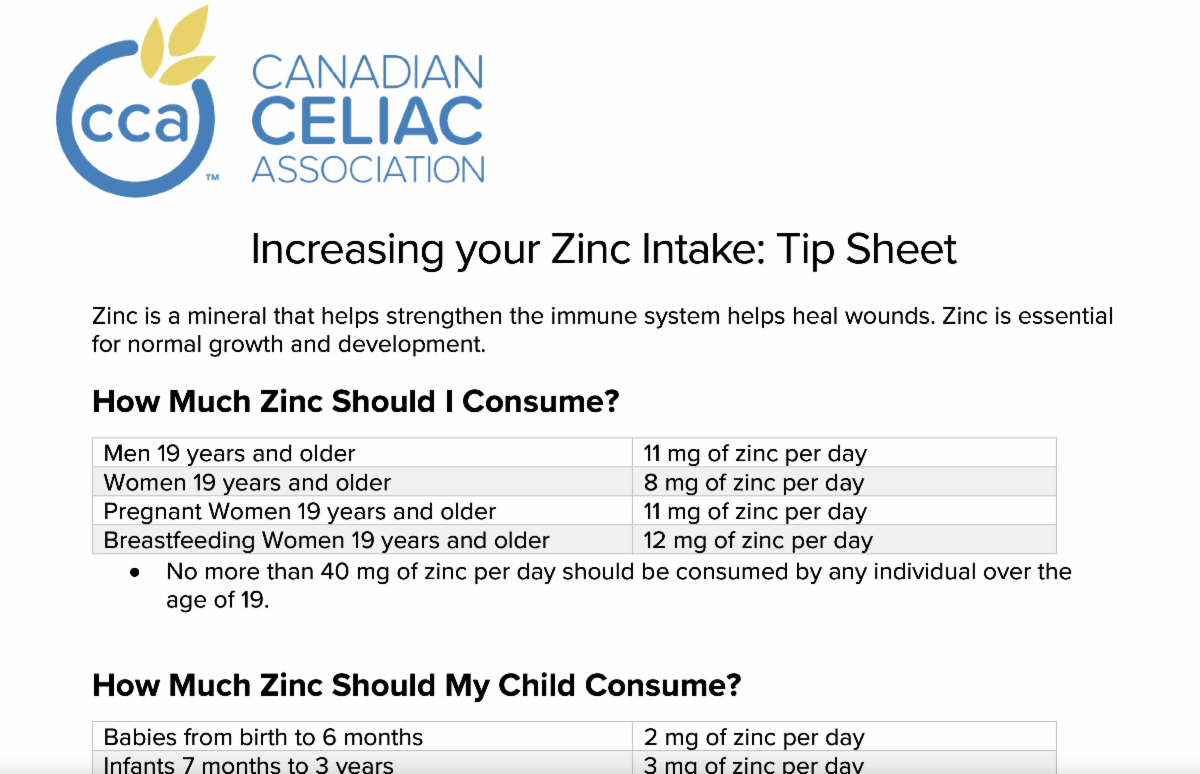
Zinc is a mineral that helps strengthen the immune system and assists in wound healing. Zinc is essential for normal growth and development. Check out this helpful resource to learn more.
Iron

Iron is an essential mineral for good health. Iron carries oxygen to all parts of your body and a deficiency can leave you feeling fatigued, short of breath, dizzy and much more. Gluten-free flour is often not fortified with iron, whereas in gluten-containing flour, iron fortification is mandatory.

Vitamin B12

Vitamin B12 helps our body form DNA, make healthy blood cells and keeps our nervous system working properly. Vitamin B12 is found in animal products and some fortified plant based products.
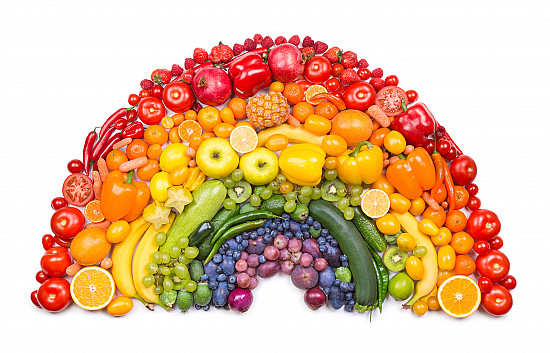
Eat the rainbow for phytonutrients!
Vibrant Living with Celiac Disease: Empowering Your Body with Phytonutrients.

Phytonutrients can be particularly important for individuals with celiac disease due to several reasons:

  1. Phytonutrients are powerful antioxidants responsible for the vibrant colours of fruits and vegetables. Their antioxidant properties are associated with decreased oxidative stress and good cellular health.
  2. Several phytonutrients have been shown to reduce the risk of cancer, heart disease and stroke.
  3. Gut healing: phytonutrients have anti-inflammatory properties, which are very beneficial for those newly diagnosed with celiac disease.
  4. Phytonutrient-rich foods can provide a concentrated source of vital nutrients, helping to replenish potential nutrient deficiencies that may occur in individuals with celiac disease.
  5. Goals: Aim for 50% of your plate to be colourful fruits and veggies in order to ensure that you are getting enough phytonutrients in your diet.
Upcoming Events
Sponsored by GoGo Quinoa
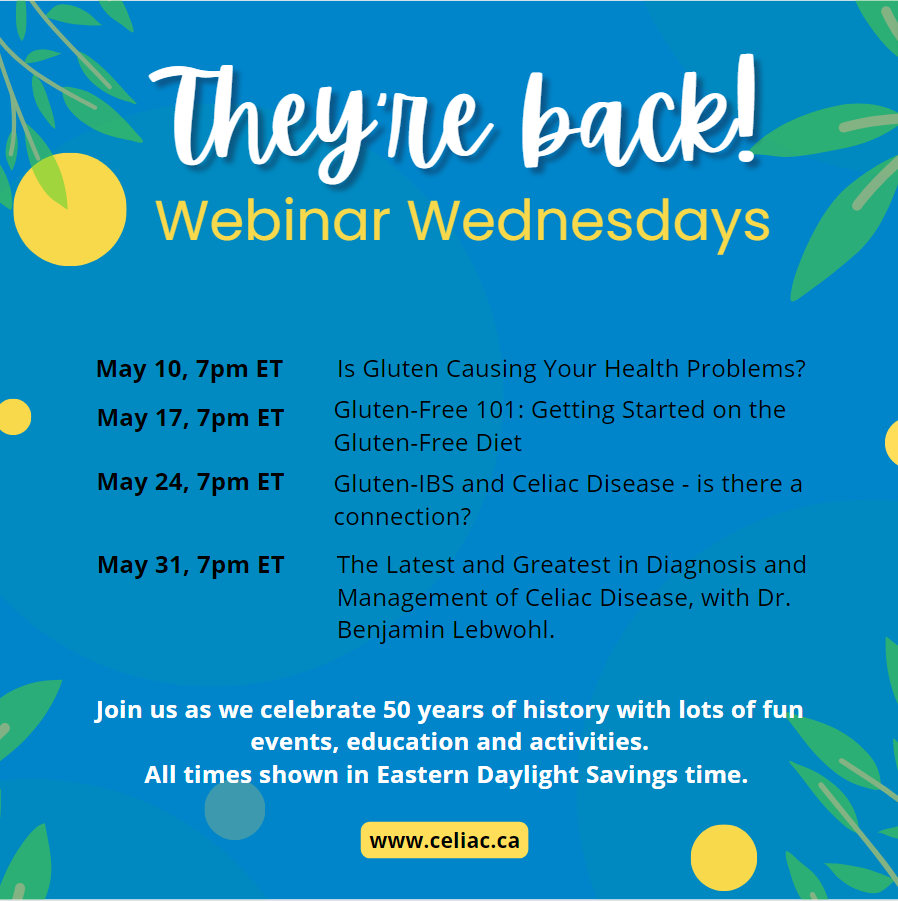
Getting Started on the GF Diet

This free webinar has been developed for newly diagnosed Canadians with celiac disease or gluten sensitivity who want to build their confidence in managing their own disease or that of a family member or friend. It’s an interactive session so bring your questions!

Upcoming sessions:
May 17th, 7pm ET
June 19th, 7pm ET
Connect with us!
Better Living Gluten Free is a bi-monthly electronic publication of Celiac Canada.
Copyright 2023 © Celiac Canada
If you have any questions, please contact info@celiac.ca 

The contents of Better Living Gluten Free (BLGF) are provided in good faith, for information purposes only, and using the most current information available subject to amendment and should not be used as a substitute for the advice of a qualified health professional. The Professional Advisory Board of Celiac Canada (the “CCA”) has not reviewed the contents of BLGF. Use of the information is at your own risk. The CCA does not endorse any product referenced in BLGF. To the fullest extent permitted by law, the CCA, its local Chapters and all persons involved in compiling this publication disclaim any responsibility for, and make no representations or warranties regarding, the information provided. In no event will the CCA, its Chapters, or those persons involved in compiling this publication be liable for any damages of any kind resulting from the use of the information. Please review the CCA’s disclaimer policy on its website at https://www.celiac.ca/privacy-policy/