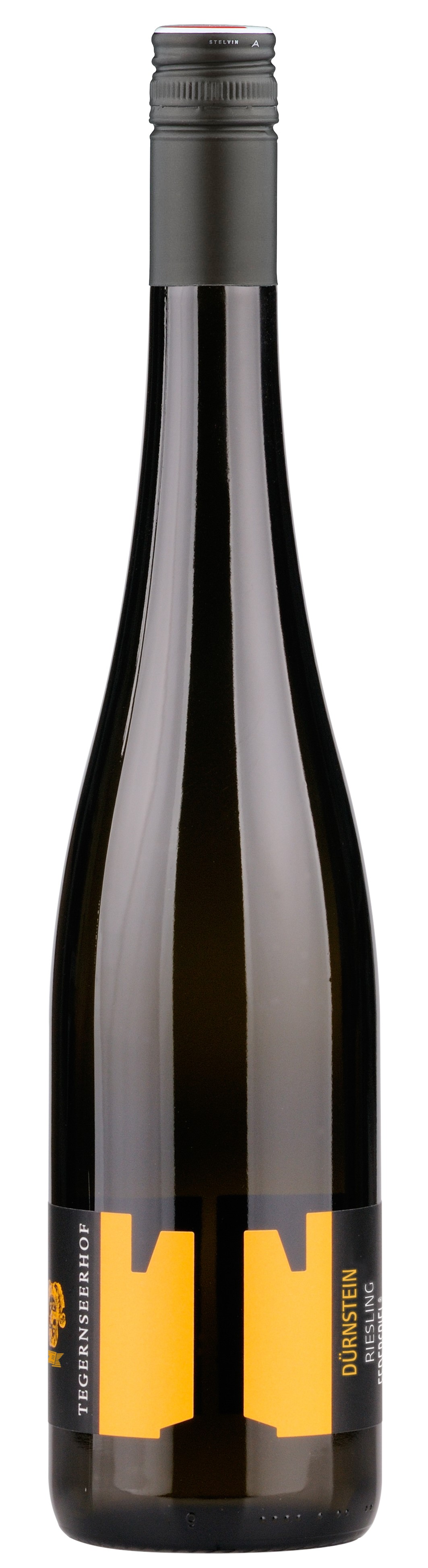
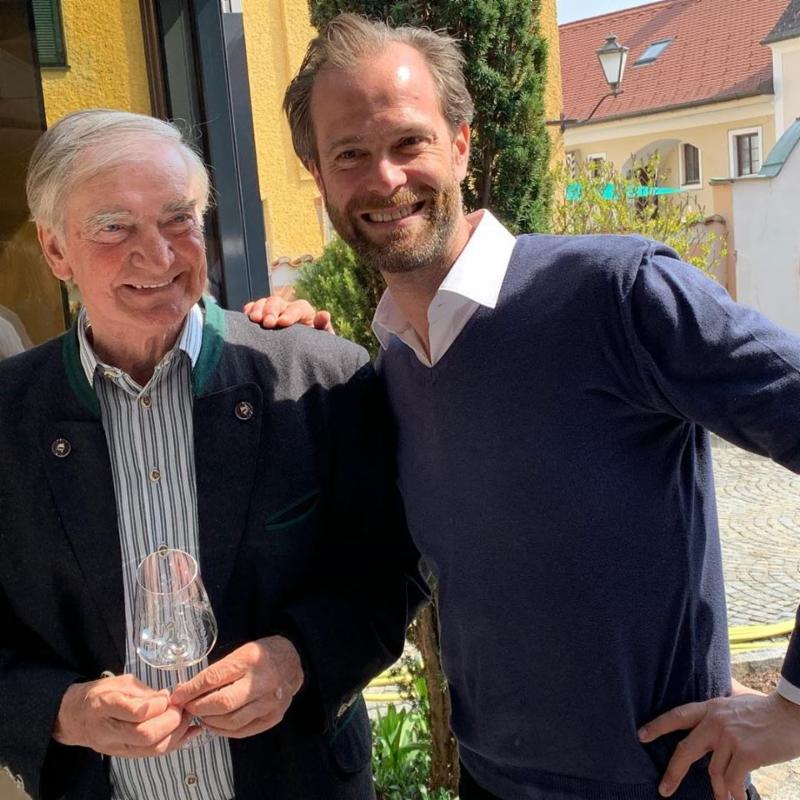
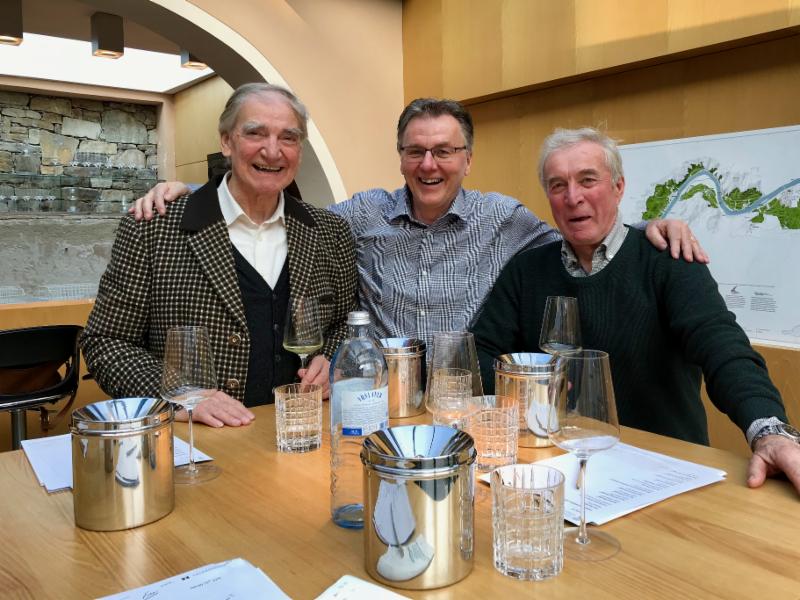
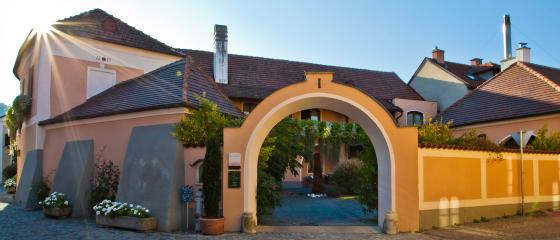
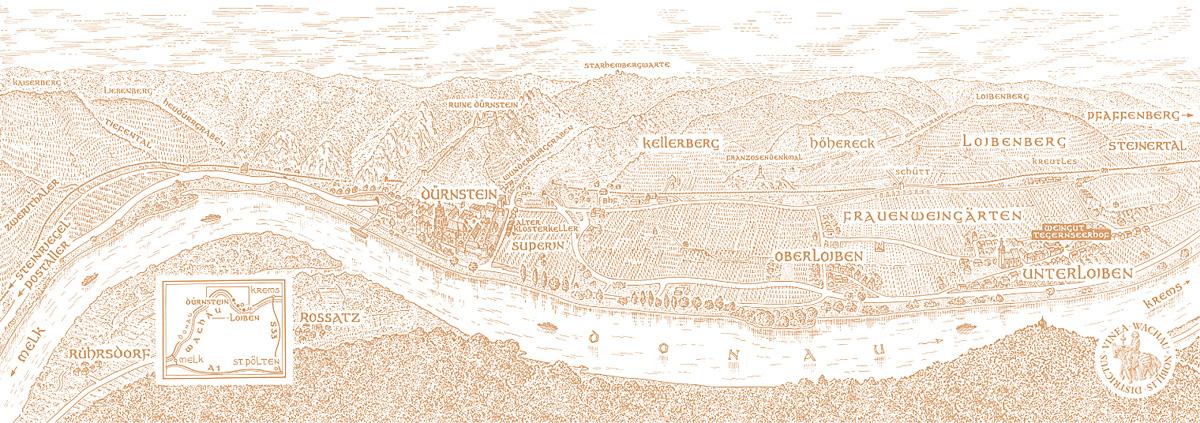
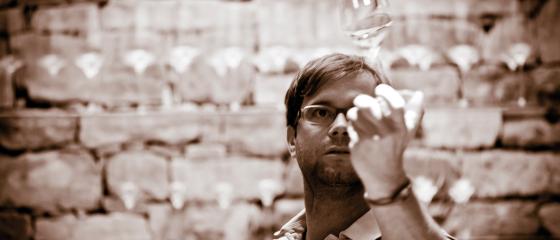
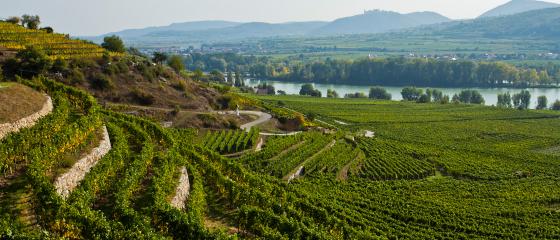
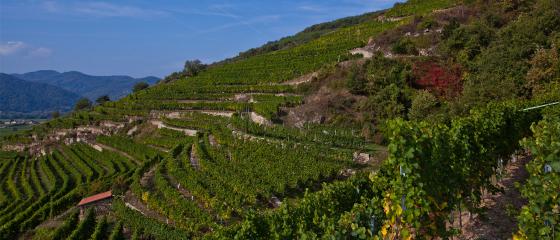
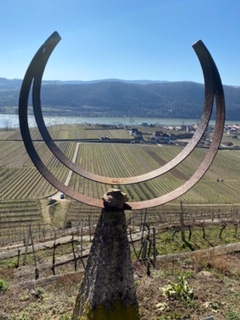
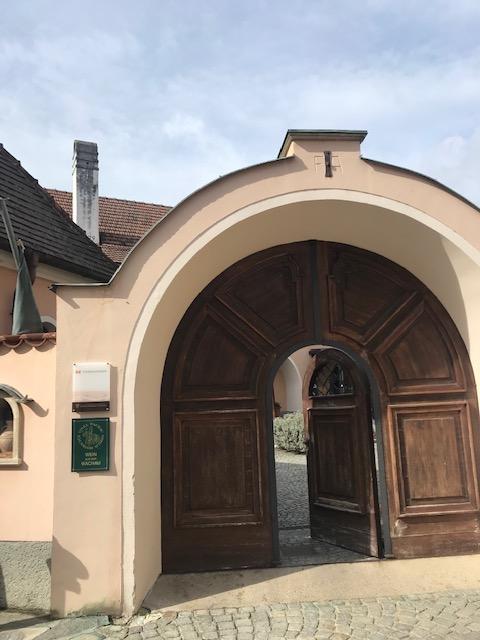
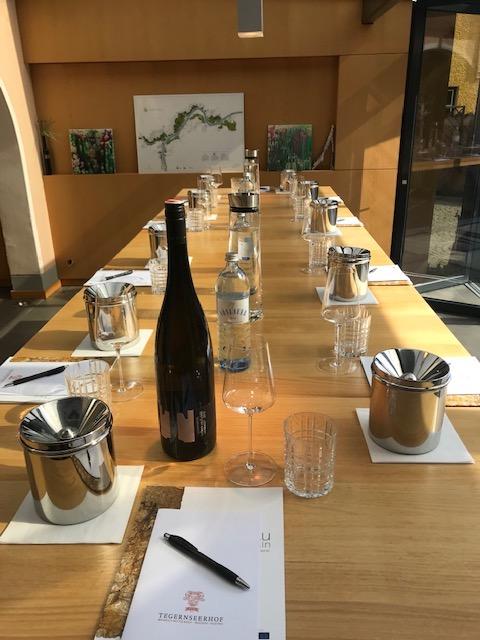
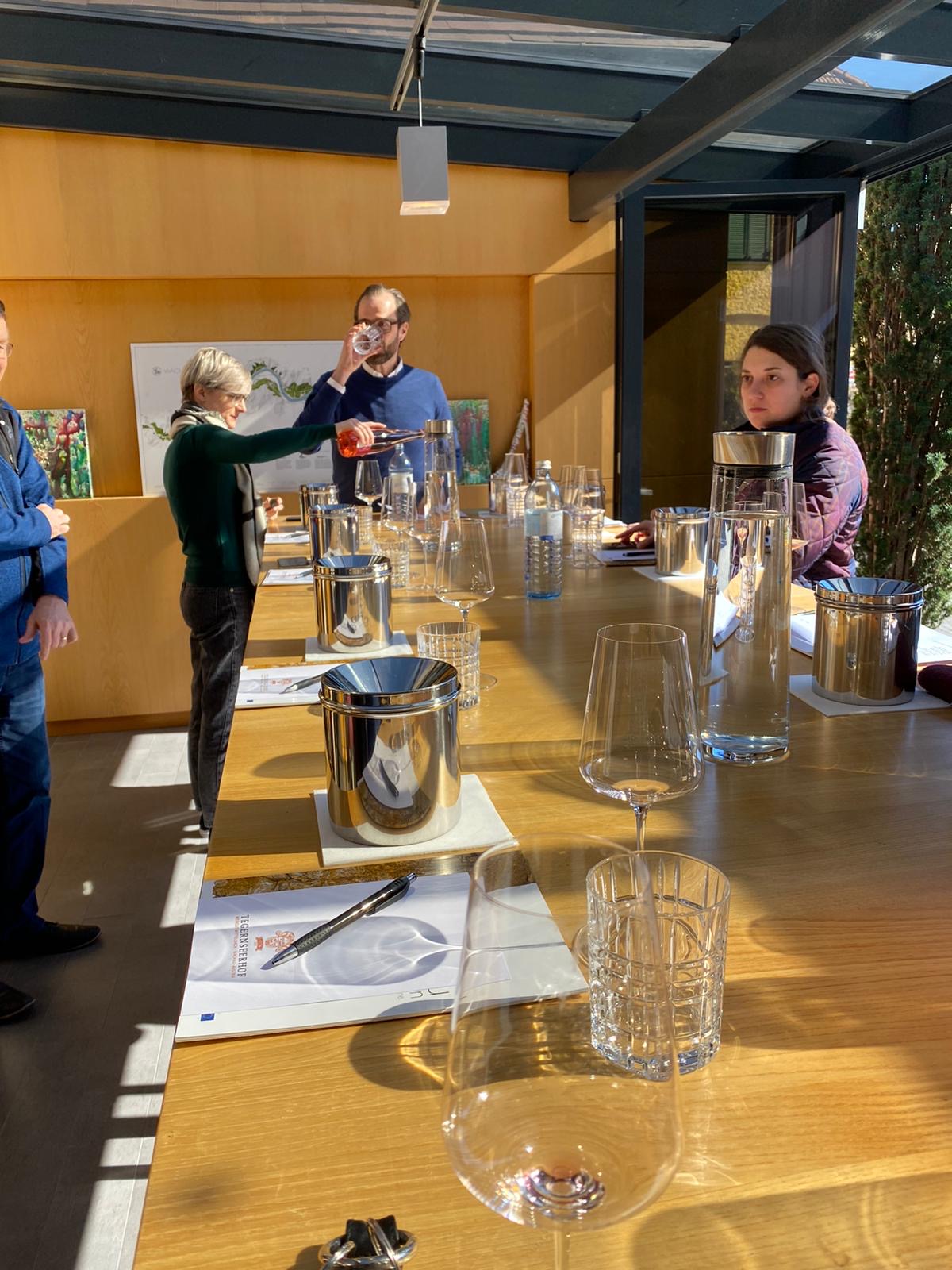
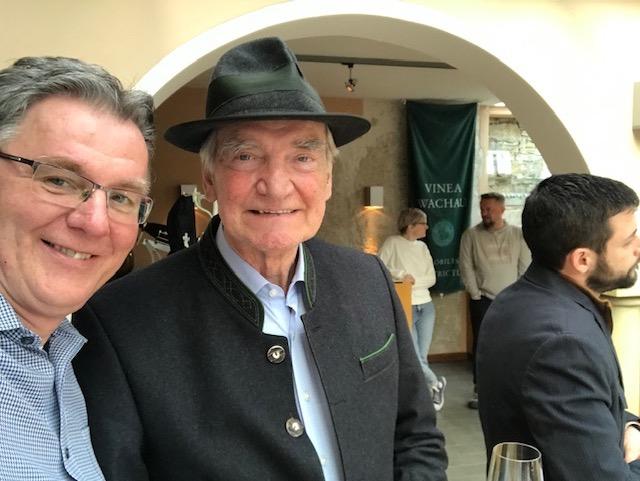
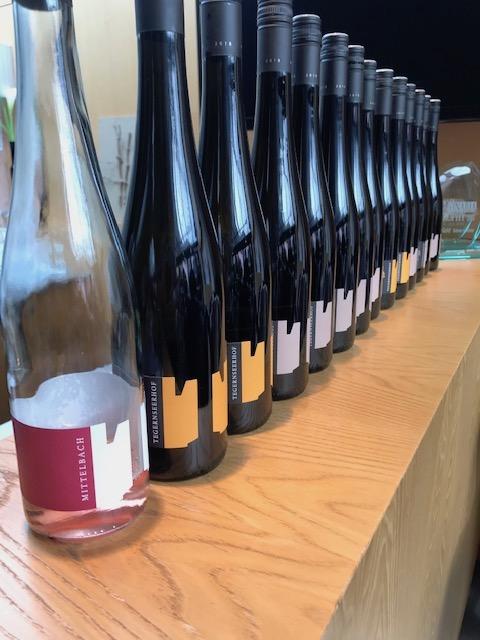
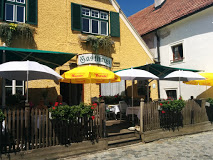
Mittelbach family‘s Tegernseerhof, located in Unterloiben, just below Dürnstein, boasts a tradition dating back to the year 1002. The original facilities were built in 1176 by the Benedictine community of the Tegernsee Abbey. For centuries, the abbey was where the Bavarian monastery produced its wine. At the turn of the 19th century, it was acquired by the Austrian Empire, and later, it went into private ownership. Franz Mittelbach and his wife, Mathilde, are the fifth generation of Tegernseerhof owners. Since the 1970s, they have been continuously running the Tegernseerhof as a family business. Today, Martin Mittelbach, the son of Franz and Mathilde, is the current part of this history. The Tegernseerhof vineyards, a total of 57 acres, flourish on stone terraces whose verdant soil plays host to a rich variety of indigenous fauna. Among the best-known, excellent locations and wines are Bergdistel, Höhereck, and Loibenberg (for Grüner Veltliner) as well as Loibenberg, Steinertal, and Kellerberg (for Riesling). The estate is a member of the exclusive association “Vinea Wachau”, therefore the vinification follows the strict regulations of the “Codex Wachau".
Total production: 150,000 bottles.
Wine Region Wachau
:
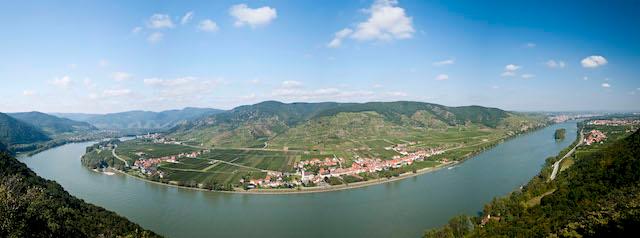
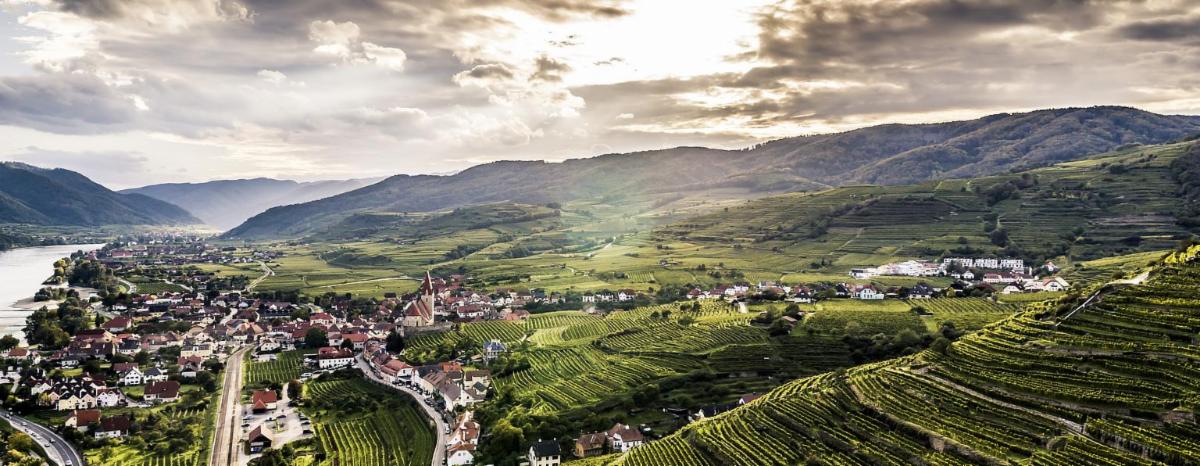
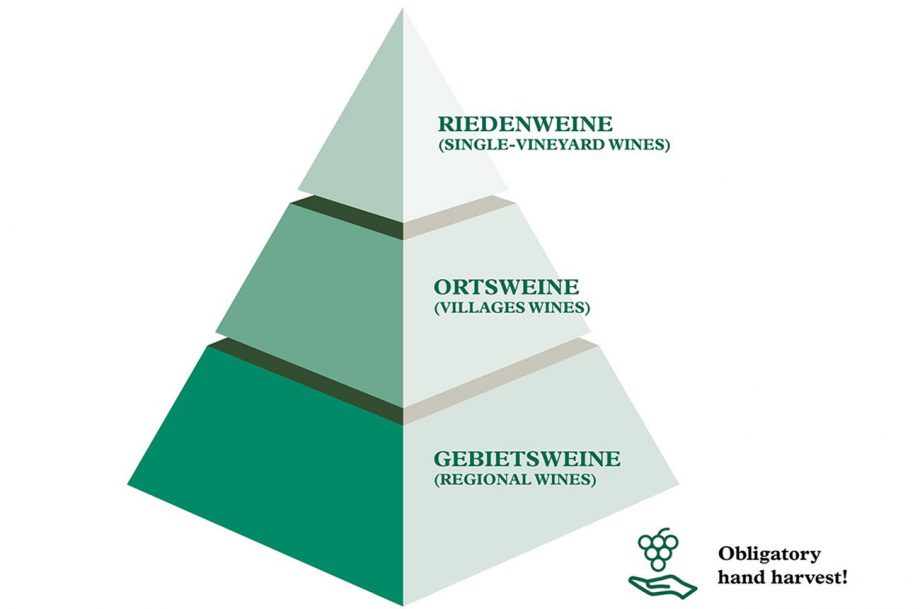
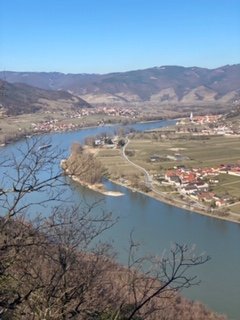
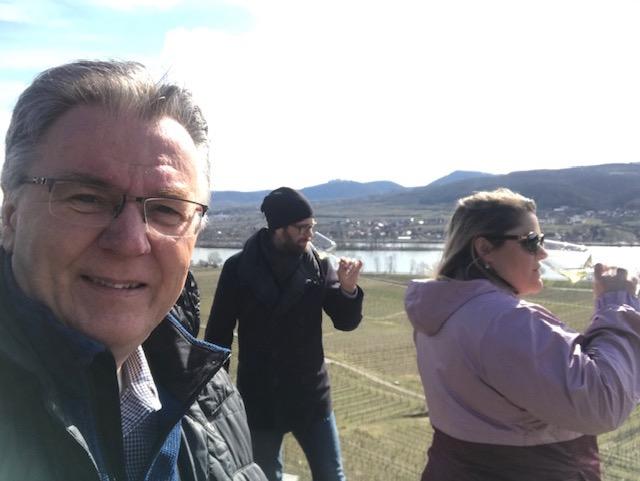
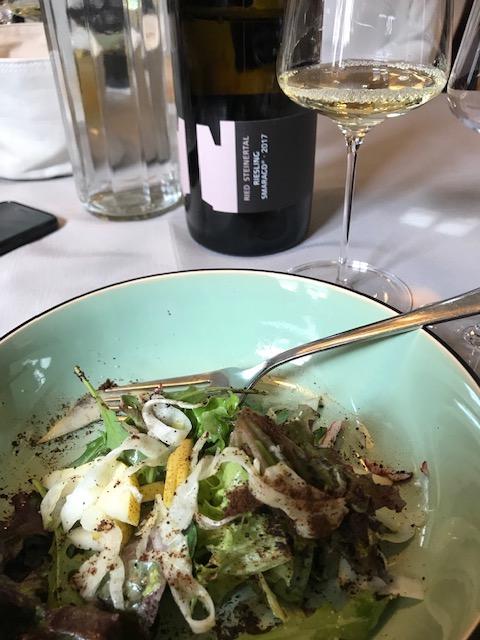
A World Heritage site and a landscape that exudes a sense of well- being: This is the Wachau, Austria’s most prestigious wine-growing area that certainly boasts an exciting history. Here, the 3,460 acres of vineyards - some of which are on steep terraces - feature mainly Grüner Veltliner and Riesling. The wine categories of Steinfeder, Federspiel, and Smaragd are used respectively for light, medium, and full-bodied wines with natural alcohol.
Dürnstein:
Situated in the heart of the magnificent Wachau Valley, the charming town of Dürnstein offers the unique combination of breathtaking scenery, traditional architecture, and places of historic interest. The precious village Loiben is world-famous for its wines and wineries.
Soil and Climate:
In the post-glacial period, silt sediments were deposited on the mountains, something that, in turn, resulted in the loess soils, as well as steep slopes of “Gföhler” gneiss, found today. These geological conditions, along with the man-made stone terraces that help facilitate cultivation - despite the steepness of the terrain - are typical of the Wachau landscape. Climatically, two strong, complementary influences converge here: the Western Atlantic and the Eastern Pannonian conditions.
Production
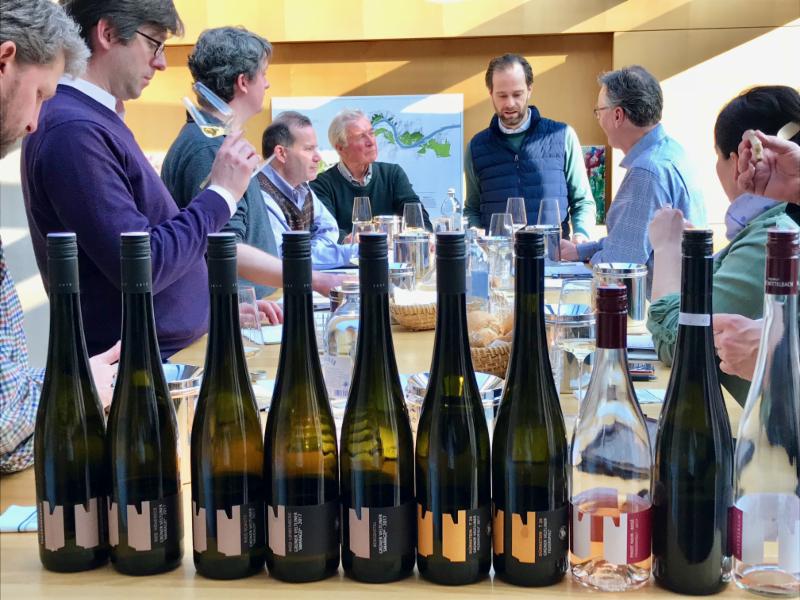
: Profound and solid handcraft is the essential background, which results in our wines with a distinctive personality. "The highest level of excellence must be the minimum we should expect from these wines." Martin Mittelbach