November 17, 2025


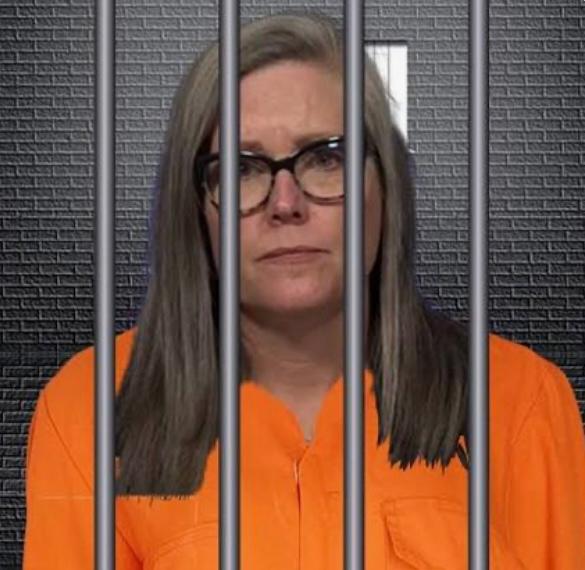
Arizona House Launches Investigation Into Potential Pay-to-Play Scheme Tied to Governor Hobbs’ Administration


A political firestorm erupted recently after House Speaker Steve Montenegro announced the formation of a high-level advisory team to investigate troubling findings reported by The Arizona Republic—findings that point to what may be one of the most serious pay-to-play allegations in recent state history.


At the center of the controversy is Sunshine Residential Homes, a group-home provider that reportedly received a 30% rate increase worth millions of taxpayer dollars after contributing more than $400,000 to Governor Katie Hobbs and the Arizona Democratic Party. According to documents and internal messages cited by the Republic, the rate hike was approved while other providers were denied similar requests. Staff communications further revealed efforts to keep the increase quiet from competitors and referenced the company’s political ties to the governor.

The revelations come at a time when the Department of Child Safety (DCS)—overseen by the Hobbs administration—has been dealing with a budget shortfall and a mandate to reduce reliance on group homes, raising further questions about why one politically connected provider was prioritized over others.


House Leaders Form Advisory Team to Investigate

The advisory team appointed by Speaker Montenegro includes:


  • Rep. Selina Bliss, Chair of the House Health and Human Services Committee
  • Rep. David Livingston, Chair of the House Appropriations Committee
  • Rep. Matt Gress, Chair of the Joint Legislative Audit Committee
  • Rep. Quang Nguyen, Chair of the House Judiciary Committee
  • Speaker Pro Tempore Neal Carter


This team will spearhead a legislative investigation designed to:


  • Gather and analyze all relevant documents and communications
  • Coordinate with ongoing law-enforcement inquiries
  • Ensure preservation of records by all agencies and contractors
  • Recommend further action by the House, including potential statutory changes to prevent political favoritism in state contracting

A Continuation of Earlier Warnings

This latest move builds on prior concerns raised by House leaders:


  • In June 2024, Rep. Matt Gress urged the Maricopa County Attorney and the Arizona Auditor General to investigate potential unlawful activity following early reporting on Sunshine’s political and financial connections.
  • Rep. David Livingston publicly called for Attorney General Kris Mayes to recuse herself, citing a conflict of interest and what he described as a consistent pattern of protecting Governor Hobbs and Democratic Party interests.


These prior warnings, now echoed in the latest reporting, have strengthened momentum for a full legislative probe.


Speaker Montenegro: “Arizona Deserves a System Based on Care, Not Access”

Speaker Steve Montenegro emphasized the seriousness of the allegations and the responsibility of the Legislature to act:

“The facts reported raise serious questions the House cannot ignore. Arizona’s children, families, and taxpayers deserve a system that is clean, fair, and focused on care—not political access or donations. The House will secure the records, ask the hard questions, and, if necessary, change the law to ensure it never happens again.”

Montenegro further directed all relevant state agencies and contracted providers to preserve records immediately and fully cooperate with the investigation, stressing the House will work in coordination with the Auditor General, the Maricopa County Attorney, and the Attorney General while respecting all ongoing legal processes.

What Comes Next

The advisory team is expected to begin requesting documents and scheduling interviews within days. Depending on what investigators uncover, the House may pursue reforms to procurement laws, increased oversight over DCS contracting, or further legal action.


For now, the unfolding inquiry marks a significant escalation in the long-standing concerns surrounding the Hobbs administration’s relationship with Sunshine Residential Homes—and places the integrity of Arizona’s child-welfare system under the closest scrutiny it has faced in years.

Maricopa County Has Outgrown Arizona’s Salary Laws — And It’s Time to Fix Them (this story is about Maricopa County employees County Attorney Rachel Mitchell is just an example)


Last week, I attended a meeting where County Attorney Rachel Mitchell spoke about the latest happenings within her office. It’s always interesting to hear firsthand about the important work being done to keep Maricopa County safe. Her team is on the front lines every day, protecting all of us.


But this time, I learned something surprising — an issue that has nothing to do with putting criminals behind bars, and everything to do with fairness, future leadership, and the sustainability of public service in Arizona. This topic came up when someone asked if Mitchell would consider running again in 2028.


Many county-level salaries in Arizona are dictated by statute under A.R.S., and those statutes divide counties into only two categories:


  1. Counties with under 500,000 people, and
  2. Counties with over 500,000 people.


On paper, this might look fine. But in practice, it creates major inequities — especially for the fastest-growing county in America.


A Population Gap the Law Has Not Caught Up With

Today, Maricopa County has 4,726,247 residents.

The next largest county, Pima County, has 1,091,719.

Pinal follows with 541,329.


Maricopa County is four times larger than Pima, and nearly nine times larger than Pinal, yet under Arizona law, the Maricopa County Attorney earns the same salary as the Pinal County Attorney. That makes no sense, especially when you consider the size, complexity, and scope of the caseload handled here. The County Attorney is not the only office whose salary is governed by statute. This is just the example I was presented.


Meanwhile, assistant county attorneys negotiate their salaries individually with HR — meaning that in many cases, assistant attorneys (and assistants in other divisions of county government) earn more than the elected County Attorney who leads the entire office.


A Retirement System That Creates a Disincentive to Run Again

The issue doesn’t stop with salary. Under the Arizona Retirement System (ASRS), retirement benefits for many public employees are calculated based on their highest-earning consecutive 60 months in the final 10 years of service.


For County Attorney Mitchell, running for reelection in 2028 would actually lower her retirement benefits, simply because of outdated salary caps written decades ago. That is a major disincentive for experienced, proven leaders to remain in office.


We Are at Risk of Losing Great People

The County Attorney is not the only position affected by A.R.S. salary restrictions. Several key county roles — positions we rely on for public safety, justice, elections, infrastructure, and governance — are trapped under salary caps that no longer reflect market realities or county size.


Maricopa County is one of the largest and most complex counties in the nation. Yet its elected officials are compensated as if they were serving in a mid-sized rural county. This is not sustainable, and it puts us at risk of losing talented public servants who simply cannot afford to continue under outdated statutory limits.


It’s Time for the Legislature to Fix This

This is not a partisan issue. It’s a governance issue, a fairness issue, and a retention issue.

Arizona lawmakers should consider:


  • Revising A.R.S. salary statutes to reflect modern population realities
  • Creating a third tier for counties over 2.5 million residents
  • Ensuring retirement systems do not penalize long-serving elected officials
  • Maintaining competitive pay so top talent stays in public service


Other county positions A.R.S. lists salaries for:

  • Assessor
  • Recorder
  • Sheriff
  • Superintendent
  • Supervisor
  • Treasurer


Maricopa County has outgrown the some of the laws written to govern it. As our population approaches five million, it is time to update Arizona statutes to ensure we can continue attracting and retaining exceptional leaders.


If we want safe streets, strong institutions, and effective county government, we must equip our public servants with the resources and compensation necessary to do their jobs — and to stay in them.

Data Centers in Maricopa County: Why They’re Needed and the Facts and Myths Surrounding Them


As Arizona continues to grow, one of the fastest-rising industries in Maricopa County is data infrastructure — specifically, data centers. These large, often windowless facilities have become essential to powering our daily lives, even though they’re rarely noticed by most residents. Yet with new projects proposed across the West Valley, from Surprise to Buckeye, many community members are asking: Do we really need them? And what impact do they have on our neighborhoods?


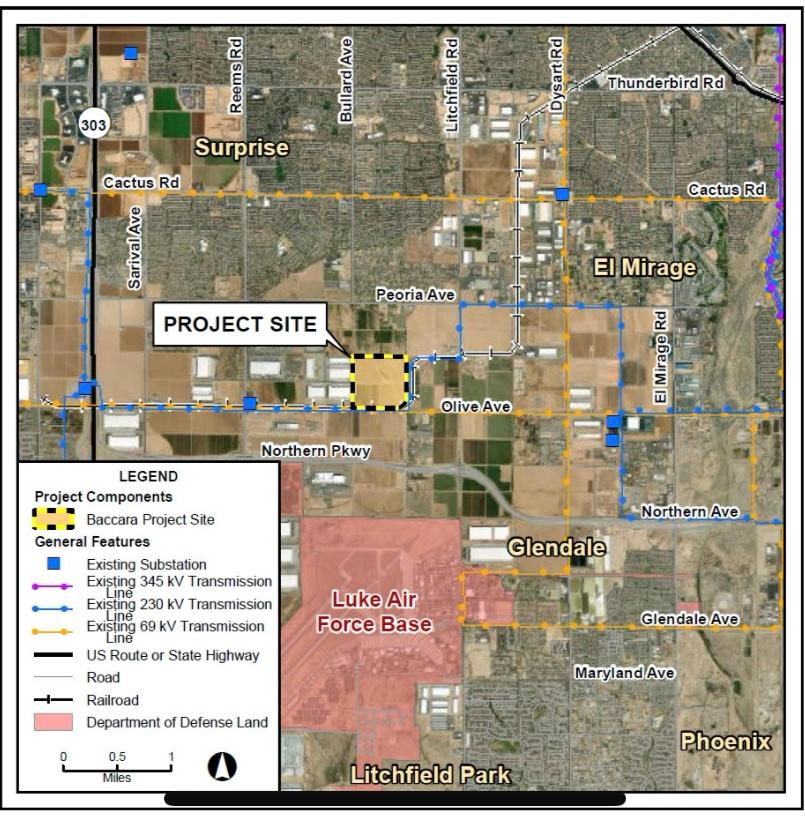
In the unincorporated “county island” immediately south of Surprise city limits, a proposal for Project Baccara envisions a large industrial-scale facility — two data-center buildings plus roughly 700 MW of on-site natural-gas generation — located on land zoned IND-3 with an IUPD (Industrial Unit Plan Development) overlay. Although the project sits outside the Surprise municipal boundary, its proximity means residents within Surprise and surrounding neighborhoods are voicing concerns over impacts like noise, groundwater use, traffic, and the compatibility of a massive horsepower-generation site adjacent to more traditional commercial or residential areas.


Why Data Centers Are Needed

  1. The Digital Backbone of Our Economy
  2. Every photo uploaded, video streamed, or credit-card transaction processed online passes through a data center. As more businesses move to cloud-based systems, demand for reliable data infrastructure has skyrocketed. Arizona’s central location, dry climate, and access to stable power grids make it a prime site for these critical facilities.
  3. Supporting Local Jobs and Tax Revenue
  4. While data centers don’t employ thousands of people like a factory might, they create high-paying technical and maintenance jobs and generate millions in property-tax revenue. Those funds support local schools, fire districts, and infrastructure improvements — a significant benefit for suburban and rural areas alike.
  5. Attracting Future Investment
  6. Tech companies prefer regions with strong digital infrastructure. Building data centers today positions Maricopa County to attract future industries like artificial intelligence, logistics automation, and advanced manufacturing — all of which rely on fast, secure data transfer.


Common Myths About Data Centers

Myth: “They Waste Huge Amounts of Water.”

Fact: While early data center designs relied heavily on water-cooling, modern facilities are far more efficient. Many now use closed-loop systems or air-cooling, dramatically reducing consumption. Some data centers use less water annually than a typical golf course or large hotel.

Myth: “They Don’t Create Local Benefits.”

Fact: Data centers provide significant short-term and long-term economic benefits. Construction employs hundreds of skilled workers, and the required utility upgrades and infrastructure improvements often enhance service reliability for surrounding neighborhoods and local businesses.

Myth: “They Increase Noise and Traffic.”

Fact: Data centers are quiet, low-traffic operations. They run 24/7 but do not generate heavy truck traffic or large numbers of visitors. Backup generators are tested only occasionally and are typically housed in sound-reduction enclosures that meet strict local noise codes.

Myth: “They Lower Property Values.”

Fact: There is no strong evidence that data centers negatively impact property values. In many communities, well-designed, landscaped data campuses have helped stabilize or even increase nearby property values due to improved infrastructure and the absence of more disruptive industrial uses.

Balancing Growth and Responsibility

Maricopa County’s leadership has a tough task: balancing the need for growth with community preservation. Thoughtful zoning, public transparency, and environmental safeguards are essential. When done right, data centers can fit within that balance — powering our economy without compromising our quality of life.


As our population and digital dependence expand, these facilities are no longer optional — they are the unseen engines that keep our modern world running.


Project Baccara: A Proposed Data Center - A Transparent Process and a Community Conversation Worth Having


Project Baccara has sparked a lot of discussion in the West Valley, and rightly so. Any project of this scale deserves close public scrutiny. Over the past several months, many residents have raised questions about water, noise, power generation, environmental impact, and the proximity to nearby homes. Those concerns are valid, and they should be addressed openly.


To their credit, Takanock, the developer behind Project Baccara, has been extremely transparent throughout this process. They have hosted multiple open house events, offered detailed Zoom presentations, and responded quickly to emailed questions. Whether one supports the project or not, the level of accessibility and information-sharing they have provided is noteworthy.


Initial Feedback From Regulators and Local Cities

When I first heard about Project Baccara, I reached out to the Arizona Corporation Commission (ACC). Their response was twofold:


  1. A project like this is needed, and
  2. This location is appropriate for such a facility.


Because the site sits within a county island, I also contacted council members from several nearby cities. Each city indicated they had questions and wanted more details, but importantly, none expressed opposition to the project at this time.


After Four Meetings, Here Are My Main Takeaways

I have personally attended two in-person open houses and two Zoom briefings. My primary concerns from the beginning were straightforward: water, noise, and power. These are finite, precious resources, and we should never take them for granted. I also strongly believe in property rights — both the rights of the project owner AND the rights of the neighbors who want to continue living peacefully.


Here’s what I learned:


Water Use: A Closed-Loop System With Reclaimed Water

Project Baccara plans to use a closed-loop cooling system, meaning water is recirculated rather than constantly consumed. Even more importantly, Takanock is working with a neighboring industrial facility discussing utilizing reclaimed water from them rather than drawing from local groundwater.


The total projected water use is approximately 100 acre-feet per year — significantly lower than many industrial users in Maricopa County. Protecting water resources is one of my top priorities, and the presentation of these details made a meaningful difference in evaluating the project.


Power Generation: A Local Benefit

The project includes a natural gas power plant designed to supplement the grid during high demand periods. Electricity generated onsite would be sold back to the APS which would help Electrical District 7, providing a local, flexible backup power source.


With our exploding population and massive reliance on technology, having additional grid stability is a public benefit, not a burden.


Noise Levels: Quieter Than Current Ambient Sound

One of the most surprising facts presented was that the noise generated by the facility will be lower than or equivalent to current ambient noise levels in the area.


A comparable facility, the SRP Santan Generating Station, has virtually no noise complaints from nearby residents. For a project that includes data halls and a gas turbine, this was encouraging information.


Air Quality: Within Maricopa County Standards

Air quality is a legitimate concern, especially for projects involving combustion. According to Takanock’s environmental assessment, emissions from the gas plant will remain well within Maricopa County Air Quality Department standards, with ongoing monitoring built into the project to ensure compliance.


Proximity to Homes: Respecting Neighbor Rights

The project area is relatively isolated:


  • 6 homes within 0.5 miles
  • 110 homes within 1 mile
  • 630 homes within 1.5 miles


Every one of these households has the right to clean air, quiet living, and stable water access. Those rights must be protected. The data presented so far suggests that the project will not compromise those expectations, but continuing oversight is essential.


The Role of Data Centers in Modern Life

Whether we like it or not, we live in a digital world. Every time we:


  • Use GPS
  • Access the internet
  • Stream content
  • Use cloud storage
  • Interact with AI


…a data center makes it possible.


They are already around us — and most people never even notice they are there. If we expect fast, reliable technology, data infrastructure must grow with us.


My Position Today

At this point, based on the information provided and after personally attending multiple meetings, I am in favor of Project Baccara.


That said, I respect that some residents disagree. What concerns me is that a lot of misinformation is spreading online, and people are forming opinions without attending the open houses or asking direct questions.


If you have concerns or want clarification, I encourage you to email Takanock directly. They have consistently replied quickly and thoroughly. There is no need to rely on rumors when accurate information is readily available.

We Won the Battle—But the War Is Not Over


Earlier this month, the Maricopa County Board of Supervisors voted with the people and rejected BNSF’s proposed change to the Comprehensive Plan. The voice of the people was heard loud and clear. Citizens from across the West Valley stood together to protect our rural lifestyle, preserve open space, and defend our communities from the massive industrial development that would have forever changed Wittmann and the west valley.


But make no mistake—BNSF will not go away quietly. Despite the clear opposition from residents, homeowners’ associations, and local leaders, the company continues to push forward. Their next move will be to request a zoning change, which will again appear as an agenda item before the Maricopa County Board of Supervisors.


That means our work is far from done. We must continue to gather signatures and build momentum to show that the people of the West Valley stand united. If you have already signed the petition, please share this newsletter with your friends, neighbors, and community groups. Every voice matters, and every signature counts.


BNSF Faces Tough Questions at Weekend Meeting — But Provides Few Answers

Last Saturday, I attended a community meeting where representatives from BNSF—Lena Kent and Kyle Cooper—gave a presentation they said was intended to “correct misinformation.” From the start, it was clear the audience came prepared with serious concerns, and the responses from BNSF left many even more frustrated than before.


Kent stated that BNSF and the City of Surprise have “been in discussions for quite some time” regarding their proposed intermodal hub in Wittmann, including discussions about needed road improvements. But when an audience member asked the obvious question—“Why did every City Council member cite lack of communication as a reason for their resolution in opposition?”—BNSF had no answer.


The room erupted with disbelief.


Instead of offering transparency, BNSF turned to fear-based talking points. Kent brought up the empty grocery store shelves during COVID, saying, “If the hub existed then, that would have helped and there would not have been as many empty shelves.”


The implication was clear: opposing the hub is equivalent to jeopardizing supply chains. Many in the audience did not appreciate the tactic.


When concerns about dramatically increased truck traffic were raised, Kent dismissed them by saying, “There are already lots of trucks on the roads.”


That response only fueled more anger. Community members deserve actual data, not dismissive rhetoric.


The tension reached a point where many people simply walked out.


Growing Concerns and Waning Confidence

BNSF will soon be making a similar presentation at the Sun City Republican Club, but the company is already facing serious credibility issues. After their loss at the Maricopa County Board of Supervisors, I heard from multiple sources that several vendors have cancelled plans for future warehouse space on BNSF property in Wittmann. Instead, they are opting to utilize existing warehouse capacity along the 303—reinforcing the point that BNSF’s proposed hub is not essential for regional commerce.


If I had been able to ask a question at the meeting, it would have been this:


Why should we trust you?


  • You have already violated Dark Sky protections.
  • The City of Surprise stated publicly that you do not communicate.
  • You requested a fourth continuance only 48 hours before the Board of Supervisors meeting—claiming you wanted both the Comprehensive Plan Amendment and zoning heard at the same time, even though the meeting date had been scheduled for over 60 days.


These actions paint a troubling picture of a corporation asking for trust while showing little accountability.


The Fight Continues

BNSF has made it clear they will not walk away quietly. They will continue pushing for their massive intermodal hub—regardless of its impact on rural communities, local roads, water concerns, traffic safety, and quality of life.


And so must we.


The people of rural Arizona deserve a voice, transparency, and respect—not fear tactics and last-minute desperate maneuvers. We must continue standing up, speaking out, and protecting the character and safety of our communities.


Together, we can preserve rural Arizona and ensure decisions are made in the best interest of the people—not powerful corporations.

Make a Foster Child’s Christmas a Bit Brighter


The holidays should be a time of warmth, family, and love—but for many children in Arizona’s foster care system, Christmas can feel like just another reminder of what they’ve lost.


Michael Brewer, President of Hope & A Future, is working to change that. His nonprofit organization meets the needs of older youth in Arizona’s foster care system, offering programs that bring light, learning, and lasting hope into their lives.

Hope & A Future provides summer camp experiences, life skills programs for foster youth and transitional living assistance for those who “age-out” at18. These programs do more than entertain—they build confidence, teach independence, and offer a sense of belonging that many of these young people have never known.

When a foster child turns 18, the state considers them an adult and essentially wishes them well. There’s no ongoing support system—no safety net. Many of these young adults are not emotionally or practically ready to face life on their own, and without the right guidance, far too many fall through the cracks.


That’s why organizations like Hope & A Future are so vital. They provide connection, stability, and genuine care for those who need it most.


Give Hope—and Receive a Dollar-for-Dollar Credit

This Christmas season, you can make a direct difference and reduce your Arizona state taxes through the Arizona Foster Care Tax Credit.


When you donate to Hope & A Future, the State of Arizona will give you a dollar-for-dollar credit on your taxes—up to $1,234 for married couples or $618 for individuals for 2025.


That means if you owe taxes, your gift simply redirects what you already owe to help foster youth instead. Every dollar you contribute helps provide life-changing programs, meaningful relationships, and the hope of a brighter future.


Any amount helps. Learn more and give by clicking the link below or by mailing your gift to:


Hope & A Future

909 W McDowell Rd

Phoenix, AZ 85007


Make this Christmas count—give hope that lasts far beyond the holidays.

Introducing the New Patriotnheels Website: Stay Updated on BNSF and Key Stories


I'm excited to announce the launch of the all-new Patriotnheels website! This platform is designed to keep you informed on the latest developments surrounding BNSF (Burlington Northern Santa Fe) and other crucial stories that matter to our community. Patriotnheels is your go-to source for timely, relevant information.


What to Expect on the Website:


  • BNSF Updates: Saving Wittmann is job #1.
  • Important Stories: We will also bring you important news and stories that matter to you—whether local, national, or global. Stay informed with our carefully curated content.
  • Newsletter Sign-Up: Don’t miss out on any updates! Sign up for our newsletter to receive the latest stories and updates delivered directly to your inbox. It’s easy, fast, and free. Simply enter your email address and you’ll be kept in the loop on all the important news.


Spread the Word

I'm excited to bring this resource to you, but I need your help to make it a success. Please share the website with your friends and family, and encourage them to sign up for the newsletter. The more people that know about Patriotnheels, the more we can continue to provide high-quality updates and information that benefit everyone.


Thank you for your continued support, and I look forward to engaging with you on this new digital platform!


PATRIOT HAPPY HOUR WITH FELLOW REPUBLICANS!


Join Us for Another Great Evening!


Due to overwhelming demand, we’re bringing back our Patriot Happy Hour at State 48 in Surprise! Last month’s gathering was a fantastic success, with great food, drinks, and, most importantly, meaningful conversations with fellow conservatives. Let’s do it again!


 Where: State 48 Brewery - 13823 West Bell Road, Surprise, AZ 85374

 When: Wednesday, November 19th (different night due to holiday)

 Time: 4:00 PM – 7:00 PM


This is the perfect opportunity to connect with like-minded individuals, get to know fellow PATRIOTS, and strengthen our local Republican community. Whether you're a seasoned PC, new to our LD, or simply want to make new friends everyone is welcome!


Bring a friend and join us for an evening of camaraderie, networking, and fun. Let’s keep the momentum going!


Patriot Happy Hour is always the last Wednesday of the month. (holiday effects this month's hh)

Help Us Grow – Share the Newsletter!


If you enjoy reading this newsletter and find the information helpful, I invite you to share it with others who may also benefit. Whether it’s a neighbor, friend, or fellow community member, this newsletter is designed to keep you informed with timely, relevant updates that impact our daily lives in the West Valley and beyond.


Feel free to forward this newsletter to others or simply send me their email address (with their permission), and I’ll gladly add them to the list. My goal is to keep our community connected and empowered with the facts—not just opinions.


As always, I do my best to deliver content that matters: local updates, key political developments, action items, and resources that help you stay engaged and informed.

Together, we are stronger—and better equipped to make a difference.


Thank you for reading and for being part of this growing movement.


Warmly,

Lisa Everett

DUE TO THE HOLIDAY - PLEASE CALL TO VERIFY THE CLUB IS MEETING IN DECEMBER

Thank you,

Lisa Everett


www.patriotnheels.com


Follow me on:

X - @patriotnheels

Facebook - @patriotnheels

Instagram - @patriotnheels