|
Friends: As I sit down to write this, the 96th BookMarks Update, I am filled with angst and ambivalence. I am full of gratitude for my lovely family with whom I've just spent a week on a lake in Maine, for my wife who entered my life 61 years ago and tied the knot three years later, for my wonderful circle of friends who feed me and have my back, for my good health, for our ability to live in two very special places, and for so much more. Yet, at the same time, not a day goes by when I'm not sickened by the actions of our government---the wars, the corruption, the greed, the lawlessness, the lack of compassion and empathy, and the promise of even worse to come. Balancing those two emotional states is proving to be difficult, what Keats referred to as 'negative capability', but as Thomas Beckett said, "You must go on; I can't go on; I will go on." Towards that end, I continue to find reading a great comfort as the storm rages.
July was a month full of wonderful books ranging from Henry David Thoreau's timely essay on civil disobedience to Jill Lepore's delicious investigation into the cult figure Joe Gould, from the tense mysteries of Jo Nesbo and Michael Connelly to the mindfulness and calm of Jon Kabat-Zinn's groundbreaking book on meditation, from Alan Lightman's and Tom Stoppard's very different approaches to exploring free will and determinism to two books about great artists, and from a beautiful reflection on creating a garden to three best-selling novels by Maggie O'Farrell, Virginia Evans, and Ann Patchett---a month full of delight and (other than Nesbo) comfort.
Here are the books I read in July:
- Ironwood, Michael Connelly
- Wolf Hour, Jo Nesbo
- Civil Disobedience, Henry David Thoreau
- The Real Inspector Hound, Tom Stoppard
- Joe Gould's Teeth, Jill Lepore
- Wherever You Go There You Are, Jon Kabat-Zinn
- Searching for Stars on an Island in Maine, Alan Lightman
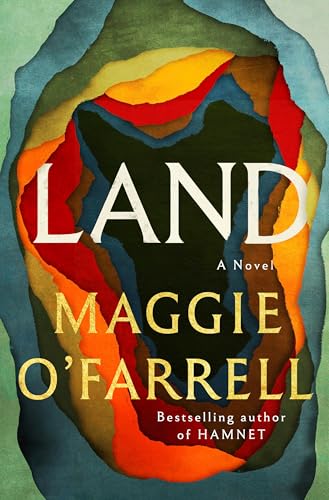
- Land, Maggie O'Farrell
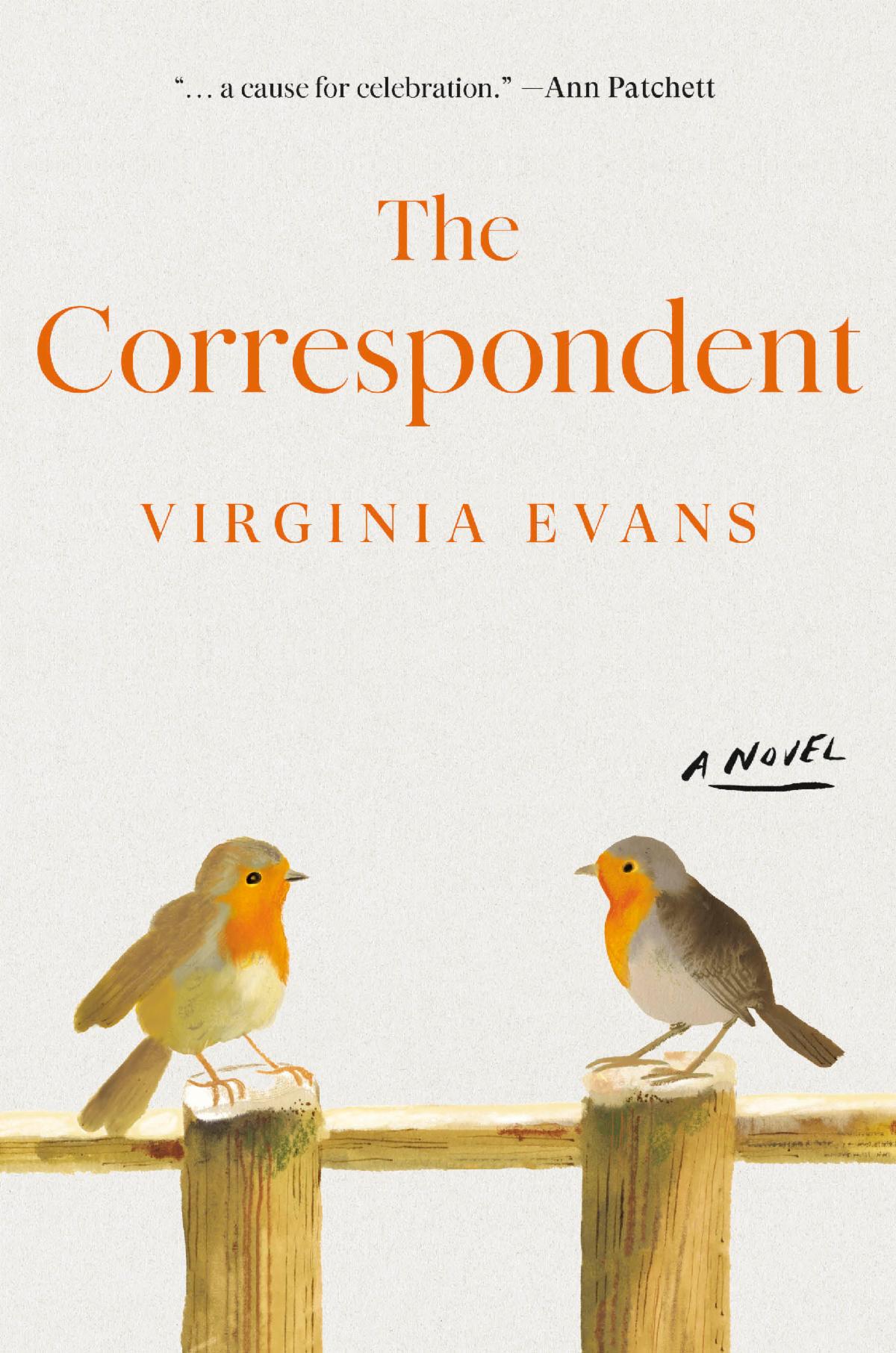
- The Correspondent, Virginia Evans
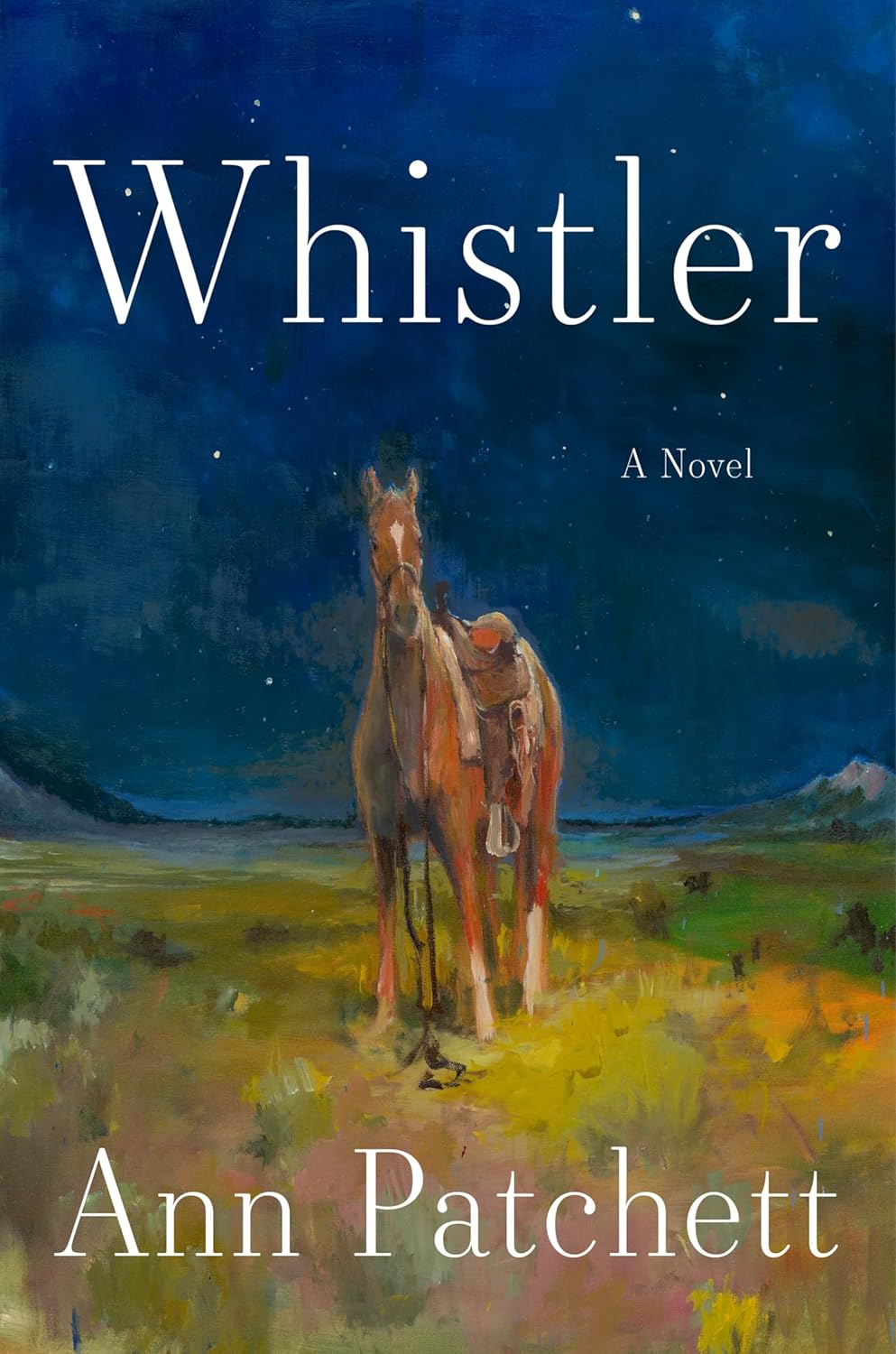
- Whistler, Ann Patchett
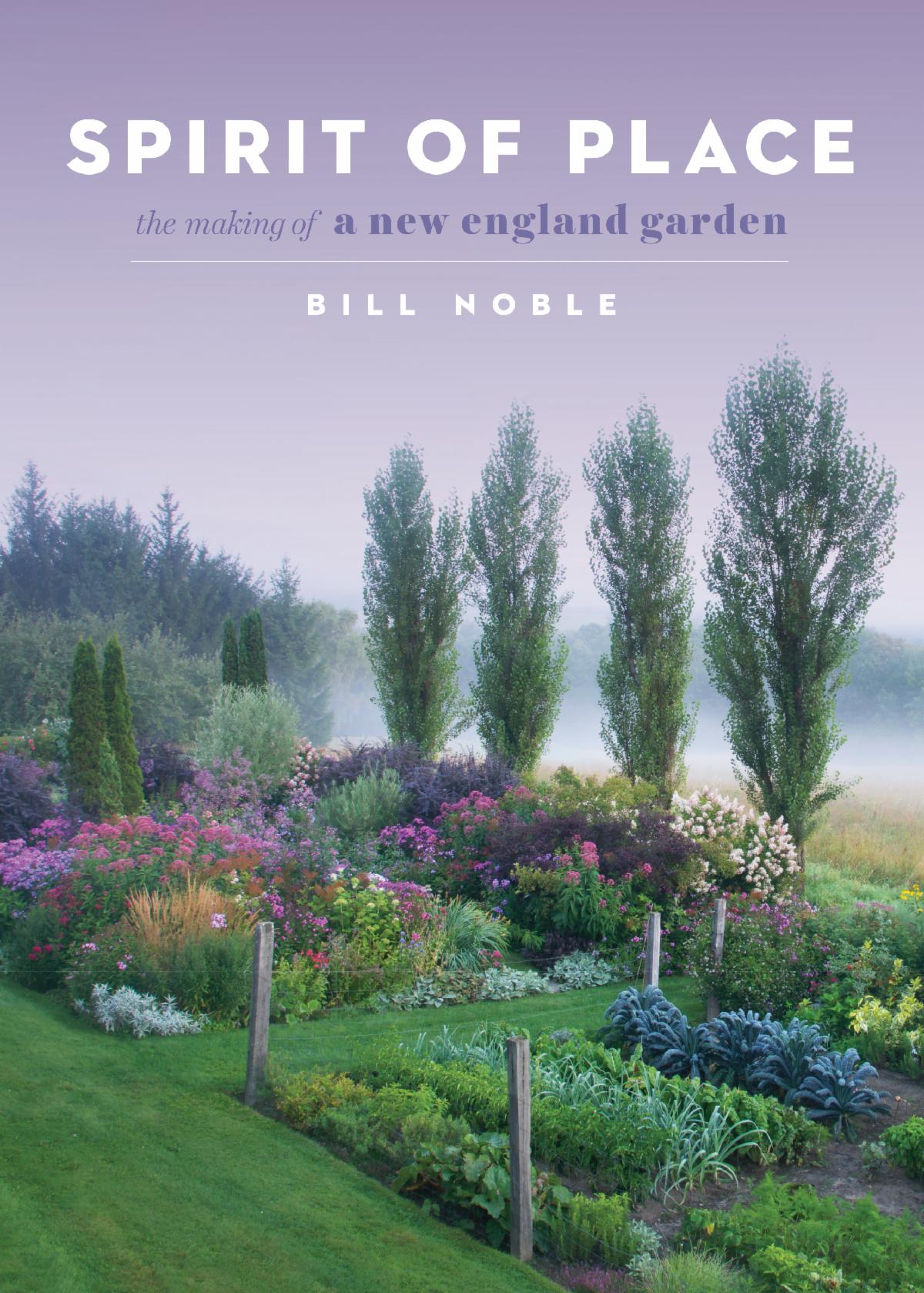
- Spirit of Place: The Making of a New England Garden, Bill Noble
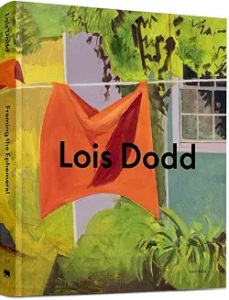
- Lois Dodd: Framing the Ephemeral, ed. Kunstmuseum, The Hague
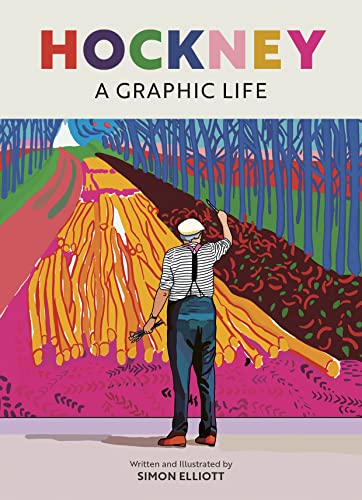
- Hockney: A Graphic Life, Simon Elliott
| | |
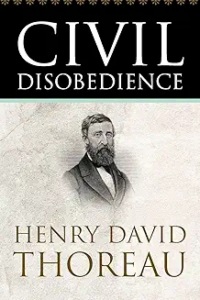
My re-reading of "Civil Disobedience",Thoreau's classic attack on a government that upheld slavery and was waging the Mexican war, was stimulated by a recent visit to Walden Pond. In clear and muscular prose, HDT urges the withholding of taxes to prevent the government from continuing to support despicable and shameful activities, and he spent a night in jail in Concord, Massachusetts to act on his beliefs. While refusing to pay taxes during the VietNam war was a fairly widespread act of protest, I have seen no evidence of this during the current illegal wars on both Iran and on immigrants. Stay tuned.
| |
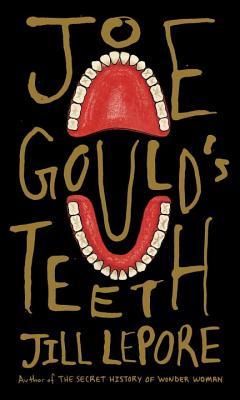
| |  | It's difficult to know how to characterize Jill Lepore's "Joe Gould's Teeth". Lepore, a professor of history at Harvard and a long-time contributor to "The New Yorker" is a prolific writer and the recent winner of the Pulitzer Prize. While teaching a course on biography a few years ago, she became fascinated by Joe Gould, a unique character whose life had been chronicled in two long essays in "The New Yorker" by another outstanding non-fiction writer, Joseph Mitchell. Mitchell's essays, "Professor Sea Gull" in 1942 and "Joe Gould's Secret" in 1964 were considered the authoritative works on Gould who claimed to have written thousands of pages of a work he called "The Oral History of Our Time". Almost certainly suffering from bipolar disorder or schizophrenia, Gould was in and out of hospitals and asylums, supported by writers who believed in his talent and in the existence of his book including e.e.cummings, William Carlos Williams, Ezra Pound, Marianne Moore, and Malcolm Cowley. After spending months diving into various archives and arcane rabbit holes in pursuit of Gould's story, Lepore like Mitchell concluded that his book was all a fantasy and no such book existed. There is a bizarre footnote to this saga. After Mitchell's two essays on Gould were published as a book, "Upstairs in the Old Hotel", he never wrote another piece again. He arrived at his desk at "The New Yorker" and sat in front of his typewriter all day for 32 years and never wrote another word. LePore brings Gould's and Mitchell's stories to life as only she can in this fascinating and entertaining book.
| | |
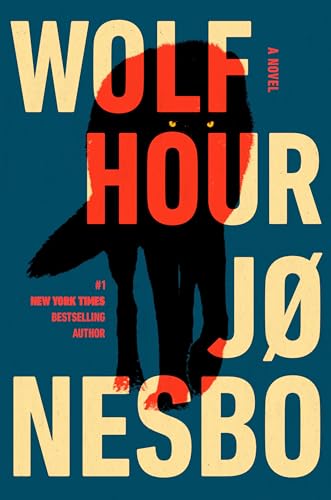
Mysteries, as usual, provided a welcome distraction this month. Two old favorites, Jo Nesbo and Michael Connelly spun their magic, and Tom Stoppard's "The Real Inspector Hound" also presented this reader with a 'whodunit'. I had stopped reading Nesbo some years ago when his Oslo detective Harry Hole books became progressively more violent and sick, but this book appealed to me since it was situated in Minneapolis and dealt with American gun violence. In "Wolf Hour", the NRA is about to have its annual convention when several individuals associated with guns and gangs are assassinated. As the Mayor's speech to the convention nears, he appears to be the next intended victim, and Nesbo ratchets the tension up as only he can do. The fine plot, excellent characters,and surprise ending all made it worth returning to this Norwegian thriller writer.
| | |
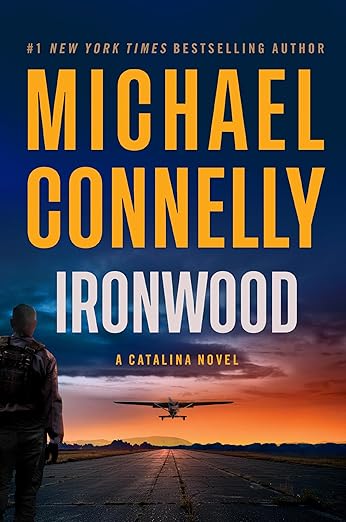
Michael Connelly is the premier example of a mystery writer who has stood the test of time despite popping out a new book every year-- 42 of them at last count. He's managed to do this by allowing his main character, Harry Bosch, a rule-breaking detective in the LAPD, to age gracefully while introducing new characters. In "Ironwood", we see Harry in a brief cameo alongside Rene Ballard, leader of the Cold Case Squad who Connelly introduced several years ago, and Connelly's newest actor, Sheriff Detective Sergeant Stilwell. Stillwell was exiled from LA to Catalina Island for crossing the higher ups, and in this taut thriller, Stilwell is again faced with bucking authority to do the right thing. The bodies pile up as Stilwell digs deeper into a drug bust gone wrong. It's a fine beach read, and if you enjoy it as I did, there are 41 earlier Connelly books awaiting you.
| |
| | | It may seem weird to group Nesbo and Connelly with the late Tom Stoppard, but his1968 play "The Real Inspector Hound" takes the 'who dun it' genre and puts it on the stage, playing it as farce. The curtain goes up on a body lying on the stage which is pointedly ignored by the traditional characters of an English mystery play as they go about their silly business---the rich Lady of the manor, her young, rebellious daughter, the wheelchair-bound uncle, and the escaped madman. Sitting at the rear of the stage facing the action and the audience are two drama critics who conduct a running commentary on the play. When they eventually breach the fourth wall to become actors in the drama, more dead bodies join the original one, and Stoppard weaves his usual antic magic as the characters struggle with that old question that keeps popping up---do we act with free will or are all our actions determined? Stoppard continues to amaze me with his clever dialogue and creative spirit as I slowly make my way from his comedic work of the 1960's to the tragic "Leopoldstadt" of 2020.
| | |
Thinking about free will and determinism brings me to Alan Lightman's "Searching for Stars on an Island in Maine". I re-read this book in Maine eight years after I first encountered it. Lightman uses the magnificent nighttime sky to launch his musings that range from the cosmology of the Big Bang and the billions of stars to the quantum physics of the subatomic particle world. He concludes that other than the Absolutes, the principles and facts that are derived from faith like a belief in God, science can only provide ever-improving approximations of reality. Less technical than the recent books about this topic (see Update #95), Lightman writes with grace and beauty. Even if you're not in Maine, you'll find this book to be good company.
| |
| | | And speaking of meditative star gazing, I read Jon Kabat-Zinn's "Wherever You Go There You Are", a foundational text for the world wide phenomena of mindfulness, meditation, and yoga. Sadly, Kabat-Zinn fell into the common trap of non-fiction writers, endlessly repeating his main theme in chapter after chapter. It's an important theme but one which he adequately covered in the first quarter of the book before descending into needless detail and anecdotes. Give Kabat-Zinn credit, however, for bringing these techniques into popular use. As the Director of the Stress Clinic at U. Mass Medical School in the 1970's, Kabat-Zinn advocated mindfulness, tuning out the noise and conflict of everyday life that distracts and stresses, and becoming awake and aware of the present moment's beauty. As a regular meditator, I try to read a new book about the topic every few months, and while the ideas, practices, and anecdotes tend to be repetitive, I always find at least one 'take home sentence' in each book. Kabat-Zinn's contribution was the phrase "dwelling in stillness". If I can do that for 20-30 minutes each day, it would be a gift, and wherever I would go, a calmer, more patient, and happier me would be there.
| |
| | | I read two books about artists whose works we saw in solo exhibitions while in London and Amsterdam in March. "Lois Dodd: Framing the Ephemeral" is the catalogue from Dodd's first European solo show which we saw at the Kunstmuseum in The Hague. Dodd, now 99 has had a life long practice of ‘attentiveness’ and ‘engagement with place’. Her paintings of trees, windows, buildings, and water reflect her homes in Cushing, Maine, New York City, and the Delaware Water Gap in all seasons. Her work shows a remarkable consistency and integrity of vision and a spare yet intuitive geometry and rhythm . Defying the pressures of the passing fashions of Abstract Expressionism, Conceptual and Minimal Art, and Pop Art, Dodd has continued to produce deceivingly simple and beautiful paintings, two of which hang in our guest house. This book does a great job of reproducing the 100 paintings from the Hague show as well as providing eleven informative and readable essays about her work. It's a great way to become acquainted with this quintessentially American artist.
| | |
In contrast to Dodd, David Hockney who died last month at 89 is a gay, English painter who has travelled widely and is known for his inventiveness in utilizing new techniques to create images including his fax machine and Ipad. We saw Hockney's exhibit "A Year in Normandie" in a circular installation at the Serpentine Gallery in London in March, and the brightly colored images of the four seasons at his home in France were enchanting----gorgeous, rich in color, and particular in detail. "Hockney: a Graphic Life" is a graphic biography and at 220 pages, a pleasant change from the 1000 page biographies that seem to be the norm today. If you don't know the work of this interesting and immensely talented man, I'd suggest this colorful book as a place to start.
| | |
Beauty is once again front and center in Bill Noble's "Spirit of Place: The Making of a New England Garden". I read this book when it was published in 2020, and I loved reading it again. We've toured his garden with Bill in Norwich, a short ride from our Vermont home, and that made reading this book even more enjoyable. Books about gardens generally range from dry, detailed histories of gardens around the world to very focused 'how to" books that get deep into the weeds of planting, pruning, making compost, etc. Noble manages to combine the best features of these various genres into a readable volume that features spectacular photographs and an almost infinite list of unusual and beautiful plantings. Whether you are an avid gardener or someone who doesn't know an allium from an actaea, read this book for its beauty and its story of a man and a place joined by a life-long passion.
Three novels written by women and published this year highlighted this month's reading. All had been recommended by a number of friends, so I eagerly anticipated reading them. I was not disappointed.
| | |
"Land" is the third Maggie O'Farrell book that I've read, and like "Hamnet" and "The Marriage Portrait" it's historical fiction. Unlike the others, however, it's more contemporary taking place in the mid-19th C on an isolated peninsula in western Ireland. The book opens with Tomas, an Irishman, working for the British colonialists surveying the peninsula in order to make new maps with his son, Liam. They happen upon a copse with a spring fed pool in the middle, and their lives are forever changed by this magical setting. O'Farrell with her usual skillful weaving of time, place,and person, takes us back to Tomas's and his wife Phena's childhood and even further back to the prehistoric inhabitants of the peninsula and then forward to the lives of Tomas's adult children in Canada, Dublin, and the same Irish village. This beautifully rendered tale was hard to put down, and I was sad when it ended. I see another movie in O'Farrell's future.
| |
| | | "The Correspondent" by Virginia Evans was my favorite of the three novels. Written in the epistolary style, we learn about Sybil Stone Van Antwerp's life through letters and emails that she has sent and received. Sybil is no shrinking violet, and as she nears 80, she is thoroughly engaged in life. She 'dates' two men. She fights with the Dean of the English Department in order to audit a course. She follows up a DNA test by meeting and befriending a sister and her half-brothers in Scotland. She invites a troubled teen ager to live with her for a year after his suicide attempt. She maintains connections with her ex-husband and his brother's wife, Rosalie, Sybil's best friend from childhood. One of the delightful elements of this book is the reading recommendations Sybil and Rosalie exchange---Virginia Woolf, Joan Didion, Ann Patchett, and my personal favorite, Helene Hanff's "84 Charing Cross Road" among others. I put this book aside before finishing it when there were 20 or so pages left, because I didn't want it to end. I think you'll love it. Others have, keeping it on the NYT best seller list for 35 weeks so far.
| | |
"Whistler" by Ann Patchett was recommended to me by many friends, and I liked this tale of Daphne Fuller very much. Daphne is a 53 year old high school English teacher living outside NYC. She's at the Met with her husband, Jonathan, one day when he notices they are being followed. It turns out that the 'stalker' is Daphne's 75 year old step-father, Eddie Triplett, whom she hasn't seen since she was 9. What could easily have descended into a sentimental, trite tale of a reunion, is instead a gripping and engaging exploration of love---love between a child and a father, between closeted gay men, between husband and wife, between siblings, and on and on. Patchett handles the chronology of events with skill moving smoothly between the 9 year old Daphne and 35 year old Eddie and today's version of the two of them. It's a beautiful book and likely to be nominated for the a bunch of awards this year. Read it before then.
The Poetry Tree on the Charles this month takes a new direction. Gone is the usual fare about death, aging, exile, war, pain and suffering, and in their place are the humorous poems of X.J. Kennedy who died four months ago at the age of 96. A graduate of my medical school alma mater, the University of Michigan, he is best known for his humorous children's books of verse and once said that he “write[s] for three separate audiences: children, college students (who use textbooks), and that small band of people who still read poetry....I don’t try to persuade children that everything is sweetness and light. Such a view, as even infants know, is pure malarkey. The face of a world, however imaginary, has to have a few warts, if a child is going to believe in it; and it must wear an occasional look of foolishness or consternation. It also needs, I suspect, a bit of poetry, and a dash of incredible beauty and enchantment, if possible.” Here is some enchantment and a few chuckles:
- What we Might Be, What We Are, X.J. Kennedy
- The Purpose of Time is to Prevent Everything from Happening at Once, X.J. Kennedy
- For Allen Ginsberg, X.J. Kennedy
- Old Men Pitching Horseshoes, X. J. Kennedy
| | |
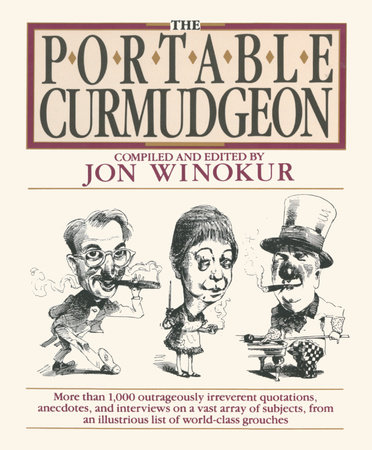
I keep a wonderful, dog-eared volume in the bathroom for the occasional quick read while otherwise engaged. "The Portable Curmudgeon" edited by Jon Winokur is an almost infinite source of wry humor and kvetching. These quotes from Calvin Trillin struck me as particularly relevant today. In response to being asked whether there are any problems in writing satire, Trillin responded: "I think there are two problems. The first, of course, is that people take it seriously. The second is that what happens in America is so bizarre, what you write might turn out to be serious compared to what has just happened." That line, written nearly 40 years ago, seems quaint given the world we live in today.
In a similar vein, Philip Roth in his famous essay "Writing American Fiction" argued that the sheer chaotic reality of American life outpaced the writer's ability to make it believable.
Both Trillin and Roth are dead, but I don't think either would be surprised by the upside down world of America today.
| | | | |