Faulkner County Agriculture Update
August 15, 2025
| | |
Weather
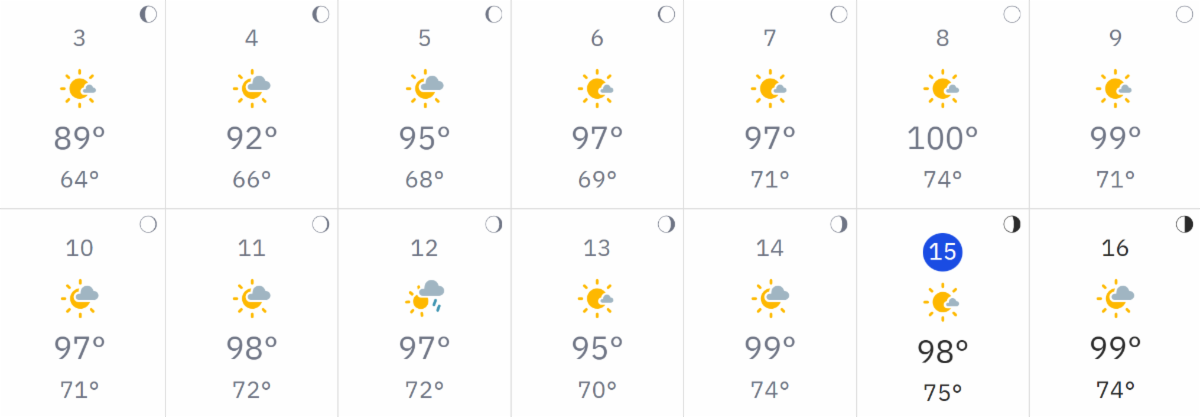
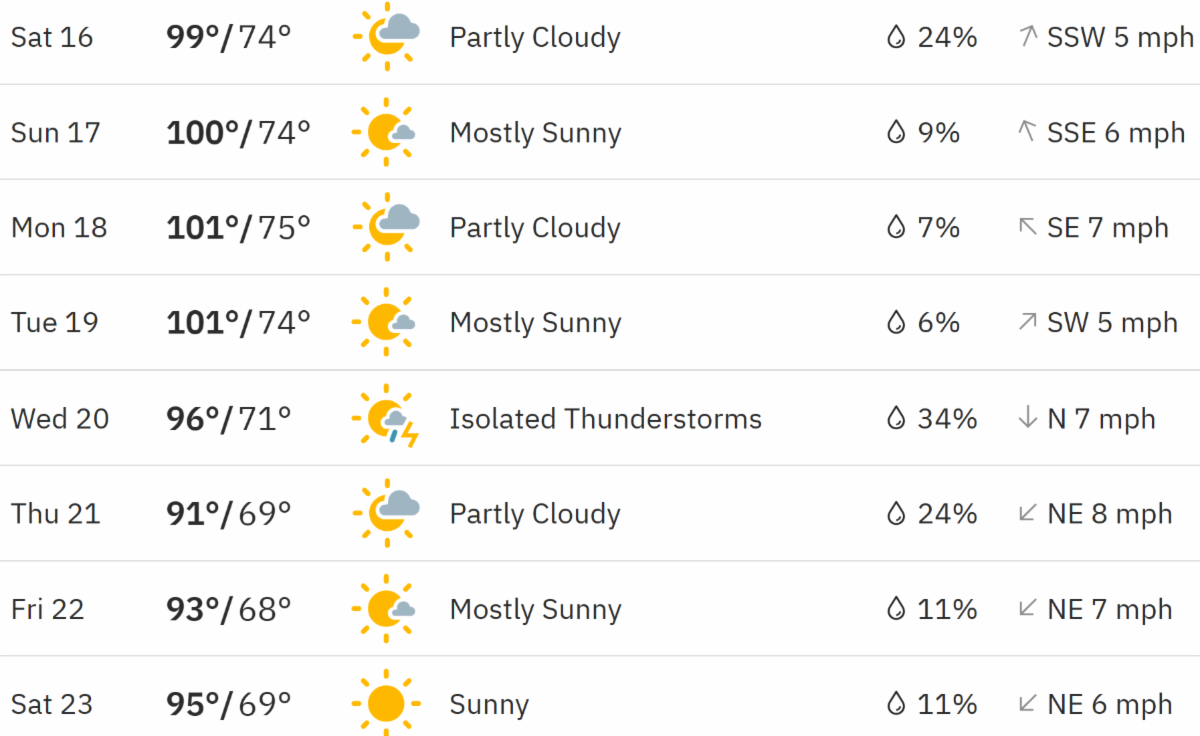
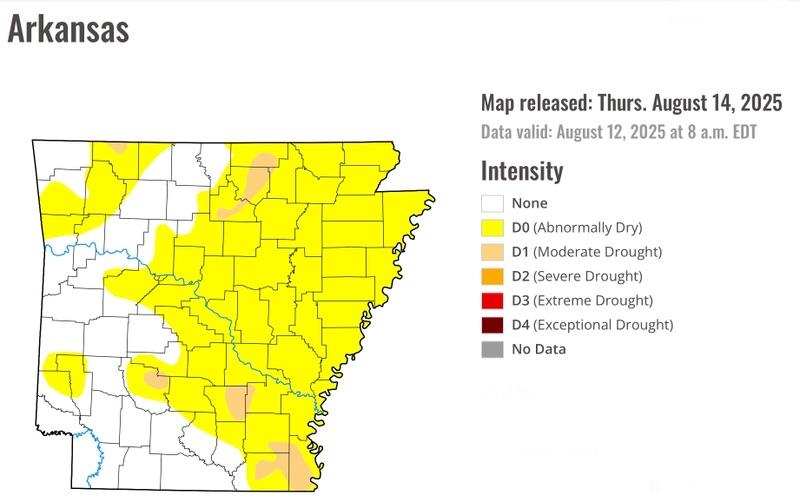
Temperatures were in the high 90's all this week with spotty showers here and there. Even places that got rain, it wasn't enough to do much good. We continue to move into drought conditions. This week we moved into a D0 drought according to the drought monitor. If we don't get significant rain soon we could move into a D1 next week.
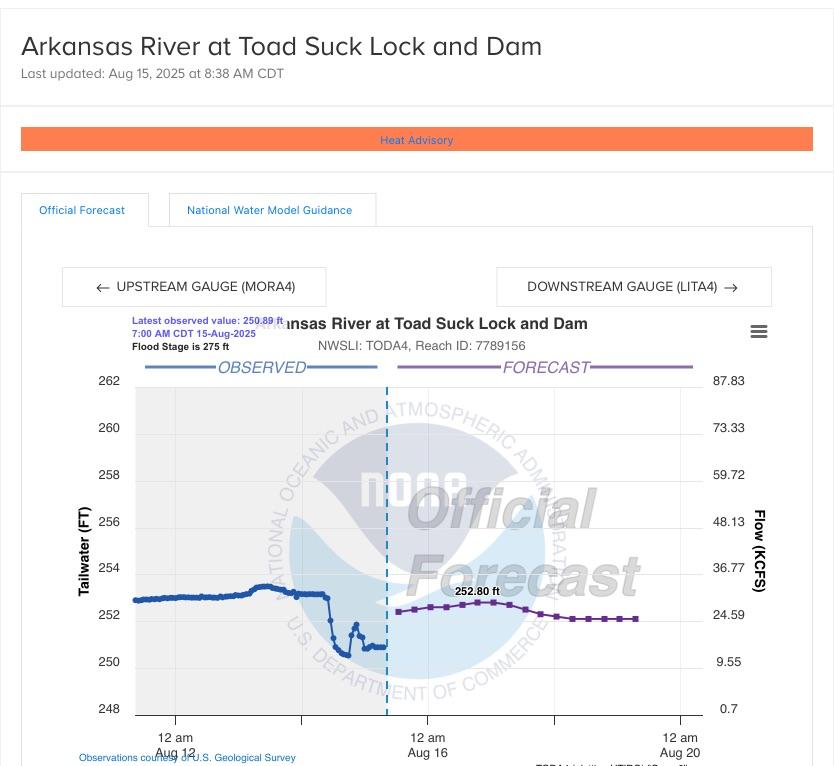
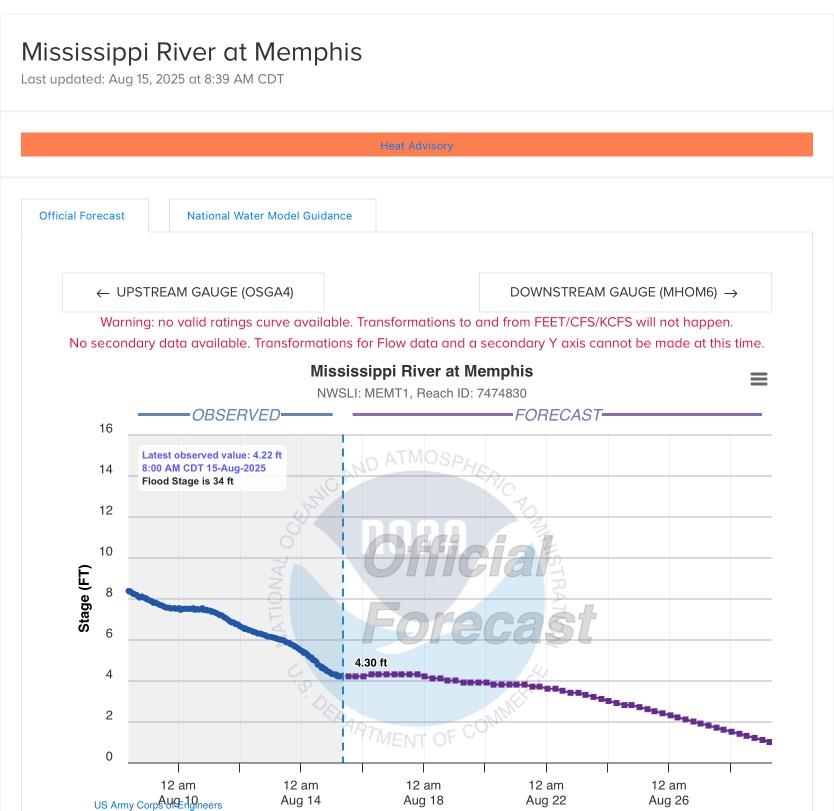
| | Arkansas and Mississippi River | | |
Corn
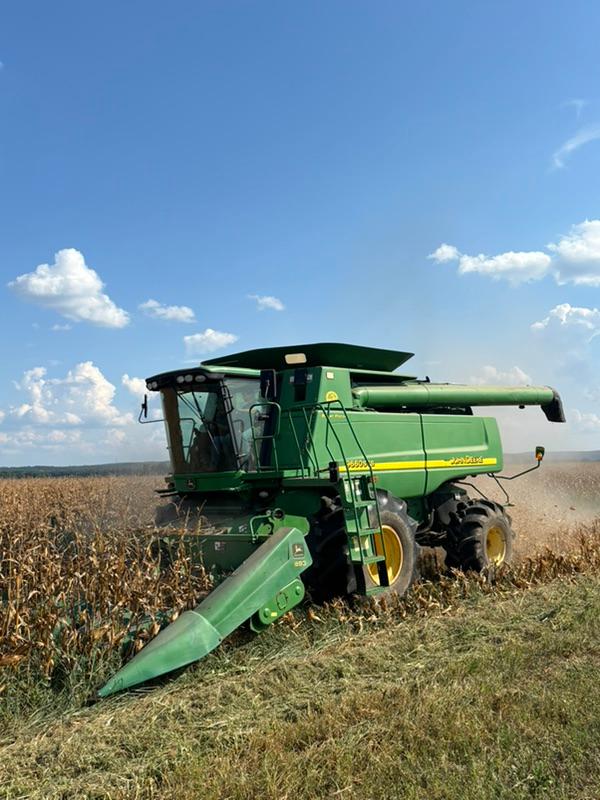
We have officially started corn harvest for grain in Faulkner County. The moisture was running about 14%. More fields should start being harvested this weekend or early next week.
| | |
Rice
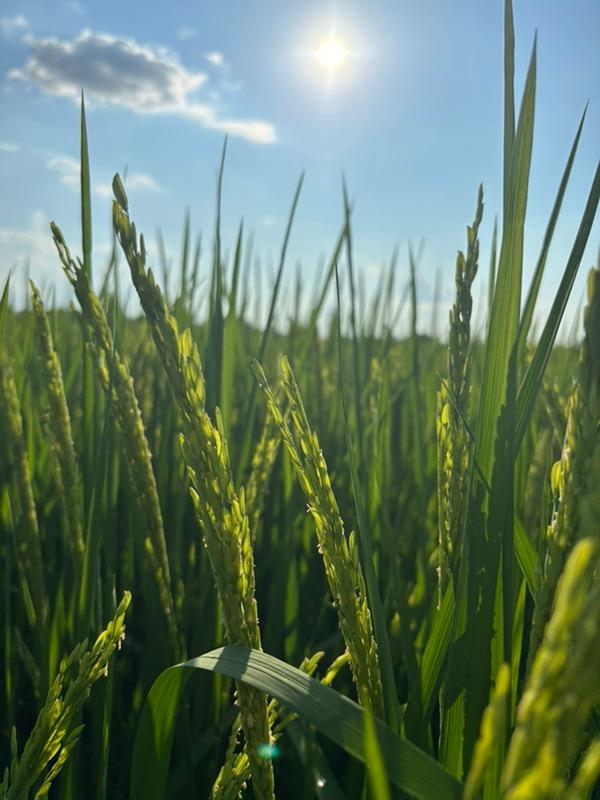
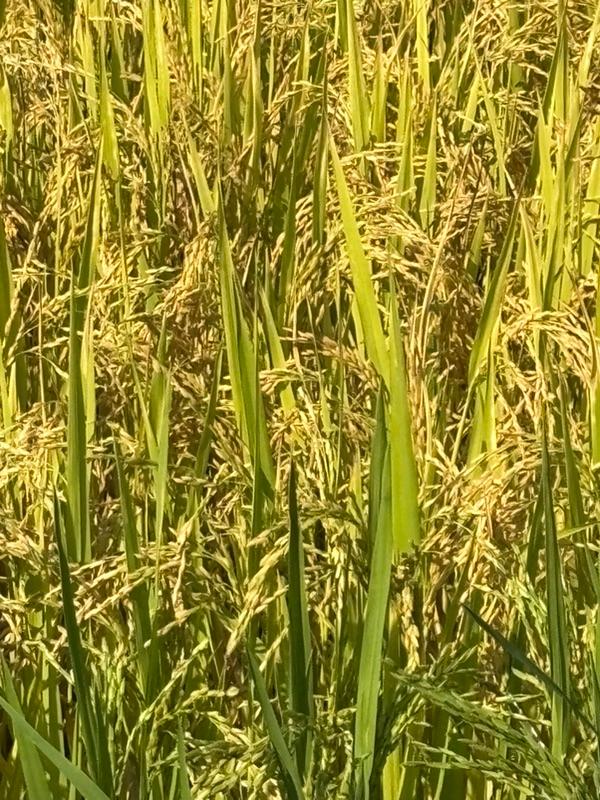
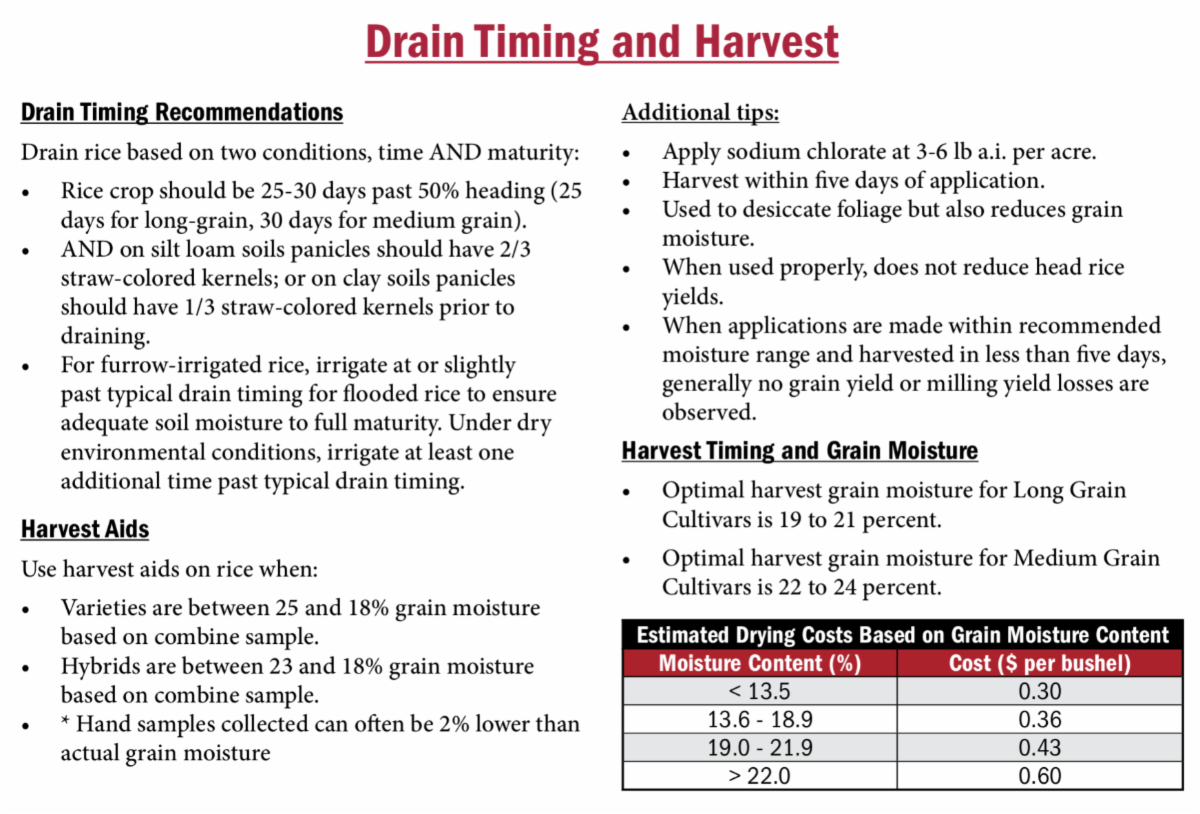
More water was turned off this week as we get closer to rice harvest. We aren't that far off from the first fields being harvested.
Continue to watch stink bugs in the later planted fields. We are still finding them as some of these other fields mature.
| | Dr. Hardke's Latest Rice Update | | |
Soybeans
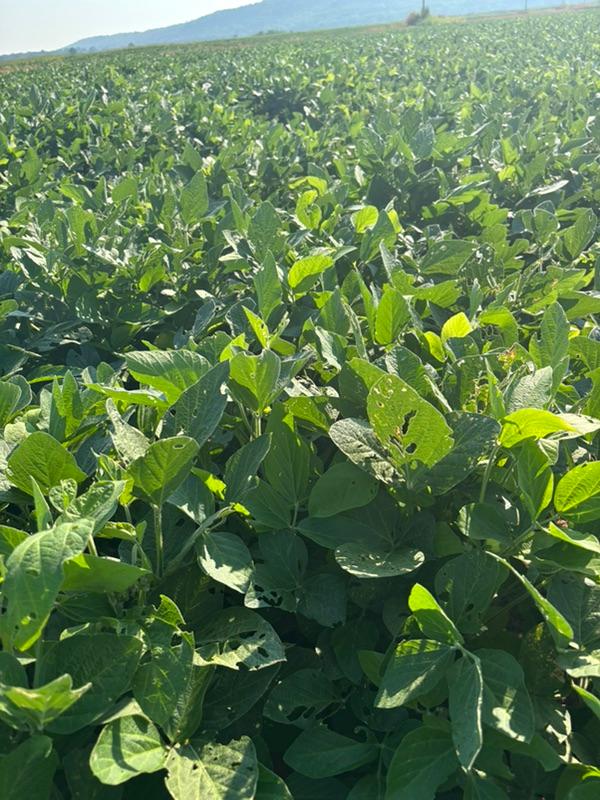
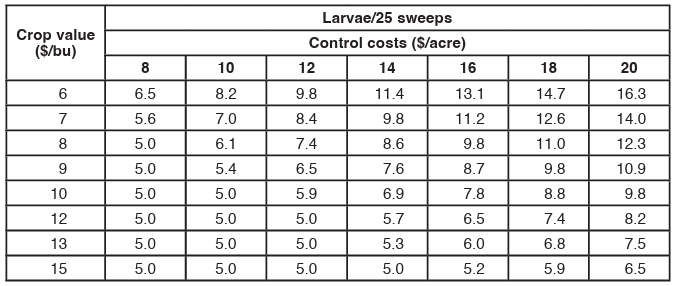
Worms have settled down a little bit this week. Heligen was applied to more late planted soybeans this week with light pressure and small worms. Hopefully it will hang around for awhile. I am seeing just a few more velvetbean caterpillars. It isn't enough to worry about just yet but keep an eye out. They have a history of defoliating soybeans really quickly in the River Valley.
Keep irrigation going! I wouldn't stop pivots for very long and continue row watering as needed.
| | |
Corn Earworm Moth Traps
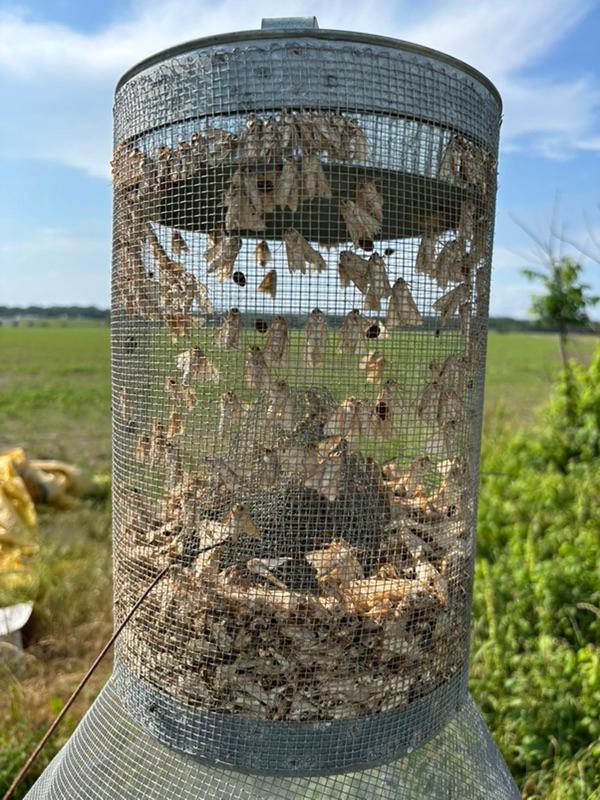
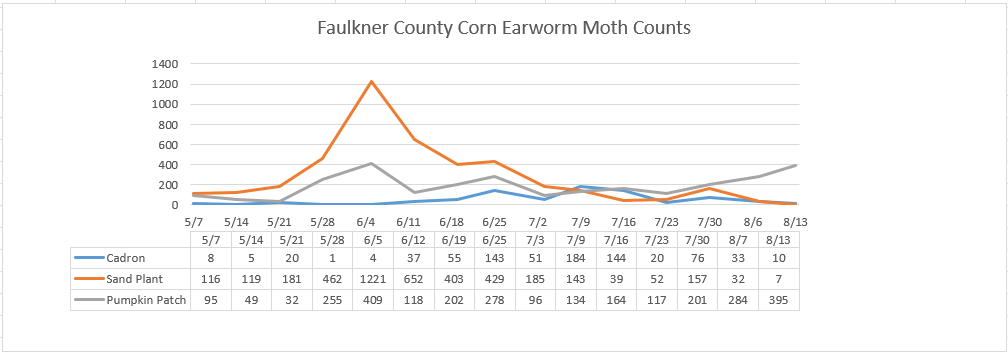
Trap number went down even more in two of the three traps this week and the pumpkin patch trap increased by 100 moths. I continue to catch moths in my sweep net in the field, so continue to monitor fields.
Cadron - 10 moths
Sand Plant - 7 moths
Pumpkin Patch - 395 moths
| | |
July 2025 Short-term Interest Rate Update
Dr. Ryan M. Loy, Assistant Professor and Extension Agricultural Economist, University of Arkansas
July 2025 Federal Open Market Committee (FOMC) Decision
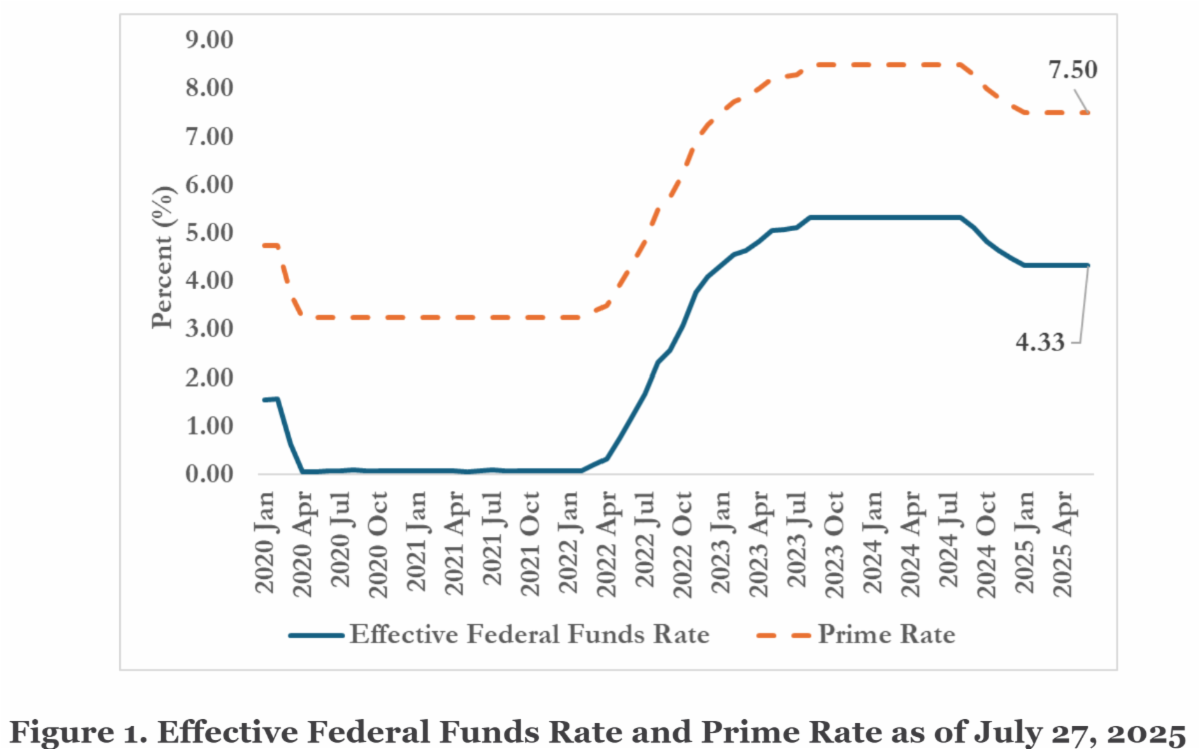
The Federal Open Market Committee (FOMC), the committee that makes key interest rate decisions, convened on July 29 – 30, 2025. This marked the fifth consecutive meeting of maintaining the target federal funds rate at 4.25 – 4.50%, with an effective rate of 4.33% (FRED, 2025). The federal funds rate is the rate at which banks lend to each other and influences the prime rate, which is the baseline interest rate banks use for most customers, which is currently 7.50% (See Figure 1). Despite mounting political pressure from the White House to begin easing rates ahead of the 2026 election cycle, the Fed signaled a cautious stance and emphasized the importance of sustained evidence of price stability before considering cuts. The decision to maintain restrictive monetary policy (i.e., not reducing the target rate) holds many implications for farmers, specifically the borrowing costs for operating notes.
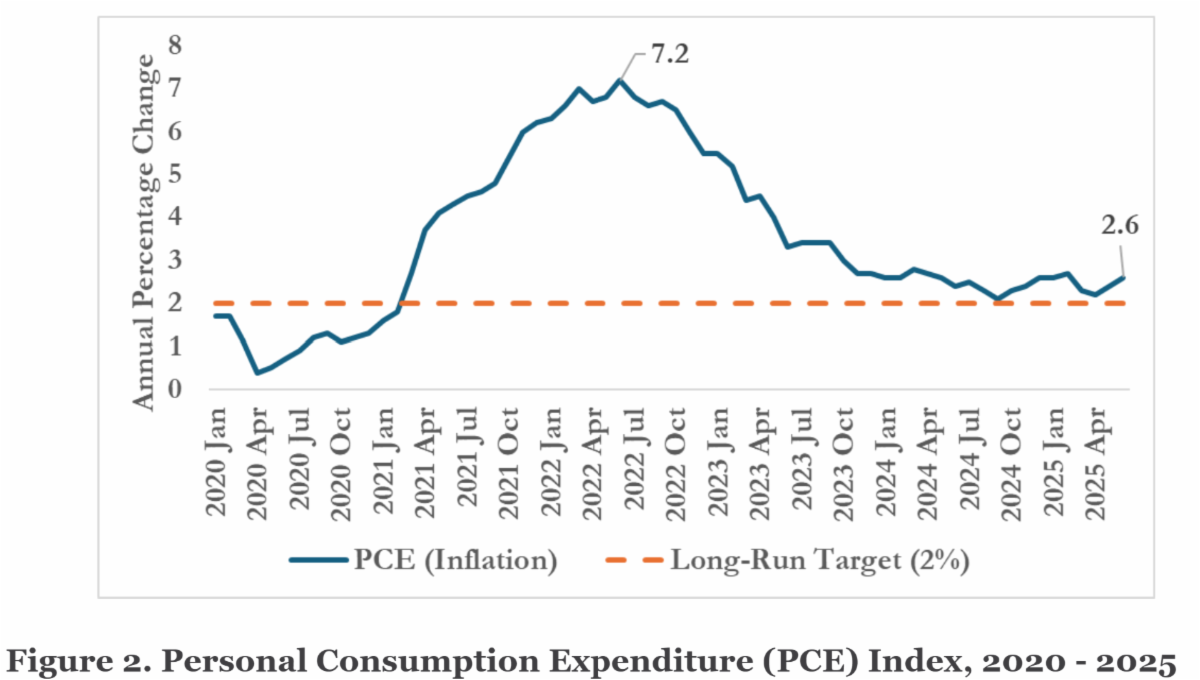
| At Chairman Jerome Powell’s July 2025 press conference, he reiterated that the FOMC maintains its target of achieving the “dual mandate” goals of maximum employment and stable prices. He stated that “the unemployment rate remains low, and the labor market is at or near maximum employment. Inflation has been running somewhat above our 2 percent longer-run objective.” Figure 2 plots the Personal Consumption Expenditure Index (PCE), which is the Fed’s primary measure of inflation. Inflation, measured by an annual percentage change in the price of a basket of goods (excluding food & energy), has eased from its highs in 2022 but remains elevated relative to the Fed’s 2% long-run target. This measure is up from 2.4% in May, which indicates a small (but persistent) inflationary trend from the start of 2025 (BEA, 2025). | |
The inflationary trend is due in part to the evolving tariff environment, which Chairman Powell acknowledged as a significant reason for keeping rates steady in 2025. The July PCE data already reflected signs of tariff-related price pressures in areas that saw elevated monthly price gains in categories such as furniture, electronics, and imported household goods. While Powell has categorized these effects as potentially “one-time” (i.e., a one-time price increase), several FOMC members noted that continued trade tensions could increase cost pressures and change consumer price expectations.
This decision comes ahead of the August 1 “tariff deadline”, which has been pushed to August 7 at the time of this writing. In short, if negotiations with U.S. trading partners are not made before the looming deadline, a significant portion of goods exported to the U.S. will be subject to increased duties (tariffs) between 10% and 41% from 69 trading partners (Reuters, 2025). In terms of agriculture, this uncertainty remains a significant source of financial stress in terms of input price inflation, commodity export markets, and borrowing costs. If trade uncertainty persists, borrowing costs will potentially remain elevated and continue to squeeze farmers’ profit margins.
| | Beef, Small Ruminants, & Forages | | |
Pasture to Plate Update
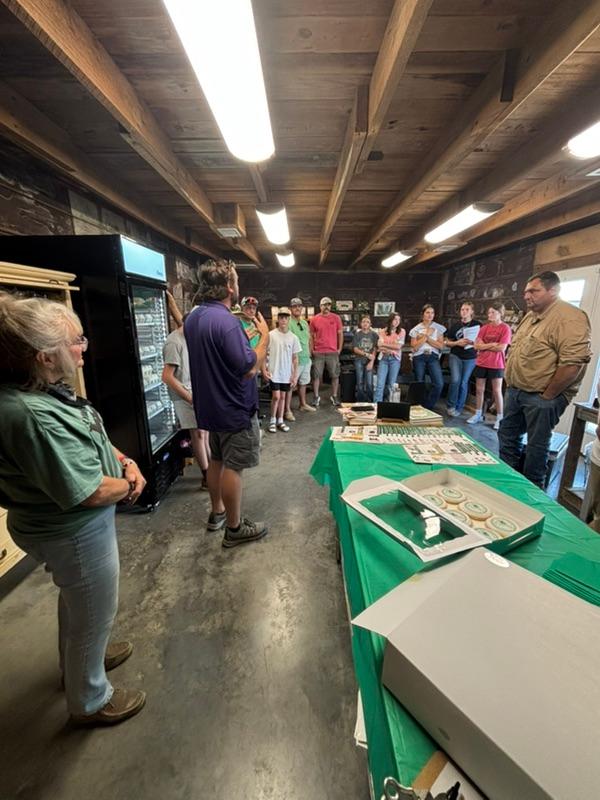
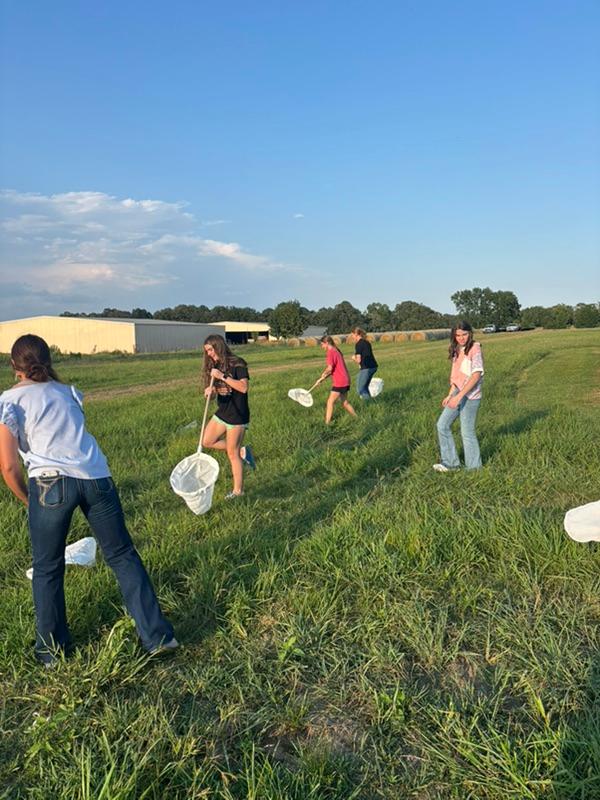
The youth that are part of our 4-H Pasture to Plate project made a field trip this week out to the Flying "C" Ranch to learn about marketing and selling of finished freezer beef. They got to see how Flying "C" sells through the Farmers Market and their store and what cuts do the best. After the tour of the store we went out and swept for armyworms. Each youth left with their own sweep net to take back to their farm and see if they had armyworms!
Thank you to Michael Lee and Leanna Clark for presenting for our youth!
| | |
What is Hay Worth This Year?
Mark Z. Johnson, Oklahoma State University Extension Beef Cattle Breeding Specialist
Over the past few weeks, once weather permitted baling of hay in Oklahoma (and Arkansas) and good yields were reported, buyers and sellers have been asking “What is hay worth this year?”
From January to May, the average price of all types of hay across the U.S. had been seasonally increasing, from $153/ton in January to $176/ton in May. With the majority of the country receiving ample spring and early summer moisture, May prices appear to have been the annual peak. In June, the same hay price was down $11 from a month earlier to $165/ton. Alfalfa posted a decrease as well, quoted at $177/ton, down $14 from May. As drought continues to hold a grip in the western U.S., it was mostly western states that quoted recent higher prices of hay.
As a result of increased hay stocks coming into 2025, more acres and Mother Nature’s help, hay prices have continued to trend lower. The price forecast had been for the U.S. hay price to average $165/ton in 2025. That expectation is likely on the high side, with potential back towards $157-$160 for an annual average. Prices are expected to have a typical seasonal decrease into the end of the year. Given that trend, fourth quarter prices should average around $150/ton.
Bottom Line: Increased acres and good weather will limit any significant increase in the hay market this year. While there may be some regional differences, prices are expected to trend near year ago levels, yet average $10-$15 lower in 2025. Accordingly, end users can be a little more patient this year in procurement as prices are expected to continue to trend lower for the next several months.
| | |
Armyworms
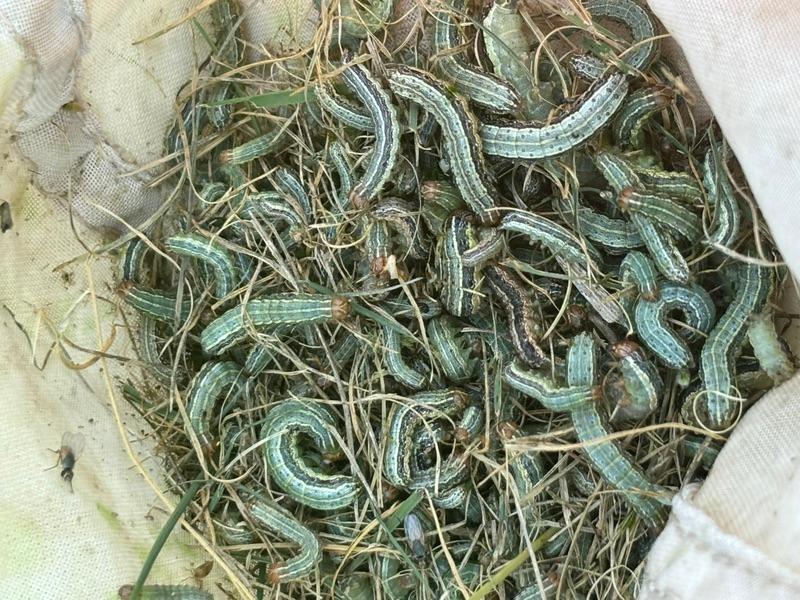
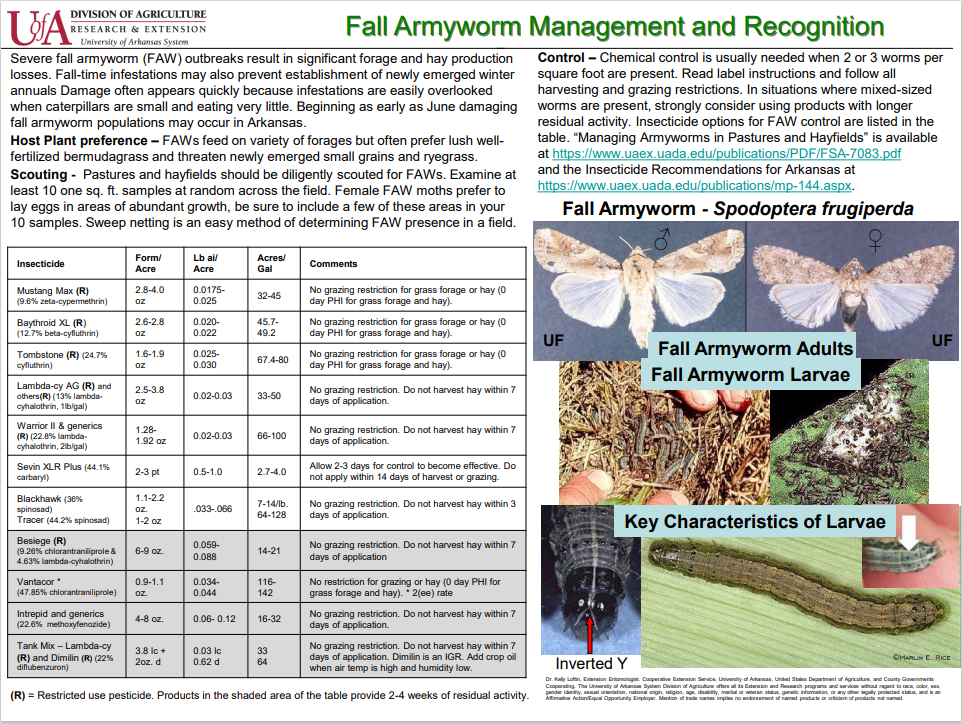
Armyworm calls were light this week and I didn't find many in fields that were swept. Maybe we are on the down side of armyworms for the year.
| | |
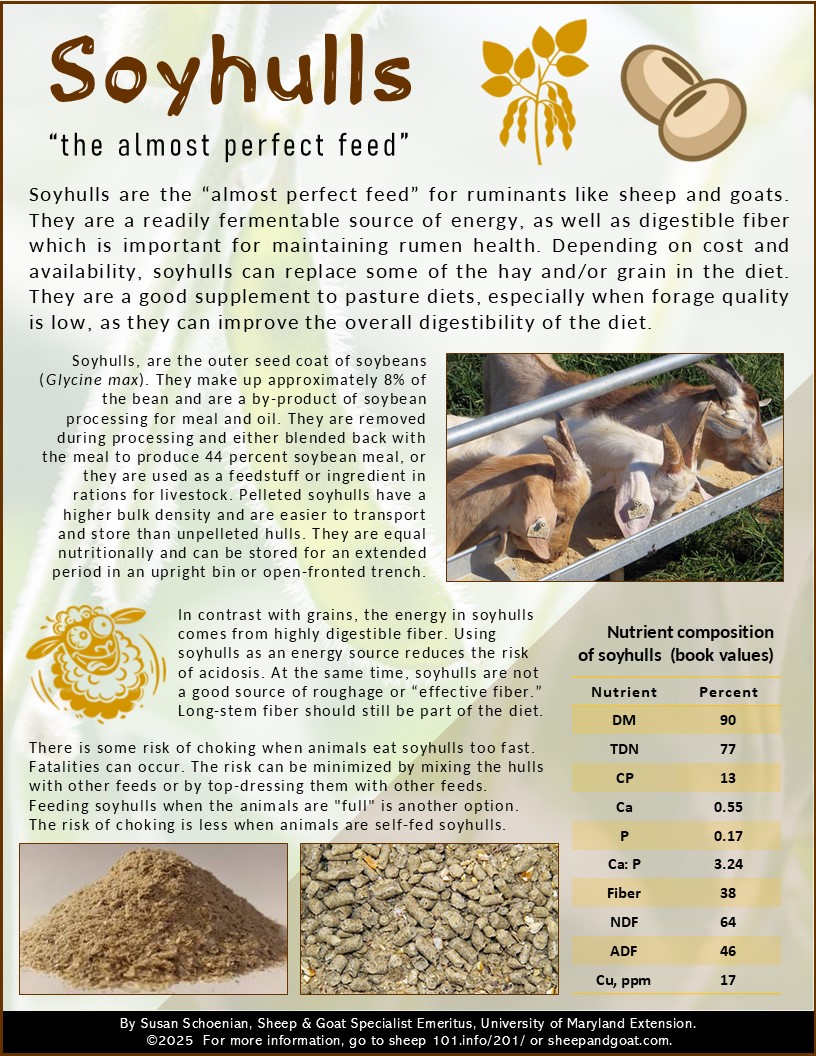
Nitrates and Prussic Acid
We are getting to that time of year where we are seeing drought symptoms in our pastures and hay fields. Here are some key points from Forage Instructor Kenny Simon to keep in mind:
- Prussic acid toxicity can occur on stressed forages in the sorghum family. This includes johnsongrass and sorghum sudan. Pearl millet does not have prussic acid.
- The risk of prussic acid toxicity is high when the plants are less than 18-20" tall or when they are wilted from drought. So advise producers not to turn animals in to pastures with these forages in this condition.
- Prussic acid dissipates as the forage dries out so it is safe to harvest stressed forages for hay. Just make sure the forage is dry when baled.
- In pastures with scattered johnsongrass, the plants can be mowed and allowed to dry out before turning animals in to graze the rest of the pasture.
- In pastures where the johnsongrass in concentrated in a specific area, an electric fence wire can be placed to keep animals away from the potentially dangerous forage.
- Nitrate is a different toxin. It often occurs in nitrogen fertilized fields or where poultry litter has been applied. Nitrate can be a problem in johnsongrass, sorghum sudan, millet, corn, grain sorgum.
- Nitrate does not dissipate in dry hay and remains at the level present when harvested.
- Look at these fact sheets for more information.
Nitrate poisoning in cattle https://www.uaex.uada.edu/publications/pdf/fsa-3024.pdf
Prussic acid https://www.uaex.uada.edu/publications/pdf/fsa-3069.pdf
| | |
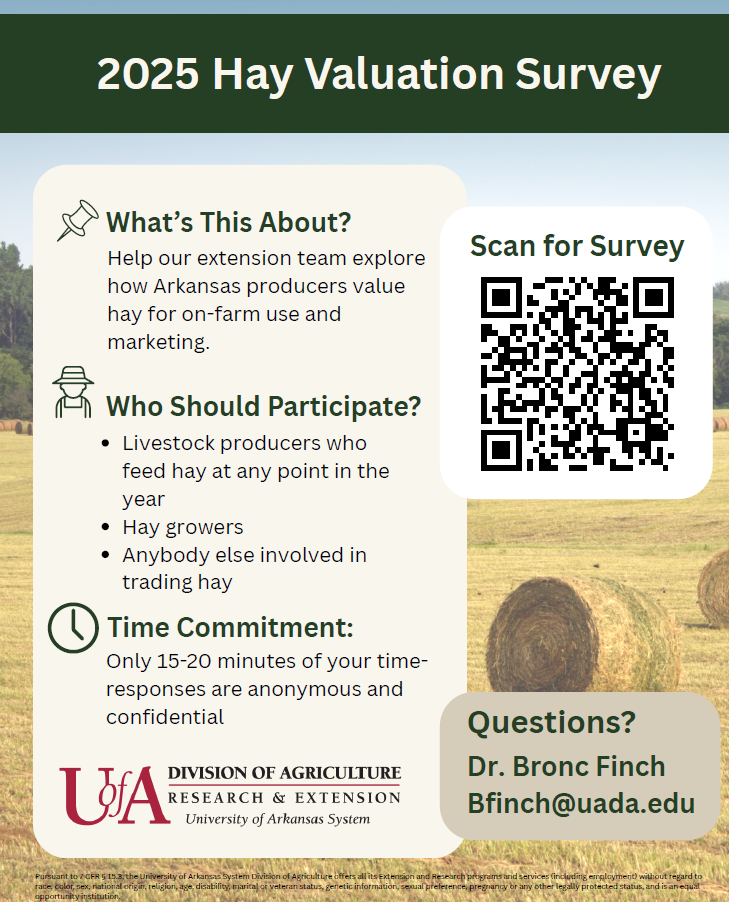
2025 Hay Valuation Survey
If you are a hay producer, please take the time to take our hay valuation survey. Our specialists are wanting to learn more about how producers value their hay.
| | |
Livestock Market Report
The weekly livestock market report is available on the Arkansas Department of Agriculture website.
| | |
Sign up for Text Alerts
You can now sign up for text alerts from me throughout the year. I have two areas you can sign up for which includes Faulkner Livestock or Faulkner Ag (Row Crop Updates). To sign up you can follow one of these links or use the QR Codes below.
| | Pursuant to 7 CFR § 15.3, the University of Arkansas System Division of Agriculture offers all its Extension and Research programs and services (including employment) without regard to race, color, sex, national origin, religion, age, disability, marital or veteran status, genetic information, sexual preference, pregnancy or any other legally protected status, and is an equal opportunity institution. | | | | |