Cornell K. Lisa Yang Center for Wildlife Health

September/October 2026

Addressing Wildlife Health in a Rapidly Changing World

Dear Friends of the Cornell K. Lisa Yang Center for Wildlife Health,


In stressful times, I find strength and inspiration in the amazing things our DVM students, postdoctoral fellows, and other trainees are doing and learning. I found this blog by Jessica Park (DVM '29), Exploring One Health Perspectives with Working Dogs for Conservation (WD4C), particularly moving, so today I am sharing the Director's space of our newsletter with her. I hope you enjoy reading about her summer externship as much as I did.


Yours in One Health,


Steve


Steve Osofsky, DVM

Director, K. Lisa Yang Center for Wildlife Health

Jay Hyman Professor of Wildlife Health & Health Policy

Cornell University College of Veterinary Medicine

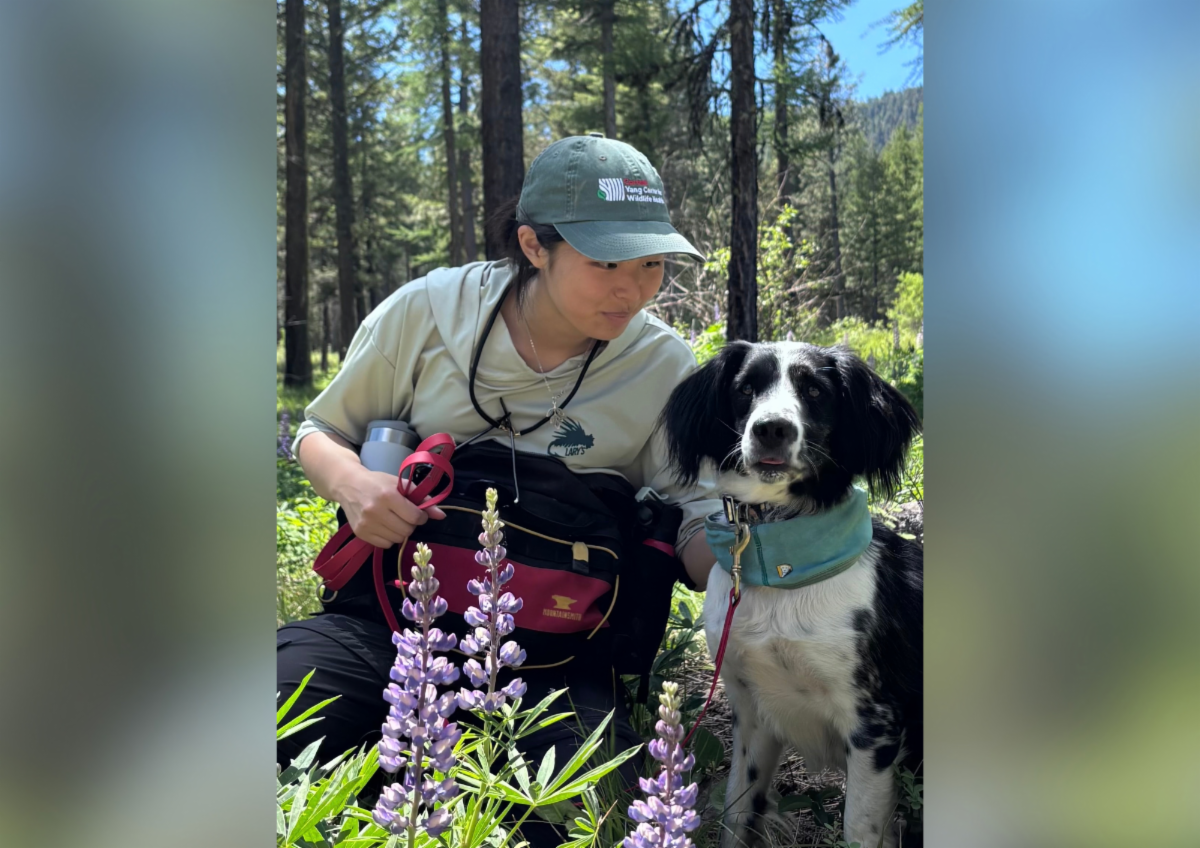
Student with a dog in the field

Exploring One Health Perspectives with Working Dogs for Conservation (WD4C)


Though I feared the rain would muffle my call, seconds later I heard the tinkling bear bell, followed by a feathery flag whirling above the shrubs—that is, the tail of a very special dog....

More Blogs from the Field

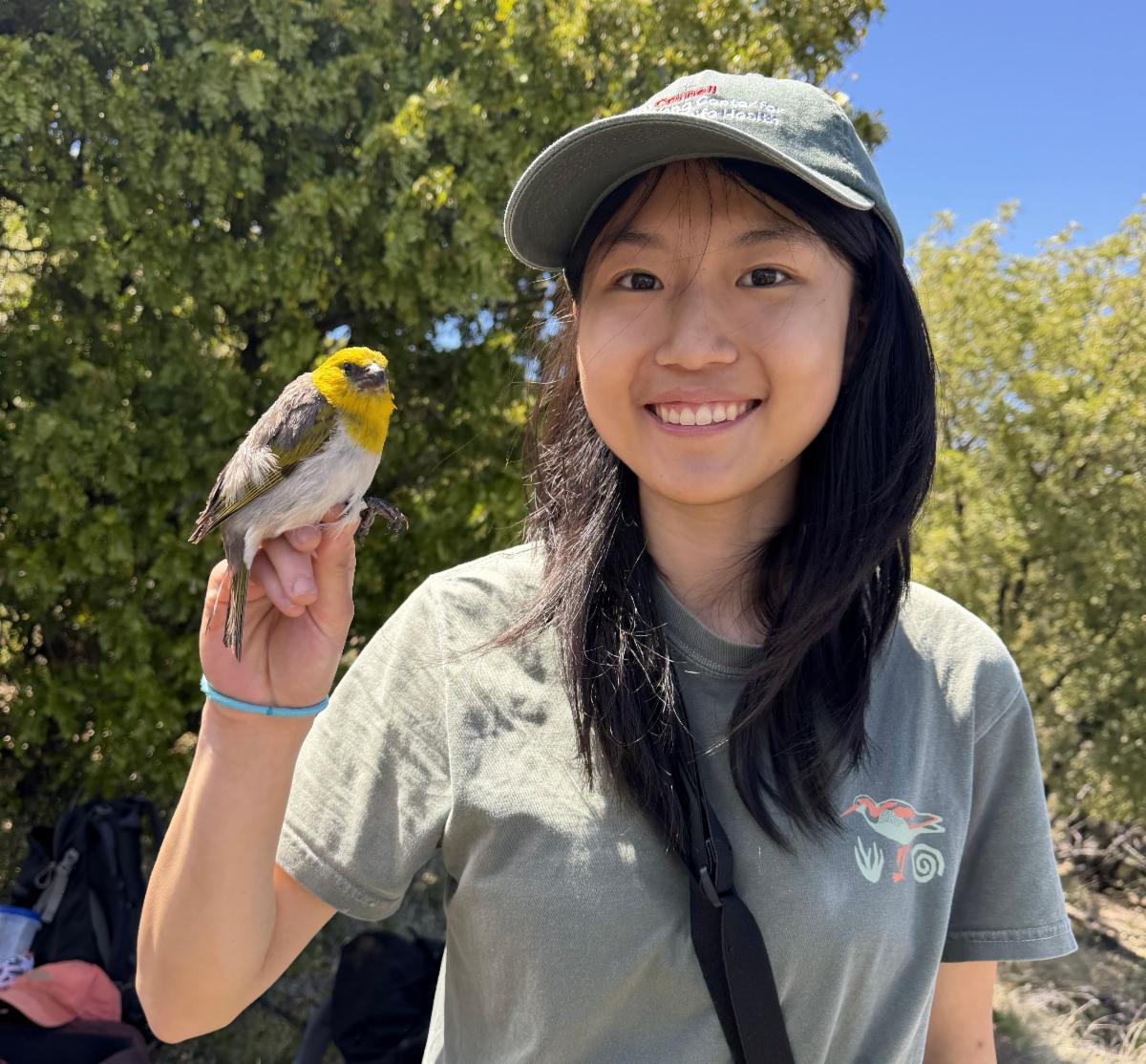
Allison Cao with a palila bird with all proper permits

Fledging as a Veterinary Extern at the Hawai’i Wildlife Center


Marine Mammal Rescue and Rehabilitation Along the California Coastline


Exploring New Depths of Aquatic Health at the Mississippi Aquarium


Reflecting on a Summer in Wildlife Pathology


New Yang Postdoctoral Fellows

Hit the Ground (& Air & Water) Running!

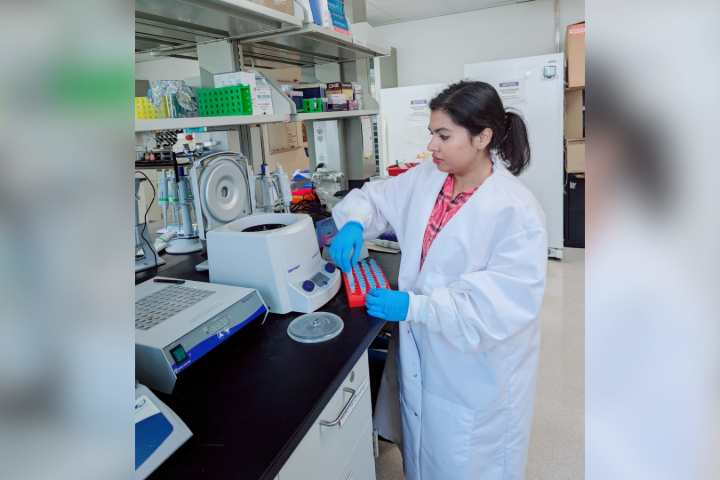
Dr Chandika RG working in a lab

Building a Transcriptome-Informed Framework for Chronic Wasting Disease Surveillance

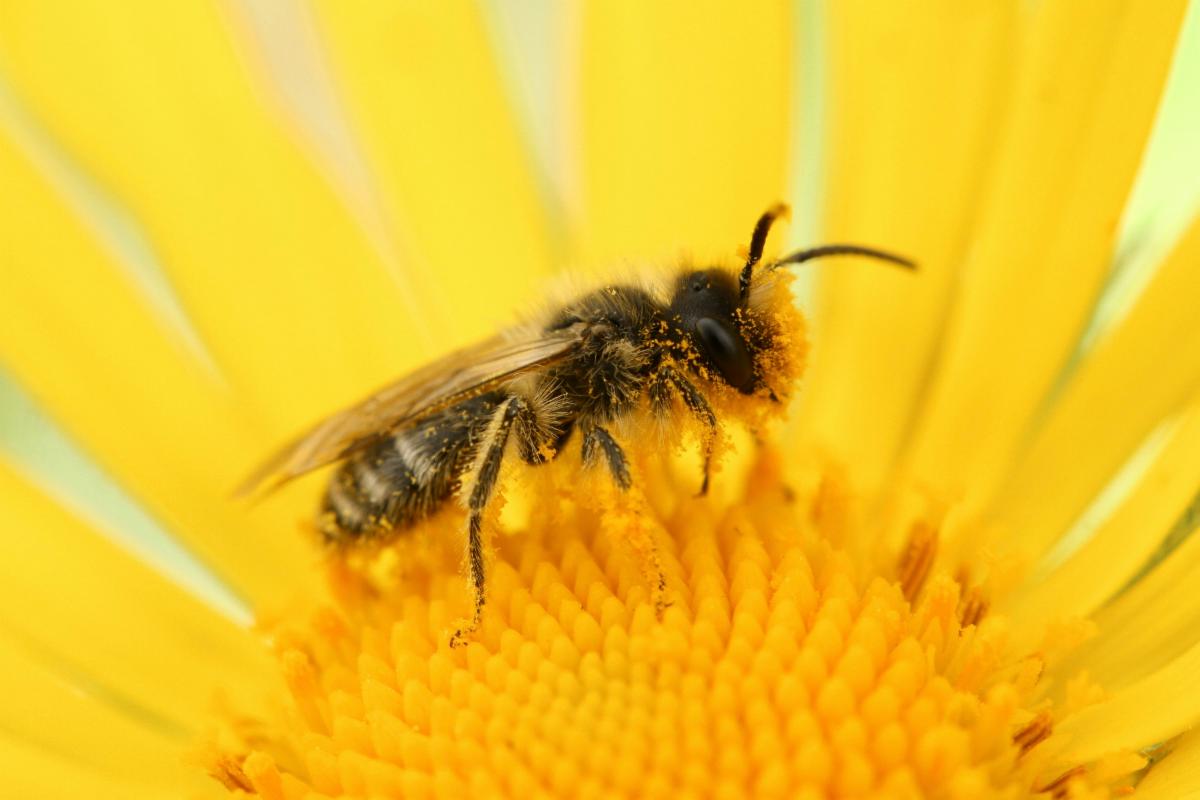
Wild bee on a flower

Wild Bee Recovery after Neonicotinoid Pesticide Restrictions: Will Policy Shift Work as Intended?

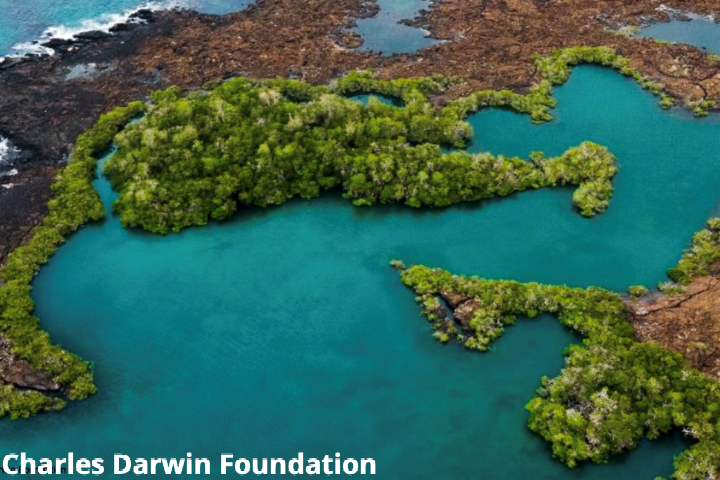
Bright green mangrove forests on the edge of bright blue waters

Yang Wildlife Health Fellow to Map the Genomic Resilience of Galápagos Mangroves


Update from the Arctic

from 2nd-Year Fellow Dr. Kayla Buhler

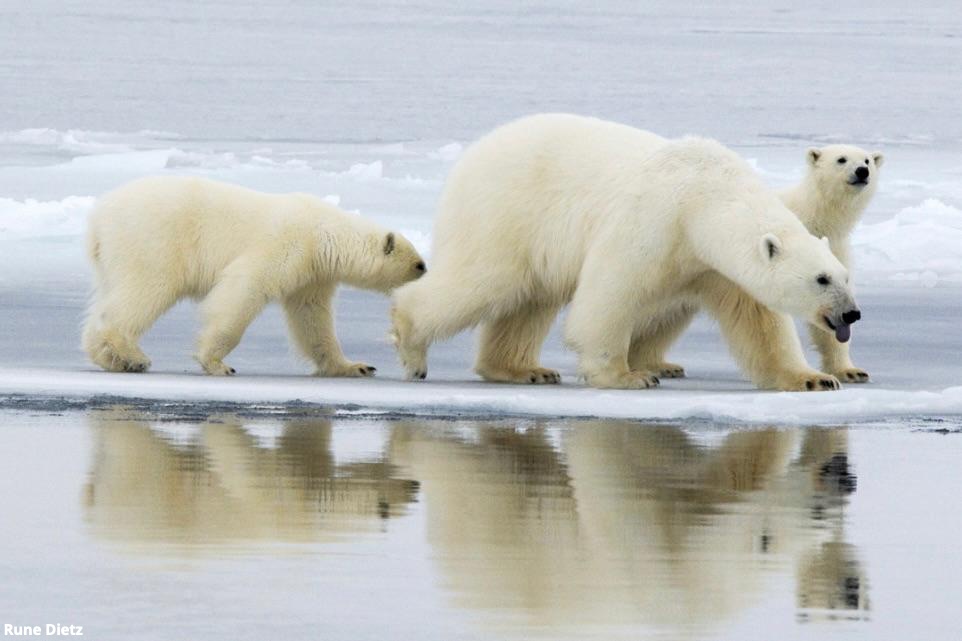
A mother polar bear with two cubs

Migratory Birds Spread Avian Influenza to Greenland’s Polar Bears


Migrating birds that breed in the Arctic are spreading avian influenza to polar bears in eastern Greenland, according to a new study that found evidence of infections in bear blood samples acquired from Greenland Inuit subsistence hunters.


More News from Near and Far

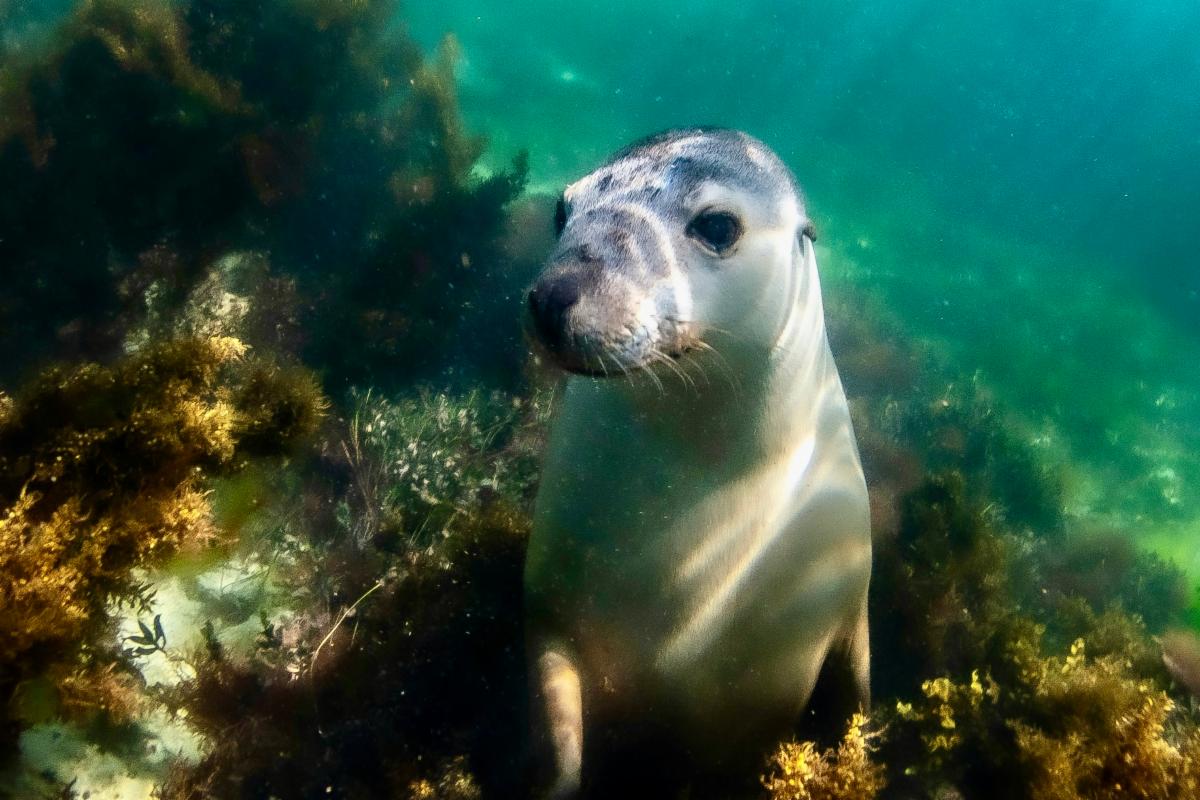
An Australian sea lion

Invading the Globe: Bird Flu Now Threatens Australia and Oceania

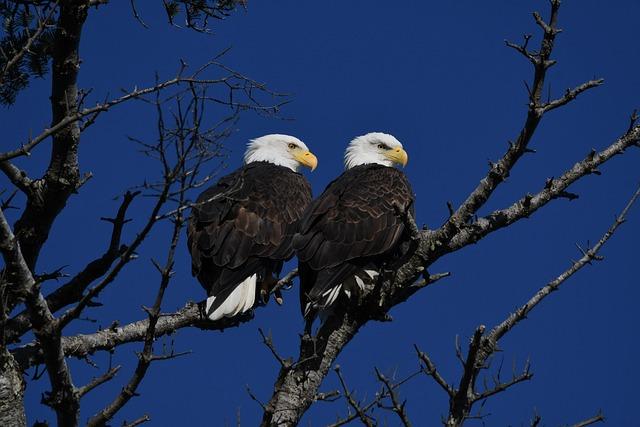
Two bald eagles in a tree

Bald Eagles Treated at Cornell Released After Rehabilitation

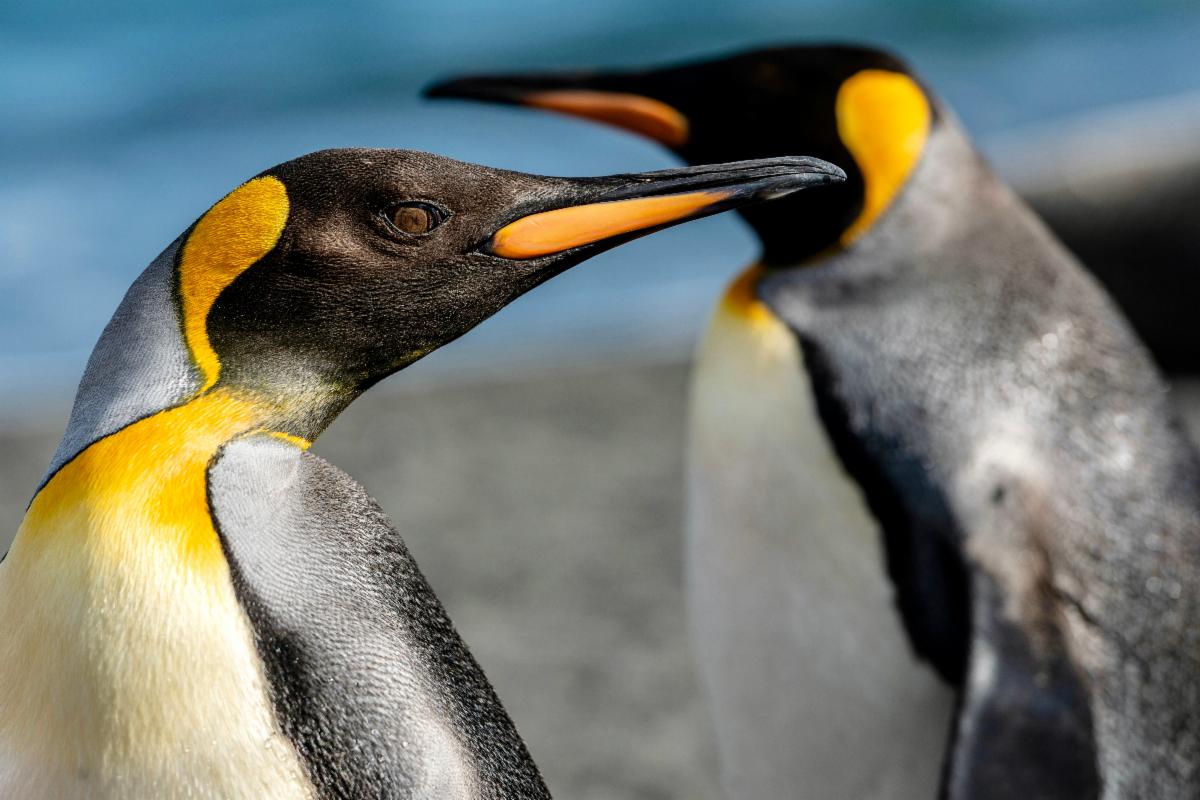
Two King Penguins

Bird Flu Could Devastate Macquarie Island. Why Are We Removing the Scientists We Need to Understand It?

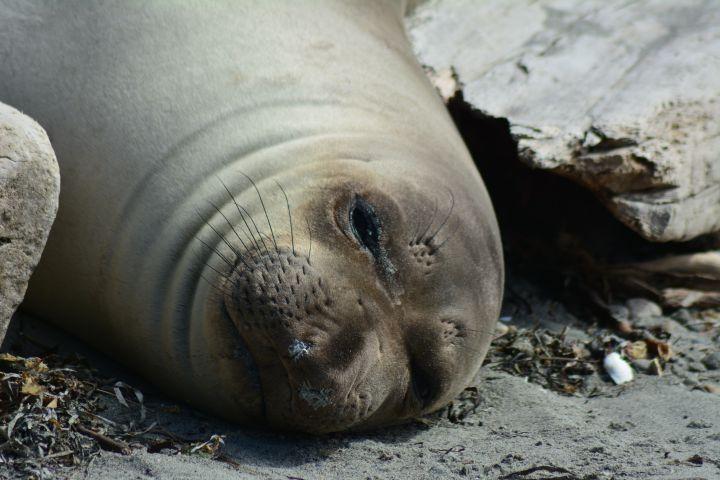
Sea lion

Fearing Traumatic Seal Die-Off, Australia Moves to Evacuate Polar Research Station (Science)


Faculty Feature

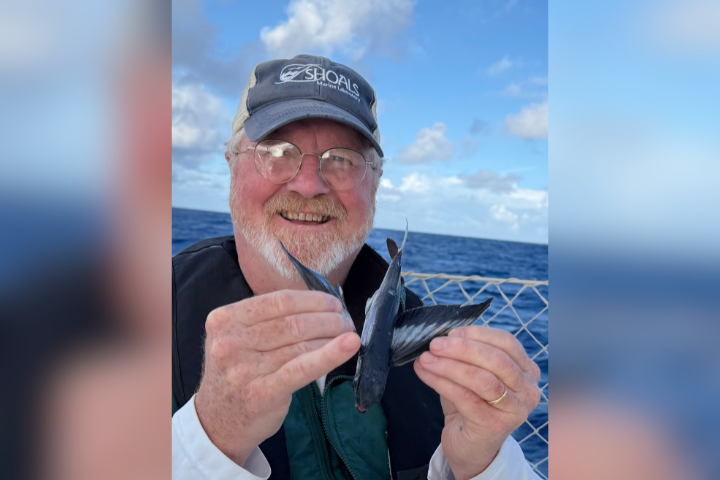
Dr Rod Getchell on a fishing vessel

Faculty Feature: Dr. Rodman Getchell Reflects on a Career in Fish Health, Mentorship, and Collaboration


Even in retirement, Dr. Rodman Getchell still had 60 round goby samples waiting in a university freezer....


New Webinar Coming Your Way!

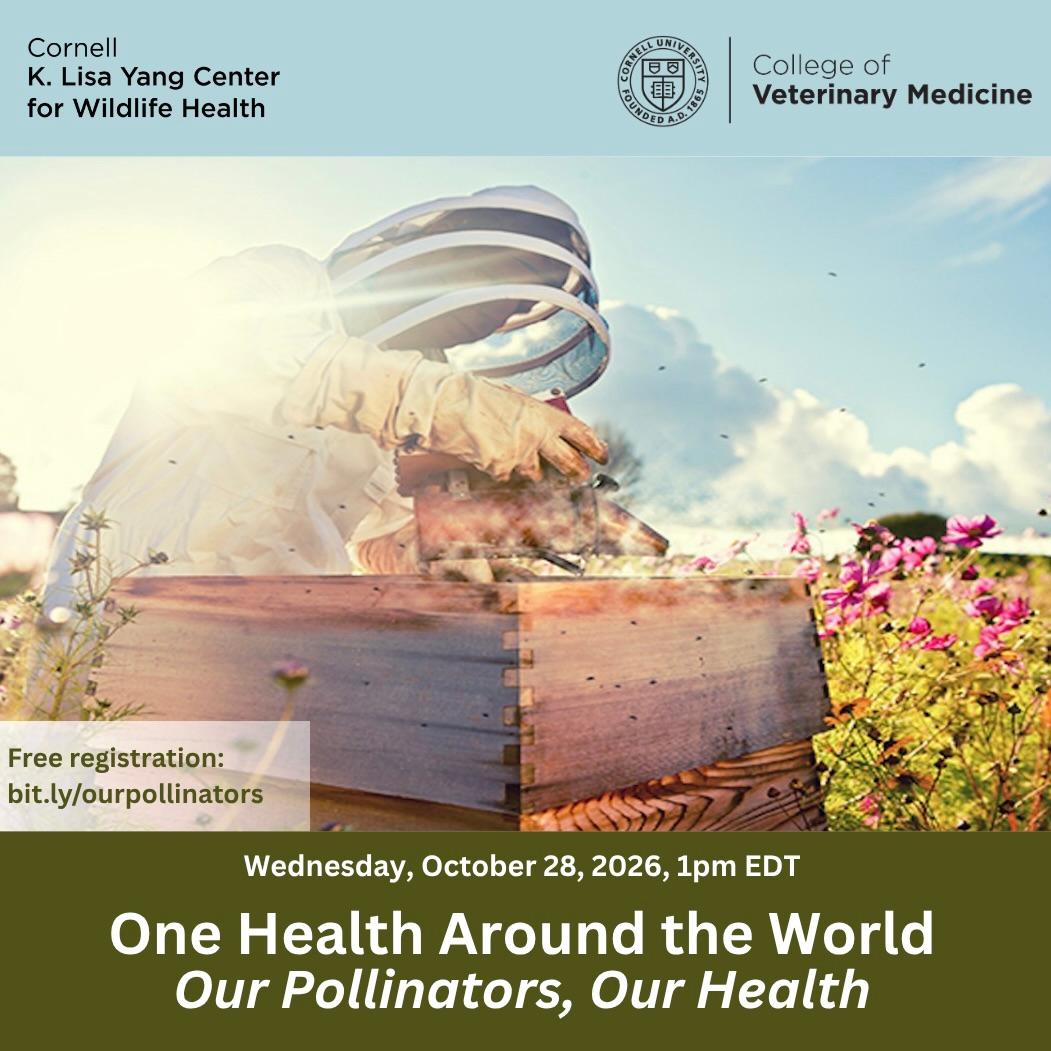
Save the Date for Our Pollinators, Our Health on Wednesday October 28 2026 1pm EDT
 

One Health Around the World

Our Pollinators, Our Health

October 28, 2026

1pm EDT


in partnership with eCornell


Register now for our next One Health Around the World free webinar!


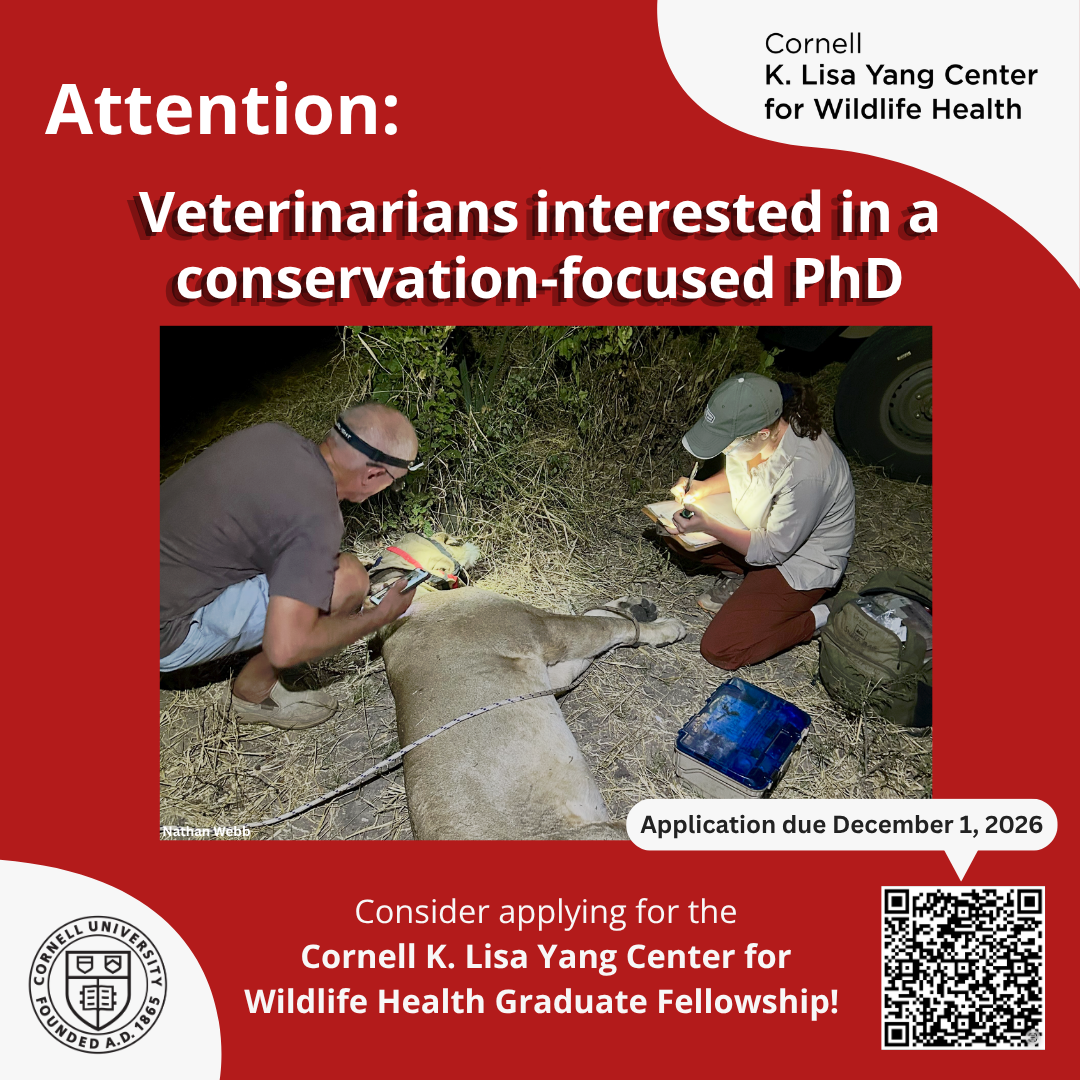
Yang Center PhD Fellowship Opportunity!

Veterinarians interested in a conservation-focused PhD
 

Know any potential future leaders in wildlife health and One Health?


We would greatly appreciate your help in spreading the word on this exciting PhD Fellowship opportunity for DVMs (or equivalents) who might be interested in seeking a wildlife health-focused PhD with us. 


Thank you in advance for sharing this announcement—wake the kids, phone the neighbors!


More New Science

Inferring Geographic Origin of White-Tailed Deer (Odocoileus virginianus) Using Single Nucleotide Polymorphisms in a Region Experiencing Long-Term Effects of Chronic Wasting Disease


Interface of Climate and Environmental Change on Food Systems


If the EU is Serious About One Health, It Must Ban Fur Farming


Bat–Rodent–Human Interfaces in the Americas: A Synthesis of Zoonotic Pathways


Seroprevalence of Epizootic Hemorrhagic Disease Virus in Cattle, Sheep, and Goats in New York State From 2022 Through 2025


Spatiotemporal Patterns of Anticoagulant Rodenticide Exposure in Bobcats Across the Northeastern United States


Evidence of Exposure to Highly Pathogenic Avian Influenza H5 Viruses in East Greenland Polar Bears


Nature Needs You Now

 
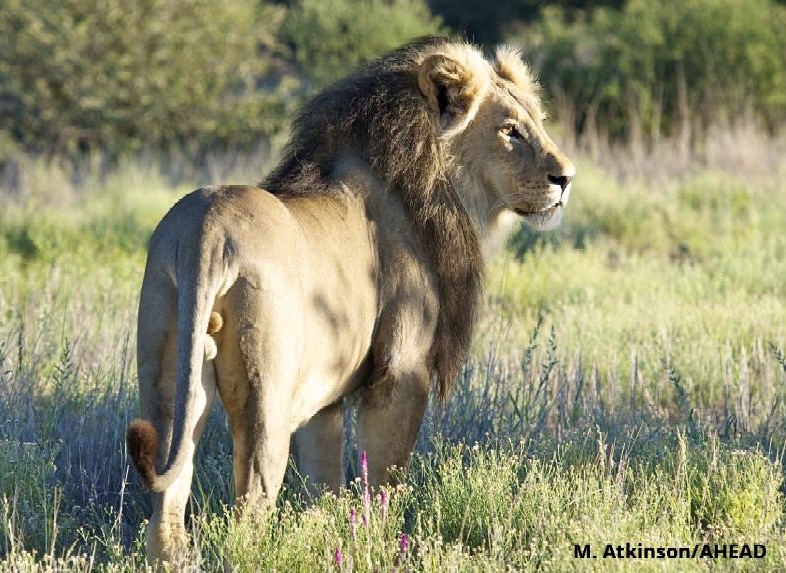
Male lion looking into the sunlight
 

Our critical wildlife conservation work

is completely dependent upon

the funding we're able to raise.


Will you consider making a gift to the Cornell Yang Center for Wildlife Health?


Your support literally

means the world to us.

Did you know there are many ways to give?

  • Make a gift of securities, including stocks, bonds, or mutual funds
  • Make a qualified charitable distribution from your IRA 
  • Name us as a beneficiary of your estate or trust
  • Donate through your donor-advised fund (DAF)
  • Set up a gift annuity


Please consider supporting the Cornell Yang Center for Wildlife Health by giving online or contacting Alison Smith at 607-254-6129 or ars1@cornell.edu. Thank you!

The Cornell Yang Center for Wildlife Health transforms science into impact through discovery, education, engagement, and policy to ensure a healthy future for wildlife and the environment that supports us all.


To learn more about the Cornell Yang Center for Wildlife Health,

please contact Dr. Steve Osofsky at s.osofsky@cornell.edu or visit our website.


Let us know if you have any comments on this e-newsletter, and forward to a friend if you find it useful! Thank you for your support.

X  Instagram  YouTube  Web

Cornell K. Lisa Yang Center for Wildlife Health | wildlife.cornell.edu | s.osofsky@cornell.edu