15 January 2025

There are no quick fixes. Adapting to climate change takes grunt work, science, money, attention to detail, and unconditional optimism.

California Makes Biggest Downpayment Ever for One Region’s Climate-Ready Projects

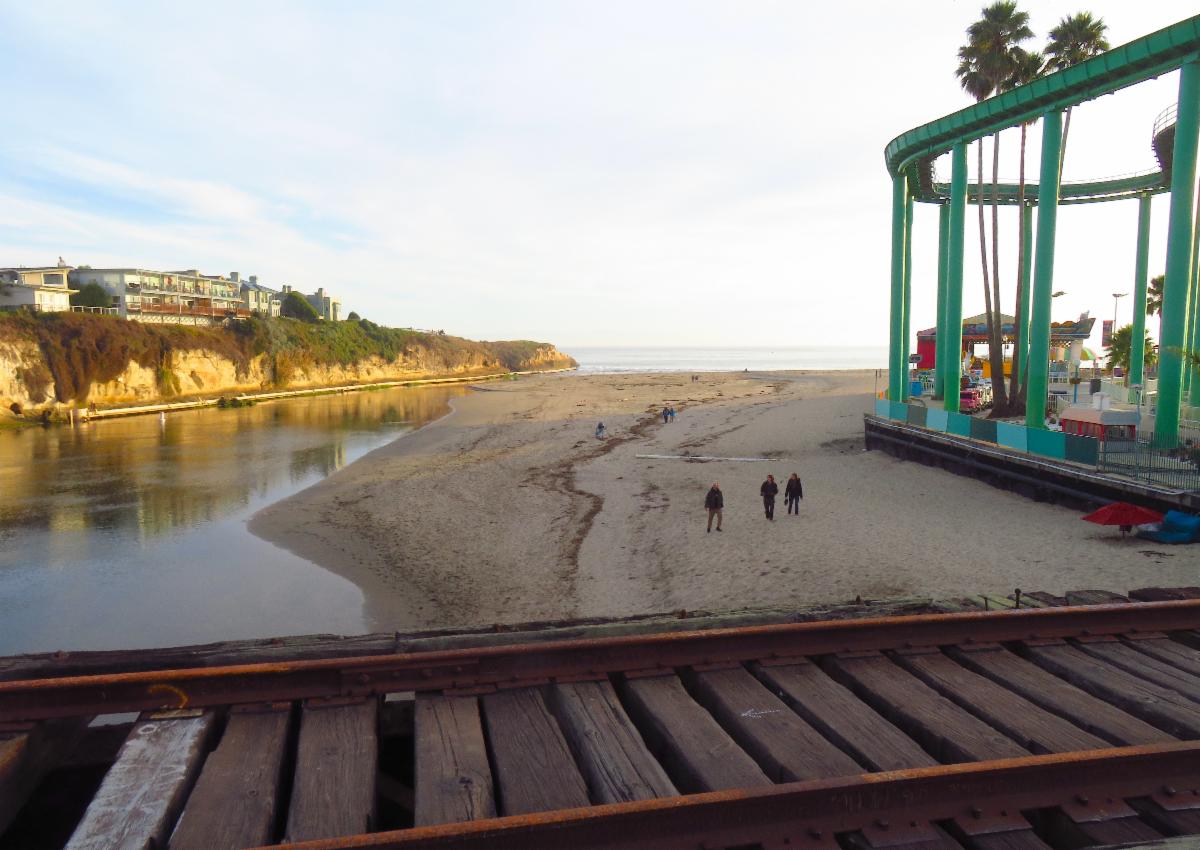
When I asked Robert Mazurek about the moment he found out that he and nearly two dozen partners had won a $71 million grant for climate adaptation in the Santa Cruz-Monterey region, he paused. “When you are being awarded 71.1 million dollars, an email is a little bit of a disappointing way to find out,” the executive director of the California Marine Sanctuary Foundation recalls, chuckling. The work Mazurek and partners plan to carry out under the grant is immense: plan and build flood reduction projects along the San Lorenzo, Carmel, Salinas, and Pajaro Rivers. Carry out fuel reduction projects around Elkhorn Slough and Carmel Valley, and prescribed burns to reduce wildfire risk. Start a collaborative climate adaptation network across the region. Train hundreds in climate job skills. And the team only has five years to do it.  Photo: Isaac Pearlman


Keep Reading

S C I E N C E

Collecting & Unifying Regional Metrics on Wetland Health


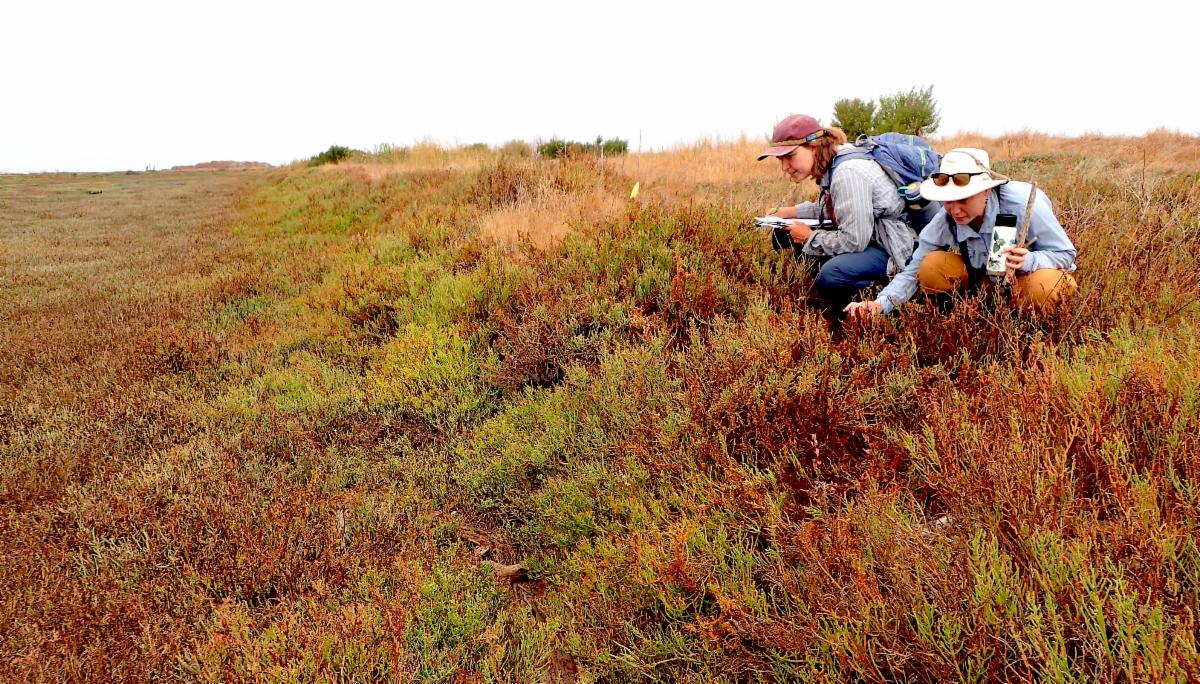
Early in 2025, aided by new grants, the fledgling Wetlands Regional Monitoring Program began to put more crews in the field and sensors in the ground to regularly track changes in the Bay’s wetland ecology from Silicon Valley to Suisun Bay. The program also pushed ahead with the hard work of coordinating monitoring methods and results among the wide variety of efforts already underway. “The WRMP will standardize what is collected and how it's collected,” says Lisa Beers, a lead scientist for the program who works for the SF Estuary Institute. “[We’ll] know that any changes we see in the extent of wetlands over time are due to actual management actions and restorations, rather than differences in methodology or how the mapping was done.” This stepped up monitoring effort will help the region track wetland health in the face of sea level rise and other environmental threats. Photo: SFEI


Keep Reading

Q U I C K

R E A D S

Coho Salmon Remain Afloat Four Years After CZU Fire


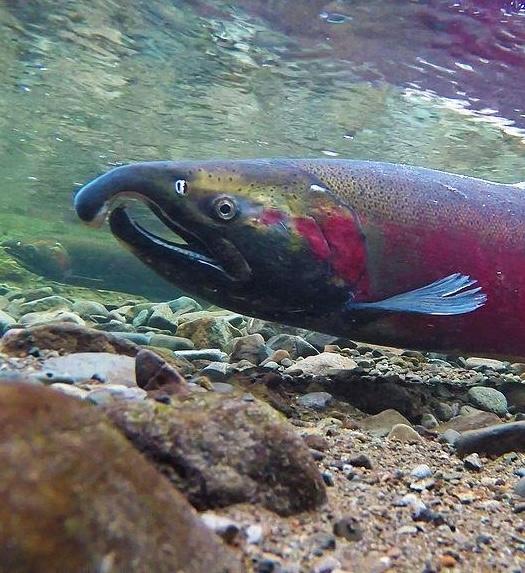
Landslides. Falling trees. Scorched forests. These are just a few ways the 2020 CZU Lightning Complex Fire transformed habitats in the Santa Cruz Mountains. But scientists are finding that the blaze’s effects on the region’s coho salmon have been small. “These fish have evolved with fire,” says NOAA’s Joe Kiernan.  Photo: Oregon Forestry


Keep Reading

UC Berkeley’s Brilliant Breakthrough in Carbon Capture


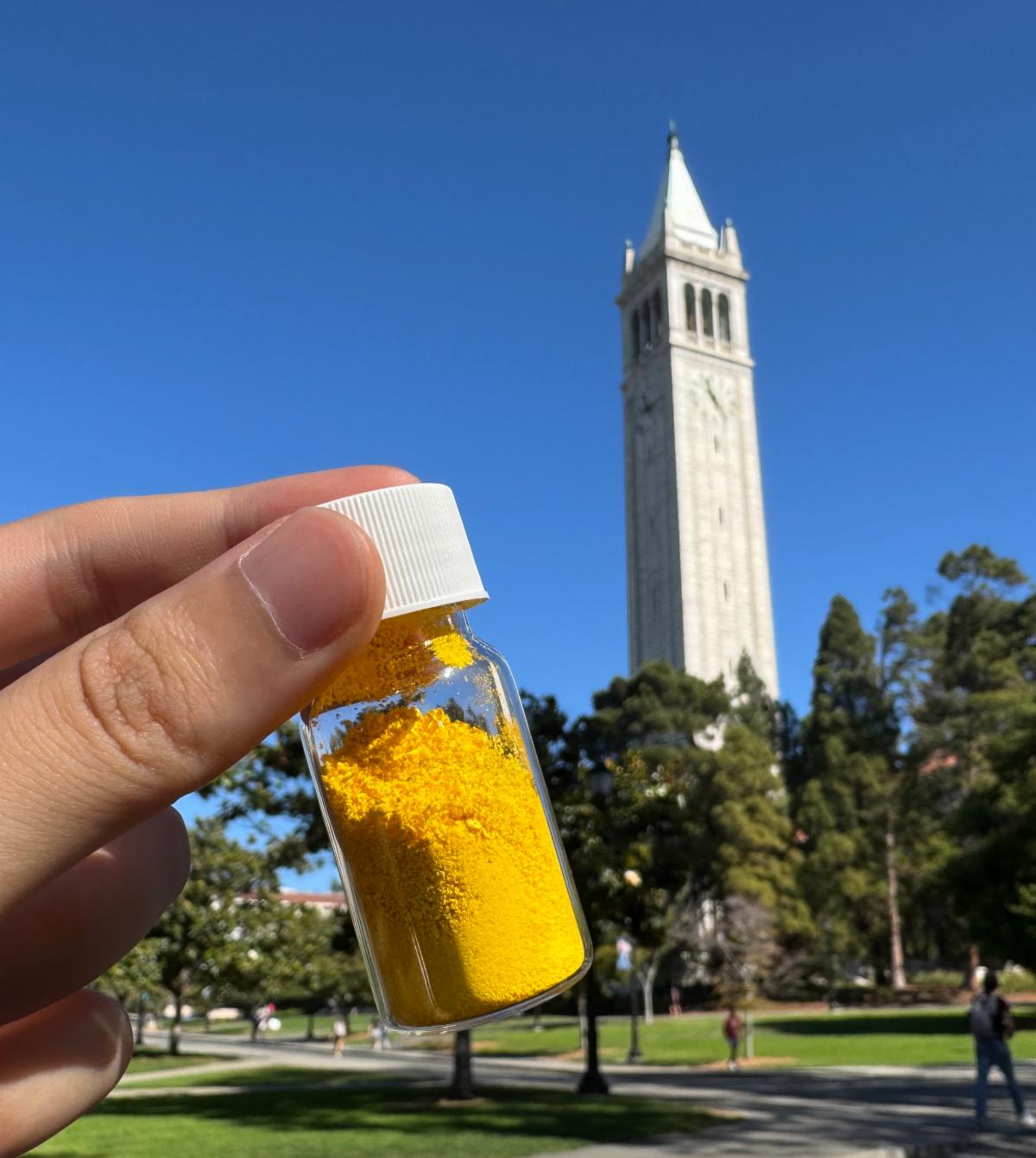
A canary-yellow powder developed at UC Berkeley has jumped a long-standing carbon capture hurdle: it can absorb CO₂ from the air directly, and it can do so over and over without rapidly degrading. This breakthrough could be a game-changer for carbon capture. If we’re still emitting significant amounts of new CO2 into the atmosphere, however, direct air capture can do little to stop warming. Photo: UCB


Keep Reading

How Two East Bay Teachers Are Fighting the Climate Crisis


California is one of 20 states that use Next Generation Science Standards in their education curriculum. But a 2020 national report gave the state a B+ for its incomplete approach to preparing K-12 students for the climate crisis. Driven by both state requirements and their personal commitment to the environment, two East Bay teachers are tackling this problem by bringing climate literacy into their classrooms. Art: Multistudio


Keep Reading

Worried About Urban Wildfire?

A few choice stories from our archives....

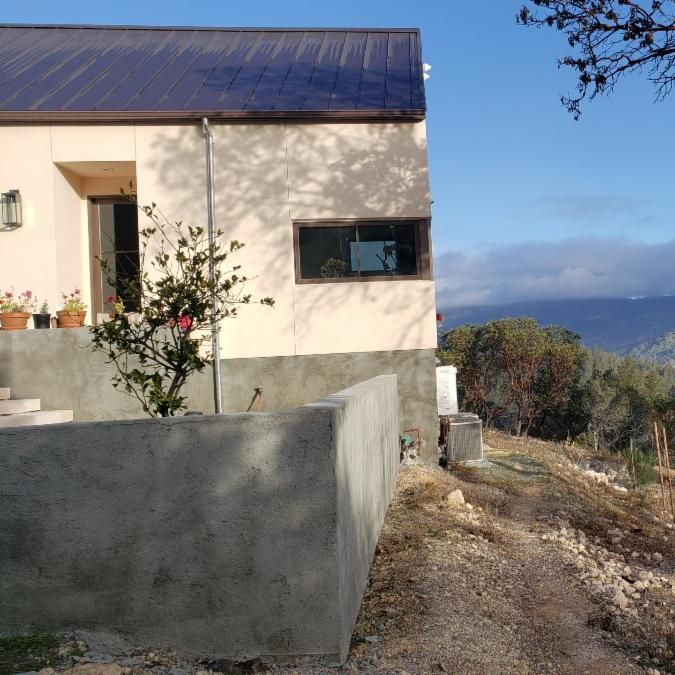
What's a Future-Proof Home?


In Eugene, Calistoga, and Malibu, architects and homeowners are beginning to choose more climate-resilient designs.


Keep Reading

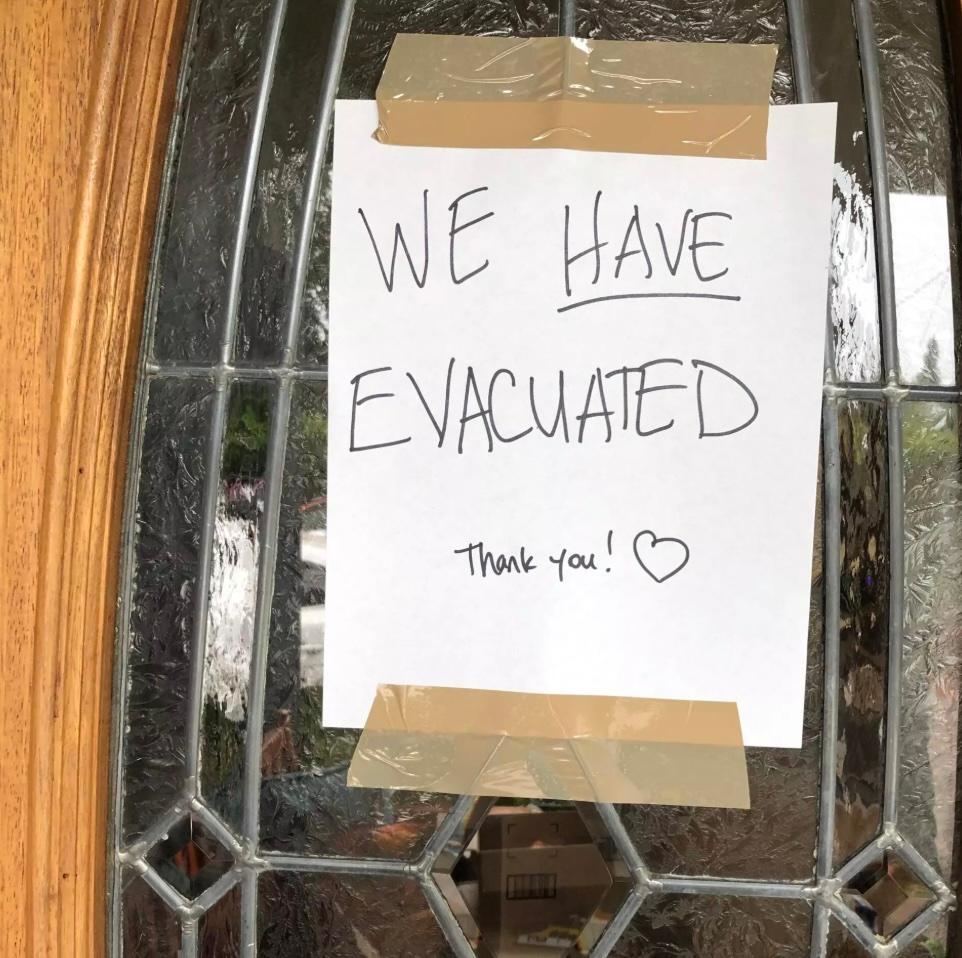
My Neighborhood Wised Up To Fire


Living in the Santa Cruz mountains is a balancing act for neighbors repeatedly confronted with wildfire, smoke, and landslides.


Keep Reading

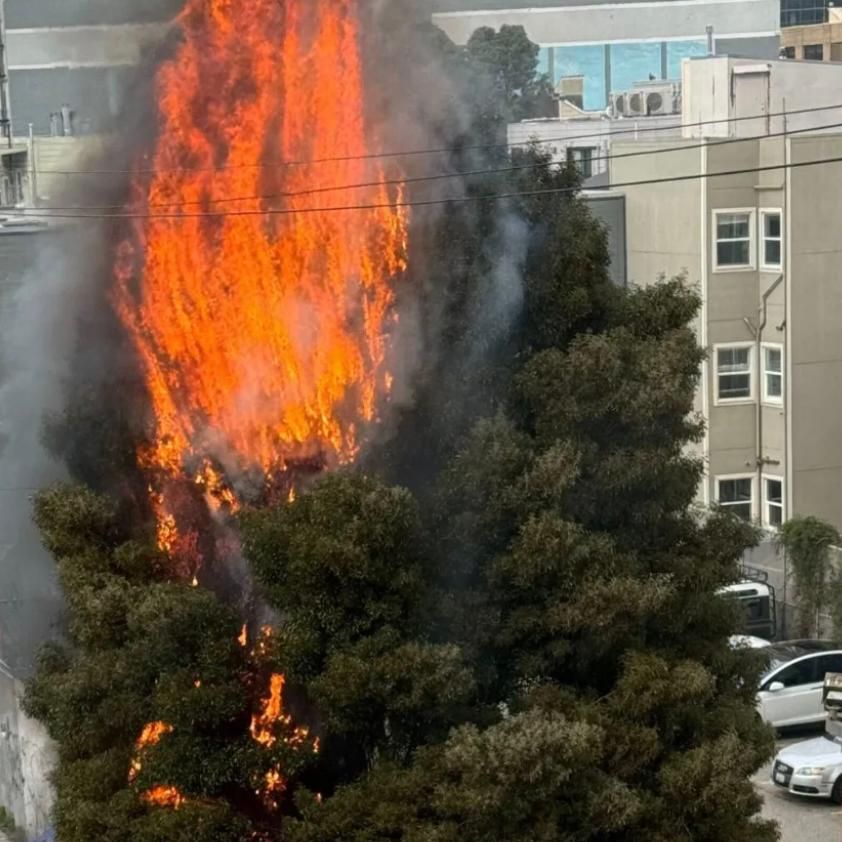
Wildfire in the City?


According to San Francisco’s new Hazards and Climate Resilience plan, urban forests pose a moderate wildfire risk. Wildfire-preparedness could be challenging for residents.


Keep Reading

Ever been to our magazine's home page?

Surf our stories by town, topic, or theme.

EXPLORE 
Follow us on your favorite platforms, and share KneeDeep Times with friends!
Facebook  Instagram  LinkedIn

You won't find us on Twitter/X anymore, find us on Bluesky!

KneeDeep Times shares stories from the frontlines of climate change resilience and adaptation action.

All stories are available for republication free of charge. See our guidelines.


Views expressed are independent of all funders and collaborators.


Managing Editor: Ariel Rubissow Okamoto

Senior Editor: Cariad Hayes Thronson

Assistant Editor: Sonya Bennett-Brandt

Community & Social Media Editor: Isabella Eclipse


Send us your story ideas and subscribe us to your newsletter lists

news-team@kneedeeptimes.org

Sign Me Up for KneeDeep Times