|
|
Defending wildlife and habitat through:
Advocacy
Conservation
Education
|
|
|
News & Updates: July 2023 |
|
In this issue:
- AOK Nature Adventurepacks and programming available in southwest Kansas!
- Bees and butterflies are not the only pollinators
- AOK joins Kansans for Conservation
- *Breaking news* Lesser Prairie-Chicken protections under Endangered Species Act in danger
- Volunteers work and play the Hutton way
-
Philanthropy Central: Help us use fire to keep grasslands and forests healthy
- Save the date!
- Celebration of Cranes Nov 3-4
- Chapter Spotlight: Jayhawk Audubon Society is changing its name
-
AOK Nature Walk Recommendations: Kanopolis State Park has trails, vistas, and birds
|
|
|
AOK Nature Adventurepacks and programming available in southwest Kansas! |
|
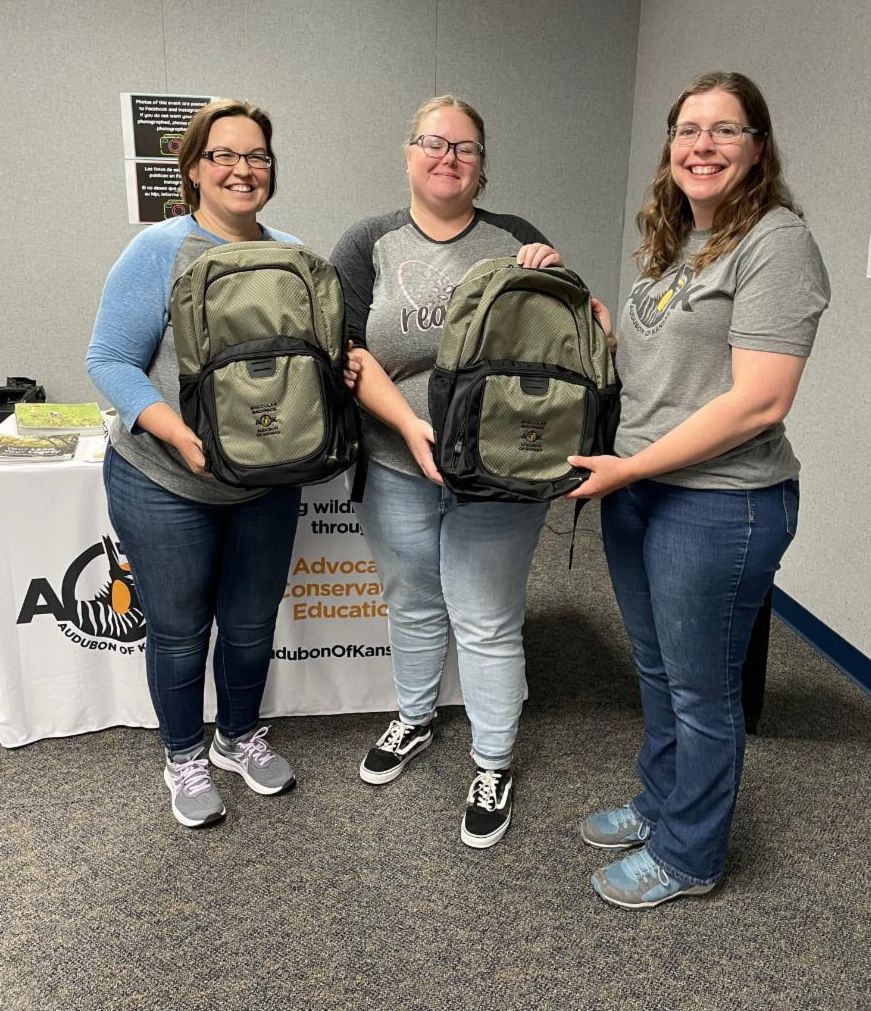
Thanks to a Chickadee Checkoff grant, Audubon of Kansas is able to bring Nature Adventurepacks to southwest Kansas. Adventurepacks are given to libraries for patrons to check out. They contain adult and children's binoculars, and fold-out field guides to birds, butterflies, and the moon.
To kick off the backpacks' availability, Executive Director Jackie Augustine will be giving presentations about birds and birding throughout southwest Kansas. Below is a current list of presentations. Check out our Facebook page for updates.
Monday, Aug 7, 7pm: Scott County Library, Scott City "Beginning Birdwatching: Making sense of birdsong, binoculars, and identification aids"
Tuesday, Aug 8, 7pm: Meade Public Library, Meade "Marvelous Migration"
Thursday, Aug 10, 7pm: Plains Community Library, Plains "Marvelous Migration"
Monday, Aug 21, 7pm: Coldwater-Wilmore Regional Library, Coldwater "Beginning Birdwatching
Tuesday, Aug 22, 4:30pm: Liberal Memorial Library, Liberal "Beginning Birdwatching"
Tuesday, Aug 22, 7pm: Stevens County Library, Hugoton "Back from the Brink: Black-footed Ferret"
Wednesday, Aug 23, 4:30pm: Rolla Library, Rolla "Beginning Birdwatching"
Thursday, Aug 24, 8am (mountain): Greeley County Public Library, Tribune "Beginning Birdwatching"
Tuesday, Sept 12, 7pm: Stanton County Public Library, Johnson City
|
|
|
Bees and butterflies are not the only pollinators |
|
|
|
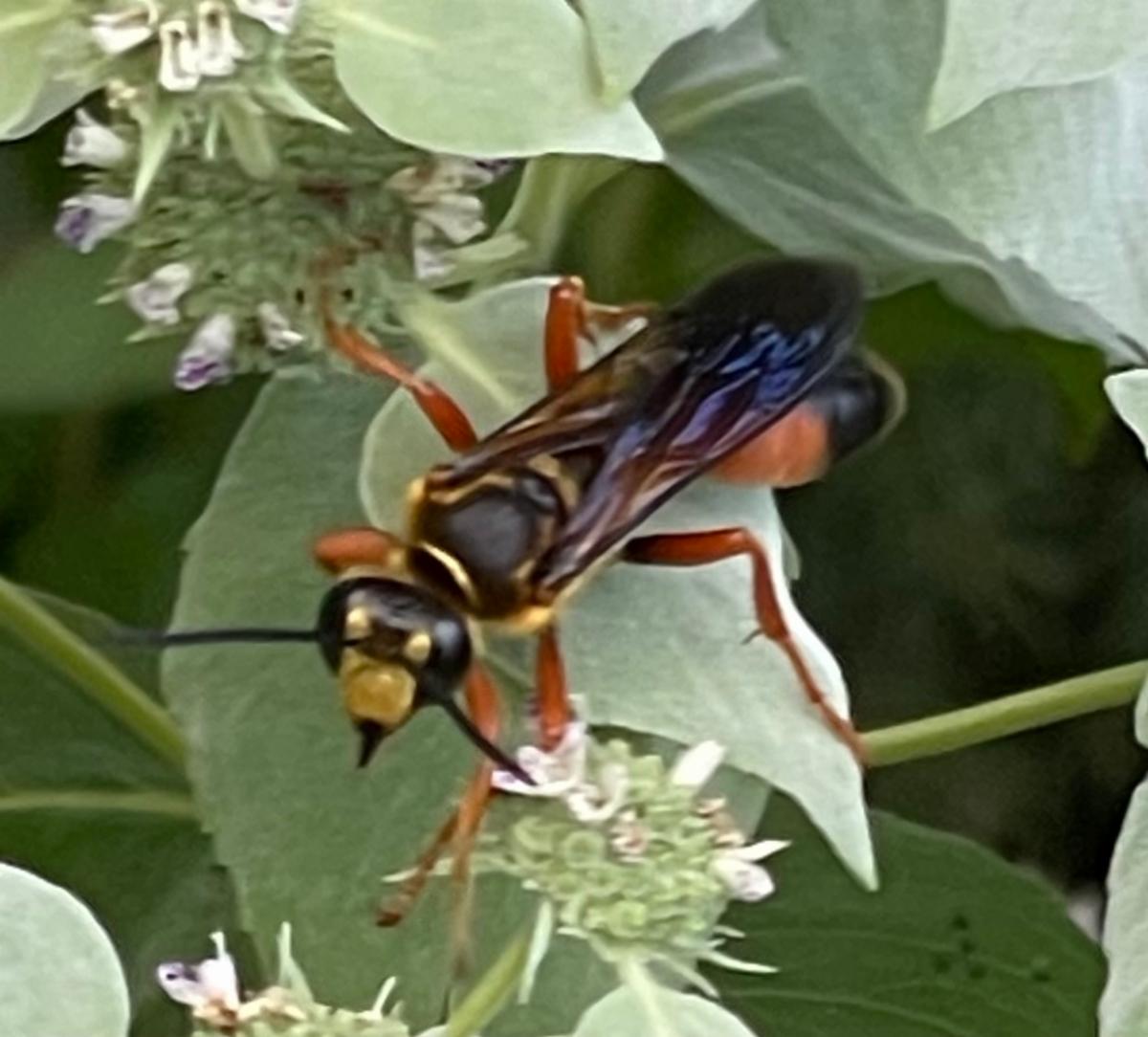
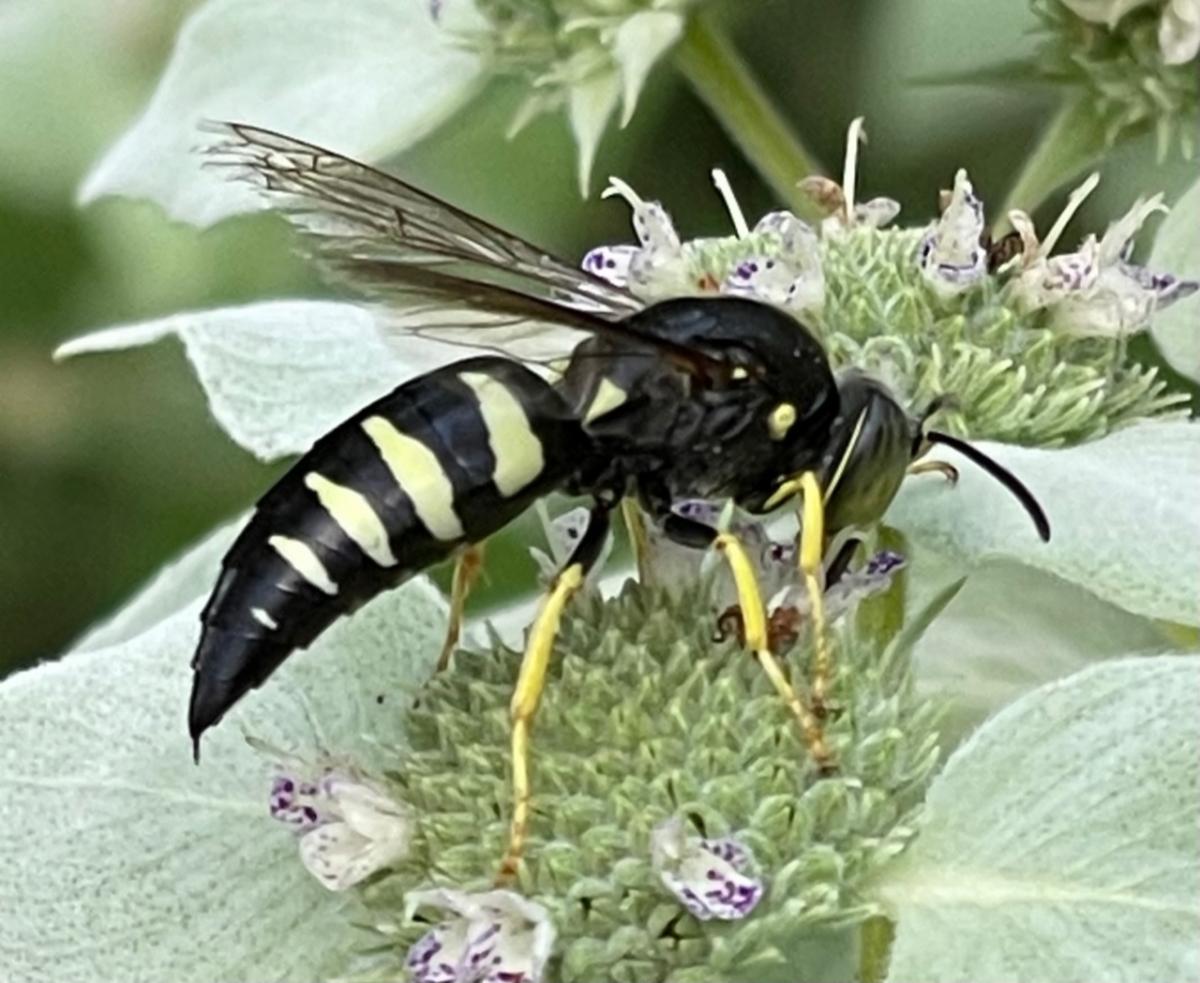
Bees get a lot of the attention when it comes to pollination, and rightly so. They have specialized structures for gathering pollen and use the pollen as a source of food. Butterflies also get a fair bit of attention - there are plants whose ability to attract butterflies is well known. As butterflies feed from one flower to the next, they also inadvertently transfer pollen. Did you know that WASPS are also important pollinators?
Wasps belong to the same taxonomic order (Hymenoptera) as bees and ants, and similarly have a wide variety of social and solitary species. Like butterflies, wasps inadvertently transfer pollen as they visit multiple flowers. Many wasps feed on the nectar produced by flowers, but unlike bees which feed pollen to their young, wasps feed insects or other types of meat to their young. Wasps should be desired for this quality as they are a natural source of pest control.
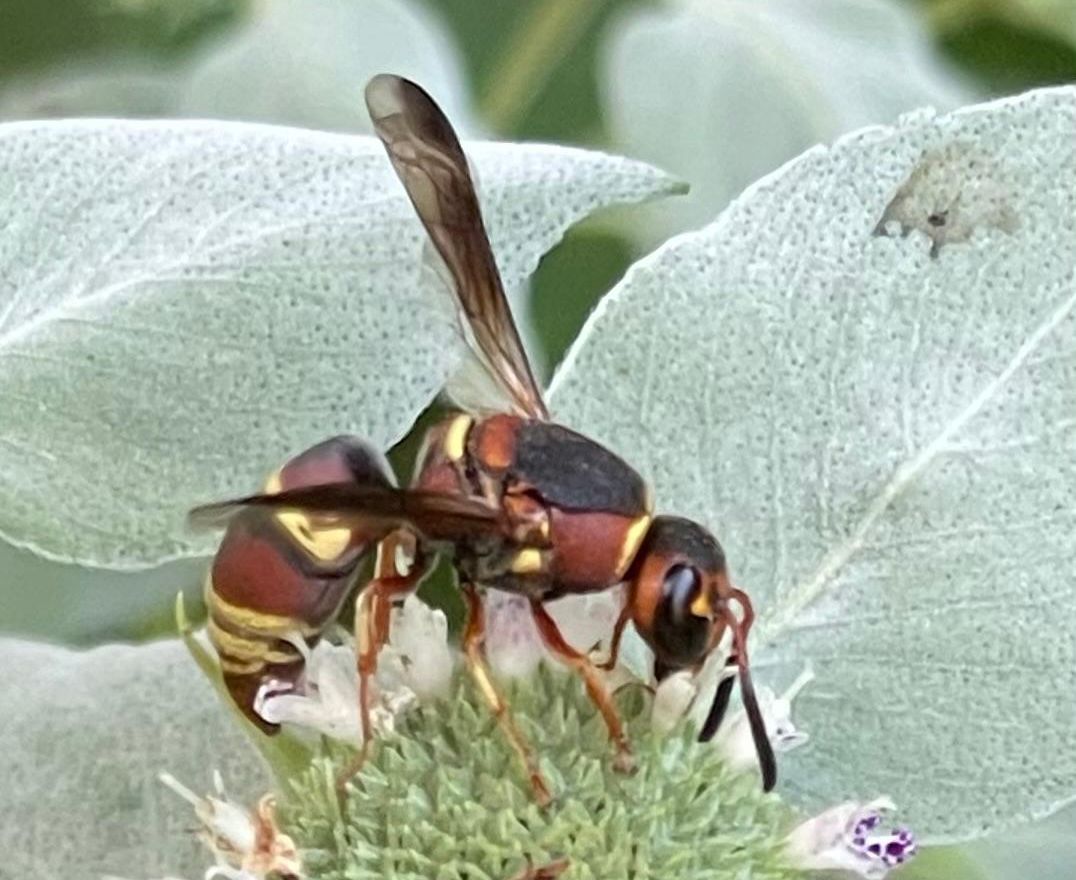
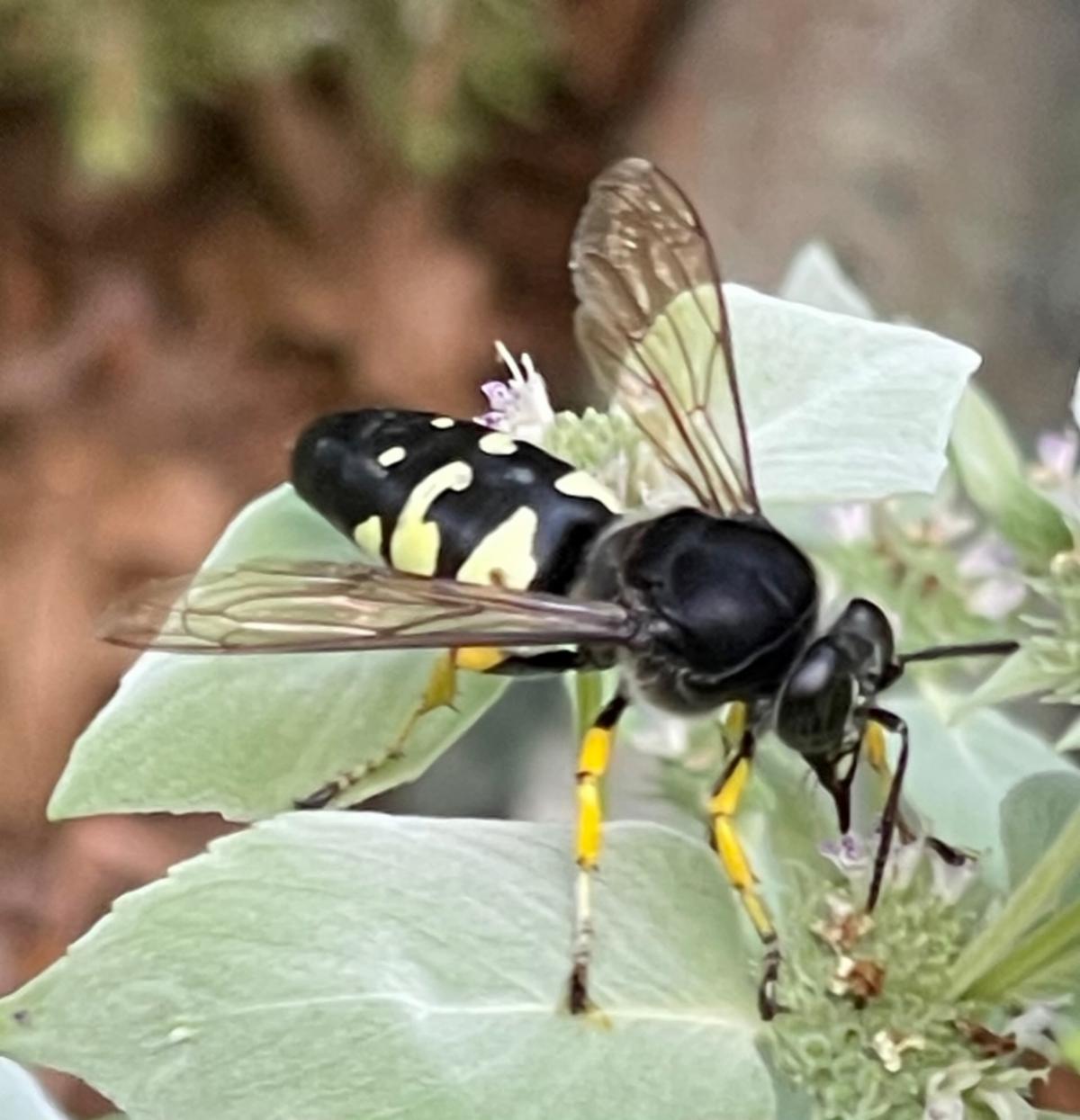
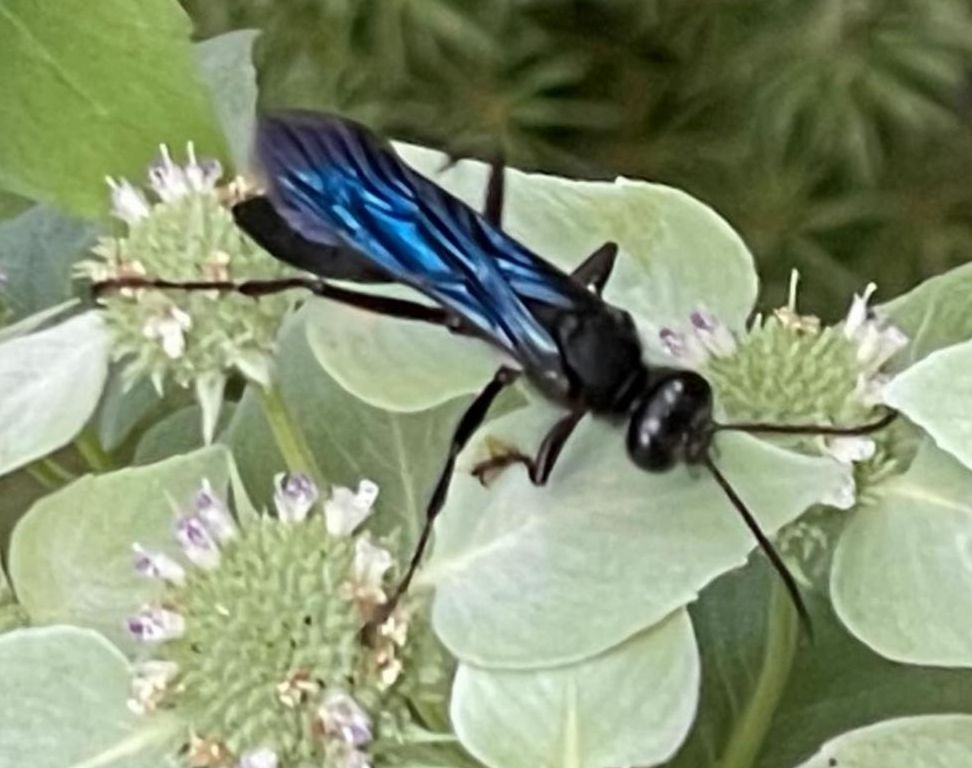
Bees and wasps will not sting unless provoked. You can safely approach them at close distances and enjoy them on your flowers. The photos to the left were taken with an iPhone about 1 foot from the insect (and photo subsequently cropped). Just move slowly (and use your phone's zoom) so you don't scare them away. Photographing insects visiting flowers is a good way to get children interested in nature.
The photos to the left were photographed by Jackie Augustine in her suburban yard in Topeka. All wasps were utilizing 'Mountain Mint', a plant native, but rare in the state. Jackie planted the mint last year.
Nests in old mud dauber nests or other small holes
A type of sand wasp that feeds on horse flies
Feed their young katydids
I bet you can guess what they feed their young!
Wasps identified by iNaturalist
|
|
|
AOK joins Kansans for Conservation |
|
Audubon of Kansas is proud to be part of Kansans for Conservation. This group was formed to address the growing need for dedicated funding aimed at conservation in Kansas. Many of our neighboring states have such funding.
The group includes traditional conservation organizations, hunting and fishing groups, energy companies, and farming organizations.
If you are a member of an organization that would benefit from support for public parks, trails, conservation, and healthy agricultural lands, please consider joining! Examples of such groups include a conservation-oriented religious group, county or municipal government, 'friends of' a preserve, and others.
|
|
|
*Breaking news* Lesser Prairie-Chicken protections under Endangered Species Act in danger |
|
This week was a bad week for Lesser Prairie-Chicken conservation. Not only has a resolution disapproving the listing of the Lesser Prairie-Chicken under the Endangered Species Act passed both the House and the Senate (SJ Res 9), but US Legislators are trying to cut the funding that would be used to provide protections for the bird (HR4821).
Please encourage your legislators to vote 'no' on HR 4821, no matter what state you live in.
|
|
|
Volunteers work and play the Hutton way |
|
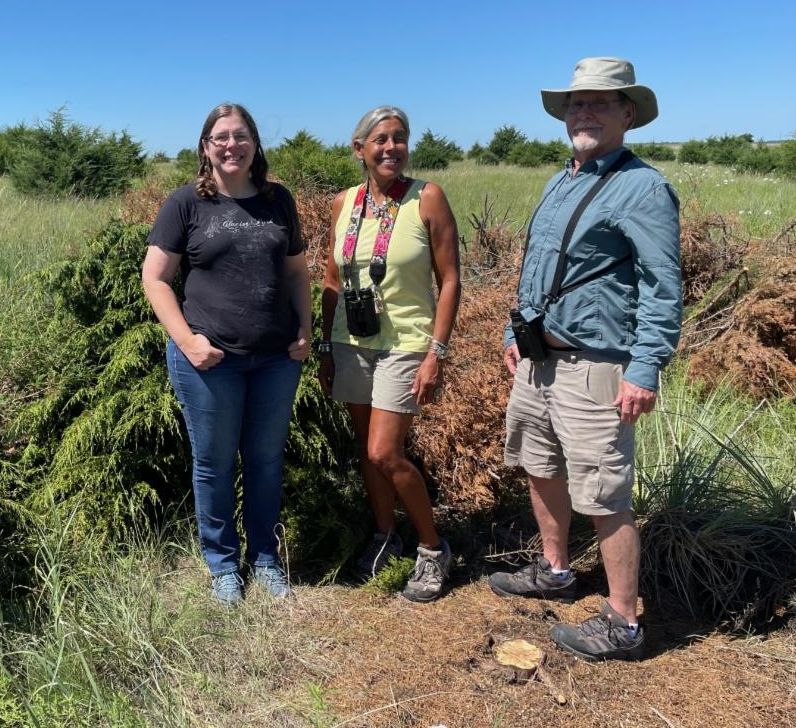
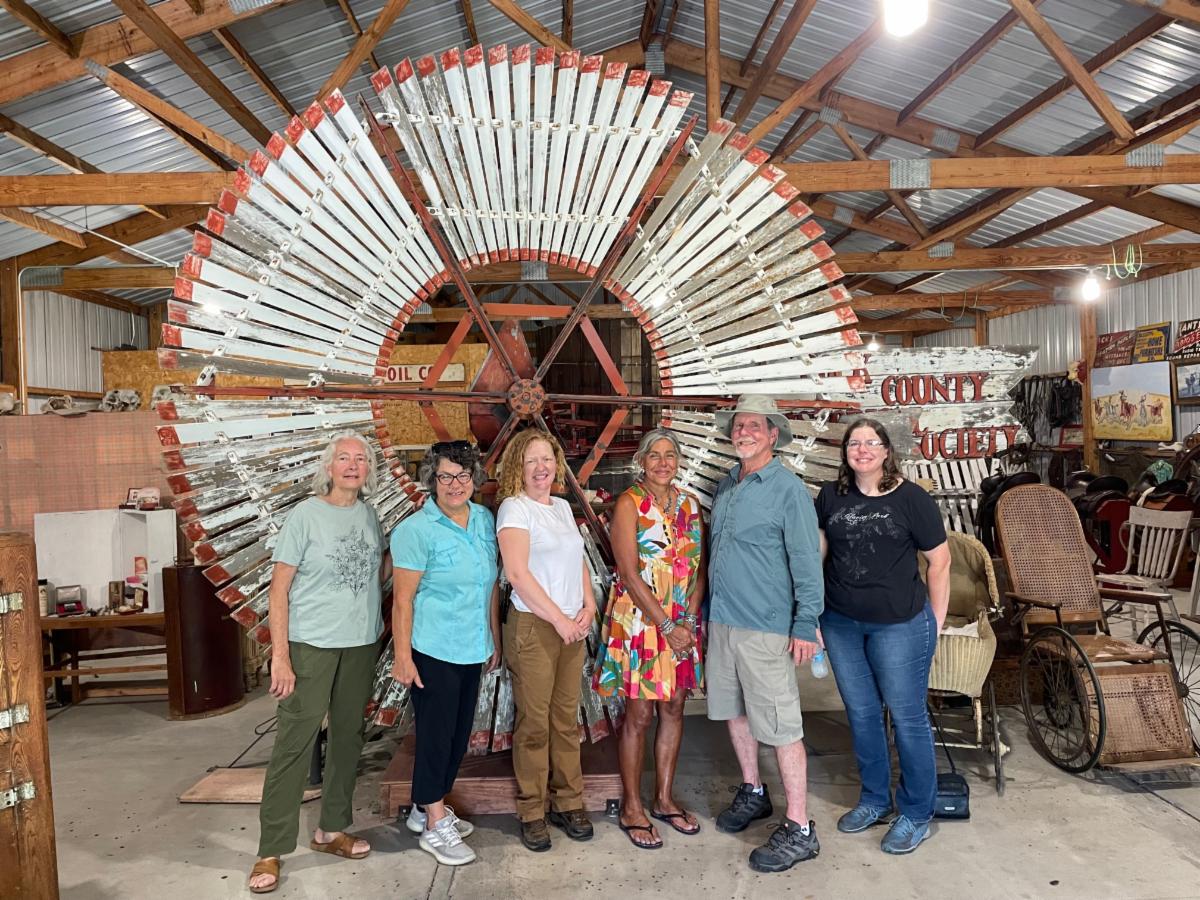
This past week, four dedicated volunteers enjoyed Hutton while helping to improve the sanctuary. They drove from Texas to explore the unique sandhills environment. |
|
|
Tom, Kelly, and Jackie removed cedars to prevent them from choking out the prairie plants |
|
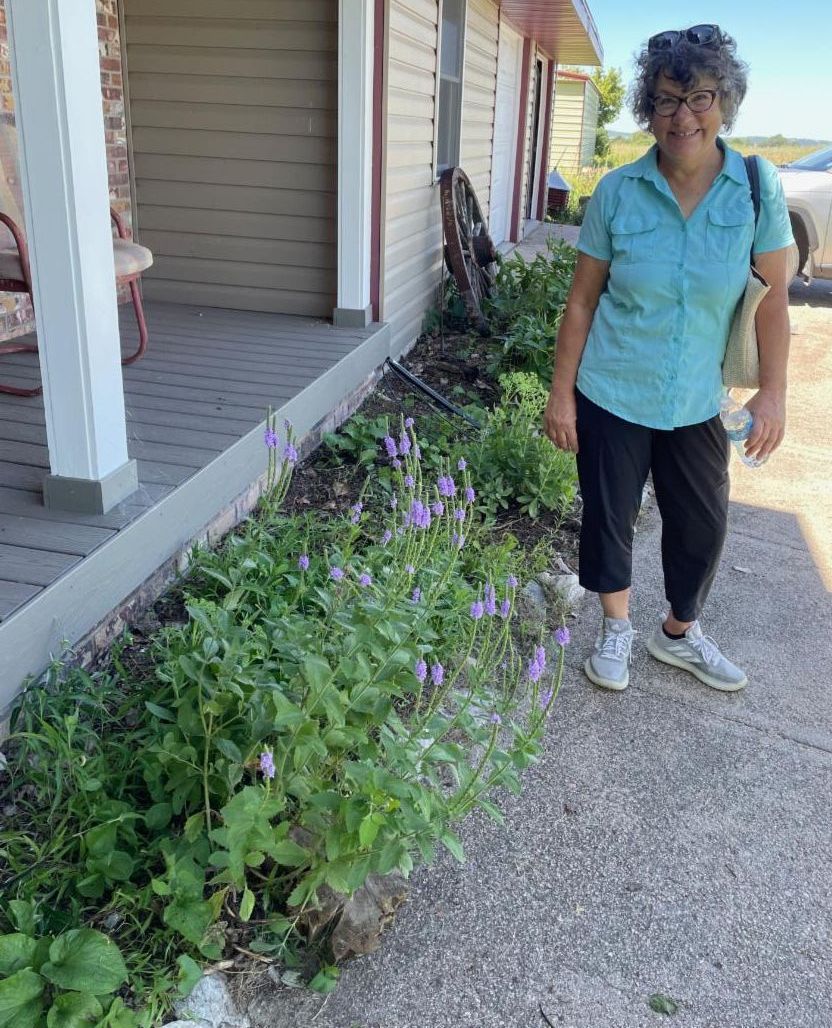
Ann removed invasives and cleaned up our flower bed (she also did some spring cleaning at the Lazy Easy house) |
|
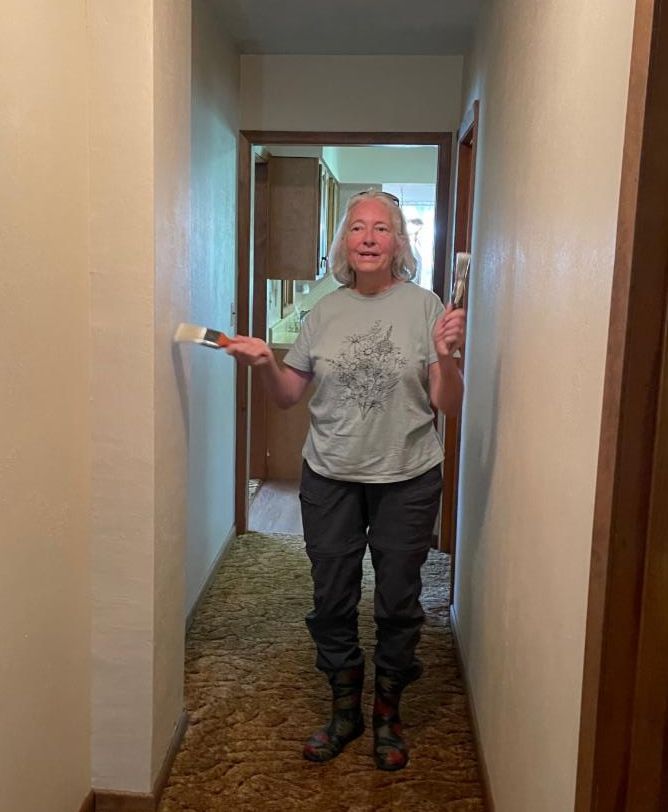
Karen gave the hallway at the Lazy Easy house a fresh coat of paint. |
|
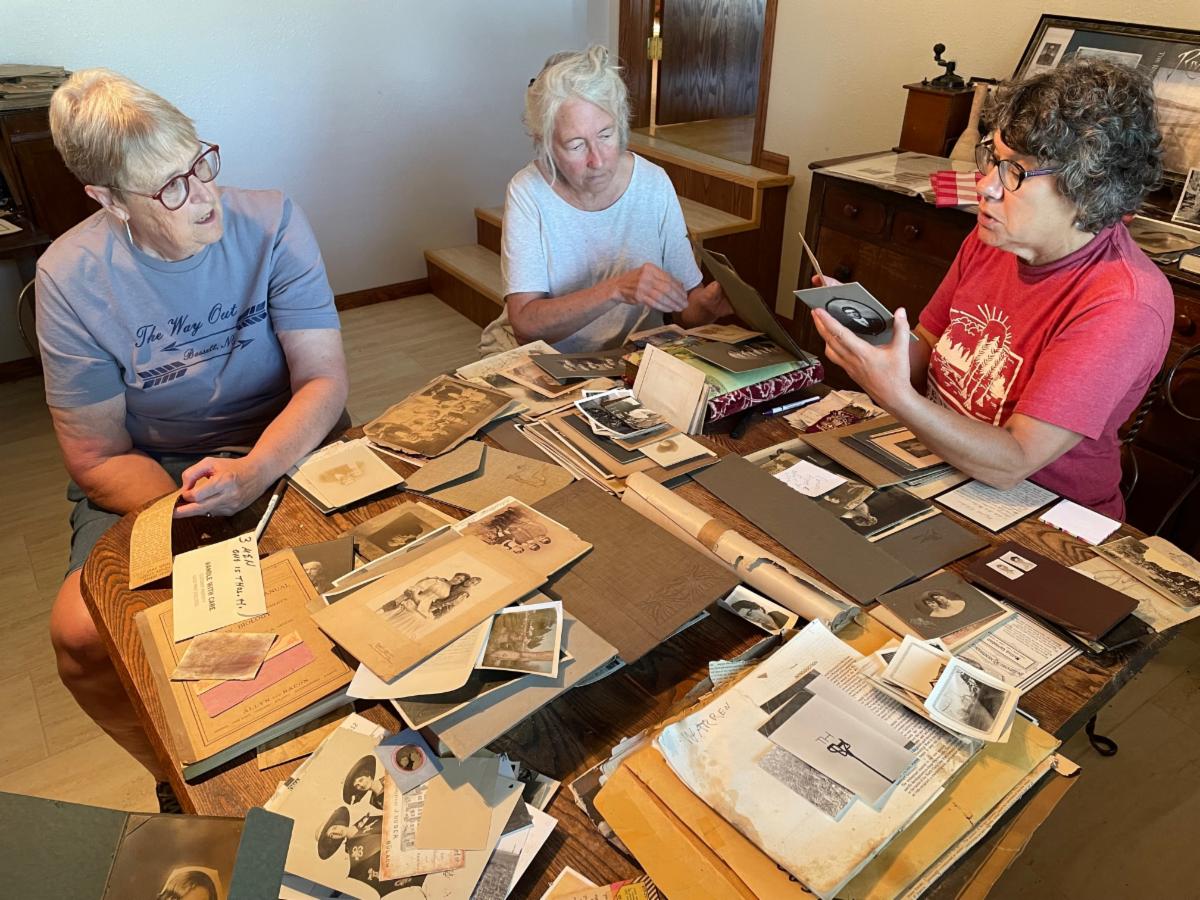
Ev Armstrong, the Director for the Rock County Historical Museum, helped us sort through photos at Hutton |
|
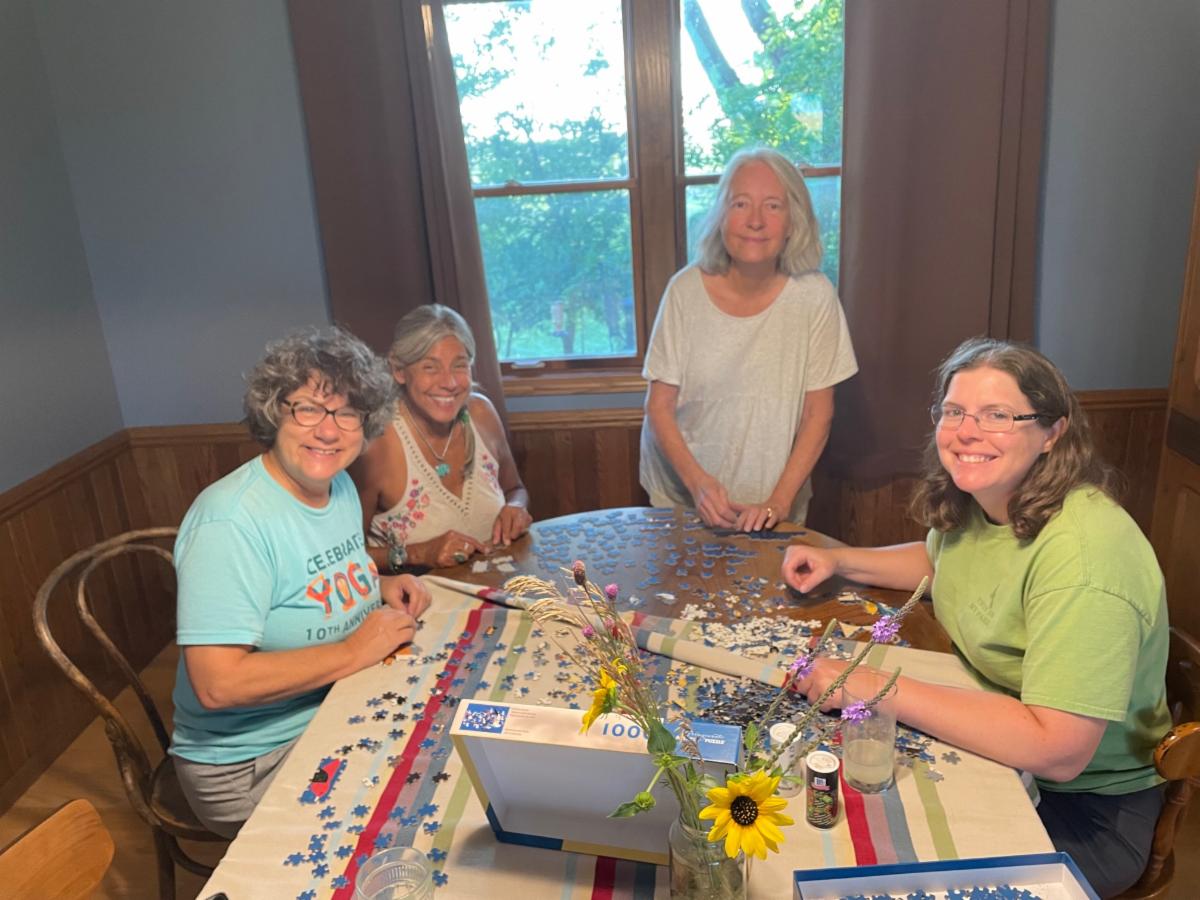
Relaxing in the evening through putting together a puzzle. |
|
We visited the Rock County Historical Museum |
|
Philanthropy Central:
Help us use fire to keep grasslands and forests healthy
|
|
We have an exciting project in mind for this summer and future years, but we need your help to make it happen.
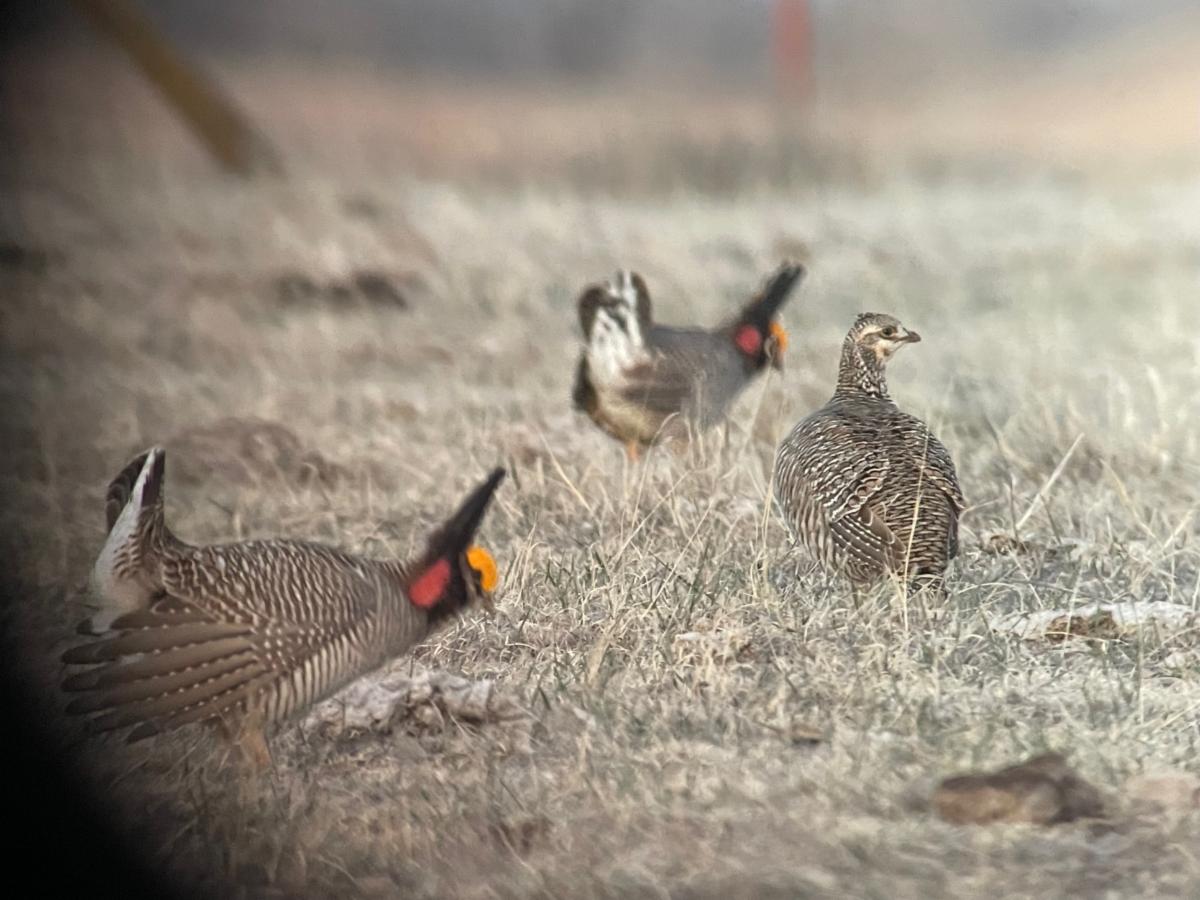
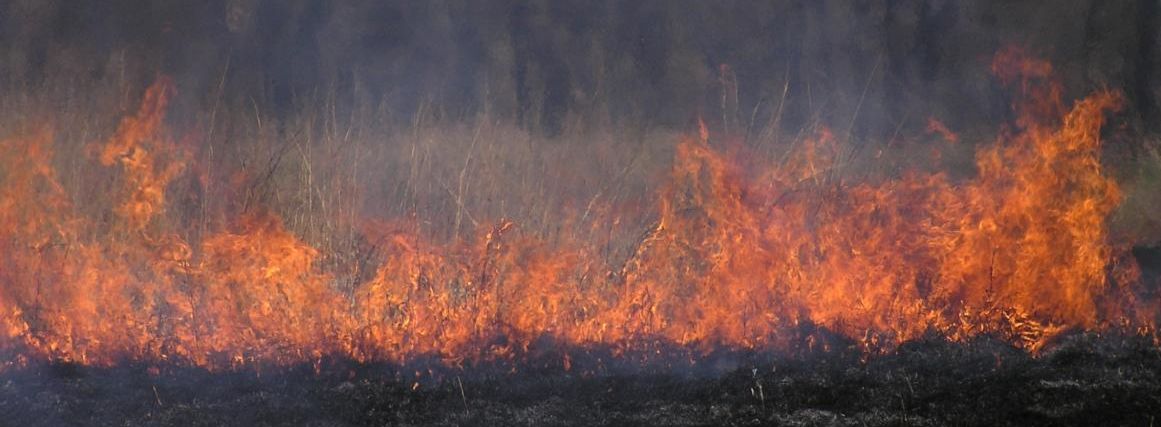
As many of you know, fire is an essential tool for keeping cedar and other trees from degrading diverse prairie habitats. At AOK’s 5,000-acre Hutton Niobrara Ranch Wildlife Sanctuary, eastern red cedars are an ongoing problem to keeping grasslands open and attractive for Sharp-tailed Grouse and Greater Prairie-Chickens. At AOK’s Achterberg Wildlife-Friendly Demonstration Farm near Lincoln, Kansas, Siberian elms and other trees continually try to invade the filter strips growing along the streams that drain the property. Keeping trees out of the filter strips is not only a requirement under NRCS rules, it represents critical habitat maintenance for the Bobwhite Quail that Connie Achterberg cherished. The Kansas Forest Service says, from 1965 to 2018, “the volume of eastern red cedar in Kansas has increased more than 23,000 percent within its native range.”
However, did you know that fire can also be used to manage forests? A recent visit from a bright young forester from the Kansas State Forestry Department enlightened me on the value of fire in Kansas forests. We were visiting our 160-year-old bur oaks at Far West Farm, the property we are transferring to AOK in the near future. What I hadn’t thought about as I researched how and why the massive oaks had come to be was that both I and AOK were going to need to use fire if we wanted to manage our woodland to assure bountiful numbers of large trees for the enjoyment of future generations.
Large, healthy bur oaks can withstand fire, but fire removes brush and excessive saplings of less desirable trees. New bur oaks cannot grow in shade, and the best way to create those open areas is through carefully controlled burns. There’s only one problem -- AOK does not currently have the equipment to conduct precise, controlled burns. If we hire contractors to cut and pile trees, we still need fire equipment to burn the piled trees. That’s where AOK needs your help.
We need our own equipment.
Not only do we plan to purchase equipment for prescribed burns, but we also aim to build expertise and capacity among our neighbors and volunteers. Prescribed burns take a lot of labor - we were recently unable to conduct a prescribed burn at the Hutton Sanctuary due to a lack of trained volunteers. Having our own equipment would allow AOK to conduct small burns when conditions are ideal without the need to reach out to others who might not have the time to burn a few acres with AOK. For larger burns, we envision boosting expertise among our neighbors and volunteers through contributing to established prescribed burn associations or helping to form them in counties where we have sanctuaries. We hope that by building interest and the local availability of equipment, we can not only improve the habitat on our sanctuaries, but we can also help our neighbors improve theirs. That way, everyone benefits!
AOK got a big start last year by trading in an old truck and using donations to the Grow Green project to purchase a sturdy pickup that can haul spray equipment.
Now we need to purchase:
1) a slide-in spray unit consisting of a water tank, pump, and hose ($5000);
2) handheld fire equipment including drip torches to spread fire; 2-way radios for communication among volunteers; and flappers, backpack sprayers, battery-powered leaf blowers and rakes to maintain the fire break ($3800); and
3) personal protective equipment including fire-resistant shirts, helmets with face shields and masks that filter carbon ash ($4000)
4) used UTV side-by-side with a spray unit for increased maneuverability in rugged terrain ($17,500)
Here’s how you can help.
2) Donate your used equipment (Contact Jackie)
3) Register your interest in being trained as a volunteer to work prescribed burns (helping before burns to prepare fire breaks, during burns to manage fire and assist in logistics and monitoring, after the fire watching for flare ups and repairing equipment). (Contact Kelley)
Please give today to help us reach our goal of $12,800 this summer to improve native prairie and forest habitat. We hope to raise the remainder for the UTV side-by-side next summer.
All the best to you this summer,
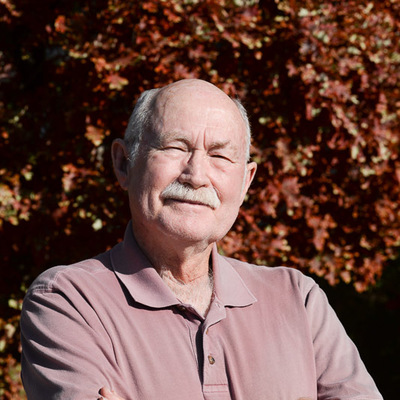
Gary Haden
Chair of the Board
Audubon of Kansas
|
|
|
Audubon of Kansas is planning events for the coming year. Mark these events on your calendar!
August 5: Butterflies, Beetles, and Bugs - Oh My! (See Below)
September 10: Achterberg Work Day 10am-3pm
September 25-29: Hutton Work Week
Oct 1: Open House at Hutton
Oct 21: Bird banding demonstration at Achterberg
November 3-4: Celebration of Cranes at Quivira National Wildlife Refuge
February 25-March 10, 2024: AOK-sponsored trip to Guatemala
Hutton is AOK's sanctuary near Bassett, Nebraska
Achterberg is AOK's sanctuary near Lincoln, Kansas
|
|
|
Butterflies, Beetles, & Bugs - Oh My!
Guided nature walk (4pm)
Black lighting (8:30pm)
Saturday Aug 5
At Mount Mitchell Heritage Prairie
29377 Mitchell Prairie Ln, Wamego, KS
|
|
Celebration of Cranes
Tours to see Whooping and Sandhill Cranes
November 3-4
Quivira National Wildlife Refuge and Sterling College, Sterling KS
|
|
|
 |
Did you know that 80% of the animals on Earth are insects? Find out more about this overlooked group from insect experts Eric and Heidi Eaton. Eric is a writer and entomologist, author of Insectpedia (2022), Wasps: The Astonishing Diversity of a Misunderstood Insect (2021), lead author of the Kaufman Field Guide to Insects of North America (2007), and co-author of the second edition of Insects Did It First (2018) with Gregory S. Paulson. Together, Eric and Heidi have recorded 24,000 observations of 6000 species on iNaturalist.com.
Bring water, snacks, and be prepared to spend time outside (possible exposure to direct sun, biting insects and poison ivy).
This event is 4-5:30pm at Mount Mitchell Heritage Prairie (29377 Mitchell Prairie Ln, Wamego, KS). We will reconvene at 8:30pm for 'black-lighting'. Eric and Heidi will put up black lights to attract seldom-seen insects of the night. Visitors are welcome to come and go during both events.
|
|
|
|
The 2023 Celebration of Cranes is coming to Sterling College and the Quivira National Wildlife Refuge November 3-4, 2023. This is an AOK signature event that you will not want to miss!
It doesn't matter if you are a beginning birdwatcher or a seasoned veteran, an active adult or a someone with limited mobility, young or young-at-heart: Everyone can appreciate the sound of 10,000+ wingbeats as Sandhill Cranes come in to roost. Or seeing the rare, brilliantly-white Whooping Cranes fly into view. It is an experience that you will never forget.
Schedule
Friday Nov. 3 – Evening Cranes Tours
Saturday Nov. 4 –
Morning Cranes Tours
LUNCH included with Registration
Afternoon SPEAKERS at Sterling College
Evening Cranes Tours
Registration will open in September or October.
|
|
|
|
Chapter Spotlight: Jayhawk Audubon Society is changing its name |
|
Jayhawk Audubon Society was formed 50 years ago, but has now decided to change their name. According to their website, they are doing this "to better reflect our values as an inclusive and welcoming group dedicated to birds and the habitats on which they depend." |
|
|
AOK shares favorite walks,
hikes and birding spots!
|
|
Kanopolis State Park has trails, vistas, and birds
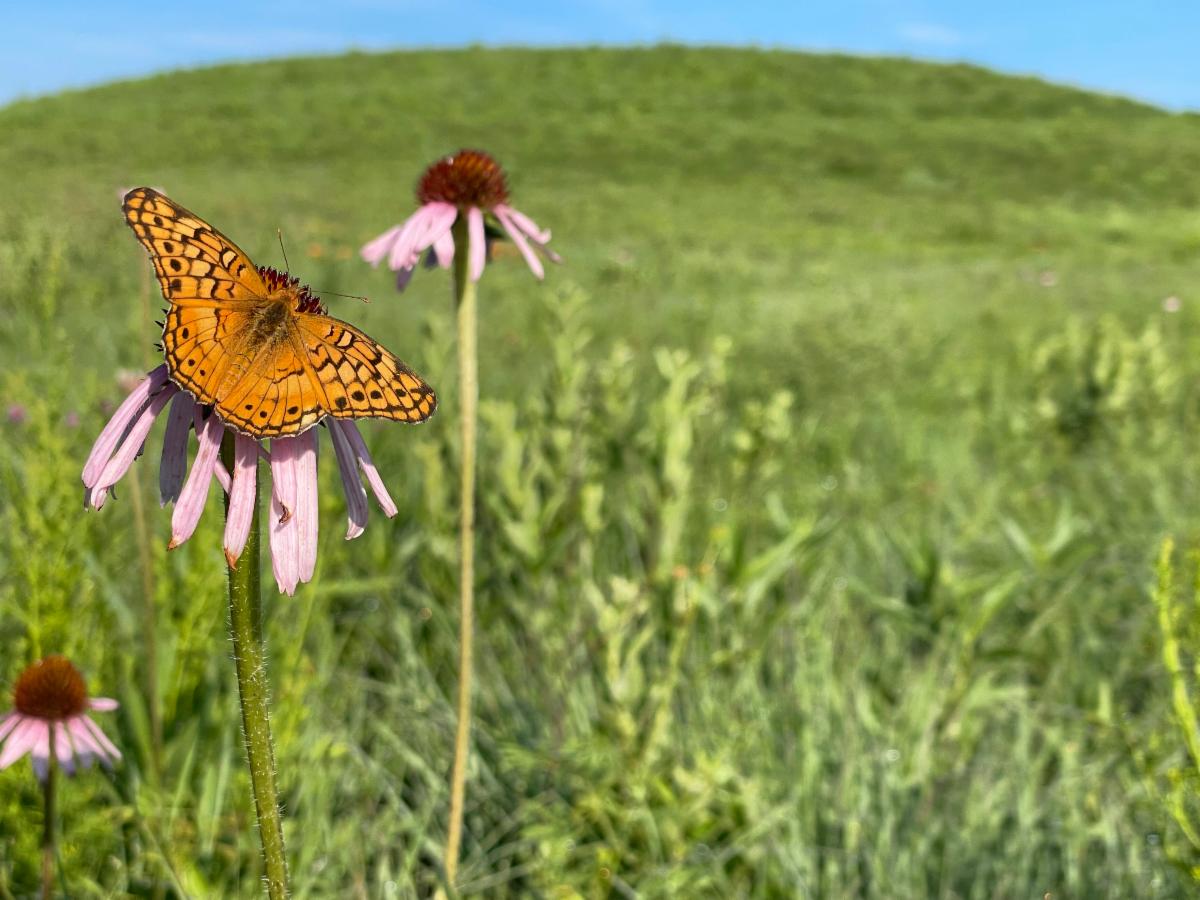
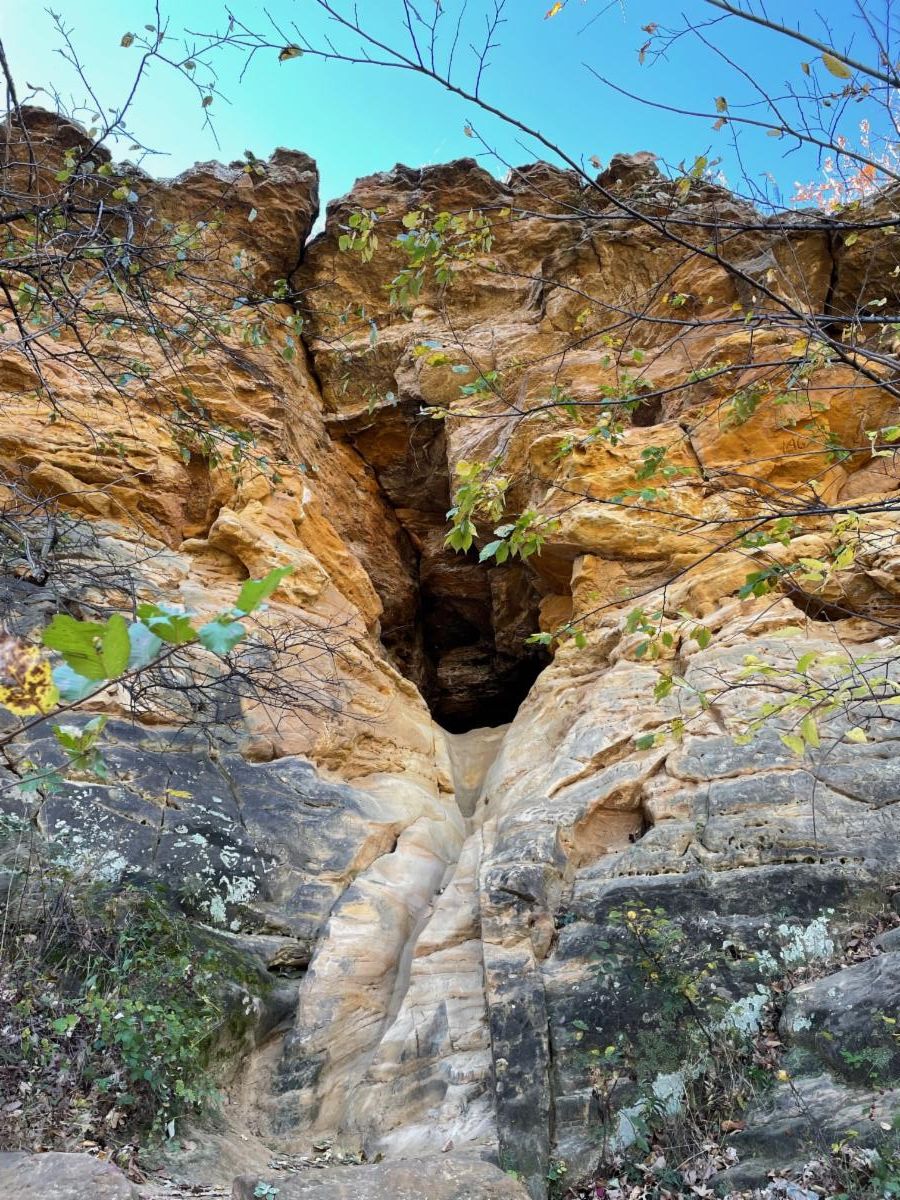
My family visited Buffalo Track Canyon Nature Trail and Horsethief Canyon on a nice October day a few years ago. This trail had it all - healthy grassland habitat, overlooks of Kanopolis Lake, interesting terrain that wasn't too difficult to walk, and rock formations and a cave to poke your head into. Look for eagles soaring over the lake any time of year. Stop by the visitor's center to maps and the latest trail information.
Valid Kansas State Park permits are required.
Photo by Jackie Augustine
|
|
|
|
Lana Arrowsmith - Hutton Niobrara Coordinator - Hutton Sanctuary Management & Reservations lanamicheel@gmail.com
Audubon of Kansas
PO Box 1106 - Manhattan, KS 66505
785-537-4385
|
|
|
|
|
|
|