|
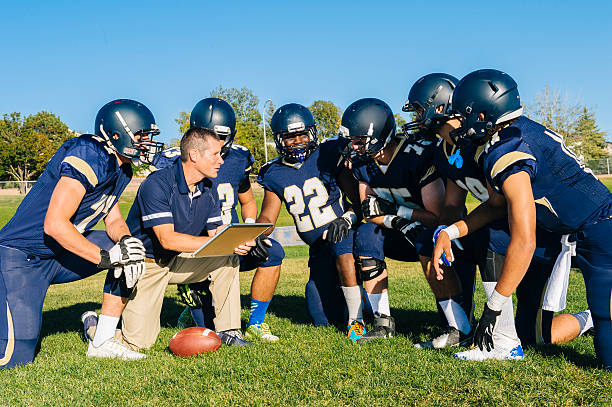
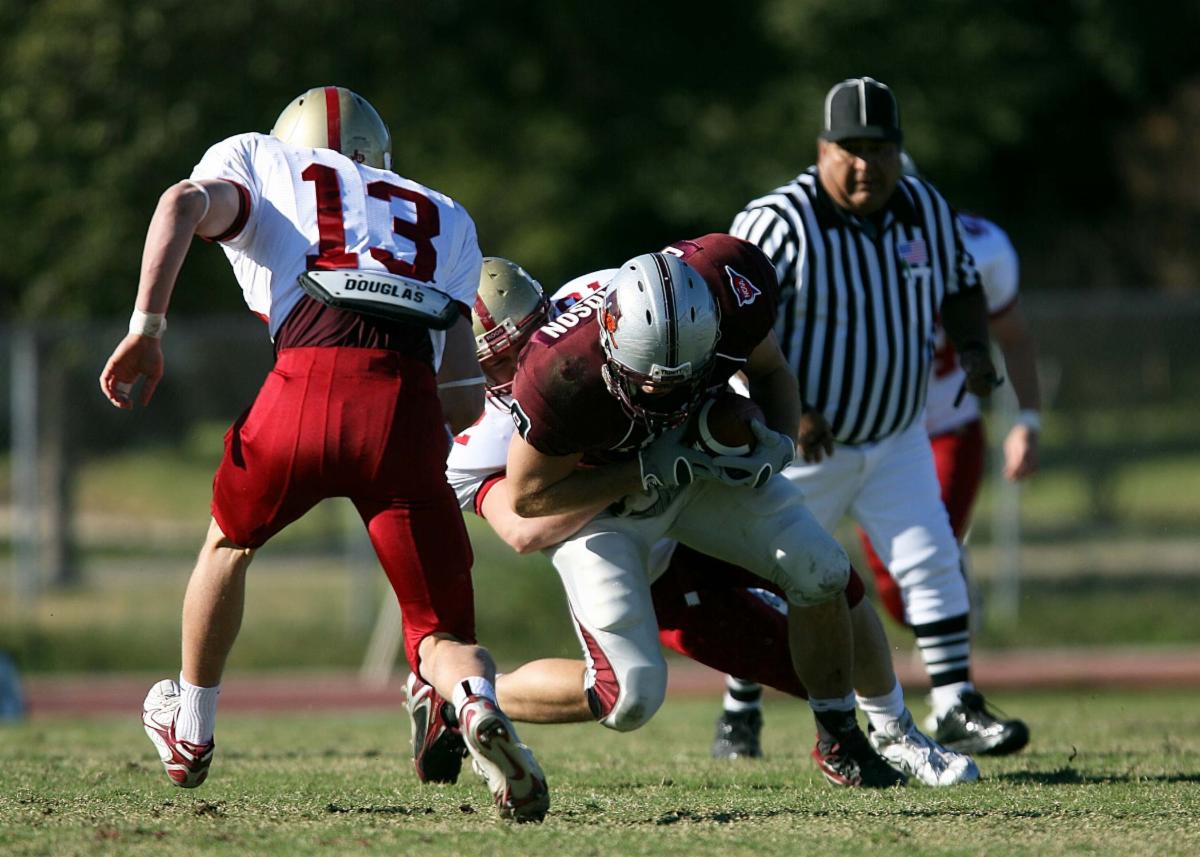
Being able to mentally reset for the next play is an extremely important skill for athletes. It’s at the heart of resilience. Coaches play a pivotal role in how effective an athlete's "Next Play" mental reset skills are, especially after the athlete makes a mistake. Coaches can also hinder the mental reset process!! In high pressure situations, everything is magnified. Here are five things that the coach can do to help the athlete develop a strong "Next Play" mental reset routine? Here also are five things that coaches typically do, unintentionally, that can make it more difficult for the athlete to effectively reset mentally after a mistake:
1. Cultivate a Supportive Environment: Coaches should help athletes feel supported and safe. Two-way communication is key. When players feel understood and supported, especially after a mistake, they more easily embrace the 'Next Play' philosophy as a constructive tool for competitive success. It is very difficult to play at a consistently high level when fear of possible punishment is a prominent thought in the athlete’s mind.
2. Develop a Strong Relationship of Trust: Strong trust between the athlete and the coach creates an important psychological safety net for athletes. Knowing that mistakes won't lead to harsh criticism or negative consequences allows players to focus on the present rather than mentally spinning on past errors. This can be accomplished while still maintaining high performance goals and standards. Trust is essential for the successful implementation of a 'Next Play' mental reset process…and ultimate competitive success. Athletes love this!
3. Establish a Pre-Skill Routine: The coach should strongly encourage each athlete to develop their own personalized pre-skill routines that they will use between each play. These routines could include a series of mental and physical preparation steps that help them smoothly transition from one play to the next. Establishing a consistent routine creates a sense of familiarity and control, which can positively impact an athlete's mental state.
4. Teach “Present-Moment” Awareness: “Next Play” mental skills will help athletes to stay present in the moment rather than dwelling on past mistakes or worrying about future outcomes. Techniques such as focused breathing can help center their attention on the present moment. Deep, rhythmic breaths can be a simple yet effective tool to calm the mind, reduce anxiety, and enhance concentration during training or competition. Helping the athlete’s ability to focus on the present will foster better decision-making and performance during the upcoming play.
5. Positive Self-Talk: Teach athletes to replace negative thoughts with positive affirmations....
Read the rest of this blog in the Coaching Matters blog section on the Paragon Coaching Resources website.
|