Classical Ballet Training vs. Competition Dance
Trying to Decide?
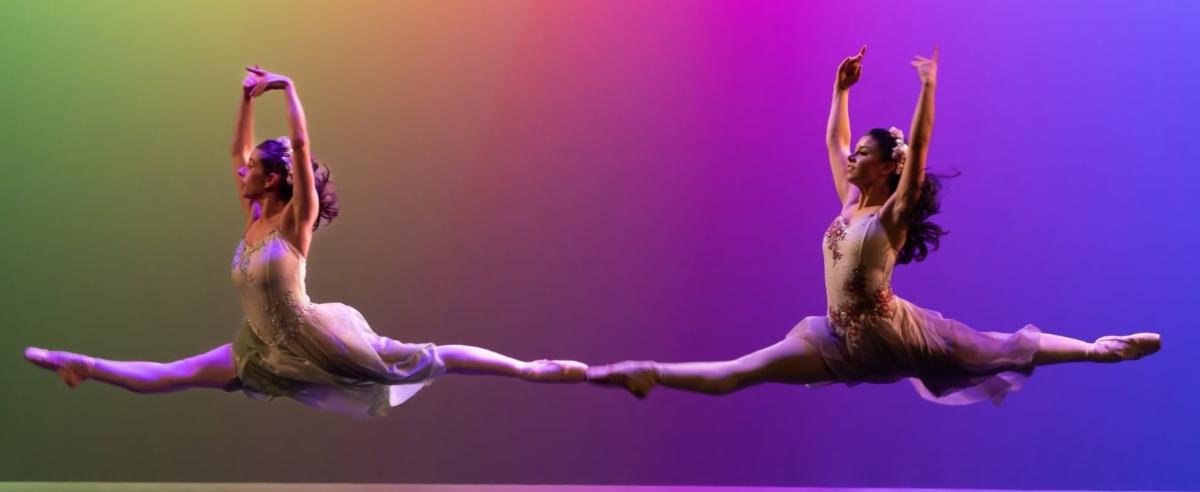
Classical ballet and competition dance both require dedication, discipline, and hard work, but they have different goals. Classical ballet emphasizes developing a complete technical foundation, while competition dance often focuses on performance, choreography, versatility, and competing successfully on stage.
1. Technical Foundation
Classical ballet provides systematic training in posture, alignment, turnout, balance, coordination, footwork, and control. Students gradually develop these skills through carefully structured exercises at the barre, center, and across the floor.
Competition dance can incorporate ballet technique, but classes may move between several styles, including jazz, contemporary, hip-hop, lyrical, and acrobatics. Because of this variety, students may not always spend the same amount of time developing the detailed fundamentals of ballet.
2. Discipline and Precision
Ballet teaches students that small details matter. The position of the head, arms, feet, legs, and torso all contribute to proper technique. Repetition helps dancers develop consistency and control.
Competition dance often emphasizes energy, personality, musicality, and stage presence. These are valuable skills, but classical ballet offers a particularly rigorous approach to precision and technical development.
3. Strength and Coordination
Progressive ballet training develops strength, flexibility, balance, coordination, and body awareness in a structured manner. Students learn to control movements rather than simply perform them.
Competition dancers also develop strength and coordination, especially when training in multiple styles. However, ballet's long-term progression provides a particularly strong technical base that can benefit dancers in many other forms of dance.
4. Artistic Development
Ballet is not only about technique. Classical repertoire teaches dancers about musical interpretation, storytelling, character, tradition, and artistic expression. Dancers study works that have been performed and refined over generations.
Competition dance provides its own opportunities for creativity, especially through contemporary choreography and original routines. Its emphasis, however, is often centered on preparing a piece for performance and judging.
5. Long-Term Benefits
A strong classical ballet foundation can make it easier for dancers to transition into other dance styles because they have developed fundamental skills such as alignment, coordination, musicality, balance, and disciplined movement.
Conclusion
Competition dance can be exciting, creative, and motivating, but classical ballet offers a particularly comprehensive technical foundation. Rather than simply preparing a dancer for one routine or competition season, serious ballet training develops skills progressively over many years. For dancers who want strong technique, discipline, musicality, and a foundation that can support continued development in many styles, classical ballet provides an enduring foundation.
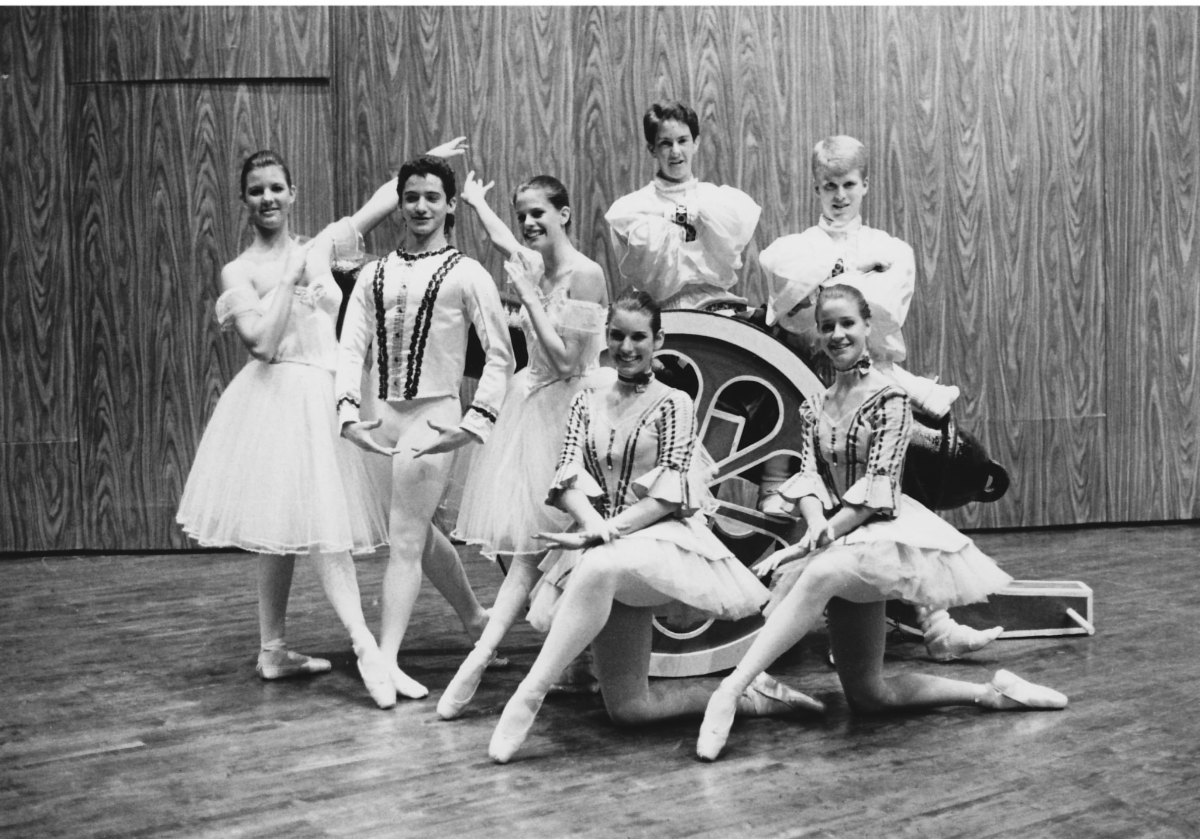
I was a professional dancer for fifteen years with Harkness and Joffrey Ballets of New York City
I danced many styles in my career.
I studied classical ballet and share its training with my students
Robert Thomas
|