Elmo Peeler Note-for-Note Piano Transcriptions | | | |
Greetings!
Today is the first day of October - time again for my monthly newsletter, to keep you informed of recent transcriptions and other news of the last month.
Please pass this newsletter on to your music-loving friends. Word-of-mouth advertising helps spread the word about this excellent transcription resource.
| | | | |
This month I have three brand-new transcriptions that are each of a piano masterpiece.
New Orleans genius Professor Longhair recorded "Tipitina" in 1953 and revolutionized New Orleans-style piano with his amazing rhythms.
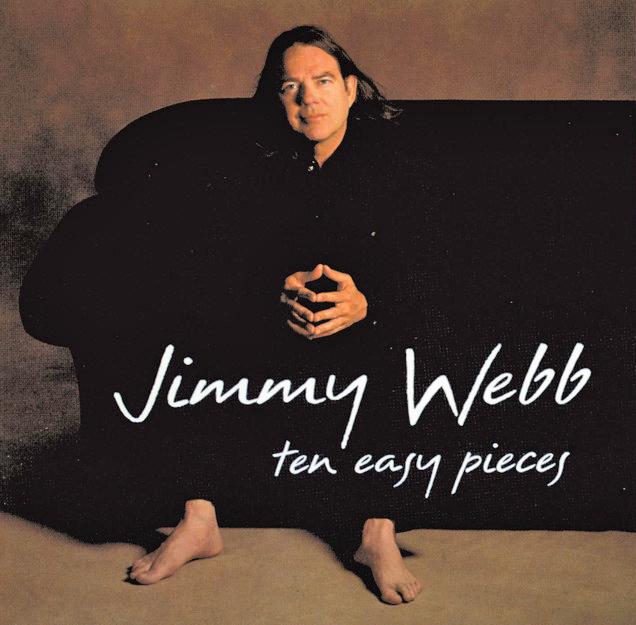
Jimmy Webb is not only one of the greatest songwriters ever, but his piano-playing is the most sophisticated I've ever transcribed - amazing, beautiful chord voicings and non-chordal tones. This month's "Galveston" is the successor to "Wichita Lineman" that I transcribed two months ago.
And the 1961 piano instrumental classic "Bumble Boogie" by B. Bumble & the Stingers is a tack-piano classic showing off the amazing virtuosity of legendary session player Ernie Freeman backed by an early incarnation of the Wrecking Crew - a favorite of mine since childhood. If you haven't heard it, get ready for a jaw-dropping instrumental.
BTW, to make sure that my email doesn't end up in your Spam folder, please add me to your Contact list and/or mark my email as "Not Spam".
Note that every Title Heading is clickable.
Elmo Peeler
| |
ALL of the Sheet Music listed on my website has been personally transcribed by me, and guaranteed to be note-for-note perfect.
Whether you:
- have a cover band and want to get your keyboard parts exactly correct,
- are a professional who wants to study the styles of rock's greatest keyboard players, or
- are a hobbyist that wants to learn how to play pop/rock and great piano music,
...these note-for-note transcriptions will prove extremely helpful.
| | |
In the News! - Professor Longhair - "Tipitina", Jimmy Webb - "Galveston"
B. Bumble & the Stingers - "Bumble Boogie" (1961) with Ernie Freeman, piano
| | | | |
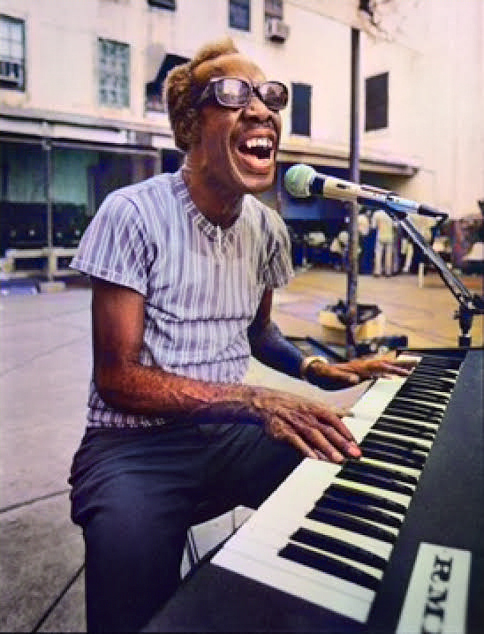
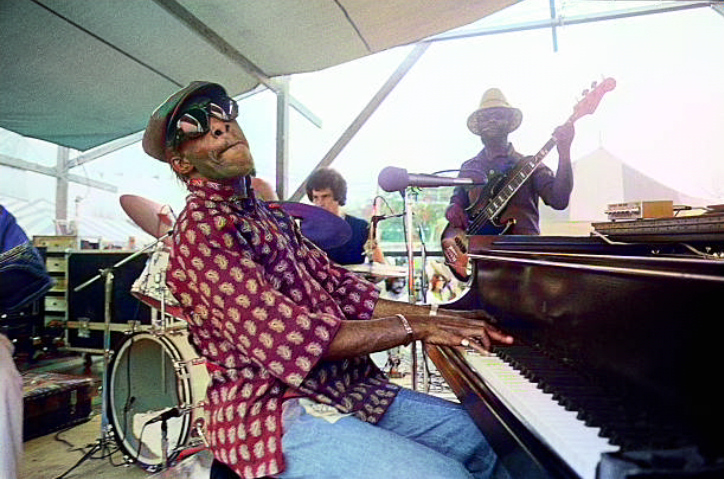
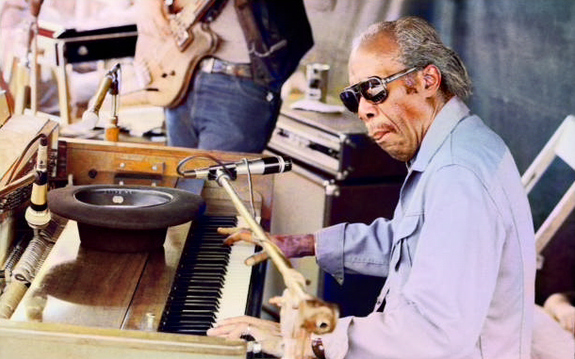
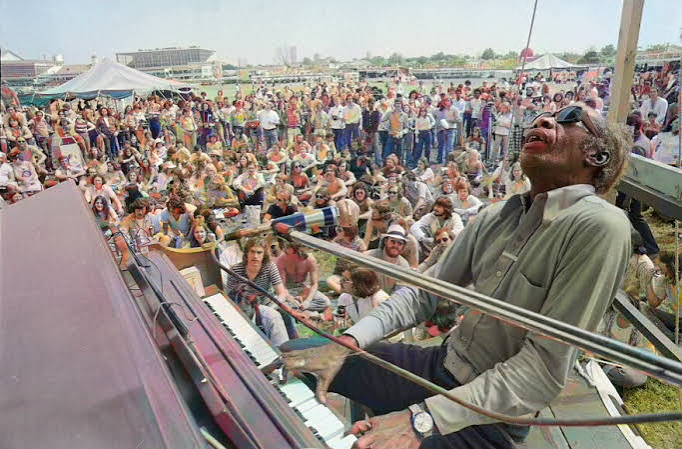
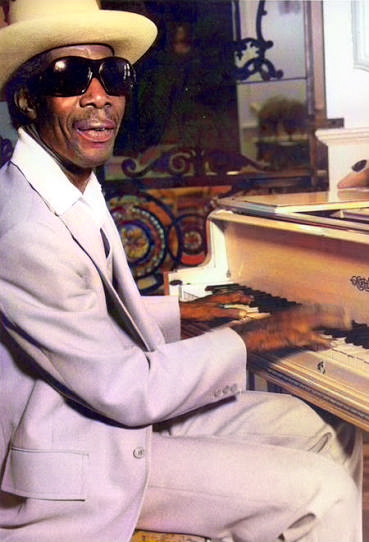
Professor Longhair, born Henry Roeland Byrd on December 19, 1918, in Bogalusa, Louisiana, was the quintessential architect of the modern New Orleans piano sound.
Known to fans and fellow musicians simply as "Fess," he blended blues, jazz, ragtime, and Caribbean rhythms into a singular, syncopated style that defined the musical DNA of his hometown.
Despite his profound influence on music history, his life was a turbulent journey marked by decades of obscurity, financial hardship, and a triumphant late-career renaissance.
| | |
Byrd’s family relocated to New Orleans when he was a infant, settling in the vibrant, culturally rich environment of the Crescent City. Growing up during the Great Depression, he was exposed to a melting pot of sounds, from the traditional jazz marching bands to the deep delta blues.
Lacking formal musical education, Byrd learned to play on an old piano with missing keys that he found in an alleyway. This physical limitation accidentally shaped his unique style, forcing him to skip certain notes and develop an intricate, percussive rhythm with his left hand to compensate.
Before committing fully to the piano, Byrd was a tap dancer, performing on street corners for tips. This rhythmic background deeply influenced his approach to the keyboard. He treated the piano like a drum, incorporating the rolling, offbeat syncopations of Spanish and Caribbean rhythms - what Jelly Roll Morton famously called the "Spanish tinge."
After serving in the military during World War II, Byrd began playing professionally in New Orleans clubs. In 1947, while leading a band at the Caldonia Club, he was given the stage name Professor Longhair by the club’s owner, a nod to the musicians' shaggy hair and a ironic twist on the formal titles given to classical musicians.
| | |
By the late 1940s and early 1950s, Fess began recording a series of tracks that would become foundational to New Orleans R&B.
Hits like "Bald Head" (which reached the national R&B charts in 1950), "Tipitina," "Mardi Gras in New Orleans," and "Big Chief" featured his signature whistling, a rough-edged rumba-boogie vocal style, and keyboard acrobatics.
His songs became the unofficial anthems of the New Orleans Mardi Gras season, played annually in every corner of the city.
Despite his immense local popularity and the respect of peers like Fats Domino and Allen Toussaint, commercial success eluded him.
| | | |
The music industry of the 1950s routinely exploited Black artists, and Longhair received very little in the way of royalties. As musical tastes shifted toward rock and roll and modern soul in the 1960s, he fell into deep obscurity.
For nearly two decades, Longhair struggled with severe health issues and extreme poverty. He was forced to abandon professional music entirely, surviving by sweeping floors in a New Orleans record shop, working as a card dealer, and doing odd jobs.
By the end of the 1960s, the man who had laid the groundwork for the city's modern sound was living in a dilapidated apartment, virtually forgotten by the public.
Longhair’s fortunes changed dramatically in 1971 when organizers of the fledgling New Orleans Jazz & Heritage Festival tracked him down. His performance at the festival was a revelation, stunning a new generation of music fans and sparking an international career revival.
During the 1970s, he toured Europe, recorded new albums, and was championed by rock royalty like Paul McCartney, who flew him out to perform at a private party on the Queen Mary. In 1977, a group of local music lovers opened a venue dedicated to him called Tipitina's, named after his iconic song. The club quickly became a legendary cornerstone of the New Orleans music scene, and remains so today.
| | | | |
In January 1980, just as he was enjoying his newfound global acclaim and celebrating the release of his critically acclaimed album Crawfish Fiesta, Professor Longhair passed away in his sleep from a heart attack at the age of 61.
Though he died just as he was finally receiving his due, his impact remains monumental.
He post-humously received a Grammy Award in 1987 and was inducted into the Rock and Roll Hall of Fame in 1992.
His innovative "rolling" rumba-blues style remains the foundational textbook for every New Orleans pianist who followed him.
| | |
Jimmy Webb is widely recognized as one of the most brilliant and enduring architect-composers of the Great American Songbook.
Born in Elk City, Oklahoma, in 1946, the son of a strict Baptist minister, Webb climbed from a small-town church pianist to the absolute peak of the American music industry.
His complex harmonic structures, deeply poetic lyricism, and sophisticated orchestral arrangements defined the sound of the late 1960s and 1970s, making him a defining creative force across pop, country, and adult contemporary genres.
Webb’s musical training began under his mother's guidance at age six.
By twelve, he was the musical director for his father’s church, mastering the art of improvising and re-harmonizing traditional hymns.
| | | |
In 1964, the family relocated to Southern California. Webb briefly studied music at San Bernardino Valley College but soon dropped out to pursue a professional career in Hollywood.
His initial break came when he was hired to write lead sheets at Motown's Jobete Publishing.
His first commercially recorded composition was the holiday tune "My Christmas Tree," recorded by The Supremes for their 1965 Christmas album.
Soon after, Webb met singer and producer Johnny Rivers, who signed him to a publishing contract and gave him the creative platform he needed to break into mainstream pop.
Between 1967 and 1969, Webb experienced a spectacular run of commercial and critical triumphs. Rivers tasked him with providing material for The 5th Dimension.
The result was "Up, Up and Away," a pop single that became a massive Top Ten hit and went on to sweep the 1967 Grammy Awards.
Simultaneously, Webb forged one of the most legendary singer-songwriter partnerships in music history with country-pop star Glen Campbell. Campbell recorded a string of Webb’s most enduring masterpieces:
"Wichita Lineman" - an astonishingly lonely western ballad capturing the solitude of a blue-collar worker. Bob Dylan famously lauded it as the greatest song ever written.
"Galveston" - a poignant, disguised anti-war song framed as a soldier’s homesick dream of his hometown.
"By the Time I Get to Phoenix" - a bittersweet roadmap of heartbreak that became one of the most covered and performed songs of the 20th century.
Jimmy Webb holds the distinct honor of being the only artist to win Grammy Awards for music, lyrics, and orchestration. He was the youngest person ever inducted into the Songwriters Hall of Fame (1986), eventually serving as its Chairman.
He is also an inductee of the Nashville Songwriters Hall of Fame.
Decades after his first hits, Webb remains a monumental figure in American music history, having permanently elevated the emotional and structural possibilities of the popular song.
Here is my new Jimmy Webb transcription:
Jimmy Webb - "Galveston" - NEW!
(listen to it here)
| | |
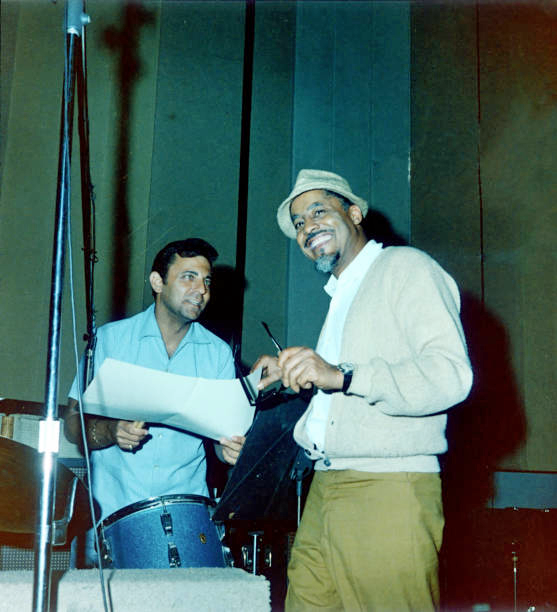
Hal Blaine & Ernie Freeman
(Hal was not the drummer on "Bumble Boogie"
but the legendary Earl Palmer was)
| | |
Born in Cleveland, Ohio in 1922, Ernie Freeman grew up in a musical family.
By1935, at just thirteen years old, he was already playing piano in local nightclubs.
Alongside his father and his talented sister, Evelyn Freeman, he formed a classical music trio to perform at local social functions.
In the late 1930s, the siblings formed the Evelyn Freeman Swing Band, which quickly gained a massive following among young Black audiences in Cleveland and was broadcast on the radio.
World War II temporarily altered the band's trajectory. In 1942, most of the male band members enlisted together in the U.S. Navy, forming The Gobs of Swing, the military branch's first all-Black Navy Band, with Ernie serving as the official leader.
Following his discharge in 1945, Freeman deeply committed to his formal music education.
| | |
He completed a Bachelor of Arts degree at the Cleveland Institute of Music, followed by a move to California, where he earned a Master's Degree in music composition from the University of Southern California (USC) in 1946.
Armed with rigorous classical training and a natural feel for jazz and blues, Freeman embedded himself into the burgeoning Los Angeles music scene. He initially played in clubs, accompanying legendary vocalists like Dinah Washington and Dorothy Dandridge. After working as an arranger for big band leader Woody Herman, he joined the Ernie Fields Orchestra as a session pianist. This group functioned as a critical foundation for the legendary group of L.A. session musicians who would later be known as the Wrecking Crew, featuring titans like drummer Earl Palmer and saxophonist Plas Johnson.
During the 1950s, Freeman became an indispensable, though often uncredited, freelancer for early independent rock and R&B labels such as Specialty, Modern, and Aladdin Records. One of his early contributions as a session player came in 1955 when he played piano on The Platters' monumental hit, "The Great Pretender".
While his behind-the-scenes work kept him busy, Freeman also found success under his own name. He signed with Imperial Records in the mid-1950s, launching a solo career that yielded 29 singles and seven LPs over seven years. He scored R&B hits with instrumentals like "Jivin' Around" and "Lost Dreams" in 1956. His true mainstream breakthrough occurred in 1957 when he released a cover of Bill Justis' rockabilly instrumental "Raunchy". Freeman's version became a massive crossover pop smash, climbing all the way to number four on the Billboard charts. Freeman's studio mastery extended to experimental novelty projects as well. In 1961, alongside Earl Palmer, Plas Johnson, and René Hall, he formed the studio band B. Bumble and the Stingers, playing the lightning-fast piano parts on their initial instrumental hit, "Bumble Boogie".
He was also the uncredited musical mastermind behind Billy Joe & the Checkmates' 1962 Top 10 hit "Percolator (Twist)", which cleverly reworked a Maxwell House coffee commercial jingle into a dance craze. By the 1960s, Freeman's prowess as an orchestrator completely overshadowed his work as a solo performer. He possessed an uncanny, legendary ability to effortlessly map out intricate, lush musical scores straight from his mind. Drummer Earl Palmer famously noted that Freeman was the greatest studio arranger he ever knew, remarking that Ernie could sit down without a piano and write out a complex orchestral score as if he were simply writing a casual letter. From 1959 to 1964, Freeman arranged almost every session for producer Snuff Garrett at Liberty Records, shaping the pop-rock sounds of Bobby Vee, Johnny Burnette, Sam Cooke ("Bring It on Home to Me") and many others.
In 1966 his genius caught the attention of Reprise Records, who hired him as their official musical director. At Reprise, he modernized the musical direction of the old-guard vocalists, tailoring hits for Frank Sinatra ("That's Life"), Dean Martin ("Everybody Loves Somebody"), and Sammy Davis Jr. His extraordinary talent for arranging earned him the highest accolades in the music industry. He won his first Grammy Award for Best Arrangement Accompanying a Vocalist in 1966 for his iconic, sweeping string arrangement on Frank Sinatra's "Strangers in the Night". Four years later, he captured a second Grammy Award in 1970 for arranging the towering, gospel-infused orchestration on Simon & Garfunkel's historic masterpiece, "Bridge Over Troubled Water".
Back in 1974 upon becoming songwriter Paul Williams' Musical Director (Pianist/Conductor/Arranger), I met with legendary arranger Jimmie Haskell, who had arranged many of the charts for Paul's live shows and was my favorite pop/rock arranger. In the course of our meeting I complimented Jimmie on his arrangement of Simon & Garfunkel's "Bridge over Troubled Water", because the album listed him and Freeman as the two arrangers but without giving specific credit for who had arranged the individual songs. I'd assumed it was Jimmie, my arranger-hero when I first moved to Los Angeles. He smiled at me and said, "Elmo, everybody thinks I arranged it, but it was actually Ernie Freeman."
Throughout his life, Freeman's career was marked by a staggering work ethic, compiling an estimated 60 gold albums and 150 gold singles over the course of his lifetime. Sadly, his relentless studio workload and personal battles took a heavy toll on his health. On May 15, 1981, Freeman passed away from a sudden heart attack at his home in Los Angeles at the age of 58. His immense body of work stands as a testament to an absolute musical genius who fundamentally shaped the history and soundtrack of American pop culture.
Here is my new Ernie Freeman transcription:
B. Bumble & the Stingers - "Bumble Boogie" - NEW!
(listen to it here)
| | |
October's New Transcriptions - Professor Longhair - "Tipitina" (1953)
Jimmy Webb - "Galveston" (Ten Easy Pieces)
B. Bumble & the Stingers - "Bumble Boogie" (1961) Ernie Freeman, piano
Note-for-Note Accuracy
| | | | |
This month I have three brand-new transcriptions:
1) Professor Longhair's "Tipitina" - one of the true classics of the New Orleans rhythmic style.
2) Jimmy Webb's "Galveston" - exactly as he played it on his Ten Easy Pieces album - the most sophisticated, complex chords, chord voicings and note choices of any piece I've ever transcribed - right up there with his "Wichita Lineman" that I transcribed in my August newsletter.
3) B. Bumble & the Stingers' "Bumble Boogie" - a virtuoso showpiece for early rock piano, played by genius Ernie Freeman.
Really, all three of this month's writers/performers could be called a genius without diminishing the importance of that word, which comes from the Latin verb 'gignere', meaning "to beget or give birth".
Professor Longhair 'gave birth' to a new style of music, the rhythmic, syncopated New Orleans style we associate with his musical heirs, Allen Toussaint, James Booker and Dr. John.
And Jimmy Webb transformed songwriting into a higher level of art-form, as did Ernie Freeman in arranging and pianism.
| | |
If you've been intimidated by New Orleans-style piano-playing because of its extraordinary rhythm and complex Left/Right-hand independence, "Tipitina" is the perfect entry-point for you to begin learning it because it's not as difficult as it sounds, and clearly shows the repetitive Left-Hand rhythm pattern that underpins much of Professor Longhair's recordings. Just practice this transcription slowly at first, and after awhile you'll begin to feel that remarkable pattern. Learning Professor Longhair's style by listening to it can be daunting, but this note-for-note transcription will clarify those rhythms and Right-Hand fills and allow you to really learn how to play in that style. You'll find that it's not impossible to play after all.
If you've felt that some songs have chords that are too simple and harmonically thin-sounding, Jimmy Webb's own performance will show you that a pop song can be very lush and rich, with every measure unfolding with unexpected note-choices and chordal voicings without ever sounding 'jazzy' or contrived. Webb's playing is simply gorgeous - pop piano on its highest level.
And if you ever thought that pop/rock piano-playing was too simple, "Bumble Boogie" will show that it can be technically challenging and perhaps even elevate your technique to a higher level. Ernie Freeman recorded the minor-key boogie-woogie Left Hand part on a regular grand piano, and then overdubbed the highly-chromatic Right Hand part on a great honky-tonk-sounding tack piano. It's not as difficult as learning Chopin's Revolutionary or Winter Wind Etudes, but at a brisk 171 BPM it'll definitely give you some effective technical exercise as you learn it.
| | |
A Classic Exercise - Finger Exercise Inspired by Chopin's Winter Wind Etude
Excellent practice in both single- and double-notes
| | |
For all the wonderful rhythms in rock and pop music, one still needs excellent fingers to really get the job done. Not all pianists have the clean, solid technique of Nicky Hopkins, Richard Tee or Bill Payne; but with the right technical exercises, most pianists can significantly increase their "chops", i.e., their pianistic technique.
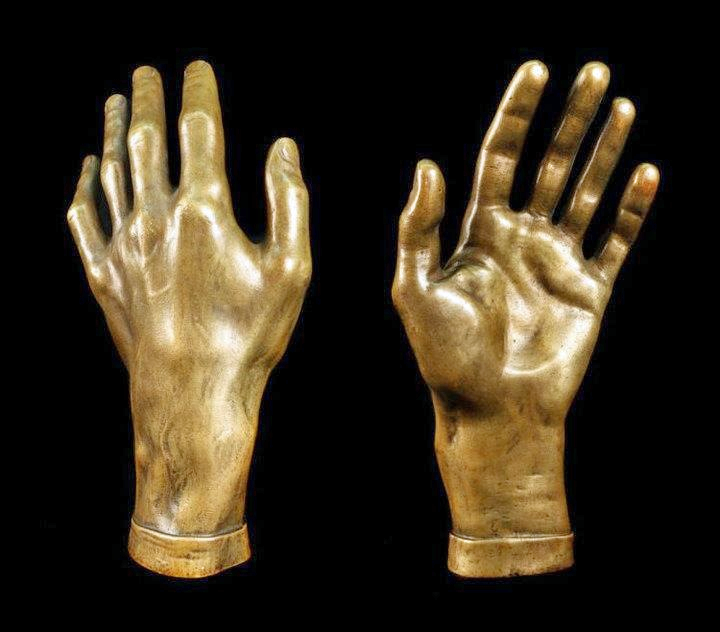
One of the most challenging - and beneficial - technical studies ever composed is Chopin's "Winter Wind" Etude, Op.25, No.11, the most difficult of all 27 of Chopin's Etudes. Mastering that piece can go a long way toward improving one's "fingers", but many are not aware of a very helpful supplemental approach - turning the single-note run into double-notes. After mastering the double-notes, the single-note lines will be significantly easier.
| | | |
This exercise, actually four exercises in one, will give your fingers excellent practice in both single- and double-notes. This is a challenging exercise that will reward you with strong, significant benefits - stronger and more independent fingers.
This exercise is not just for those that want help in learning Chopin's "Winter Wind" Etude". This is intended for all pianists who want to improve their finger technique.
BTW, if you need other good, effective technical exercises, please check out all of the 122 exercises available.)
| | |
Gospel Corner - Say 'Amen' Somebody
The Hangout Place for Gospel Classics
| | |
You don't have to be from the Deep South to love Gospel piano, nor do you need to belong to any particular religion. All you have to have is a love for wonderful old-time, swinging, uplifting piano-playing.
Leon Russell, Billy Preston, Richard Tee and Ray Charles, some of the greatest keyboard players ever, loved the style and infused their own performances with Gospel licks and rhythms.
Inspired by the wonderful playing of the portly Associate Pastor/Musical Director of my childhood's Baptist Church deep in the piney woods of Mississippi, in recent years I've transcribed and/or arranged a few Gospel classics.
If you have a favorite Gospel hymn that you'd like me to arrange in an authentic Southern Gospel style, let me know.
This little corner of my newsletter is where I'll keep you informed of my latest efforts to share that old-time Gospel sound.
Here are my Gospel transcriptions and/or arrangements, plus some exercises:
Full-blown Gospel:
The Doobie Brothers - "World Gone Crazy" (Piano Intro) (click here to hear it)
Billy Preston & The Beatles - "Without a Song" (click here to hear it)
"I'll Fly Away" - arranged by Elmo Peeler (click here to hear it)
"Leaning on the Everlasting Arms" - arranged by Elmo Peeler (click here to hear it)
"Amazing Grace" - as played by Ethel Caffie-Austin (click here to hear it)
"Victory in Jesus" - as played by The Gaithers (click here to hear it)
Heavily Gospel Influenced:
Billy Preston - "Will It Go Round in Circles"
Merry Clayton (Billy Preston, piano) - "Grandma's Hands"
Richard Tee - Contemporary Piano - First Piece
Floyd Cramer - "One Day at a Time (Sweet Jesus)"
Don Henley - "You Don't Miss Your Water"
Mavis Staples - "Hard Times Come Again No More"
Van Morrison - "Benediction"
Richard Tee - "Happy Birthday" (version 1)
Richard Tee - "Happy Birthday" (version 2)
Jeff Beck Group (Nicky Hopkins) - "Girl from Mill Valley"
Plum Nellie - "A Love Like Yours"
Plum Nellie - "That Lucky Old Sun"
Bill Payne (of Little Feat) - "The Ballad of Davy Crockett"
Lari White (Bill Payne on piano) - "Lead Me Not"
Ray Charles - "Sweet Sixteen Bars"
Billy Preston - "Will It Go Round in Circles"
The Rolling Stones (Billy Preston on piano) - "Shine a Light"
Delaney & Bonnie (Leon Russell) - "Faded Love"
Leon Russell - "She Belongs to Me"
Don Henley - "You Don't Miss Your Water"
Moderately Gospel Influenced:
Bob Dylan & Clydie King - "Abraham, Martin and John"
Billy Vera & the Beaters - "At This Moment"
Bob Dylan - "Piano Mood" - Gospel-style piano improvisation
Delaney & Bonnie (Leon Russell) - "Don't Deceive Me"
Jackson Browne (Craig Doerge on piano) - "Rock Me on the Water"
Jerry Lee Lewis - "When the Saints Go Marching In"
James Taylor (Clarence McDonald on piano) - "Steamroller Blues" - Piano Solo
Leon Russell - "Old Masters"
Ray Charles - "Heartbreaker"
Ray Charles duo with Billy Joel - "Baby Grand"
Gospel-related Exercises:
Exercise in Blues Substitutions
Transform a Melody into Floyd Cramer's Style - Mary Had a Little Lamb
ii-chord Bump Exercise
Gospel Chord Exercise No.1
Gospel Chromatically-Descending Riff Exercise - Ethel Caffie-Austin's Signature Lick
Gospel Rhythm Exercise (in the style of Lari White's Good Good Love)
Descending R&B-Gospel Riff Exercise - Billy Preston-Richard Tee Style
R&B-Gospel Elements Exercise, incl. Substitutions - Billy Preston-Richard Tee Style
Exercise in Contrary Motion - Gospel-Rock
Exercise in Gospel - Walk-ups & Walk-downs, IV-chord Bumps & Strums
Exercise - How To Transform a Melody into Gospel
Gospel & Stride Exercise - Crossing the Left Hand over the Right
Exercise - Ray Charles Ending (Extended Walk-down)
| | |
MIDI Corner - Transcriptions Turned into MIDI Files
Helpful for Those that Don't Read Sheet Music Well
| | |
Most of my transcriptions have heretofore been available only as sheet music in PDF's. That is changing - many are now also available as MIDI files, which can be especially helpful for those who would prefer to listen to them than to read the sheet-music notation.
This section of my newsletter is where I'll keep you informed of which transcriptions and exercises are available as MIDI files.
BTW, if you'd like my sheet music in a MIDI file, just let me know which one(s).
Here are the currently available MIDI files of my transcriptions, arrangements, and exercises:
MIDI Files of Rock, Pop & Classical Transcriptions:
Professor Longhair - Tipitina (1953) - NEW!
Jimmy Webb - Galveston - NEW!
B. Bumble & the Stingers - Bumble Boogie (1961) - NEW!
Dolly Parton - I Will Always Love You.mid
Dave Mason - Bring It On Home to Me.mid
Jimmy Webb - Wichita Lineman.mid
Elton John - Honky Cat.mid
Todd Rundgren - I Saw the Light (Guitar Solo).mid
Ray Charles - What'd I Say (Parts 1 & 2) - Complete Song.mid
Jerry Lee Lewis - Johnny B. Goode.mid
The Zombies - She's Not There (Complete Song).mid
The Fraternity of Man - Don't Bogart Me (Don't Bogart That Joint).mid
Brewer & Shipley - One Toke Over the Line.mid
Billy Preston - Will It Go Round in Circles (Complete Song).mid
Elton John - Bad Side of the Moon - Intro.mid
John Michael Montgomery - Sold (Verse 2).mid
Merry Clayton (Billy Preston, piano) - Grandma's Hands - Piano Solo.mid
Lynyrd Skynyrd - Call Me the Breeze (Studio) - Piano Solo.mid
Jacob Tolliver - "Fat Bottomed Girls".mid
Bruce Springsteen - Thunder Road (Live 1975).mid
Nino Tempo & April Stevens - Deep Purple (1963).mid
Hoagy Carmichael & Harold Russell - Chopsticks (from The Best Years of Our Lives).mid
Peter Gabriel - Father, Son.mid
Joe Ely - Fingernails.mid
Richard Tee - Transform Phrase No.1.mid
Jacob Tolliver - What'd I Say.mid
Whoopi Goldberg - You Got It (from Boys on the Side).mid
Lynyrd Skynyrd - Free Bird - Billy Powell's Improvised Intro.mid
Elmo Peeler - Don't Let the Old Man In (arranged for Piano).mid
Toby Keith - Don't Let the Old Man In - Guitar Part on Piano.mid
Bob Seger - "Old Time Rock and Roll" - New Piano Solo by Elmo Peeler.mid
Johnny Rivers - Rockin' Pneumonia & the Boogie Woogie Flu.mid
The Guess Who (Burton Cummins) - Bus Rider - Piano.mid
Joe Cocker - Feelin' Alright - Complete Piano Part.mid
Jackson Browne - For a Dancer - Solo Acoustic, Vol. 1 - Piano.mid
The Black Crowes - Descending - Out Section - Piano Solo.mid
Eddie & the Cruisers - Tender Years - Piano.mid
The Beatles - Revolution - Complete Electric Piano Part - Nicky Hopkins.mid
Lynyrd Skynyrd - Honky Tonk Night Time Man - Piano Solo - Billy Powell.mid
Boz Scaggs - Last Tango on 16th Street - Accordion (Bandoneon) Solo.mid
Tim McGraw - Something Like That - Piano in Verse 2.mid
The Rolling Stones - Dead Flowers.mid
Brooks & Dunn - Boot Scootin' Boogie - Piano Solo.mid
Fran Cisko - Hot Piano Blues Solo! - Piano & Bass.mid
Elton John - "Rock and Roll Madonna".mid
Bob Dylan & Clydie King - "Abraham, Martin and John".mid
Nicky Hopkins - "Jenni"- Complete Piano Part.mid
Nicky Hopkins - "Interlude a la El Hopo" - Intro & "Flying Trapeze".mid
The Rolling Stones - Sympathy for the Devil (Two 8-bar Verse Patterns) - Nicky Hopkins.mid
The Rolling Stones - Honky Tonk Women (Live 1995) - Piano Solo - Chuck Leavell.mid
Elton John - Honky Tonk Women (11-17-70) - Piano Solo.mid
Chuck Leavell - Sympathy for the Devil (8 bars).mid
Vince Guaraldi - Christmas Is Coming (Improvised Section).mid
Travis Tritt - "T-R-O-U-B-L-E" - Piano Solo.mid
Sam Cooke - "Bring It On Home to Me".mid
Lynyrd Skynyrd - "Workin' for MCA" - Electric Piano Solo.mid
Linda Ronstadt - "Back in the U.S.A." - Piano Solo.mid
Chris Higbee - "Living the Dream" - Piano Solo.mid
The Black Crowes - "Hard to Handle".mid
Cattanooga Cats - "Stop Right There".mid
The Fleetwoods - Mr. Blue - Arranged for Solo Piano.mid
Joe Zawinul - Jazz/Blues Acoustic Piano 4-minute Improvisation (1963).mid
Bruce Hornsby - Boogie-woogie Improvisation from The Tree Man.mid
Elmo Peeler - "Ashokan Farewell" arranged for Solo Piano (with Tempo Map).mid
Leon Russell - "Old Masters" (with Tempo Map)
Elton John - "Still Uses This Tip Leon Russell Gave Him in 1970"
B.B. King - "The Thrill Is Gone"
Jacob Tolliver - "Boogie Woogie Country Man"
Garth Brooks & Trisha Yearwood - "Squeeze Me In"
Meat Loaf - "Paradise by the Dashboard Light" (with Tempo Map)
Ray Charles - "Mess Around"
Richard Tee - "Happy Birthday Boogie-Woogie"
Donald Fagen - Standard 12-bar Blues (in A Major) transcr/arr. by Elmo Peeler).mid
Meat Loaf - "Bat Out of Hell" (with Tempo Map).mid
Bach - Violin Concerto, BWV 1042 - 2nd Mvmt - For Synth/Sampler or Piano.mid
Bach - Double Violin Concerto, BWV 1043 - 2nd Mvmt - For Synth/Sampler or Piano.mid
Booker T. & the M.G.'s - "Chinese Checkers".mid
Dave 'Baby' Cortez - "Rinky Dink".mid
Richard Tee - Contemporary Piano - First Piece.mid
Booker T. & the M.G.'s - "Hip Hug-Her".mid
Billy Vera & the Beaters - "At This Moment".mid
The Beatles (with Billy Preston) - "I've Got a Feeling" (transcribed by Elmo Peeler).mid
Floyd Cramer - "One Day at a Time (Sweet Jesus)" (transcribed by Elmo Peeler).mid
Gerry & the Pacemakers - "How Do You Do It" - Piano Solo (transcribed by Elmo Peeler).mid
Glenn Frey - "Route 66" (transcribed by Elmo Peeler).mid
Don Henley - "You Don't Miss Your Water" (transcribed by Elmo Peeler).mid
Billy Preston & The Beatles - "Without a Song" (gospel jam)(transcribed by Elmo Peeler).mid
Ray Charles - "Makin' Whoopee" (transcribed by Elmo Peeler).mid
Bonnie Raitt - "I Can't Make You Love Me" (transcribed by Elmo Peeler).mid
The Beatles (with Billy Preston) - "Get Back" (transcribed by Elmo Peeler).mid
Mavis Staples - Hard Times Come Again No More (transcribed by Elmo Peeler).mid
Elvis Presley - Love Me Tender (arranged by Elmo Peeler).mid
Sugar Chile Robinson - Numbers Boogie (transcribed by Elmo Peeler).mid
Sugar Chile Robinson - Numbers Boogie - with Left Hand in Broken Octaves.mid
The Beatles - Ob-La-Di, Ob-La-Da (transcribed by Elmo Peeler).mid
Van Morrison - Benediction - Piano Part (transcribed by Elmo Peeler).mid
The Meters - Cabbage Alley - Piano Part - Intro & Verse (trans. by Elmo Peeler).mid
Elmo Peeler - A Whiter Shade of Pale - (arranged for Solo Piano).mid
Leon Russell - Shoot Out on the Plantation (studio version) (transcr. by Elmo Peeler).mid
Leon Russell - Shoot Out on the Plantation (Solo Piano version) (transcr. by Elmo Peeler).mid
The Zombies - This Will Be Our Year - Piano Solo (transcribed by Elmo Peeler).mid
Liberace - Chopsticks (transcribed by Elmo Peeler).mid
Long John Baldry - Conditional Discharge (transcribed by Elmo Peeler).mid
Jerry Lee Lewis - Great Balls of Fire (1957) (transcribed by Elmo Peeler).mid
Jerry Lee Lewis - Trouble in Mind - 2 Pianos: Jerry Lee &Tony Ashton (transcr. by Elmo Peeler).mid
Jerry Lee Lewis - Whole Lotta Shakin' Goin' On (transcribed by Elmo Peeler).mid
Allman Brothers Band - Southbound - Complete Piano Part with Solo (transcr. by Elmo Peeler).mid
Bill Payne - The Ballad of Davy Crockett (transcribed by Elmo Peeler).mid
Saving Mr. Banks (8 Different Songs) - Richard Sherman demos from "Mary Poppins".mid
Stevie Ray Vaughan - The House Is Rockin' - Piano Intro & Solo (transcribed by Elmo Peeler).mid
MIDI Files of Exercises:
Elmo Peeler - Exercise in Pushes & Left/Right Coordination
Elmo Peeler - Exercise in Repeated Notes over Two Octaves
Elmo Peeler - Exercise in Pushes, Right Hand Thumb Rhythm & Left Hand Coordination
Elmo Peeler - Crossing Hands Exercise No.4 - Billy Powell Style
Elmo Peeler - 6-note Minor Pentatonic Blues Scale Exercise No.2
Elmo Peeler - Alternating Hands Exercise - Blues Scale
Elmo Peeler - Exercise in Blues Substitutions
Elmo Peeler - Pig's Boogie Left-Hand Exercise
Elmo Peeler - Exercise in Cross-bar Phrasing (based on "Jessica" rhythm)
Elmo Peeler - Exercise in Ascending Chord Inversions
Elmo Peeler - Right Hand Lateral Motion Exercise
Elmo Peeler - Blues Exercise No. 12 - Alternating Hands Lick
Elmo Peeler - 6-note Minor Pentatonic Blues Scale Exercise
Elmo Peeler - Blues Exercise No.11 - 3rds, 6ths & Flips
Elmo Peeler - Exercise No.2 in Yodeling 6ths (Chromatically Ascending & Descending)
Elmo Peeler - Exercise in 4-note Chord Inversions
Elmo Peeler - Exercise in Fast Rock/Pop/Gospel Right-hand Octaves
Elmo Peeler - Exercise in Legato, Fingered Octaves
Elmo Peeler - Exercise in Rhythmic 'Pushes' (Jackson Browne Style)
Elmo Peeler - Exercise on Bruce Hornsby's Boogie-woogie Left Hand Pattern
Elmo Peeler - Boogie-woogie Chromatic Double-thirds Exercise
Elmo Peeler - Repeated Note Exercise on the Most Common Cliche.mid
Elmo Peeler - Exercise in Chord Inversions (in the Allman Brothers style).mid
Elmo Peeler - Rippling Fingers Exercise.mid
Elmo Peeler - Exercise in Crossing Hands - No.3.mid
Elmo Peeler - Propulsion Exercise.mid
Elmo Peeler - Exercise in Flips & Tremolos in 3rds.mid
Elmo Peeler - Exercise - Transform a Melody into Floyd Cramer's Style - Mary Had a Little Lamb.mid
Elmo Peeler - Alberti Bass Exercise.mid
Elmo Peeler - Exercise in Harmonized Arpeggios for Two Hands.mid
Elmo Peeler - Exercise for Crossing Hands, No.2.mid
Elmo Peeler - Exercise for the Wrists - Banjo on the Piano.mid
Elmo Peeler - Articulation Exercise in 6ths, Inspired by Bach's Invention No.8.mid
Elmo Peeler - Exercise in Chromatic Double-thirds.mid
Elmo Peeler - Leon Russell Exercise.mid
Elmo Peeler - 4-5-2-1 Exercise for the 4th & 5th fingers.mid
Elmo Peeler - 4-5-4-1 Exercise for the 4th & 5th fingers.mid
Elmo Peeler - Rhythmic Exercise - Splitting the Left Hand.mid
| | |
If you're using a vintage synthesizer, please check out our synth patches here.
These are the most highly-organized and best-sounding synth patches available anywhere, guaranteed. Get the most out of your vintage hardware with these large patch libraries:
Ensoniq
ESQ-1
Kawai
K1
Korg
M1
M3r
T1
Roland
D-110
D-50
MT-32
Yamaha
DX7
TX81Z
Even if you don't use the actual hardware synthesizers, there are software emulations that will allow you to play these patches on your computer, as VSTI's in your DAW. These include:
Nils' K1v – Kawai K1 Emulation Plugin
Korg Legacy Digital Edition (for M1 & T1 synths)
Native Instruments FM8 (for DX7 synths)
Aurora FM (for DX7 & TX81Z synths)
SQ8L (for ESQ-1 synths)
| | |
Have you always wanted the sheet music for a particular piano or organ solo? or perhaps an entire keyboard part? maybe it was a song you played in your high school rock band but never picked it out exactly right...
Please feel free to send me your custom transcription requests. New stem-separation technology can create multi-track-clear keyboard parts from most recordings. It works magic even on old Eddie Duchin recordings from the 1930s (love his "Shine on Harvest Moon") and historic records from the early 1950s (Jackie Brenston's "Rocket 88").
It works so well that I've revised a couple of my most important transcriptions because this new technology has revealed the notes/rhythms significantly better than my original source files: "Rockin' Pneumonia", "Feelin' Alright", The Animals' version of "Bring It On Home to Me", and Etta James' "At Last" (not the 3-stave version with the bass guitar). And additional sections have been added to "Will It Go Round in Circles", my recent brand-new complete transcriptions of "She's Not There" and "What'd I Say" - all 285 bars (6:27 long). Ray Charles' 1959 electric piano track was revealed as clearly as if I'd been working from the original multi-track master tape, as was July's "Honky Cat" transcription.
Let me know which songs you're most interested in.
| | |
Welcome to October, and as the leaves start changing color, embrace your passions - and those you love - and make the most of every day. If you're lucky enough to play piano, practicing piano should be high on your list of priorities. Dust off old repertoire that you haven't played in years, learn new styles that you've always wanted to play (e.g., Professor Longhair), and enjoy the process. Magic is hard to define, but making music can feel magical to the player... and if one practices hard enough, maybe even to the listener.
I've had the good fortune to have worked with some of the biggest names in the entertainment industry; and if you're serious about learning, I'll be happy to help you enjoy the process, too.
By means of Zoom lessons (or in-person if you're in L.A.), I can coach you and help you to improve your technique, your rhythm, your ability to improvise, your knowledge of music theory, your sight-reading, and to develop relative pitch.
I've had the good fortune to have toured the world playing keyboards and arranging/conducting for these Rock and Roll Hall of Fame Artists:
| |
- The Beach Boys
- Rod Stewart - All 'Unplugged' Concerts
- Ricky Nelson - Stone Canyon Band
And I've also won classical piano competitions performing Beethoven, Rubinstein and Saint-Saens' Piano Concerti. See me playing here. "Josie's Boogie" is quite the virtuoso dramatic minor-key showpiece; check out the ascending double-octave run at the ending... :)
Thanks to the internet, I can help you play piano better - rock or classical, by ear or by note.
Or if you live near the Hollywood Hills, I'll teach you in my home or yours.
If you'd like to improve, drop me a note at info@manymidi.com. Tell me three things:
1) Your musical background
2) Where you are currently, musically-speaking
3) Your musical goals
If you'd like to step back in time, watch me playing piano with Ricky Nelson on the Tonight Show - click here.
And here is a video of us playing three songs on The Midnight Special. And here we are on Tom Snyder's Tomorrow Show.
| | | |
My students include members of:
- Weezer (Rivers & Brian)
-
Vampire Weekend (Ezra & newest addition, Greta)
- Incubus (Mike)
- The Strokes (Nick)
- Rooney (Robert)
- Christian Madden (touring keyboardist for Oasis and Liam Gallagher)
-
Jason Schwartzman (The Hunger Games - 2023, Asteroid City, Mozart in the Jungle)
- Courteney Cox
- Pablo Dylan
| | |
| |
"After 30 years away from the piano, I just started taking lessons again last week!
I was motivated to learn Ray Charles' Sweet Sixteen Bars and your transcription will be the best entry back into it. I hope to start a new, more relaxed relationship with the piano after classical training as a child. I love the blues and your whole catalog! You've got great taste and hope to come back to your resources more as I learn. I'm very awkward at this stage but really excited.
- K .K.
|
|
|
Los Angeles, CA
323-650-6602
| | | | | |