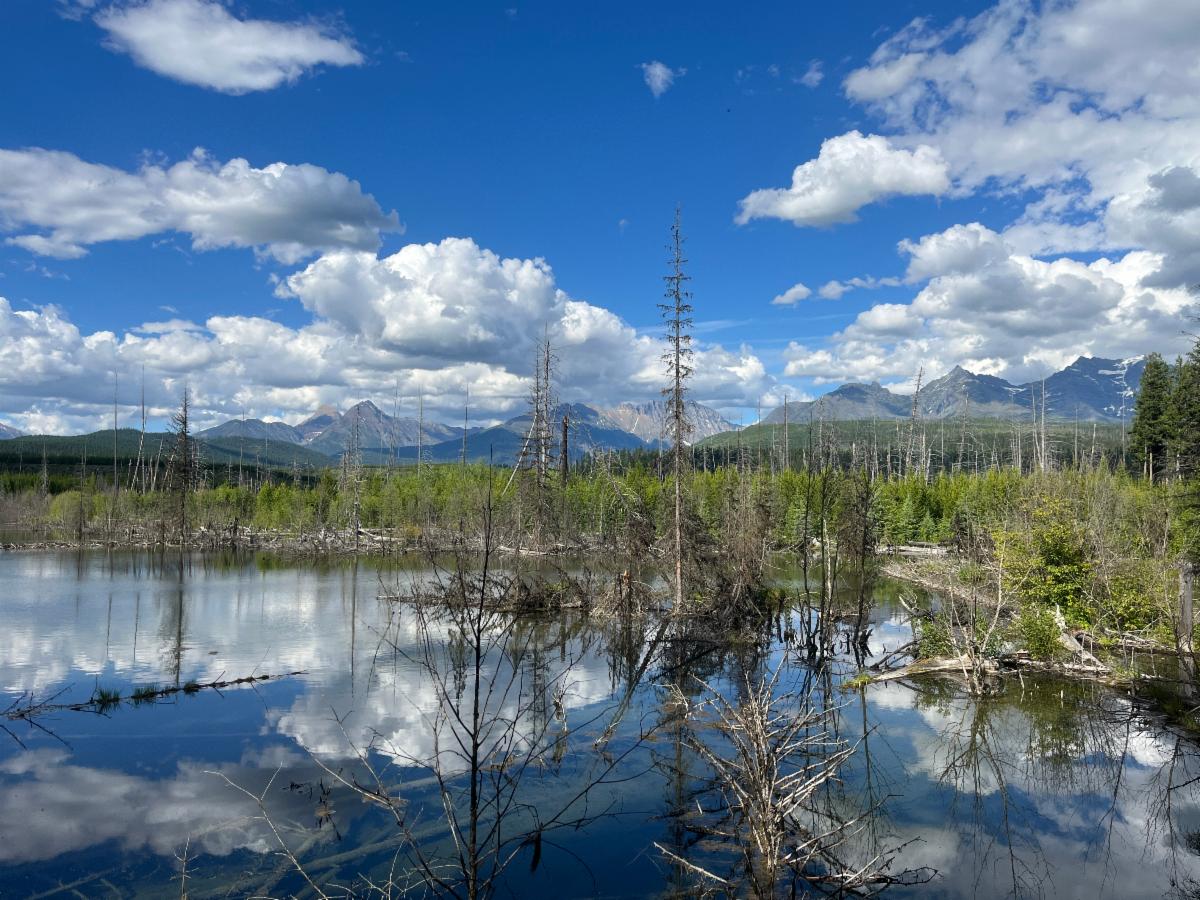
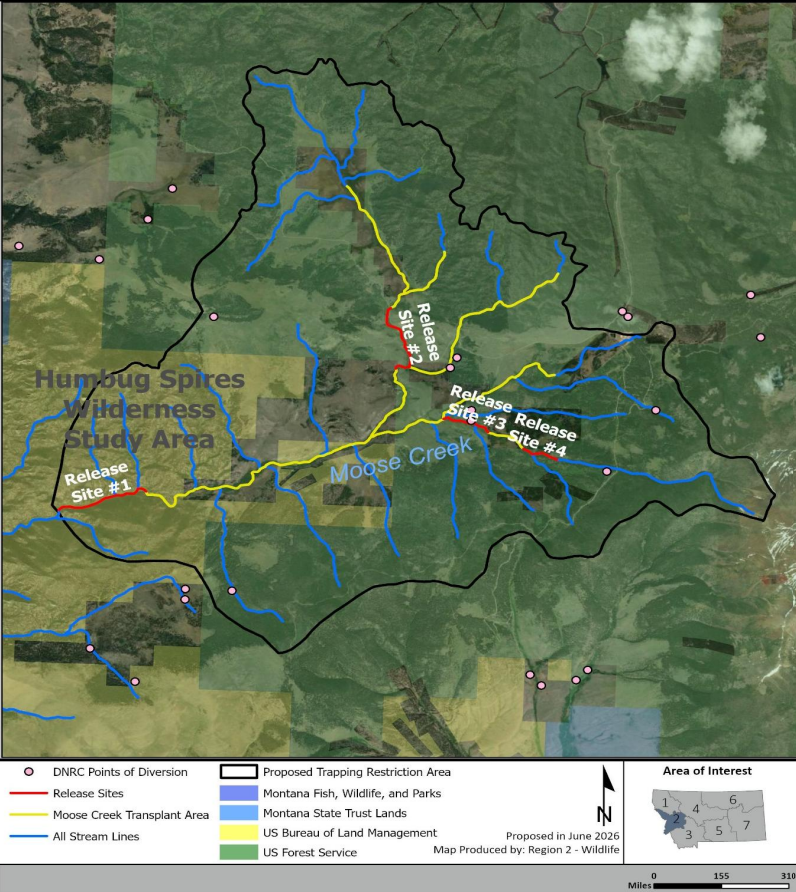
Montana Beaver Working Group | | Our Mission: Connect people and share resources to elevate the vital role of beavers in Montana's ecosystems | | The Nature Conservancy, Big Hole Watershed Committee, Montana Fish, Wildlife & Parks, and Beaverhead-Deerlodge National Forest have teamed up to make Moose Creek one of the first places to welcome beaver transplants in Montana. Abandoned dams, lodges, and other sign show this watershed has a history of thriving beavers, and while those original builders have since disappeared, their evidence will be promising for new residents. The project partners have already started to set up the transplants for success by constructing beaver dam analogues, installing culvert protection to prevent conflicts (see below), and instituting trapping restrictions in the project area. Stay tuned to learn about the beavers' return to this special place! Image: Torrey Ritter | |
Montana Beaver Transplant Program Approved
During their June 2026 meeting, the Montana Fish and Wildlife Commission approved three pilot translocation sites to transplant live beavers. The first of its kind in Montana, the Montana Beaver Transplant Program will provide a framework to help Montana Fish, Wildlife & Parks restore beavers to ideal, unoccupied habitats in their former range. Human development and stream degradation have often prevented beavers from returning to such places, but this program will help to cultivate the conditions that once again make it possible for returning beavers to store water, connect floodplains, and boost biodiversity.
The Commission's approval authorizes Montana Fish, Wildlife & Parks and its partners to facilitate three pilot beaver transplants at the Flying D Ranch (near Bozeman), Moose Creek (near Divide), and the Spotted Dog Wildlife Management Area (near Deer Lodge) for its 2026-2028 cycle. Each of these projects is the result of a highly collaborative process involving landowner coordination, site assessment, proactive conflict prevention, and more. The Environmental Assessment and Beaver Transplant Program guiding this work, provide extensive protocols to ensure the process is as safe, humane, effective, and efficient as possible.
As a complementary partner to the Montana Beaver Conflict Resolution Program, the Montana Beaver Transplant Program will not only be another tool to help reduce the occasional challenges that beavers cause for human infrastructure, but it will also increase the benefits that beavers can offer at a landscape scale across the state. The approval of this these three pilot transplant sites involved extensive public comment, and you can learn more from those contributions and the final program documents under the beaver transplant tab here. Stay tuned for updates in future newsletter issues and at the annual Winter Virtual Meeting of the Montana Beaver Working Group! Torrey Ritter, Montana Fish, Wildlife & Parks' Region 2 Nongame Biologist and a lead contact for the program, also welcomes questions about the program at torrey.ritter@mt.gov.
| |
New Montana Record: Biggest Beaver-Human Conflict Prevention Fence
Partners have installed the biggest fence designed to prevent beaver-human conflict in Montana! This monster was installed near the outlet of Placid Lake, where an aging human dam, constructed in the early 20th century to moderate lake flows, has long been in need of repair. In recent years the beavers have tried to help with renovations, but their add-on design was not quite desirable for the Placid Lake Association. It was also unsavory for Montana Fish, Wildlife & Parks, given concerns that the dam-on-dam efforts would allow passage of northern pike, an aggressive, non-native fish with the possibility to wreak havoc in the aquatic food web if they reached Placid Lake. Ultimately, all the partners know the human dam must be erased or replaced to reach a sustainable solution, but in this crucial moment where the human dam is weakening, the beavers' dam is growing, the pike are waiting, and winter is coming...a mega-fence was needed. This solution will not only afford the partners with time to decide on a durable solution, but it will also allow the beavers to remain in Placid Lake. Many thanks to the Montana Beaver Conflict Resolution Project, Blackfoot Challenge, Montana Fish, Wildlife & Parks, and the Placid Lake Association for putting this record-breaking fence into action.
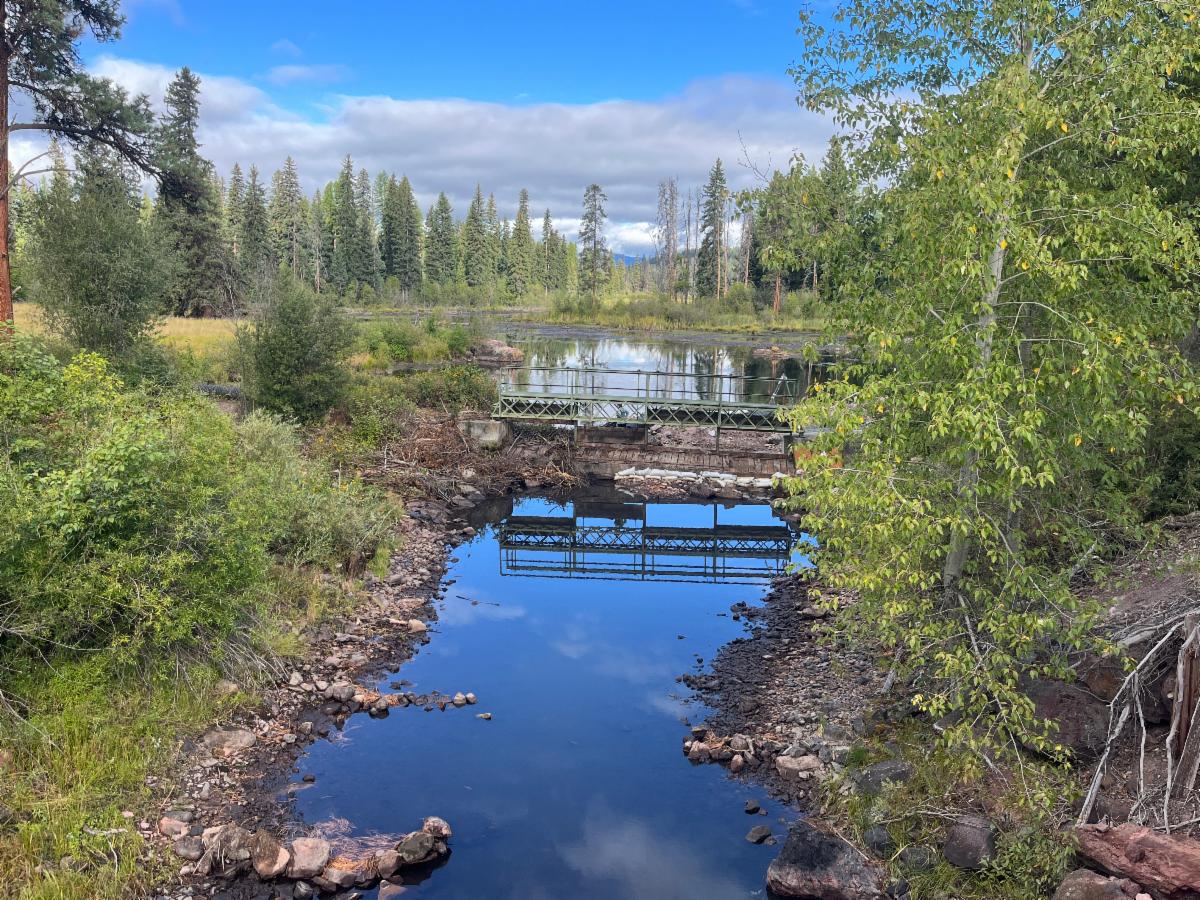
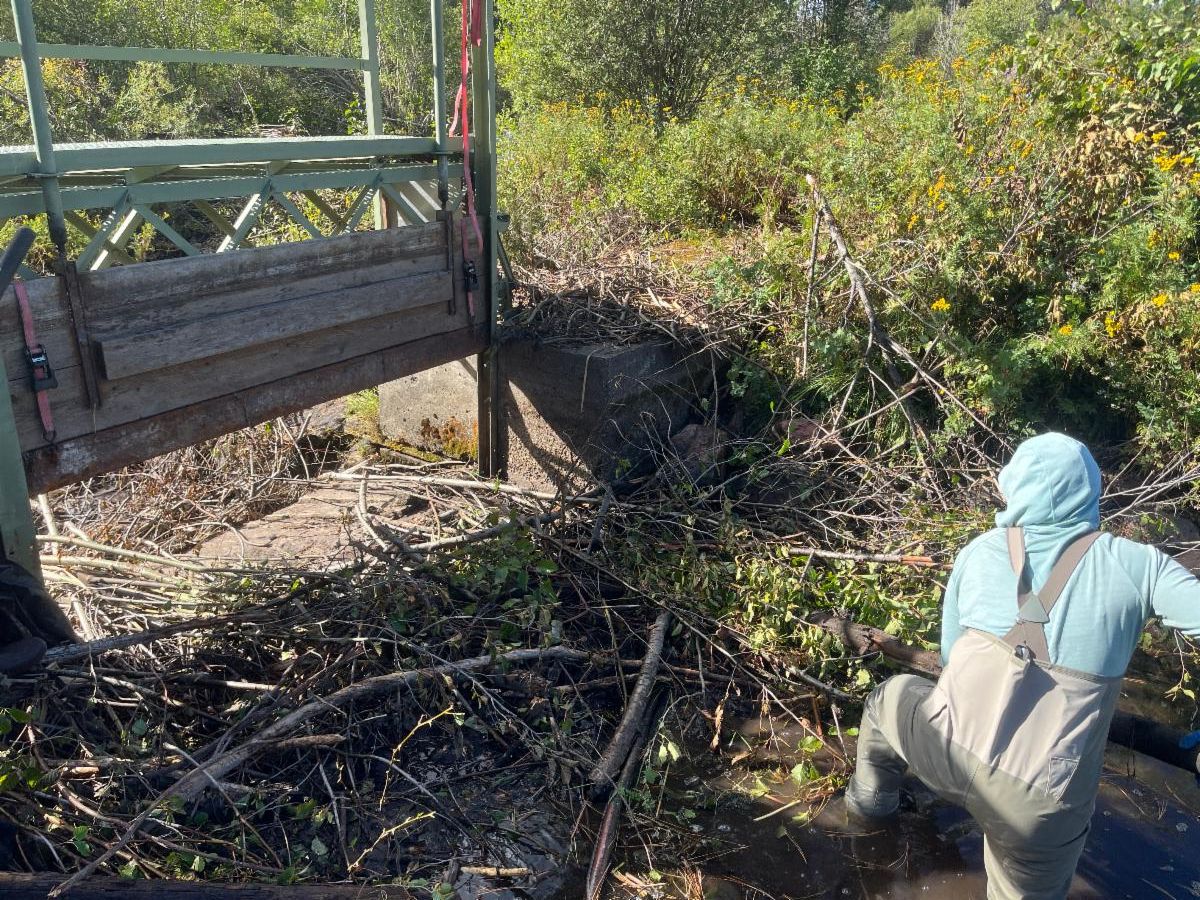
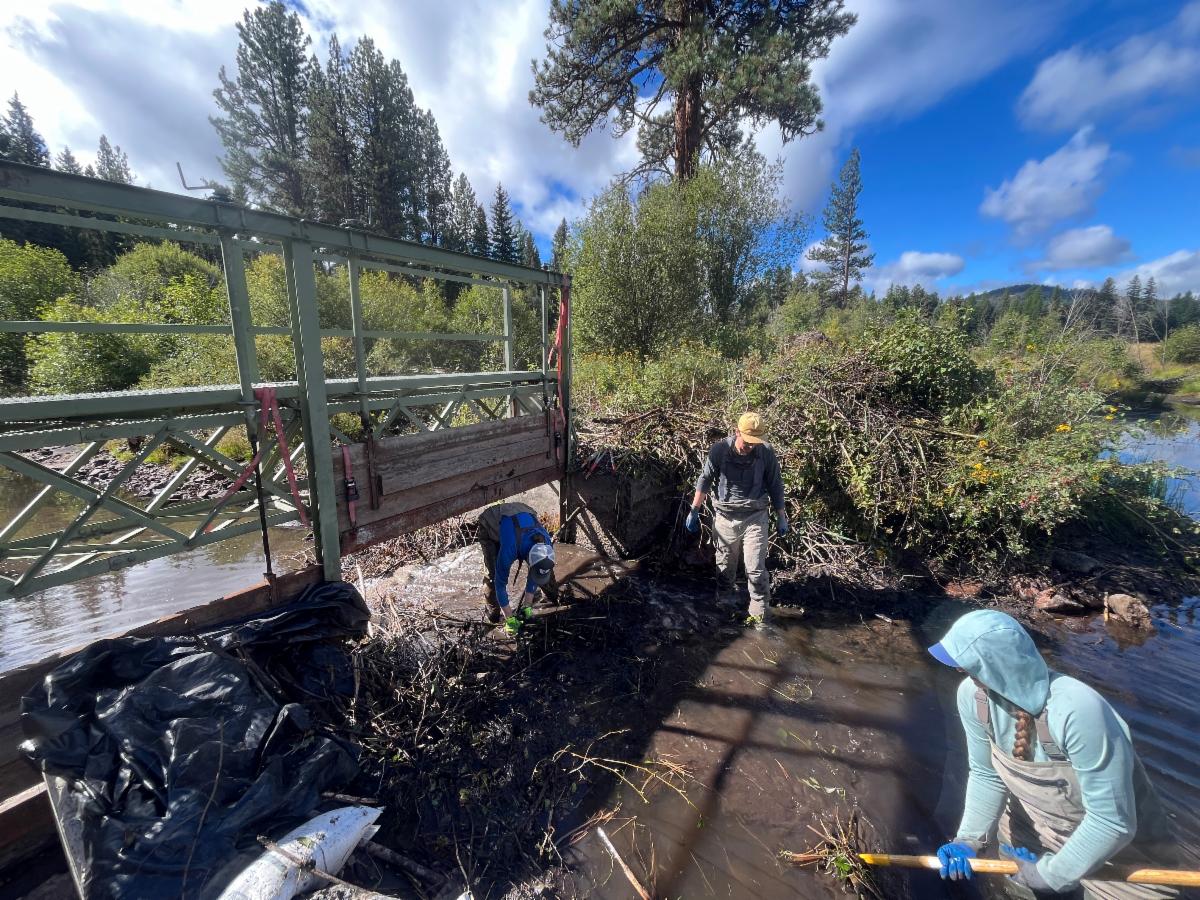
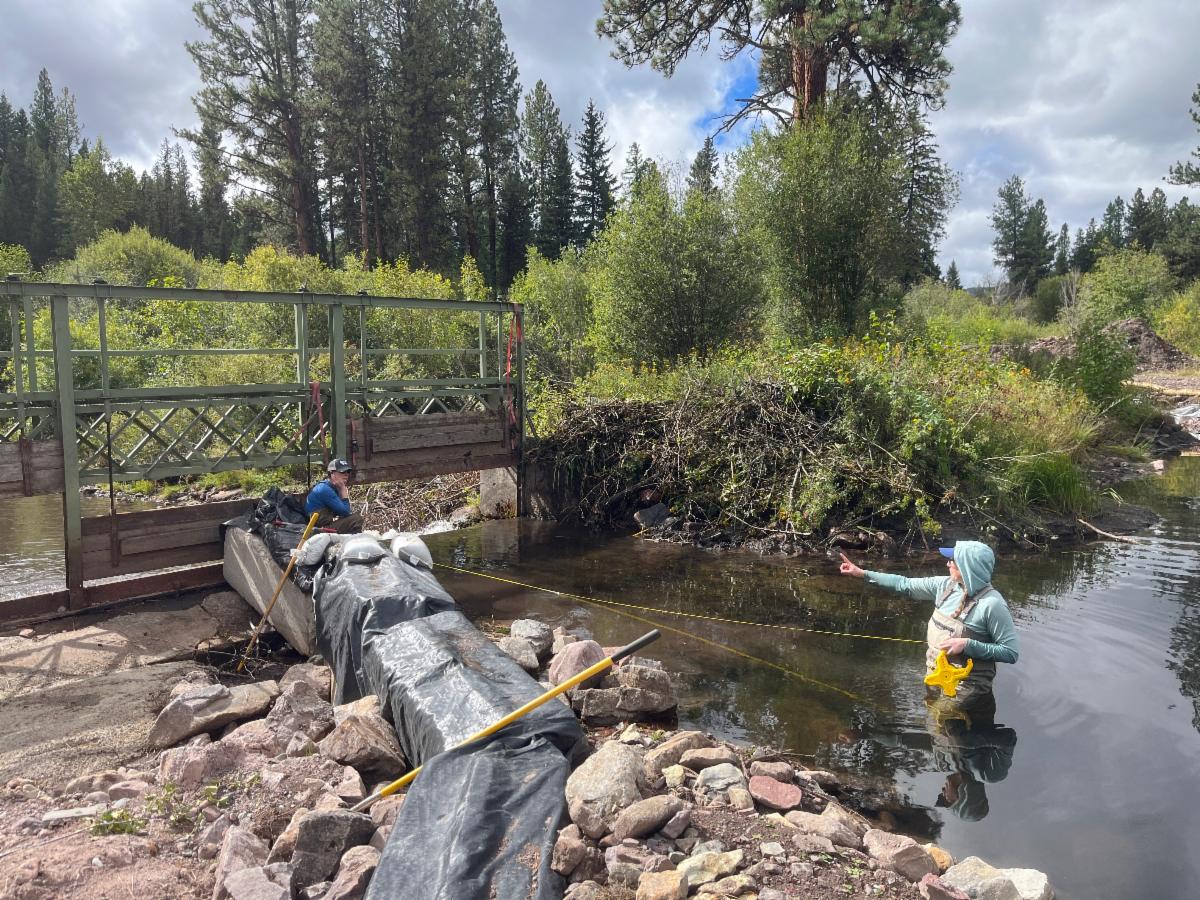
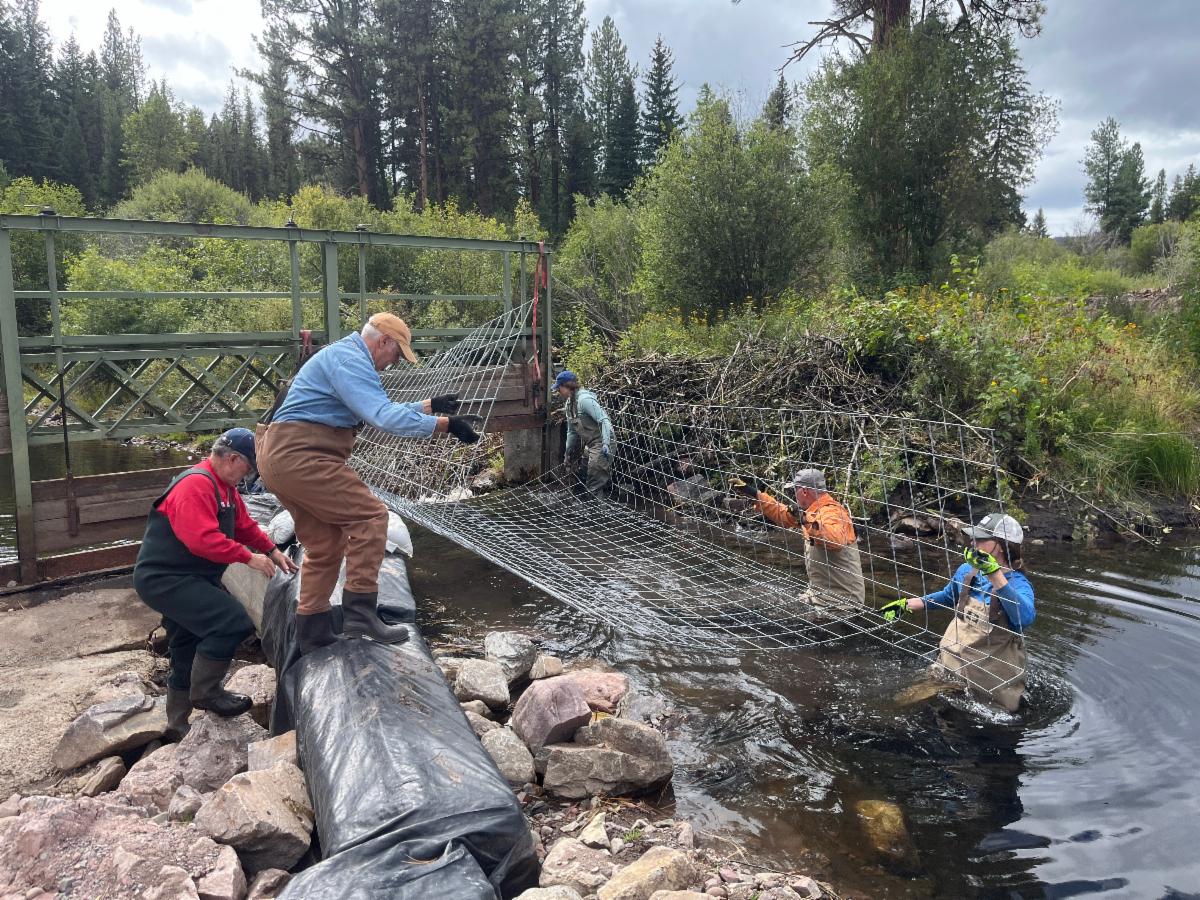
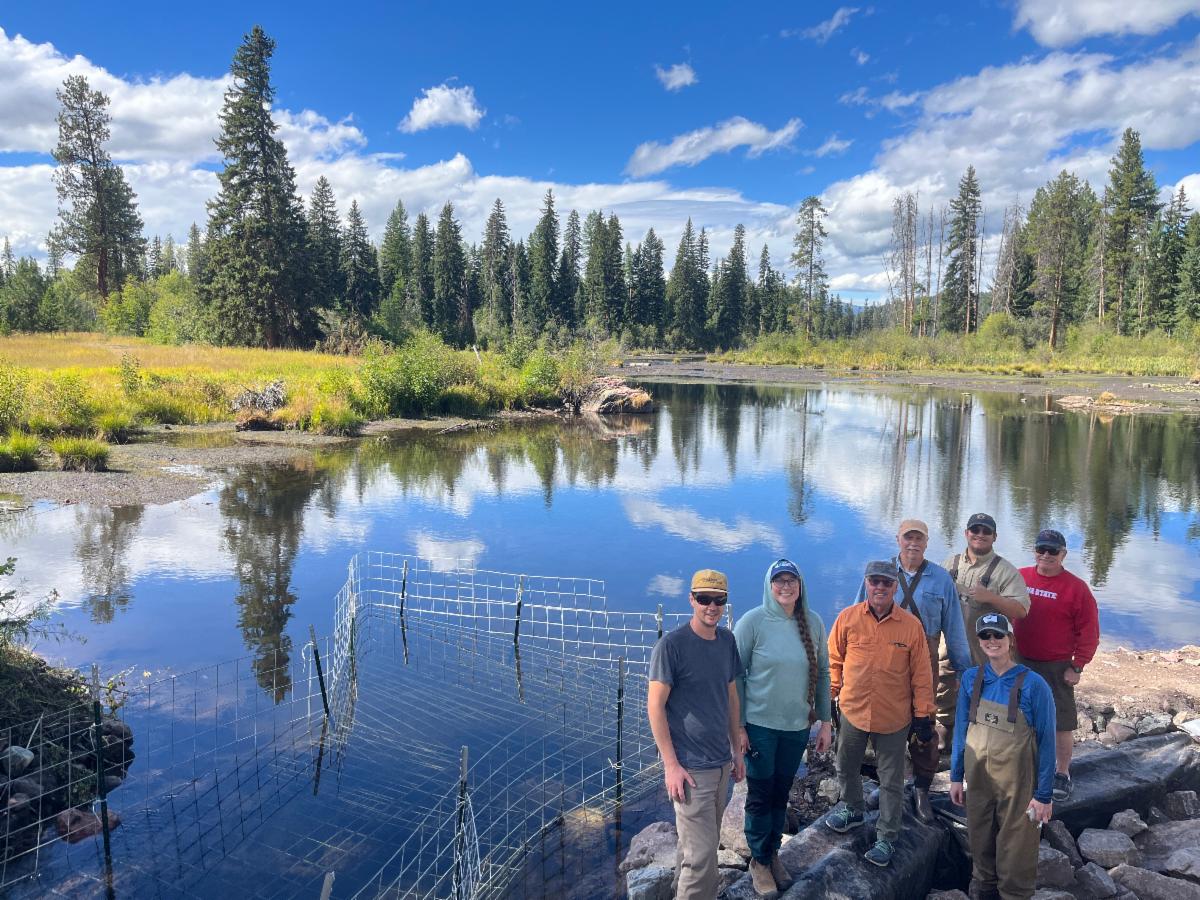
| To say nothing of a bird's eye view, beavers don't even have a periscope as they swim submarine-like through the water. But somehow they always know how to pick out a good pinch point in water's flow, and, likely long before humans put in this dam over a century ago, beavers likely impounded Owl Creek near the outlet of Placid Lake. Photo: Rob Rich | | The Placid Lake Association maintains the dam's headgate to control water levels and add to the northern pike deterrence efforts of Montana Fish, Wildlife & Parks, but the beavers often intercede with some blockage of their own. In the course of a mere night, they completely plugged the lake's flow with a masterful lattice of mud, sticks, and rocks. Photo: Rob Rich | | But with some help from some long-handled potato rakes, muscle, and gravity, four humans got the water flowing again. Photo: Rob Rich | | Since this aging dam has several leak points and a lake's worth of water behind it, a very long fence was needed to keep beavers away from the source of the rushing water sound. Prior attempts to riprap the human dam with intensive rock and concrete had not addressed this crucial instinct of beavers, who came back again and again. Photo: Rob Rich | | With help from members of the Placid Lake Association, the hearty fence (built on land) was finally heaved into the water. At 8 feet wide and nearly 30 feet long, it fit snugly in the dam's spillway, with tall sides and a wired floor to ensure the beavers would stay out of trouble. Photo: Rob Rich | | But the fence will help them stay alive, too. They're still in the neighborhood, enjoying all the bounty and beauty that Placid Lake has to offer. Photo: Rob Rich | | |
BeaverCon 2026
September 26-30, 2026
Minneapolis, MN
BeaverCon is a keystone biennial event that unites 500+ individual beaver enthusiasts from all around the planet, including scientists, nonprofit leaders, policymakers, land managers, tribal and state agencies, researchers, and more. This year's event was co-hosted by the Beaver Institute and the St. Anthony Falls Laboratory at the University of Minnesota, and many Montana Beaver Working Group friends shared their work, including but not limited to Elissa Chott, Shelby Weigand, Leah Thayer, Nick Hagan, and Amy McNamara. To learn more about how you can be a sponsor or participant in the future, please check out the webpage here.
| | |
Building Resilience: Land, Water, & Human Health -
Adaptive Ranching Workshop & Field Trip
October 14-15, 2026
University of Montana - Western
Dillon, MT
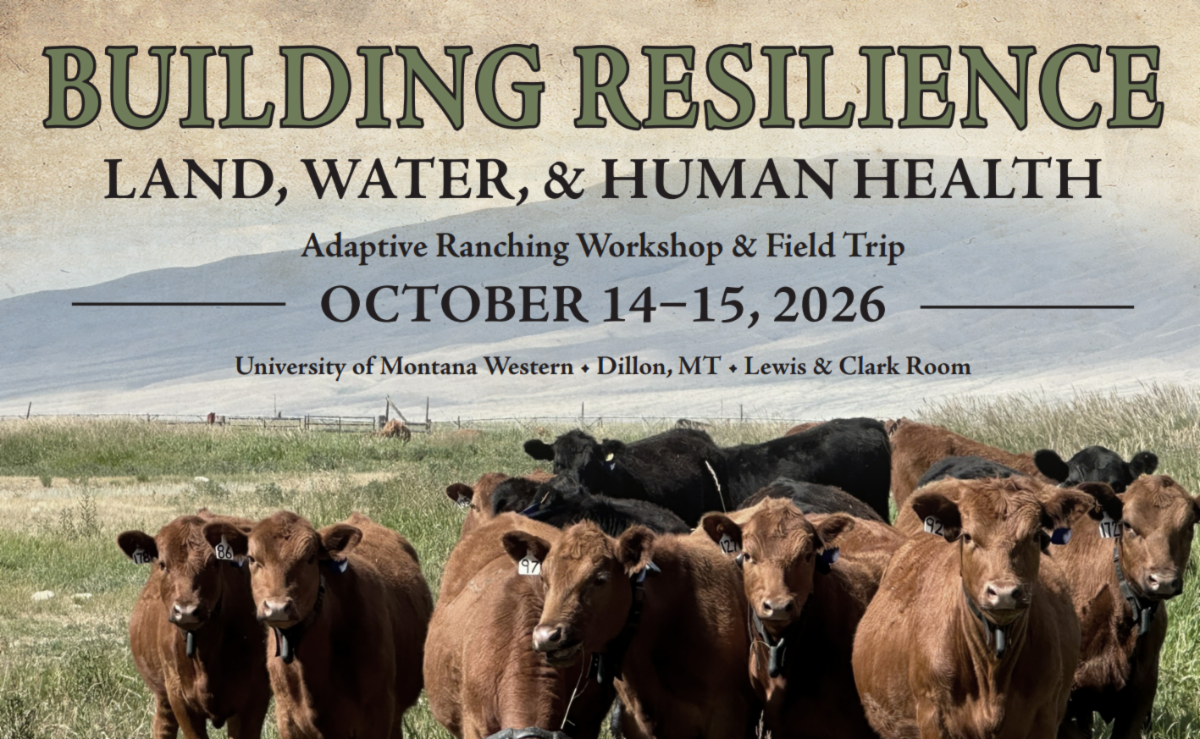
Registration is open for this year's Adaptive Ranching Workshop in Dillon, hosted by The Nature Conservancy's Southwest Montana Sagebrush Partnership Team. The team has invited speakers to address topics that past workshop participants have recommended, and presentations will address how our health is directly related to the health of the soil from which our food is produced. Talks will also feature ways to improve the health of soil, riparian areas, and rangelands, including lessons from Jaye Wilde's effort to welcome beavers back to his Idaho ranch. The event is free, but please sign up here to support the hosts with plans for seating and catering. See the full schedule here:
SCHEDULE:
October 14 – Wednesday -Workshop 7:30 – 5:00
7:30 – 8:00 Coffee, fruit, muffins and networking
8:00 – 8:15 Welcome – Introductions and Updates
8:15 – 9:30 Sara Keough – Integrative Eco-nutritionist – From Soil to Gut: How Microbiomes Shape Human and Planetary Health.
9:30 – 10:15 Dr. Clayton Marlow – One Size Won’t Fit All. Crafting Riparian Management Approaches for Your Environment and Operation.
10:15 – 10:30 Break
10:30 – 12:00 Cooper Hibbard – Seiben Live Stock Co. – Grazing Principles, Different Grazing Methods, and Genetic Selection.
12:00 – 1:00 Lunch – provided includes hamburgers, cheeseburgers, fruit, baked beans, chips. (gluten or dairy free options available) Hamburger is locally grown grass fed beef.
1:00 – 2:15 Rancher Round Table – Adaptive Grazing Project pilot ranchers – Koy Holland, Jaime Wood, Colt High, Tony Johnson, Andrew Anderson, Heath Martinell, Pam Lyford or Hank Willemsma
2:15 – 3:15 Kelvin Johnson – Range Specialist, MT FWP – Grazing Practices in Milk River Riparian Habitat in North Central, Montana – Lessons Learned.
3:15 – 3:30 Break
3:30 – 4:30 Jaye Wilde – Rancher, Preston Idaho –A Rancher’s Story of Bringing Beaver Back to Birch Creek, Idaho.
4:30 – 5:00 Q&A with all presenters; sharing by participants; Wrap up!
7:00 – 8:30 Film presented by the Good Food Network at the Depot Theater – “Groundswell”
October 15 – Thursday – Field Trip on BLM Rochester AMP allotment west of Twin Bridges 8:30 – 9:00 Meet at Rest Area in Twin Bridges – coffee provided
9:00 – 12:00 Two stops – presenters include Dusty Crowe, BLM Assistant Field Manager, Kelly Savage, BLM Rangeland Management Specialist, Jaime Wood, Manager Hamilton Ranch, and Dr. Jeff Mosley, Extension Range Management Specialist, MSU.
12:00 – 1:00 Lunch, sharing by participants, and wrap up.
| | |
Montana Beaver Working Group Charter
Montana Beaver Working Group
June 2026
At this year's spring meeting, the Montana Beaver Working Group gave a nod to an important new guidance document. United by a mission "to connect people and share resources to elevate the vital role of beavers in Montana's ecosystems," the Montana Beaver Working Group Charter outlines the purpose and principles for our existence, as well as the policies for membership, governance, communication, and funding that shape our operations. This effort was made possible thanks to the facilitation and preparation of Shane Randle, as well as the thoughtful contributions for improvement from dozens of our members, and we trust it will be a source of common ground to inspire our growth, focus, and continued good work in the years to come. Please read the full Charter here.
| | |
The BeaverCorps
This American Land
September 2026
Montana's beaver leaders recently featured in the respected television video series, This American Land, which dives deep into conservation issues, explains their complexities, and explores creative solutions that result in real change, inspiration, and hope. This episode featured BeaverCorps, the training program that supported Elissa Chott's launch with and continued leadership of the Montana Beaver Conflict Resolution Project. In the course of eight short minutes, you'll learn how this transformative program has supported coexistence and collaboration across the continent, including at Montana's Moose Creek, where proactively installed conflict prevention tools will enhance the odds of success for arriving beaver transplants in the years to come (see lead story above). Please check out this video here.
| |
Job: Watershed Program Coordinator
Park Conservation District
Livingston, MT
Priority Deadline: September 18, 2026
Park Conservation District is hiring a Watershed Program Coordinator who will work with staff and the Board of Supervisors (BOD) to accomplish perennial, long-term conservation objectives and to provide support in all areas of the Shields Valley and Upper Yellowstone Watershed. This position is supervised by and reports directly to the Board of Supervisors. Park Conservation District works collaboratively with a diverse set of local landowners and local, state, and regional partners to implement conservation initiatives and fulfill its mission. Committees are led by volunteers representing landowners, business owners, and community members. The watershed groups are also advised by technical experts housed in local, state, and federal natural resource agencies. To learn more about this role, see here.
| | |
Please send photos, stories, upcoming events, opportunities, and other resources to:
Shelby Weigand - Riparian Connectivity Manager,
National Wildlife Federation
WeigandS@nwf.org
MT Beaver Working Group newsletters are posted online here.
| | | | |