EAB Information Network Beneath the Bark July 2026


EAB Infestation Map

Below is the current map of emerald ash borer (EAB) infestation across North America. Mississippi was added on Nov. 14, 2025. EAB is now present in 38 states and six Canadian provinces. An up-to-date map is available on our website.

map of north america

Watch Past EABU Recordings

Miss one of our spring EABU webinars? No problem! All sessions are recorded and available on our EABU webpage and YouTube channel, so you can catch up anytime or revisit past topics that interest you.

The bugs were coming from INSIDE the untreated firewood!

Firewood Safety

Don’t pack firewood for your next camping trip! Moving untreated wood long distances can unintentionally introduce destructive insects that threaten forests and landscapes. Instead, buy it where you camp or burn it where you purchase it. Happy camping!


Recent EAB News


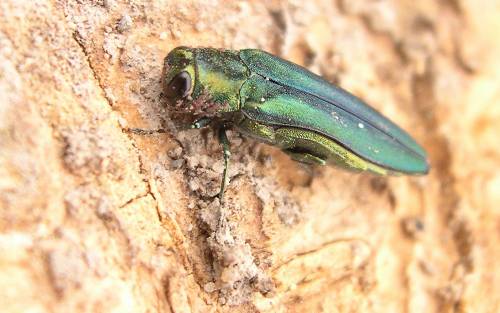
Emerald ash borer detected again in Cass County


The North Dakota Department of Agriculture detected EAB again in Cass County, marking a second finding more than 12 miles from the initial January 2026 detection. Cass County is already under quarantine, restricting movement of items like firewood, ash logs and nursery stock, with violations carrying penalties up to $5,000.

emerald ash borer
 

City of Austin Warns of Ash Tree-Destroying Insect Nearing Region


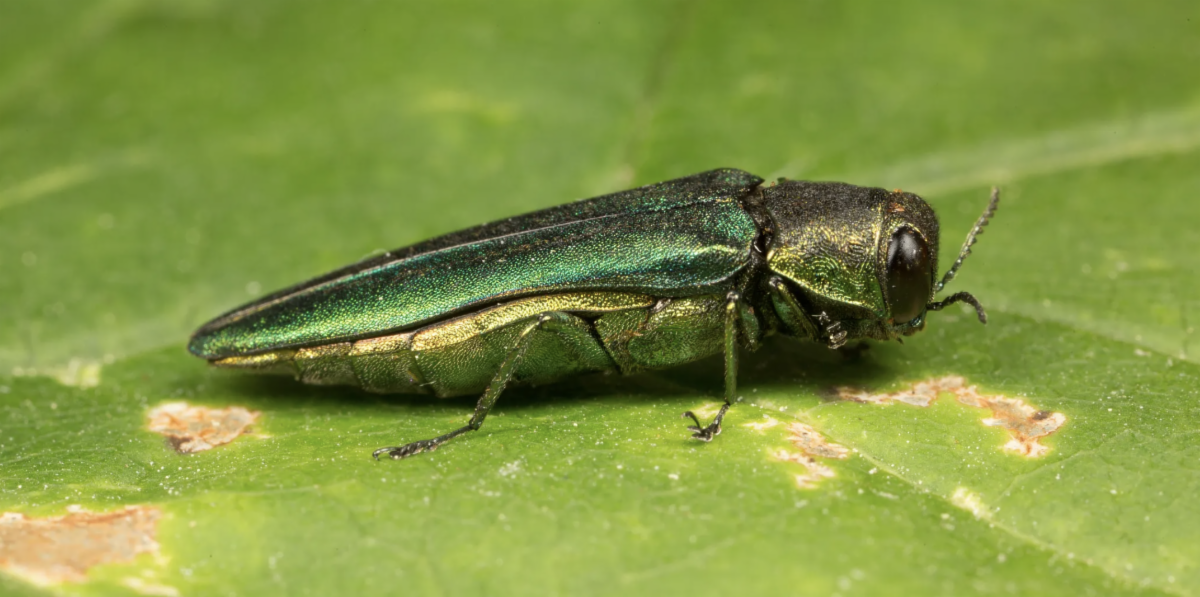
The City of Austin is warning residents that EAB is approaching and threatens more than 1 million ash trees in the region. While no confirmed sightings have been reported in Austin, last month EAB was detected in six new Texas counties, mostly in the northeast region of the state. Officials urge residents to monitor trees and report signs of infestation.

 
emerald ash borer
 

Recent study shows EAB does well in Oregon ash but olive is not a great host


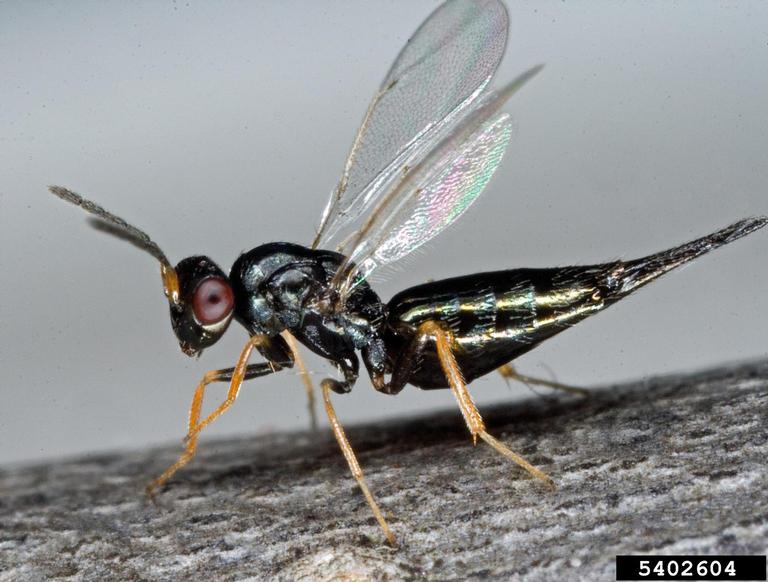
Field and laboratory studies showed EAB population growth and larval parasitism by introduced wasps (Tetrastichus planipennisi; Spathius galinae) were similar for EAB in Oregon ash and green ash. In contrast, net EAB population growth in small olive trees was zero, with most larvae dying prematurely. Artificially infested olives were small, however, and the authors noted that future studies with larger olive trees would be useful.

 
Tetrastichus planipennisi


Other News


Invasive Elm Zigzag Sawfly detected in Michigan


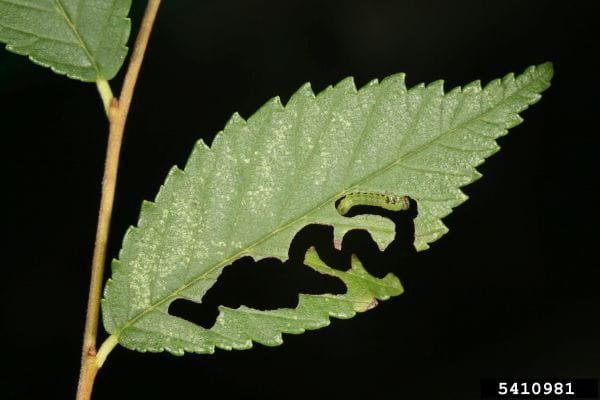
Elm zigzag sawfly (EZS) has been detected in Michigan for the first time, with confirmation in St. Clair County. The invasive insect feeds on elm leaves, creating distinctive zigzag patterns. In the first six years since its detection in North America, EZS has been found in 17 U.S. states and four Canadian provinces. Residents are encouraged to report sightings to help track its spread.

elm zigzag sawfly damaged leaf
 

Researchers Zero In On Potential Natural Enemy of Spotted Lanternfly


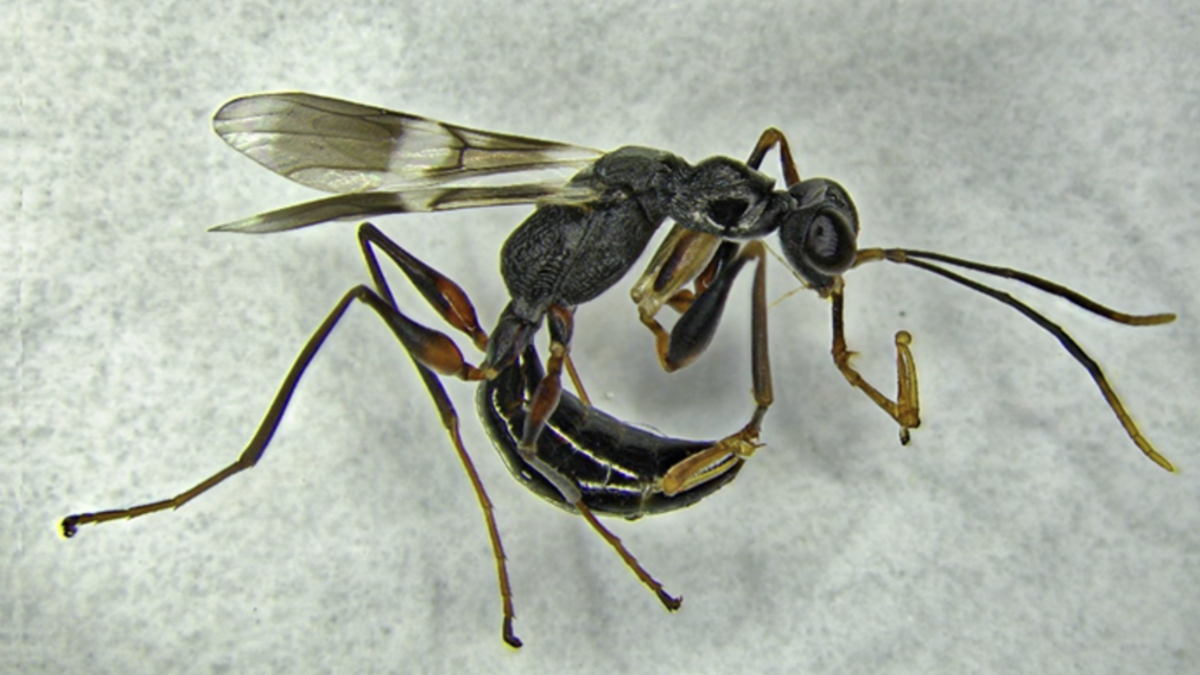
Researchers are evaluating a tiny parasitoid wasp, Dryinus sinicus, as a potential long-term biological control for spotted lanternfly. In lab studies, female wasps killed or parasitized hundreds of lanternfly nymphs. While early results are promising, further testing and regulatory review are needed before the wasp could be released in the U.S.

 
wasp
 

New research suggests invasive spotted lanternfly may be able to survive Canadian winters


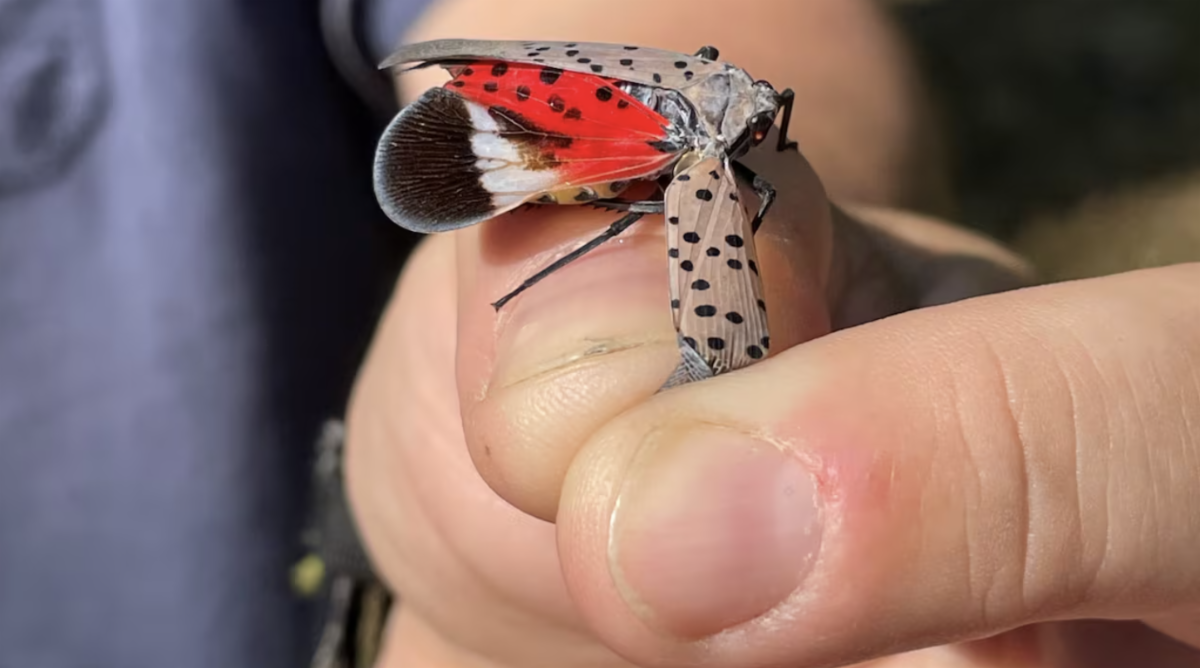
New research shows spotted lanternfly eggs can survive temperatures as low as -25 degrees C (-13 degrees F), suggesting winter will not prevent the pest from establishing in colder regions. The insect, already spreading across the eastern U.S. including Michigan, feeds on more than 100 plant species and is expected to have its greatest impact on grape production. Experts warn it spreads easily by hitchhiking on vehicles and equipment, increasing the likelihood of introduction and spread.


Ontario invests $2 million to help stop spread of invasive species


Ontario is investing $2 million to support 112 community projects aimed at preventing and managing invasive species across the province. The funding will create jobs, engage thousands of volunteers and strengthen early detection and response efforts. Officials say the initiative is part of a broader $16 million plan to protect biodiversity and reduce the estimated $3.6 billion annual impact of invasive species.

 
Ontario logo
 

Not subscribed to Beneath the Bark? Join our newsletter-only mailing list to get monthly updates right to your inbox.

Web
bluesky icon
Emerald Ash Borer Information Network