|
|
HelpAge Canada extends a very special thanks to all who participated in this legacy gathering of the CBSS sector – from the planners, organizers, attendees and keynotes to the sponsors and exhibitors from across Canada, this event would not have been possible without you.
In June 2024, we made history with the inaugural Summit, but the work is just beginning! We invite you to check out the highlights from our three days together and read about the exciting development work underway as we build this sector together as a community.
A full 2024 CBSS Sector Summit Report will be published on HelpAge Canada’s website in September.
| |
The Road to the Summit – How We Got Here | |
|
For the first time, Canadian organizations representing every province and territory came together to claim their space and name their future as a national sector, recognizing the positive impact a coordinated sector can have on healthy aging in Canada. Inspired by the successes and examples of those who have already established their own provincial CBSS sectors, founded on community-driven processes, participants boldly embarked on conversations to bring to fruition a national, coordinated CBSS sector.
A National Advisory Committee and Summit Executive Team, made up of community leaders and change makers from every region in Canada, convened in 2022 to plan the Summit and to lay the foundations and vision for the sector development work ahead.
This joint committee identified four goals for the Summit:
| | |
|
-
Bring together CBSS sector leaders, thought leaders in healthy aging, and their allies
-
Establish the sector’s needs and priorities
-
Create a common vision for the future of the sector
-
Declare the sector’s role and identity in the Canadian aging landscape
| |
In all aspects, the sessions, speakers, and activities at the Summit focused on fostering meaningful discussions, knowledge-sharing, and collaborations, which would support the realization of these goals and ensure that future actions within the sector will be led by community, for community. | |
Keystone Event: The World Café
| |
|
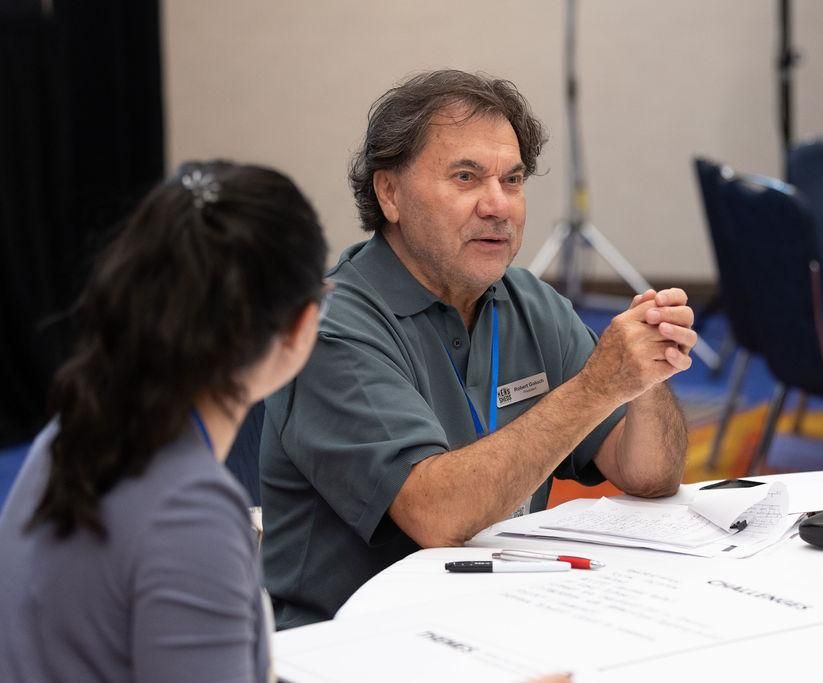
The World Café – a facilitated day of brainstorming – focused on identifying the needs and priorities, challenges and common concerns within communities, areas for action, opportunities for working more collaboratively, and most importantly, the potential positive impact of a national CBSS sector on healthy aging in Canada.
| | |
Insights and actions arising from the two-step process (exploration and deep dive sessions) provided an understanding of potential next steps towards establishing a coordinated, unified, and formalized national CBSS sector. | |
|
|
Key Challenges and Opportunities Identified
at the World Café
| |
|
Unified Voice to Amplify Advocacy of the Sector
It is crucial that the sector speaks in a unified voice to amplify the collective impact of CBSS organizations. Advocacy efforts must focus on engaging governments to influence policy decisions that impact the lives of older adults in Canada and that lead to securing sustainable resources that sustain the work of CBSS organizations. The full diversity of CBSS organizations (capacity, size, and experiences) must be represented as the sector engages with stakeholders and establishes its identity and influence in Canadian society.
| |
|
Mobilization and Involvement of Older Adults
As awareness of the sector grows, we must intentionally include older adults’ voices in conversations around sector development work and policy decisions that affect them and encourage older adults to take action in their own communities to create a stronger healthy aging landscape in Canada.
| |
|
Ageism
Ageism is a significant structural and institutional challenge that requires a systemic approach to address its impacts on society. It affects older adults’ quality of care, access to services, and contributes to loneliness and isolation. Ageism also leads to care work being undervalued, impacts recruitment to properly maintain older adult programs and services, and augments the stigma and self-shaming among older persons seeking programs, services, and care. Collaborative work as a sector to combat ageism could help to change cultural perceptions around aging and foster more support for the work of CBSS organizations.
| |
|
Social Isolation and Loneliness
Social isolation and loneliness are significant challenges for older adults, particularly in rural areas where there may be fewer opportunities for social interaction and less infrastructure (i.e., transportation barriers) to support connectedness. Language barriers and digital literacy challenges further limit access to information and services. More resources at a sector-wide level to address language, digital literacy, and educational needs can help improve access for older adults to community-based programs and services.
| |
|
Data and Evaluation
A significant lack of available desegregated data, particularly at the community level, and the lack of evaluation of data and best practices hampers effective decision-making, service provision, and support for advocacy initiatives. Standardized data collection, research, and information sharing across the sector can improve service and program delivery, promote collaboration and help reverse the trending challenges impacting older adults.
| |
|
Collaboration
Siloed and fragmented care presents significant challenges for older adults, forcing CBSS organizations to compete with one another to access the same funding and hampering collaboration, and there are virtually no sector-wide information hubs for CBSS organizations or older adults and care providers seeking information about programs and services to refer to. Provincial successes in creating centralized, scalable directories and information hubs can serve as a model for national approaches.
| |
|
Human Resources
Finding and retaining qualified paid staff is a significant challenge for CBSS organizations, which is only exacerbated in rural areas. Staff burnout and lack of viable professional development opportunities are major concerns; staff are overburdened, leading to high turnover rates. Volunteers, who make up a significant part of the workforce in the CBSS sector, are also difficult to recruit and retain, and they require training and support which necessitates additional resources that are often already limited. Addressing funding challenges across the sector and raising awareness of the CBSS sector could improve staffing, volunteerism, and retention for CBSS organizations.
| |
|
Funding
Many CBSS organizations face financial constraints that impact their ability to deliver services, and for some, these funding constraints are significant. The shared frustrations around sustainable and flexible funding – which is usually either short-term or difficult to secure – present significant burdens for organizations. Increased, more consistent, and more easily accessible funding can better support the work of CBSS organizations and the development of the sector.
| |
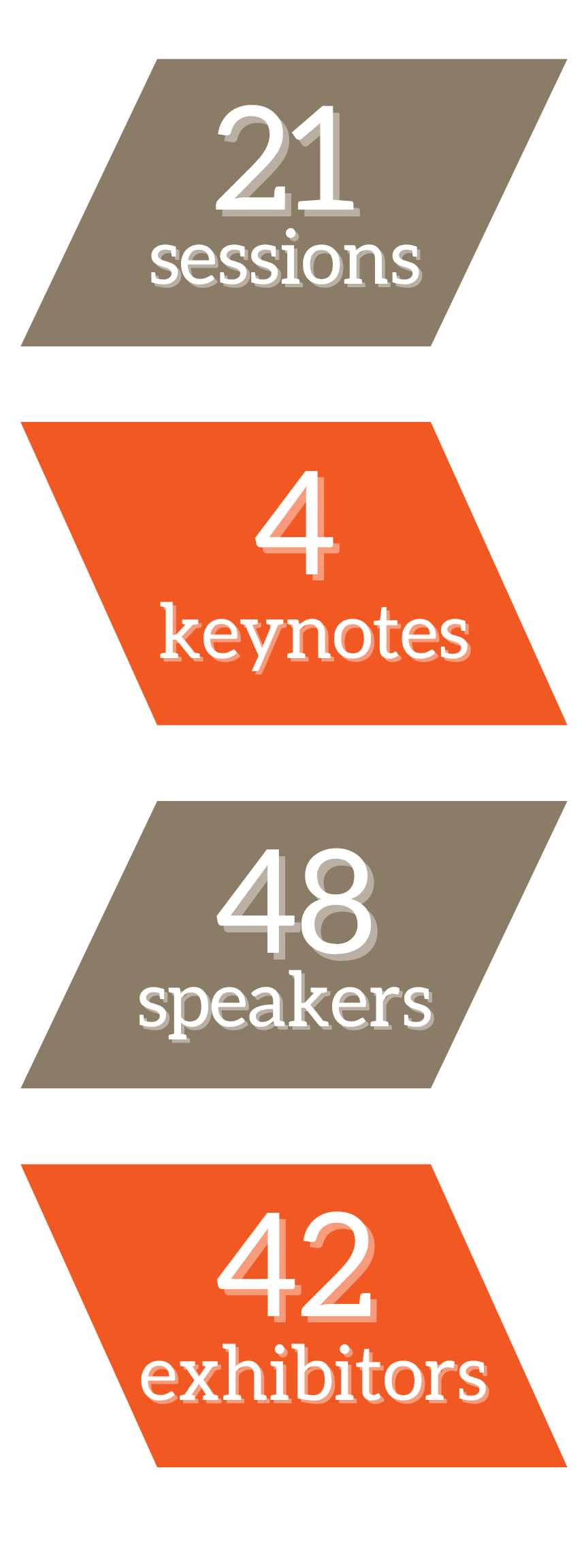
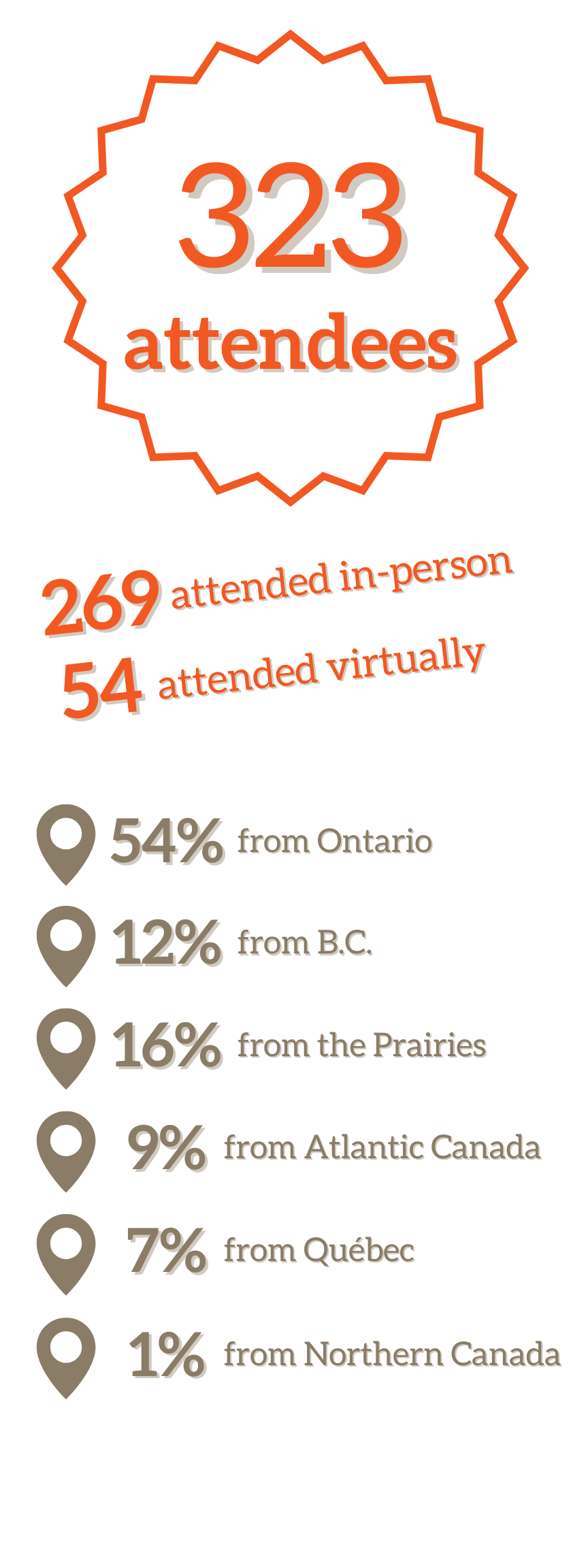
Quick Facts: Summit Sessions and Reach
| |
A Vision for the Road Ahead – Continuing CBSS Sector Development | |
The Summit’s purpose was to act as a catalyst for the CBSS sector’s growth and development. To effectively advance the priorities identified during the Summit, it is important that together we listen, share and learn from each other through the lens of diversity, equity and inclusivity principles. | |
Introducing the Canadian CBSS Interim Community Leadership Council (ICLC) | |
|
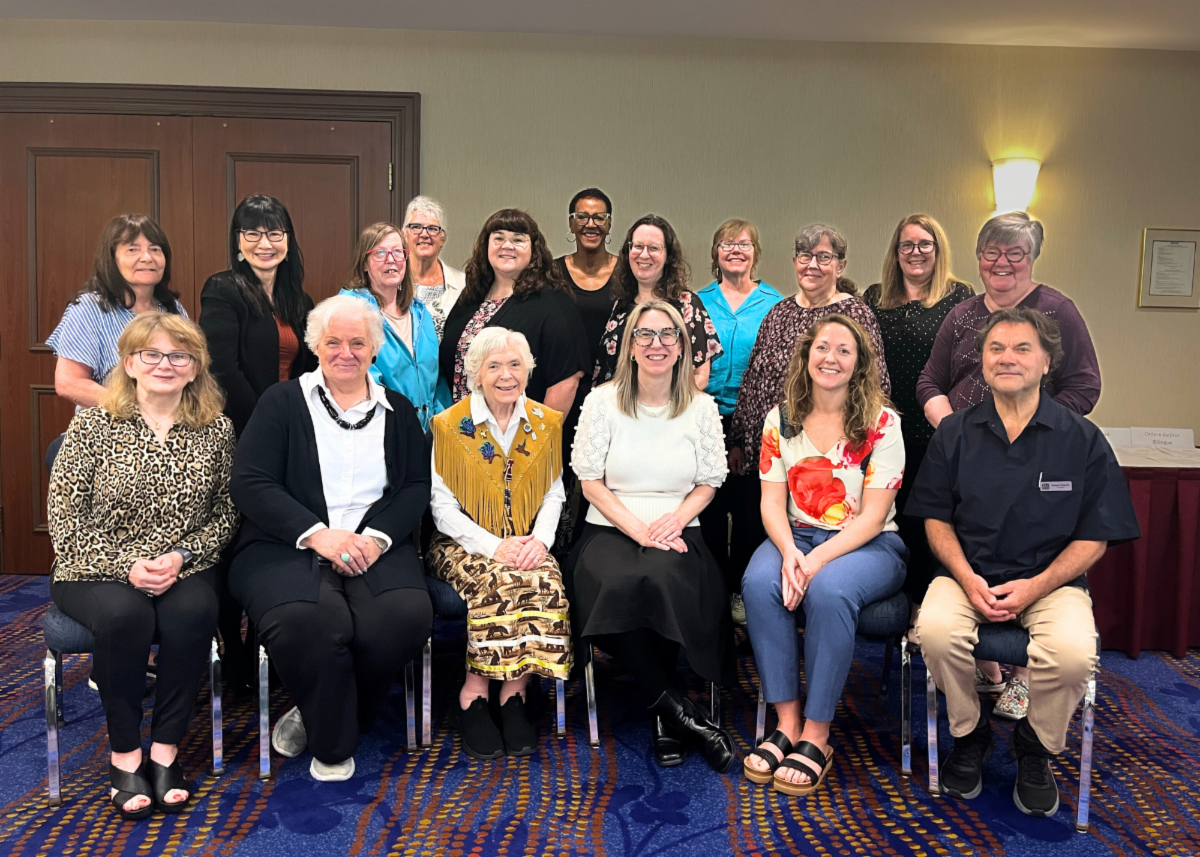
In January 2024, HelpAge Canada placed an open call for nominations for the first national leadership council for the CBSS sector – the Canadian CBSS Interim Community Leadership Council (ICLC) – and selected two community leaders, Karen McDonald (Healthy Aging Alberta) and Marta Hajek (Elder Abuse Prevention Ontario) to co-chair the council.
The ICLC’s ‘interim’ term of eighteen months will focus on affirming its mandate, terms of reference, strategic directions, and most importantly, establishing the social license of Canada’s community organizations to represent their voices. To ensure representation from all regions, provinces and territories at this national table, the ICLC will continue to recruit new members until all regional vacancies are filled.
| |
|
Back row (left to right): Vi Sorenson, Daisy Au, Karen Willy, Bev Buckway, Sue Hesjedahl, Deborah Simon, Erica Botner, Shirley Ann Burdock, Holly Schick, Anita Newling, Connie Newman.
Front Row (left to right): Judy Beranger, Marta Hajek, Karen MacInnis, Karen McDonald, Annika Voltan, Robert Goluch. Absent: Pierre Lynch.
| |
|
Building on what we heard at the Summit, HelpAge Canada with the support of the ICLC will embark on a series of national consultations, both online and in community, to delve even further into the challenges and issues, opportunities and needs of the sector, and to ensure all community voices are captured in a respectful and inclusive manner. The consultations will amplify and raise awareness of the various local and regional contexts from across the CBSS sector in Canada. Participation across the entire sector is foundational in ensuring the work being done is truly for community, by community.
The insights gained from these community consultations will serve as a framework for designing the elements and priorities of a future road map, that will inform our collective actions over the next three years.
Stay tuned for news about upcoming community consultations, surveys, and more as this work continues.
| |
Share this email with a friend so they can subscribe to the CBSS Sector Newsletter and take part in the exciting work ahead! | | | | |