|
News and Research Findings from Across the ECHO Program
Welcome to the ECHO Connector! The Environmental influences on Child Health Outcomes (ECHO) Program is a research program in the Office of the Director at the NIH with the mission to enhance the health of children for generations to come. The ECHO Connector will keep you informed of program news and our latest research findings.
| | |
|
|
The 9th annual Children's Environmental Health (CEH) Day is Oct. 10, 2024.
First observed in 2018 by the Children's Environmental Health Network, this observance serves as a platform for education and advocacy, emphasizing that children are particularly vulnerable to environmental hazards.
In this issue of the ECHO Connector, we highlight a recent scoping review, by Emily Barrett, PhD, MA from Rutgers University and colleagues, which assessed the impact of chemical exposures on maternal and child health using ECHO Cohort data.
| | |
|
In addition, ECHO researchers have published 1,800+ journal articles investigating how a broad range of early environmental influences affects child health outcomes.
Our investigators are helping to advance understanding of how chemical exposures and other influences impact the health and well-being of children and families. Learn what we’re finding about chemical exposures at echochildren.org. You can find out more about CEH Day and learn how to get involved at cehday.org.
I also hope you’ll join ECHO on Oct. 9 at 12 pm ET on X for a social media chat hosted by the Children’s Environmental Health Network.
Thank you as always for your support.
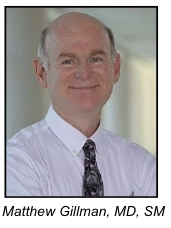
Matthew Gillman, MD, SM
Director of the ECHO Program
| |
|
Researchers Examine Existing Chemical Exposure Research
Using ECHO Cohort Data
| |
|
ECHO Cohort researchers led by Emily Barrett, PhD, MA of the Rutgers University School of Public Health published a scoping review of the existing ECHO research that evaluates the impact of chemical exposures on maternal and child health.
A scoping review provides a broad overview of the past and current research on a topic at a given point in time. Barrett and her team analyzed the current landscape of chemical exposure research using ECHO Cohort data to understand how the program has made strides in understanding environmental contributors to maternal and child health.
“With several years of ECHO under our belts, including thousands of biospecimens analyzed for chemical exposures (by ECHO researchers), we thought it was time to check in on the progress that had been made and to highlight the new opportunities opening in Cycle 2 of the ECHO Cohort,” she said.
The review, titled “Advancing Understanding of Chemical Exposures and Maternal-child Health Through the U.S. Environmental influences on Child Health Outcomes (ECHO) Program: A Scoping Review,” was recently published in Current Environmental Health Reports.
Through Dec. 31, 2023, 1,530 papers total were published acknowledging ECHO funding. As of early 2024, there were more than 200 single-cohort papers published on chemical exposures through support of ECHO. In addition, 10 collaborative multi-cohort papers have been published using harmonized ECHO Cohort data.
The review points out that ECHO research has focused primarily on prenatal exposures as they relate to birth outcomes such as preterm birth or size at birth.
Studies focused on later child health outcomes are anticipated in coming years as follow-up of participating children continues.
Read more about the results and aims for future chemical exposure research on ECHOchildren.org.
| |
ECHO Collaborative Study Suggests that “Eat, Sleep, Console” Care Approach Improves Breastfeeding in Opioid-Exposed Newborns’ | |
The Eunice Kennedy Shriver National Institute of Child Health and Human Development (NICHD) highlighted its collaboration with the ECHO Institutional Development Award (IDeA) States Pediatric Clinical Trials Network (ISPCTN) on postnatal research in its August Science Update.
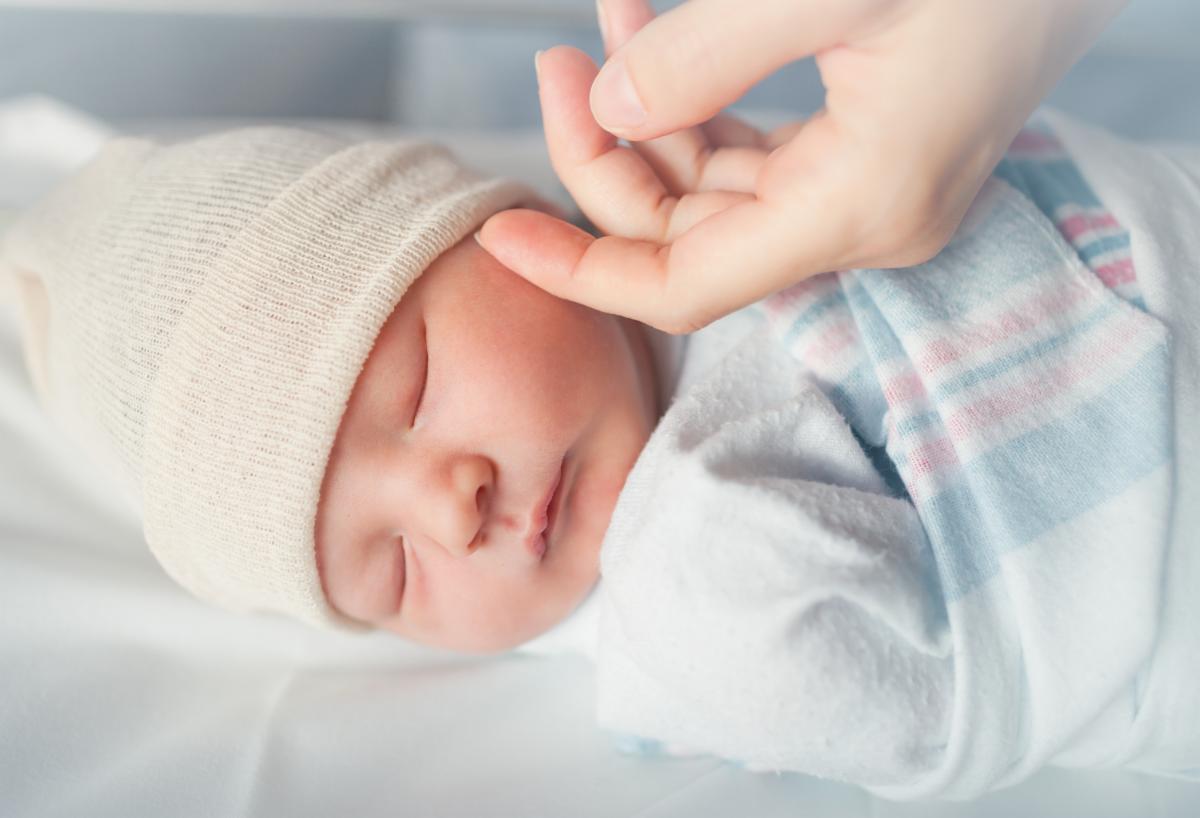
A recent study of 1,305 newborns found that newborns managed with the Eat, Sleep, Console (ESC) care approach for opioid withdrawal were more likely than those receiving traditional care to continue breastfeeding.
ESC emphasizes care without medication, teaching parents to care for their infants with a low-stimulation environment, including swaddling, skin-to-skin contact, and breastfeeding.
The study was led by Stephanie L. Merhar, MD and colleagues in the NICHD Neonatal Research Network and ECHO ISPCTN.
| |
|
BREATHE Study Achieves Recruitment Success
for Infants with Bronchiolitis
| |
The BREATHE (Bronchiolitis Recovery and the Use of HEPA Filters) study successfully reached its recruitment goal ahead of schedule and has maintained high participant retention with a 94.5% survey completion rate.
This clinical trial, part of the ECHO ISPCTN, focuses on airway health outcomes of infants hospitalized for bronchiolitis.
The study, launched in November 2022 at 17 clinical sites across the country, aimed to recruit 230 children. In December 2023, study teams met their recruitment goal several months ahead of schedule and experienced successful retention over the past six months.
Learn more about the goal of the BREATHE study and the implications if the intervention is found to be successful.
Check out the latest from other ECHO ISPCTN studies, including the “Improving Pediatric COVID-19 Vaccine Uptake Using an mHealth Tool” (MoVeUP) study and the “Vitamin D Oral Replacement in Asthma” (VDORA1) study.
| |
|
Recent Research Results
Stay up to date as ECHO researchers continue to share their data analyses and insights, including research summaries that reflect recently published ECHO research articles:
| |
|
New ECHO Research Finds Association Between Weight Gain in
Preterm Infants and Higher Obesity Risk in Children
| |
ECHO research led by Michael O’Shea, MD, MPH of the University of North Carolina at Chapel Hill School of Medicine investigated the effects of growth and weight gain during infancy on neurodevelopment and obesity in children born very preterm. | |
|
NIH-funded Study Suggests Youth Mental Health Outcomes During the Pandemic Varied by Prepandemic
Mental Health Status, Race, Gender, Income, and Age
| |
Research led by Courtney K. Blackwell, PhD and Kaja LeWinn, ScD found that the pandemic was associated with minor changes in youth mental health overall. Black and low-income youth experienced small improvements in ADHD symptoms, while those with pre-pandemic mental health issues generally showed overall improvement in their outcomes.
| |
|
Neighborhood Food Access in Early Life, Pregnancy May be Linked to
Higher Chance of Obesity in Children, NIH-funded Study Finds
| Research led by Izzuddin M. Aris, PhD of Harvard Medical School and Harvard Pilgrim Health Care Institute suggests that children who lived in neighborhoods with limited access to grocery stores during early childhood — or whose mothers lived in these areas during pregnancy — had a higher body mass index (BMI) and more than 50% increased chance of developing obesity or severe obesity in childhood and adolescence, according to a new study. | |
|
ECHO Discovery
ECHO Discovery is a monthly webinar series with educational presentations for the ECHO community and anyone else interested in environmental influences on child health.
| |
|
Join us for the next monthly ECHO
Discovery webinars
On Oct. 9 at 1 pm ET, Alison Paquette, PhD of Seattle Children’s Research Institute will speak on “Multi-Omic Data Illuminates the Placenta’s Role as a Mediator Between Prenatal EDC Exposures and Preterm Birth.”
| |
|
|
September ECHO Discovery
Early Life Microbiome and Disrupting Exposures
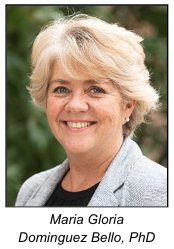
In September, Maria Gloria Dominguez Bello, PhD of Rutgers University spoke about the “Early Life Microbiome and Disrupting Exposures."
| |
|
|
August ECHO Discovery
Epigenetic Regulators in Human Milk: Opportunities in ECHO with a Focus on miRNAs
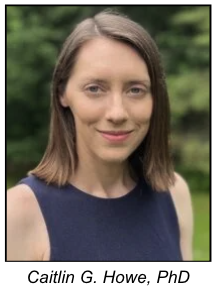
In August, Caitlin G. Howe, PhD of the Geisel School of Medicine at Dartmouth College discussed “Epigenetic Regulators in Human Milk: Opportunities in ECHO with a Focus on miRNAs.”
| |
|
DOHaD Society Meeting: Oct. 14-16 | |
The U.S. Developmental Origins of Health and Disease (DOHaD) Society will hold its annual meeting Oct. 14-16 in Chapel Hill, North Carolina. The theme is “Exploring Translational DOHaD Science from Cells to Communities.”
Matthew Gillman, MD, SM, NIH ECHO Program Director, will speak at the event and presentations will also feature several ECHO investigators, including Jim Gern, MD, Rosalind Wright, MD, and Dorothy Nakiwala, PhD, MSc. The meeting also will include a “Trainee Day” for professional and leadership development.
| | | | |