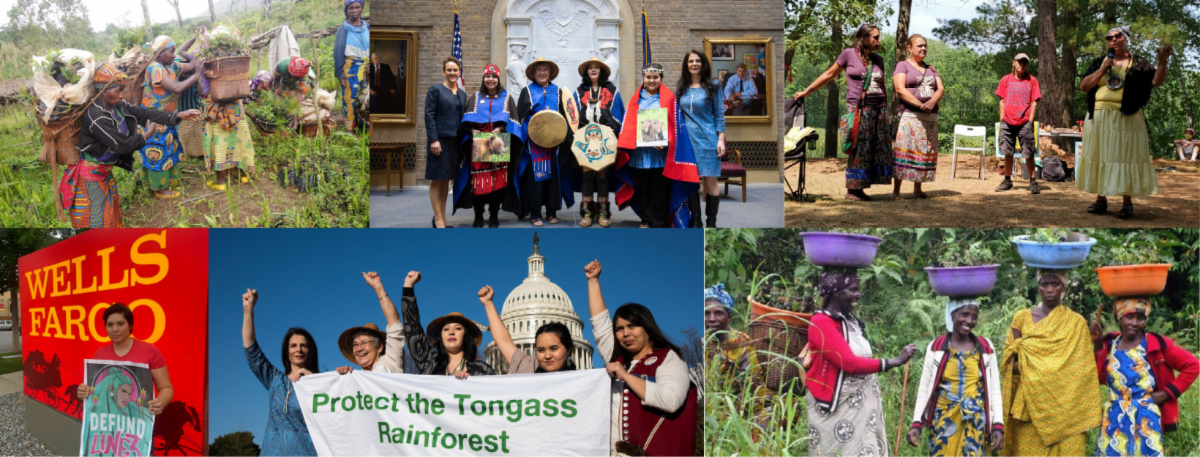
From the frontlines of the tar sands Line 3 pipeline resistance in Minnesota to the rainforests of the Democratic Republic of Congo, women are leading, taking action, and advocating for communities, climate, water, forests and our future.
As we experience precedent-setting heat and wildfires, and ever deadly flooding and other climate disasters, we know now more than ever we need governments and financial institutions to listen to and follow the leadership of women and feminists who are acting for climate justice, building just climate solutions, advancing progressive intersectional policies, and advocating for a just and resilient world grounded in feminist solutions, racial justice, Indigenous and human rights, and protection for Mother Earth.
Please continue on in this newsletter to learn more about our upcoming, virtual Global Assembly, and ongoing actions and advocacy by women and feminists for climate justice.
|
|
Global Women's Assembly for Climate Justice
September 25 - 30, 2021
|
|
This event will be live-streamed globally in four languages. Esto se transmitirá en vivo a nivel mundial en cuatro idiomas. Ce sera diffusé en direct dans le monde entier en quatre langues. Isso será transmitido ao vivo globalmente em quatro idiomas.
Register at the link below! ¡Regístrese en el enlace de abajo!
Inscrivez-vous sur le lien ci-dessous! Cadastre-se no link abaixo!
|
|
During the Women’s Assembly for Climate Justice, grassroots, Indigenous, Black, Brown, and frontline women leaders, global advocates, and policy-makers will join together in solidarity to speak out against environmental and social injustice, draw attention to root causes of multiple interlocking crises, and present the diverse array of visions, projects, policy frameworks and strategies with which they are working to shape a healthy and equitable world. The Assembly is an inclusive space across identities and the gender spectrum.
The climate crisis, the Covid-19 pandemic, and socio-ecological injustices have emerged from interconnected systems of capitalism, racism, the commodification of nature, colonialism, imperialism, and patriarchy. To confront these deepening crises and accelerate a path forward, we need to have collective coherence to address the protection and defense of human rights and nature, and uphold community-led solutions.
Within this struggle, women and feminists must stand at the forefront of policy-making and action. Due to unequal gender norms globally, women are simultaneously the most adversely impacted by climate change and socio-ecological degradation, and yet are indispensable actors and leaders of just and effective solutions. Assembly topics will include the intersectionality of gender, racial and environmental justice; Indigenous rights and resistance efforts; the just transition to renewable, regenerative energy; feminist global policy; women and forest protection and regeneration; fossil fuel resistance campaigns; agro-ecology/farming/soils; environmental racism; feminist care economics and policy agendas; rights of nature; challenging corporate power; and women and feminist leadership across all sectors.
The Assembly will call for urgent action within a climate justice framework and produce an online collection of actions, policy frameworks, and solutions presented at the Assembly to be delivered to global governments, financial institutions and media outlets.
Guiding the Assembly is a growing Steering Committee including: Honorable Dr. Hilda Heine, former President of the Marshall Islands; Casey Camp-Horinek (Ponca Nation), Environmental Ambassador and WECAN Board Member; Ruth Nyambura, African Ecofeminists Collective; Sônia Bone Guajajara (Guajajara), Brazilian Indigenous leader, and Executive Coordinator for the Articulation of Indigenous Peoples of Brazil (APIB); Jody Williams, Nobel Laureate; Helena Siren Gualinga (Kichwa), youth social and climate activist; Xiye Bastida (Otomi–Toltec), climate activist, Fridays for Future NYC; Josefina Skerk (Sami), former Vice President of the Sami Parliament in Sweden; Maude Barlow, former Chairperson of the Council of Canadians; and Osprey Orielle Lake, WECAN Executive Director.
|
|
Seeding the Future:
WECAN Women for Forests in the
Democratic Republic of Congo
|
|
Global forests are on the cusp of ecological collapse, due to deforestation, and industrial-scale logging, mining and extraction that are destroying irreplaceable ecosystems—further driving the climate crisis and environmental degradation. In the face of violence against land defenders, the coronavirus, and forest destruction, diverse groups of women are rising.
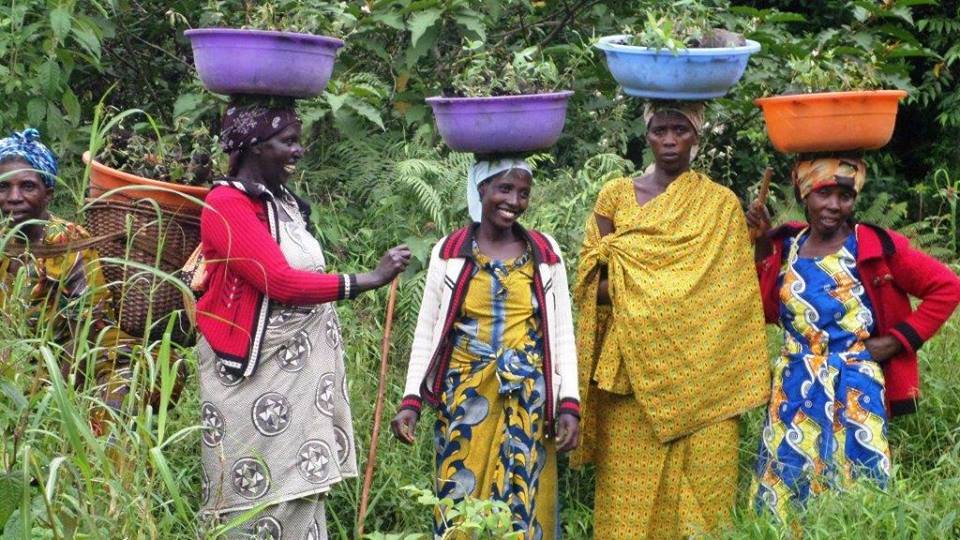
Even with many hardships, WECAN's Women for Forests Program is flourishing this year in different regions in the world as we work to protect old-growth forests, protect Indigenous rights and expand reforestation efforts. Through our project in the Democratic Republic of Congo (DRC), we are honored to release a new video documenting the work of women forest guardians in the DRC. Please click the links below to watch!
|
|
At its current rate of deforestation, scientists estimate that the entire Congo Rainforest will be gone by 2100. Sixty percent of the Congo Rainforest is located in the DR Congo, making this region a vital area of concern. In addition to industrialized logging, illegal timber harvesting operations, mining and farming, local communities have depended entirely on the Itombwe’s old-growth forest for fuelwood and other wood products such as timber, charcoal and medicine. Through trainings and on-the-ground projects, WECAN’s Women for Forests program in the DR Congo addresses these issues through the elevation of women’s leadership, environmental education, widespread reforestation activities and renewal of Traditional Ecological Knowledge.
Since 2014, women in South Kivu Province have been organizing through the Women’s Earth and Climate Action Network (WECAN) in partnership with Synergie des Associations Feminines du Congo (SAFECO) to raise awareness about women’s rights and leadership; the long-term harm of industrial deforestation and illegal logging; protection of the Itombwe Rainforest in relation to climate change solutions; the importance of learning hands-on reforestation techniques; defending the rights of Indigenous Pygmy women and the local communities living in and around forest areas; and renewing cultural practices connected to respecting the land. The program is led by Neema Namadamu, WECAN Coordinator in the Democratic Republic of Congo, who is herself a force of Nature.
|
|
Neema had this to say in a recent program update:
"The women are so happy to be tree-planting. They see our project as tied to their identity; as an opportunity to demonstrate their ability to work a big diverse project to feed their families and reforest their heartland and protect their ancient forests. They see this project as a symbol of the future they are growing and cultivating. This has been a most challenging year, but always we are hopeful with the trees and forest protection."
In addition to education and advocacy work to stop illegal timber harvesting and promote old growth forest conservation, the women of WECAN DRC continue their successful tree nurseries growing over 25 local tree varieties. We have also initiated a food sovereignty component to the program since the pandemic, and local women are now caring for gardens to increase food security in the area, which is located near two displacement camps because of political unrest in the country. You can learn more about our ongoing programming here. |
|
Stop Line 3 Solidarity Actions and Resistance |
|
Defund Line 3 Week of Action
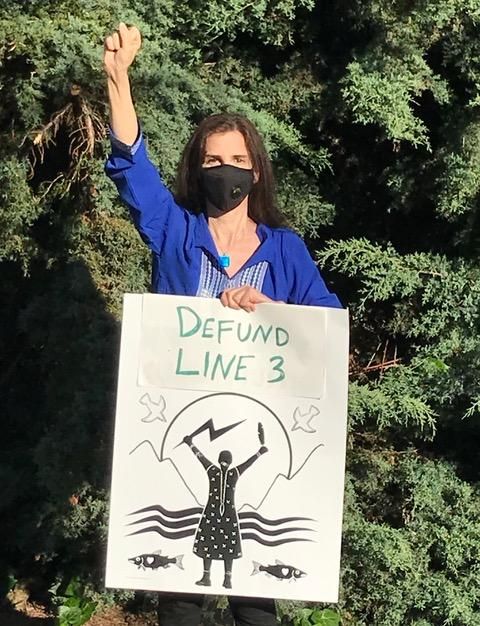
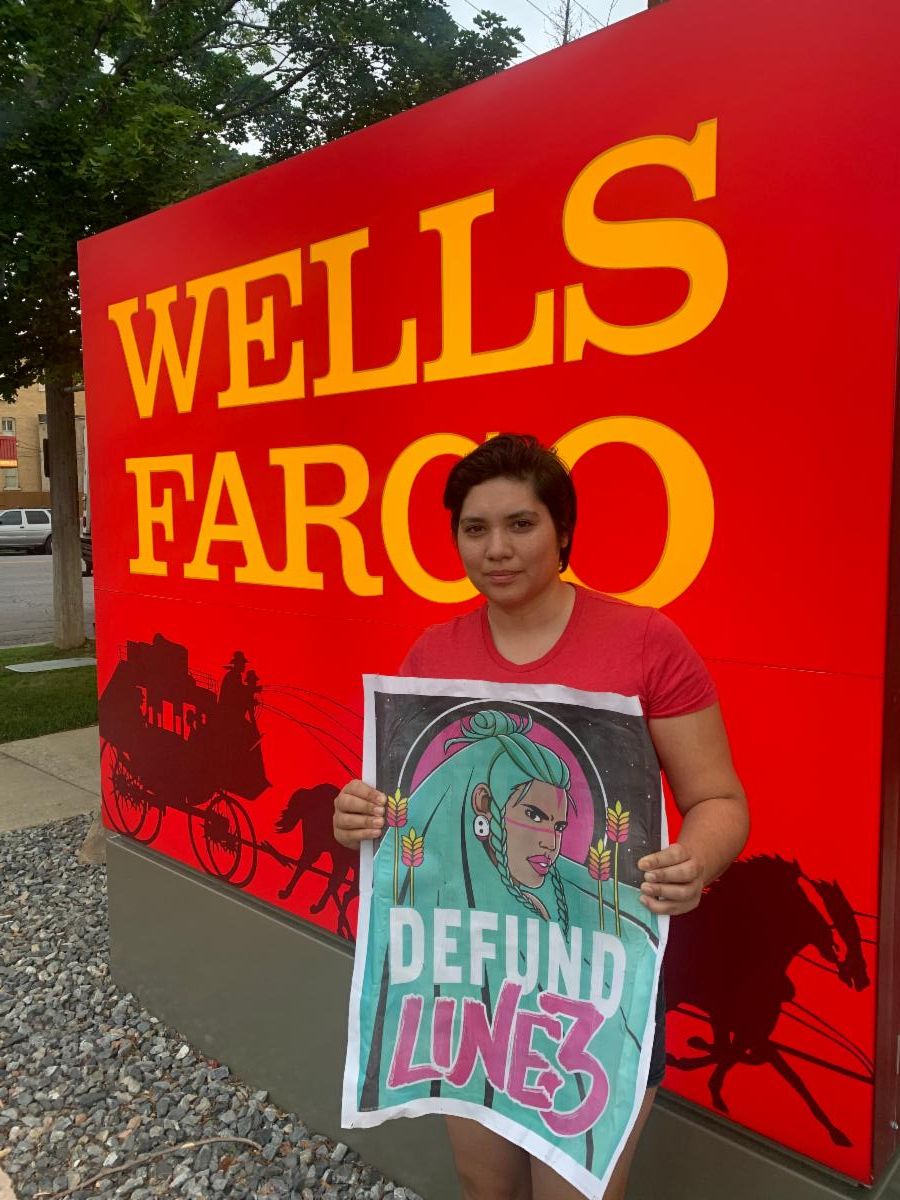
In solidarity with frontline Indigenous groups, the Women's Earth and Climate Action Network (WECAN) took action recently as part of the #DefundLine3 Arts visibility week.
|
|
Line 3 is currently being constructed in Minnesota on Indigenous lands without consent from local tribes. It is set to run from the tar sands of Alberta, Canada, to the shores of Lake Superior, crossing more than 200 bodies of water and 800 wetlands. If built, the tar sands pipeline will release 193 million tons of greenhouse gas into the atmosphere every single year.
WECAN joined many allies in actions calling on financial institutions to end their financing of this disastrous pipeline and to respect Indigenous rights, treaties, and sovereignty. Chase Bank, alongside Wells Fargo, Bank of America, CitiBank and TD Bank ― have loaned billions of dollars to Enbridge so it can build Line 3. These banks are profiting from the Line 3 pipeline. They are enabling the pipeline. They are complicit in the pipeline. And they will be held accountable.
|
|
Women for the Rivers - Stop Line 3 Action |
|
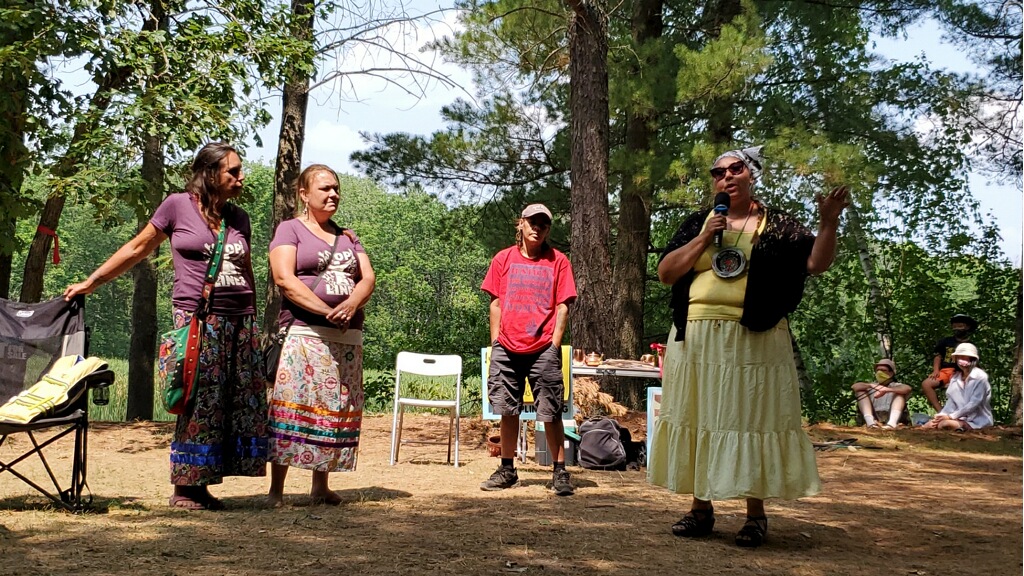
Indigenous Water Protectors at the Women for Rivers - Stop Line 3 action in northern Minnesota, including, Winona LaDuke (far left), White Earth Nation, Executive Director of Honor the Earth, Nancy Beaulieu (second from left), Leech Lake Band, Co-founder of RISE coalition, and Dawn Goodwin (far right), White Earth Band of Ojibwe, Co-founder of RISE Coalition. Photo by Cheryl Barnds/WECAN International. |
|
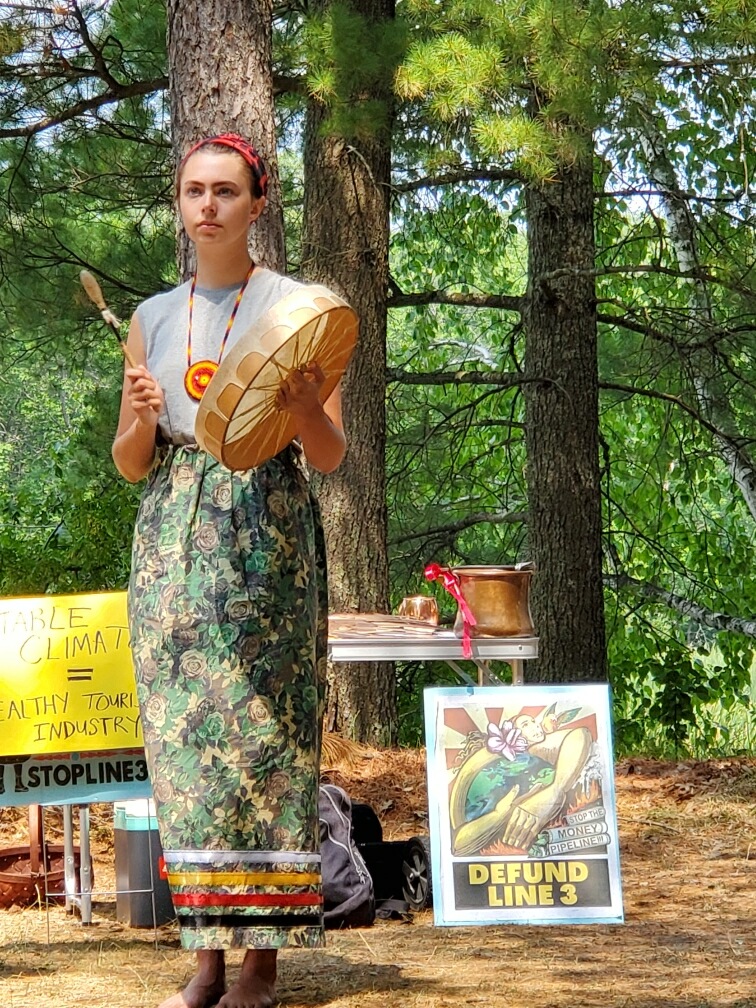
This week WECAN was on the ground in northern Minnesota with, Cheryl Barnds, WECAN Representative, joining frontline resistance efforts to stop the Line 3 pipeline. On July 15, there was a Women for Rivers action led by Honor the Earth, along the Shell River where the Enbridge Line 3 tar sands pipeline is under construction; crossing the river 5 times.
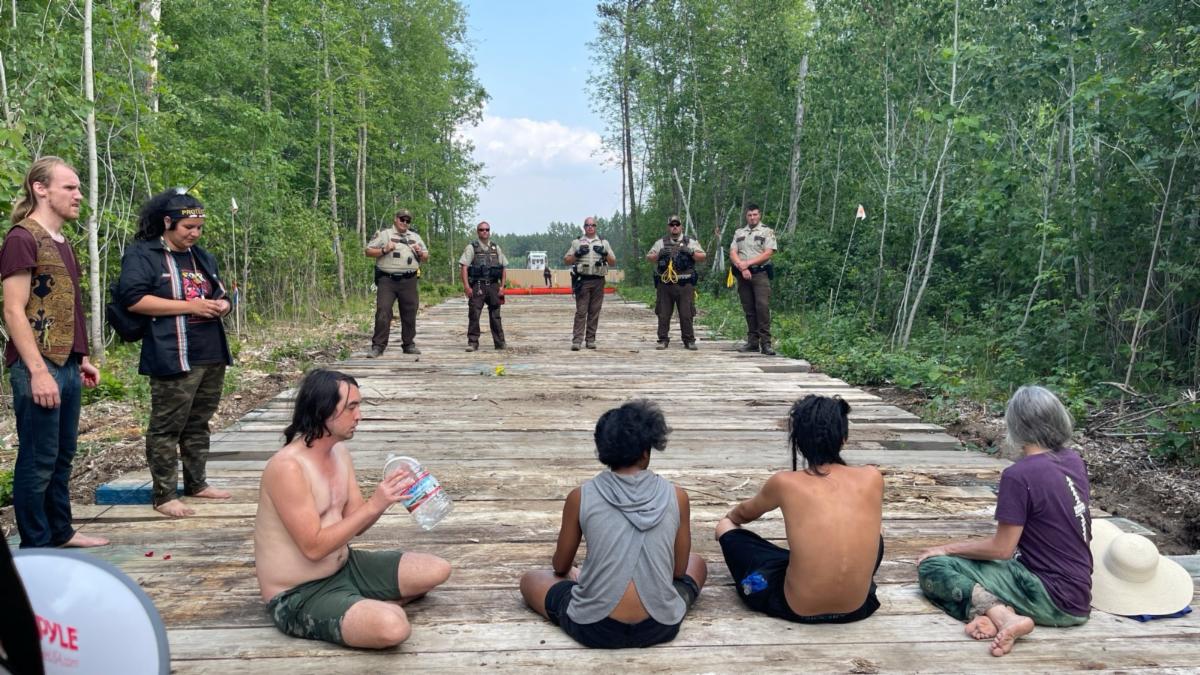
The current Line 3 pipeline route is going through vital waterways, including the headwaters of the Mississippi River, and would destroy sacred wild rice beds and lands that are vital for cultural survival. For months Indigenous leaders and Water Protectors have been putting their bodies on the line to take action against this pipeline.
|
|
A drummer during the Women for Rivers action. Photo by Cheryl Barnds/WECAN International. |
|
Indigenous leaders and allied Water Protectors take action to stop Line 3 construction during the Women for Rivers - Stop Line 3 action, including WECAN Representative Cheryl Barnds (far right). Photo: Keri Pickett/Honor the Earth. |
|
Actions continue to take place on the frontlines to stop Line 3. Please follow, donate, and support frontline water protectors at the links below: |
|
BIG VICTORY! Indigenous Women Uplift Biden Administration’s Decision to Expand Protections in the Tongass National Forest |
|
"Now, with the restoration of the Roadless Rule, we can allow the land to heal and turn toward investment in Indigenous stewardship, local economies, and further protections for the salmon, bears, and all the living beings within Haa Aani, Our Homelands.”
Kari Ames (Tlingit) keeper of traditional life-ways, WECAN Tongass Representative
|
|
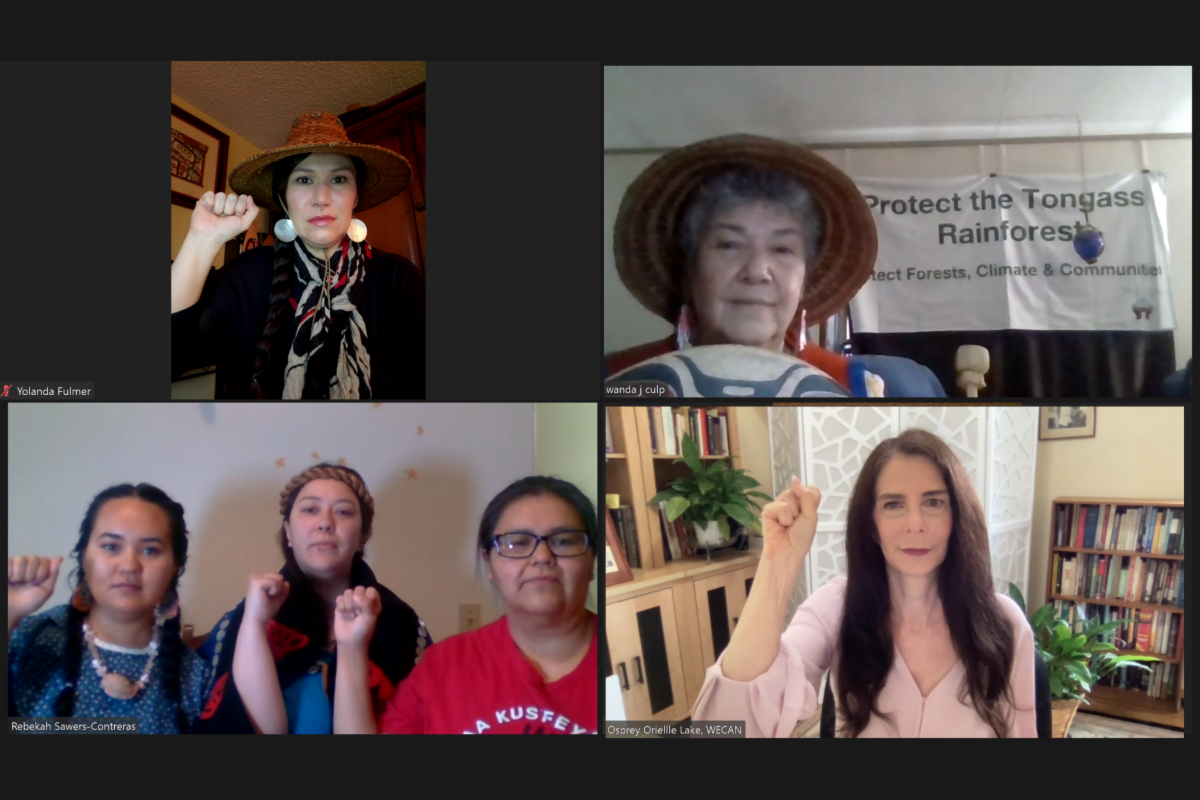
A fourth WECAN Indigenous Women's Tongass Delegation met with White House officials on Monday, July 12 to advocate for the protection of the Tongass. Delegates included: Wanda Kashudoha Loescher Culp (Tlingit), Yolanda Fulmer (Tlingit), Mamie Williams (Tlingit), Rebekah Sawers (Yupik), and Kari Ames (Tlingit). Representatives were joined by Osprey Orielle Lake, WECAN Executive Director.
|
|
This week, the Biden Administration’s USDA announced it will restore full Roadless Rule protections, and end large-scale old growth timber sales across the entire 16 million acres of the Tongass National Forest in Alaska!
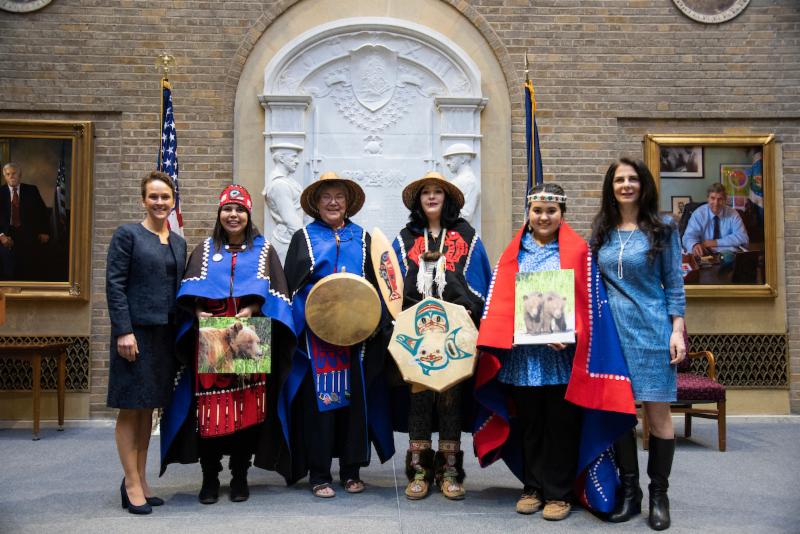
The announcement comes after many years of advocacy by Tribal leadership, and local and national groups, including WECAN. On Monday, ahead of the announcement, a WECAN Indigenous Women’s Tongass Delegation met with White House officials to advocate for the protection of the Tongass forest, Indigenous rights and governance, the immediate reinstatement of the 2001 National Roadless Rule, and an end to all old-growth logging throughout the Tongass.
|
|
The WECAN Indigenous Women's Tongass Delegation advocating for the Roadless Rule in Washington D.C. alongside allies in 2019. Photo Credit: Melissa Lyttle |
|
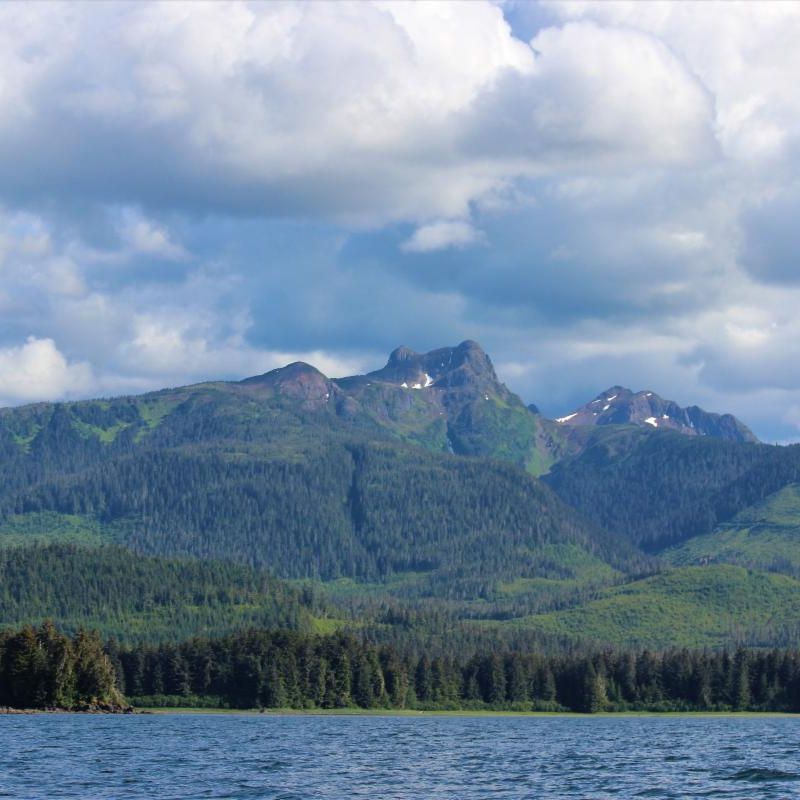
The Tongass exists within the traditional territories of the Tlingit, Haida, and Tsimshian peoples. Protecting the forest is key for ensuring food sovereignty in Indigenous communities and combating centuries of colonial policies seeking to displace Indigenous peoples from their homelands. If the Tongass is left open to further industrial-scale logging and roadbuilding, it will disrupt the traditional lifeways, medicine, and food systems of the region's Indigenous communities, violating Indigenous sovereignty and endangering cultural survival.
The Tongass is responsible for holding more than 40% of all carbon stored by U.S. national forests. As one of the world’s largest remaining intact temperate rainforests, the Tongass is home to over 400 species of land and marine wildlife, and provides economic opportunity to thousands of residents. With Alaska experiencing record breaking weather, maintaining an intact Tongass ecosystem is a critical solution for the U.S. and international climate efforts. Forests are critical for stabilizing the climate, sequestering carbon, providing refuge for unique bio-diverse ecosystems, and meeting the goals of the Paris Climate Agreement. Learn more about our ongoing Women for Forests program here: https://www.wecaninternational.org/take-action-tongass
|
|
Environmental and Rights Defenders Continue to
Rise Up in the Ecuadorian Amazon
|
|
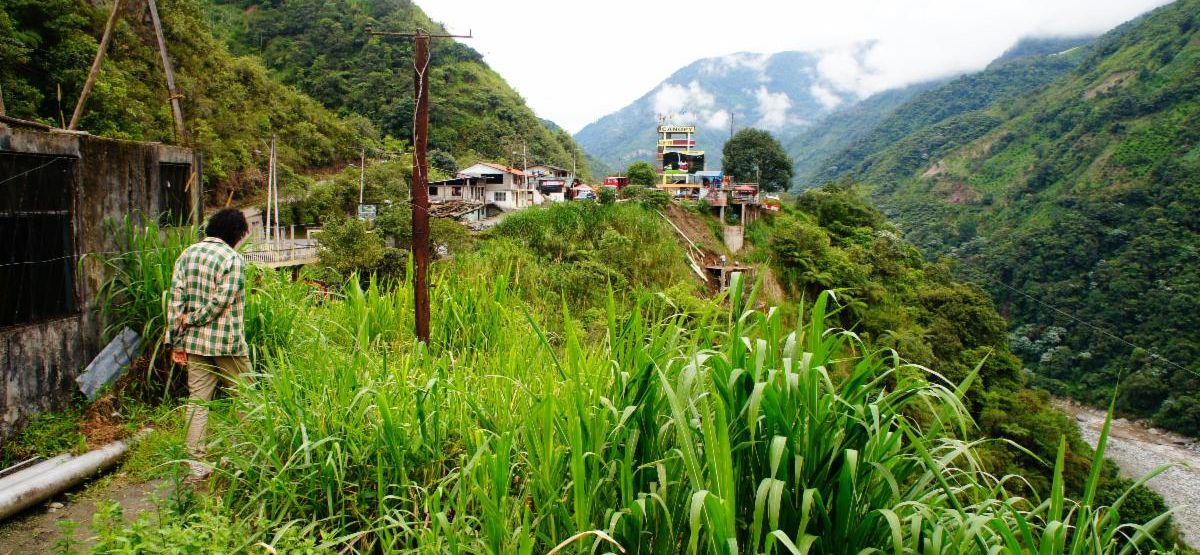
A new report from Ecuador’s Alliance for Human Rights, “Rights Defenders Under Threat in Ecuador: How Government Protection is Insufficient and Favors Industry Interests,” exposes and lays bare the intensifying violence and danger rights defenders in Ecuador face as they fight to protect and defend their communities, cultures, and territories from further destruction. Click here to read the report.
Despite these risks, Environmental and Rights defenders continue to rise up for the protection of their communities, biodiversity, and the Amazon. Recently, The UN Development Programme (UNDP) and partners awarded The Kichwa people of Sarayaku with the 12th Equator Prize, recognizing local and Indigenous communities from around the world.
The Kichwa people of Sarayaku have won legal battles to protect their 133,000-hectare territory in the Amazon rainforest from oil drilling, logging, and road construction. Their “Kawsak Sacha” Declaration (“Living Forest”) seeks recognition for a new category of protected area, reflecting Indigenous worldviews and ancestral practices. WECAN has been honored to support this effort in international forums.
As Indigenous communities in Latin America and the Caribbean speak out and take action, it is also vital that governments and industries respect the rights of environmental and rights defenders, laid out in international treaties and pacts such as the Escazú Agreement.
The Escazú Agreement, is a groundbreaking multi-lateral accord that can help protect women land defenders under attack for defending their lands, and preserve biodiverse ecosystems across Latin America and the Caribbean (LAC). Along with other organizations, WECAN has been advocating for the Escazú Agreement since 2016 and we are very pleased that it was ratified in 2020, and is now going under a process of implementation.
It is important to highlight that Latin America is one of the deadliest regions in the world for environmental land defenders. Combined with entrenched colonial and patriarchal policies, individuals threatened are often times Indigenous peoples and Women Environmental and Human Rights Defenders (WEHRD) fighting for the protection of their communities and territories. Despite violence, frontline and Indigenous women frequently act as the backbones of their communities, knowledge keepers of biodiversity and forests, and leaders in resistance efforts to defend their lands. They are also the inspiration for alternatives and solutions at this critical time of multiple expanding crises. With proper implementation, the Escazú Agreement will secure the rights of land defenders and human rights activists as they work to protect the environment and their communities from further harm.
|
|
The Feminist Green New Deal Coalition Holds a Congressional Briefing to Advocate for Intersectional Climate Justice! |
|
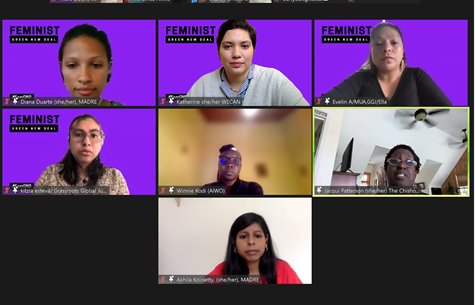
This week, Katherine Quaid (Nez Perce/Cayuse/Paiute), WECAN Communications Coordinator, joined the Feminist Green New Deal Coalition's Congressional Briefing, “Building Feminist Policies for Climate Justice.” As a co-founder of the Feminist Coalition for a Green New Deal, and a member of the Steering Committee, WECAN was honored to participate in this important conversation.
The first of three, these briefings are offering an intersectional feminist analysis of current climate legislation and policy proposals, drawing from the coalition’s recently published policy screening guide: Building Feminist Policies for Climate Justice. Through the briefings, we will build further partnerships with allies and champions of key progressive legislation such as the Women and Climate Change Act, Green New Deal Resolution, THRIVE Act, and Care for All Agenda, and make connections with global grassroots voices to ensure that feminist analysis is grounded through these legislative proposals. Be welcome to watch the recordings of the briefing at this link for English, or this link for Spanish. |
|
Speakers Included:
-
Congresswoman Barbara Lee (D-CA 13th District)
-
Jacqui Patterson, Founder and Director, The Chisholm Legacy Project
-
Winnie Kodi, Program Assistant, Africa Indigenous Women's Organization (AIWO)
-
Katherine Quaid (Nez Perce/Cayuse/Paiute), Communications and Outreach Coordinator, Women’s Earth and Climate Action Network (WECAN)
-
Evelyn Alfaro, Domestic Worker Leader, Mujeres Unidas y Activas and Grassroots Global Justice Alliance (GGJ)
-
Kitzia Esteva, Grassroots Feminisms National Organizer, Grassroots Global Justice Alliance (GGJ)
- Moderated by Akhila Kolisetty, Policy and Campaigns Manager, and Diana Duarte, Director of Policy and Strategic Engagement at MADRE
|
|
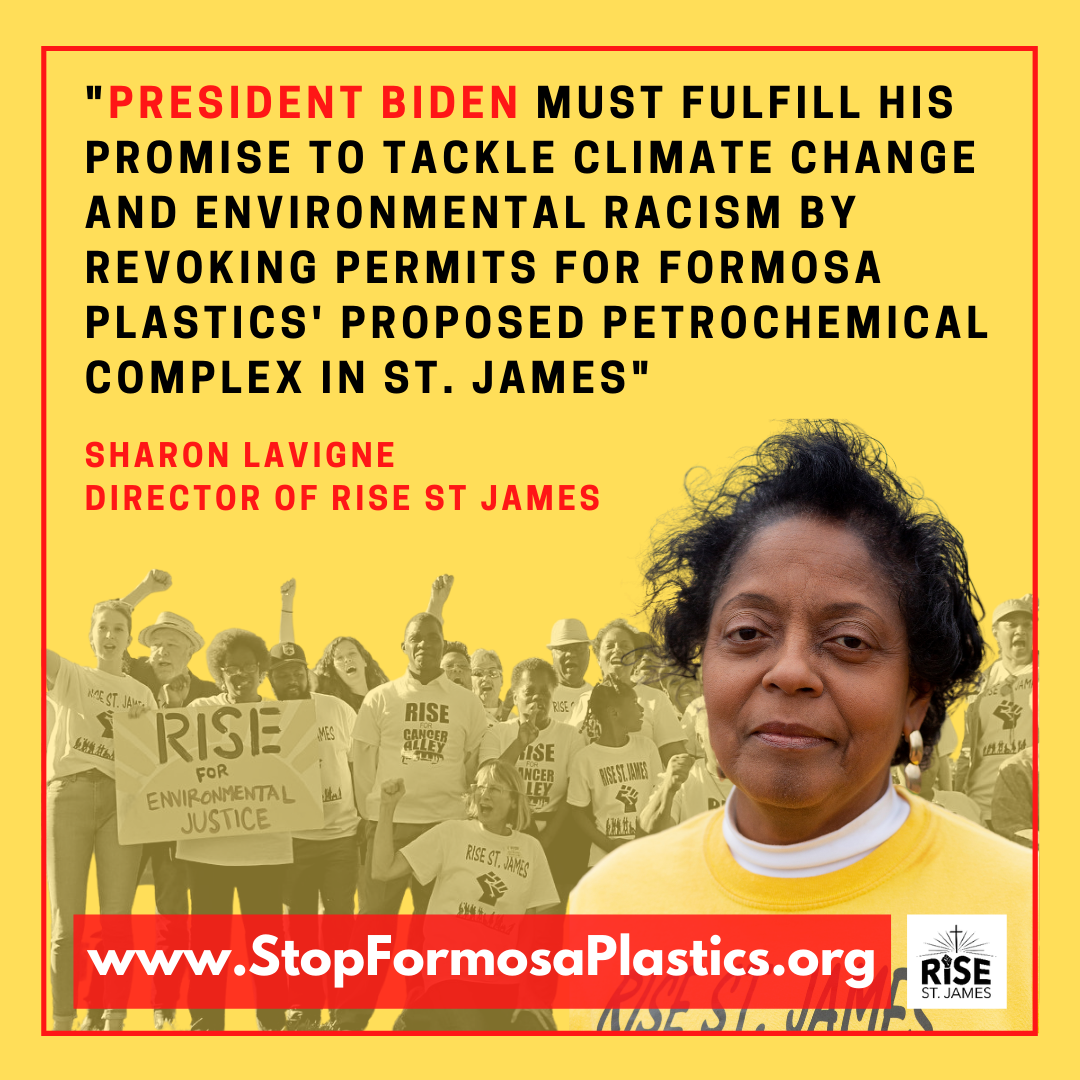
Help Stop Formosa Plastics in Louisiana! |
|
Formosa Plastics is working to build a massive petrochemical plant in St. James Parish, Louisiana. The Formosa plastics plant would pollute predominantly African American/Black communities, disturb unmarked burial sites of formerly enslaved people, degrade wetlands, and deepen the plastic pollution crisis.
It would also generate over 13 million tons of greenhouse gases, fueling the climate crisis. Tell President Biden to protect local communities from toxic air and water pollution and revoke Formosa’s permits today. Take action now: bit.ly/BidenStopFormosaPlastics
Black, Indigenous, Latinx women are on the frontlines of extraction and pollution in St. James Parish and across North America. WECAN's recent report spotlights the negative gendered and racial impacts of the fossil fuel industry. Learn more: http://bit.ly/2021WECANreport
|
|
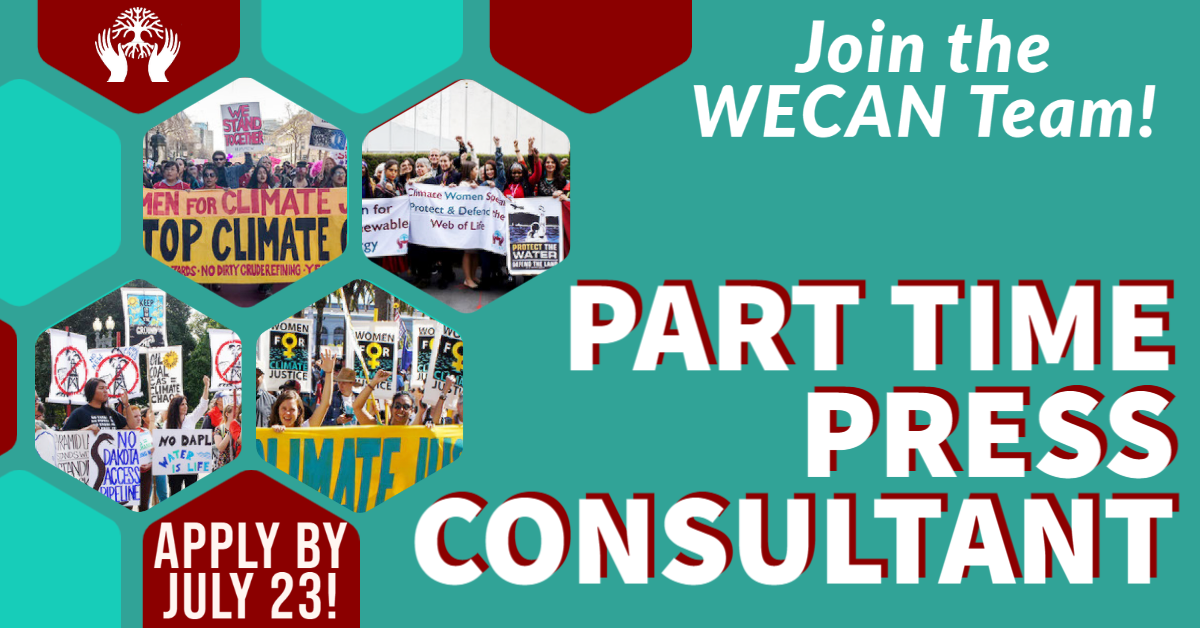
Join the Team!
WECAN is seeking a Press Consultant
|
|
Join the WECAN Team! WECAN is seeking a Press Consultant in a part-time contracted position to publicize our upcoming, ‘Women’s Assembly for Climate Justice: Solutions from the Frontlines and the Protection and Defense of Human Rights and Nature’, a free, gender-diverse public forum to take place virtually this September, in parallel to the UN General Assembly.
The Press Consultant will work remotely, under the guidance of WECAN International’s Executive Director, and in collaboration with the Communications Coordinator and Virtual Event Coordinator, to oversee media and press engagement for the Assembly.
|
|
Please stay tuned as we continue to uplift the leadership and solutions of women worldwide fighting for climate justice and the defense of the planet for current and future generations. |
|
For the Earth and All Generations,
Women's Earth and Climate Action Network
(WECAN) International Team
|
|
S T A Y C O N N E C T E D |
|
|
|
|
|
|