9 Ways to Encourage Your Children’s Individuality
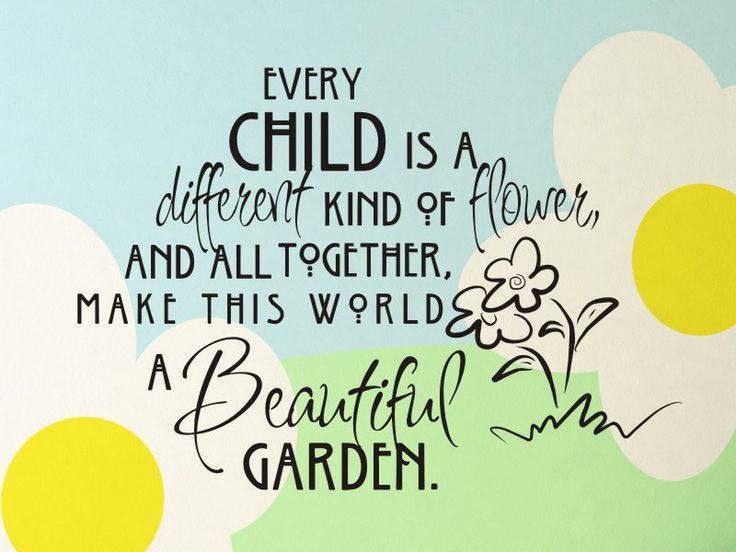
Appreciating your children’s uniqueness
Even if your children are the spitting image of you, unless they are clones, you know that they are going to be different from you. And if you do indeed have more than one, they are going to be different from one another. This uniqueness contributes to the “personality” of your family, a potential gift or hindrance depending on how this uniqueness is received and treated.
A great deal of the conflict I see in families comes from parental expectations that their children be more like them— or sometimes less like them— in some way or another. Are you willing to let go of potential power struggles and frustration over these differences and similarities? Here are some tips to help you appreciate the uniqueness each child possesses. (Oh, and by the way, these suggestions apply to adult relationships too!)
• Don’t compare them to anyone else, including yourself, their siblings, the neighbors, or other children their age.
• Accept that they may like many things that you don’t, and that they may hate things you really value and like. Remember that these differences are among the many things that make each human being special.
• Make a list of your children’s talents, preferences, and best attributes. This can help shift your focus to things you really appreciate about your kids. Add to this profile whenever possible.
• Difficult as it may be, drop your agenda for who (or what) you want your children to be (or become). Accept your children for who they are and were meant to be.
• Examine your attachment to their appearance, interests, preferences, and goals. To what extent do you need for them to look or act a certain way to feel competent as a parent or validated as a person? To what extent are you embarrassed by— or apologetic for— the choices they make? The “shoulds” we impose on others are often more about us than about them.
• Encourage their attempts to explore their identity, even though it may seem to take them in some strange directions sometimes. Emphasize safety and help them think through the outcomes decisions they may make. (See Questions, Not Answers, and Alternatives to Advice Giving for more information.)
• Quit worrying about what the neighbors (or your in-laws) are saying.
• Support and encourage individual interests. Respect the fact that kids may lose interest or change their minds as they explore different things.
• Let them select and wear their own clothes. (If your children are young or have a hard time making decisions, you might want to limit the choices to “either of these two sweaters” or “any t-shirt in this drawer” to help them develop decision-making skills and independence.) Help them understand the messages their appearance gives out and to make choices appropriate for the occasion or venue. Remember that today’s identity may soon be yesterday’s experiment.
Your children need and deserve love, acceptance, and respect regardless of what they do with their hair, whom they want to date, or which career they wish to pursue. (Minimize their need for them to act out for power or attention by allowing them to meet those needs in positive, healthy, and constructive ways.)