November
News
As we move into November, this month's newsletter highlights important health, caregiving, and community awareness observances that support healthy aging and well-being. Inside, you'll find information on Medicare Open Enrollment, resources for National Family Caregivers Month, and tools to help individuals and families learn more about diabetes, COPD, Alzheimer's disease, and men's mental health.
We're also recognizing Native American Heritage Month, Diwali, and Veterans Day, with opportunities to learn from and celebrate the cultures, experiences, and contributions that strengthen our communities. Whether you're looking for trusted health information, support for a loved one, or ways to connect with important causes, we hope you'll find valuable resources throughout this month's edition.
| | California Medicare Open Enrollment is Here.
Have You Reviewed Your Coverage? | | |
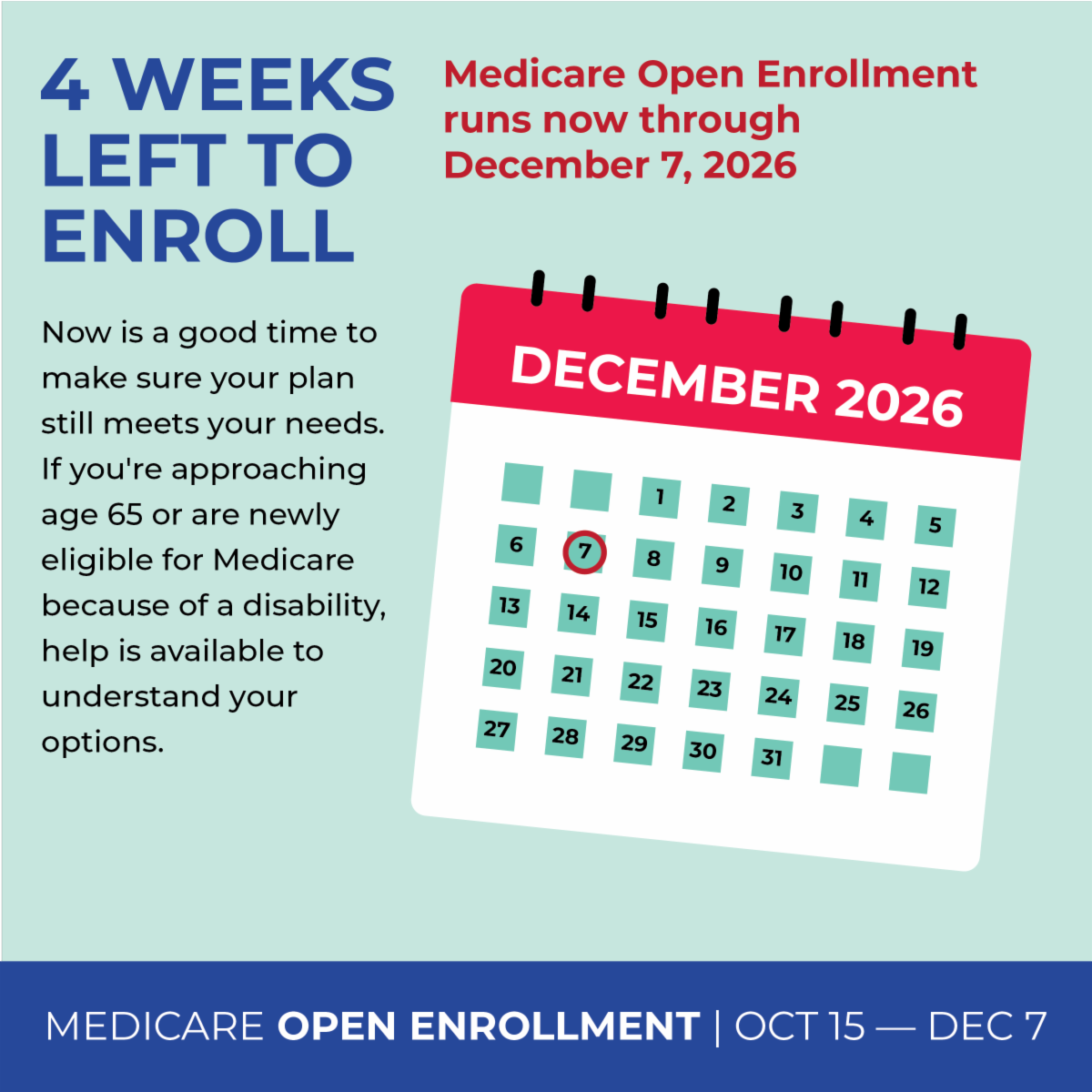
Medicare Open Enrollment runs from October 15 through December 7, 2026, giving people with Medicare the opportunity to review their current coverage and make changes for the coming year.
During this time, you can:
- Join or switch a Medicare Advantage
(Part C) plan
- Change your Medicare prescription drug (Part D) plan
- Return to Original Medicare
Any changes you make will take effect on January 1, 2027.
If you're already enrolled in Medicare, now is a good time to make sure your plan still meets your needs. If you're approaching age 65 or are newly eligible for Medicare because of a disability, help is available to understand your options.
Need Help Paying for Medicare?
If Medicare costs are straining your budget, you may qualify for programs that can help lower your expenses.
The Low-Income Subsidy (Extra Help) program may help pay Part D prescription drug costs for eligible beneficiaries with limited income and assets. Medicare Savings Programs (MSPs) may help cover Medicare premiums, deductibles, coinsurance, and copayments for qualifying individuals.
Free, Unbiased Medicare Counseling
The Health Insurance Counseling & Advocacy Program (HICAP) provides free, confidential, one-on-one counseling to help individuals and families understand Medicare, Medi-Cal, prescription drug coverage, long-term care insurance, and other health insurance options.
Are you:
-
Turning 65 and wondering when to enroll?
-
Confused by Medicare Parts A, B, C, and D?
-
Unsure whether your current plan is still the best fit?
-
Looking for help with prescription drug costs or other Medicare expenses?
A trained HICAP counselor can help.
Call HICAP at 1-800-434-0222 or visit www.HICAPservices.net to schedule assistance. HICAP serves residents of El Dorado, Nevada, Placer, Sacramento, San Joaquin, Sierra, Sutter, Yolo, and Yuba counties.
| | |
Medicare in 2027:
What's New & Changing
Stay up to date with Medicare changes so you can make health care decisions that are right for you.
Click the button below to view a fact sheet about upcoming changes to Medicare.
| |
| | |
National Family Caregivers Month:
Supporting Those Who Care for Others
| | |
November is National Family Caregivers Month, a time to recognize and honor the millions of family caregivers who provide unpaid care to aging parents, spouses, relatives, friends, and neighbors. More than 53 million Americans serve as caregivers, helping loved ones remain safe, healthy, and independent at home.
Family caregivers often coordinate medical appointments, manage medications, prepare meals, provide transportation, assist with personal care, and offer emotional support. While caregiving can be rewarding, it can also bring stress, exhaustion, financial strain, and feelings of isolation. Many caregivers spend countless hours caring for others while neglecting their own health and well-being.
This month serves as an important reminder that caregivers need support, too. Access to information, respite, education, and community resources can help caregivers maintain their own health while continuing to care for those who depend on them.
Supporting Caregivers
If you are a caregiver or know someone who is, the Caregiver Action Network's National Family Caregivers Month campaign offers educational resources, personal stories, advocacy information, and a series of free webinars featuring caregivers, experts, and community leaders.
For practical caregiving guidance, the Caregiver Action Network's Caregiver Toolbox provides resources organized by caregiving situation and health condition, making it easier to find information relevant to your family's needs.
The National Council on Aging (NCOA) also offers articles, tools, and wellness resources to help caregivers navigate challenges while prioritizing their own health and well-being.
| | AARP Sacramento Hosts Events for National Family Caregvers Month | | |
Caregiver
PaintFest
November 10
ACC Senior Services,
7334 Park City Drive
Sacramento
Join AARP Sacramento, OCA, ACC Senior Services, and ACAAPS for an inspiring evening where compassion meets creativity.
Enjoy dinner, participate in a guided painting activity, connect with fellow caregivers, and take time to recharge in a supportive environment. No artistic experience is necessary. Register by November 8.
| | |
Caregiving Summit: Building a Caring Community
November 12
Aggie Square
4480 2nd Ave
Sacramento
Join a day of learning, connection, and support for caregivers, families, and community members.
Hear from author Kate Washington, explore valuable workshops, discover local resources, and connect with others who understand the caregiving journey.
| | |
Caregiver Respite Luncheon
November 23
Todo Un Poco
9080 Laguna Main St
Elk Grove, CA 95758
Take a well-deserved break and join fellow caregivers for a complimentary lunch. Enjoy an opportunity to relax, recharge, and connect with others who understand the rewards and challenges of caregiving.
This event is exclusively for caregivers; no guests, please.
| |
Local Support Through Care 4 Caregivers
Agency on Aging Area 4's Care 4 Caregivers program provides free information, support, education, and referrals for family caregivers throughout our seven-county service area.
Care 4 Caregivers (C4C) is for anyone providing unpaid care or support to a family member, partner, friend, or loved one. C4C provides support, resources, and optional one-on-one guidance to help you manage your challenges, reduce stress, and feel more confident in your caregiving journey.
Click the button below to learn more about the program or text ENROLLC4C to 43386 to enroll.
| | |
Breathe Easier: COPD Awareness Month | |
| | |
|
November is COPD Awareness Month, a time to increase understanding of chronic obstructive pulmonary disease (COPD), a group of progressive lung diseases that includes emphysema and chronic bronchitis.
COPD is a leading cause of illness and death worldwide, but early diagnosis and treatment can help people manage symptoms, improve quality of life, and stay active.
Know the Signs
COPD often develops gradually, making it easy to overlook early symptoms. Common signs include:
- Shortness of breath during everyday activities
- Frequent or chronic coughing
- Wheezing
- Chest tightness
- Excess mucus production
- Unusual tiredness or fatigue
If you or someone you know is experiencing these symptoms, talk with a health care provider. Early detection can help slow disease progression and improve long-term health outcomes.
Take a Risk Screening
The COPD Foundation offers a free online COPD Risk Screener to help individuals understand whether they may be at risk and whether they should discuss testing with their health care provider.
Learn More and Find Support
The COPD Foundation provides educational resources, advocacy opportunities, and a free guide, The Basics of COPD, to help individuals better understand the disease and available treatment options.
Download the guide here.
The American Lung Association also offers information on living well with COPD, support programs, and resources for caregivers and family members.
| |
| | Alzheimers' Awareness Month | | | |
November is Alzheimer's Awareness Month, a time to increase understanding of Alzheimer's disease and other forms of dementia, support those affected, and recognize the important role of family caregivers. More than 6 million Americans are living with Alzheimer's disease, the most common form of dementia.
Forgetfulness or Dementia?
Occasional forgetfulness can be a normal part of aging, but memory loss that disrupts daily life may signal something more serious. Understanding the difference between age-related memory changes and the warning signs of dementia can help individuals seek evaluation and support sooner.
Learn more: Memory Problems, Forgetfulness, and Aging
Creating Dementia-Friendly Spaces
The physical environment can have a significant impact on a person living with dementia. Simple design choices can help improve safety, reduce confusion, and support independence at home. See examples through the Alzheimer's Foundation of America's model residence, The Apartment.
Understanding Dementia
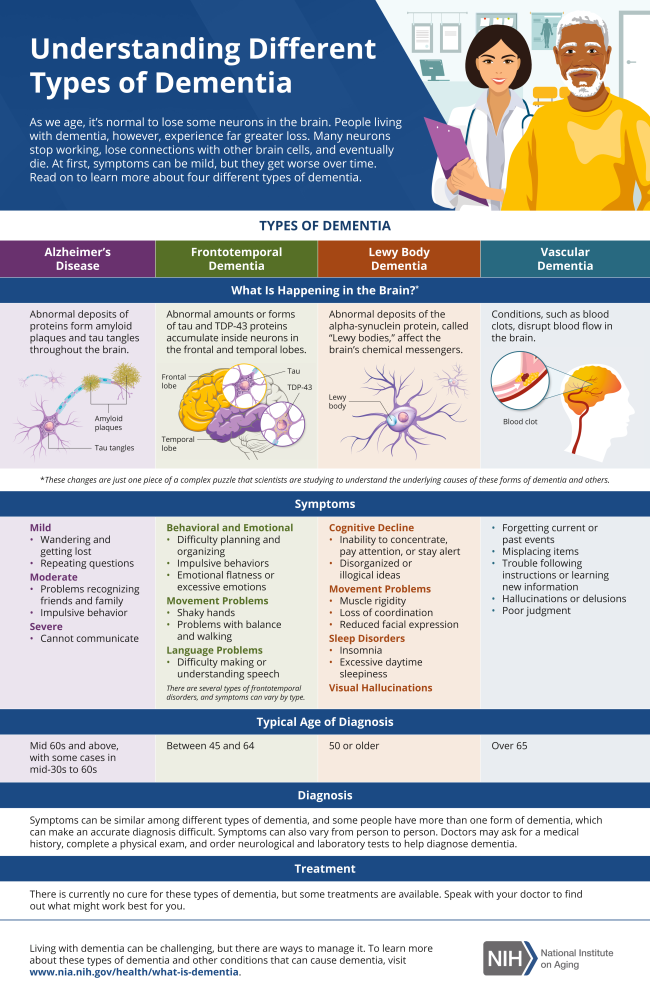
"Dementia" is an umbrella term for conditions that affect memory, thinking, and everyday functioning. Alzheimer's disease is the most common cause, but there are several types of dementia, each with its own symptoms and progression.
Explore the different types of dementia: What Is Dementia?
Or, right click the image below to download this handy chart.
| | | |
|
November is American Diabetes Month, a time to raise awareness about diabetes and the steps people can take to prevent or manage it.
Diabetes affects more than 38 million Americans, with millions more living with prediabetes. Left unmanaged, diabetes can increase the risk of serious health complications, including heart disease, kidney disease, nerve damage, and vision loss.
Raising awareness about prevention, early detection, and healthy lifestyle habits can help people reduce their risk and live healthier lives.
| |
| | | |
Know Your Risk
Type 2 diabetes is the most common form of diabetes, and many people may not realize they are at risk. Risk factors can include age, family history, excess weight, and physical inactivity.
Take the American Diabetes Association's Diabetes Risk Test to learn your risk and discover steps you can take to protect your health.
Newly Diagnosed?
A diabetes diagnosis can feel overwhelming, but you don't have to face it alone. With healthy eating, physical activity, medical care, and support from others, diabetes can be successfully managed.
The American Diabetes Association offers practical guidance for people who are newly diagnosed, including information on treatment, nutrition, and emotional well-being. Explore Living with Diabetes: Newly Diagnosed to get started.
Healthy Eating Tips
Healthy eating plays an important role in preventing and managing diabetes. Focus on:
- Non-starchy vegetables
- Lean proteins and plant-based proteins
- Fruits, whole grains, and other quality carbohydrates
- Healthy fats
- Less added sugar and fewer processed foods
- Water or other low-calorie beverages
For meal planning tips, recipes, and nutrition guidance, visit the American Diabetes Association's Healthy Eating resource center.
| |
| | |
Try the Diabetes Plate Method
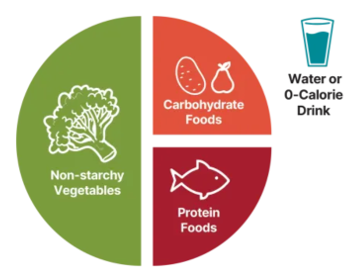
One simple approach to balanced meals is the Diabetes Plate Method. Using a 9-inch plate:
- Fill ½ the plate with non-starchy vegetables
- Fill ¼ of the plate with lean protein
- Fill ¼ of the plate with healthy carbohydrates
Learn more about building balanced meals at the Diabetes Food Hub.
Trusted Resources
Looking for reliable information? The American Diabetes Association provides educational resources on prevention, management, healthy living, and common diabetes myths.
The National Institute of Diabetes and Digestive and Kidney Diseases (NIDDK) also offers evidence-based information on diabetes, treatment options, and research advances.
| |
| | | | |