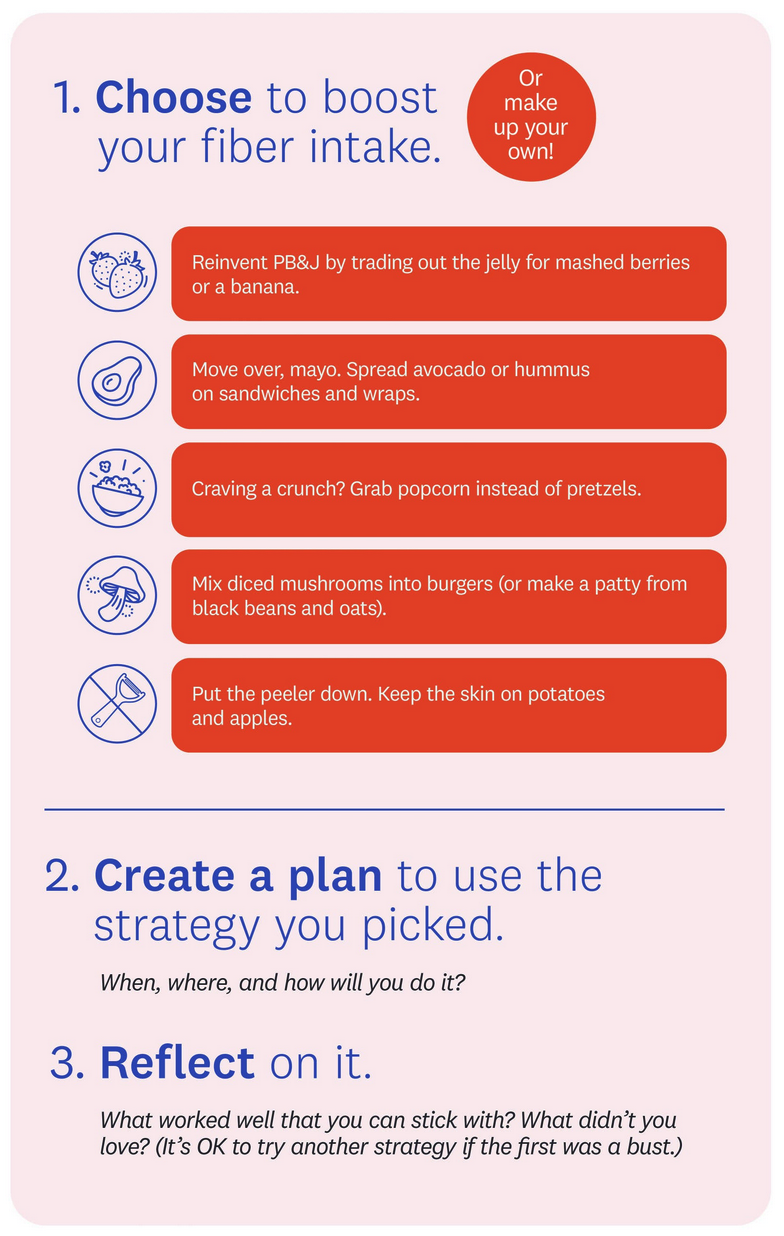
Fiber has been getting some good press in recent years. What used to only be a tool for constipation relief found in prunes or a supplement, is now the center of many diet plans to help with weight loss, fight inflammation, boost heart health and prevent other chronic health conditions. And new research shows we can add another benefit to fiber's lengthy list: improving your sleep.
One-third of us get less than 7 hours of sleep per night—and experts believe it's causing a health crisis in our nation. Sleep is essential for our mental, heart, and immune health, as well as helping us maintain a healthy weight. Most of us blame our sleep problems on stress, technology, or our partner's sleeping habits, but new research shows boosting our fiber intake could help us get the sleep we are craving—thanks to what happens in our gut.
The Gut-Sleep Connection
"Have you ever noticed that when you're sleep deprived you also have a ravenous appetite, like a dog that's been caged up for a week and was just released to its first big meal? Research shows that sleep deprivation causes a shift in your microbiome that resembles what you find in someone with obesity," Bulsiewicz says. "They also found that insulin resistance gets worse when this happens. This means that you could eat the exact same food but spike your blood sugar simply due to a bad night's rest and the resulting changes in your microbiome."
Dr. B says a recent study out of Nova Southeastern University discovered that sleep and the microbes in your gut feed off each other. Their research found that when you lose sleep, you also lose diversity in your microbiome. Thankfully, the reverse is true and getting the 7-9 hours of sleep you need will replenish the diversity of bacteria in your gut. The diversity of your microbiome is essential for holistic health, as different microbiota are associated with different health benefits—including reducing your risk of developing chronic diseases.
"Not only have I seen it in my patients, but I've lived it first hand," Bulsiewicz says. "Our gut microbes thrive on consistency. Jet lag or even the hangover of daylight savings time can be traced back to its origins in your gut."
Dr. B says when he was an internal medicine resident working 30 hours straight at a time, he was typically too busy to eat, picking up fast food on the way home before crashing for 16 hours straight and repeating the process all over again. He says it wasn't long before he gained weight (about 50 pounds), increased his blood pressure and anxiety and developed digestive issues. Upping his fiber intake and focusing on his gut health was crucial for him to lose the weight, lower his blood pressure and reduce his anxiety during this busy season of his life.
"Shift workers or those traveling like nurses, police officers and flight attendants are particularly susceptible to these issues by nature of their profession," Bulsiewicz says. "Yes, part of getting their gut back on track involves dietary change to embrace more fiber in the diet. But it also is simple little things like going to bed early and getting at least eight hours of sleep that can really get someone back on track."
Gut-Healthy Behaviors to Implement for Better Sleep
"Sleep is a time for rest, both for you and for your gut," Bulsiewicz says. "That means the best gut-friendly behavior around sleep time is to let your gut rest. By gut rest, I'm calling out all you late-night snackers! Your gut thrives on the consistency and timing of food. It's best to have an early dinner and then water fast for several hours prior to bedtime."
The Bottom Line
Simply boosting your fiber intake isn't a surefire way to start getting the sleep your body needs—especially if you are living with a sleep-related health condition—but it's a great place to start. 95 percent of us don't get enough fiber, so upping your daily intake of fiber-rich foods can only help boost your overall health.
Adopting other healthy lifestyle behaviors, such as exercising regularly, cutting off caffeine consumption by lunchtime, staying hydrated and unplugging from technology at least 30 minutes before bedtime are all great ways to encourage healthy sleep.