San Francisco Bay Area Chapter

Monthly Meeting (Virtual)

Our Mission


To Promote Employee Assistance Programs as an effective means of enhancing the well-being and productivity of employees in the workplace, and to facilitate the professional identification of Chapter members and the development of quality Employee Assistance in the San Francisco Bay Area.

October 13, 2026

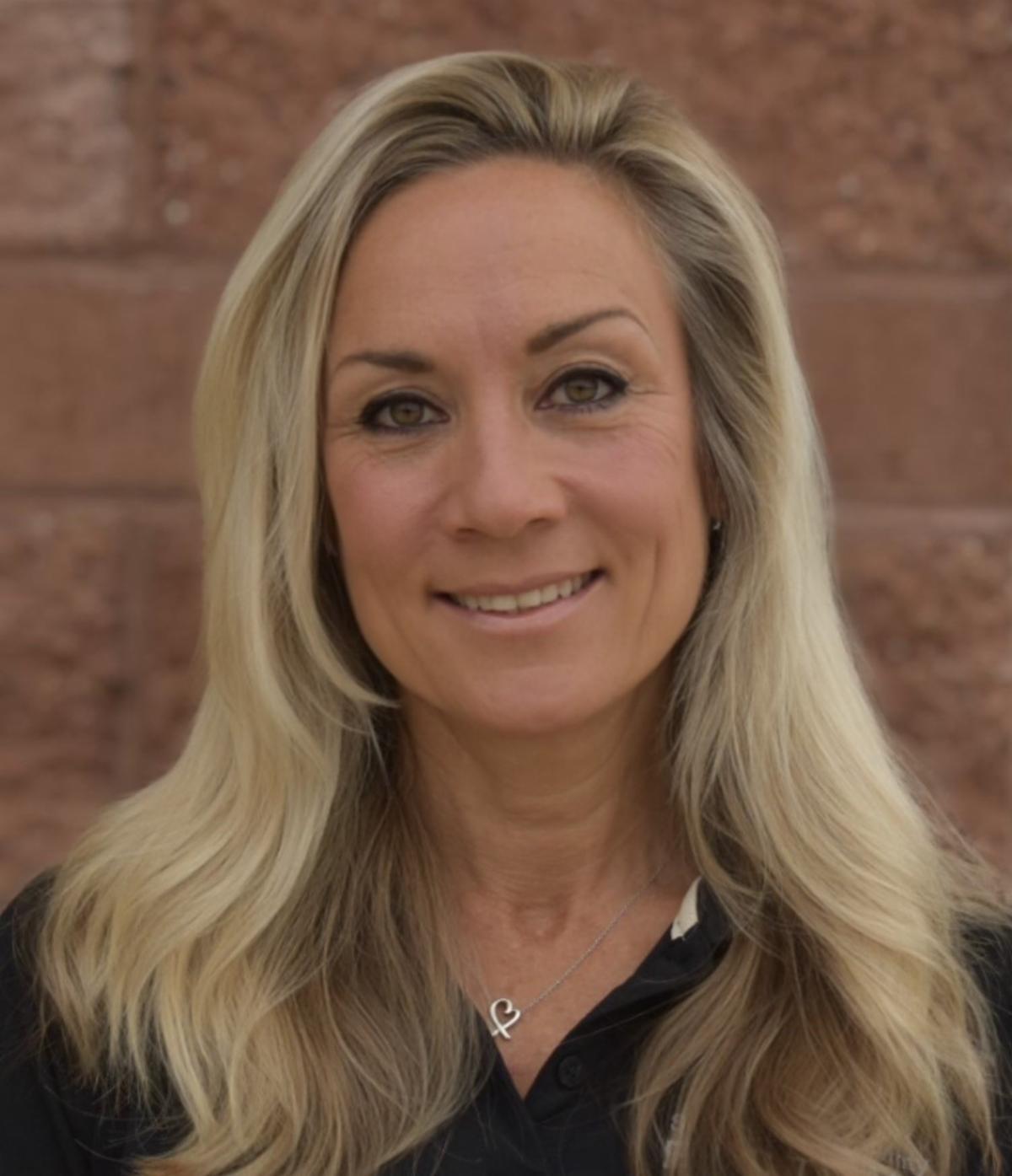
Suzanne Grimmesey, LMFT


Topic:

Fostering Workplace Well-Being and the Importance of Social Connection


Description:

Today’s workplaces are experiencing unprecedented changes that affect employee well-being, organizational culture, and workforce engagement. This interactive 90-minute presentation equips Employee Assistance Professionals (EAPs) and mental health counselors/counseling

with evidence-informed strategies to support workplace well-being by helping organizations strengthen the conditions that allow employees to thrive.


Using the U.S. Surgeon General’s Five Essentials for Workplace Mental Health and Well-Being framework and the Our Epidemic of Loneliness and Isolation Advisory, participants will examine the evolving role of EAP professionals and mental health counselors/counseling in supporting

leaders, consulting with organizations, and fostering healthier, more connected workplaces. Through case examples, facilitated discussion, and interactive audience engagement, participants will explore practical opportunities to strengthen workplace connection, belonging,

and organizational well-being while remaining within the scope of EAP and mental health counselors/counseling practice.

Presentation Schedule:

11:30am-12:00pm - Group Introductions


12:00pm-12:10pm

Welcome, objectives, Mentimeter, workplace well-being


12:10pm-12:25pm

The changing workplace


12:25pm-12:50pm

Five Essentials of Workplace Well-Being


12:50pm-1:10pm

Social connection and the Surgeon General's Advisory


1:10pm-1:25pm

The evolving tole of EAP professionals and mental health counselors/counseling


1:25pm-1:30pm

Key takeaways, questions, evaluation

Goals:

  1. By the end of the presentation, participants will be able to describe how workplace conditions influence employee well-being and organizational effectiveness
  2. By the end of the presentation participants will be able to apply the Surgeon General's Fice Essentials framework when consulting with organizations to promote healthier workplaces.
  3. By the end of the presentation, participants will be able to integrate strategies that strengthen social connection and belonging into EAP and mental health conselors/counseling consultation and orgainzational support.


Objectives:

  1. Participants will be able to identify the five components of the U.S. Surgeon General;s Framework for Workplace Mental Health and Well-Being.
  2. Participants will be able to describe at least three workplace changes that have influenced employee well-being over the past several years.
  3. Participants will be able to appy at least three practical strategies EAP professionals and mental health counselors/counseling can use to help leaders and teams.

Bio:

Suzanne Grimmesey is a licensed Marriage and Family Therapist with over 30 years of experience in the behavioral health field, serving the Santa Barbara County communities. Since 1998, she has held key

leadership roles within the County of Santa Barbara’s Department of Behavioral Wellness, where she is a member of the Executive Team, bringing over 25 years of executive leadership experience.


After many years in clinical operations, Suzanne now serves as the department’s Chief of Strategy and Community Engagement, as well as its Public Information Officer (PIO). In these roles, she oversees strategic initiatives, community partnerships, and public communications. She is a member of the county’s Public

Information Team and leads critical incident debriefings for county departments, first responders, schools, and the wider community. Suzanne also plays a key role in disaster behavioral health, acting as the Behavioral Health lead during activations of the County’s Emergency Operations Center.


With certification in Critical Incident Stress Management, Suzanne's experience includes leading response efforts during major community crises such as the Isla Vista Mass Murder, Thomas Fire, 1/9 Debris Flow, Borderline Shooting, family mass murders, the Conception Dive Boat tragedy, various wildfire incidents, and the COVID-19 pandemic. She is the lead coordinator for the Community Wellness Team, a collaborative effort formed in response to the Thomas Fire and 1/9 Debris Flow, which continues to provide support during high-

stress events. Suzanne has also contributed to the California Department of Health Care Services (DHCS) Disaster Behavioral Health workgroup and is a speaker locally and for statewide organizations, on disaster

behavioral health and the psychological impacts of community crises.


Suzanne has been honored to receive recognitions including the 2022 Women of Achievement Award from the American Women Communicators chapter, the 2020 Ackerman Award of Appreciation from Healing Opportunities, the 2019 Community Partnership Hero from Hospice of Santa Barbara, and the 2018 Woman of

the Year, awarded by State Senator Hannah-Beth Jackson and Assembly member Monique Limón for her

leadership during the Thomas Fire and 1/9 Debris Flow.


A longtime resident of Santa Barbara, Suzanne is deeply rooted in the community she serves. She is married, the proud mother of three young adult children, and a devoted dog mom to her beloved Great Danes.

Outline

I. Welcome and Introduction

 Presentation objectives

 Audience engagement (Mentimeter)

 Why workplace well-being matters

II. The Changing Workplace

 Major workplace shifts

 Employee expectations

 Why work influences health and well-being


III. The U.S. Surgeon General’s Five Essentials

 Protection from Harm

 Connection & Community

 Work-Life Harmony

 Mattering at Work

 Opportunity for Growth

 Audience reflection (Mentimeter)


IV. Why Social Connection Matters

 Surgeon General’s Advisory

 Connection versus belonging

 Research findings

 Health and organizational implications


V. The Role of EAP Professionals and Mental Health Counselors/Counseling

 Supporting employees

 Consulting with leaders

 Strengthening teams

 Influencing organizational culture

 Interactive application (Mentimeter)

VI. Key Takeaways

 Social connection strategies

 Practical application

 Questions and discussion


Citations/References:


U.S. Department of Health and Human Services. (2022). The U.S. Surgeon General’s

Framework for Workplace Mental Health & Well-Being.


U.S. Department of Health and Human Services, Office of the Surgeon General. (2023). Our

Epidemic of Loneliness and Isolation: The U.S. Surgeon General’s Advisory on the Healing

Effects of Social Connection and Community.


World Health Organization. (2022). WHO Guidelines on Mental Health at Work.

The San Francisco Chapter of the Employee Assistance Professionals Association is approved by the California Association of Marriage and Family Therapists to sponsor continuing education for LMFTs, LCSWs, and LPCCs and/or LEPs. The San Francisco Chapter of the Employee Assistance Professionals Association maintains responsibility for this program/course and its content. The Course meets the qualifications for 1.5 hours of continuing education credit for LMFTs, LCSWs, LPCCs, and/or LEPs as required by the California Board of Behavioral Sciences.  


The San Francisco Chapter of EAPA can be reached via our website: sfbayeapa.org or by writing us at 32 Madera Blvd, Corte Madera, CA 94925. Contact us for any needed accommodations or to address any grievances. Our CAMFT Continuing Education Provider Number is 57003.

CE Requirements:

  1. Participants will join the course on time and will remain for the entire presentation. Participants will come prepared to learn and participate openly in discussion
  2. Participants will be required to remain 'camera on' the entire presentation.
  3. Participants will be required to submit the course evaluation form before being sent a CE certificate. Any participant with disabilities or other special needs, who need special accommodations in this course are invited to share these concerns or requests at info@sfeapa.org as soon as possible.
  4. Registration is required - If you register and cannot attend, please notify EAPA's administration team at info@eapa.org
  5. CE Unit will only be given for instructional time

We welcome you all to Join our Virtual Monthly Presentation you must register by clicking the 'Virtual Registration' box below.


Once you register you will be sent the Zoom Link

2026 Upcoming Presentations

Nov 10th - Patricia Herlihy - Measurement: Behavioral Health Outcomes - A New Standard

Jan 12th - Jane Lewis - Forgiveness

Feb 9th - Jennifer Medina - Eating Disorders