The Waterflow Problem

and how old Scotland solved it beautifully.


Look back, and smile on "Gargoyles" Past.


We had previously discussed my observations while traveling through Scotland and England. Everything seemed built to last.


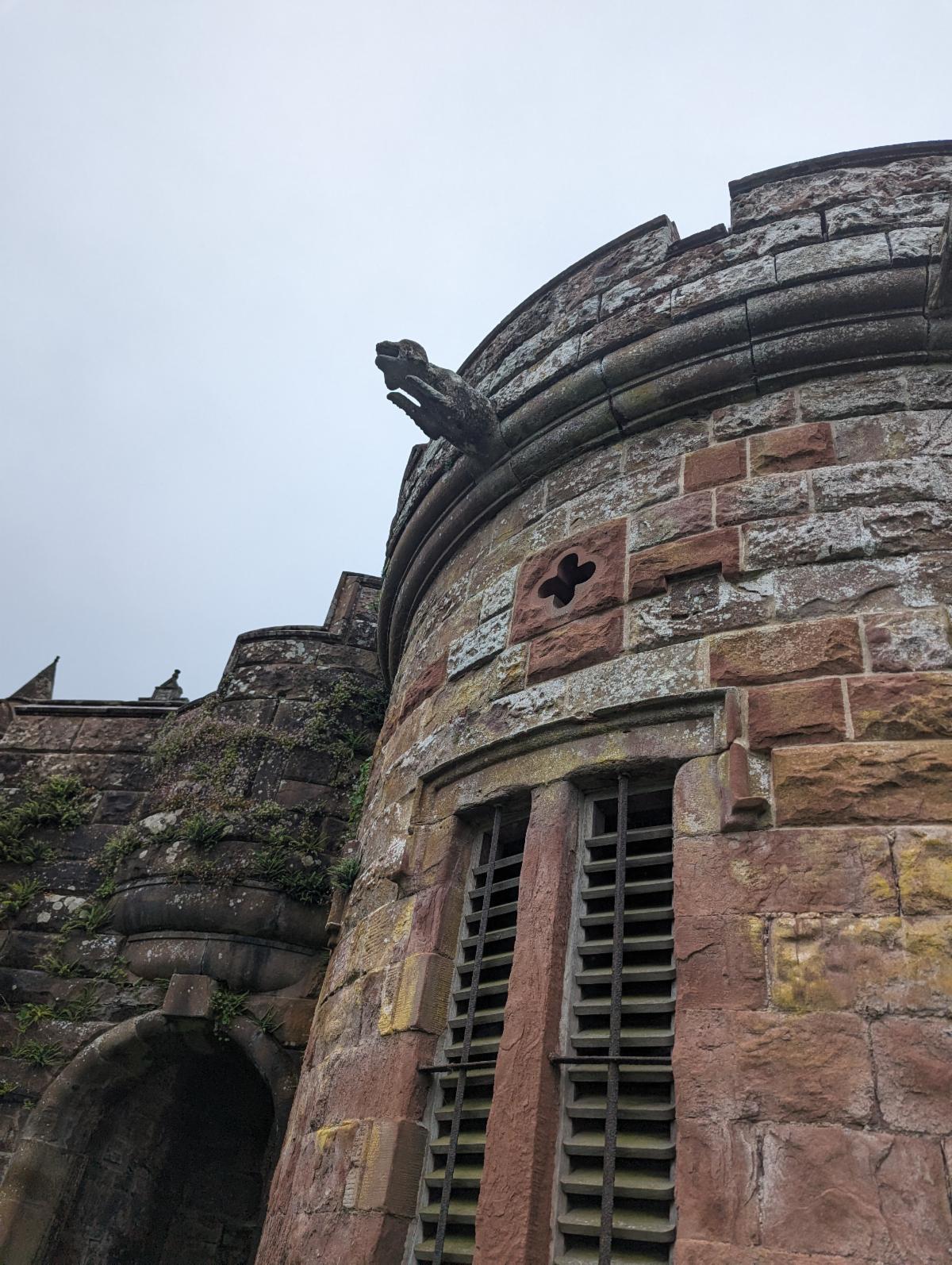
As a tangent to those observations, I was fascinated by how builders of centuries past handled water flow. Did you know that gargoyles are rainwater spouts? Bizarre, scary, and beautiful, these ornate creatures have a distinct purpose – to disperse the collected roof rainwater by spouting it out and away from the edge of the building...through their garish open mouths.


Yeah…bizarre!


I did a short study on why they are often so scary…and found little consensus. I challenge you to report back with your own research. Sir Walter Scott’s domesticated gargoyles were a lovely deviation from the norm.


Stone "A-Header" Its Time


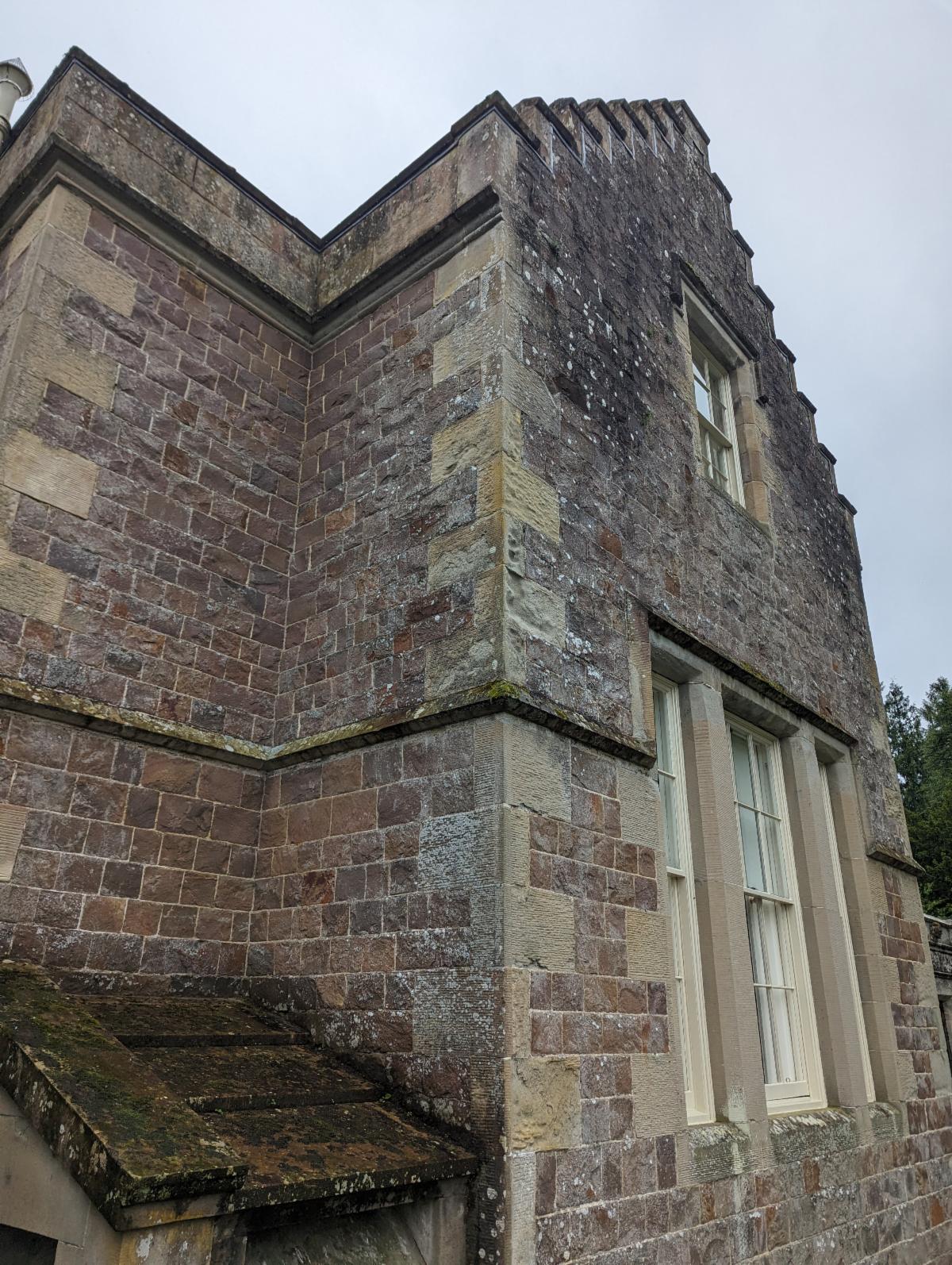
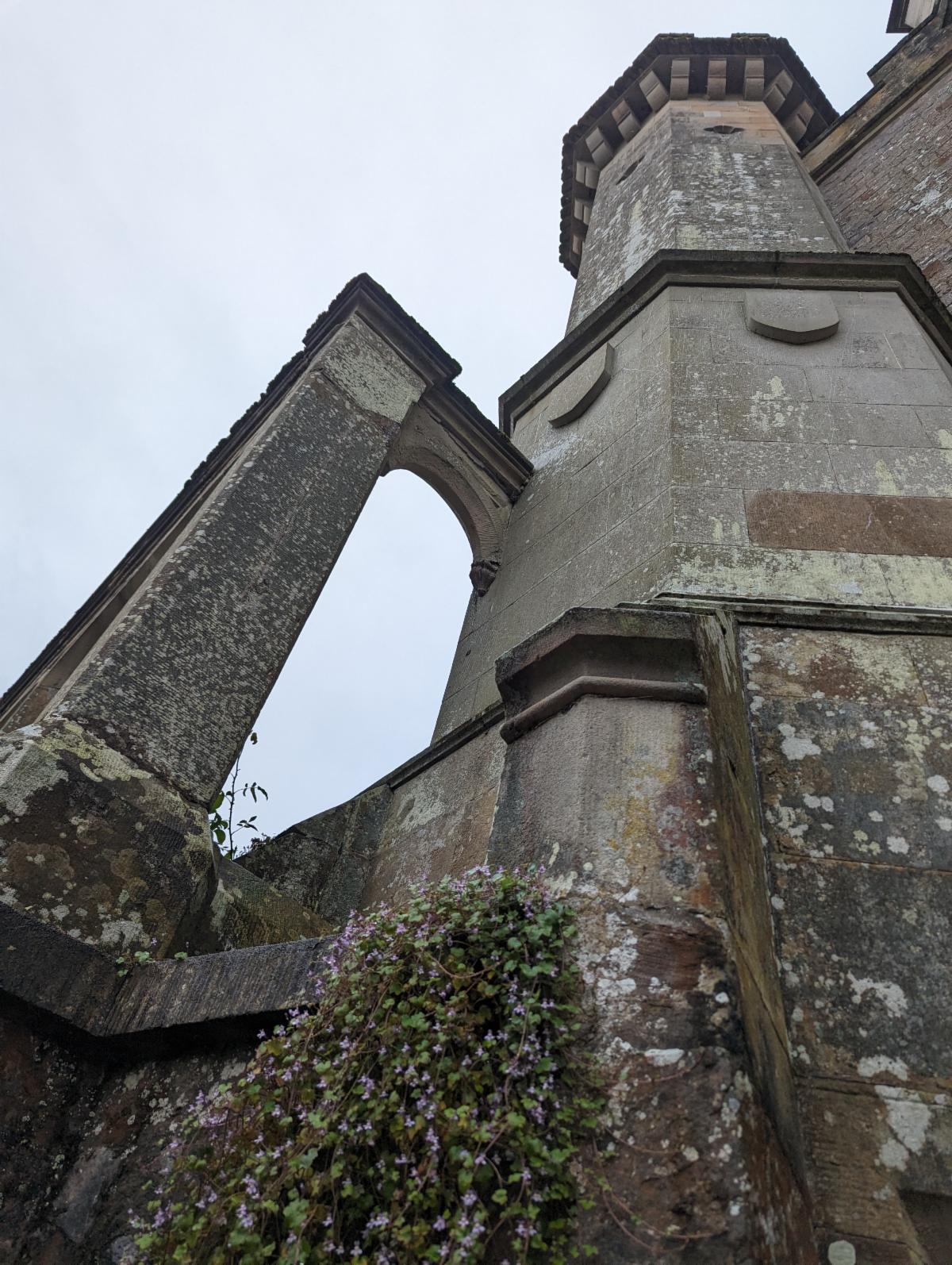
Another design element that captured my attention are the protruding stone headers above most windows. This same element can also be found as a band between floors. Today, we integrate sheet metal flashings into the building envelope in an attempt to prevent water flowing down the side of the building from entering at windows and gaps in architectural elements.


These stone structures used an alternate concept and created “drip edges” which cause flowing water to be pushed out and drip away from the building a few inches and preventing the flowing water from rushing across vulnerable intersections such as window edges and floor transitions.


What The Builders Understood


Finally, something as simple and yet complex as the chemistry of the mortar can be the difference between a warm snug castle and a damp crumbling one. To our logic, a non-porous mortar would make sense to “keep the water out,” right?


When in truth, there is no keeping the water out of these stone walls and the builders understood this. Porous mortars used by the masons allowed water and humidity to wick out of the walls, while non-porous mortars could trap moisture and degrade sedimentary stone over time.


Mossy Stones


The study of these structures could, of course, be a life’s work. I had only a couple weeks.


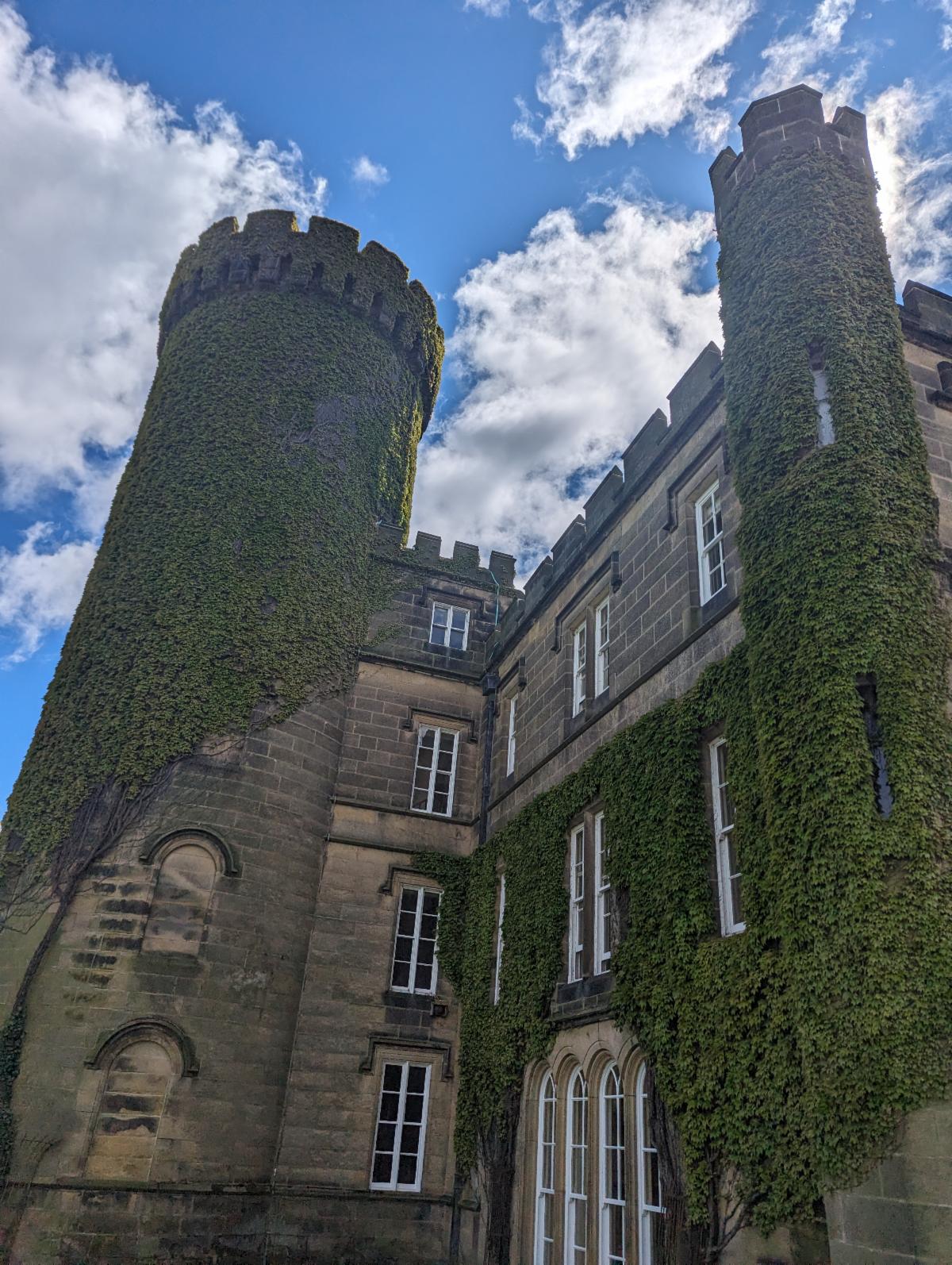
But indeed, I have looked at contemporary building methods just a bit differently since running my hands along those mossy stones stacked centuries ago.

 
Untitled Design

Untitled Design


Untitled Design