|
Making the Case for SAPHE 2.0:
“The Community as a Full Partner: A New Model for Public Health”
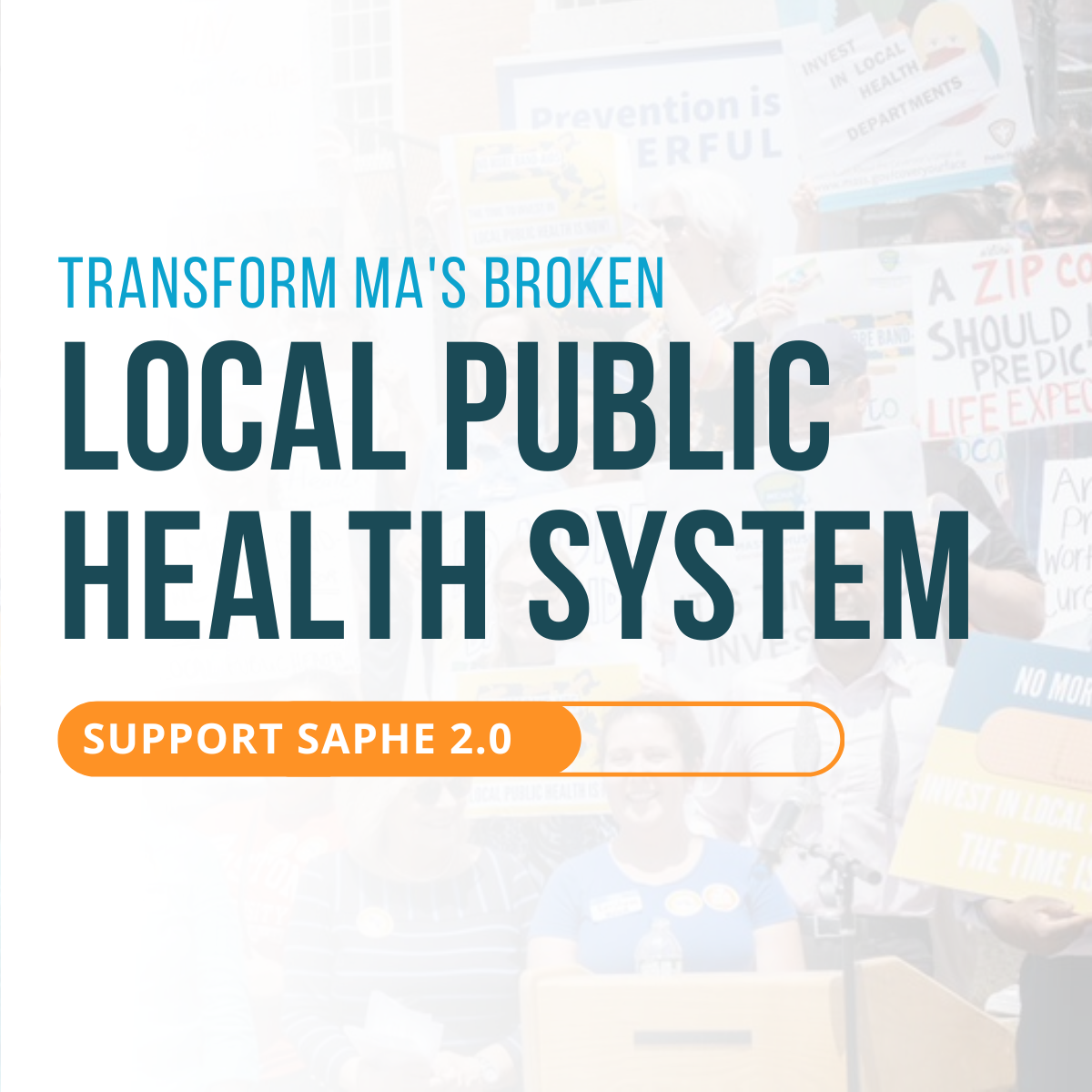
ICYMI: Bisola Ojikutu, MPHA Board Member and Boston Public Health Commissioner, co-authored a recent Health Affairs article with former MA Department of Public Health (MADPH) Commissioner John Auerbach and others that makes the case for acting now on the lessons learned from the COVID-19 pandemic. One of the key lessons is the importance of a community-engagement approach to public health, especially in marginalized communities that were at highest risk for COVID-19 and remain at highest risk for other negative health outcomes. Their national research identified several key barriers including “mistrust, siloed health departments with structural challenges in funding community-based organizations, and insufficient shared decision making.”
This article underscores the value of SAPHE 2.0 in addressing the very foundation of this concern in the Commonwealth. Our message to the legislature is clear: let’s not ignore the painful, revealing, and fatal lessons from the pandemic.
We will need you to act quickly once we have definitive news on the next step to get SAPHE2.0 over the finish line before the end of the session on July 31. Watch for an action alert with more details!
| |
Overdose Deaths are Down Statewide, but Racial Disparities Persist
Recently released data from the Massachusetts Department of Public Health show that while overdose deaths overall are down 10 percent between 2022 and 2023, fatality rates are highest for Indigenous people, and fatality rates increased for Black people during this same time period. A report issued by the Boston Public Health Commission “reported a nearly 30 percent increase in drug overdose mortality among Black people in Boston from 2022 to 2023 and...an increase of 125 percent over the past five years."
Public health leaders last week noted that these disparities are explained by the legacy of the racist War on Drugs. The War on Drugs, launched by the Nixon administration in the 1970s, and despite its catchy slogan, severely harmed Black and brown communities while it absolutely failed in its public-facing promise of safety and health. In the more than 50 years since, federal and state laws have doubled down on criminalization, leading to mass incarceration and undermining public health. The stigma, fear, and racial injustice baked into these policies explain the racial inequities we see today.
Public health leaders are calling for greater access to harm-reduction services and underscoring that any policy approach to substance use must address structural racism to be effective and equitable. Check out and share these two powerful opinion pieces authored by MPHA staff and Board members published in the Globe last week:
| |
|
Building Bridges to Health with CHNA 9
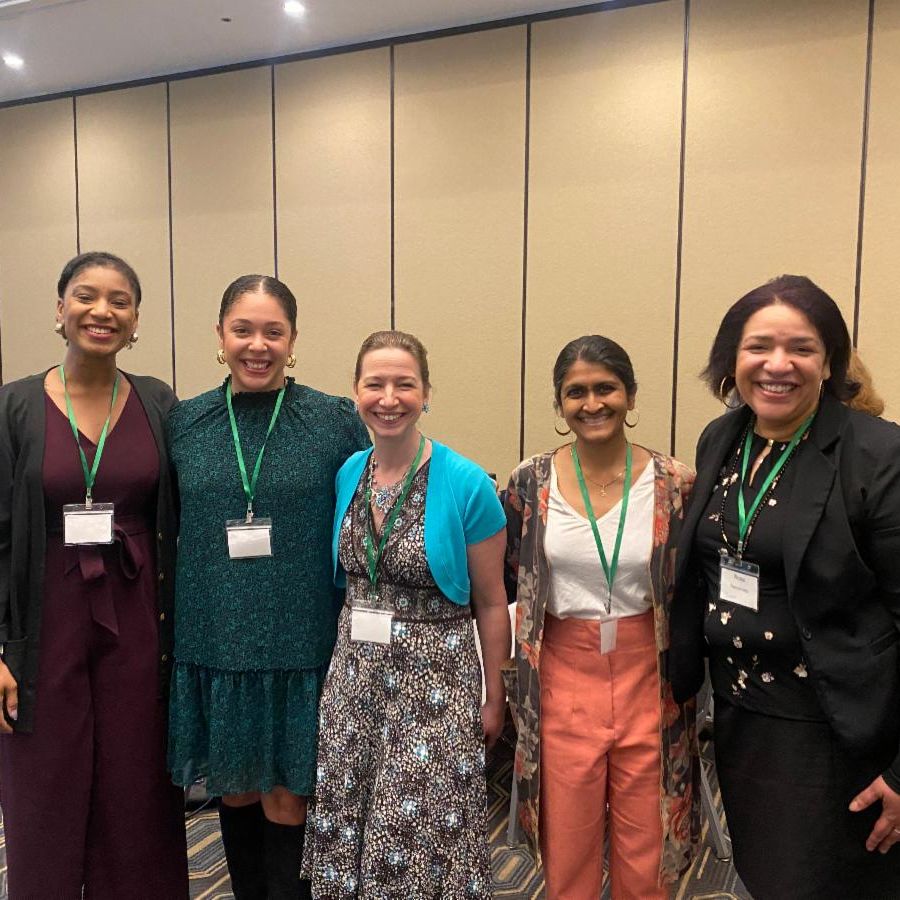
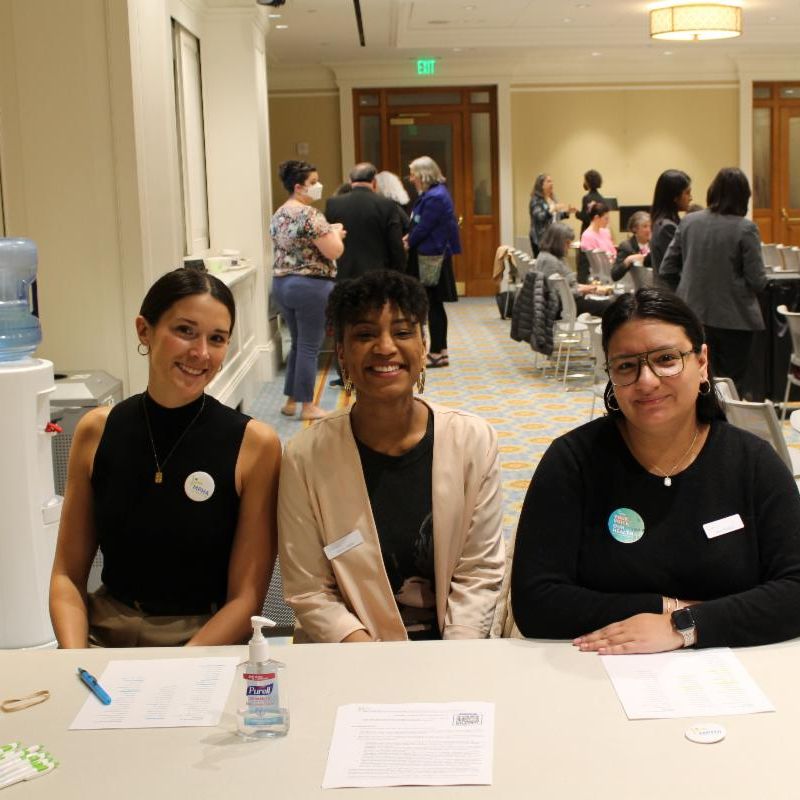
MPHA was thrilled to attend the CHNA 9 Annual Conference, “Bridges to Health: Building Thriving Community Partnerships.” CHNA 9, the Health Equity Partnership of North Central Massachusetts, is a public partnership between MADPH, residents, local systems and services, faith communities, and businesses, that identify specific health needs of their community members and seek ways to make systemic change to address those needs.
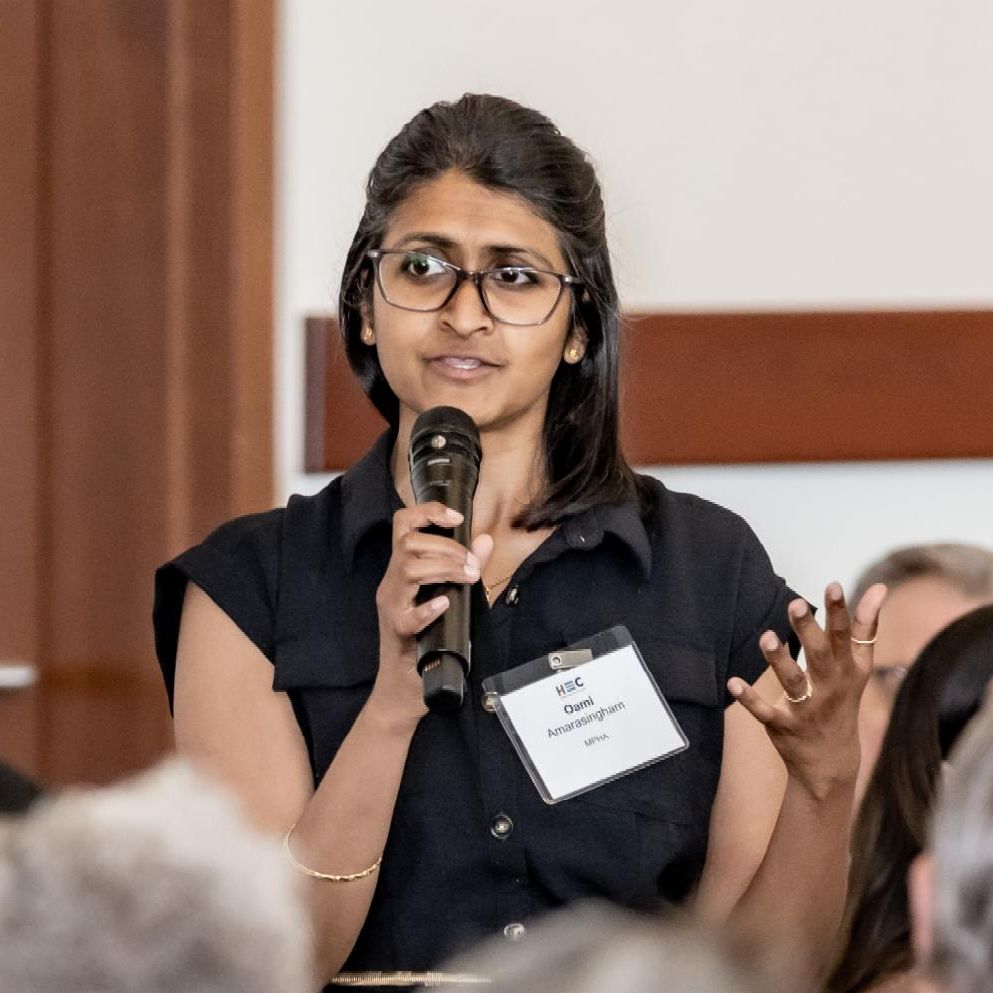
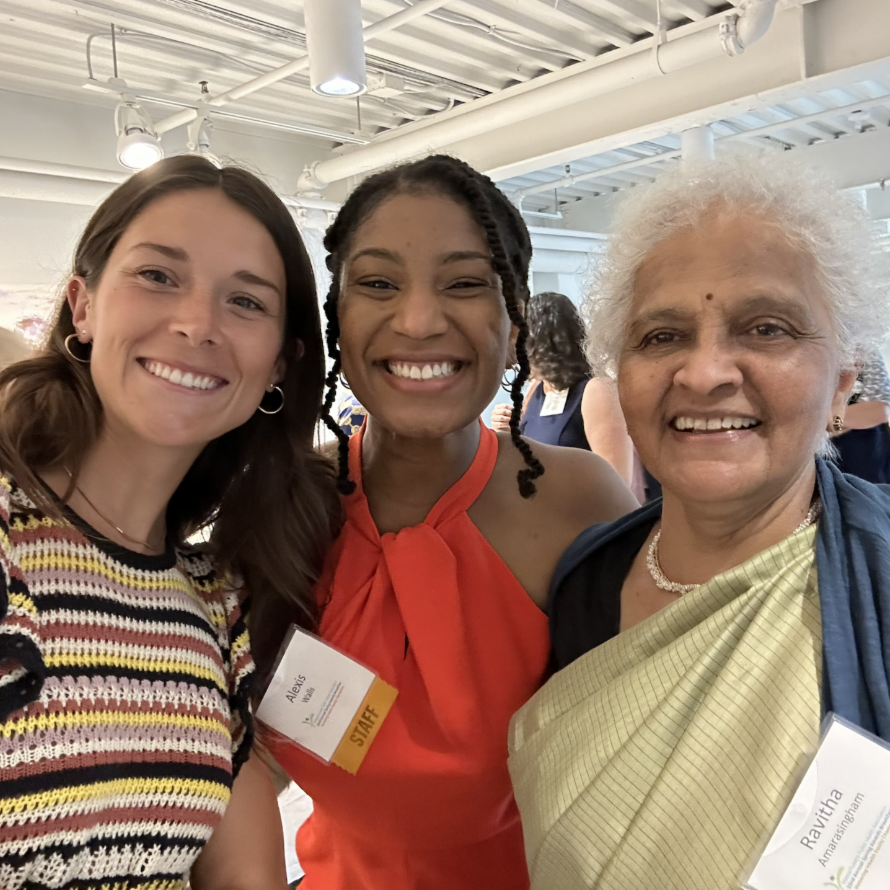
MPHA Deputy Director Oami Amarasingham and MPHA Assistant Campaign Director Alexis Walls assisted with the conference planning. Oami also participated in a panel exploring how to support local and regional health professionals. MPHA Assistant Director of Advocacy and Communications Jeneczka Roman presented on the successes and lessons learned in using two-way channels to move information and resources quickly during COVID between federal, state, and local entities and what it tells us about best practices and infrastructure needed to handle the next public health crisis.
“The deep conversation, creative exploration, and networking opportunities drove home the point that solutions to public health can be found at the source,” said Jeneczka.
| |
|
Capacity Building with Environmental Youth Activists
What happens when you mix youth with advocacy training? You empower a new generation with the tools and know-how to affect policy and systems change!
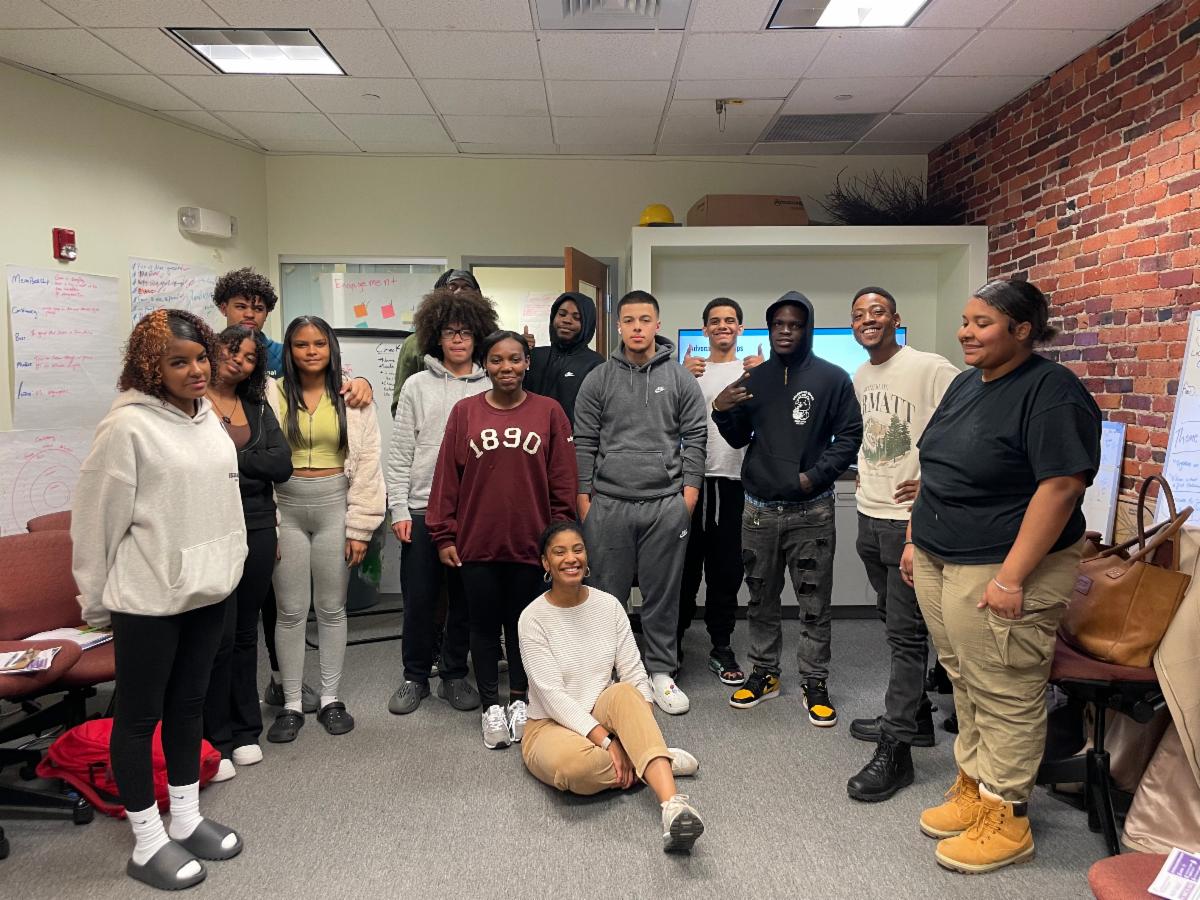
Alexis spent an evening with members of REEP, the Roxbury Environmental Empowerment Project, a youth-led, adult-supported program of ACE EJ. REEP builds youth power and movement by developing the leadership of primarily youth of color from Roxbury, Dorchester, and Mattapan. The capacity building presentation equipped the participants with strategies and confidence to shape and deliver their own stories about how public health related bills would impact them and their community. The REEP Coordinator, Manny De Barros, shared these stories with legislators at the MPHA Lobby Day.
| |
Health Equity in Action
Congratulations to our partners at the Health Equity Compact for their second annual Health Equity Trends Summit featuring innovators, disruptors, and equity champions. The cross-sector presentations demonstrated the need to approach health equity reform from a place of curiosity and collaboration. As a member of the summit planning committee, Oami shared that the commitment to center and prioritize voices of communities of color was a clear throughline, from the panel on the role that AI plays in racial health equity to closing life expectancy gaps.
| |
|
Saying Goodbye and Good Luck to our 2023-2024 Graduate Intern
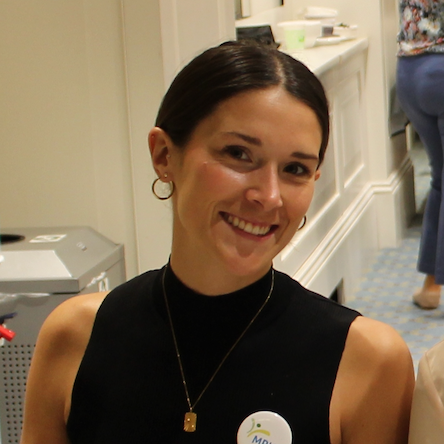
Every year, MPHA hires a graduate student as an integral member of the MPHA policy team. For the 2023-2024 term, MPHA was fortunate to welcome Julia Geskey to our team. She brought academic as well as real-world experience and contributed greatly to our policy and advocacy work. For those who didn’t have a chance to meet Julia this past year, we asked her to share a bit about herself and her experience at MPHA.
| |
|
1. Why did you choose to pursue this internship with MPHA?
Before coming to Boston, I spent several years working as a community organizer. My time spent working with legislators and decision-makers showed me the importance of intentional policy solutions, while working with advocates and community members showed me the true meaning of people power. These experiences inspired me to pursue my MPH at BU and, when the time came to choose a practicum, it was a no-brainer. MPHA really embodies both of these principles, and I was thrilled by the opportunity to be a part of their work.
| |
2. What was a highlight of your time with MPHA?
While difficult to choose just one highlight, I would have to say that helping to coordinate MPHA’s 2nd Annual Public Health Lobby Day was a standout experience. Witnessing firsthand the enthusiasm, dedication, and unwavering commitment of community members and decision-makers alike was a true testament to the power of advocacy in driving real change.
| |
|
3. What are you taking away from your time with MPHA?
My biggest takeaway from this experience comes from the relationships I witnessed and formed over the past eight months. You hear all the time that it’s not about what you know, but who you know. I think my time at MPHA showed me that, even more, it’s about the way you know people. In my internship, I've seen firsthand just how powerful genuine bonds between individuals can be.
| |
|
4. What are you hoping to do post-graduation?
Drawing from both my academic and professional experiences, I hope to focus my career on advancing progressive Medicaid policy. MPHA showed me how important it is to elevate social justice and equity in the creation of policy, and I hope to carry this lesson forward in a role that allows me to address health disparities and ensure crucial services reach those who need them most.
| |
|
Pause for Joy
In the Barr Foundation, MPHA has found more than a grant funder. Staff from Barr offer their insights, share resources, and create opportunities for their local non-profit grantees, volunteers, and community members to grow, take care of themselves, and build connections. One annual tradition is an event called “a pause for joy.” It’s an opportunity to rest and to imagine new relationships and possibilities. This year, three MPHA staff members took part. As Barr explains in this blog, the event is a love letter to their partners, providing connection, joy, and rejuvenation.
Thank you, Barr, for “recognizing that moments like these are essential for sustaining long-term work.”
| |
Thank you so much for supporting public health solutions. | | | | |