|
Welcome to the April Edition of the Southwestern Plains Hub Newsletter!
April often feels like a season of renewal. With longer days and the first signs of spring emerging, this time of year can bring fresh energy to how we approach our work. Across the region, our implementation support efforts continue as communities plan, adapt, and strengthen local systems.
In this issue, you’ll find upcoming learning opportunities, helpful tools, and resources to support implementation, collaboration, and steady progress in the months ahead.
| | NAVIGATING THE NOW SERIES | | |
Advancing Access through Single Session Interventions
May 21, 2026
10-11 a.m. PT, 11-noon MT, noon-1 p.m. CT, 1-2 p.m. ET
What if therapy could make an impact in just one visit? While most evidence-based treatments span 8–20 sessions, many people attend only 1. This gap has led to growing interest in single-session interventions (SSIs)—brief, evidence-based programs designed to deliver meaningful support in a single encounter.
Join the Pacific West Hub for a three-part workshop series exploring how SSIs can expand access to mental health services. Each one-hour session covers key topics like selecting, implementing, and sustaining SSIs in real-world settings.
Participants will learn what SSIs are, when they’re most effective, how to address implementation challenges, and how to apply these approaches within their own organizations.
| | UPCOMING LEARNING OPPORTUNITIES | | |
April 23, 2026
10:00-12:00 PM CT
| | |
Role of Implementation Support in Organizational Change
Having the right people in place and a clear approach to change makes all the difference in the project's success.
This no-cost interactive workshop is designed to support leaders responsible for implementing organizational change. Participants will explore practical strategies for assessing readiness, building effective teams, and strengthening collaboration across roles and departments through facilitated discussion.
Join us on April 23
| | |
April 29, 2026
1:30-3:00 PM CT
| | |
Measuring What Matters in Peer Support Programs
Measuring What Matters in Peer Support Programs is designed to help peer specialists, supervisors, program leads, and organizations build confidence and clarity around evaluation practices that honor lived experience. Rather than treating evaluation as a compliance requirement, this session explores how it can become a tool for learning, reflection, and storytelling within the peer workforce.
Register Now
| | |
May 20, 2026
1:00-2:30 PM CT
| |
How to Use AI in Communications: Tools, Ethics, and Real-World Applications
This interactive workshop is designed to help behavioral health organizations understand how artificial intelligence can strengthen communications work in practical, ethical, and human-centered ways.
Participants will explore how AI can support communication planning, content creation, and audience engagement without replacing the strategic insight and relationship-building that effective communication requires.
Register Now
| | |
June 2, 2026
10:30-12:00 PM CT
| | |
Fidelity in Peer Support Programming
Through guided discussions, scenario analysis, and collaborative planning, participants will explore the unique role of peer support in contrast to other support roles, examine internal dynamics, and develop strategies to maintain the integrity and effectiveness of peer support services.
The series will also include breakout sessions for deeper dialogue and policy planning, ensuring that peer support remains true to its values while aligning with organizational goals.
Apply by May 18
| | |
June 3, 2026
11:30-12:30 PM CT
| | |
Meaningfully Co-Creating with Everyone: Participatory Methods for Mental Health Community Partners, Teams, and Organizations
Join us for this hands‑on, interactive three‑part learning series that introduces participatory methods for engaging mental health community partners and teams in meaningful collaboration. Participants will explore practical tools to move beyond traditional meetings, strengthen shared understanding, and support co‑creation, shared decision‑making, and coordinated action in complex settings.
Register Now
| | |
Leadership Moment: How to Identify Implementation Practitioners
Written by: Mordecai Dixon
What skills are required to bring implementation plans to fruition? Does the size of large- or small-scale implementation projects dictate the number of people assigned to the project? Is implementation support work a matter of technical skill, knowledge of best practices, human relation building and maintaining or is it a combination of each?
These questions point to a larger issue for leaders: successful implementation depends not only on how many people are assigned to the work, but also on whether the right people, with the right mix of skills, are involved.
Consider for a moment the individuals on your past or current implementation team. What unique skills made them equipped for the important task of leading out the organization’s change projects? Often, the answer to this question focuses on the person’s length of service in the field, the reputation they have earned within the organization over their tenure, or their subject matter expertise in the finer aspects of the required practice change.
No single characteristic assures success in supporting change efforts. Rather, success depends on a range of skills that enable implementation support practitioners (ISPs) to create effective relationships with change agents, support change processes and collaborate with internal and external resources.
Read the Full Reflection
|
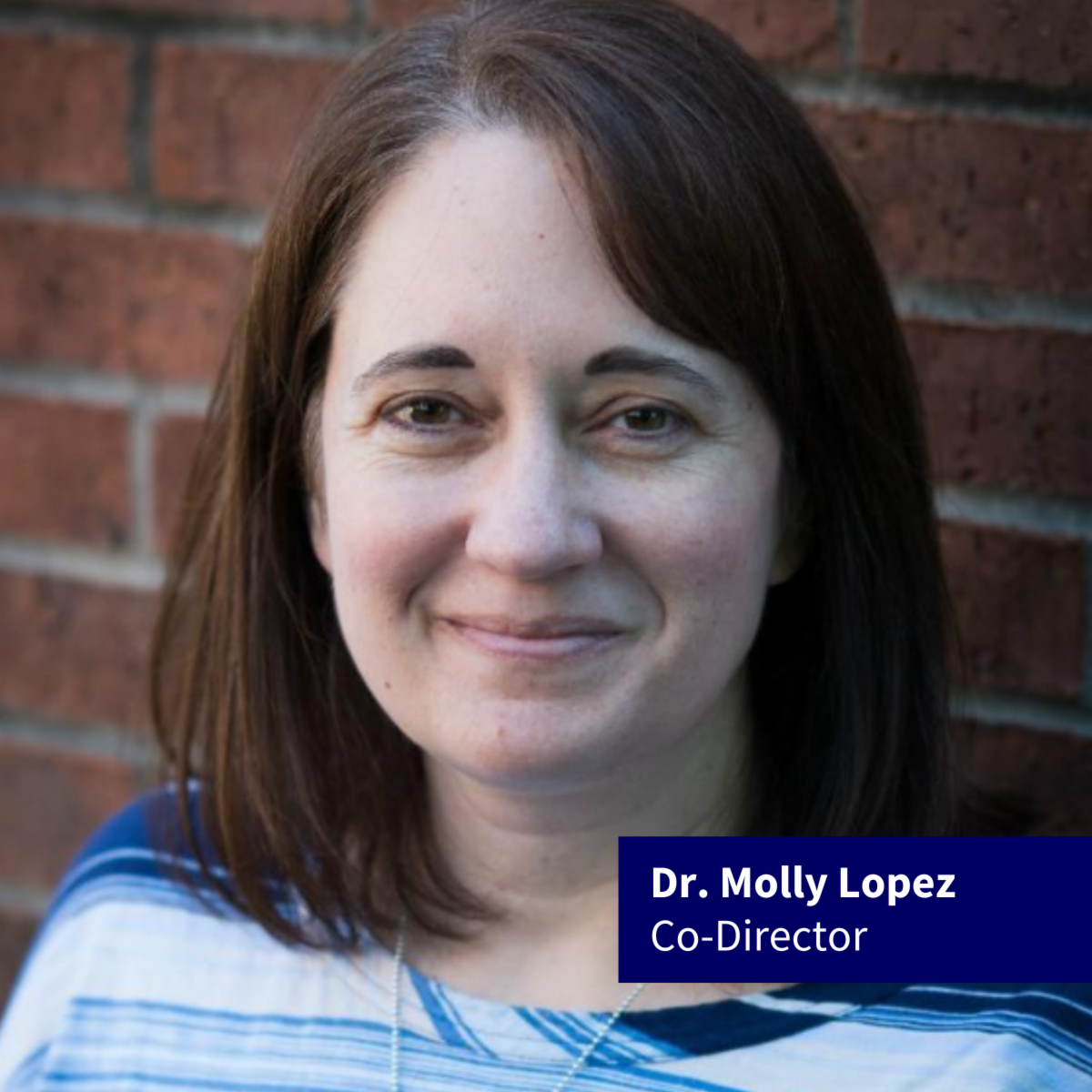
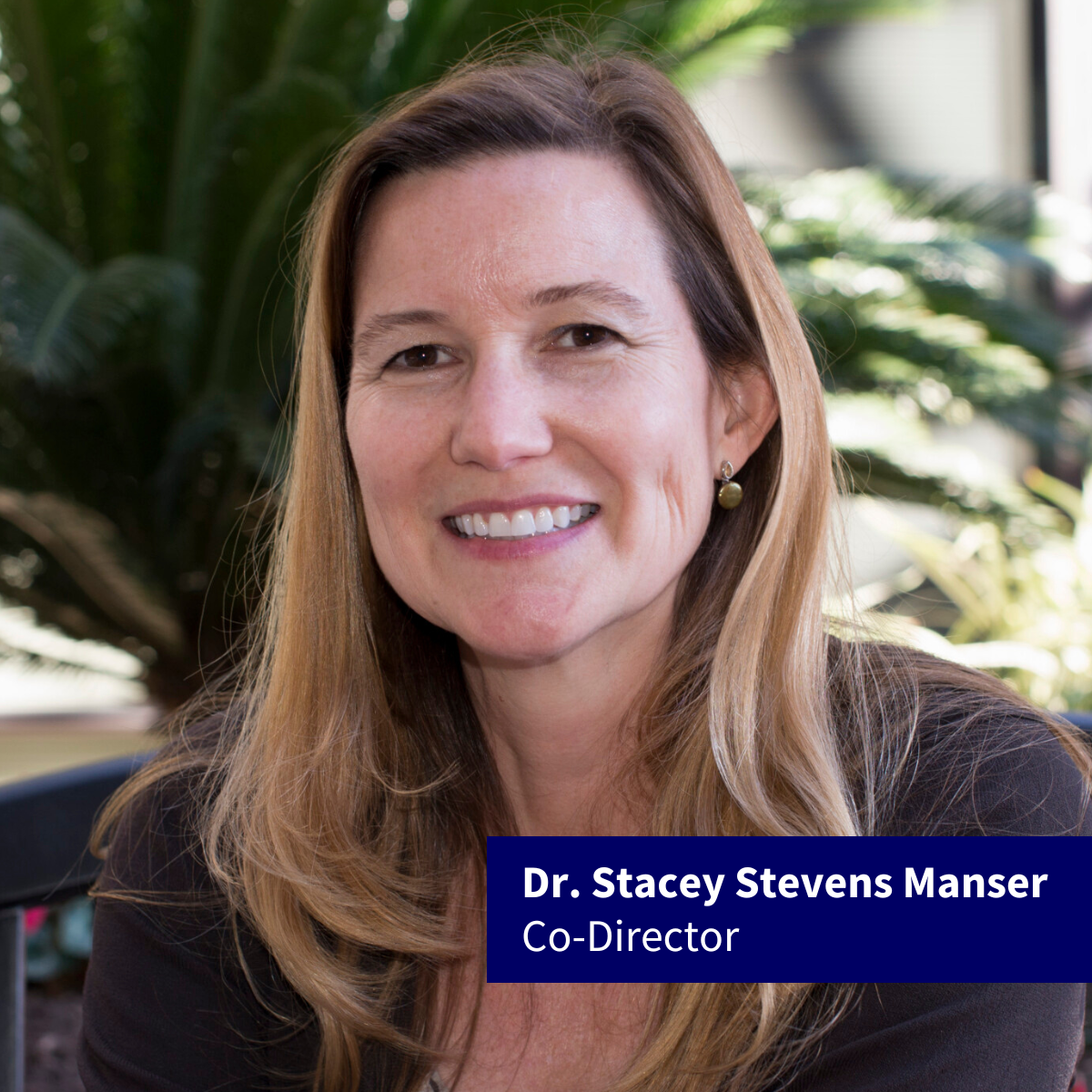
| Team Member Spotlight: Dr. Molly Lopez and Dr. Stacey Manser, Co-Directors | | |
As co-directors of the Southwestern Plains Hub, Molly and Stacey bring extensive expertise in mental health services, implementation of evidence-based practices, recovery-oriented systems of care, and the policies and programs that shape client outcomes.
Dr. Lopez is a licensed clinical psychologist, research professor at The University of Texas at Austin, and leader of multiple research, training, and policy initiatives.
| | |
Dr. Stevens Manser is a senior research scientist whose work has focused on mental health best practice implementation and evaluation of mental health policies and programs.
Through their leadership, they are helping strengthen mental health implementation across the region and supporting organizations in putting effective mental health practices into action.
Dr. Lopez and Dr. Stevens Manser's work continues to shape collaborative learning spaces and support systems change across the Southwestern Plains.
| | TOOLS & RESOURCES YOU CAN USE | | |
Patient-Reported Outcome Measures (PROMS): Repository List and Details
Implementation leaders, clinicians, administrators, and training and technical assistance providers can use the Patient-Reported Outcome Measures (PROMs): Repository List and Details to identify practical measures for supporting measurement-based care in community mental health settings.
The repository offers brief, validated, publicly available measures for adults and youth and can serve as a starting point for selecting tools to monitor client progress over time.
Teams can use the repository to explore options that fit their setting, support implementation planning, and inform decisions about how to monitor client progress. Used in planning discussions, clinical workflow design, or coaching conversations, it offers a practical resource for strengthening measurement-based care efforts.
| | |
We’d love to hear from you! Is there something you want us to cover in an upcoming newsletter? Send us your thoughts, stories, or feedback.
What to Expect Next Month
In May, you’ll receive the newsletter from CMHIS, with nationwide updates and highlights.
We’ll be back in June with more Hub news, stories, and insights. In the meantime, feel free to visit our website, send us an email, or follow us on LinkedIn.
Request Support
As part of the Center for Mental Health Implementation Support (CMHIS), the Southwestern Plains Hub offers assistance to grantees funded by SAMHSA’s Center for Mental Health Services and mental health service providers in HHS Regions 6 & 8 which includes Arkansas, Colorado, Louisiana, Montana, New Mexico, North Dakota, Oklahoma, South Dakota, Texas, Utah, and Wyoming. We can help you strengthen your mental health programs through community engagement, implementation planning, data use, outcome evaluation, and more. Please review our guidelines and submit a request.
| | | | |