For Immediate Release

January 13, 2026

RMI Prepares for a Dengue Outbreak Before it Strikes

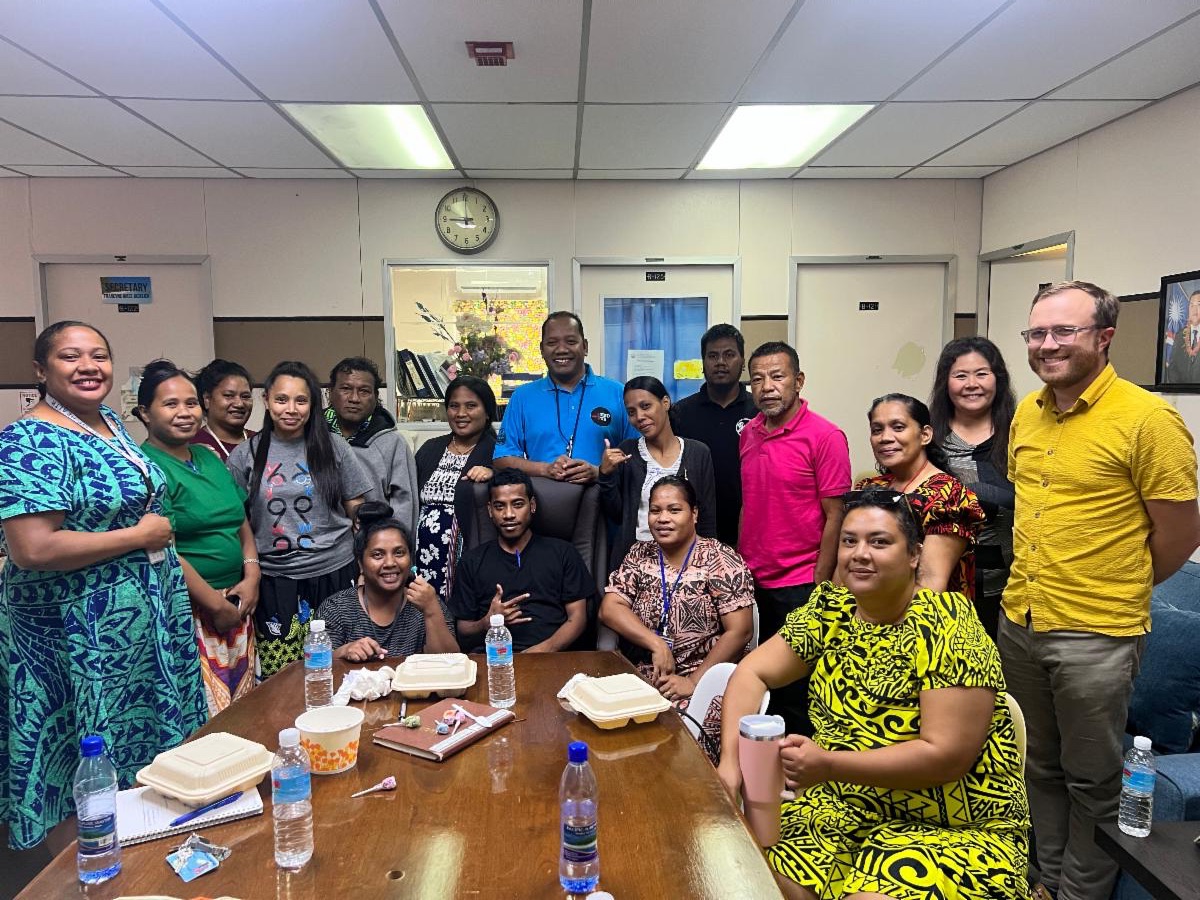
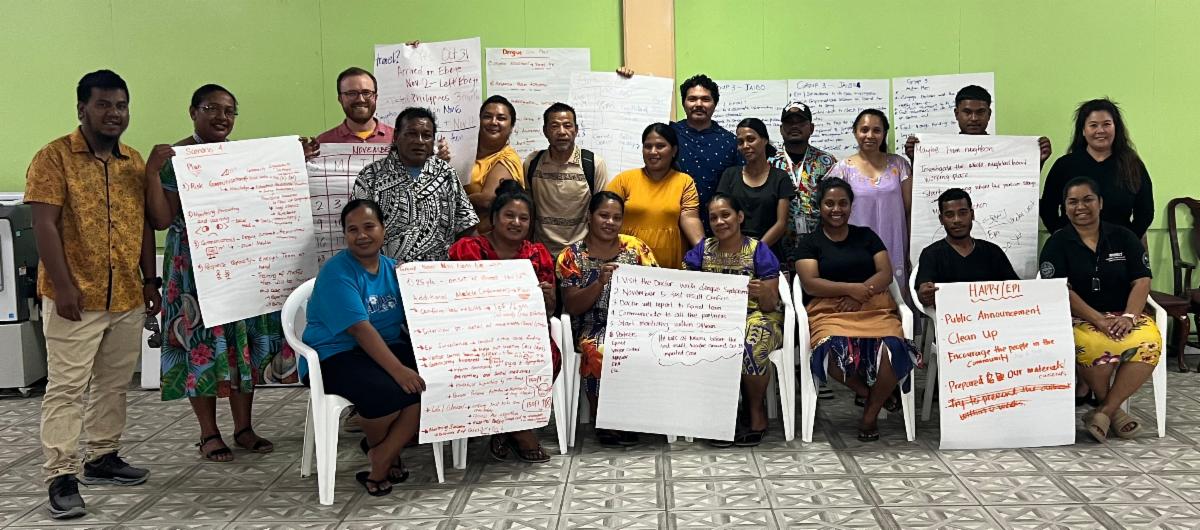
Majuro, RMI - On request and in coordination with the RMI Ministry of Health and Human Services (MOHHS), the PIHOA Secretariat conducted a Dengue Outbreak Readiness Workshop in Majuro, Republic of the Marshall Islands (RMI) from November 10–12, 2025.


The three-day workshop focused on strengthening RMI MOHHS’ preparedness to detect, respond to, and prevent dengue outbreaks through the development of a country-specific Early Warning System (EWS) and enhanced operational response planning. Key objectives included establishing proposed epidemiological and entomological alert thresholds, developing a vector control response plan linked to EWS triggers, integrating lessons learned from tabletop exercises into updated standard operating procedures (SOPs), and strengthening inter-sectoral collaboration for outbreak preparedness.


A total of 16 participants, including five MOHHS public health staff and 11 Community Health Workers received hands-on training from the PIHOA Secretariat’s vector management team: Dr. Limb Hapairai (Regional Medical Entomologist), Dr. Tomás Léon (Climate Scientist Consultant), Ms. Jacquelyn Lefagoyal (Data and Community Engagement Assistant Consultant), and Ms. Rosanna Yoon Rabago (Vector Management Improvement Technical Consultant). All 16 participants were from the outer islands and returned to their respective posts after the training. This will ensure that outer-island communities will have trained health workers competent in Dengue detection, prevention, and outbreak response. Participants represented a range of backgrounds, including public health, epidemiology, vector management, health planning and policy, preparedness, public information and education, and community health.


Workshop sessions covered dengue epidemiology, transmission, symptoms, and surveillance, as well as the importance of EWS in anticipating outbreak risk using climate data, mosquito habitat and abundance indicators, and epidemiological trends, both within RMI and across the Pacific region. To support early action and coordinated response, epidemiological and entomological thresholds were established to guide timely activation of vector control measures by the Vector Control Unit.

As part of the workshop outcomes, 17 SOPs were reviewed and updated to standardize procedures for mosquito surveillance, vector control operations, risk communication, community engagement, quality assurance for pesticide and battery management, and data reporting, significantly strengthening RMI’s operational readiness at both national and community levels.


“Our eleven students gained essential, up-to-date skills during the Dengue Outbreak Readiness Workshop, strengthening their capacity in data collection, analysis, and the use of SOPs for effective outbreak response,” said Ms. Tavaita Suvirara, Community Health Outreach Worker Instructor and Supervisor, MOHHS. “They are now better prepared to return home and support their communities through strong community engagement, source reduction, and dengue readiness activities.”


The workshop also strengthened the capacity of frontline vector control staff responsible for implementing outbreak response measures.


“The Standard Operating Procedures developed during the workshop were instrumental in giving me a deeper understanding of my responsibilities in vector control and planning,” said Mr. Bobson Solomon, Vector Control Officer, Division of Environmental Health. “They significantly boost our readiness to prevent future dengue outbreaks using the established early warning signals.”


PIHOA will continue to work closely with the RMI MOHHS to support the implementation of RMI’s dengue EWS and strengthen outbreak readiness through sustained technical assistance, workforce development, and regional collaboration.

This work is fully supported by funds made available from the U.S. Centers for Disease Control and Prevention (CDC) of the U.S. Department of Health and Human Services (HHS), through PIHOA’s Partnership Cooperative Agreement OT21-2101: Strengthening the Public Health Systems in the US-Affiliated Pacific Islands. The contents are those of the author(s) and do not necessarily represent the official views of, nor an endorsement, by CDC/HHS, or the U.S. Government.


###


About the Pacific Islands Health Officers' Association


PIHOA's mission is to improve the health and well-being of the USAPIs by providing, through consensus, a unified, credible voice on health issues of regional significance. Established in 1986, PIHOA is governed by and represents the collective interests of the USAPI health leadership from American Samoa, Federated States of Micronesia, Guam, Republic of the Marshall Islands, and the Republic of Palau. 


PIHOA’s Secretariat, comprised of executive, administrative, and technical staff and consultants, provides support to the USAPI health agencies and leadership in the following priority areas: health workforce development; epidemiology and surveillance; health systems performance improvement; laboratory services; regional health leadership and policy advocacy; Pacific health security; and, partnership engagement and coordination. PIHOA has two offices in Honolulu, Hawai’i, and Hagåtña, Guam.


Media Contact


Billie Hiraishi

Communications Officer

billieh@pihoa.org


Limb Hapairai

Regional Medical Entomologist

limbh@pihoa.org