During this season of giving, Ohio State’s Head Start program has an Amazon Wishlist to purchase gifts for families participating in the home visiting program.


QUOTABLE & NOTABLE

“Our current safety net programs are very specific. So if I’m a family that’s in need, there are resources available for subsidized housing. There are resources available for Medicaid, for medical assistance, for child care. But if for some reason, I have a need that falls outside of one of those prescribed safety net programs, there’s usually not a funding source to be able to support that need.”

Who:

Danielle Sydnor, RISE Together CEO

Where:

“Report released detailing Franklin Co. poverty, program giving cash to single moms launches same day” published by WOSU 89.7 NPR News


FACT OF THE WEEK

 
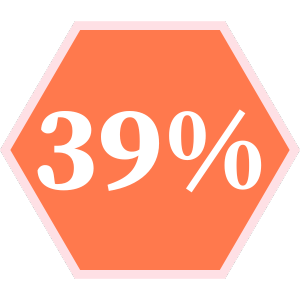
39 percent
 

A cash assistance program for single mothers in Franklin County, Ohio, launched last week that allocates $500 per month for a year without any restrictions on how it should be spent. The program is an experiment with universal basic income, meant to address the ongoing needs of those living in poverty. In Franklin County, nearly 4 in 10 households (39%) report struggling to afford basic needs such as housing, food, and child care.


POLICY RADAR

Ohio 

Hamilton County is one of five counties in the state piloting a “tri-share” model to split child care costs between employers, employees, and the state. The Ohio General Assembly has proposed a statewide tri-share program, the details of which are outlined in Senate Bill 273 — a bill proposed earlier this year that has yet to move past committee assignment. 


A bill headed to Gov. Mike DeWine for signature will ease the adoption process in Ohio. Cincinnati.com explains more about House Bill 5. 


BEYOND THE BUCKEYE STATE

A program in Tuscaloosa County, Alabama, called 3by3 (“three by three”) is seeking to expand the number of in-home child care options to ease shortages. In-home child care options are especially needed in a county where many employers operate 24 hours a day and families may work non-traditional hours. The program provides grants and startup costs to people who would like to start an in-home child care program. It also provides training and support in bringing homes up to code for child care.

With much discussion about the federal Child Tax Credit, folks may forget that states can also provide their own child tax credits to layer on top of federal tax breaks. As this piece summarizes, 16 states currently offer a state-level credit of varying amounts and requirements. Ohio is not one of them.


WHAT WE'RE READING

A policy brief from the Prenatal-to-3 Policy Impact Center highlights specific funding streams that states have tapped into to help fund subsidized child care programs, such as payroll taxes, excise taxes (aka “sin” taxes), and revenue from oil and gas funds.

Last week we highlighted an important article from The Hechinger Report about a growing push among states to deregulate aspects of the child care industry, with caution around reforms that impact quality and safety. (Jackie Mader from Hechinger wrote a follow-up this week on the alarming risks posed to children, and how deregulation does not address early educators’ needs for increased wages and for support dealing with children’s challenging behavior.) Here is an alternative view expressed in a piece by The National Review, which argues that government should reform aspects of child care that “cause costs to rise” and says that regulations are “barriers to entry.”


RESEARCH ROUNDUP

The FrameWorks Institute and the National Diaper Bank published a report on how the public views diaper needs and poverty. Researchers interviewed 20 participants from across the country to understand mindsets on these issues.  


Six (troubling) themes arose from these interviews:  

1. Blaming individuals, rather than systems for poverty and diaper need. 

2. Assuming that poverty is inevitable. 

3. Not viewing diapers as a basic need due to their availability. 

4. Viewing parents primarily responsible for providing for their child (like purchasing diapers), rather than a collective responsibility. 

5. Assuming that government assistance goes to people who don’t deserve it. 

6. Feeling skeptical of government and charities that could address diaper needs.  


The report offers several opportunities for advocates to communicate about poverty and diaper need in a way that connects with the public. One suggestion is to show how diapers are connected to a child’s physical health, and parent’s mental health (in being able to provide for their child). They also suggest giving detailed explanations about how nonprofits can use government assistance to provide diapers for families in need.


This edition was written by Jamie O’Leary and Janelle Williamson.

If you like this newsletter, forward to a friend! Subscribe here.


crane.osu.edu

X  LinkedIn