An autoimmune disease is a medical condition causing the body's immune system to mistakenly target and attack healthy cells and tissues. In autoimmune diseases, the immune system cannot distinguish between foreign substances and the body's own cells, leading to a harmful immune response.
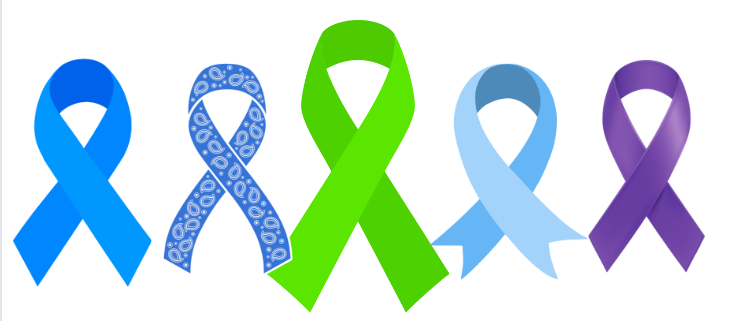
Learn more about four autoimmune diseases linked to celiac disease:
Type-1 diabetes, Hashimoto's thyroiditis, Addison's disease and Sjogren's disease.
|
|
Type-1 diabetes (T1D) and celiac disease (CD) are autoimmune diseases that share a common gene.
Individuals with T1D have a higher risk of developing celiac disease compared to the general population, but the inverse relationship is not true; people with celiac disease do not have a higher risk of developing T1D.
The estimated prevalence of celiac disease in patients with T1D is approximately 6%. Most report having no symptoms of celiac disease. Because of the higher risk of people with T1D having celiac disease, healthcare providers recommend regular screening for celiac disease in individuals with T1D. Early detection means timely management and usually better long-term outcomes.
Reminder: there is no evidence to suggest that those with celiac disease are at increased risk for developing T1D.
|
|
A Personal Story
Anne Pettigrew shares her journey through diagnosis of both Type 1 diabetes and celiac disease.
|
|
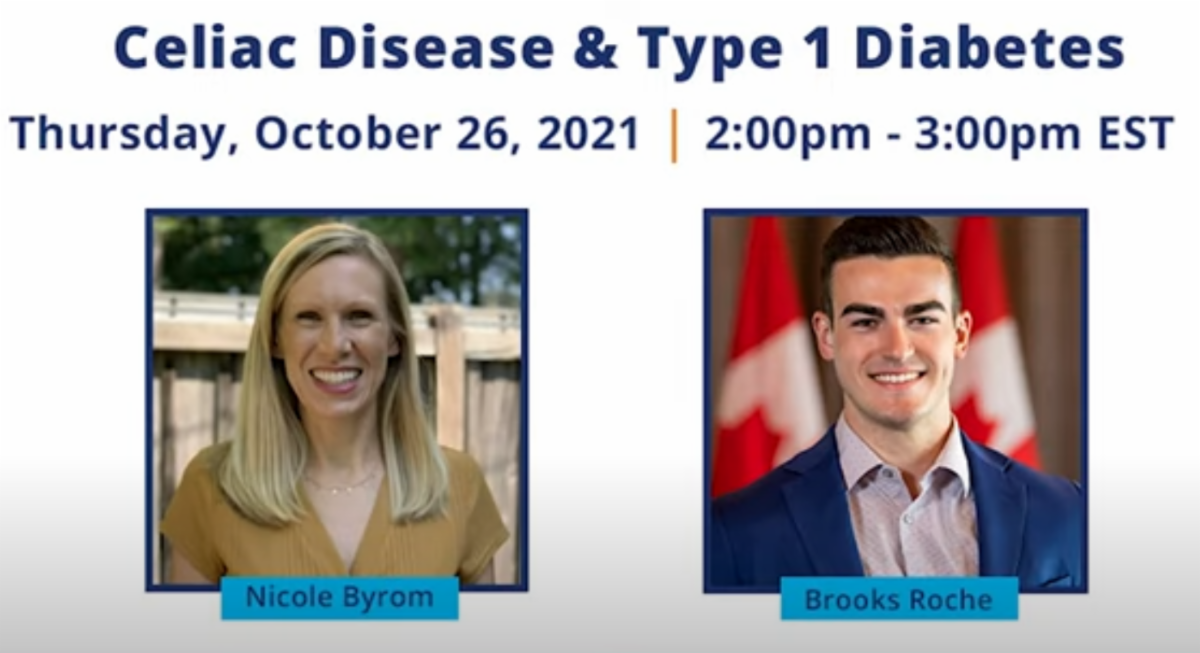
CD & T1D: A Webinar
Join Nicole Byrom, RD chats with Brooks Roche from Diabetes Canada about the connection between CD and T1D.
|
|
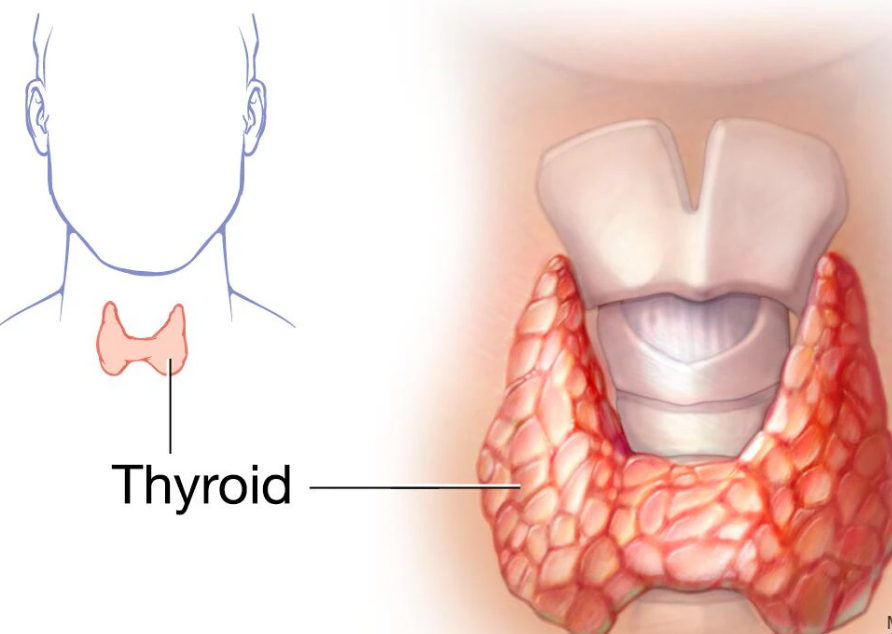
Hashimoto’s thyroiditis (HT) is a chronic autoimmune disease that affects the thyroid gland, a butterfly-shaped gland in the front of the neck.
HT decreases the thyroid gland's hormone production, leading to hypothyroidism.
|
|
|
 |
Connection to CD:
- Those with HT have a 4-6% increased risk for developing CD
- Both conditions are genetically linked
- People with CD are 3 times more likely to develop HT
|
|
|
|
Main Symptoms:
- Weight gain
- Trouble tolerating cold
- Joint and muscle pain
- Constipation
- Fatigue
|
|
|
|
Recommendation: If you have HT it is recommended you be screened for celiac disease due to the increased risk.
|
|
Addison's disease affects the adrenal glands, reducing the body's ability to create adequate amounts of the essential hormones cortisol and, to a lesser extent, aldosterone.
The adrenal glands are located on top of each kidney and are responsible for producing these hormones, which play crucial roles in regulating various bodily functions.
|
|
Symptoms: Can be vague and develop slowly over time. Common signs and symptoms include chronic fatigue, weight loss, muscle weakness, low blood pressure, salt cravings, and gastrointestinal symptoms.
Connection to celiac disease: Patients with Addison's disease have a 6% risk for developing celiac disease. Since the symptoms can be similar, this association should always be actively investigated.
|
|
Sjogren’s syndrome (SS) is an autoimmune condition characterized by dry eyes and dry mouth.
The rate of celiac disease in Sjogren’s patients may be as high as 15%, although evidence is lacking to truly quantify the amount.
Both CD and SS share a common genetic background.
Individuals with SS should consider screening for CD, however successful treatment of CD has not been shown to relieve symptoms.
|
|
Are people with celiac disease at increased risk for developing other autoimmune diseases once on a strict gluten-free diet?
Yes and no. While a portion of autoimmune disease risk is related to genetics (which you cannot change) and remains unaffected by dietary choices, some risk may be associated with celiac disease itself. In this case, studies have shown that following a strict gluten-free diet can lower your chances of developing additional autoimmune conditions over time.
|
|
|
|
November 9, 2023, 7pm ET
Are you newly diagnosed with celiac disease? Overwhelmed and not sure where to start?
We know how difficult a new diagnosis can be and we're here to help!
Register for the program and find out all you need to know to manage and thrive with celiac disease.
|
|
November 18, 2023
12pm - 4:30pm ET
|
Not one to miss! Our FREE annual virtual conference 2023 is where Canadians come together to improve celiac disease management and quality of life.
Discover the latest research, hot topics, best practices, and advocacy around celiac disease issues.
|
|
The holiday season is a time of joy and celebration, but it can also be a challenge for people with celiac disease.
Join a live webinar and discover practical and easy tips to avoid the dangers and make this festive season a real treat.
|
|
Do you enjoy the content we provide? Help us help you more!
Since 1973, we've relied on people like you to help us create and deliver science-based information and resources, just like this newsletter, for people living with celiac disease.
Please consider a financial gift today.
|
|
Better Living Gluten Free is a bi-monthly electronic publication of Celiac Canada.
Copyright 2023 © Celiac Canada
The contents of Better Living Gluten Free (BLGF) are provided in good faith, for information purposes only, and using the most current information available subject to amendment and should not be used as a substitute for the advice of a qualified health professional. The Professional Advisory Board of Celiac Canada (the “CCA”) has not reviewed the contents of BLGF. Use of the information is at your own risk. The CCA does not endorse any product referenced in BLGF. To the fullest extent permitted by law, the CCA, its local Chapters and all persons involved in compiling this publication disclaim any responsibility for, and make no representations or warranties regarding, the information provided. In no event will the CCA, its Chapters, or those persons involved in compiling this publication be liable for any damages of any kind resulting from the use of the information. Please review the CCA’s disclaimer policy on its website at https://www.celiac.ca/privacy-policy/
|
|
|
|
|
|
|