March 2026

Dear Friends:


I am thrilled to share exciting news that marks a significant milestone in our commitment to mental health: the approval of a new behavioral health hospital in Lansing by the University of Michigan Board of Regents, which will be run by our regional partners at UM-Sparrow.


This investment underscores our dedication to improving access to care—especially for the most vulnerable members of our communities. The new mental health hospital will serve patients of all ages, including children and adolescents, in a state-of-the-art, healing environment designed to meet diverse needs. With groundbreaking scheduled for this summer and doors set to open in 2028, we look forward to seeing this project foster healthier futures in mid-Michigan and beyond.


I am proud of everyone involved in bringing this vision to life. Let’s look ahead with optimism as we work together to ensure every patient receives the exceptional care they deserve.


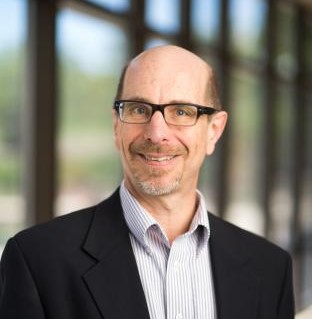
Steve

Stephan Taylor, M.D.

Chair, Department of Psychiatry;

Daniel E. Offutt III Professor of Psychiatry

DEPARTMENT NEWS

um-health-sparrow-behavioral-health_copy image

Press Release:

U-M Board of Regents approves new behavioral health center at UM Health-Sparrow 

digital-conversation-text-chat-code image

AI and psychosis: What to know, what to do

As concern grows about online chatbots and mental health, Stephan Taylor, M.D., cautions about potential risk to already-vulnerable people, especially teens and young adults. 

nurse-scrubs-tray-pills-water image

Common hospice drugs linked to higher death risk in people with dementia

Study of those prescribed benzodiazepines or antipsychotics after hospice enrollment highlights two hospice policy issues
“
Dementia is now the most common qualifying condition among hospice enrollees, yet many of these patients are not imminently dying,” said Dr. Lauren Gerlach.

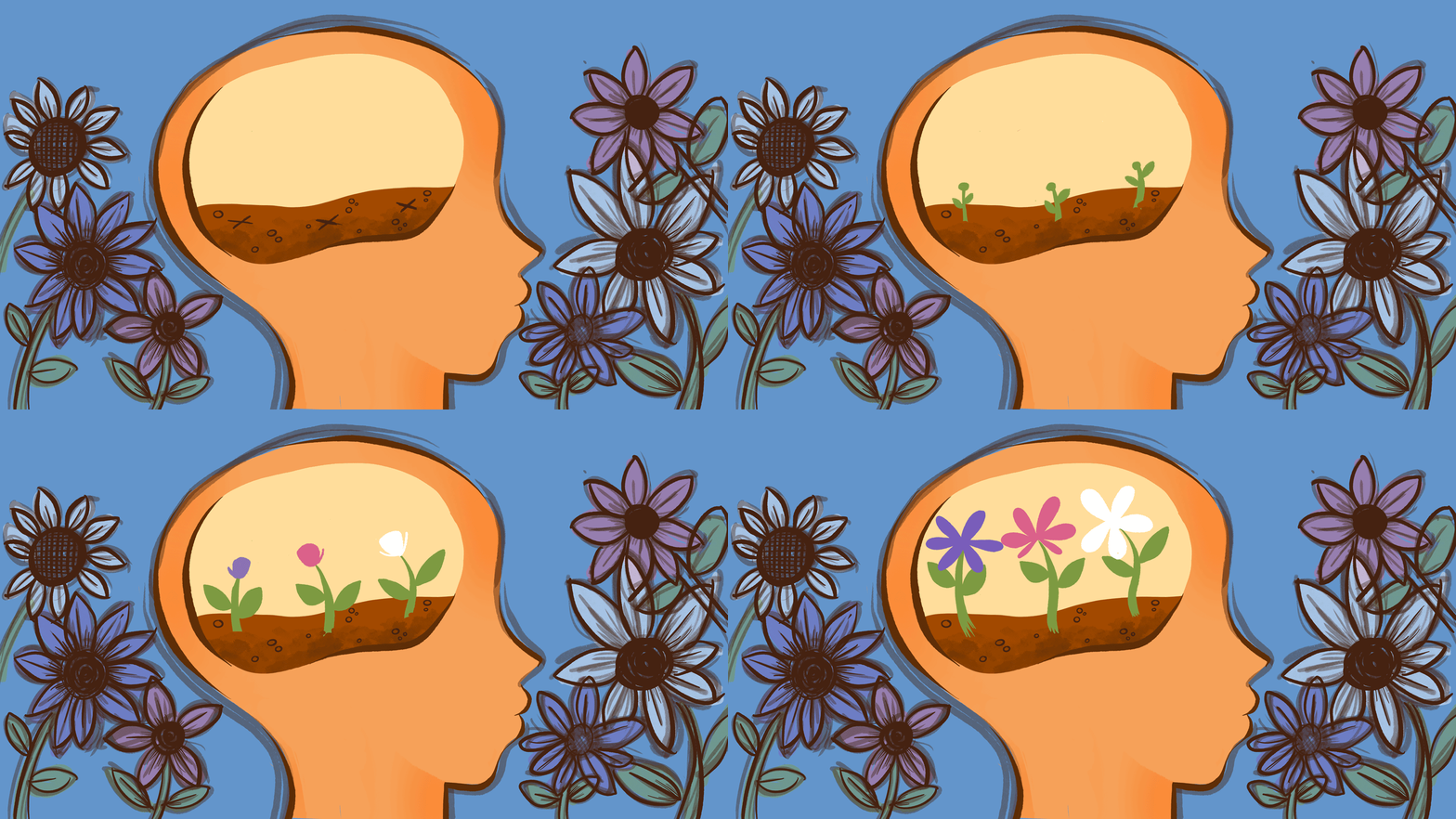
autism-flowers-head-blue-children image

Understanding autism: 10 things to know

A debated link between Tylenol and autism has put the neurodevelopmental condition in the spotlight. Dr. Sarah Mohiuddin answers parents’ top questions.

UPCOMING EVENTS


Brain development and child health: What we’re learning from the ABCD study

Livestream 

March 18 at 12:00pm

Experts will discuss the goals and design of the Adolescent Brain Cognitive Development (ABCD) Study. Register here...

e8f88f4b-e6ad-460d-9d38-609652bd532b image

Research Revealed

Webinar on March 24 at 6pm

Heinz C. Prechter Bipolar Research Program scientists will spotlight the PRIORI study, a groundbreaking project and emotion sensing smartphone app for bipolar disorder. You will learn about the origins and goals of the PRIORI study, how data is collected and processed, and ultimately contributes to advancing bipolar disorder science. Visit the event page to register.

My Beautiful Stutter

Film Screening on April 3 at 6:30pm

The U-M Speech Neurophysiology Lab and A2STAR are hosting this documentary screening. My Beautiful Stutter is a critically acclaimed film about kids ages 9 to 18 who stutter and face social and emotional challenges, especially at school. After connecting at The Stuttering Association for the Young (SAY) in New York City, they experience a transformative realization: it's okay to stutter. 
Panel discussion to follow film.
RSVPs appreciated!

ADDICTION & SUBSTANCE USE NEWS

driver-car-window-marijuana-cannabis image

Life-destroying addiction can start at a corner store - A patient, his doctor and other experts warn of dangers of 7-OH, which is touted as a derivative of kratom and is widely available, but packs far more opioid danger


What does cannabis 'rescheduling' mean for science and society? - Federal change could mean more research on a substance that has reached widespread use for self-medication but hasn’t had its benefits or risks examined scientifically


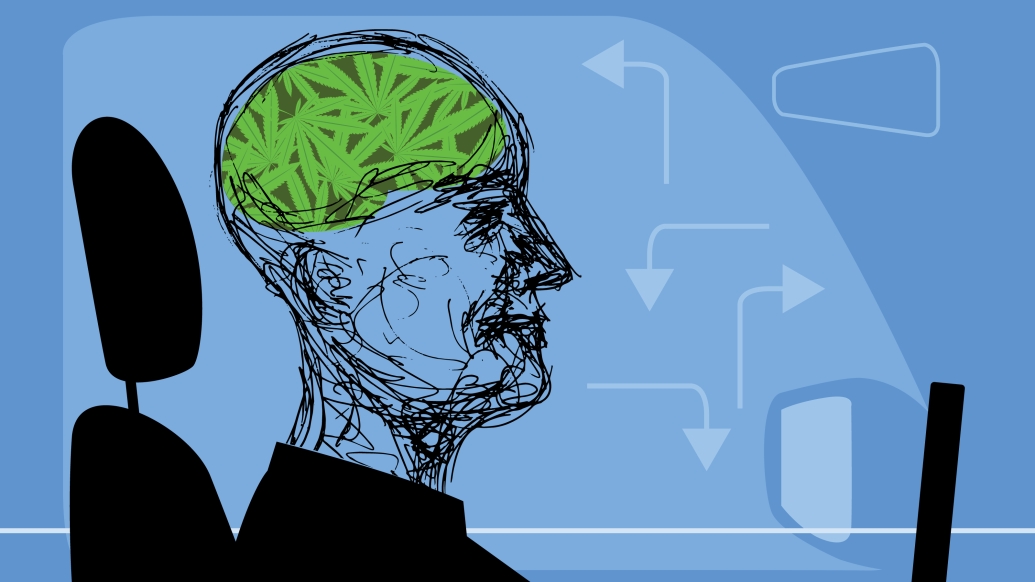
Want to curb cannabis-related crashes? Don’t forget older adults - Among people over 50 who use cannabis, those most likely to drive after partaking are men, people who use daily and those who use for mental health reasons


Could AI help doctors spot risky drinking habits? - Having a natural language processing tool scan the full text of health records identified more potential cases of unhealthy alcohol use


CIRCADIAN RHYTHMS & SLEEP NEWS

The link between sleep and mental health -

Read this article and watch the webinar recording


The Science of Sleep - Several of our experts were featured in a 4-part webinar series by the University of Michigan Alumni Association.


Dr. Helen Burgess was interviewed for this Readers Digest article: Want to Avoid Jet Lag? This Is the Best Time to Fly, Says a Sleep Scientist

Sleep and circadian rhythms are vital to our mental and physical health. When these processes are disrupted, the consequences ripple across every aspect of our well-being — especially in those with psychiatric conditions. Understanding how sleep and circadian rhythms contribute to the development and progression of mental and physical health disorders can provide new avenues for prevention and treatment.


You have received this e-newsletter because you are a friend, alum or supporter of U-M Psychiatry.

Donors make a big difference in advancing our research. Are you interested in supporting our work? Please reach out to our Mental Health Development Team: teammentalhealth@umich.edu