You Can Still Be Mad After Someone Says Sorry
It was our very first social group of the new school year when one of my third graders came looking for me in tears.
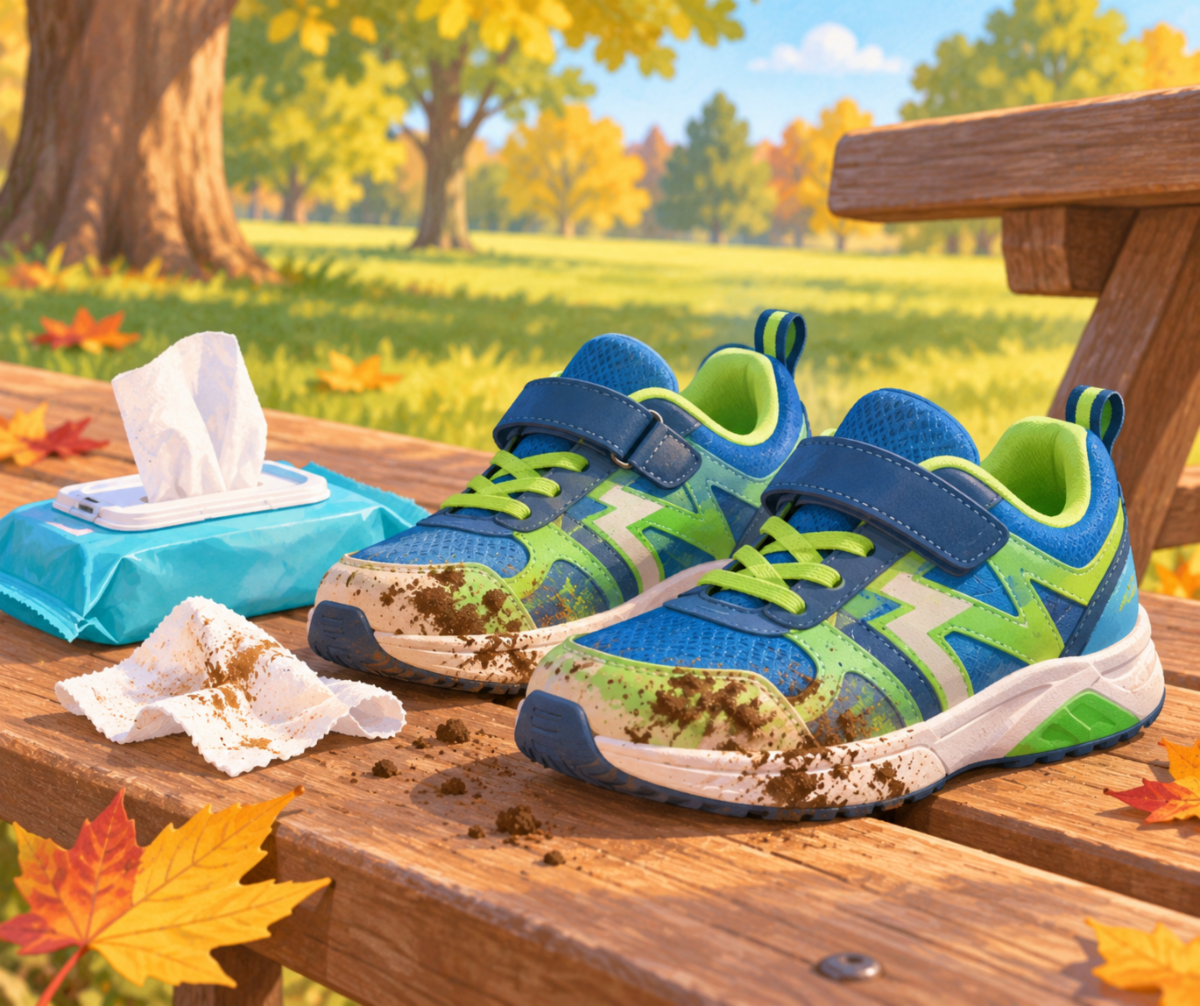
Another child had gotten dirt all over his brand-new, absolutely amazing sneakers.
And to him, this was genuinely upsetting.
He was sad. He was angry. And I heard quite a bit about the injustice of what had happened as we sat together on the picnic table bench.
Before we did anything about the other child, though, we dealt with the actual problem.
We emptied the dirt out of his shoes. He brushed off his socks. I found some wet wipes, and he carefully cleaned his sneakers.
Then I asked him, “How can I help?”
“I want him to apologize.”
That seemed reasonable.
I told him I couldn't promise an apology, but we could certainly try.
The younger child came over when I called him. We talked briefly about what had happened and determined that the dirt incident had been accidental. And without any prompting from me, he apologized.
Problem solved?
Not quite.
My third grader was still mad.
And that's where another growing power came into play.
I told the younger child that he had done everything he could do to repair the situation and sent him back to play.
Then I turned back to my still-angry friend.
He didn't have to suddenly feel better because someone had apologized. He didn't have to decide that what happened no longer mattered. But he did have a choice about what happened next.
He could stay angry and let it ruin the rest of his afternoon. He could call his mom and go home. Or he could still be mad for a while and eventually go back to playing.
There was a little more fussing.
He definitely didn't want to go home.
And eventually, he got up to play.
Before he went, I gave him one more piece of coaching: being angry was okay. Revenge wasn't. If he was still too angry to make good choices around the other child, giving him some space for a while would probably be wise.
🌱 The Growing Power
An apology is an attempt to repair something. It isn't a magic button that makes the other person's feelings disappear.
Sometimes the other person has done everything they reasonably can do. They acknowledged what happened. They apologized. They helped fix the problem if they could.
And we may still be mad.
That's okay.
The next growing power is learning that once the repair has happened, what we do with the rest of our feelings belongs to us.
We can take some space. We can be disappointed. We can need a little more time.
And then we get to decide what happens next.
|