|
What is so powerful about turning to colonial and antebellum archival records is that white people did not mince their words.
They were quite clear and articulate about what it is that they were doing when they simply criminalized Blackness or they simply criminalized the right to be, as my colleague Kelly Lytle Hernández has written.
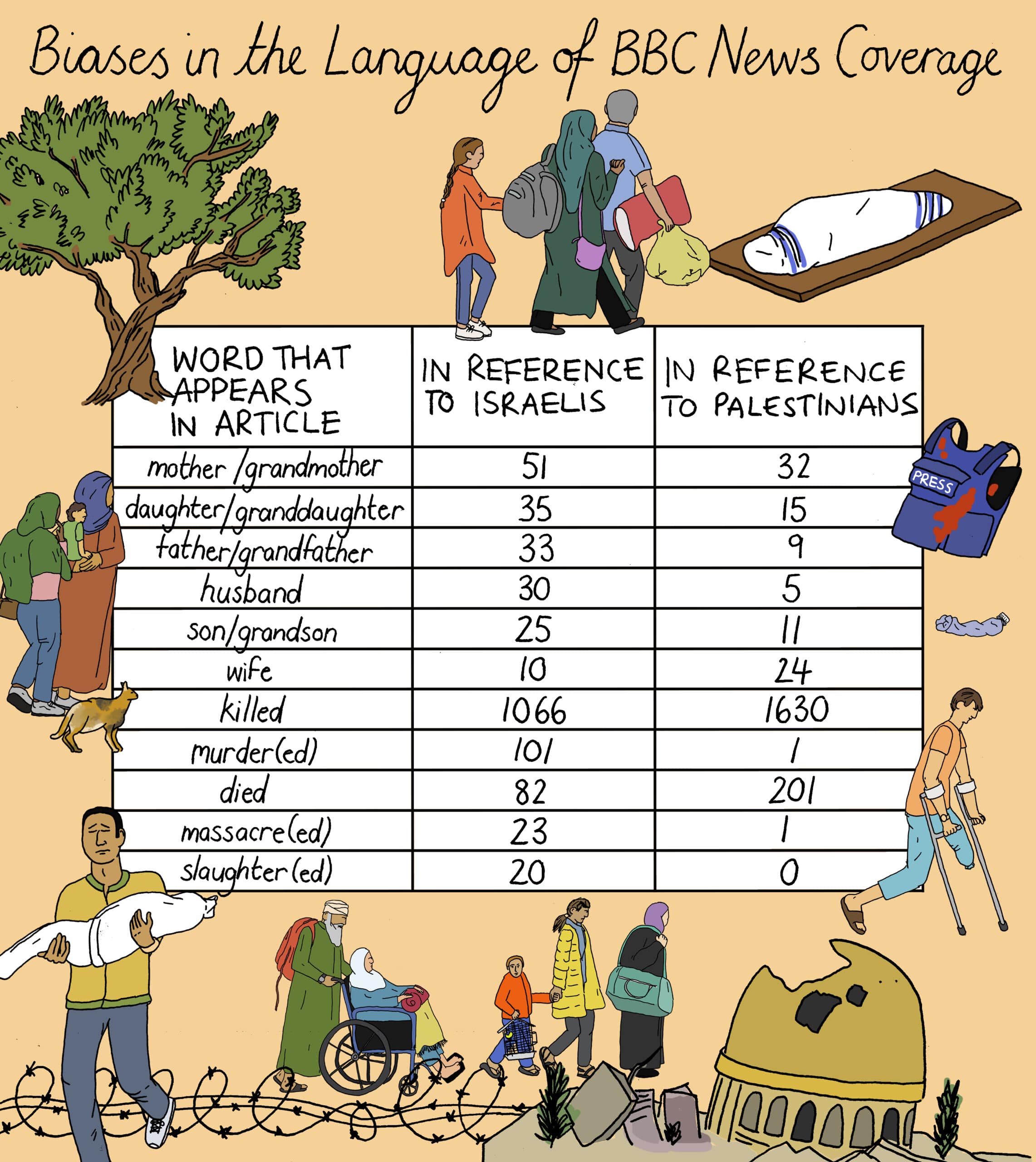
And our language has become a way of obfuscating those same mechanisms. We live in a time, in this modern period of social media, where we have accelerated the capacity to say one thing in public but to do something else quite differently in our policy and practice.
And so, those history lessons are critical — indeed, I would say, life-saving — when it comes to making sure that as we move forward from this moment, if it is even possible, that we come to terms with the clarity with which past political elites talked about what they were doing.
|