Weed Watch!
Colorado Weed Management Association
3rd Quarter Newsletter 2020
|
|
Congratulations on Retirement Ron Mabry!
Thank you for your contributions to CWMA and weed management across the state.
|
|
|
|
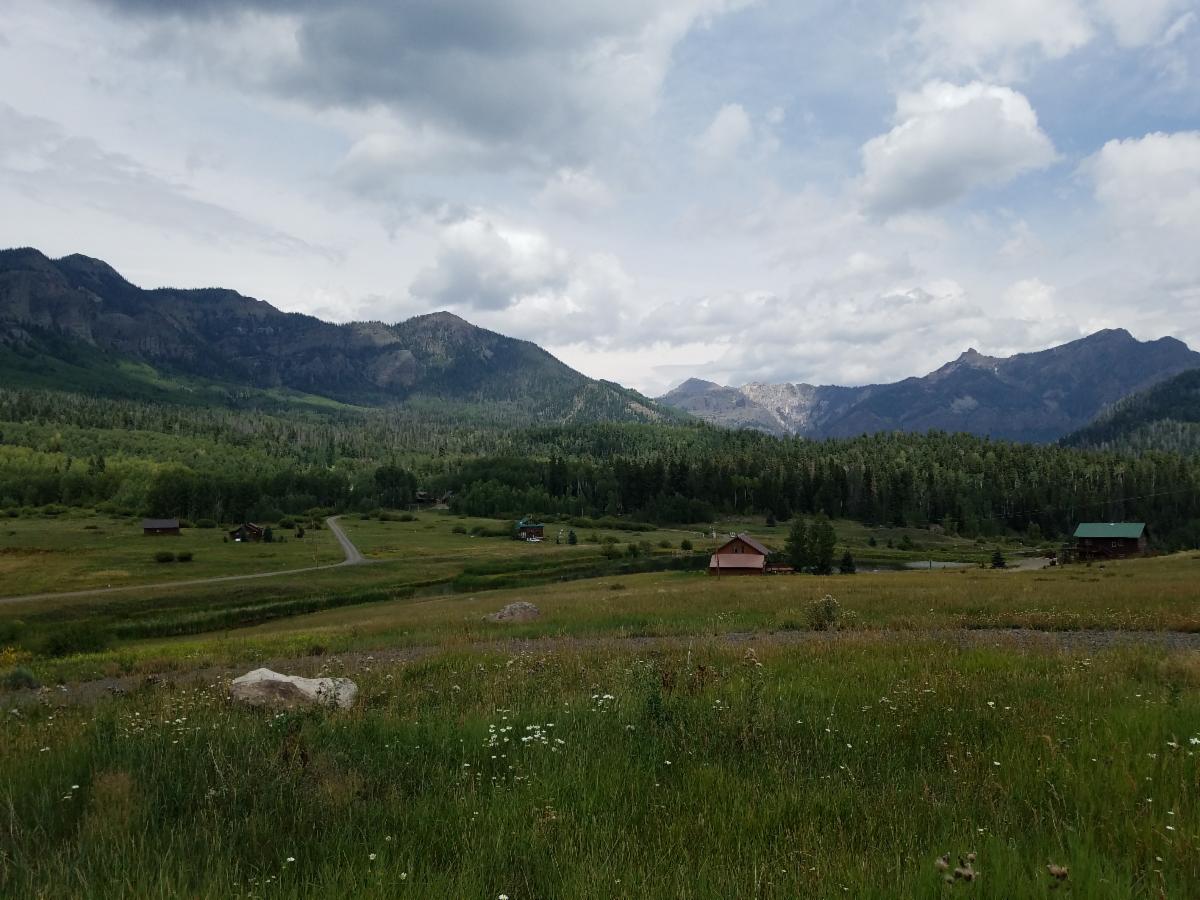
Ron Mabry has been an integral part of the Colorado Weed Management Association and a key player in weed control in the San Juan Mountains managing both Ouray and San Miguel Counties. He helped form the San Juan Mountain Cooperative Weed Management Area and served as CWMA President twice and is an active member of the Legislative Committee. Ron has a degree in Viticulture and Wine Technology from Napa Valley College.
Ron will be missed and we wish him a happy and relaxing retirement!
|
|
CWMA Gold Sponsor
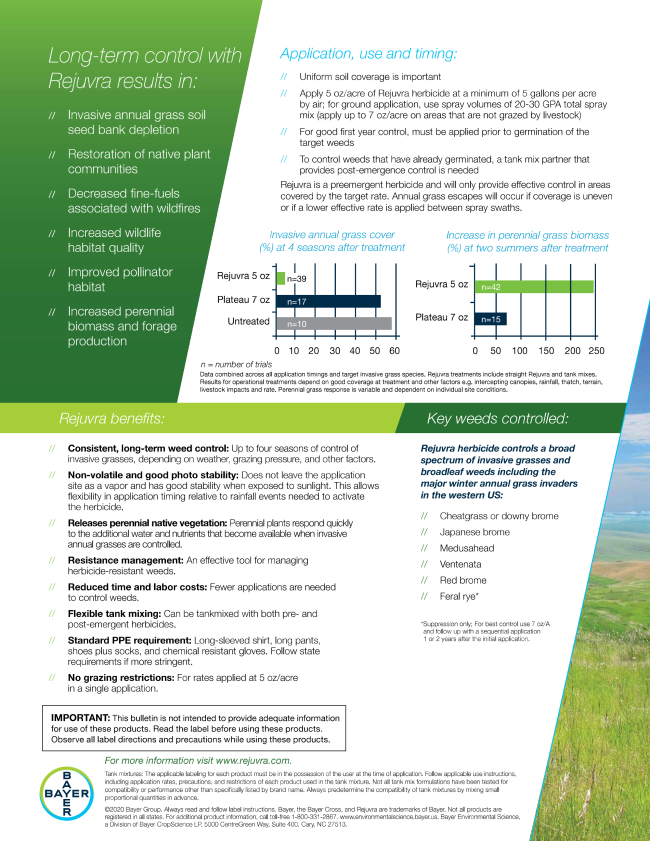
Introducing Rejuvra: Bayer's Newest Tool for Rangeland Weed Control
by Derek Sebastian, Bayer Vegetation Management Area Sales Manager
|
|
Colorado Lands Managers,
It is with great excitement that I’m able to introduce our newest rangeland herbicide tool, Rejuvra! Rejuvra recently received the full grazing tolerance approval from EPA and will carry a zero-day grazing restriction. The Colorado state registration was also recently approved, and the official label can be found here (http://www.cdms.net/ldat/ldGT2000.pdf). Starting in 2010 with a small-plot cheatgrass trial near Rifle, to now over 130 replicated field trials and operational treatments throughout the west, it’s amazing to see how far we have come. I would like to thank you personally for your support and collaboration the past nearly decade! We finally have another tool to fight back and gain ground on the invasive annual grasses and noxious broadleaf weeds that are devastating western rangeland and natural areas.
While we used the trade name of Esplanade 200SC in the past, the new Esplanade 200SC label will be restricted to industrial vegetation uses. Rejuvra is the same formulation as Esplanade and will be the only product labeled for rangeland, CRP and natural areas moving forward.
Additional information on Rejuvra is available at www.rejuvra.com. Here you will find a link to the recent webinar on Restoration of Annual Grass Invaded Landscapes. Additional information will be added over the coming weeks including technical and stewardship information. Here are a few video links with additional information from the CSU Virtual Field Day.
Thanks again for your support and please reach out any time!
Derek Sebastian
Bayer Territory Manager (CO, WY, MT)
|
|
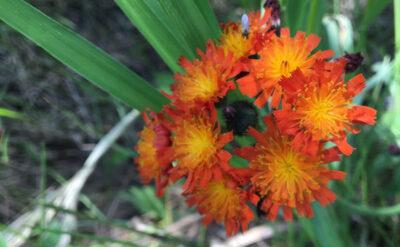
Weed Awareness Campaign: Orange Hawkweed |
|
Orange hawkweed is a perennial member of the Sunflower family (Asteraceae). This List A noxious weed can grow to about 24 inches tall. Groups of ½ inch wide orange dandelion shaped flowers form at the end of slender, hairy, leafless stems. The dark green, hairy leaves are lance-shaped and form a basal rosette. It reproduces by seed, runners (stolons) and rhizomes. It forms dense mats. It can be found in forest meadows, along rights-of-way, waterways, lakes, and ponds. Originally from Europe, it is found in many areas of North America. In Colorado, it is found in large areas of the Front Range and in Grand County. And is found in lower numbers in a number of other counties.
|
|
Unsolicited Seeds from China
USDA’s Animal and Plant Health Inspection Service (APHIS) is aware that people across the country have received unsolicited packages of seed from China in recent days. APHIS is working closely with the Department of Homeland Security’s Customs and Border Protection and State departments of agriculture to prevent the unlawful entry of prohibited seeds and protect U.S. agriculture from invasive pests and noxious weeds.
Anyone who receives an unsolicited package of seeds from China should immediately contact their State plant regulatory official or APHIS State plant health director. Please hold onto the seeds and packaging, including the mailing label, until someone from your State department of agriculture or APHIS contacts you with further instructions. Do not plant seeds from unknown origins.
|
|
Sponsor the CWMA Calendar! |
|
Organically Controlling Weeds with Taproots
by Kara Harders, Colorado State University Extension and NRCS Small Acreage Specialist
|
|
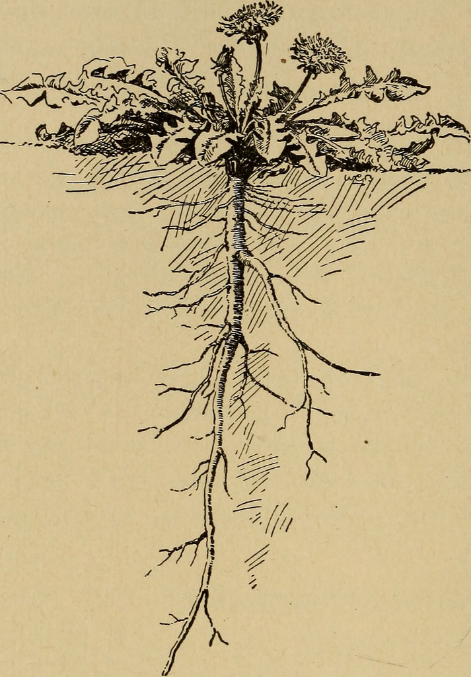
Weed control is a constant battle but some are easier (in theory) than others. Some of the more difficult weeds to control are those which have a taproot. These weeds readily come back after being mowed, pulled, or eaten because they have enough nutrients stored in their roots to regenerate! There are several tools to consider for controlling weeds organically. No matter what tools are used, it is important to recognize weeds as a symptom of land management. You may control the weeds one season, but if the ground is left uncovered, over grazed, or reintroduced to weeds your problems will likely return quickly.
Obviously, life would be much easier if the weeds weren’t there to start with. When it comes to organically controlling weeds, proactive strategies will save you far more time and labor than reacting to the weeds once they are present and established. Proactive approaches to weed management include mulching, crop rotations, or cover cropping. These methods all make it difficult for plants to get enough sunlight to grow or become comfortable in their surroundings. They also increase soil health, decrease erosion, and even help with pest problems. Consider adding these methods to your land to help prevent the problem!
If you only have a few of the pesky plants, using a spade to dig out the whole root can be a reasonable approach, especially if the ground is relatively soft. Getting the plants out before they go to seed helps prevent new ones from establishing too. Hand pulling is generally not effective on plants with taproots since they tend to break off leaving the roots safely underground ready to re-grow. This is why goats are less effective on taproot type weeds. If you want to use animals to control weeds, pigs are a more effective choice. Since they plow and root up the soil, they do a better job killing the root of these weeds.
Occultation is a less known method which helps germinate and kill weeds early in the season. By anchoring heavy tarps (UV-stabilized silage tarps work well) or dark landscape fabric over land you wish to farm, you can increase the temperature of the soil earlier in the spring and cause seeds to germinate earlier. When the plants under the tarp sprout, they have no sunlight and die off. After three to four weeks the weeds should have grown and died, leaving behind a bed of soil ready for planting. If well cared for, the tarps or fabric can be reused many times! A barrier to this method is the tarps can be too heavy, difficult to move, or hard to store depending on your situation.
Flame weeding is another method that can kill weeds from a seed bed after they have germinated. Flame weeding works by burning young plants when their root systems may not be established enough to allow them to recover. It also can knock back a weed population allowing desirable plants seeded shortly after to better compete for sunlight, moisture, and nutrients.
Herbicides can also be a choice in organic agriculture (although they are often less effective on established weeds with taproots). In order for an herbicide to be approved for organic use, the active ingredients need to be approved for use by the National Organic Program or NOP. The timing of the application is highly important and multiple applications are often required. One of the more frustrating aspects of organic herbicides is they have broad spectrum effects, essentially, they harm everything they touch. And remember, always read and follow directions on herbicide labels!
Here are some of the more common active ingredients in organic herbicides:
· Herbicidal soaps – fast-acting, broad spectrum herbicides made from fatty acids. They are used as post-emergent and are most effective on annual broadleaf weeds and grasses.
· Clove oil – an active ingredient in post-emergent, non-selective organic herbicides. Research has shown that is can be as effective as acetic acid in controlling broadleaf weeds but at a lower application rate.
|
|
CWMA Winter Training 2020 is Going Virtual!
We're gathering online! Connect with weed managers from across the state – and beyond – to get the latest updates on effective tools, relevant research, and strategic management approaches. Earn CE credits to renew your license, network with professionals in our industry, and learn the latest trends and techniques.
We are working on the registration details now and will update with more information as soon as possible. If you registered for the 2020 Spring Training we will work with you directly to transfer over your registration and handle all payments and refunds needed. We thank you for your patience!
Set a reminder to register here. |
|
Nominations for CWMA awards will be open soon, so start thinking of deserving members who should be nominated for Weed Manager of the Year, the Lifetime Service, Newcomer of the Year, and the Golden Boot Awards! |
|
CSU Virtual Weed Science Tour 2020
Tour Information: New realities require different action and we are excited to share the CSU Virtual Weed Science Tour with all of you through videos.
The virtual tour will consist primarily of videos for each tour site with information about the goals, objectives, and overall findings. Sites include kochia and downy brome management in rights-of-way, revegetation/restoration research plots at the Denver International Airport, resistant kochia management, wildlife and pollinator habitat restoration, and more. The virtual tour allows for us to share more research and work being done at the university, industry, and county level. For anyone interested in taking a step outside, there are two sites that can be visited, showcasing bare ground research and common mullein control.
|
|
Promoting CWMA membership
How can we help?
Do you know someone that should be a member of CWMA? Learn all about CWMA benefits and membership types at www.cwma.org/membership. Use this information as talking points to encourage colleagues to join and get active with CWMA.
Or, perhaps you are unsure whether someone you know is already a member? Search for them in our directory located in the members-only online portal. You can also use this site to renew your membership, register for CWMA events, and update your contact information.
Need help promoting CWMA? Let us know how we can assist you.
Monica Groh, CAE
Colorado Weed Management Association
|
|
CWMA is Looking for a new Membership Committee Chair
This volunteer position entails contacting at-risk members monthly to help CWMA maintain members. Contact info@cwma.org if you are interesting in this position or know of someone who would be a good fit. |
|
Report Plants of Concern to the CDA with New Form
by Patty York, Colorado Department of Ag Noxious Weeds Department A List Species Specialist
As part of the Early Detection and Rapid Response (EDRR) Plan within our Noxious Weed Program at the Colorado Department of Agriculture, we have a couple of tools and processes available that enable citizen scientists and noxious weed specialists to help us identify which plants might be the next big threat to our state's economic and environmental resources, and which plants we should list on one of our formal, regulated Noxious Weed Lists (A, B, or C).
The initial tool we have available is a report for non-listed, non-native "Plants of Concern" species that are found to be acting invasively somewhere within the state, or plants that have the potential to do so. We request that reporters try to identify the plant to the species level first, make sure it is non-native (native species will never be listed as "noxious"), take photos of both the plant and infestation, and create a report in the EDDMapS West database.Once you have completed these steps, please fill out the Plant of Concern form in order to bring this plant to our attention. If the plant has not been found in Colorado yet, skip the EDDMapS West step and go directly to filling out the form.
Once plants are elevated through the Plants of Concern lists (or other processes), they are placed on the Watch List . This is a non-regulated list of species that have been determined to pose a potential threat to the agricultural productivity and environmental values of the lands of the state and require careful observation. Many species included on this list are not yet known to occur in the state but have been recognized as noxious or problematic by another state or states in the region. For the included species that do occur in Colorado, more information is needed about the distribution and effect on agricultural and natural lands in the state. If you find a population of one of the Watch List species, please submit a report to the EDDMapS West database.
These reports ultimately help our team determine which species will end up on one of our regulated state Noxious Weed Lists. You can find these links on our Early Detection and Rapid Response page, along with other resources. Please contact me, Patty York, if you have any specific questions or EDRR needs.
|
|
Collaborating to a Successful Weed Season
by Montana Cohn, Mesa County Noxious Weed and Pest Management Coordinator
|
|
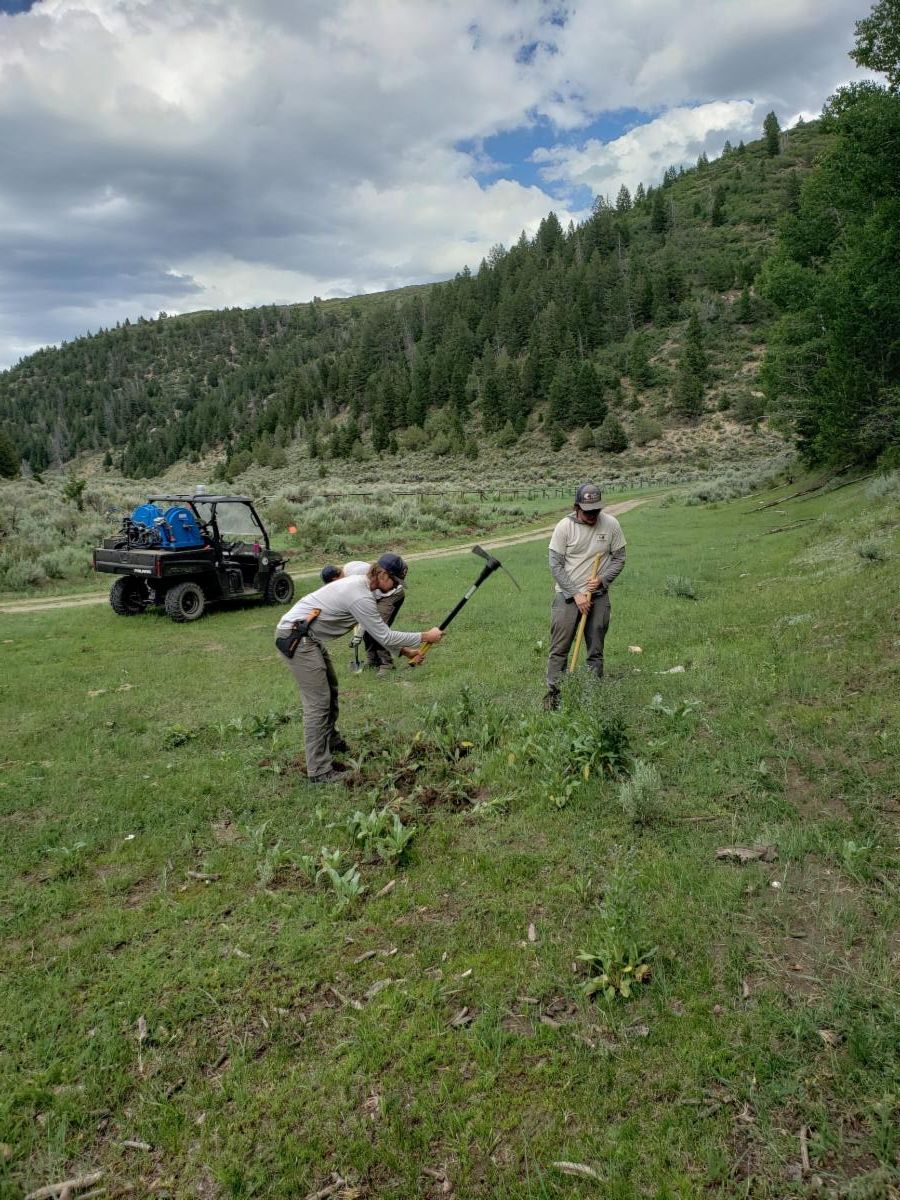
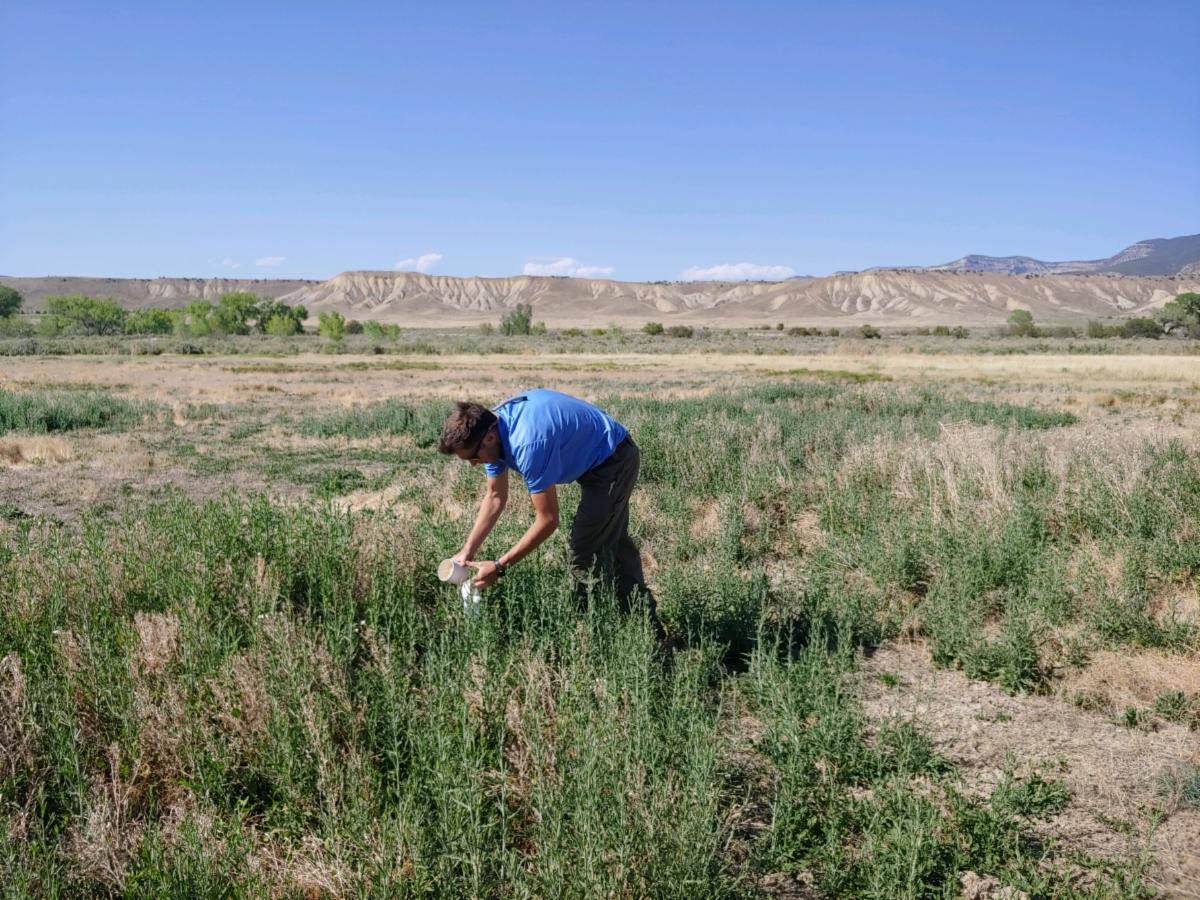
Mesa County completed an overnight camping trip in the Bookcliffs collaborating with Grand County Weeds. We spent one day working on the Utah side and one day on the Colorado side. We were able to socially distance through camping and working outdoors and we mapped and dug Diffuse and Spotted knapweed, Houndstongue, and Black henbane.
|
|
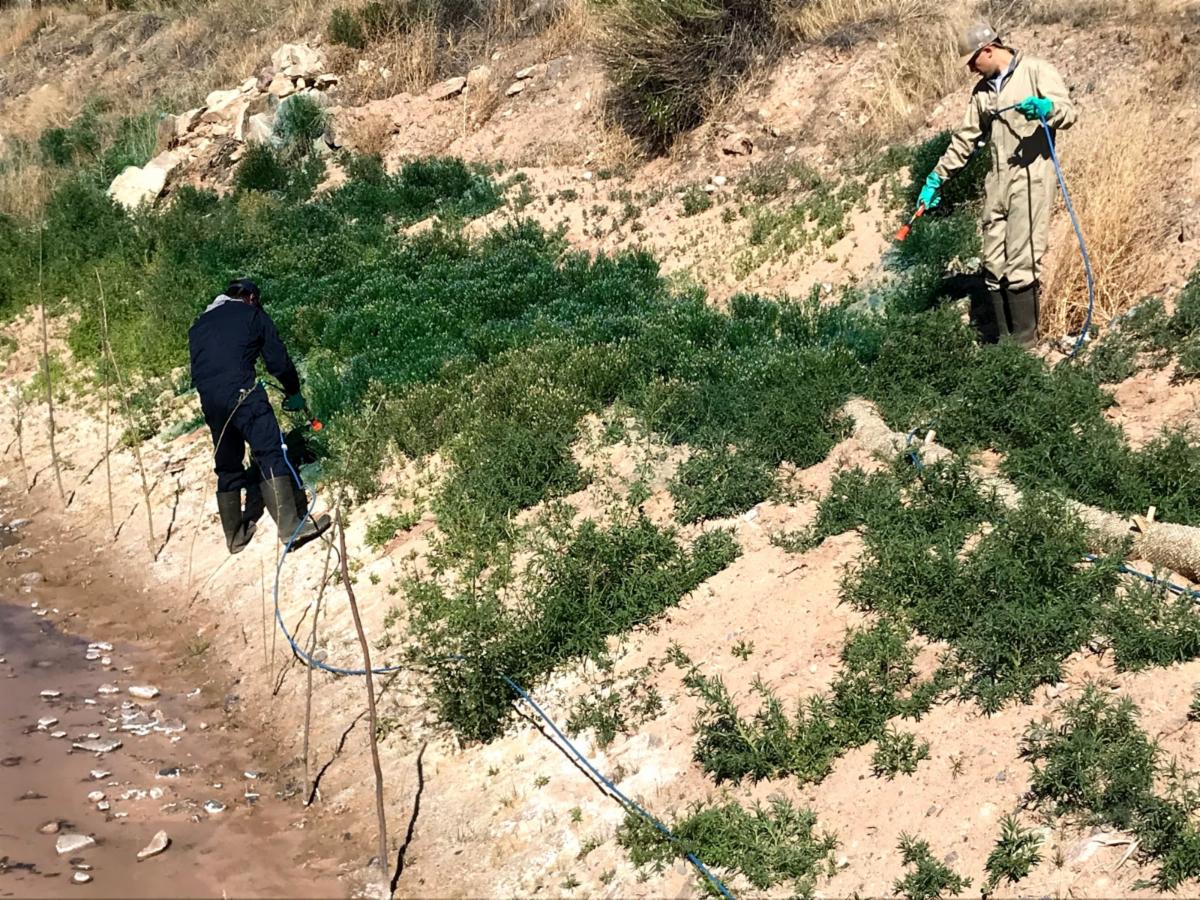
We have collaborated with the City of Grand Junction on their new bike path by spraying the Russian knapweed in their native plant revegetation site. |
|
We did our first year or Russian knapweed gall wasp releases. Acting as a liaison to the Palisade Insectary and bringing this biocontrol to landowners. Year 2 will include monitoring these sites. |
|
Call for Submissions: Are you a writer or have a story to tell?
If you have a success story or event you'd love to share...we want to help!
Colorado Weed Management Association is always looking for new content, exciting stories in integrated management, and alerts on new weed species!
Send in an article, write up, or pictures and we can share them in our quarterly newsletter.
All submissions are subject to review.
Newsletter contributors do not have to be CWMA members.
|
|
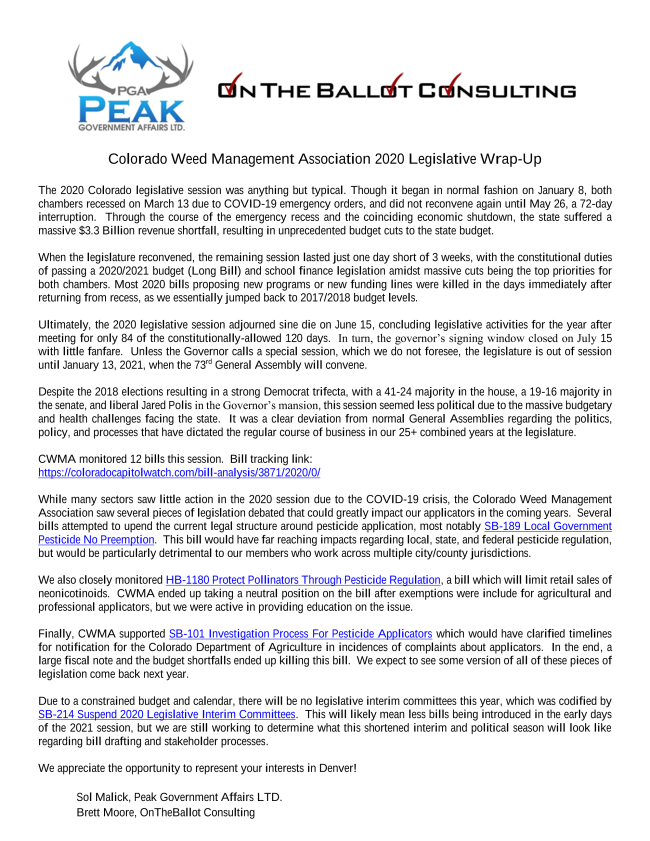
Legislative Update
by Brett Moore: OnTheBallotConsulting and Sol Malick: Peak Government Affairs
|
|
President
Tina Travis
President Elect
Kayla Malone
Secretary/Treasurer
Casey Cisneros
Board of Directors:
Curtis Marshall
Derek Sebastian
Drew Marino
Ethan Proud
James Herman
John Coyle
jcoyle.02@gmail.com
Kayla Malone
Mike Auciello
Ron Mabry
|
|
Ex-Officio Members:
Steve Ryder
Mark Eike
Elizabeth Brown
Executive Director:
Monica Groh
7187 W. 79th Drive
Arvada, CO 80003
(303) 210-7077
|
|
|
How can CWMA work for you!
Do you want to make a difference with CWMA? Would you like to influence the direction that CWMA is leading? Join a committee!
Annual Winter Training - Kayla Malone
Communications - Ethan Proud
Education - Kayla Malone
Colorado 4 Healthy Landscapes (C4HL) - Ron Mabry
Legislative - Casey Cisneros
Membership - Drew Marino
Publications - Tina Travis
Annual Spring Training - Jonathan Rife (303) 660-7480
Want to join a committee but don't know where to start? Contact us for more info!
|
|
Job Opportunities:
Looking to further your career in stewardship, conservation, and natural resources? CWMA shares job postings from natural resource employers!
To view job listings and descriptions, click here.
To post a job, click here.
|
|
|
|
|
|
|