In the latest issue of Discoveries: | | | | Stem cell therapy for stroke: A new study showed that a stem cell therapy for stroke enabled transplanted cells to mature, integrate into existing circuits and restore function. | | | | Magnetic therapy protects the brain: Chronic neuroinflammation drives damage in diseases such as Alzheimer’s, Parkinson’s and multiple sclerosis, as well as some psychiatric disorders. A recent study reports that a novel magnetic therapy showed anti-inflammatory, antioxidant and neuroprotective effects. | | | | Sanford Burnham Prebys turns 50! Learn more about the installation of street banners along Torrey Pines Road and Science Park Road, a new anniversary website, and view the video in celebration of the Institute's golden jubilee this year. | | Stem cell therapy for stroke shows how cells find their way in the brain | | |
The human brain is not a fast-healing organ. Normally it doesn’t need to be, as adult brain cells are stable and last for a lifetime. When trauma or disease such as a stroke occurs, the brain struggles to bounce back because it has a limited ability to regenerate lost cells.
Stem cell therapy is a promising method for boosting regeneration in the brain, but transplanted cells have struggled to replace damaged tissue and reestablish broken circuits.
| | | A new study from the Zhang lab tested a therapy for stroke derived from human stem cells. When transplanted into mice, the cells matured, integrated into existing circuits and restored function. By tracing the cells and sequencing their gene expression patterns, the researchers also revealed how transplanted cells find where they need to go and form connections with the nervous system. | | New magnetic therapy could transform treatment of neuroinflammation—a hidden driver of brain disease | | |
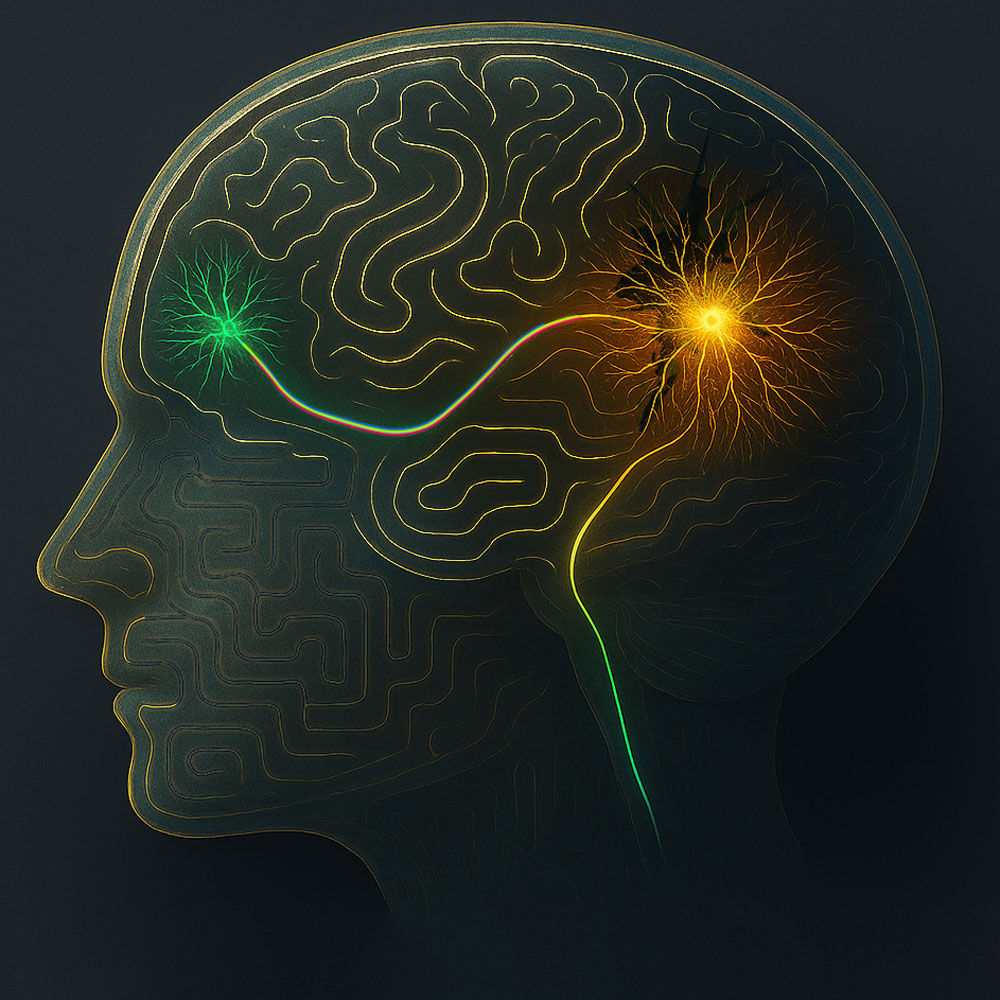
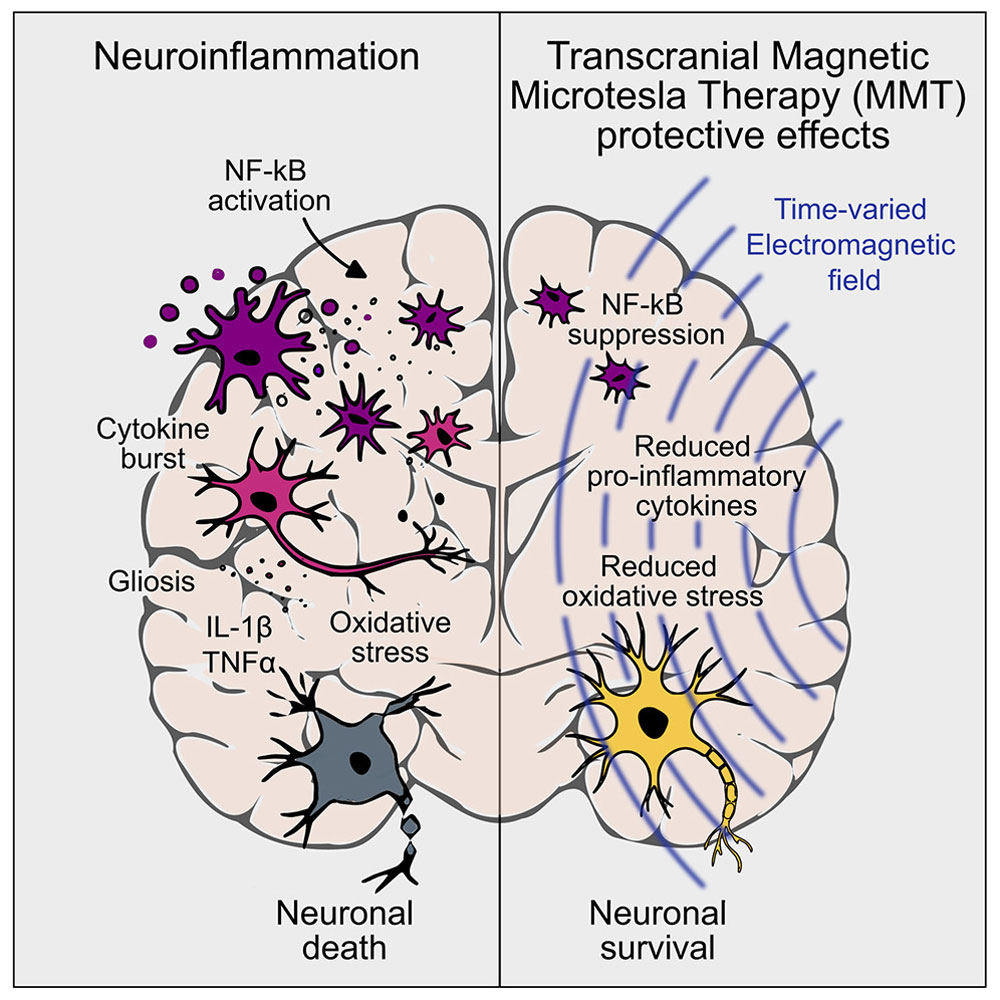
Neuroinflammation is a hidden driver of many brain diseases—and a major challenge in neuroscience. Researchers at Sanford Burnham Prebys are exploring a new magnetic therapy approach that could change how these conditions are treated.
“We found that in cells, microtesla magnetic therapy inhibited cytokine production and suppressed activation of immune cells like monocytes and macrophages, conferring both indirect and direct neuroprotection,” said study co-author Kevin Tharp, PhD, assistant professor at Sanford Burnham Prebys, in collaboration with Fareon Biosciences.
| | | Make a lasting impact with a future gift | | |
Your generosity can shape the future of science. A planned gift to Sanford Burnham Prebys is a powerful way to support discoveries that improve human health—while also aligning with your personal and family goals.
When you let us know about your intended bequest or other planned gift, we’re honored to welcome you into our Legacy Circle, recognizing those whose foresight helps advance research for generations to come.
| | |
For more information, please contact Sandy Liarakos, CFRE, CSPG Vice President of Philanthropy, at sliarakos@sbpdiscovery.org.
Sanford Burnham Prebys Medical Discovery Institute is a 501(c)(3) nonprofit organization. Tax ID: 33-0319504.
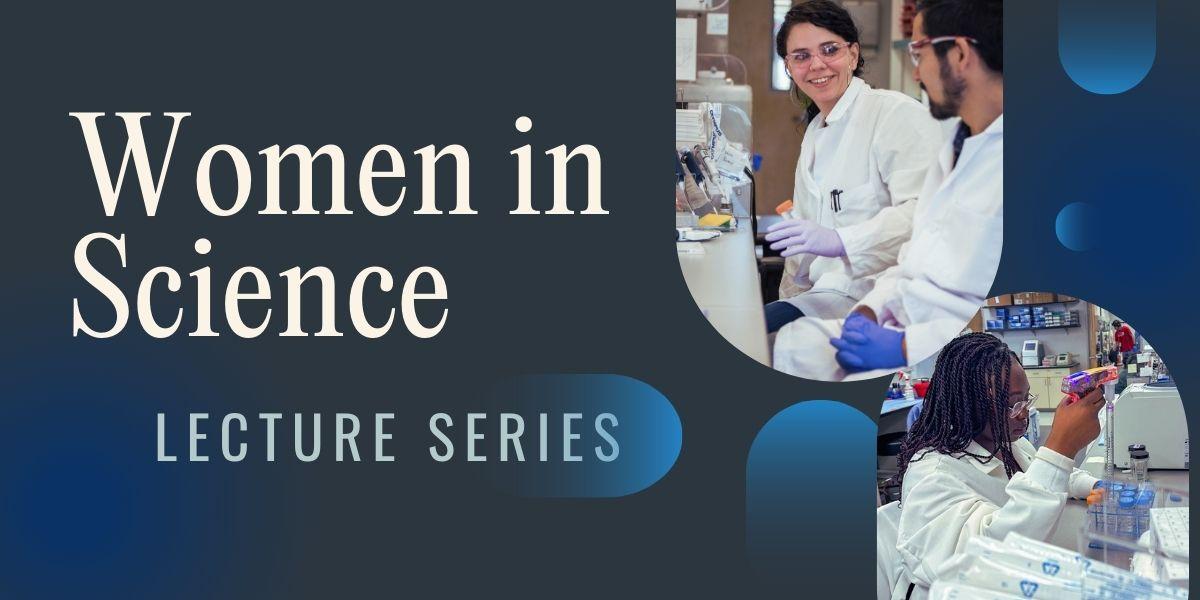
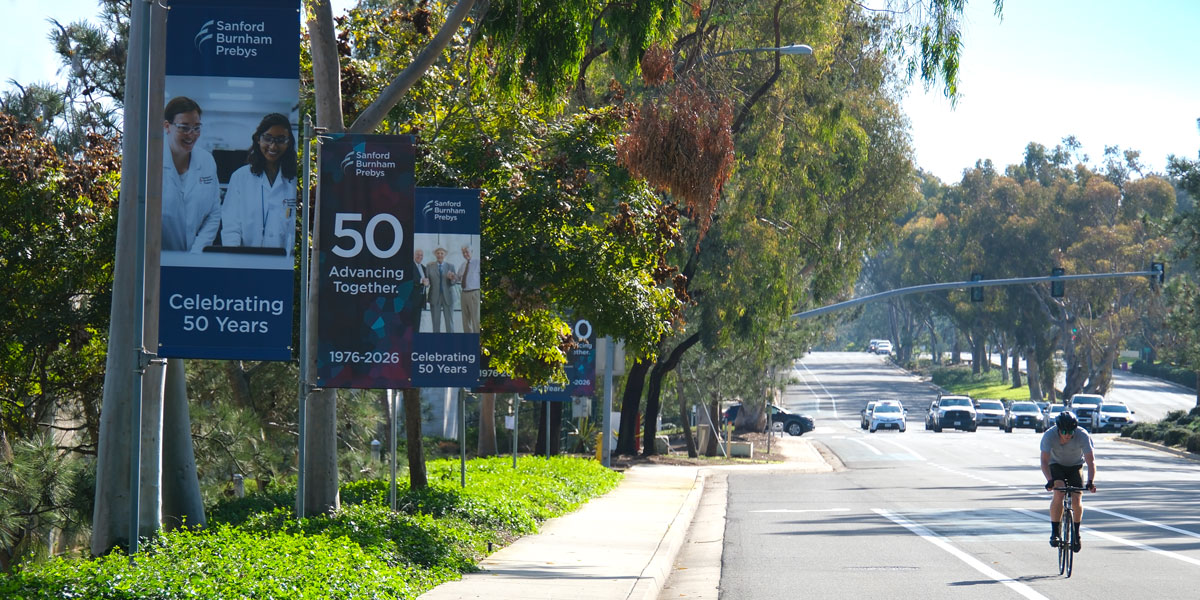
| | Join us February 11 for the next Women in Science lecture | | The February event features Cheryl A.M. Anderson, PhD, MPH, MS, professor and dean of the Herbert Wertheim School of Public Health and Longevity Science at UC San Diego; and Angela Liou, MD, pediatric neuro-oncologist with a dual appointment at Rady Children’s Health and the Cancer Genome and Epigenetics Program at Sanford Burnham Prebys. | | | Our 50th anniversary coming—and going | | As we approach the Institute's golden jubilee (1976-2026), celebrations and commemorations are beginning to pop up, including installation of street banners along Torrey Pines Road and Science Park Road. | | | To recognize the momentous occasion, we’ve prepared a special website to share 50 years of discoveries. The site includes a timeline of institutional milestones, photos of the Institute’s past and present, feature stories and a question-and-answer series. Join us at sbpdiscovery50.org to see how Sanford Burnham Prebys has been shaped by bold ideas, dedicated scientists and a shared commitment to discovery. | | The Epigenetics Podcast features Will Wang | |
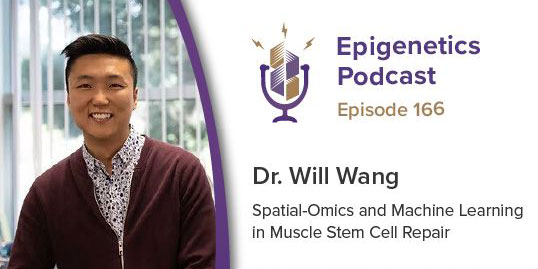
In a recent episode of the Epigenetics Podcast, host Stefan Dillinger, PhD, speaks with Will Wang, PhD, about muscle stem cell repair, regeneration and aging, and how epigenetic mechanisms influence the body’s ability to recover over time.
The podcast features conversations with leading voices in the field, exploring the discoveries shaping our understanding of gene regulation, development and disease.
| |
🎧 Listen to the new episode on:
| |  | How scientists turned plant poisons into medicines | |
The US Food and Drug Administration approved Metformin for use as a diabetes drug more than 30 years ago. This medicinal compound—prescribed to patients to help control high blood sugar—was discovered in nature through a toxic herb found in a variety of medieval remedies.
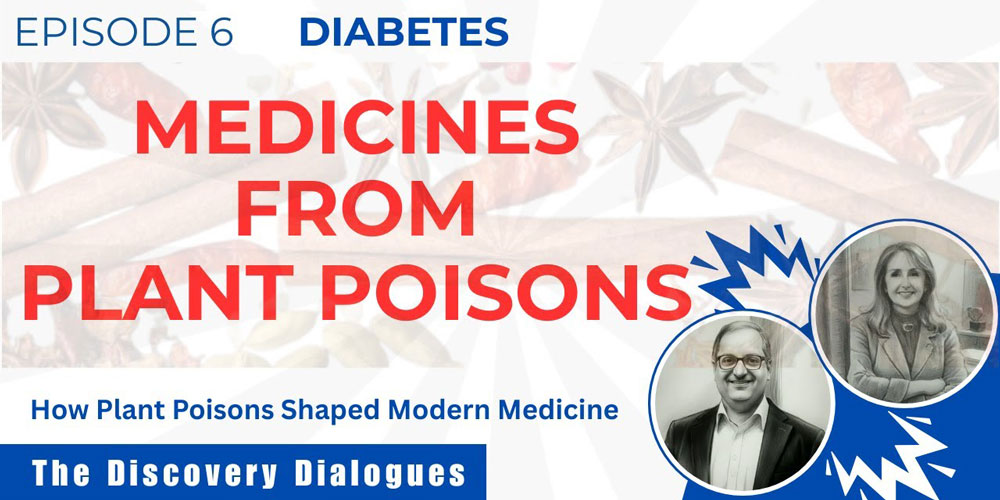
Sanford Burnham Prebys scientists Ani Deshpande, PhD, and Pamela Itkin-Ansari, PhD, recently released Episode 6 of the Discovery Dialogues Podcast focused on Metformin and other medications with origins as plant poisons.
| |
🎧 Listen to the new episode on:
| | Opinion: Rolling back hepatitis B protections risks disaster | | Just 15 years ago, vaccine-preventable diseases topped a list of the greatest public health achievements of the young millennium produced by the Centers for Disease Control and Prevention (CDC). | | | As a national vaccination policy panel considers eliminating the recommendation for universal hepatitis B vaccinations, Dr. David Brenner, president and CEO of Sanford Burnham Prebys, argues for continuing the recommendation in his latest essay for The San Diego Union-Tribune. He reminds readers that there are decades of data showing the HBV vaccine (and others) are effective, and that they treat disease by preventing it—the best of all outcomes. | | A closer look at Sanford Burnham Prebys in Giving Back Magazine
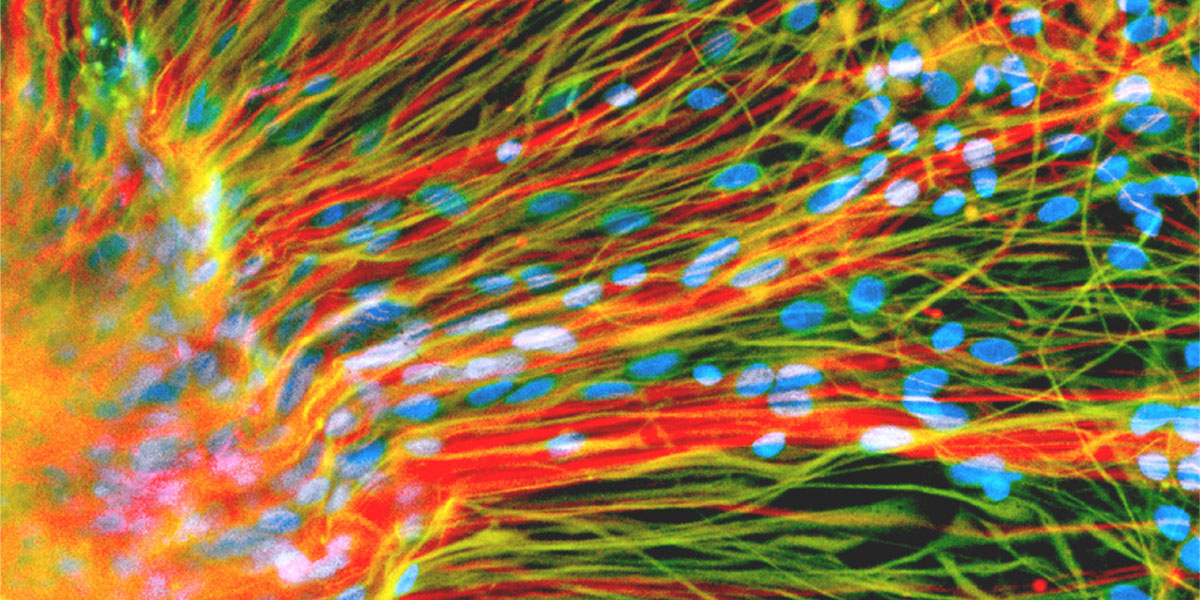
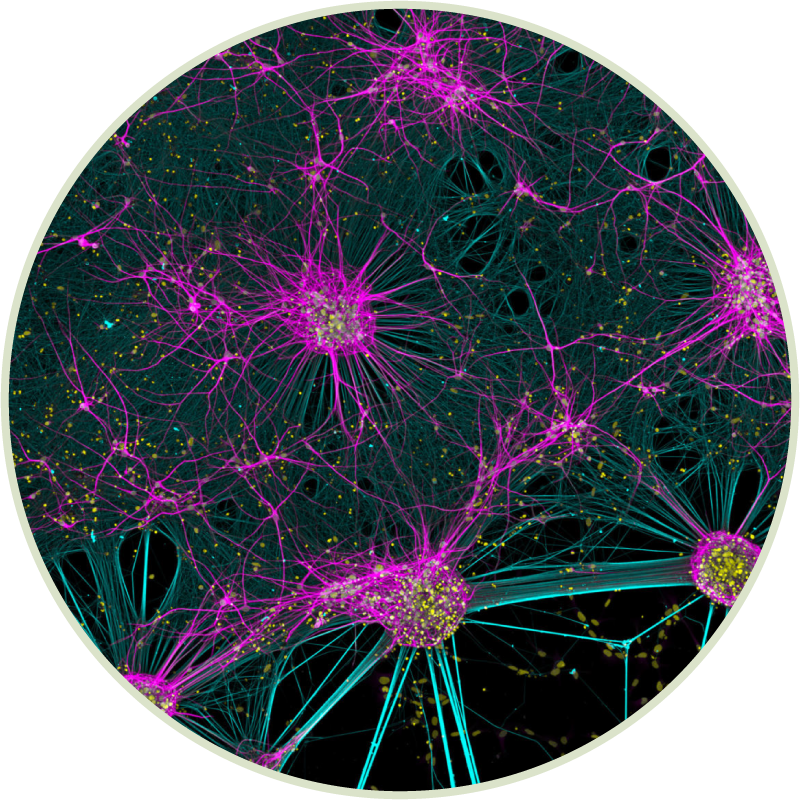
| | As Sanford Burnham Prebys nears its 50th anniversary, Giving Back Magazine featured a brief look at the Institute’s history, highlighting the philanthropy, vision and scientific progress that have defined Sanford Burnham Prebys Medical Discovery Institute since 1976. | | | The complicated nature of biomedical degree enrollment | | The Institute’s Graduate School of Biomedical Sciences contributed application data to Jonathan Wosen’s recent reporting for STAT News on changes to enrollment in undergraduate and graduate programs that prepare the next generation of biomedical researchers. | | | Experts say that data from 2026 and beyond will be needed to more fully understand how federal policy shifts have affected the aspirations of students and biomedical degree program enrollment. | | A confocal micrograph of human neurons reprogrammed from skin cells. Image courtesy of Bruno Cisterna and Eric Vitriol, Medical College of Georgia at Augusta University. | | | Sanford Burnham Prebys | 10901 N Torrey Pines Road | La Jolla, CA 92037 US | | | | |