|
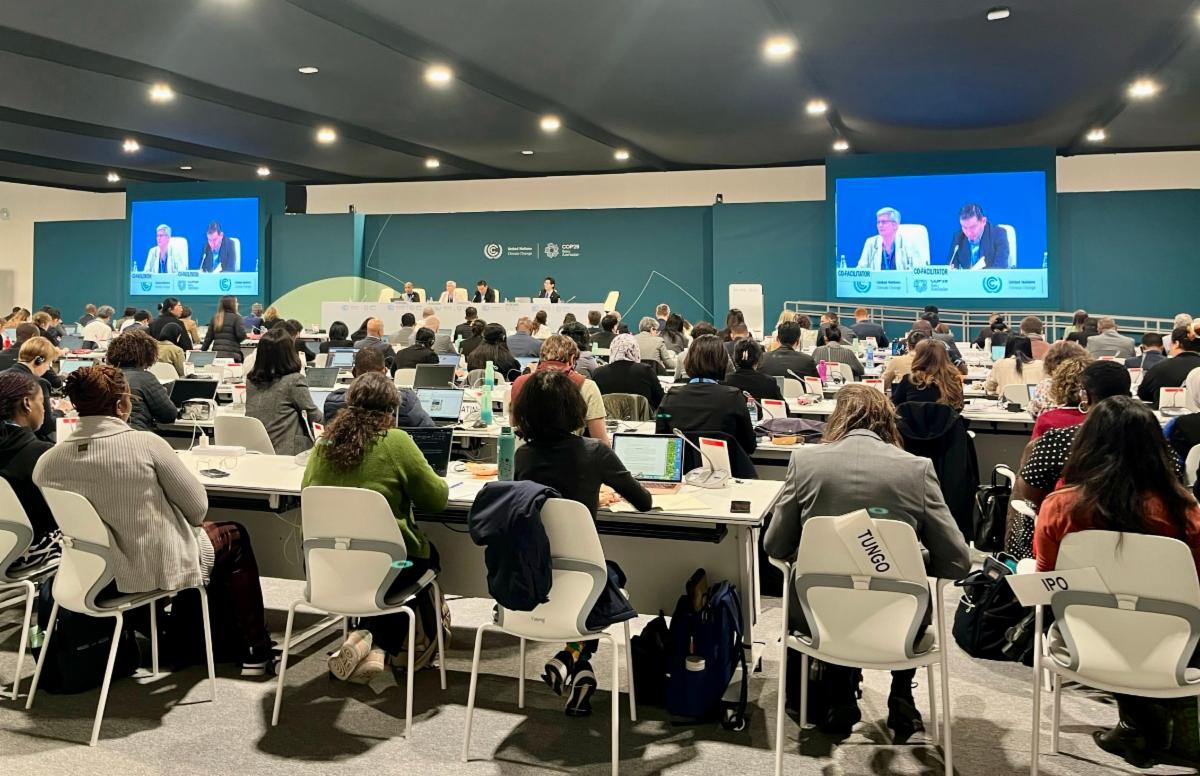
After nearly a decade of work, countries at COP29 agreed on the final building blocks that set out how carbon markets will operate under the Paris Agreement, making country-to-country trading and the Paris Agreement Crediting Mechanism fully operational.
What was agreed on Article 6.4 at COP29?
On day one of COP29, Parties agreed strong standards for the crediting mechanism under Article 6.4 of the Paris Agreement. This is good news for developing countries, who will benefit from new flows of finance. And it is particularly good news for least developed countries, who will get the capacity-building support they need to get a foothold in the market.
Additionally, under the text agreed on Article 6.4 at the end of COP29, there is a clear mandate for the UN carbon market to align with science. It tasks the Supervisory Body getting this market up and running to consider the best available science across all work going forward.
Read the Article 6.4 decision text.
What comes next?
The work on carbon markets doesn’t stop in Baku.
The Supervisory Body setting up the Paris Agreement Crediting Mechanism has been handed a long 2025 to-do list by Parties and will continue to be accountable to them.
The Body will next meet in February 2025 to expedite its work on further standards, tools and guidelines relating to baselines, downward adjustment, standardized baselines, suppressed demand, additionality, and leakage, as well as non-permanence and reversals.
Work will also be expedited to get the mechanism registry up and running. The procurement of the mechanism registry IT solution is ongoing in conjunction with the procurement of IT solution for the international registry.
Meanwhile, the secretariat has developed an interim mechanism registry capable of holding A6.4ERs and CERs eligible for transition and use in the 1st NDC period. The aim is for the interim registry to be operational by the end of 2024.
|