|
Market Pulse
February 2024
| |
- Total home sales across the East Tennessee region declined 15.2% from 2022 to 2023, one of the largest annual declines on record. Despite the drop in sales activity, home prices grew 5.3% from the previous year.
- Apartment rent growth slowed in January, with rents across the Knoxville metro area increasing 3.7% from the previous year. By comparison, rents were up 0.25% nationally during the same period.
- Knoxville ranked No. 17 on U-Haul's list of top growth cities in 2023, highlighting the significant role newcomers continue to play in the region's housing market.
-
Home prices in the Knoxville metro area increased 11.7% from the previous year in the fourth quarter of 2023, which places the region at No. 8 in the U.S. for price growth, according to the FHFA House Price Index.
- Looking forward, home sales across the East Tennessee region are expected to increase by 11.1% in 2024 while home prices are expected to grow 3.6%, according to East Tennessee REALTORS® 2024 forecast report.
| |
|
Home Sales Report
January 2024
-
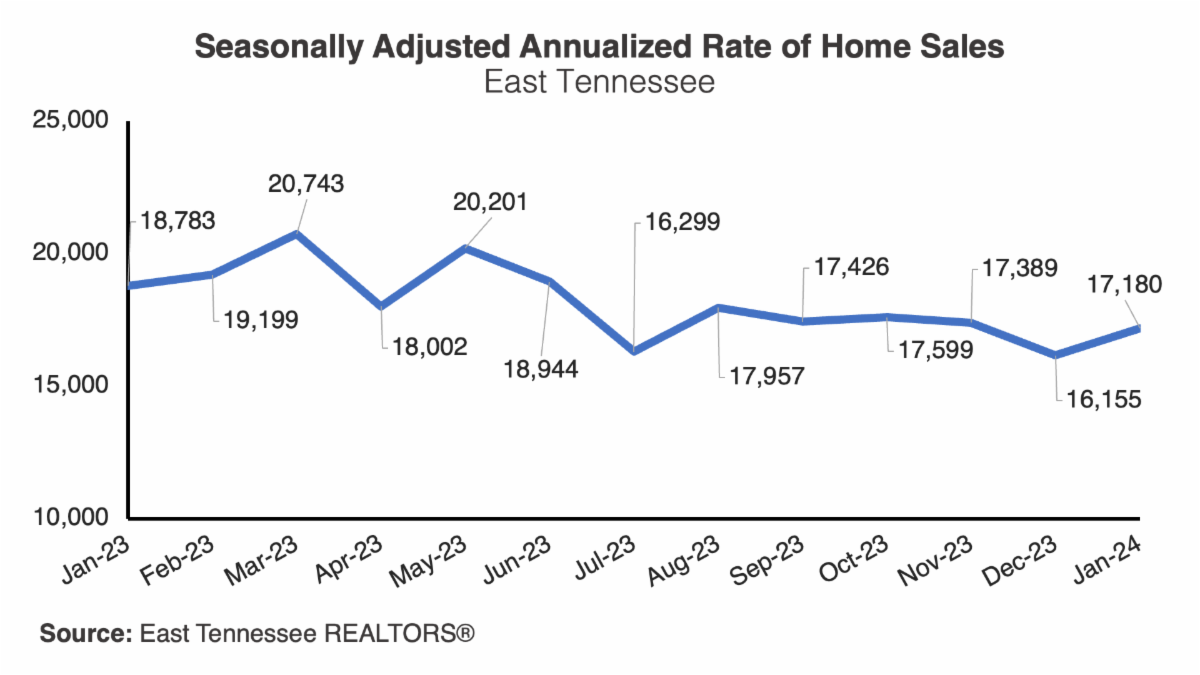
East Tennessee home sales increased 6.3% from the previous month but were down 6.7% from a year ago.
-
The median sale price was $350,000 — up 10.8% from the previous year.
-
Total housing inventory increased from the previous year – up 19.2% from a year ago.
-
Half of the homes sold were under contract in 23 days or less, up from 18 days the previous month but down from 25 days a year ago.
-
43.5% of homes sold for the asking price or above, with 21.5% selling for more than the asking price. 9% sold for at least $10,000 over asking and 3.1% sold for at least $25,000 over asking.
-
The sale-to-list price ratio declined to 97.6% – down from 97.7% last month.
-
New construction represented 16% of total home sales.
East Tennessee REALTORS® reports home sales data using a seasonally adjusted annualized rate (SAAR), a statistical measure of home sales that takes into account typical seasonal fluctuations in the real estate market, such as increased home sales during the spring and summer months, by adjusting the data to provide an annualized rate. This rate represents the projected number of homes that would be sold over a year if the current sales pace were to continue.
| |
|
The pace of home sales accelerated 6.3% from December to January, but sales were still down 6.7% from the previous year. The month-over-month increase in sales was driven largely by an uptick in new construction sales, which accounted for 16% of all home sales in January compared to 12.8% the previous month and 12.6% a year ago.
As of the end of February, the median price of homes listed for sale in the region is just over $450,000 and the average 30-year fixed mortgage rate is in the high 6% range, which equates to a monthly P&I payment of well over $2,500 before insurance and taxes.
What's the Outlook? Housing market activity across East Tennessee remains subdued owning to a lack of resale inventory and continued affordability constraints. However, inventory levels are set to experience some improvement as we move closer to the spring selling season and affordability conditions are expected to be fairly stable, providing more certainty for buyers and sellers alike.
| |
After a prolonged downturn spanning nearly two years, East Tennessee’s housing market is expected to rebound in 2024, culminating in modest home price growth and a significant increase in annual home sales. Much of the growth in home sales can be attributed to the expected decline in mortgage rates over the next year and improving affordability conditions, which will facilitate the return of buyers who were previously priced out of the local market. By comparison, a supply-demand imbalance driven by a chronic undersupply of housing will continue to exert upward pressure on home prices. Other long-term market forces, such as favorable demographic trends, migration and changing household composition, will further stimulate market activity. | |
|
ISSUES IN HOUSING:
Off-Street Parking Requirements
| |
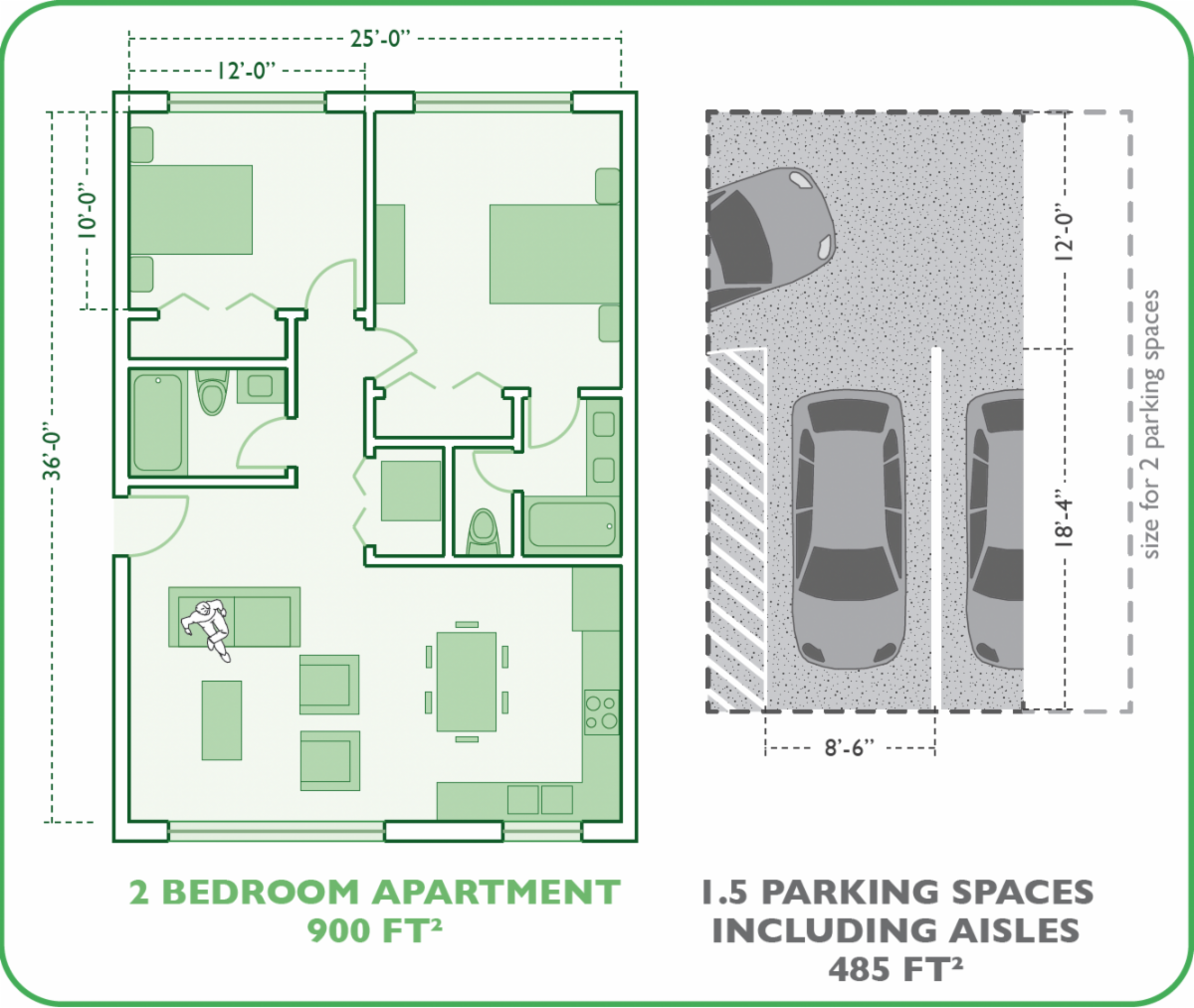
Off-street parking requirements drive the architecture and design of cities and, critically, how much housing gets built. This is because, in many U.S. cities, the typical parking required for a two-bedroom apartment is more than half the size of the apartment itself – meaning parking consumes a tremendous amount of space that would otherwise be devoted to living space or outdoor amenities. | |
Parking is also extremely expensive, accounting for 10% to 18% of typical building development costs. This cost is capitalized into the value of the project and invariably passed along to residents in the form of higher rent, with one study indicating that parking adds an average of 17% to the cost of a typical unit's rent. | |
| Parking Cost Estimates | | $5,000: Cost per surface space | | $25,000: Cost per above-ground garage space | | $35,000: Cost per below-ground garage space | | Source: Housing Policy Debate, 2016 | | |
Suburbia is Subsidized: Here's the Math | |
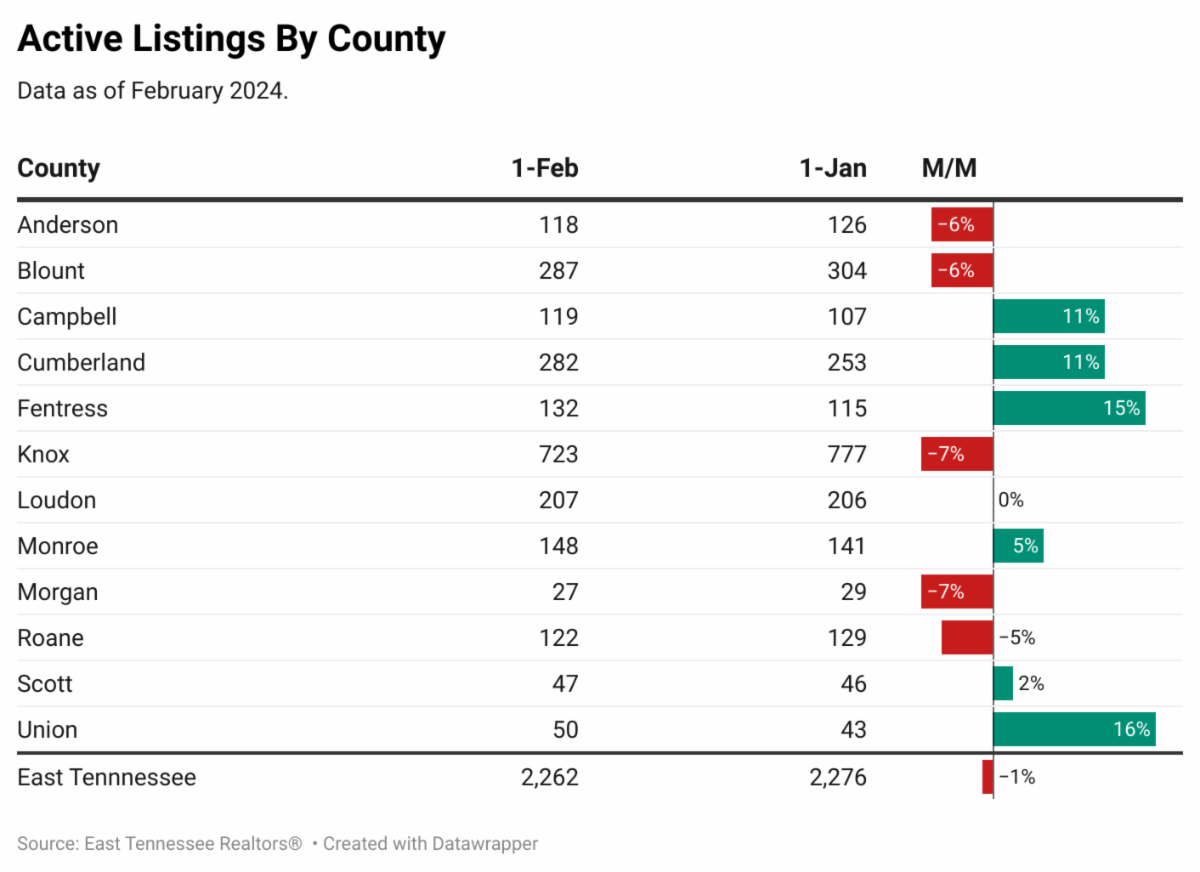
Housing inventory experienced a nominal decline across most of the East Tennessee REALTORS® footprint over the past month, which is fairly typical in the first quarter of the year. As of the end of February, active listings across the region were down 1% from the previous month. Knox County experienced the largest decline, with active listings down 7% from January to February, while Fentress and Union Counties experienced the largest monthly increase at 15% and 16%, respectively. | | |
|
|
"While home sales remain sizably lower than a couple of years ago, January's monthly gain is the start of more supply and demand. Listings were modestly higher, and home buyers are taking advantage of lower mortgage rates compared to late last year."
– Lawrence Yun, Chief Economist at NAR
| |
|
Knoxville's Missing Middle Housing
Plan Becomes Reality
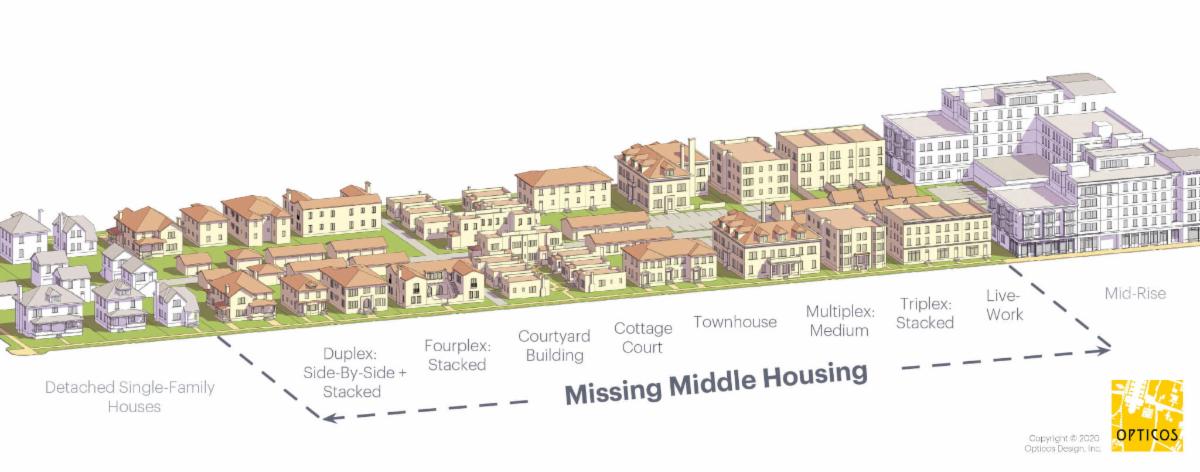
The City of Knoxville's 'Missing Middle Housing' plan, proposed by Mayor Indya Kincannon to help tackle the housing shortage, was approved earlier this month after an 8-1 vote by City Council. Effective Feb. 22, the plan introduces a new zoning structure in Traditional Neighborhood Residential zones, which make up about 25% of the city's residential lots. This strategy allows for denser housing on smaller lots, such as duplexes, triplexes and townhomes, while maintaining the aesthetic character of neighborhoods in areas like Fourth and Gill, Parkridge, Morningside and West Lonsdale.
| |
|
The plan's design standards aim to ensure these new, denser homes blend seamlessly with their surroundings, featuring elements like porches, dormers and decorative cornices. This approach not only addresses the need for more affordable housing options, but also preserves the charm and uniqueness of Knoxville’s neighborhoods.
The changes were the result of a two-year process which began in 2022 when the City of Knoxville, East Tennessee REALTORS®, and Knoxville-Knox County Planning partnered to have Opticos Design, experts in the field, do an analysis of our zoning, opportunities, and barriers for Missing Middle Housing.
| |
|
Knoxville Home Seller Profits Soar to Record High
A pandemic-boomtown, Knoxville and the broader East Tennessee region experienced an influx of new residents moving to the areas which provoked home prices to grow at one of the fastest paces on record. Accordingly, homeowners have accrued a significant amount of equity.
According to a recent report by Attom Data, Knoxville ranked among the top 15 U.S. metro areas with highest return-on-investment (ROIs) on the typical home sale last year with the typical Knoxville home seller experiencing a profit margin of 98.1% in 2023, compared to an average profit margin of 59.8% nationally.
| |
Stay up-to-date with the most recent information about East Tennessee's housing market. Here's the latest from local media: | |
|
Mortgage Rates Hovering in the Mid-Six Range
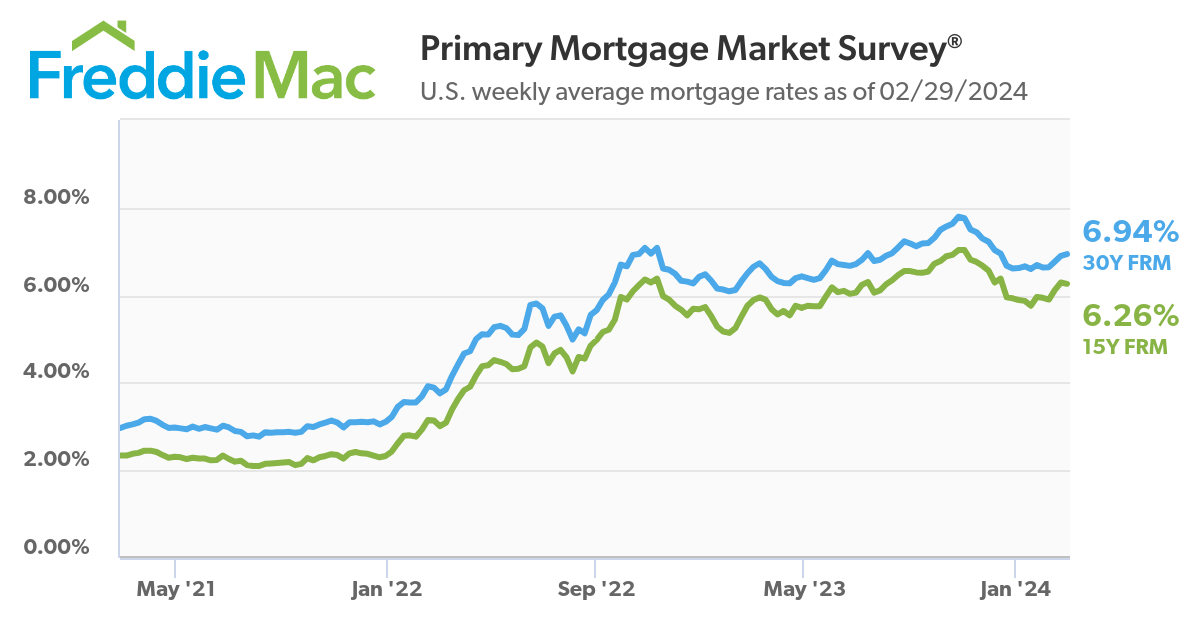
After hovering in the mid-six range in January, mortgage rates rose throughout February in the wake of strong economic and inflation data. According to Freddie Mac's Primary Mortgage Market Survey, the 30-year fixed mortgage rate (30Y FRM) averaged 6.94% for the week ending February 22, 2024, compared to an average of 6.5% this time last year.
| |
|
What's the Outlook? Inflation is generally moving in the right direction, but upside risks remain and recent consumer price data has come in hotter than expected. As a result, the Federal Reserve appears ready and willing to hold rates at their current level until the middle of the year, driven by a belief that "the risk of waiting a little longer to [cut interest rates] is lower than the risk of acting too soon and possibly halting or reversing the progress we've made on inflation," as Federal Reserve governor Christopher Waller articulated in a speech earlier this month.
Under these circumstances, mortgage rates are expected to move sideways throughout the first quarter and into the second quarter of 2024 before settling closer to 6% in the latter half of the year.
| |
|
Market Pulse is a monthly research newsletter providing a rundown of the latest housing
and economic research and analysis across East Tennessee.
| |
Was this email forwarded to you? Subscribe here. | | | | |