April showers bring May flowers but what does "May" mean anyway?

May v. Shall and other legal lingo that make a difference in estate planning

Dear friends,


We hope you and your family are enjoying this beautiful spring. This newsletter provides explanations for some common and impactful estate planning lingo that often causes confusion.


Our goal with this newsletter is to bring you and your family timely and practical information as you navigate the legal complexities of daily life. And, of course, our team is always here as a resource along the way. We look forward to our continued relationship.


Keren & Jaime

Transfer on Death Deeds

In April, NY approved Transfer on Death Deeds as a tool to transfer real property at death. While there is no one size fits all solution and there are absolutely significant pitfalls to avoid, this may be a useful tool for some families to avoid probate. Stay tuned for more details as the effective date approaches in July.

May v. shall

These two very small words have VERY BIG implications. May means that someone is ALLOWED to do something. "May" gives someone the authority to choose to do a particular something or choose not do that particular something. This decision is either based on express conditions or on their own reasonable opinion or preference.

Shall means that someone is REQUIRED to do something. There is no decision or choice to be exercised by anyone.

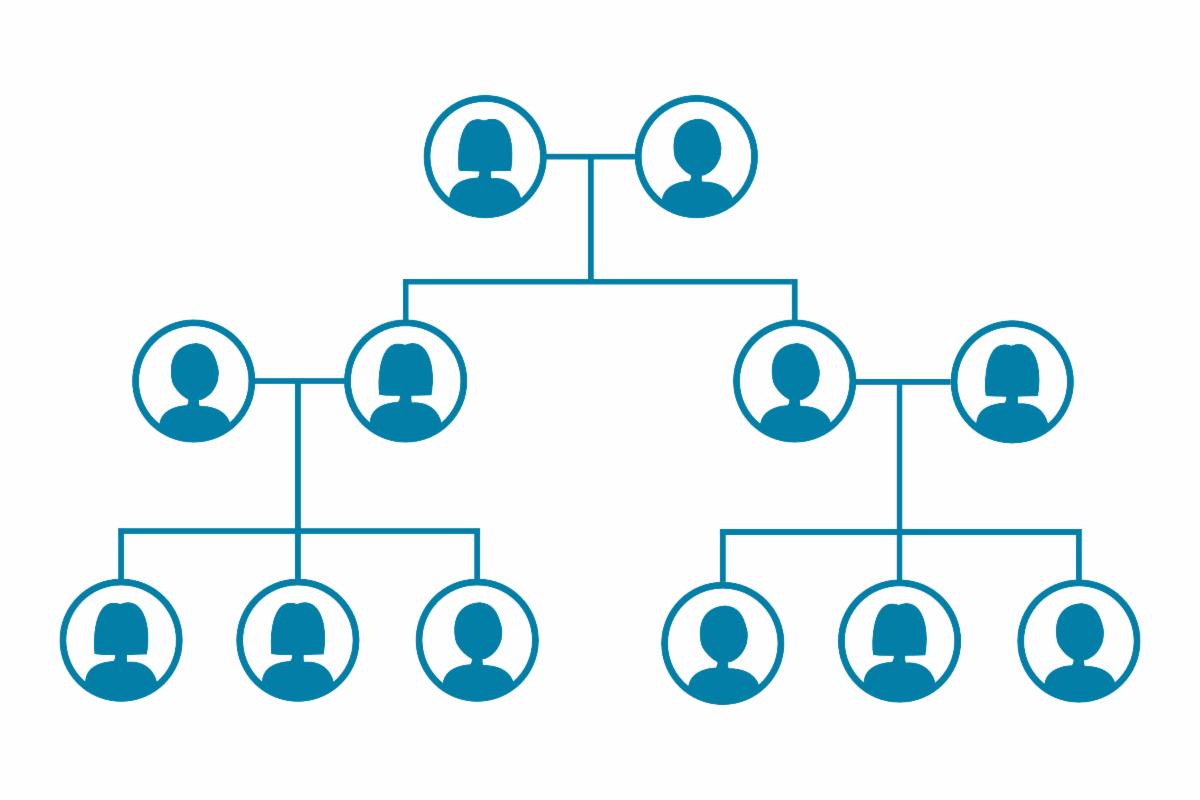
Per Stirpes. This term refers to one of the ways an inheritance passes if a beneficiary predeceases (dies before) the person who named them as a beneficiary. The term is Latin meaning "by branch." In a per stirpes distribution, an inheritance structure is created so that if a beneficiary passes away before the person who named them, the beneficiary's share is distributed in equal shares to the deceased beneficiary's descendants.

Co v. Successor Agent Nominations

Often, as part of Estate Planning, people appoint others to act on their behalf in certain circumstances. The person appointed is the nominated agent. When you appoint more than one nominated agent, you must decide if you want the multiple agents to act on your behalf at the same time (and if so, if they can act separately or together) or successively, one after the other. If you want them to act at the same time (separately or together), they will be considered co-agents. If they will be acting one after the other, the first agent is the primary or initial agent and the next one in line is the successor agent.

Schedule a Free Introductory Consultation

Primary v. Contingent Beneficiary

If you have ever had an account with a financial institution, you have likely been asked to name a beneficiary for that account for when you pass away. Often, you are given the opportunity to name both a primary and contingent beneficiary. The primary beneficiary inherits as long as they are alive when you pass away. If the primary beneficiary is not alive at the time you pass away, your contingent beneficiary will inherit. Note, there is no contingent if you list your primary as per stirpes (see Per Stirpes section above), because the beneficiary's living children will inherit, not a named contingent beneficiary.

Checking in on the Folks:

Medicare v. Medicaid

Many people either confuse these 2 programs or don't realize that they are not the same thing. They are in fact quite different but both offer very important medical coverage to make health care for aging seniors more manageable.

  • Medicare is a federal health insurance program for people aged 65 and older and those with a disability. It has various coverage options covering various types of care needs at varying costs depending on many factors including income and supplement plan choices. Like other health insurance, Medicare has maximum coverage amounts and only pays for specific items. It is important to note that Medicare DOES NOT pay for long term health care needs such as a home care aide or a nursing home.
  • Medicaid is a combined federal and state medical system of programs that is implemented according to different rules in each state. The most common Medicaid program people over 65 often ask about is the program that covers long term care costs. Medicaid in New York, currently helps many seniors stay safely in their home with aides and not impoverish themselves or their family if nursing home care is needed.
 

Kids' Corner:

Guardianship v Standby Guardianship

As parents, we are often reminded to name a guardian for our minor children in our wills. This is how we can identify who we would appoint to raise our children in the horrific event both of the children's parents pass away. Note that as long as one parent is alive, the guardianship does not come into play. There are circumstances, however, when both parents may be unavailable to act as guardian for the children but are not deceased (ex: a non-fatal car accident). In such circumstance a Standby Guardianship can be very helpful. This type of guardianship comes into play if there is no death but gives necessary authority to act on behalf of the minor children during an emergency so the focus can be on the children rather than legal proceedings. Note that the term "standby" means that it does not supersede or interfere with actual parental authority but waits until needed.


Question: Is there a difference between a Will and a Living Will?

Answer: Yes! While they both have the word "will" in them, they are used at very different times and for very different purposes. A Will is short for a Last Will & Testament. This document does not take effect until death. It outlines the distribution of assets that don't pass another way at a person's death, as well as naming an executor responsible for probating the will and a guardian for minor children if applicable. A Living Will is a lifetime document outlining your choices regarding end of life medical care. This document generally identifies under what circumstances you would choose to have life sustaining treatment withheld and/or withdrawn.


Visit our Website 
LinkedIn Share This Email

Attorney Advertising

(516) 564-2188

www.BirnbaumLewis.com

info@BirnbaumLewis.com