Honoring Freedom, Equity and 35 Years

of Community Impact

On June 19, 1865—two and a half years after the Emancipation Proclamation—enslaved African Americans in Texas finally learned they were free. This date, now known as Juneteenth, marks a pivotal moment in our nation’s history: one of liberation and the long road toward equity.


In 2021, Juneteenth became a federal holiday, recognizing not just the end of slavery but also the enduring resilience of Black Americans. This holiday holds deep meaning at the Community Housing Development Corporation (CHDC), a Black-led and community-rooted organization founded in 1990. It is a time to honor the progress we’ve made and recommit to the work still ahead.


As we celebrate the CHDC's 35th anniversary and the major milestone of 100 paid-out participants in the Driving Clean Assistance Program (DCAP), we reflect on what freedom and mobility mean today. Access to clean, reliable transportation can change lives, and we’re proud to be leading that charge across California.


Scroll down to read our featured spotlight interview with CHDC Executive Director,

Donald Gilmore and Chief Programs Officer, Vivian Rahwanji.

NEED TO KNOW THIS MONTH

Celebrating Milestones!


This year, CHDC celebrates 35 years of advancing equity—and we’ve just hit a major milestone with 100 DCAP paid-out participants now driving clean, reliable vehicles across California.


Offices Closed on Juneteenth


Our offices will be closed Thursday, June 19th in observance of Juneteenth.


Next Upcoming Event


Sunday, July 27, 2025

10 a.m. to 2 p.m.


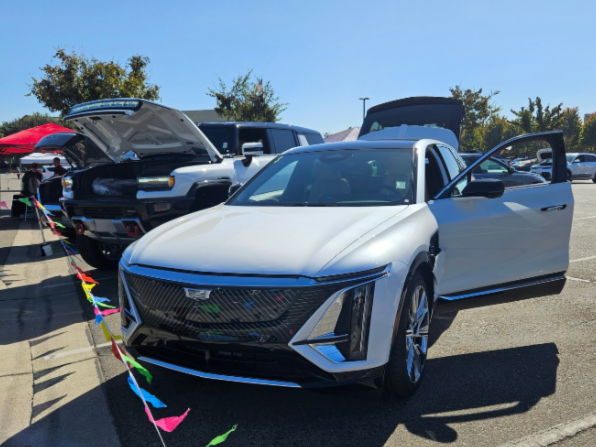
DCAP will be co-hosting a Clean Air Vehicle Ride & Drive event in the City of Modesto with our outreach partner, Valley Improvement Projects.


Spotlight Interview:

A Conversation with CHDC Leadership


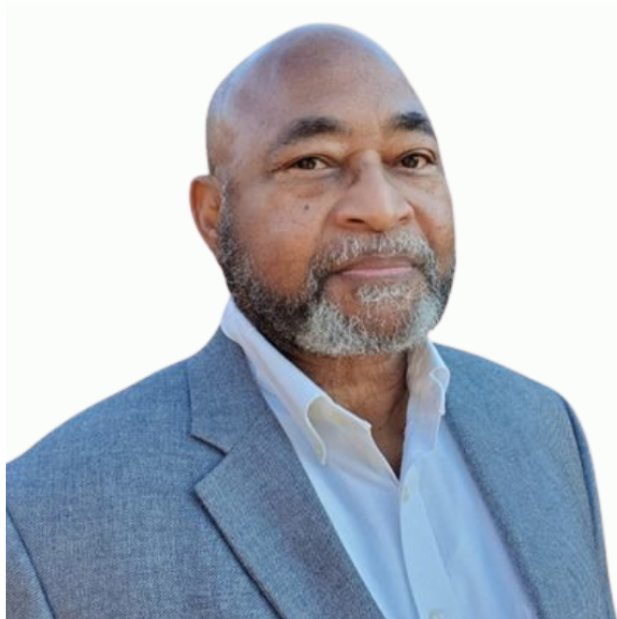
Donald Gilmore – Executive Director, CHDC 


Donald, Juneteenth celebrates African American freedom and resilience against systemic oppression. How does CHDC's mission, as a Black-founded, Black-led organization, reflect that spirit of liberation, through regional housing programs and statewide programs such as DCAP?


CHDC was founded to address the disproportionate lack of resources in underserved communities coupled with numerous systemic issues begging to be addressed. These issues produce byproducts like community blight, illegal dumping, poor infrastructure, poor lighting, predatory lending, under-resourced schools, and lack economic development investment, I can go on and on. Because the issues are so vast and many CHDC focus is on comprehensive community development, which means we have our hands in community improvement directly and indirectly by collaborating with organization and community stakeholders with local residents at the forefront. DCAP is one of these services that addresses the need for focused outreach to expand the opportunity to reach communities that have not been able to take advantage of the programs that make clean air vehicles affordable. Also providing financial capabilities services at the same time. Providing low-interest rate car loans that allows CHDC to reduce predatory lending activity in those communities.  


This June, DCAP has surpassed a momentous milestone: over 100 participants have received grants to purchase clean air vehicles. What does this achievement mean to you? 


This milestone achieved in such a brief time reinforces CHDC’s program relevance. CHDC is providing access to state programs not achieved before. Getting resources to underserved communities who have been left out is key. Exposure to opportunity is what we are doing, especially collaborating with community-based organizations, which have been extremely helpful in getting the word out.  


You've often spoken about DCAP's social and economic ripple effects. How do you see access to a clean air vehicle, especially in disadvantaged communities, opening new doors for employment, stability, and quality of life? 


DCAP puts affordable clean air vehicles in reach. This opens up affordable commuting to jobs, establishing credit that can provide a pathway to homeownership and/or affordable financing that is not predatory. CHDC does not take budgeting, disposable income and credit rating for granted in mainstream societal systems, which is why we connect financial capabilities to the program. 

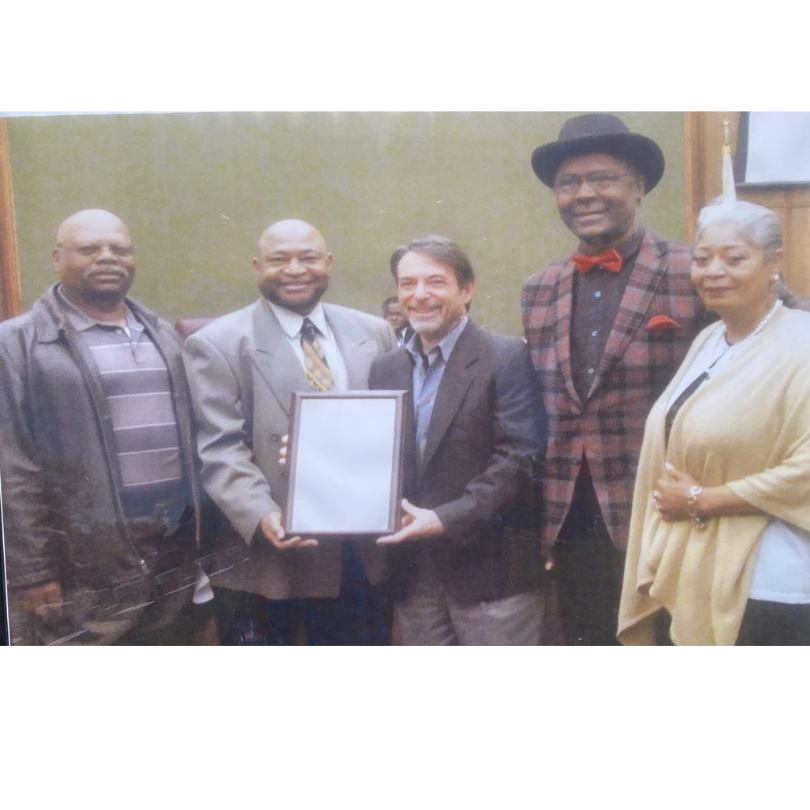
1990

An organization

with a mission

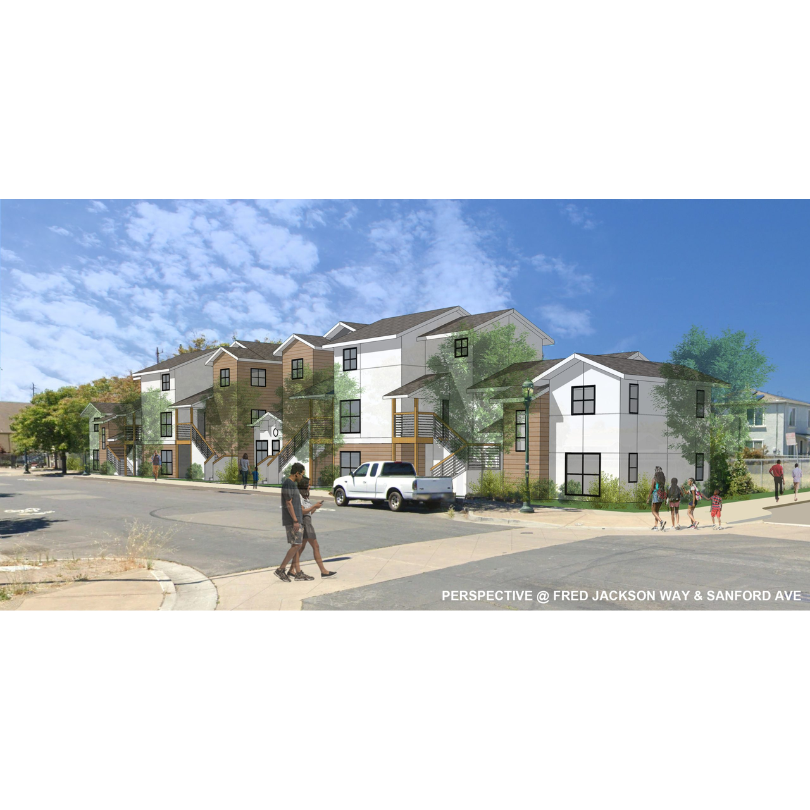
2005

A Year of Awards and Accomplishments

2025

Learning, Building,

and Growing

Vivian Rahwanji – Chief Programs Officer 


Vivian, as CHDC celebrates its 35th anniversary and DCAP hits its 100th paid participant milestone, what are you most proud of in the program's expansion, and how does it align with CHDC's mission to serve historically underserved communities across California?


 I’m proud of how far we’ve come. As a CBO, managing a project of this magnitude is a dream especially based on the resources needed to undertake just a task. We’ve persevered to get us where we are today, from a small pilot phase in 2015 to statewide implementation is a true testament to the hard work we’ve put into the program. I’m proud of the staff and the partners who worked hard to get us where we are today. CHDC’s mission has not changed from serving low-income and disadvantaged community residents. Our passion has always been the difference we make in the lives of the people we serve. Building wealth has always been our ultimate NorthStar, either in affordable housing development, down-payments assistance for first time home buyers or creating pathways for low-income residents with challenged credit to gain credit worthiness.   


DCAP's one-on-one coaching model and fair financing partnerships are unlike any other in California. How does this equity-first approach empower families, predominantly African American households often targeted by predatory lenders, to take control of their financial futures?


Being credit worthy is one of the pathways to financial freedom. Unfortunately, African American households are not the only targets. People of color, unbanked or underbanked are often targeted by predatory lenders because they are vulnerable to such services based on where they live and availability to resources. Historically, banks have redlined certain communities as places they will not lend. This has given rise to businesses such as buy here pay here and cash cashing facilities to thrive in these communities. Our one-on-one approach to credit counseling has given us the opportunity to address some of these ills in communities of color in ensuring that residents can participant in lending opportunities with fair and favorable interest rates instead of rates that are predatory.   


At its core, DCAP doesn't just provide cars, it provides freedom. How do you see clean air vehicle access transforming lives in DACs, from reducing toxic air pollution to allowing someone to commute farther for a better job or care for their family? 


I see DCAP as creating pathways for building wealth and combating health issues such as asthma. Having a clean air vehicle could be the conduit for someone to build wealth through job security, saving money and eventually buying their first home and building equity in their home. Internal combustion engine (ICE) vehicles are known to be the worst pollutants, and they are not only in disadvantaged communities. Driving through any neighborhood puts people at risk of breathing toxic fumes that could impact their lives.   


Ride & Drive Events


July: Next Upcoming Event!


DCAP will be co-hosting a Clean Air Vehicle Ride and Drive event in the City of Modesto with our outreach partner, Valley Improvement Projects.


Sunday, July 27, 2025

10 a.m. to 2 p.m.


Centre Plaza, 1000 L Street, Modesto, CA 95354

Previous Ride & Drive Recaps

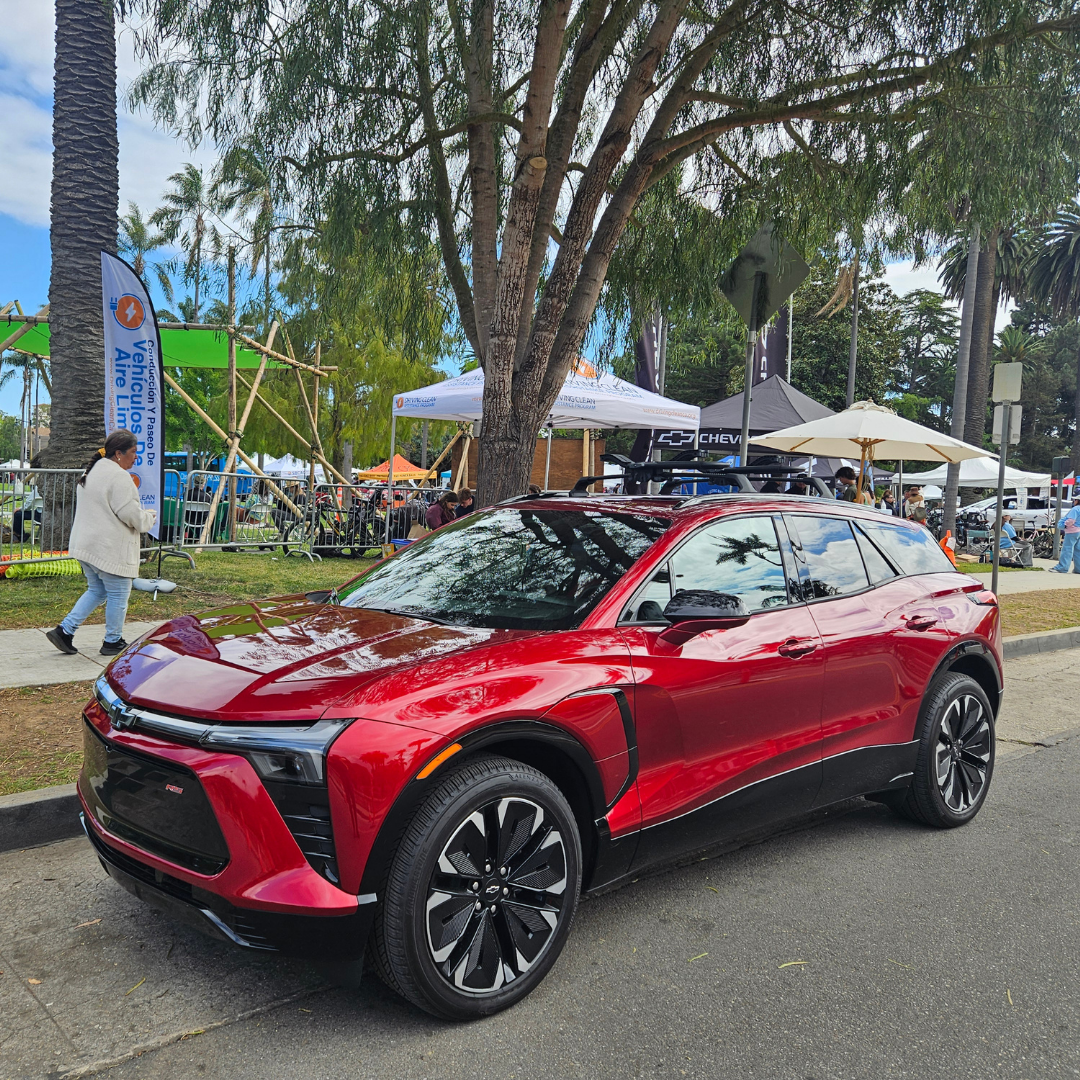
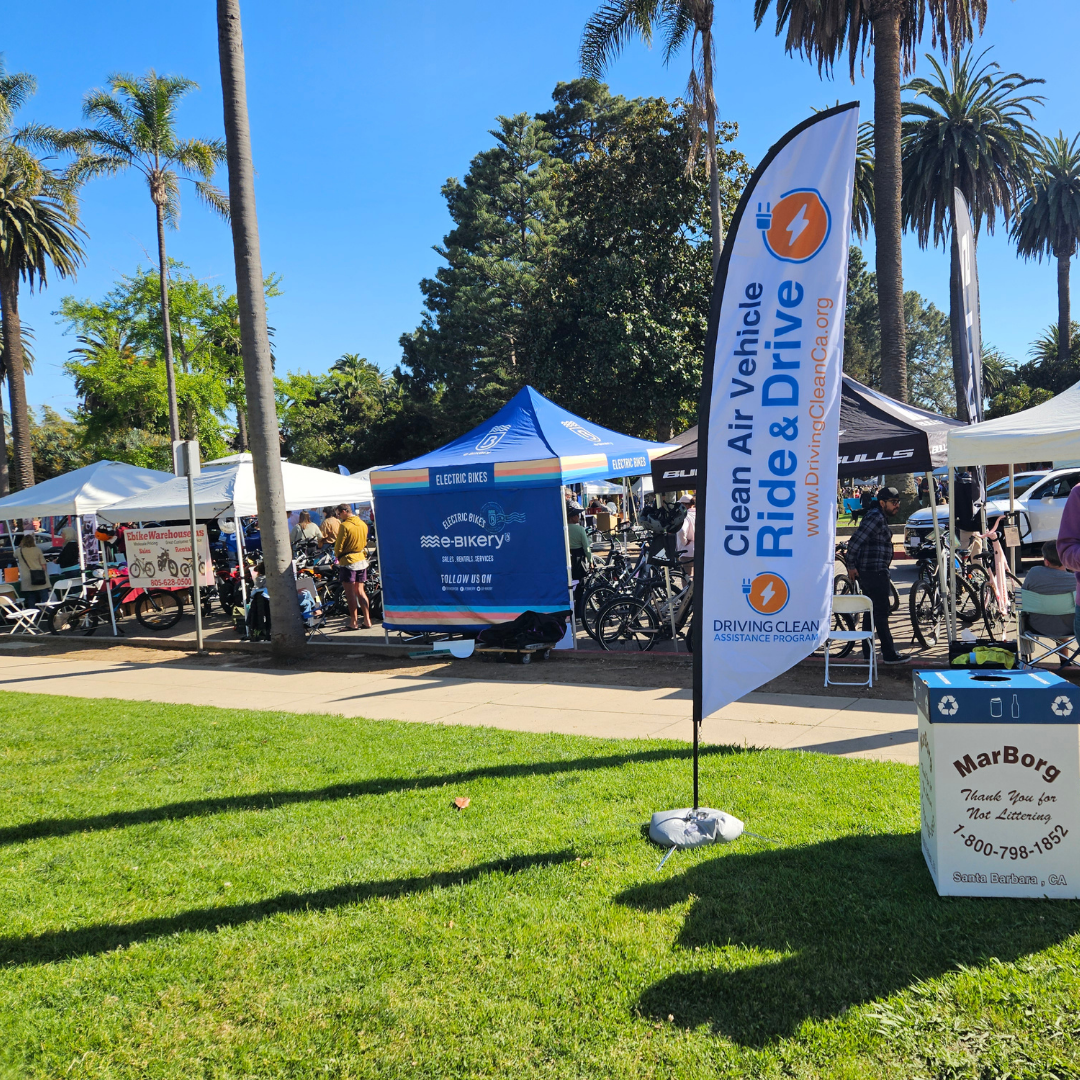
DCAP joined the 

Santa Barbara Earth Day Festival, hosted by the Community Environmental Council to help power their longstanding ride and drive experience!

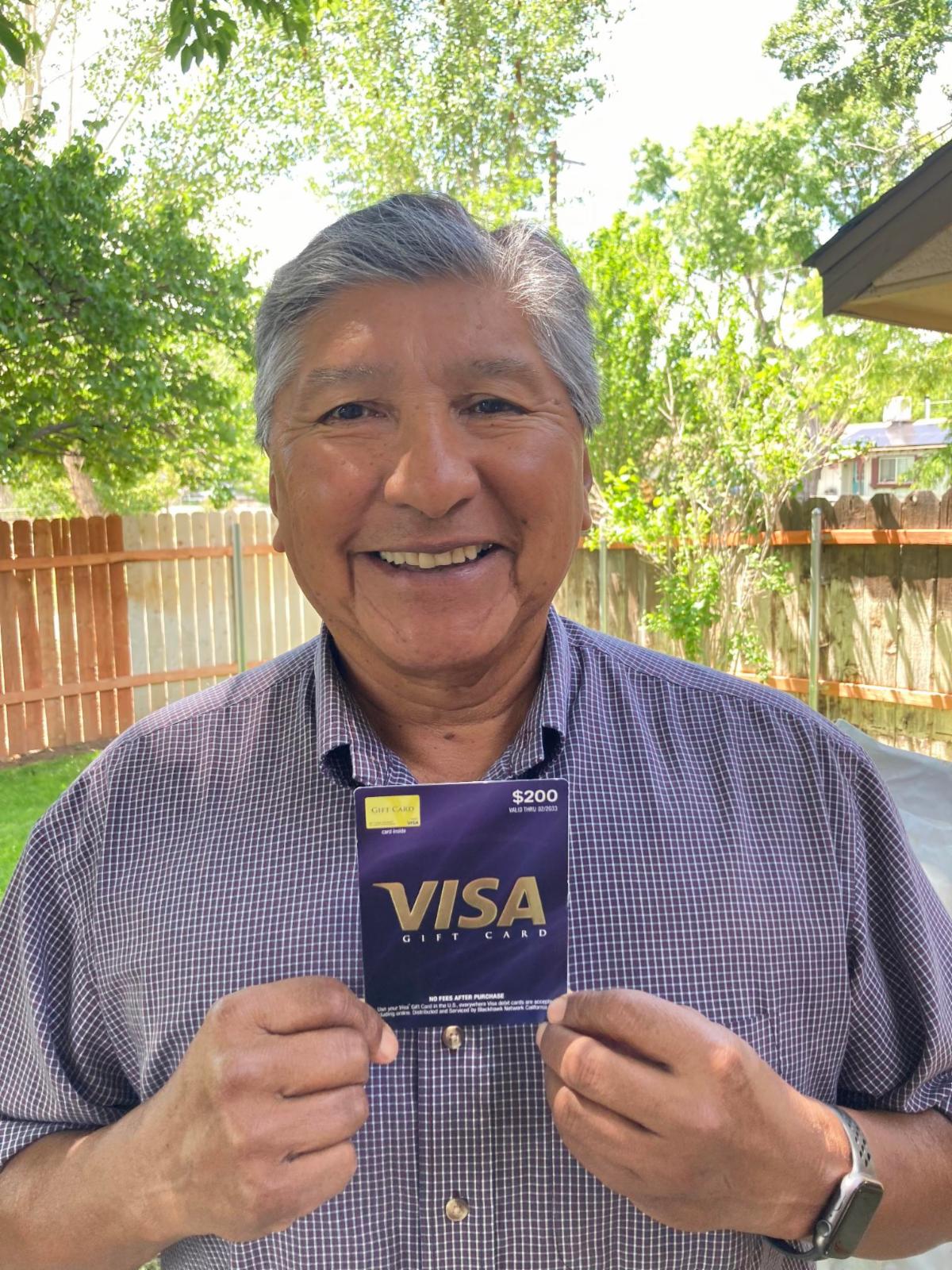
Congratulations Gerald Howard!


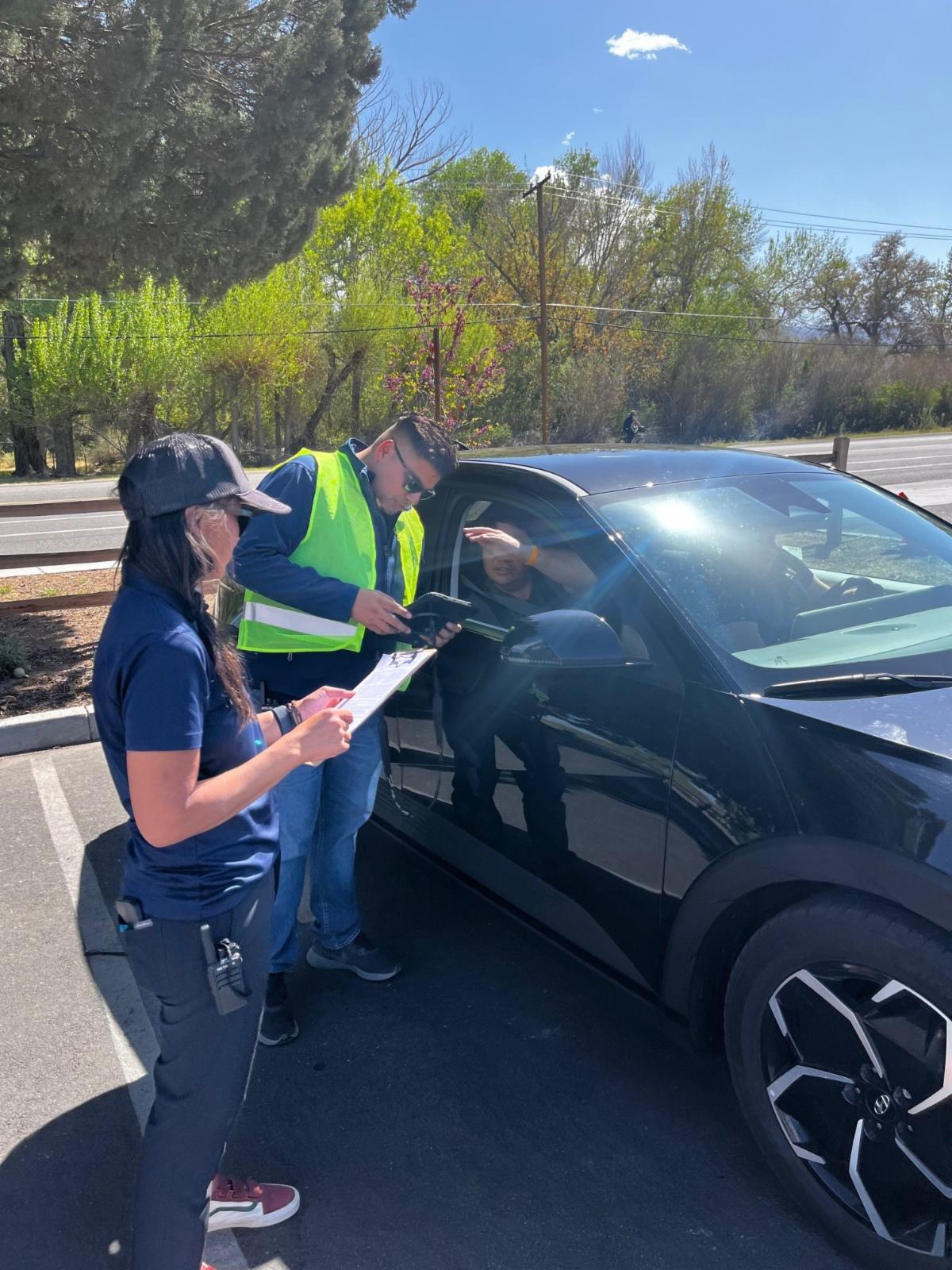
Winner of our $200 Visa gift card drawing from the Bishop R&D event on Sunday, April 13, 2025.


Have questions about eligibility or applying? We’ve launched a new FAQ page and video overview. Watch now for a chance to win a gift card!

Eligibility and Requirements

Who is Eligible?


Eligible applicants for DCAP must be California residents, and income qualified, which means having an income at, or below, 300% Federal Poverty Level (FPL).


Check Eligibility

Clean Air Vehicles,

Trusted Dealers


Check out our new resources for Dealerships:


Dealers General Checklist


Dealer Terms and Conditions

Dealerships You

Can Use


Know a dealership that should join our program? Refer them today!


Visit our DCAP Dealerships or email dealership@drivingcleanca.org.


Dealerships must be approved before completing participants purchase or lease.  

Follow us on social media to stay updated!

Facebook  Instagram

The Community Housing Development Corporation's (CHDC) Driving Clean Assistance Program (DCAP) is a California Air Resources Board-funded clean-air vehicle incentive program to help low-income Californians, especially those in underserved, Tribal and disadvantaged communities, access to clean-air vehicles.