Hello!
How fast the summer flew by! It's hard to believe that we are already getting back into the routine of a busy school year. Since I know how crazy this time of year can be, here's a reminder to check in often with those you love, who are likely also in a state of transition. Connection and support are what we need to get through stressful times (especially when it comes to this month's topic). For August, our newsletter is all about "Back to School." Check out some fun ways to help get children excited about the school year, and learn some new strategies for helping them to handle difficult social situations.
All my best,
Dr. Pam McCaskill
734-416-9098
|
|
McCaskill Family Services Newsletter
Term: August| Issue 20| August 31st, 2021
|
|
Back 2 School Doesn't Mean Back to Bullying.
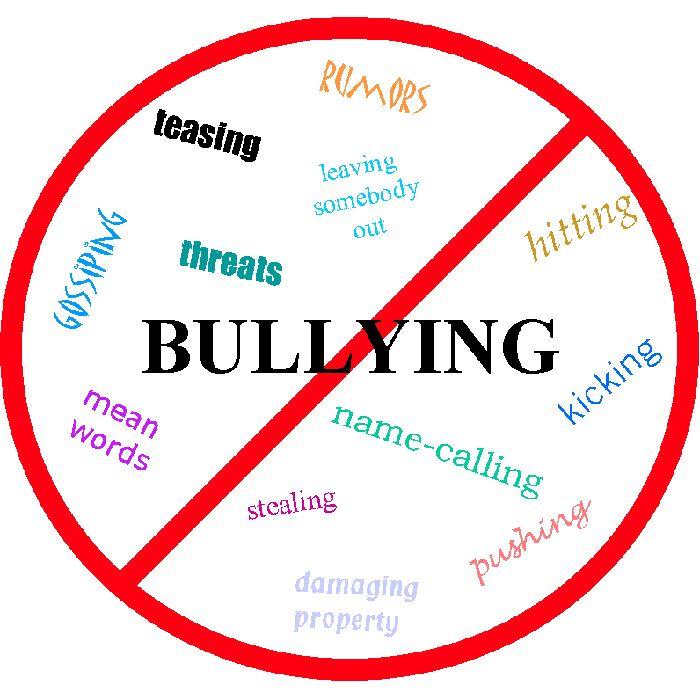
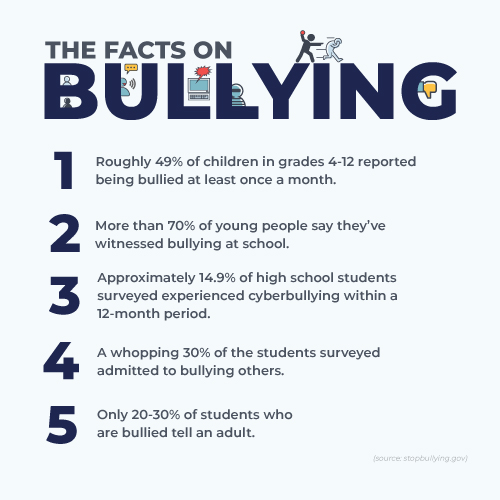
Bullying has, unfortunately, been around for as long as we can remember. The word is defined as follows: "seeking to harm, intimidate or coerce (someone perceived as vulnerable)."
Although this definition seems relatively simple, bullying has developed into an incredibly complex and multi-faceted act, especially in the face of technology and growing social pressures.
Bullying is no longer limited to teasing on the playground at lunch time, but has become an all day (and night) affair, where the bully has constant access to the victim via social media platforms and video games. Rumors are no longer just circulating around the classroom, but instead are available to everyone, even strangers, in the victims' world. Bullying can also be a passive act, such as "ghosting" someone or intentionally not inviting them to a social gathering. The kicker nowadays? The victim knows they were left out (and just how much fun the event was) via social media posts and group chats.
What does all of this mean for kids? Bullying feels relentless. Victims struggle to get a break from the torment and the bullying cycle becomes harder to end when more people are involved. This means more isolation, anxiety, and pressures to be perfect for the victim.
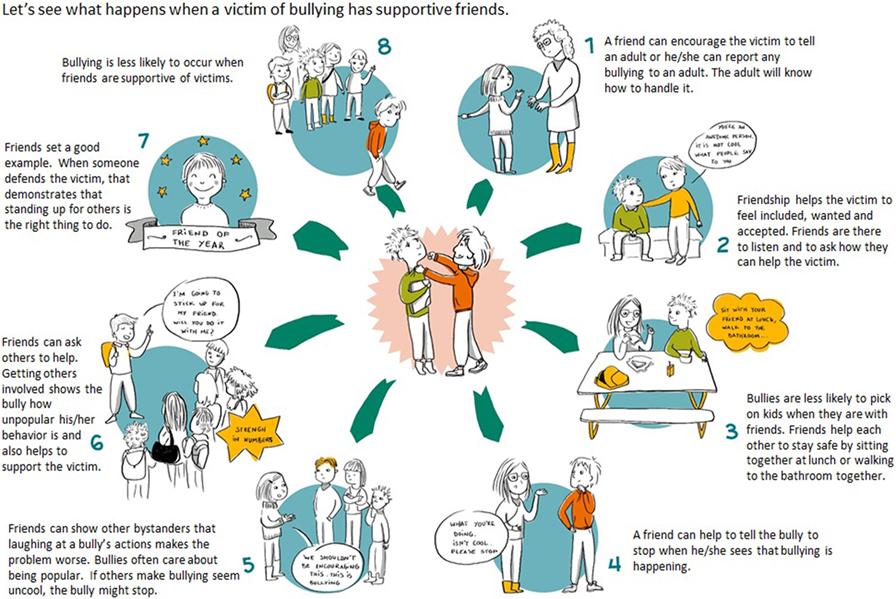
Truc Nguyen, M.S. shares some of her top tips for helping your child to defend against and cope with bullying. Tip Number Four: Encourage your child to find supportive peers and be a supportive peer. Click the link below for some more guidance!
|
|
At McCaskill Family Services, we specialize in working with children, parents, and families with various presenting issues. If your family or someone you know could benefit from our services, please contact us. Our clinicians are trained in empirically-based techniques, and would be happy to promptly schedule an appointment in person or via tele-health. We can be reached by phone at 734-416-9098 or by email at office@mccaskillfamilyservices.com.
|
|
To our patients and friends: We hope everyone had a fun and relaxing summer filled with friends and family, and wish you a successful transition into the fall months!
|
|
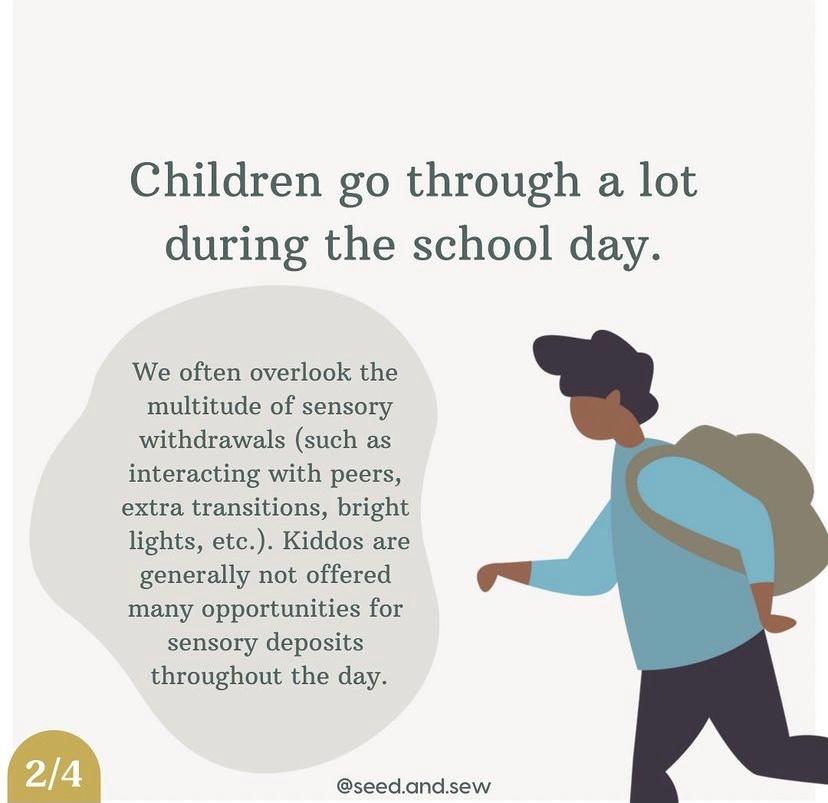
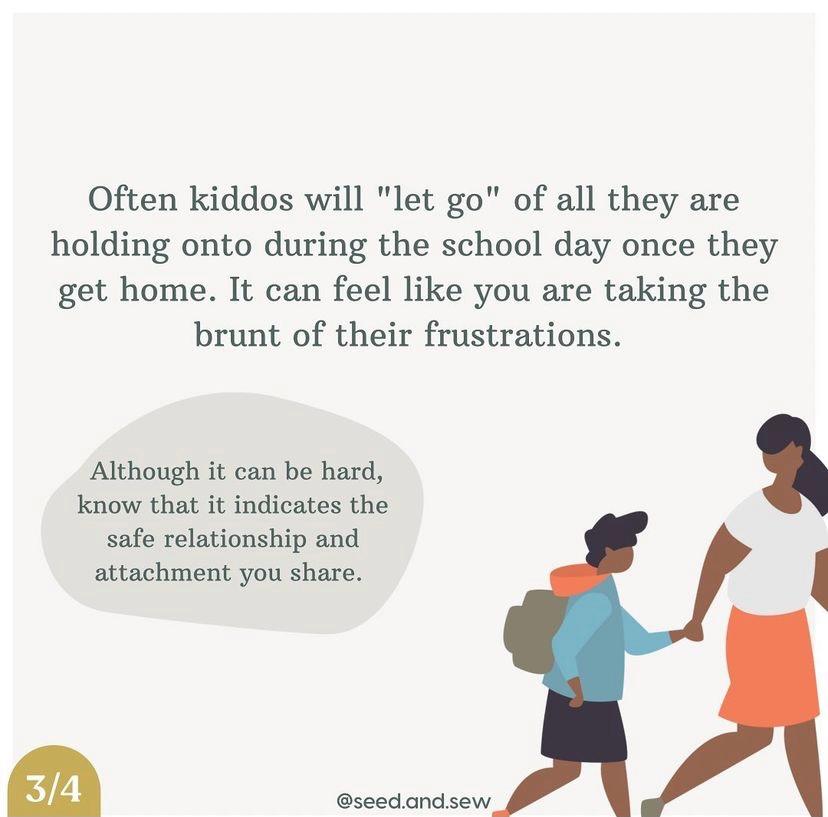
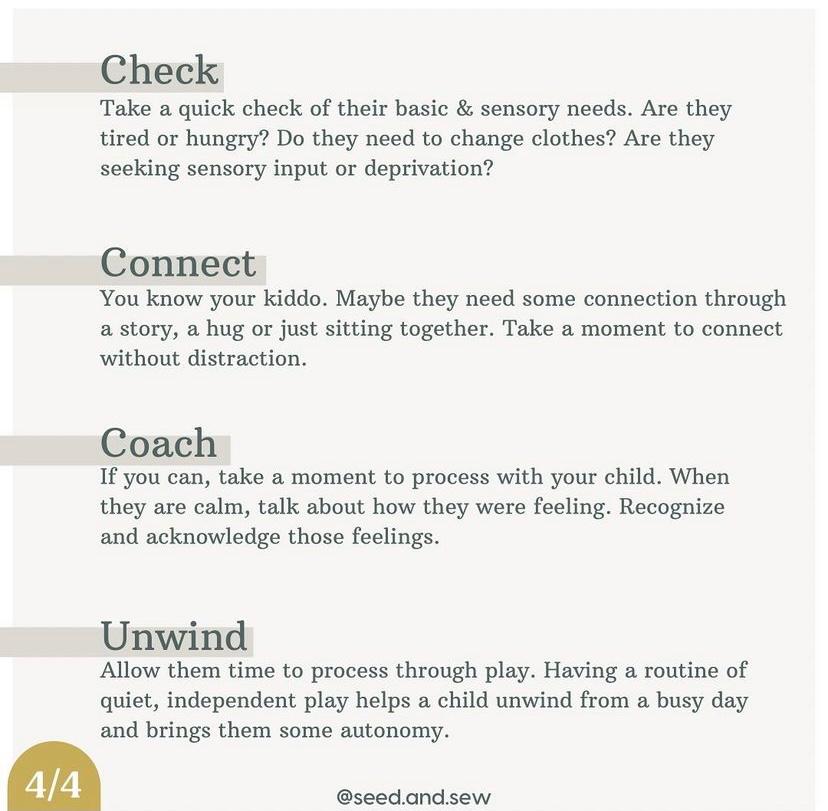
Question: "Why does my child seem so dysregulated when they get home from school. They do great during the day with their teachers, and then come home and blow-up on me!"
Answer:
|
|
Children with Learning Disabilities, ADHD, Mood Disorders, or other mental health struggles are extremely susceptible to this type of school burn out and ongoing cognitive fatigue. Often, these children fly "under the radar" because they are able to hold it together while at school (due to anxiety, performance pressures, heightened structure, etc.) but present with behavioral and emotional issues at home.
If you are concerned that your child may be struggling with an underlying condition, please visit the link below and learn more about McCaskill's academic and neuropsychological evaluations that help diagnose, treat, and support children on their road to success!
|
|
Truc is a Masters Level clinician who specializes in working with those struggling with depression, anxiety, multicultural issues, and adjustment difficulties. Additionally, she runs the McCaskill social skills group for children and teens, helping them to achieve successful interpersonal relationships.
Truc received her Bachelor’s degree in Biopsychology, Cognition, and Neuroscience from the University of Michigan, and went on to obtain her Master’s degree in Clinical Psychology from Eastern Michigan University. She completed her practicum at Eastern Michigan University’s Counseling and Psychological Services where she worked with college students.
When she's out of the office, Truc spends time crafting and loves decorating her home. She has two orange cats, and recently adopted Gibson, a 5 -year-old pitbull terrier mix who loves to snuggle, roll around in the grass, and (tries his hardest) to be friends with the cats!
|
|
|
|
|
Groups Start September 27th |
- Adult Mindfulness & Grief
- Kids Anger & Anxiety Management
Groups run for 8-weeks and are lead by a Ph.D. psychologist certified in Equine Therapy.
|
|
|
|
The Importance of Support |
|
Newsletter Editor's Notes |
|
When I work with children or teens who are struggling with bullying, the first thing I do is provide them with education on "the making of a bully." This helps them to understand that people are not born mean, and that something has happened in the bully's life that has altered their psychology, causing them to use aggressive defense mechanisms. By doing this, victims can see that the situation is less about "them" and their actions, and more about "the bully" and their own personal struggles.
Now, this doesn't excuse the actions of the bully, but it can help the victim view the behavior in a different light, finding empathy as oppose to anger in response to the bully's actions. Consequently, this helps victims respond more effectively, emphasizing problem-solving strategies and deescalating emotional responses that only trigger the bully to pursue.
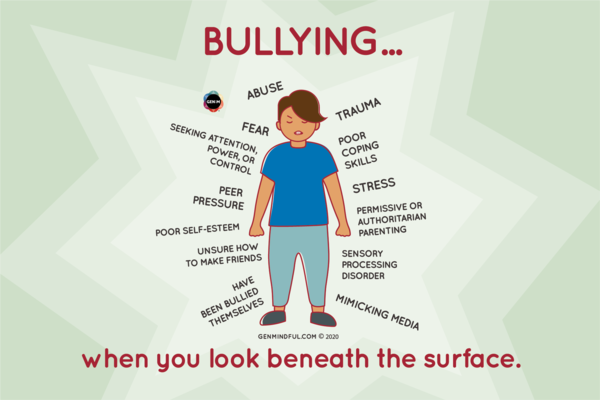
When I work with someone that is being a bully, I use the same strategy. Children and teens are still developing metacognitive skills and often struggle to realize why they are doing something and how it impacts those around them. It is necessary to bring to light root issues such as trauma, abuse, being bullied themselves, parental neglect, low self-esteem etc. that help the bully to see that they are not inherently mean, but rather their current behavior is reactionary to negative events that have happened to them in the past. Then, these children often require intense validation, support, and new coping skills to make peace with their past and find different outlets (not people) for their emotions.
Whether you are being bullied, bullying others, have a child or student that is dealing with bullying, or if you may have been a victim of bullying years ago, you deserve support. When you seek support, you help to break the cycle. Below you will find a link to my favorite Youtube video about how to handle bullying by Brooke Gibbs and a visual of what a bully looks like underneath the surface. -Jaclyn
"Dear Bullies: To all of you who said you have ten times more girlfriends than me.
10x0=0.
Sincerely, The Nerds."
|
Happy back to school, readers! I'm a masters level clinician at McCaskill Family Services who specializes in the treatment of OCD, anxiety, self-harm and eating disorders for all ages. I co-run the McCaskill Family Services DBT groups for teens and adults, and specialize in psychological assessment. I am also our monthly newsletter editor and social media manager!
I'd like to personally thank you for staying in touch with our practice, and hope you find this newsletter inspirational and informative. If you or someone you know would like to schedule an appointment with me, please contact our office at 734-416-9098 or email us at office@mccaskillfamilyservices.com. I look forward to working with you!
|
|
Follow Us On Instagram
& Facebook for Inspiration and Helpful Mental Health Tips!
|
|
|
409 Plymouth Road, Suite 250, Plymouth, MI 48170 • 734.416.9098
|
|
|
|
|
|
|
|