|
In government and in politics, a “good” surprise is a rare thing indeed.
We worked on a project recently that had all the ingredients of controversy, something which can often lead to delays and added costs. We successfully avoided all of that, however, by adopting a strict “no surprises” policy, given that when government officials are surprised, it rarely ends well.
Usually, they get surprised by a communication from a constituent or a question from a reporter framed in a way to suggest controversy. Selectively remove important context and sprinkle in a little misinformation and a surprise can quickly generate reflexive opposition, which can be hard to walk back from.
| |
We've found that the best antidote to the “Surprise to Opposition” trajectory is making sure that all parties are informed ahead of time. On our recent project, we did a few things to prevent surprises and maintain a factual narrative throughout.
First, we framed the project on our own terms, highlighting the necessity and benefits to the community. Then, we personally reached out to key stakeholders well before the project began, making them aware of the initial timeline and taking care to preview likely potential “pain points” for their constituents. Next, we created an online presence (in this case a web page like this) which we established as the definitive and authoritative source for information about the project. This required a consistent, focused effort to listen for common questions and opposition arguments as they emerged and update the webpage to adapt.
Finally, when construction began, we assisted the client with formal updates to neighbors accompanied by a friendly "heads up” to local leaders in advance. We consistently reminded them of the necessity of the project and that they could reach out to us with questions or concerns that came their way.
Less than a year later the project was complete, all without unconstructive media coverage and, subsequently, a political climate that can lead to unplanned trips to courtrooms or in front of regulatory bodies, with the extra delay and expense those can create.
In discussing the project, one elected official hit the nail on the head – “Thanks for not letting me be surprised by anything.”
Bingo.
Best,
| | |
We’re pleased to share the news that Lauren Greene has been named Vice President at New Harbor Group.
Since joining the team nearly seven years ago, Lauren's leadership has exemplified creativity, strategic depth and an unrelenting drive to deliver results. While the title is new, the responsibilities are not. Lauren (left) will continue to lead our client service efforts, from thoughtful strategic planning to flawless execution. Her commitment to excellence ensures every project meets the high standards our clients expect, and our firm is known for.
Lauren has played a key role in shaping communications around some of the region's most complex policy challenges - including health care, transportation, education, bond initiatives, and economic development. Her leadership has been indispensable.
Please join us in congratulating Lauren on this well-deserved recognition, and in celebrating the meaningful impact she continues to make—as a leader and a role model for the rising stars at New Harbor, for our clients, and for our community.
| |
We are also pleased to welcome Liam Collins (right), a new account executive on our team. A former reporter, Liam has more than five years of experience on the media side as well as in local government and campaign work, most recently in Chattanooga, Tennessee.
While he has connections to the northeast, we are happy to welcome him back to the New England area, and to Rhode Island.
Welcome aboard, Liam!
| | |
Health Care in Crisis:
Hospitals Applaud State Budget,
Urge Continued Investment
| | |
The Hospital Association of Rhode Island (HARI) has been a leading advocate for the investments it will take to heal Rhode Island’s health care crisis.
The Association applauded the General Assembly’s recent FY2026 state budget that addresses the significant funding challenges facing the state’s health care system.
The budget includes key initiatives that will begin the process of stabilizing Rhode Island’s health care system, including:
- Investments in primary care
- Restoration of vital hospital payments
- Support for federally qualified health centers and skilled nursing facilities
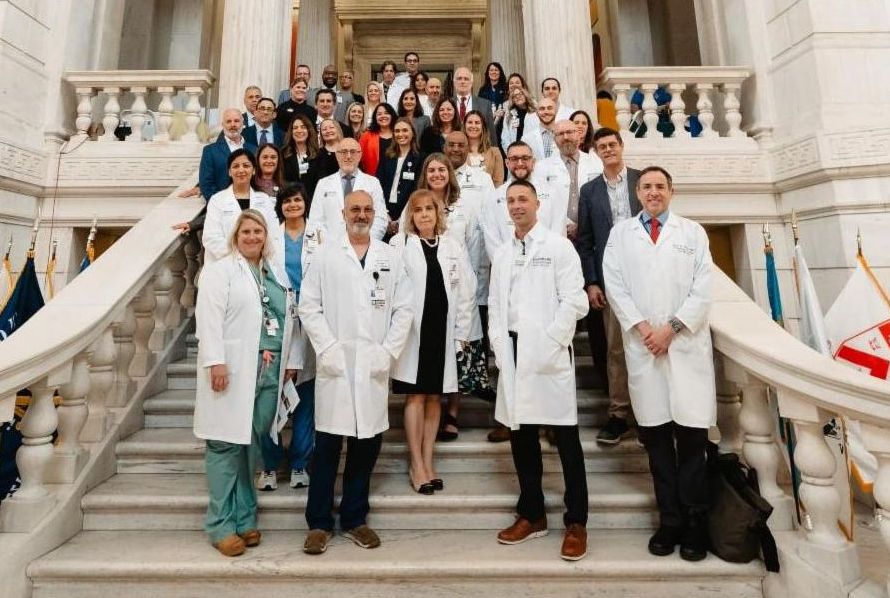
| | Members of the Hospital Association of Rhode Island at State House Day | | “While we are very encouraged to see investments in the health care system, Rhode Island’s health care crisis cannot be solved in a single fiscal year,” said HARI’s interim President Howard Dulude. “We remain committed to working with the General Assembly and Governor McKee to create long-term solutions that protect patient access to care, support our health care workers, and ensure long-term financial sustainability for providers and hospitals. Without clear commitments in these areas, hospitals remain at risk." | | You can learn more about Rhode Island’s health care crisis and HARI’s efforts to address it at CareinCrisis.org. | | |
‘Missing Move’:
Infrastructure Investment Will Improve
Access in, and to, Quonset
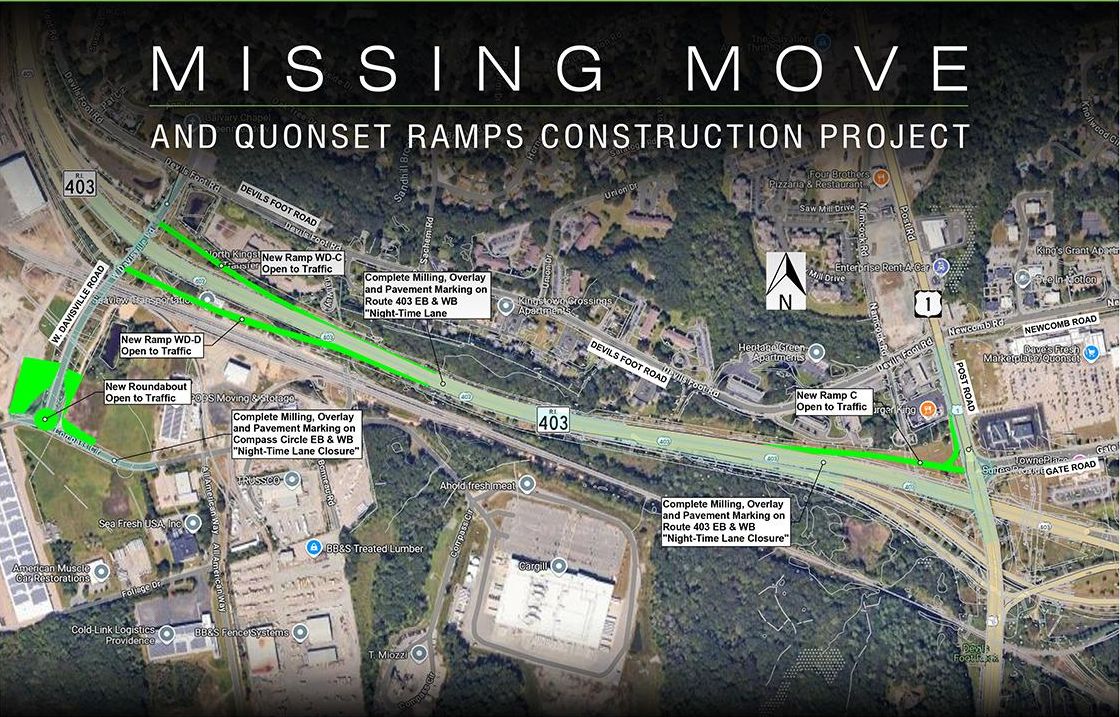
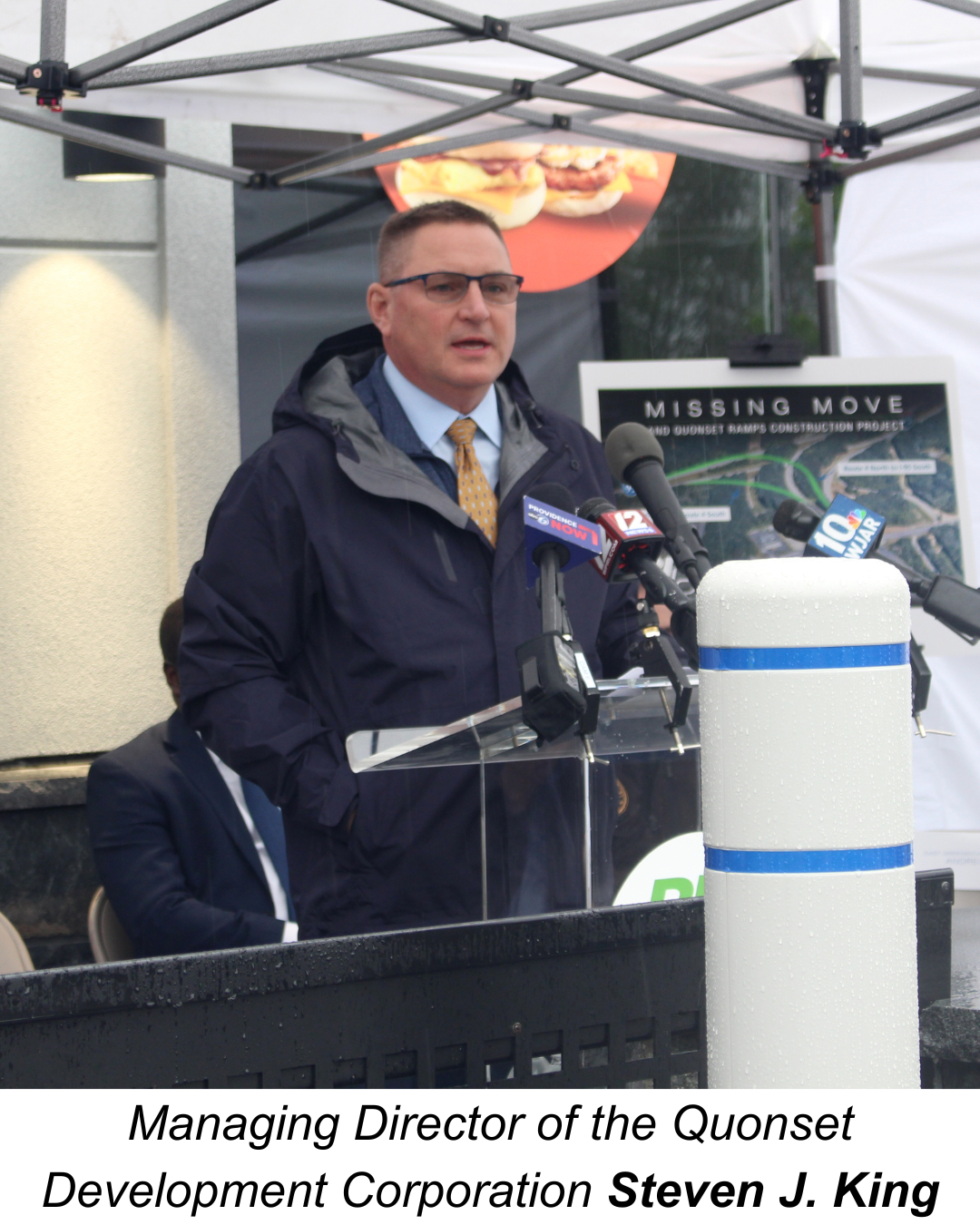
| | Overhead plans of Rte. 403 ramps at Quonset Business Park | | A long-awaited effort will soon connect commuters more easily to Quonset Business Park, home to 252 companies and more than 14,800 jobs. | | |
Dubbed the “Missing Move” Project, the critical infrastructure upgrades will complete the link between I-95 and Rte. 4 and improve access within the Business Park, as well.
For decades, commuters and trucks used local roads around Quonset, increasing traffic congestion - and frustration.
Thanks to the State of Rhode Island and the state’s congressional delegation, $144 million, including $85 million in federal grants, has been secured to fund the project and expand Quonset’s role as the region’s leading engine of job growth and economic development.
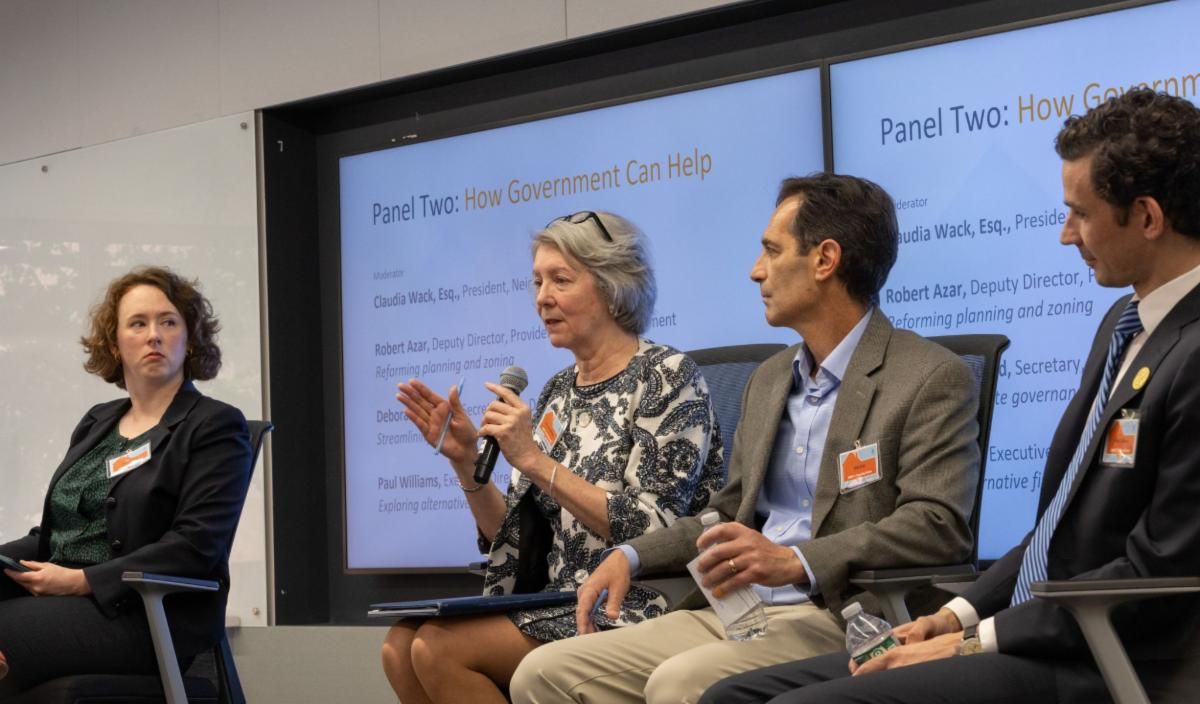
| | RIPEC Brings Leaders Together to Unlock Housing Growth in Rhode Island | | Rhode Island Public Expenditure Council’s (RIPEC) Housing Forum brought together public and private sector leaders to address Rhode Island’s housing production challenges. The forum addressed much-needed zoning reform to streamline development and focus on real market- and government-driven solutions. | | From left: Neighbors Welcome! RI President Claudia Wack, Esq. (moderator), RI Department of Housing Secretary Deborah Goddard, Providence Planning Department Deputy Director Robert Azar, Center for Public Enterprise Executive Director Paul Williams | | |
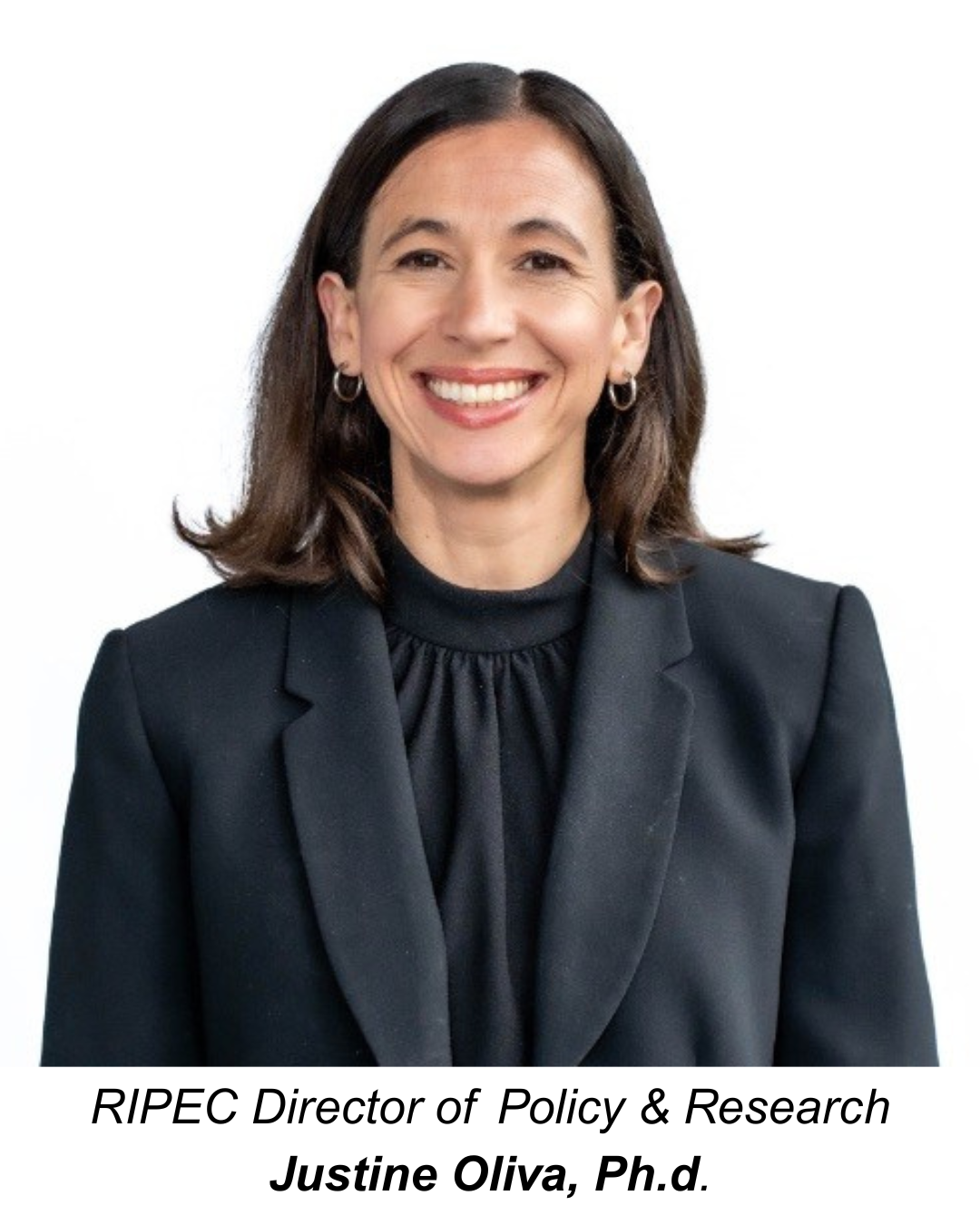
We are also pleased to recognize Justine Oliva, Ph.d., RIPEC’s Director of Policy & Research, for being named to Providence Business News’ 40 Under Forty.
Justine’s work is making a real impact on Rhode Island’s most pressing policy changes, including driving meaningful tax reform and delivering in-depth analysis on public education – and that’s just for starters!
Congratulations, Justine!
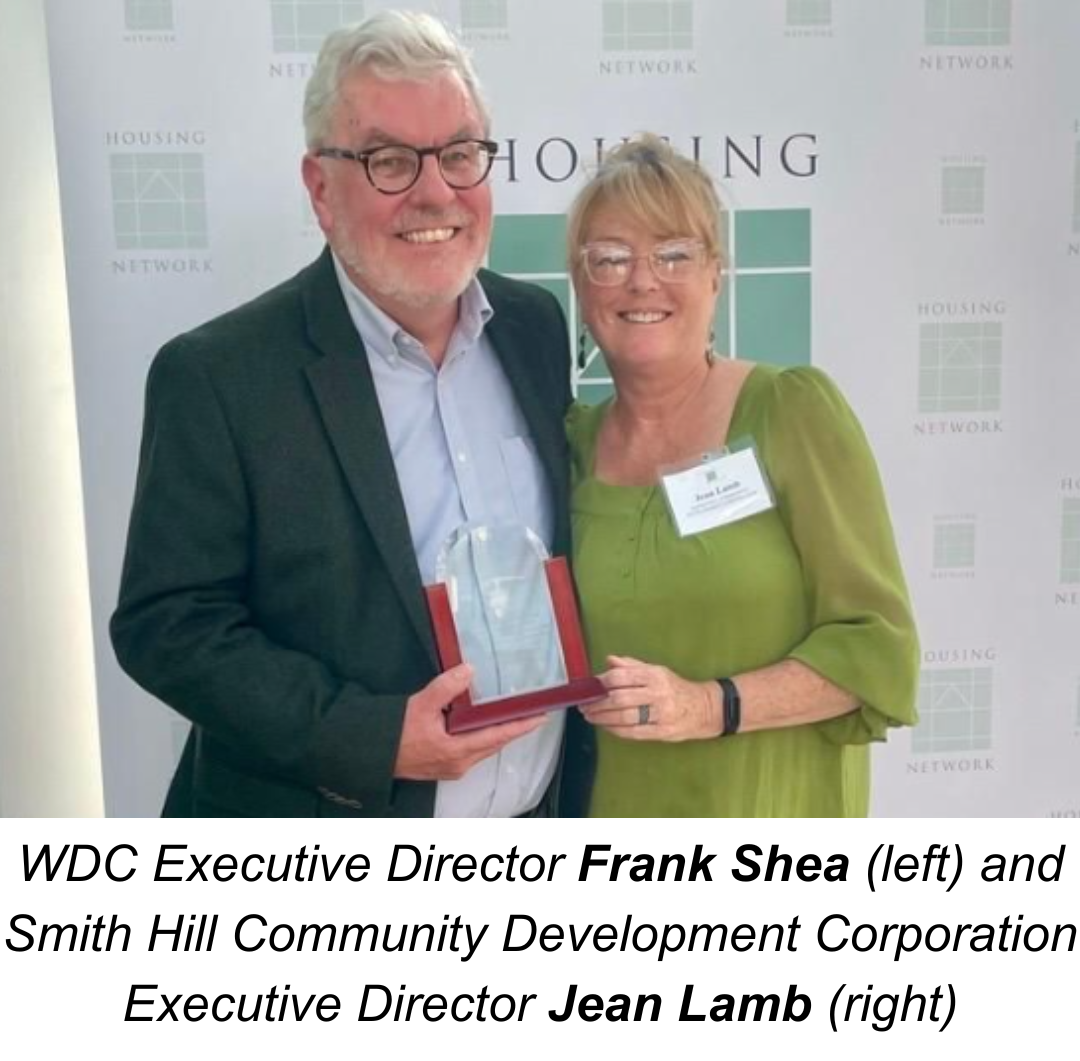
| | WDC and its Leadership Honored with Two Prestigious Awards for Equity and Community Impact Work | | |
The Women’s Development Corporation (WDC) was recently recognized for its impactful work in affordable housing.
WDC Executive Director Frank Shea received the 2025 Francis H. Smith Award from the Housing Network of Rhode Island in recognition of his decades-long commitment to community development and equity in housing.
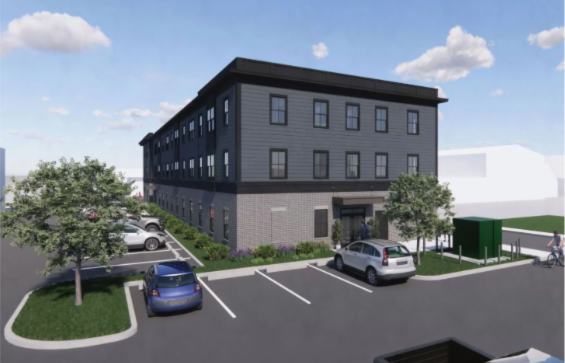
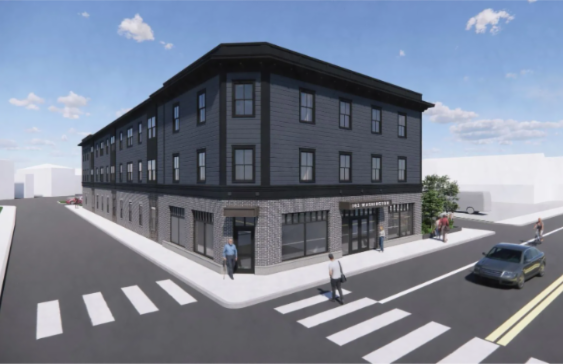
WDC also received the Paul Davidoff Award from the Rhode Island Chapter of the American Planning Association for its innovative 183 Washington Street project. The award recognizes innovative planning initiatives that address urgent social needs while promoting diversity, equity, and inclusion.
| | Located in West Warwick’s Arctic Village, the project will transform a long-vacant furniture store into 30 units of permanent supportive housing while doubling the amount of local tax revenue generated by the property for the town. | | Exterior renderings of 183 Washington Street Project in West Warwick | |
R.I. Business Coalition:
‘Stop Adding More Regulatory Burdens
to Small Businesses’
| | |
The Rhode Island Business Coalition (RIBC) has a clear vision of what is possible for both business owners and the workforce if we can work together to create a stronger business climate that benefits everyone.
RIBC recently released a list of priorities to attract business to Rhode Island:
- Resist calls to increase income taxes.
- Reject the proposal to enact a tax on digital advertising, the cost of which will inevitably be passed down to small businesses. (The state budget reflects these first two proposals)
- Increase Rhode Island's estate tax exemption to $4 million.
- Eliminate the corporate minimum tax.
"From stunning coastlines to a world-class culinary scene, The Ocean State has so much to offer everyone who visits and lives here," said John Simmons, President of the Rhode Island Business Coalition. "Unfortunately, our high cost of doing business is a burden on all of us, hindering our growth and success."
| | | | |