From the Station Director |
|
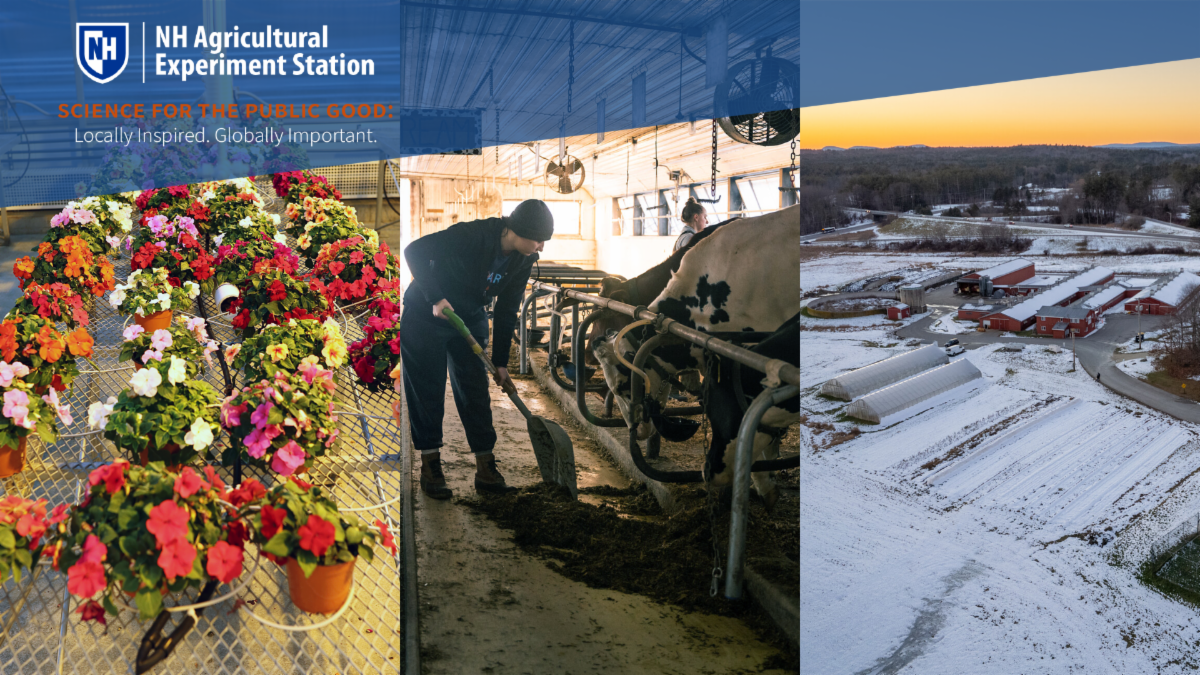
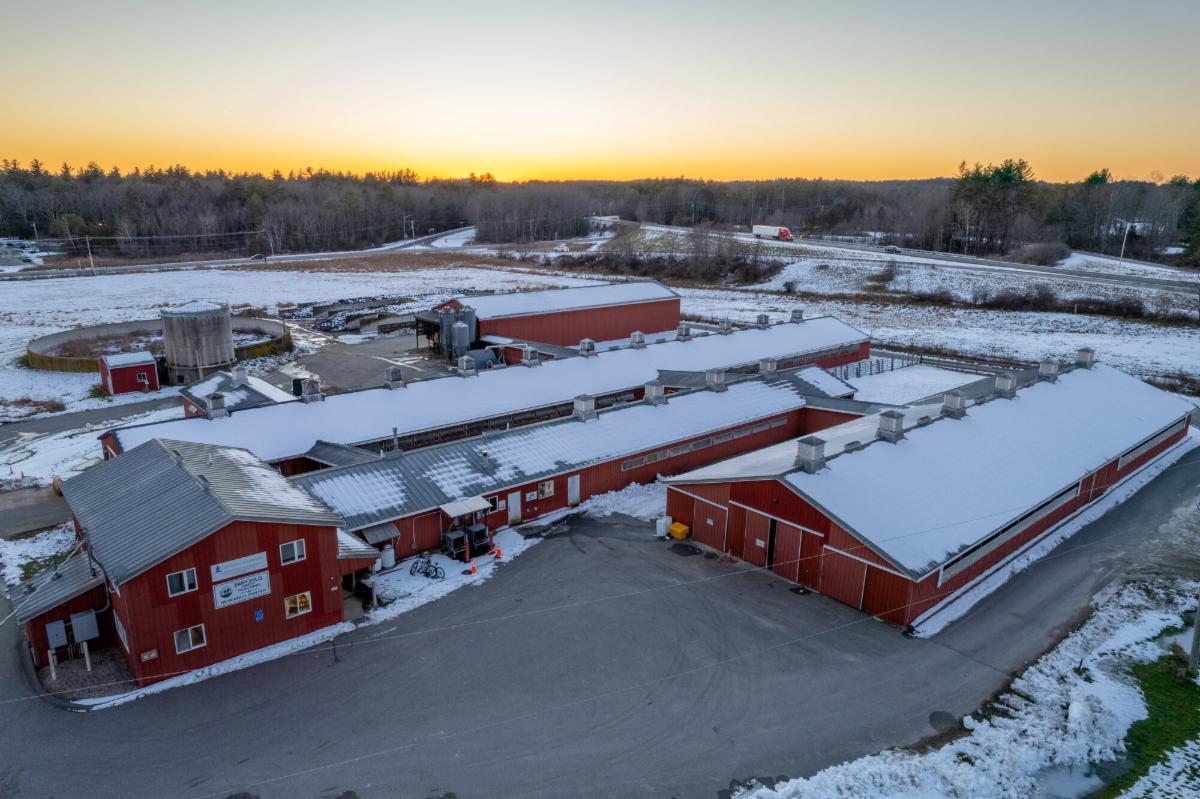
Part of what makes your Agricultural Experiment Stations so impactful in developing innovative solutions to our state's most pressing agricultural, food and natural resource challenges are our research and instructional farm facilities and support units. You may have seen a few of them as you're driving onto campus: the bright red barns of the Fairchild dairy, the lush organically managed hay fields, the white fencing around the paddocks of the equine complex, the glass structure of the research greenhouses.
These farms and facilities enable Station scientists to initiate groundbreaking ideas, test alternative approaches to producing food and renewable resources, provide hands-on training to the next generation of scientists, and demonstrate new knowledge to better our state. And it is the work of our Station support staff to ensure that these research farms and facilities are in their best conditions for innovative science and impactful instruction.
You can read about two of our staff members below, and a few more on the NHAES website, but I'd like to recognize the tireless work that all our staff have put in during December and January—especially those caring for our agricultural animals. They work through uncertain and, at times, harsh weather conditions, early morning and evening shifts, and during holidays, to assure the success of New Hampshire's public research farms.
The next time you're in Durham, Lee, or Madbury, you have an open invitation to come visit a farm or facility and meet our staff. But for now, I hope that you have a wonderful beginning to 2023!
Director, NH Agricultural Experiment Station
|
|
Station scientist and professor Pete Erickson, along with professor of biological sciences Tom Foxall and students Katrina Klobuchar and Rachel Badger, found evidence that the compound sodium butyrate—a nutrient that people obtain by consuming beans, peas and other legumes, but that can also be added to animal feed—could be used to prevent the coccidia protozoa parasite in cattle, which could be used an alternative to antibiotics. Read more.
|
|
|
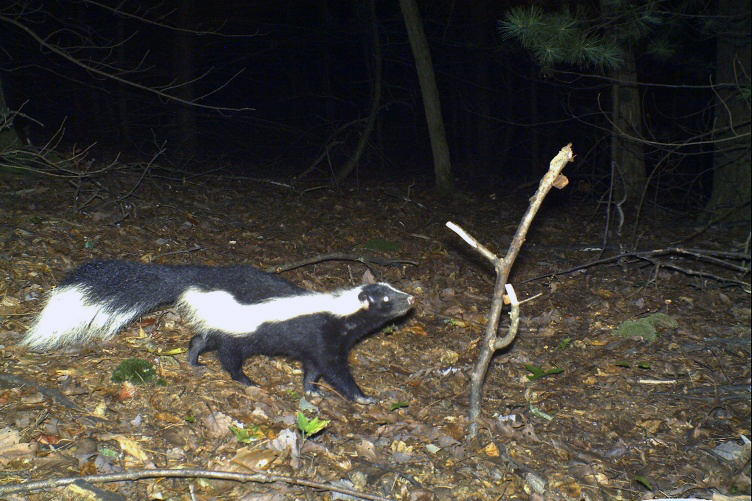
Station scientist Rem Moll published new research in which he and his co-authors examine the factors that affect abundance of skunks, which serve an under-appreciated role in the region’s ecosystem as a predator and seed disperser and as an important indicator of how wildlife might respond more broadly to increasing urbanization and climate change. Their research also underscores the importance of collaborative databases in providing information for large geographic and broad-scale studies of understudied species. Read more.
|
|
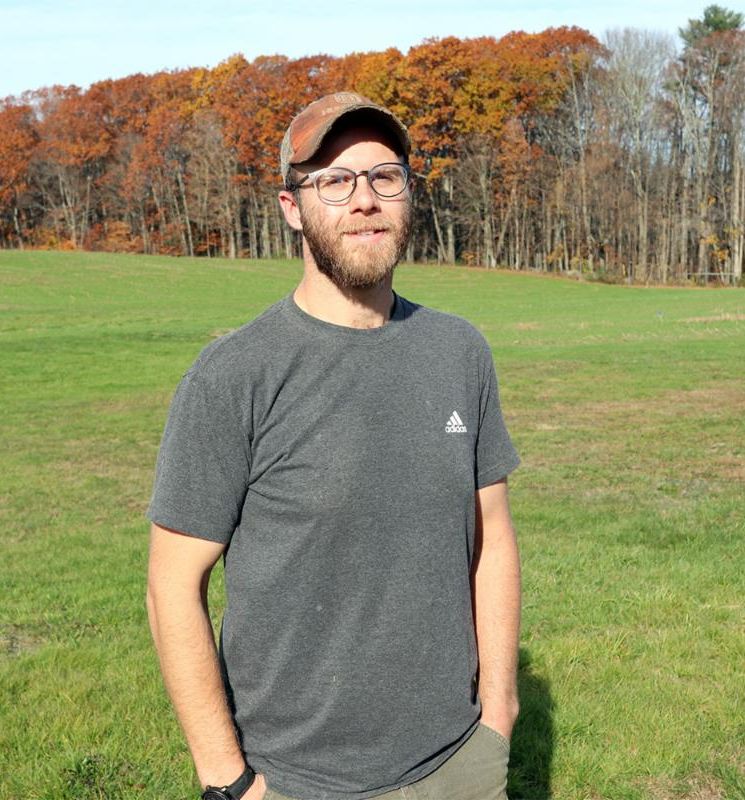
Mark Trabold, assistant farm manager of UNH's Woodman Horticultural Research and Kingman Research farms, returned to work at UNH in July 2022. A 2015 graduate of the Bachelor’s degree in Animal Science: Dairy Management program, Mark assisted–and still occasionally does–ongoing dairy research while an undergraduate and he lived and worked at the Fairchild Dairy Teaching and Research Center. In 2016, he joined UNH as a lead farm worker and worked his way up to assistant manager of the Fairchild Dairy Teaching and Research Center. After taking a brief hiatus from full-time farm work, Mark decided there was only one place he’d much rather be. Read more.
|
|
|
|
|
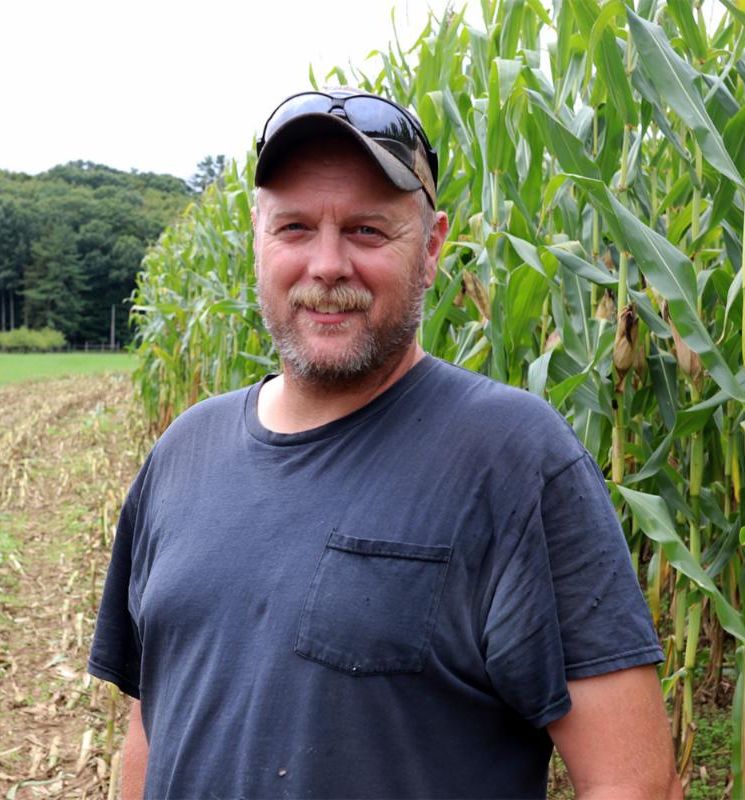
Terry's grandmother bottled milk at the Stiles Family Farm in Strafford, N.H., until 1986. When he was an infant, Terry would accompany her to the job and watch her bottle. When he got old enough, Terry helped her and did other farm duties that he could, including stacking hay and driving tractors. Terry worked at the Stiles farm for nearly a decade, becoming well acquainted with farm life and operations, before going on to service and sell tractors and work in automotive maintenance. He joined UNH's Farm Services Operations in the early 2000s, left for a little while, then returned in 2021. Read more.
|
|
More Station News & Notes |
|
Follow NHAES on social media: |
|
|
|
|
|
|