As doctors, we know the complications the opioid epidemic can cause. We have all seen patients who were seeking drugs, whether we recognized it or not. And I would hazard a good guess that we've all fallen for prescribing controlled substances to a seeker at one point or another in our careers. Doctors and other healthcare providers want to do our best for our patients. When they are in pain, we want to alleviate it. But, we are often conflicted when we are treating a patient in pain because so many tried to scam us in the past and we cannot honestly tell which ones are telling the truth or not. Below are 13 potential red flags that a patient is seeking drugs:
- Your patient comes from a town where few other patients come from, far from your office. Maybe even across state lines.
- Your patient has seen many physicians in a short period of time.
- Your patient comes carrying records that are from several years ago, and the patient has been carrying these same records around to many different physicians.
- Your patient uses multiple pharmacies.
- Your patient claims an allergy to all pain medications except the one she/he/they is seeking.
|
|
Last week, CMS released its CY2024 proposed rules for physician fee schedule, ambulatory surgery center, and hospital outpatient prospective payment systems schedules. We provided you with our initial high-level summaries for each rule and highlights.
There is some good news, significant amounts of bad news, and potentially ugly news in this proposed fee schedule.
Our initial high-level summaries of each rule, and highlights on key proposals can be found here (the potential 2% sequester cut and the 4% American Rescue Plan Act of 2021 cut for physicians and ASCs are not included).
Below are additional links for fee schedules and payment rates.
|
|
ASIPP is reviewing the proposed rules in depth and will follow up with additional detail. Let us know if you have any questions.
|
|
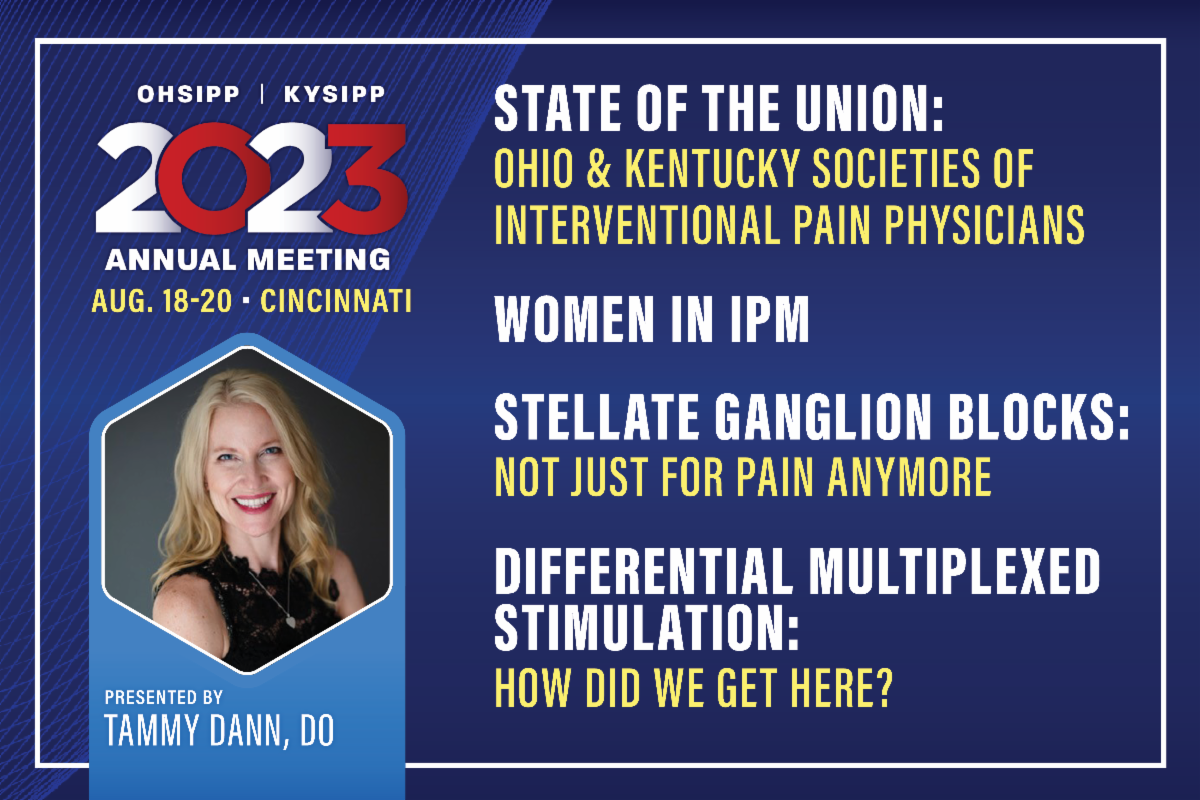
Join us August 18-20 for the 2023 OHSIPP-KYSIPP Annual Meeting in Cincinnati, OH, where cutting-edge advancements in interventional pain management will take center stage.
Don't miss this unique opportunity to network, learn, and collaborate with industry leaders. Secure your spot now and be part of shaping the future of IPM!
|
|
Private equity ownership of medical practices was linked to consumer price increases for 8 of 10 specialties examined in a new report, with the most notable gains reported for oncology and gastroenterology.
The report was a collaboration of UC Berkeley staff and researchers from two nonprofits, the American Antitrust Institute and the Washington Center for Equitable Growth. It provides "convincing evidence that incentives to put profits before patients have grown stronger with an increase in private equity ownership of physician practices," said lead author Richard Scheffler, PhD, of UC Berkeley in a statement.
The report also noted that private equity acquisitions of physician groups have risen sixfold in just a decade, increasing from 75 deals in 2012 to 484 deals in 2021.
|
|
Pediatric nephrologist Bryan Carmody, MD, recalls working alongside an extremely experienced neonatologist during his residency. She had managed a neonatal intensive care unit in her home country of Lithuania, but because she wanted to practice in the United States, it took years of repeat training before she was eligible for a medical license.
"She was very accomplished, and she was wonderful to have as a co-resident at the time," Carmody said told Medscape Medical News.
The neonatologist now practices at a US academic medical center, but to obtain that position, she had to complete 3 years of pediatric residency and 3 years of fellowship in the US, Carmody said.
|
|
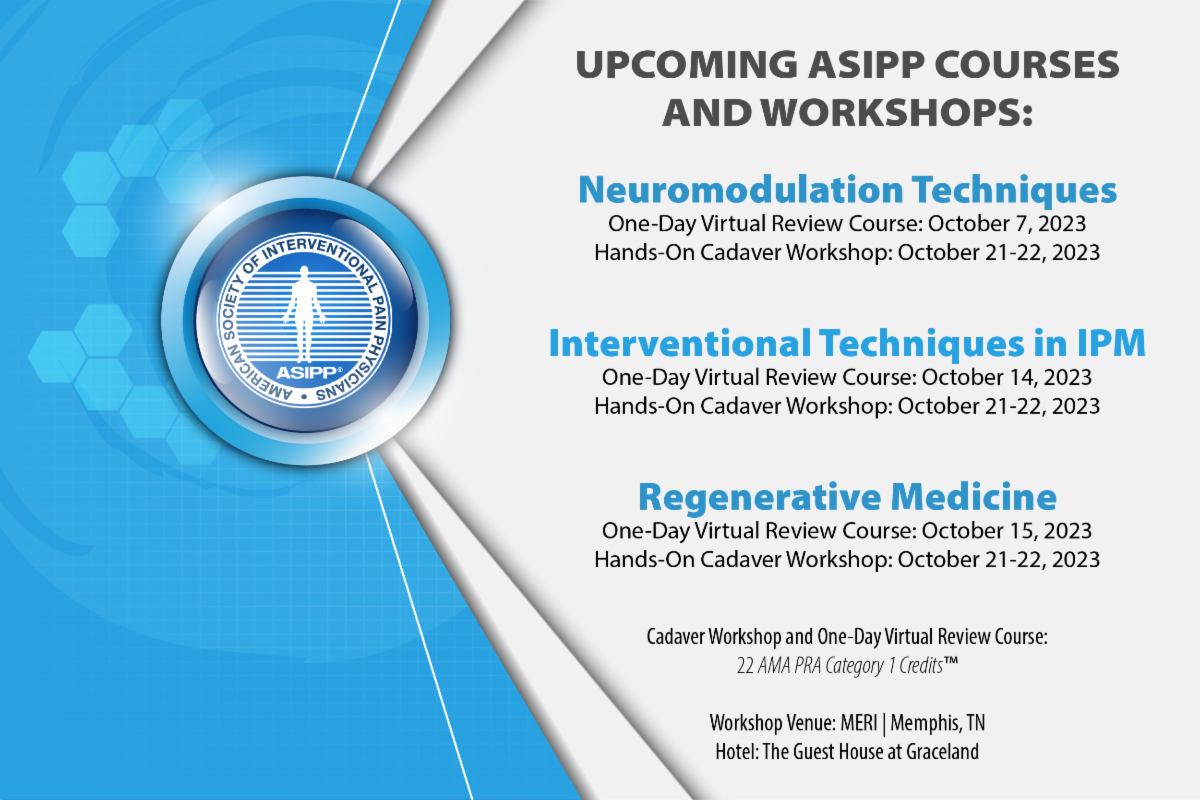
Interventional Techniques in IPM
Review Course & Cadaver Workshop
|
|
Regenerative Medicine
Review Course & Cadaver Workshop
|
|
During the past 10 years, there has been a shift away from physicians working in private practice.
Carol K. Kane, Ph.D., analyzed data from the AMA Physician Practice Benchmark Surveys to assess changes in the ownership and organization of physician practices during the past decade.
Findings showed that between 2012 and 2022, the share of physicians who work in practices wholly owned by physicians (private practices) dropped by 13 percentage points from 60.1 to 46.7 percent. Furthermore, practice size shifted from small to large practices, and the percentage of physicians in practices with ≤10 physicians fell from 61.4 to 51.8 percent over the decade. In contrast, the percentage in practices with ≥50 physicians grew from 12.2 to 18.3 percent. Just over four in 10 physicians (42 percent) worked in single-specialty practices versus 26.7 percent in multispecialty practices: a shift of about 4 percentage points toward multispecialty practice since 2012. There was a split noted between physicians as owners (44.0 percent) and employees (49.7 percent) in 2022.
“The AMA analysis shows that the shift away from independent practices is emblematic of the fiscal uncertainty and economic stress many physicians face due to statutory payment cuts in Medicare, rising practice costs, and intrusive administrative burdens,” Jesse M. Ehrenfeld, M.D., M.P.H., president of the AMA, said in a statement. “Practice viability requires fiscal stability, and the AMA’s Recovery Plan for America’s Physicians is explicit in calling for reform to our Medicare payment system that has failed to keep up with the costs of running a medical practice.”
|
|
Agency says Cell Genuity products should be regulated as a drug
A blood test may improve the accuracy of Alzheimer's diagnoses in primary care, data from the BioFINDER Primary Care study suggested.
Primary care physicians correctly identified the presence of Alzheimer's-related changes or correctly diagnosed Alzheimer's disease in approximately 55% of cases without blood biomarker results, reported Sebastian Palmqvist, MD, PhD, of Lund University in Sweden, in a presentation at the annual Alzheimer's Association International Conference. A blood-based biomarker test correctly identified Alzheimer's in more than 85% of cases.
Without blood tests, primary care physicians proposed treatment plans that led to 50% of true Alzheimer's cases not receiving symptomatic treatment, and 30% of non-Alzheimer's cases incorrectly receiving symptomatic Alzheimer's treatment.
|
|
Virtual
ABIPP Part I; ABIPP Path - Combined DCCPM/CSM virtual exam; ABIPP Competency Exam in IPM; ABIPP Competency Exam in Regenerative Medicine
Memphis, TN
ABIPP Part II - Practical Portion; ABIPP Competency Exam - Practical Portion; ABIPP Regenerative Medicine Competency Exam - Practical Portion
|
|
We must do more to show we care
The latest CDC data on long COVID in U.S. adults and an alarming World Health Organization (WHO) statement about its long-term impact underscore the pandemic's lingering and debilitating effects. Like the satirical film "Don't Look Up," in which scientists couldn't focus media or politicians on the climate crisis, most Americans are content to avert their eyes from the long COVID crisis. Meanwhile, the millions now missing from public life because of it have no choice but to stare down the gamut of its sweeping sequelae.
As an NIH-funded researcher, I study child feeding and sleep, and co-direct the University Center of Excellence in Developmental Disabilities. For years I have been an ally to families who have advocated for individuals with disabilities. As a mother, I've now become an advocate and supporter for my daughter as she fights a daily unseen battle and continues to struggle with long COVID, 3 years after contracting the SARS-COV-2 virus. In fact, the average person loses 21% of their health while living with long COVID -- equivalent to traumatic brain injury.
Long COVID: Persistent and Prevalent
Earlier this year, an Israeli study suggested that many long COVID symptoms resolve within a year. But you can't see what you don't measure: fatigue wasn't studied, despite ranking among the top long COVID symptoms globally, in the U.S., and even following asymptomatic infection. CDC data confirms my tracking of the literature and family's experience -- long COVID is prevalent and impactful. In the latest CDC data, just over 15% of U.S. adults ever had long COVID, and 5.8% (about 15 million) currently have it. For a condition that's fallen off the radar for those untouched by it, the percentages of U.S. adults reporting any (4.9%) and significant (1.5%) activity limitations is astonishing.
|
|
Those who snore can be aging their brains by years and hurting their brain health by depriving themselves of getting deep sleep, according to researchers with the Faculty of Medicine at the University of Paris-Cité, Paris, France.
What to Know:
-
Loud snoring and obstructed breathing, often caused by sleep apnea, can lead to higher chances of exhibiting signs of stroke, Alzheimer’s disease, or overall cognitive decline.
- Tiny lesions on the brain, known as white matter hyperintensities, are biomarkers that indicate brain health, becoming more prevalent with age or uncontrolled high blood pressure.
|
|
Daily use of low-dose aspirin offers no significant protection against stroke and was linked to a higher rate of bleeding in the brain, according to new research published in JAMA.
The research matches other evidence advising that healthy older adults without a history of heart conditions or warning signs of stroke should not take low-dose aspirin.
The findings also support the recommendation from the U.S. Preventive Services Task Force that low-dose aspirin should not be prescribed for preventing a first heart attack or stroke in healthy older adults, The New York Times reported.
|
|
Moderate-to-vigorous physical activity (MVPA) is a familiar and established approach to reducing cardiovascular (CV) risk, but it's often believed that the exercise should be spread out across the week rather than concentrated within a couple of days.
A challenge to that view comes from an observational study of accelerometer-confirmed exercise in almost 90,000 people in their 60s. It suggests, among those who exercised at least 2½ hours per week, similar CV-risk reductions in "weekend warriors" (WW) who focused their workouts on 1 or 2 days per week and those who spread their weekly exercise over more days.
Researchers compared three patterns of MVPA in their subjects who wore accelerometers on their wrists for one week. Active WW subjects obtained at least 2½ hours of exercise weekly, with at least half the amount completed over 1-2 days; "active regular" subjects achieved that exercise level but not mostly during 1 or 2 days; and those who were "inactive" fell short of 2½ hours of exercise during the week. The group used a median exercise threshold of 3 hours, 50 minutes in a separate analysis.
|
|
- ASIPP Members Only Site Information - |
|
-
To log in for the first time you will need to click “forgot password” at the bottom of the login window.
- Check your email and then log in as directed.
-
If you have problems logging into your account, click here.
|
|
Pain Medicine Case Reports (PMCR) and Editor-in-Chief Alaa Abd-Elsayed, MD, PhD would like to invite you to submit case reports and case series to the PMCR journal. Your article will be published free of charge.
Open access journals are freely available online for immediate worldwide open access to the full text of published articles. There is no subscription fee for open access journals. Open access journals are no different from traditional subscription-based journals: they undergo the same peer-review and quality control as any other scholarly journal.
Interested in becoming a member of the PMCR Editorial Board?
Editorial board members are asked to review 2-6 manuscripts per year. Please submit your most up-to-date CV to sgold@asipp.org for consideration.
For more information or to submit your articles, click here.
|
|
| CASE REPORT |
Sandeep Khuba, MD, Abhishek Rajput, MD, Keshav Kumar Garg, MD, Vasudha Goel, MBBS, Varun Singla, MD, Sanjay Kumar, MD, Rajashree Madabushi, MD, and Shikha Awal, MD
Abstract
Background: Larsen syndrome is an extremely rare congenital disorder characterized by craniofacial anomalies and multiple skeletal deformities such as short stature, kyphoscoliosis of the spine, cervical spine instability, clubfeet, and joint dislocations especially of the knee and hip joints. Musculoskeletal pain in a case of Larsen syndrome signals red flags as these patients have various congenital anomalies. However, myofascial trigger points could be a cause of chronic musculoskeletal pain in these patients. Myofascial trigger points are easy to diagnose and treat.
Case Report: We are presenting a 29-year-old man, diagnosed as a case of Larsen syndrome, who came to us with complaints of bilateral shoulder pain and right thigh pain for 4 years and 5 months, respectively. Examination of the patient revealed faulty joint mechanics along with the presence of trigger points in adjoining muscles. The trigger points were injected with local anesthetic followed by stretching and muscle-strengthening exercises, which led to pain relief.
Conclusion: In the present case report, we wish to highlight that myofascial pain could be a cause of pain and functional limitation in patients suffering from Larsen syndrome.
Key words: Larsen syndrome, myofascial trigger point
|
|
| RETROSPECTIVE STUDY |
Kai-Uwe Lewandrowski, MD, Alvaro Dowling, MD, Juan Carlos Vera, Eng, Jorge Felipe Ramirez Leon, MD, Albert E Telfeian, MD, PhD, and Morgan P. Lorio, MD
Abstract
BACKGROUND: Treatment of intermediate-stage painful degenerative disc disease is controversial, with few reliable options. Allogenic mesenchymal stem cells (MSCs)are an alternative to autologous stem cell transplantation. Allogeneic MSCs in the treatment of discogenic low back pain have some practical advantages, ranging from availability to ease of treatment in a procedure-room setting.
OBJECTIVES: To assess the efficacy and safety of allogenic MSC injection into painful lumbar intervertebral discs and associated clinical outcomes.
STUDY DESIGN: Retrospective observational cohort study.
SETTING: Private practice.
METHODS: There were 33 patients: 15 women and 18 men with an average age of 47.6 years. The patients’ average follow-up was 26.88 months Patients were treated with intradiscal injection of approximately 5 million allogeneic polyclonal MSCs in 1% hyaluronic acid derived from immunoselected umbilical cord stem cells. Patients were monitored for adverse event reactions. Clinical outcomes were assessed with reductions in the reported Visual Analog Scale (VAS) for back pain, the Oswestry Disability Index (ODI) scores, and the use of the modified Macnab criteria.
RESULTS: No patient required any additional treatments for low back pain stemming from the level treated with MSC injections. At a 2-year follow-up, the average VAS low back score reduction was 6.565 ± 1.619 and 38.333 ± 14.865 for the ODI (P < 0.001). Reported Macnab outcomes were excellent in 11 patients (33.3%), good in 19 (57.6%), and fair in 3 (9.1%).
LIMITATIONS: Our observational study is limited by patient selection, hindsight bias, and low patient numbers.
CONCLUSION: The results of our feasibility study suggest that the injection of allogeneic MSCs to treat patients with painful intermediate-stage degenerative disc disease has merit. No adverse reactions were observed. The authors recommend further study in a randomized prospective study setting with a placebo control group or a natural history study group of patients to solidify this research.
KEY WORDS: Allogeneic, mesenchymal stem cells, low back pain, degenerative intervertebral disc disease
|
|
| RETROSPECTIVE ANALYSIS |
Peter S. Staats, MD, Ricardo Vallejo, MD, PhD, Nicolas C. Gasquet, MPH, and Christine N. Ricker, MA
Abstract
BACKGROUND: Poorly managed chronic spinal pain encumbers medical resources and drives healthcare costs, suggesting a target for improvement.
OBJECTIVES: To determine how specialist-care pathways influence healthcare costs in the first year after a referral for chronic spine pain.
STUDY DESIGN: This was a retrospective cohort analysis of administrative claims from a large commercial health insurance provider, analyzing a 6-month baseline, a variable “pre-referral period,” and a one-year period of specialist care.
SETTING: US patients covered by private commercial insurers.
METHODS: Adult patients diagnosed with chronic, spine-related pain between July 2016 and February 2018 and under the active care of a specialist were eligible. Patients with neurological deficits or cancer-related pain were excluded. Patients were categorized based on sequence-dependent exposure to a pain specialist, a surgeon, or both specialties. Key measures were pain-related and all-cause medical resource use and costs and opioid prescription fills.
RESULTS: Of 306,080 eligible patients (mean age 61.6; 61.5% women), 13% saw a pain specialist, 71% a surgeon, 7% a pain specialist then a surgeon, and 9% a surgeon then a pain specialist. Referral to a pain specialist alone was associated with lower resource use and per-patient adjusted cost savings of $3,311 (pain-related) and $6,447 (all-cause) compared to patients referred to a surgeon alone. The pain specialist pathway was associated with increased indicators of prescription opioid use.
LIMITATIONS: Cohort design constraints temper the results’ generalizability, given the need to simultaneously examine specialty pathway and medical resource incurred over the same time period.
CONCLUSIONS: We observed meaningful savings in cost and resource use when chronic spine-pain patients were managed by pain specialists. Pain-management referrals should be an element of a thoughtfully designed care pathway.
KEY WORDS: Chronic spinal pain, pain management, care pathway, spine surgery
|
|
ASIPP is now in collaboration with Curi Medical Liability Program
Since this malpractice insurance program officially launched in November 2018, ASIPP has signed up hundreds of providers with an average savings of 30%. This is professional liability insurance tailored to our specialty and will stand up for us and defend our practices.
Curi is a full-service advisory firm that serves physicians and their practices. Their valued advice is grounded in your priorities and elevated in your outcomes. They are driven by a deep understanding of your specific circumstances in medicine, business, and life. To read a few important points to keep in mind about the program, including discounts, administrative defense, cyber coverage, aggressive claims handling, and complimentary risk management CME activities, visit our website.
|
|
ASIPP® has formed a partnership with Henry Schein and PedsPal, a national GPO that has a successful history of negotiating better prices on medical supplies and creating value-added services for independent physicians. Working with MedAssets, PedsPal provides excellent pricing on products like contrast media that alleviate some of the financial pressures you experience today.
|
|
ASIPP® is now offering our members the benefit of a unique revenue cycle management/ billing service.
We have received a tremendous amount of interest in the ASIPP® billing and coding program.
Click here to learn more about the negotiated rate for practices and more!
|
|
|
up-to-date news related to you, your practice, and your patients!
|
|
|
|
|
|
|