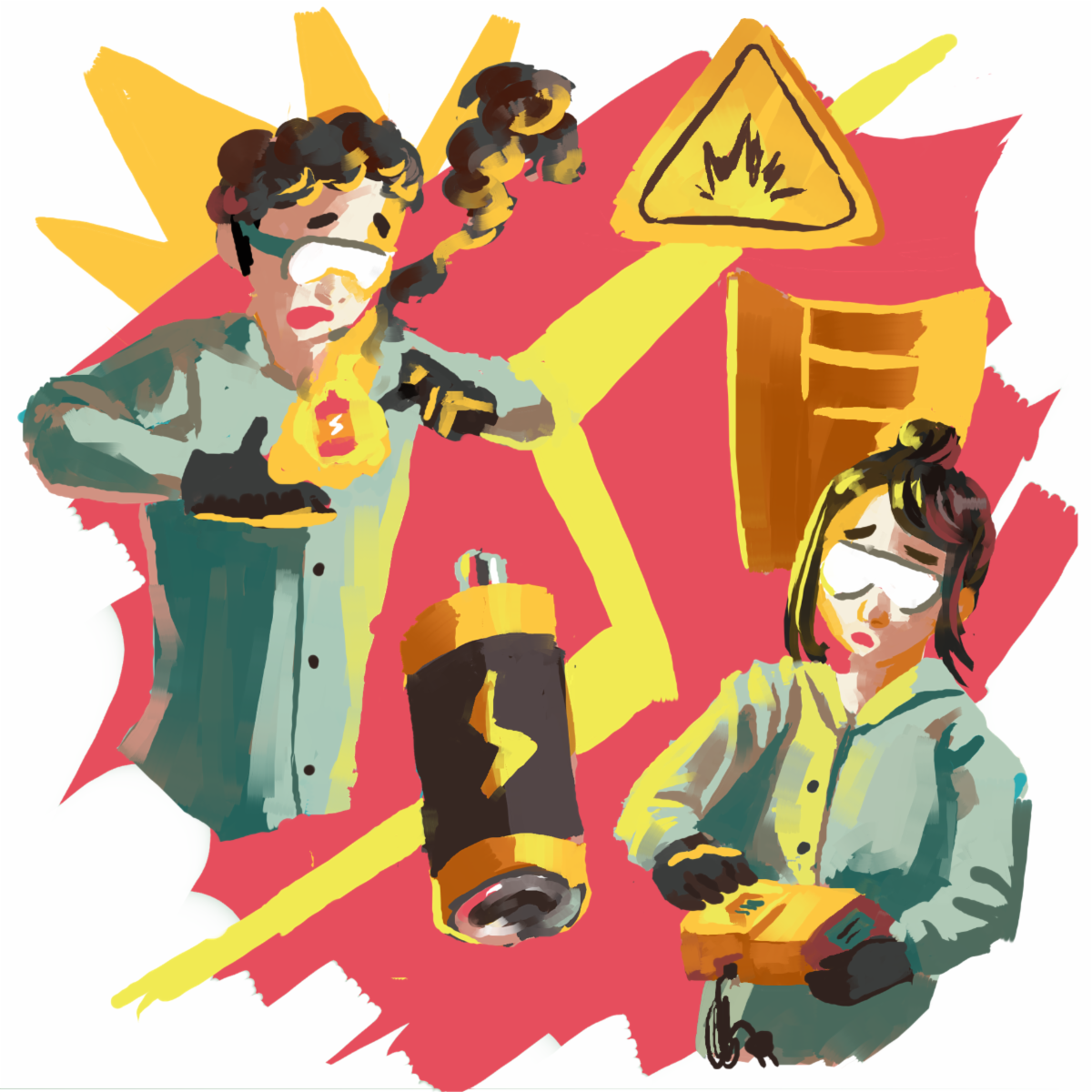
Fire Prevention in the Lab

Welcome to the 3rd issue of The Spill, where we’re focusing on a variety of safety topics that have affected our labs in the last year.

Begin 2025 safely in UCSB labs by reviewing protocols, updating emergency plans, and ensuring proper use of personal protective equipment.

Needle Safety in the Lab

This guide will cover the differences between blunt and beveled needles, their uses, and essential safety practices.

Needle Safety in the Lab


Blunt Needles:


  • Safer: Reduce needlestick injuries.


  • Best for Open Use: Ideal for liquid handling and dispensing.


  • Cleaner: Minimize contamination when piercing septa.


Beveled Needles:


  • Sharp Tip: Pierces sealed containers easily.


  • Specialized Use: Suitable for animal injections and closed vessel sampling.


Safety Tips:


  • Use blunt needles whenever possible.


  • Choose safety-engineered needles if sharp ones are needed.


  • Dispose of all needles in sharps containers.


Choose Wisely: Blunt needles are best for open applications, while beveled needles are necessary for sealed containers or injections.

Battery Safety

These essential safety tips will help ensure the safe use, handling, and disposal of batteries, reducing risks associated with overheating, leaks, or fires.


Top Safety Tips:


  • Use devices listed by a qualified testing lab.


  • Follow manufacturer’s instructions.


  • Only use the battery designed for the device.


  • Unplug after fully charged.


  • Keep batteries at room temperature; avoid extreme heat or cold.


  • Do not charge while sleeping or near exits.


Stop Using If:


  • You notice an odor, color change, excessive heat, leaking, or odd noises.


  • If in danger, call 9-1-1 and move the device away from flammable materials.


Battery Disposal:


  • Do not trash lithium-ion batteries.


  • Recycle at a proper facility or follow community guidelines.


  • Avoid piling discarded batteries.

Exposure Monitoring

At UCSB, the Industrial Hygiene Exposure Monitoring Program helps protect our community by identifying and managing exposure to hazardous materials in work and learning environments.

Exposure Monitoring: Keeping UCSB Safe


UCSB's Industrial Hygiene Exposure Monitoring Program ensures a safe campus by measuring exposure to chemicals, gases, and other hazards. We monitor air quality and safety levels in labs and workplaces to protect health and stay within regulatory limits. If issues are detected, EHS implements corrective actions like improving ventilation or updating safety protocols. Stay informed and follow safety guidelines to help maintain a safe environment for all.


For questions about exposure monitoring, please reach out to our Industrial Hygienist, Priscilla Pouliot by email: priscilla.salcedo@ucsb.edu or by phone at (805) 893-3743

LSC Program

What is the LSC Program?


The Laboratory Safety Coordinator (LSC) Program is an initiative within research labs at universities, like UCSB, designed to promote safety and ensure compliance with environmental health and safety (EHS) regulations. The program establishes a designated point person in each lab—typically a lab member—who acts as the liaison between the laboratory and EHS.


Who is it for?


The LSC program is for:

  • Research groups within academic and research institutions.


  • Principal Investigators (PIs) who delegate safety responsibilities to lab members.


  • Laboratory staff and researchers who work in potentially hazardous environments (e.g., handling chemicals, biological agents, or radioactive materials).


Why is it Important?


  • Promotes a Safe Work Environment: By ensuring labs follow safety protocols, the program reduces the risk of accidents, injuries, and exposure to hazardous materials.


  • Compliance with Regulations: Helps ensure that labs are compliant with federal, state, and institutional safety regulations, minimizing the risk of penalties and violations.


  • Training and Preparedness: The LSC ensures that all lab personnel are properly trained on safety procedures, emergency responses, and equipment use, making the lab environment safer for everyone.


  • Efficiency in Safety Management: The program streamlines safety processes by having a dedicated person responsible for coordinating safety activities and maintaining necessary documentation.


Please be on the lookout for an email from jose_diaz@ucsb.edu or reach out if you'd like to be a part of this great new program!


Thank you for taking the time to read our newsletter and stay informed on important safety practices. Be sure to come back next time for more valuable safety tips and information!

Environmental Health & Safety

Design, Facilities & Safety Services

Santa Barbara, California 93106-5132

(805) 893-7534

Lab Safety Specialist- Jose Diaz

jose_diaz@ucsb.edu


Allison Sobieri

allisonsobieri@umail.ucsb.edu


Illustrations made by Andrew Nim

Andrewkin12@gmail.com


Contact Us
X
X Share This Email
LinkedIn Share This Email