|
Water Quality Update for Friday, October 2nd, 2026
by the Canandaigua Lake Watershed Association
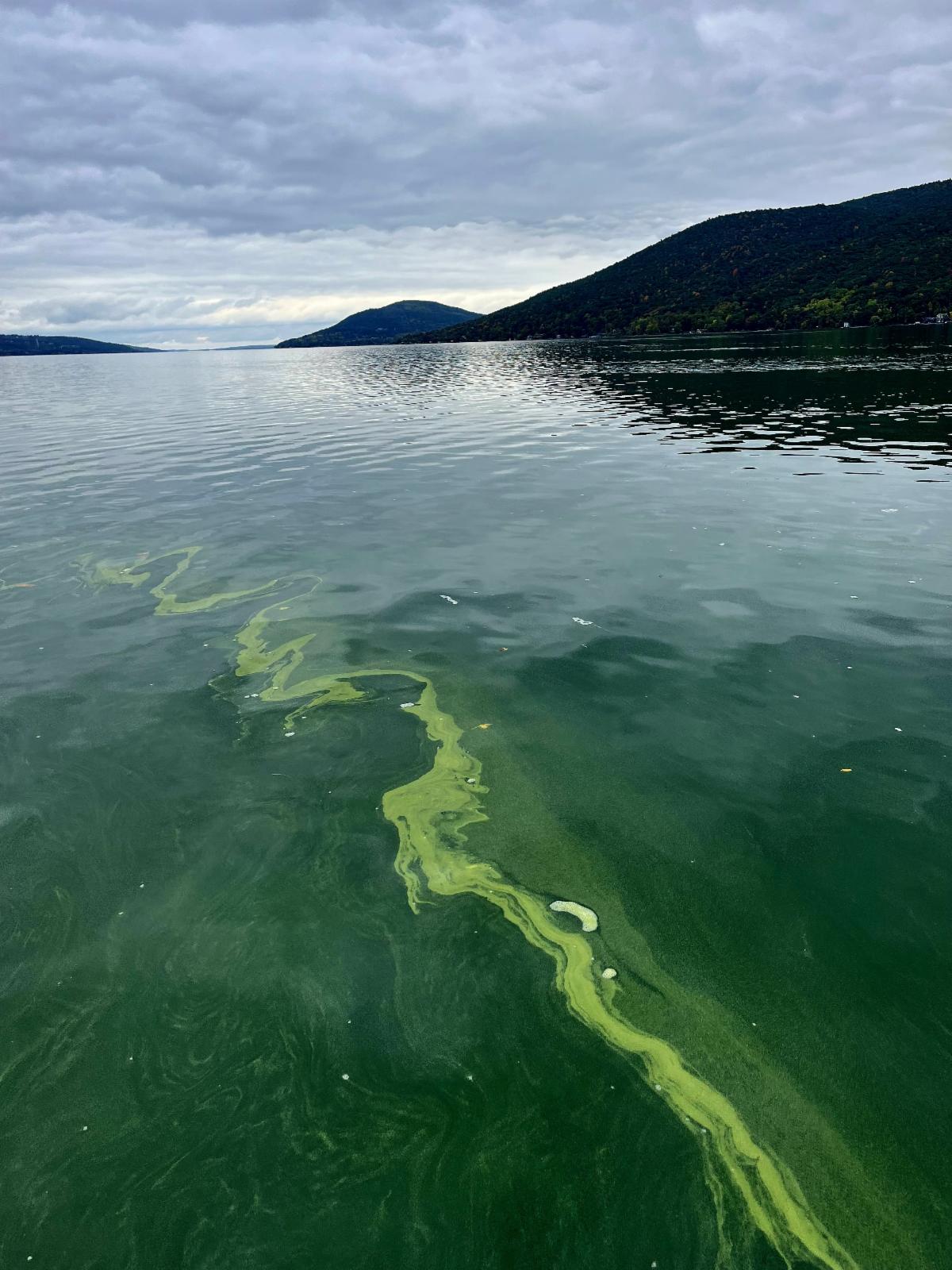
| | Did someone forward you this email? Click HERE to subscribe directly. | | The CLWA Weather Station is located at Canandaigua BoatWorks on the east side of the lake. | | Despite it being cool and cloudy at the beginning of the week, we received numerous harmful algae bloom reports from the south end of the lake. photo taken by volunteer Lynn T of HAB off Walton Point. | | |
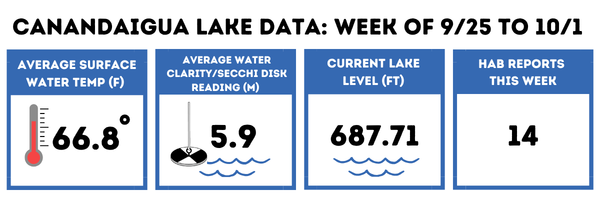
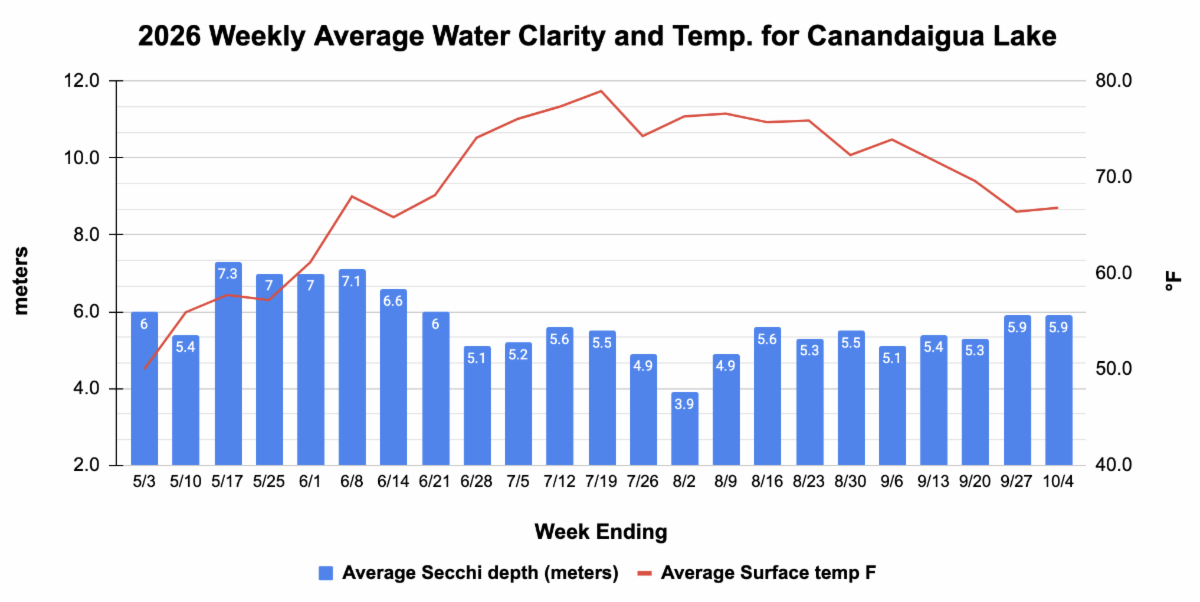
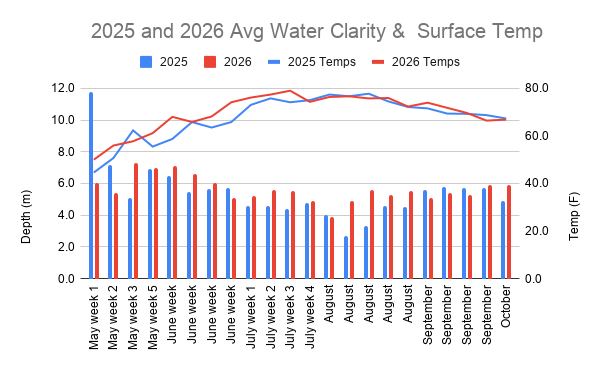
Average water clarity is about the same as last week while average surface water temp continues to get cooler - both about as expected for this time of year. Lake level is down ever so slightly this week compared to last. Despite cool temps and cloudy skies at the beginning of the week, we had 14 harmful algae bloom reports come in this week. With some sunshine back in the forecast we should have some beautiful fall weather coming up.
This is our last weekly water quality report of the season. We hope you’ve found these updates helpful and that they’ve kept you connected to what’s happening on Canandaigua Lake. Thank you for following along and for being part of the community that cares for and protects our lake.
As we wrap up weekly reporting, we’ll return to our monthly e-news updates -continuing to be a Voice for the Lake by sharing science-based information, updates, and ways you can help support a healthy Canandaigua Lake.
| | Weekly water clarity and temp data collected by our dedicated CLWA Citizen Science volunteers. You can see that average water clarity is about the same and surface temperature has dropped to 66 degrees F. | | How is 2026 comparing to 2025 so far? Right now average surface temp is essentially the same as this time last year while water clarity (measured by secchi disk depth) is slightly better. 2026 had seemed a bit better overall for water clarity until September - and then the trend reversed and it was slightly worse than it was in 2025 for a few weeks - but last week it evened back out and now we are back to being slightly better than 2025 again. These differences are so slight for most of the season - they aren't statistically significant at this time scale but rather are very valuable for assesing long term changes in the lake over time. | |
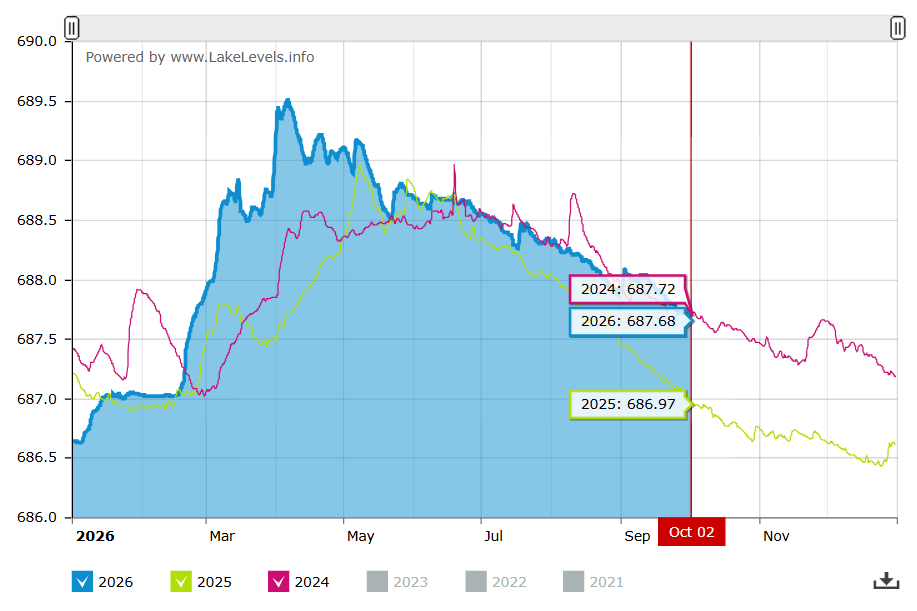
Lake level has decreased slightly this week down to 687.68 today. Currently both outlet gates are closed and the feeder canal gate is open at the required minimum - 0.25 ft open. This time of year the lake level guide curve is gradually decreasing from its summer level of 688.5 to its winter level of 686.9.
There are a few different places you can find the lake level online. NOAA is one. Lake Levels online also has nice charts - where you can easily see the whole year and compare to the last few years.
| | |
In this weeks update:
- HABs Update
- Volunteer Appreciation Event Recap
- Lake Friendly Living Tip: Maple Tar Spot
- Conservation Field Days
- Fall foliage Report - I love NY
- Upcoming events: Trail Work Day, Chipotle Fundraiser, Oak Wilt,
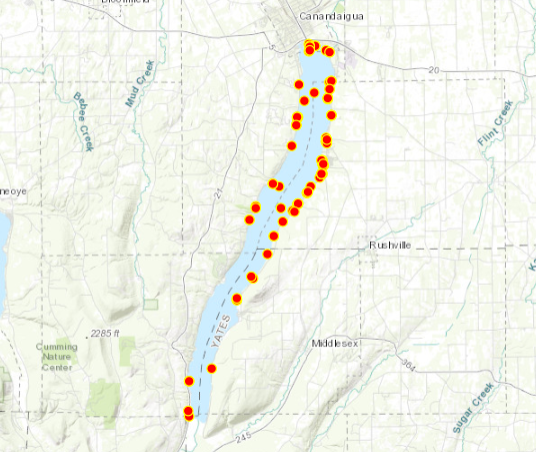
| | Despite the cool, cloudy weather at the start of the week we received 14 harmful algae bloom reports this week. Some of these reports were from the south end of the lake where we had not had reported blooms yet this season. Blooms were confirmed on the southwest side at Walton Point and the Woodville Boat Launch and on the southeast side around Vine Valley and also just south of Whiskey Point. | Confirmed bloom reports from volunteers have come in mainly from the north end of the lake so far this summer on both sides and also mid lake. In late September we had confirmed blooms in the south end as well. The map is interactive on our website and you can click to view reported blooms to see their date and location details. | |
This was the final week of our regular volunteer shoreline monitoring season, and we can’t thank our volunteer monitors enough for their dedication throughout the season. Their consistent observations are an important part of our ongoing effort to better understand HABs on Canandaigua Lake.
We will continue to receive reports of blooms after the regular monitoring season ends. At this point, however, we no longer ask volunteers to check weekly and report when they don’t observe a bloom.
We won’t be able to finalize our season totals until we know the 2026 HAB season has come to an end. Our preliminary numbers to date include 649 surveys completed and approximately 58 confirmed bloom reports.
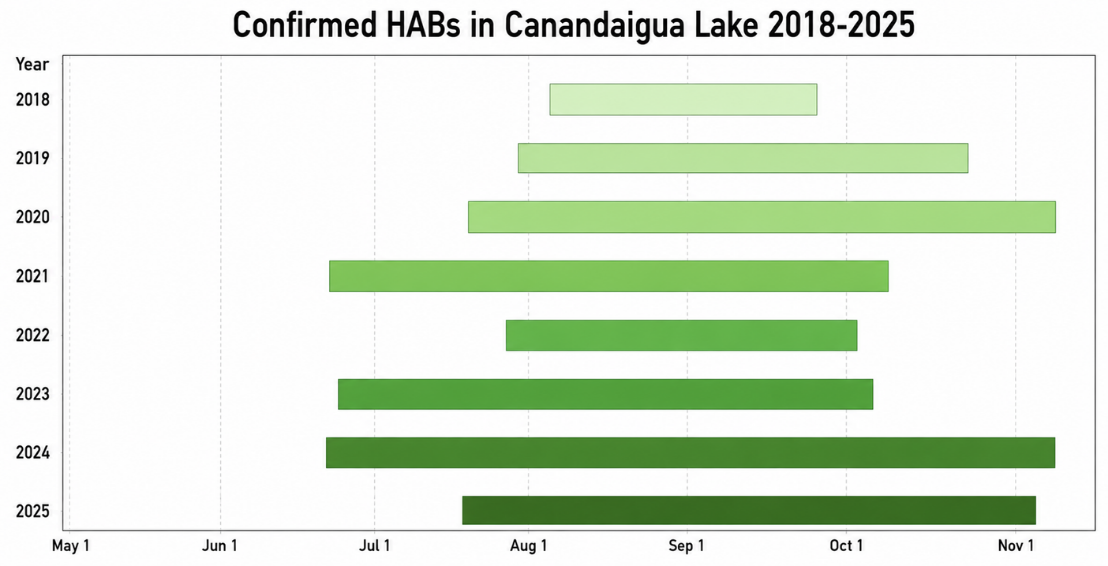
As you can see in the image below, the timing and duration of blooms have varied from year to year. In each of the past two years, confirmed bloom reports continued into November. We’ll have to wait and see what the rest of 2026 brings!
| |
Remember: HABs are constantly changing.
They can appear, move, and disappear quickly. A bloom reported in one location does not mean that the entire lake is affected or that conditions are the same everywhere.
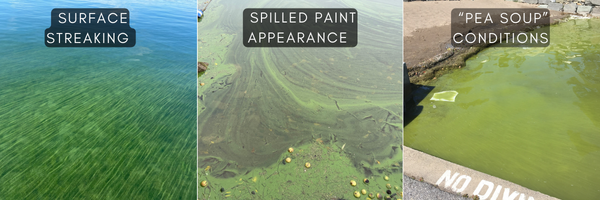
Our HAB map is a helpful tool for seeing where blooms have been reported, but it is not an exact, real-time picture of conditions across the lake. Before swimming, boating, or letting pets near the water, take a moment to look at the water where you are. If you see water that looks like spilled paint, pea soup, or has unusual discoloration or surface scum, stay out.
When in Doubt - Stay Out!
Knowledge is power! Knowing what HABs look like and staying informed can help you safely enjoy Canandaigua Lake all summer long. Stay observant, stay informed, and help us spread the word!
Scoll all the way to the bottom of this email for our general HABs reminders, resources, and ID info.
| |
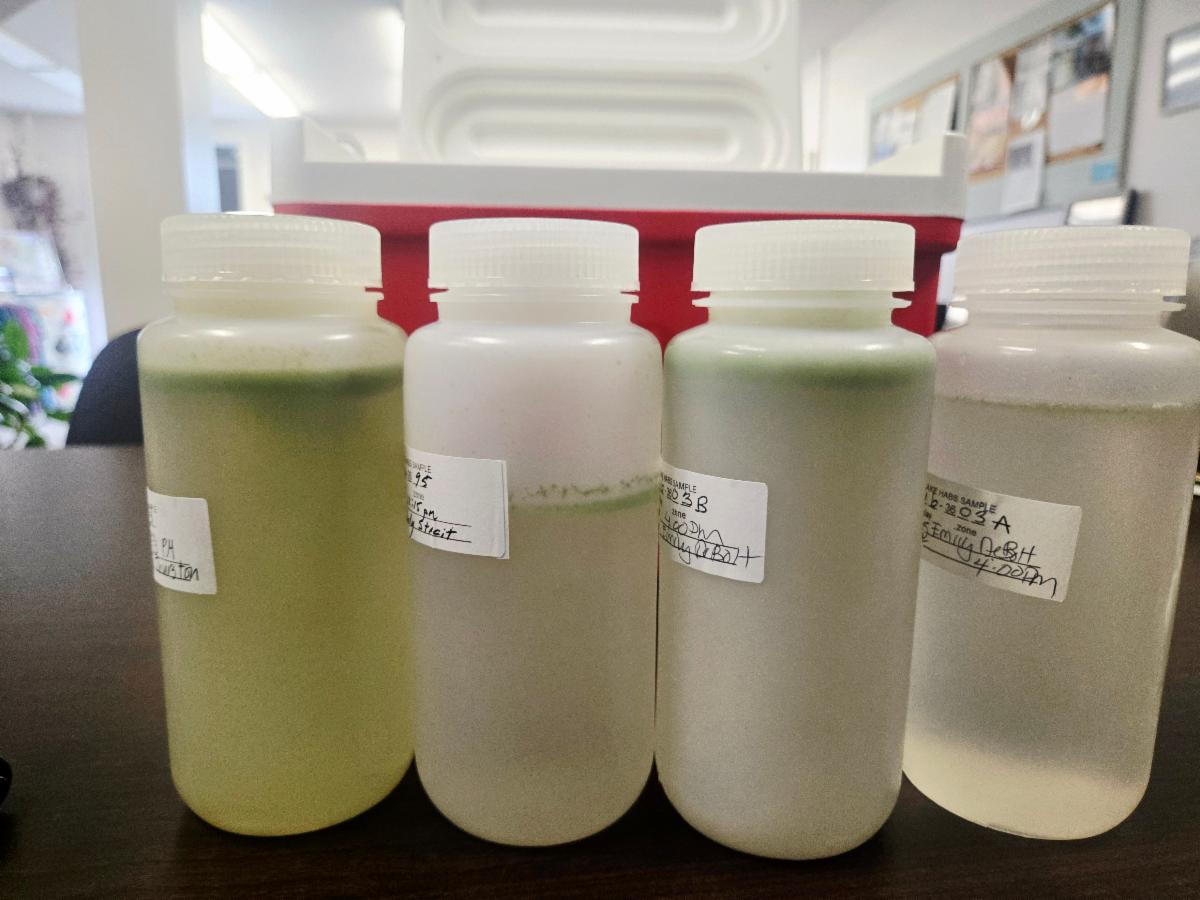
In addition to our volunteer monitoring and reporting, some of our volunteers also collect HAB samples for laboratory analysis. Samples are kept on ice and transported to the Finger Lakes Institute (FLI) lab in Geneva for certified analysis.
We aim to collect samples throughout the HAB season and from locations around the lake so we can track chlorophyll and toxin levels both over time and across different areas of the lake. This helps us build a more complete picture of how blooms develop and change throughout the season and from one part of the lake to another.
To organize our sampling and reporting, we divide the season into three time periods—early, mid, and late—and the lake into six zones: north, mid, and south on both the east and west sides.
If your head is spinning a little already - yes, we have a lot of spreadsheets here at the CLWA office! But all those spreadsheets help us turn individual observations and samples into a growing body of information about Canandaigua Lake.
| HAB samples being packed up into the cooler with ice to be transported to FLI. | |
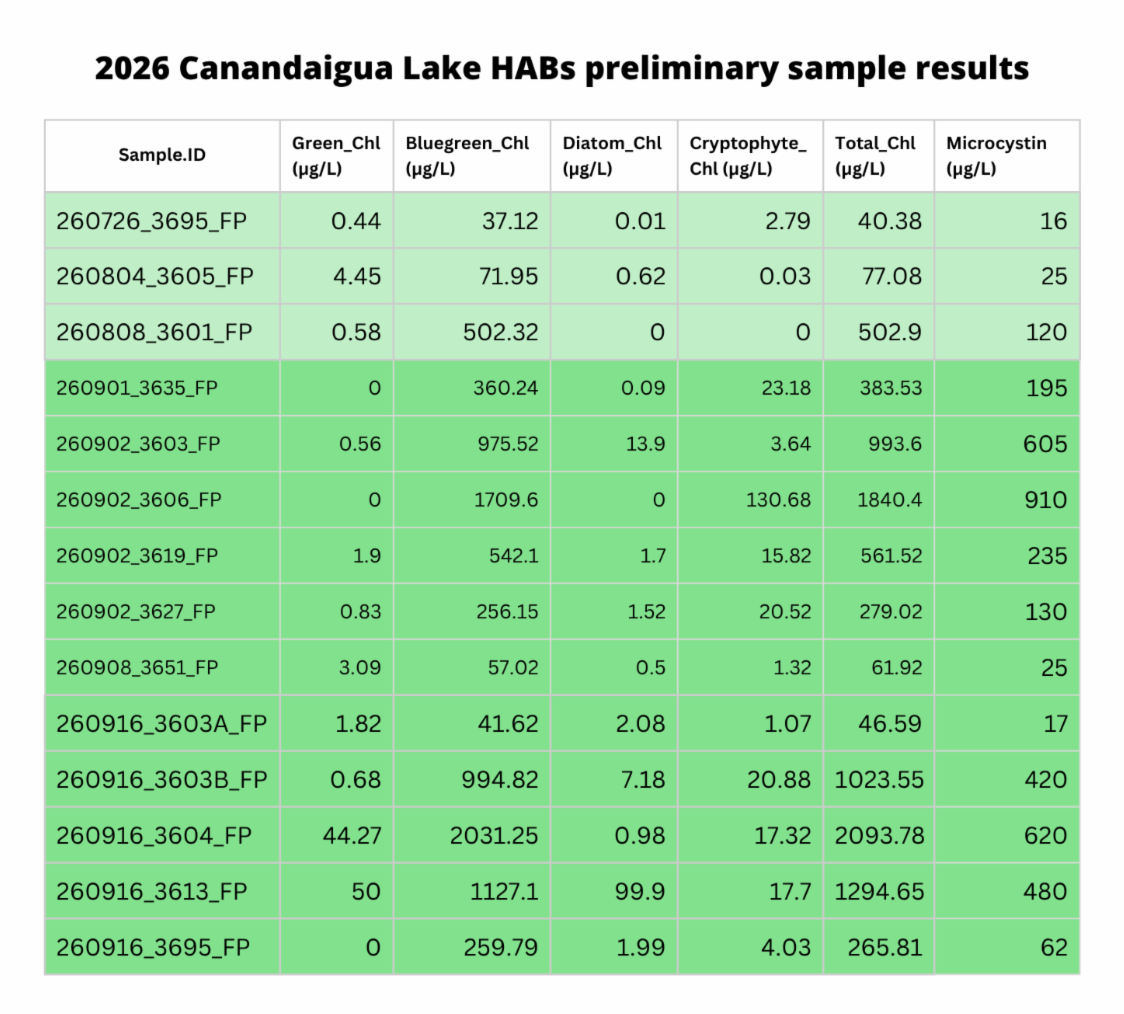
Some of our preliminary sample results are shown below. The light green rows at the top represent our “early season” samples, while the darker green rows are our “mid-season” samples. We have also collected several “late-season” samples that have been sent to the lab, and we are still awaiting the toxin analysis for those samples.
Over the coming months, we’ll take a closer look at all of this data and share what we’re learning in ways that make the results easier to understand and put into context. For now, we wanted to give you a sneak peek at some of the information we’ve been collecting throughout the season.
A bit of context:
The NYSDEC considers a bloom to be a confirmed harmful algal bloom (HAB) when it has greater than or equal to 25 µg/L of blue-green chlorophyll-a.
As you can see in the results below, chlorophyll-a concentrations can vary considerably from one bloom to another. Our samples range from just above the 25 µg/L threshold to more than 2,000 µg/L. We intentionally sample blooms that look different in the water - from light streaking to more concentrated, pea-soup-like appearances. Comparing what we see in the lake with what we find in the laboratory helps us better understand the range of conditions associated with blooms on Canandaigua Lake.
We also test samples for microcystin, one of the toxins that can be produced by some cyanobacteria. The NYSDEC considers a bloom to be “confirmed with high toxins” when microcystin concentrations are greater than or equal to 20 µg/L for shoreline blooms or 10 µg/L for open-water blooms.
Our results also show a wide range of microcystin concentrations among the samples we’ve collected. This variation is one of the reasons continued monitoring is so valuable. Each sample adds another piece to the picture and helps us better understand when, where, and under what conditions blooms occur - and how their characteristics can change over the course of a season.
There is still much to learn about HABs on Canandaigua Lake. By continuing to collect consistent, science-based data and working with our research and laboratory partners, we can build a stronger understanding of these blooms and use what we learn to help inform future efforts to protect the lake.
| The chart above shows some of our preliminary results. After the season is concluded, we will be able to finalize and further analyze our results. Each year of monitoring and collecting samples for analysis adds another piece to the puzzle, helping us better understand the timing, location, and variability of HABs on Canandaigua Lake. | | Thank you, CLWA Volunteers! | | |
74 volunteers are trained for CLWA's Citizen Science programs
3,820 Volunteer Hours powered CLWA activities in 2025
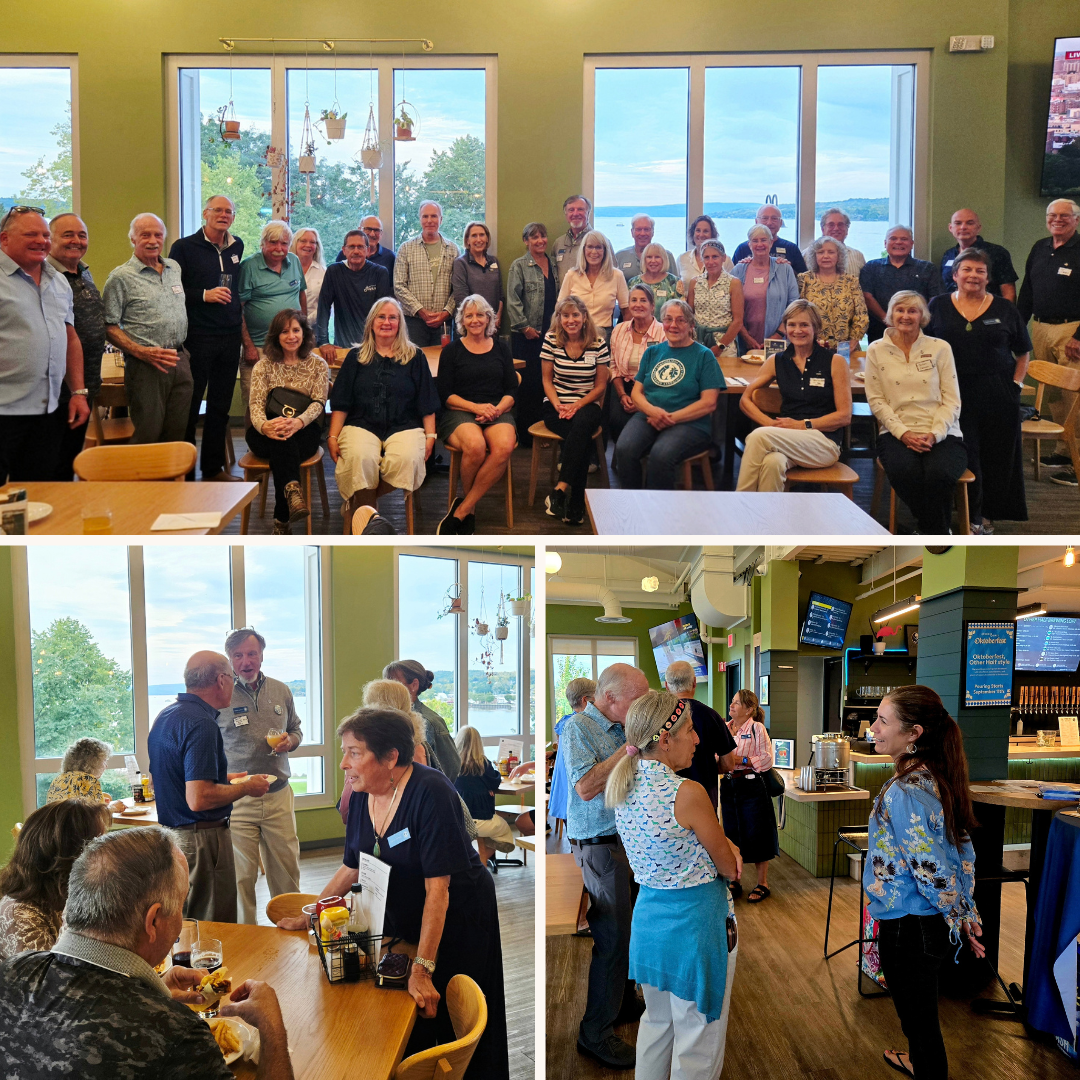
On Wednesday evening, around 40 volunteers joined us at Other Half Brewing to celebrate the incredible contributions they have made this season—and throughout the years—to Canandaigua Lake. From citizen science and outreach programs to CLWA committees and board service, these dedicated volunteers give their time, knowledge, and energy in countless ways to support our mission.
CLWA is truly powered by our volunteers. 2027 will be our 80th year of working together to protect Canandaigua Lake - WOW! For most of that history, this work was carried out entirely by volunteers. Various Canandaigua Lake community groups grew, merged, and evolved over the years, eventually becoming the CLWA we have today. Staff were added about a decade ago to help support and expand the work, but the heart of this organization has always been the people who care enough to show up for the lake.
Today, our volunteers help us collect scientific data and observations, share information with their neighbors, participate in educational programs, support events, serve on committees, and help guide the organization as board members. They help make CLWA a Voice for the Lake. Through their efforts, we gather knowledge, share it with our community, and turn that knowledge into greater understanding, stewardship, and action for Canandaigua Lake and its watershed.
We are so grateful for every volunteer who has contributed to this work - whether you have been with us for decades, joined us this year, or are somewhere in between. Your time and dedication make it possible for CLWA to do more, reach more people, and continue working toward the preservation, protection, and restoration of the lake we all value.
Thank you, thank you, to our amazing volunteers! Words can hardly express our gratitude for all you have done- and continue to do - for Canandaigua Lake and its watershed. You truly are a gift to this community and to the lake.
| | Lake Friendly Living Tip: Managing Maple Tar Spot in the Fall | |
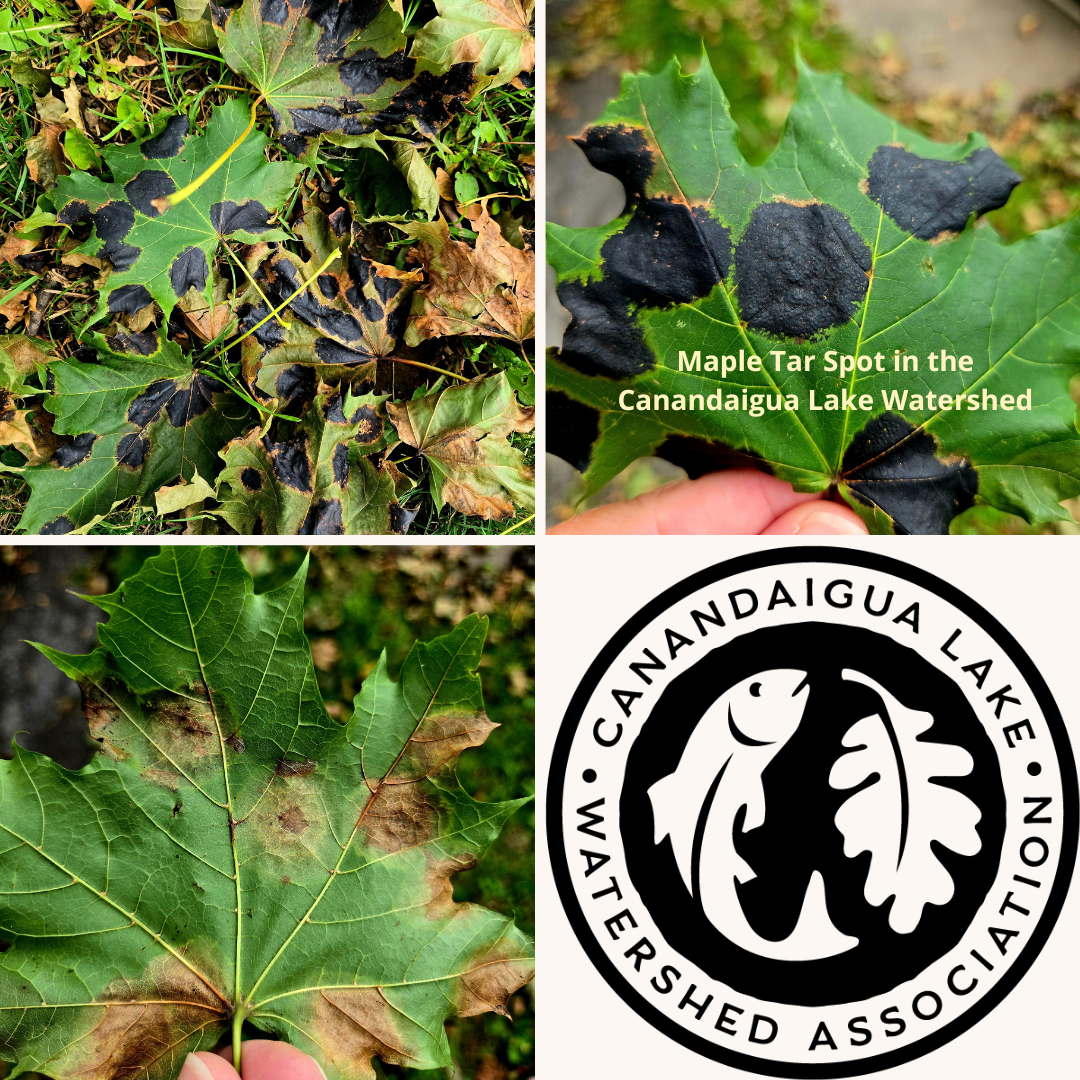
Spring this year was quite rainy in the Finger Lakes - setting the stage for beautiful Autumn color. Unfortunately, with the extra rain, there’s been an increase in foliar fungal pathogens in the Finger Lakes – and New York State in general. One of these pathogens is Maple Tar Spot caused by the fungal pathogen Rhytisma.
If you have been seeing spotty-looking leaves falling from your maple trees for weeks already (far too early!) – it’s Maple Tar Spot. Maple Tar Spot affects many maples but the invasive Norway maple is particularly impacted with very large dark spots. On silver and red maples, the spots are typically smaller.
Symptoms and Lifecycle
Symptoms – round, pale green, fruiting spots - first appear in late Spring when leaves are full size. These fruiting structures further develop over the summer and consolidate to form large, black spots (hence: tar spots) by late summer. In severe cases on Norway maples, premature leaf shedding can occur – especially in shaded settings and when numerous infected Norway maples are present.
Fascinating Fact: When leaves are shed from the infected tree, they tend to land with the dark spots (fruiting structures) facing up, allowing for effective spore release the following spring.
Maple Tar Spot/ Rhytisma winters on diseased leaves to then release spores in the Spring wind to infect newly developing foliage. Spore germination and infection require moisture on the leaf which is why disease outbreaks can be more severe in years with heavy rainfall in late May and early June.
Managing Maple Tar Spot
If you’re noticing black spots on your maple leaves this year, you may be seeing Maple Tar Spot. While it can be quite noticeable, current research indicates that Maple Tar Spot does not cause long-term damage to mature maple trees.
For most trees, we encourage leaving fallen leaves on your property—using them as garden mulch or allowing them to break down naturally is an important part of Lake Friendly Living. Maple Tar Spot is one situation where you may want to consider a different approach. The fungus overwinters on affected leaves, so raking and removing heavily affected leaves can reduce the amount of spores available to cause the disease next year.
You don’t have to remove the leaves. If you have only a small amount of Maple Tar Spot, you may simply choose to leave your leaves as you normally would. If your maple trees have a lot of affected leaves, removing them is an option that may help reduce the severity of the disease next year.
Either way, there’s no need to be alarmed - Maple Tar Spot is primarily a cosmetic issue for mature trees. We simply want to help you understand what you’re seeing and make an informed choice about how to manage your leaves this fall.
If you have specific questions about Maple Tar Spot or your trees, we recommend contacting your local Cornell Cooperative Extension office for guidance.
Sources:
https://www.umass.edu/agriculture-food-environment/landscape/fact-sheets/tar-spot-of-maple
https://rensselaer.cce.cornell.edu/resources/tar-spot-of-maple
| | Conservation Field Days with OCSWCD and CCE | |
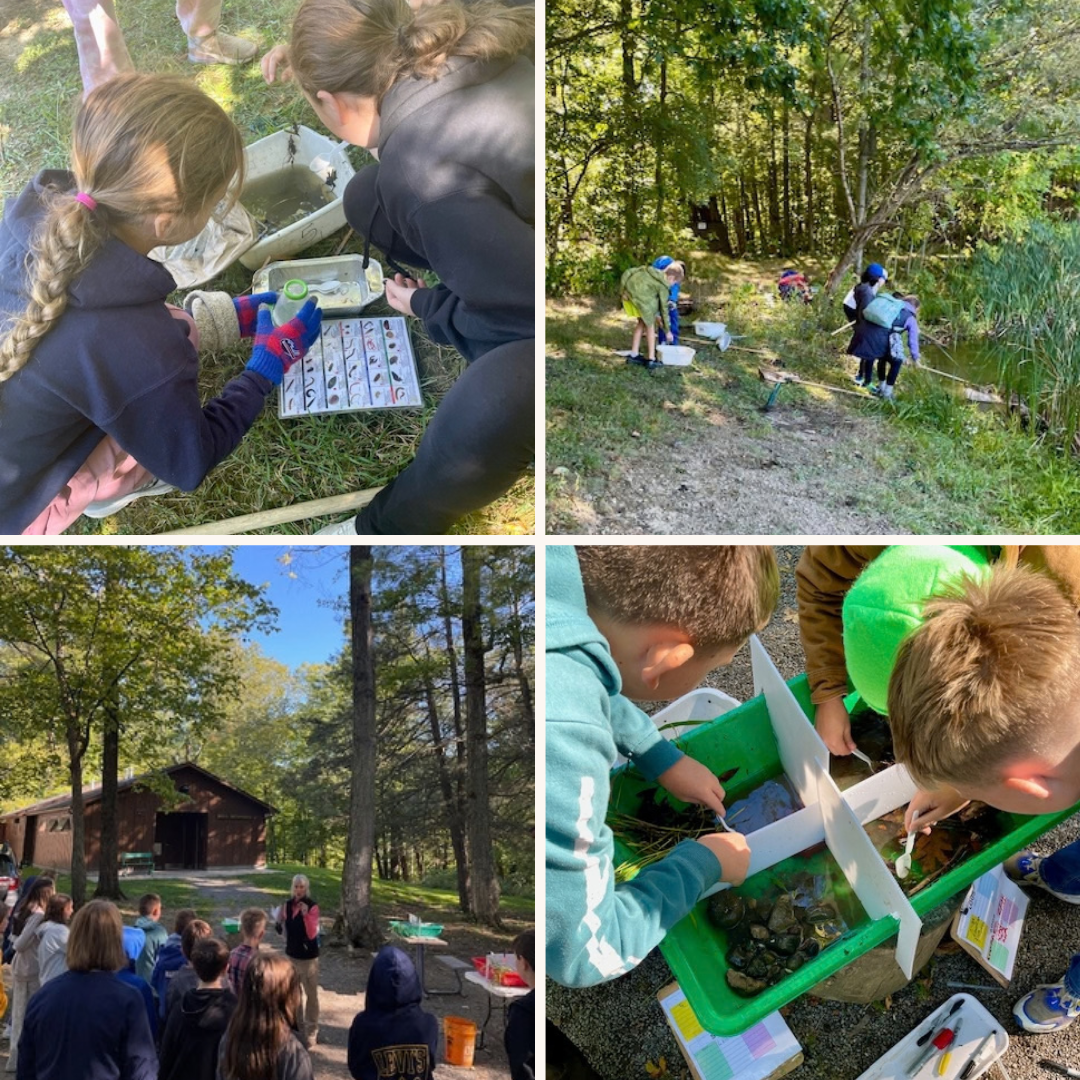
The Watershed Education Program (WEP) had an awesome time connecting with 6th grade students from Victor, Naples, Marcus Whitman, Honeoye, and Saint Mary’s schools last week at the annual Conservation Field Days, hosted by the Ontario County Soil and Water Conservation District (OCSWCD) and Cornell Cooperative Extension (CCE) of Ontario County.
Students got hands-on with their watershed at our stations—pond dipping to discover aquatic macroinvertebrates and vertebrates and exploring a pond simulation to learn more about how water, land, and living things are connected. We had so much fun watching students get curious, ask questions, and make discoveries of their own!
We were also lucky to have two beautiful fall days for the event. Experiences like these are an important part of our work to connect people with science-based information about their local environment and help build the knowledge and appreciation that lead to stewardship. By giving young people opportunities to explore, learn, and see these connections firsthand, we can help inspire the next generation of people who will care for and protect our lakes and watersheds.
We’re always thrilled to be part of this wonderful event and to help inspire the next generation of lake stewards. Thank you for having us!
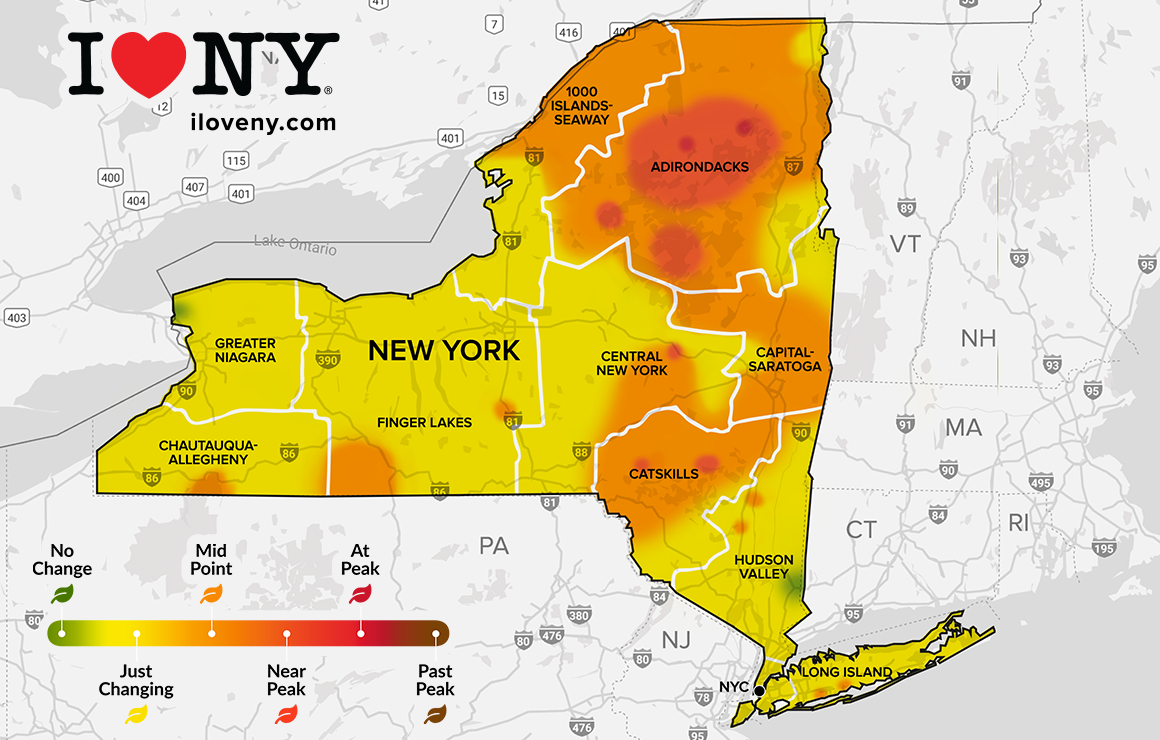
| I LOVE NY Fall Foliage Report: Week of 9/30/26 - 10/6/26 | | |
We all love this time of year when the leaves start changing and showing their true colors! Keep up to date on how the leaves are changing on the I LOVE NY Fall Foliage Report that they release weekly. Reports come in from more than 100 field volunteers on anticipated color condtions. View the report below.
*I LOVE NY defines "peak" as the best overall appearance the foliage will have during the season. It takes into account color transition, brilliance, and leaf droppage.*
| |
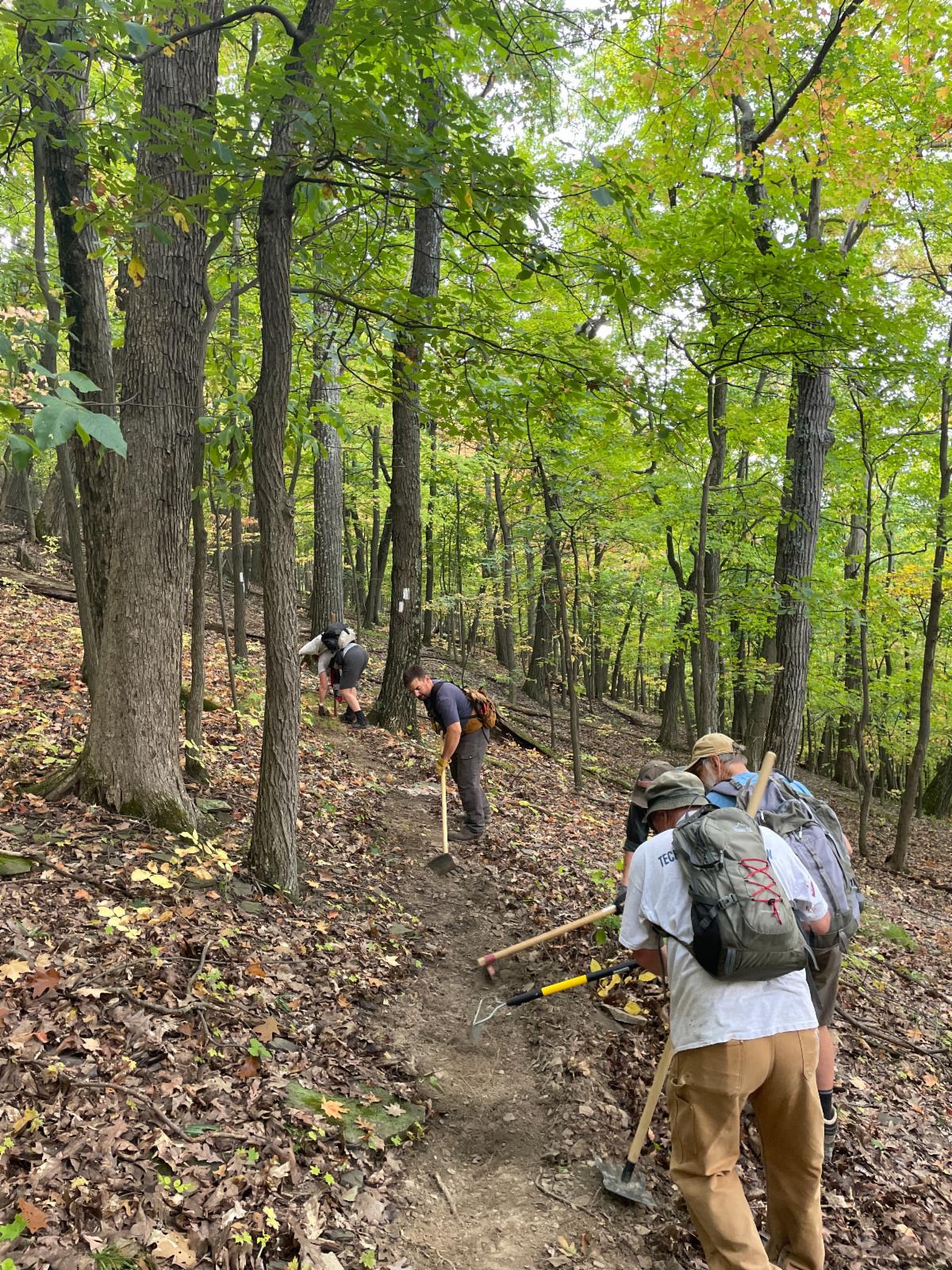
Trail Work Day with Finger Lakes Land Trust (FLLT) | |
When: Friday, October 16th, 10:00AM-12:30PM and 1:30-4:00PM.
Where: Great Hill Preserve, 4756 S Hill Rd, Middlesex, NY 14507
Join the Canandaigua Lake Watershed Association and the Finger Lakes Land Trust (FLLT) for a second year of trail work at the Great Hill Nature Preserve in Middlesex NY. The main focus of the day will be side- hilling and working on switchbacks. All gear, including gloves and clippers, will be provided by FLLT.
*Meet location will be Clark's Gully parking area because parking is a bit tricky at the preserve. We will then carpool to the preserve.*
Please wear appropriate attire for trail clean-up and bring plenty of water and a snack if you'd like.
*Registration is required so we know how many volunteers to expect! Thank you!*
*Rain date is October 23rd, 10:00 AM-12:30 PM and 1:30-4:00 PM*
| CLWA Annual Chipotle Fundraiser -- Mark your Calendars! | |
You will need to show this flyer before ordering at the restaurant!!!
If you will be ordering online, please use the code in the flyer below, 34FGCQ8.
| |
Saving Our Oaks: The Work Being Done to Combat Oak Wilt in Our Region | |
When: Monday, November 2nd, 6:00 PM
Where: Finger Lakes Community College, Stage 14, 3325 Marvin Sands Drive, Canandaigua, NY 14424
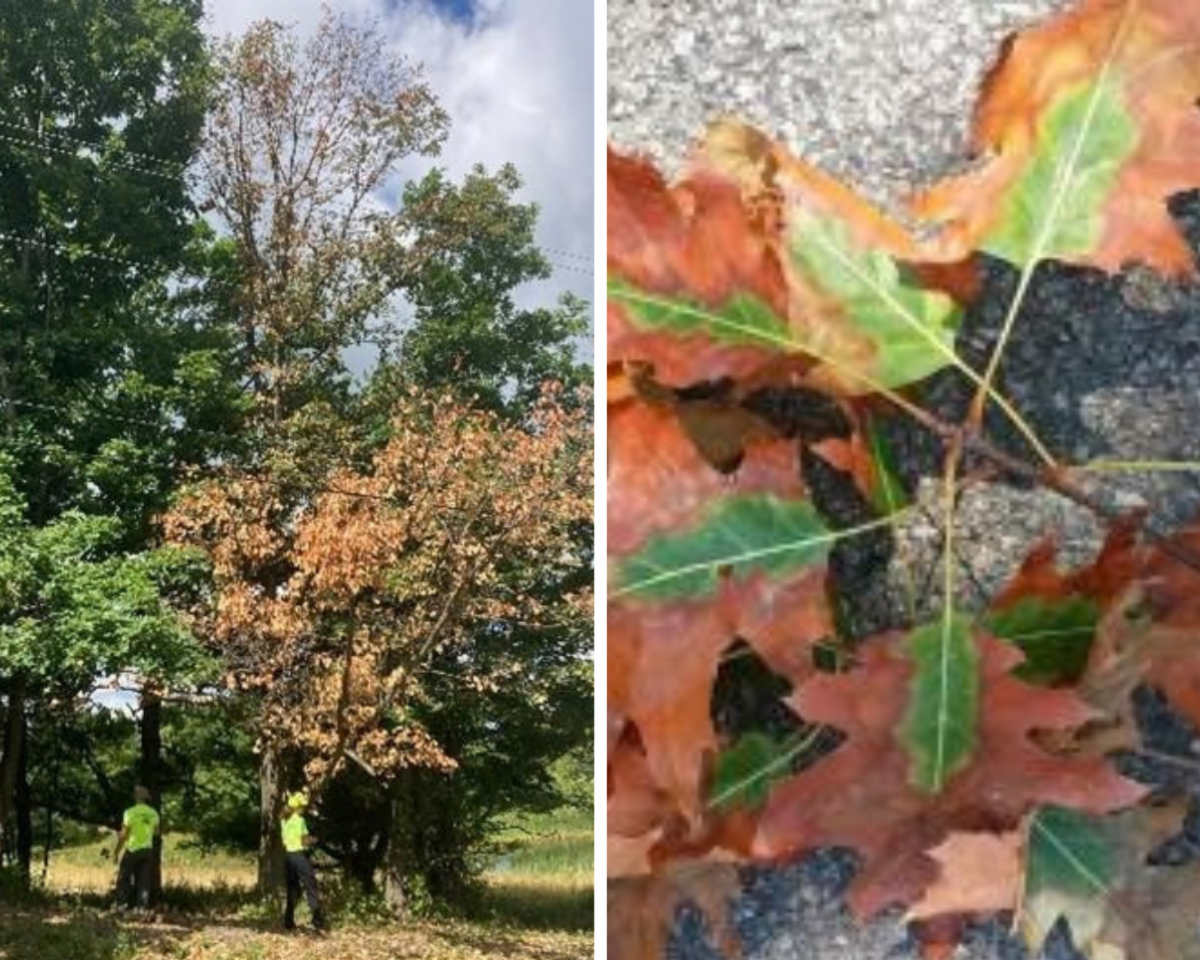
In this presentation by Austin Shay of the Department of Environmental Conservation (DEC), you will learn about oak wilt, a fungal infection that is now affecting red and white oaks in our watershed and in the Finger Lakes region. Oak wilt blocks the flow of water and nutrients to the crown of oaks. Red oaks are most susceptible and can die in as little as a few weeks and white oaks can take years. Learn more about how this infection is spread, the symptoms, and about the regulations and management practices in place to control the spread of the fungal infection. You will also learn about the importance of oaks to our environment and our local economy and why its so imporant to protect our oaks.
About the Presenter Austin Shay, NYSDEC Forest Health Crew Lead
Austin is a supervisor for the region 8 forest health crew of NYSDEC in Avon. His primary duties include planning & response to invasive pest & plant introductions on both state and private lands. He has worked throughout the state with a long list of priority invasives including but not limited to: giant hogweed, southern pine beetle, hemlock woolly adelgid, spotted lanternfly, kudzu, oak wilt, and mile-a-minute.
Service with NYSDEC:
- Project Intern, DEC Region 8, Avon office (2019)
- Forestry technician, DEC Region 8, Avon office (2021)
- Forest Health Crew Lead, DEC Region 8, Avon office (2022-Current)
Education:
- Associate of Applied Science, Natural Resources Conservation, Finger Lakes Community College (2018)
- Bachelor of Science, Environmental Science, SUNY Brockport (2021)
| | |
Stay informed so you can enjoy Canandaigua - or other New York Lakes - safely and confidently this summer.
We have a map on our website homepage for Canandaigua Lake reported blooms from our volunteers.
NYHABS Map
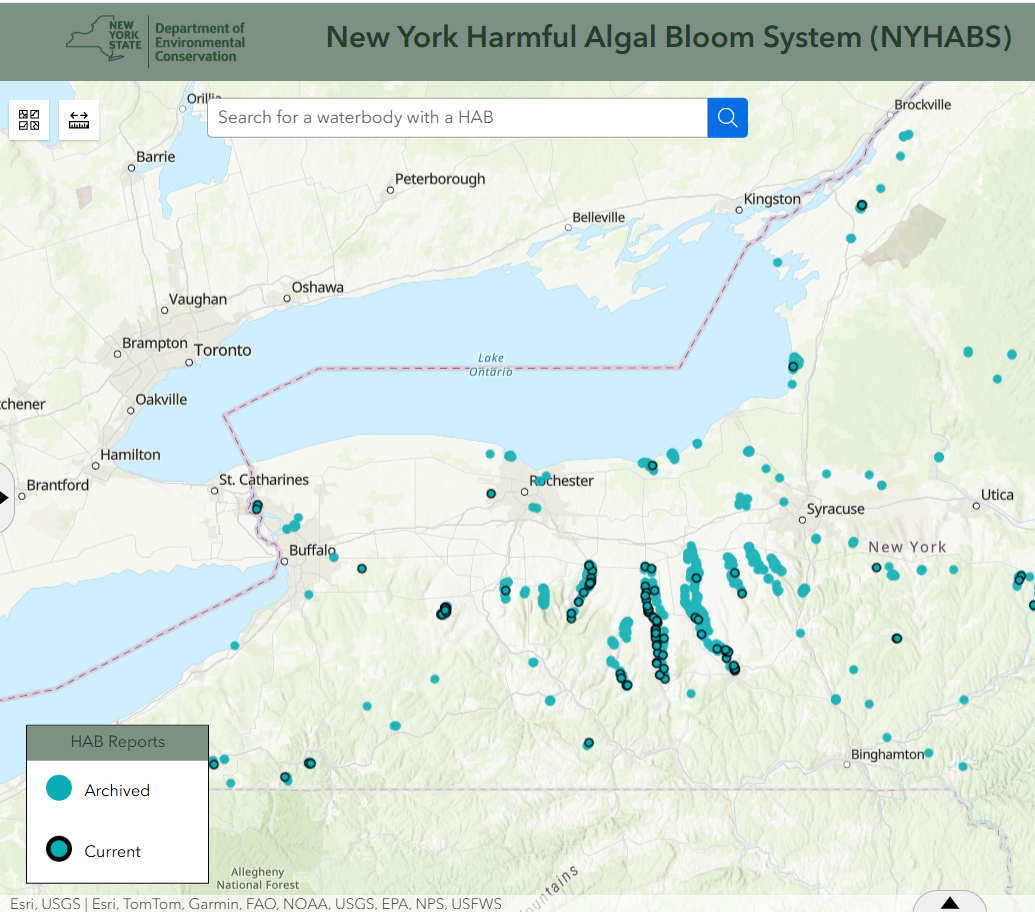
The link below leads to the NYHABS interactive map and displays the location of HABs in New York State. Each blue dot outlined in black represents a HAB reported in the past 2 weeks. There may be other waterbodies with HABs that have not been reported to DEC. All reports through our monitoring program are shown on our own map on our website. CLWA staff uploads all HABs report to the NYHABs database that we receive through our trained volunteers. You can also upload a HABS report directly to DEC here.
Visit NYHABS map here NYHABs map on Oct 2 shown below.
| |
About HABs
Cyanobacteria, sometimes referred to as blue-green algae because of their color, are among the oldest organisms on Earth. They are naturally occurring in our lakes, generally in low numbers.
When triggered by the perfect storm of conditions - such as heavy rains followed by a few days of warm weather with calm winds - cyanobacteria may begin to increase, forming “blooms”. HABs can appear quickly and persist for hours or days, or they can disappear almost as quickly as they formed.
Since previous research informs us that high levels of toxins (microcystin) may accompany the blooms, humans and our pets should avoid coming into contact with the water when an active bloom is observed.
How to identify blooms
Use visual cues to identify potential blooms. They can appear like pea soup, spilled paint, surface streaks or scum. The color is typically green, blue-green, or yellow, but can also be brown, red, or purple. When blooms are discovered, they are usually found along shorelines or in cove areas. They are most often seen along the stretch of shoreline that is impacted by the prevailing winds. However, during significant bloom events, sometimes they can be found in open water areas.
Visit the NYS DEC website to learn more about identifying blooms.
| |
Remember - conditions can change rapidly. Please use caution when out on the lake and look for characteristics of HABs including water that looks like:
- Pea soup, spilled paint, surface streaks or scum
- Color's that are typically green, blue-green or yellow but can also be brown, red or purple
- Typically found along shorelines or coves
Please, to keep yourselves and pets safe, avoid any water conditions that appear to be bloom-like. Don't hesitate to reach out to us at 585-394-5030 with any questions or email us at HABS@canandaigualakeassoc.org if you are concerned about water quality. Sending us photos of the water is strongly encouraged. Have a wonderful weekend and stay tuned.
| |
What should you do if you suspect a bloom
When in doubt, stay out!
- Don't swim, wade, jetski, waterski or tube in a bloom.
- Shower if exposed to bloom conditions. Wash pets off if they have gone into bloom-infested waters.
- Don't consume fish from the lake during blooms.
- Do not use PRIVATE water drawn from the lake during a bloom. Public water supplies have safeguards in place and can be utilized unless you are otherwise notified.
-
Report the bloom to the NYSDEC NYHABs portal: on.ny.gov/habform
| | | | |