|
|
Because Digestive Health Matters |
International Foundation for Gastrointestinal Disorders June 2021 eNewsletter |
|
|
Greetings!
For those living with chronic gastrointestinal disorders and their family members, there are often more questions than answers. You may find that you have questions like what causes gastrointestinal (GI) disorders, why do symptoms occur, what's the best treatment option, and is there a cure.
It is through research that we can begin to answers these questions. Each new research finding is like a building block, creating a foundation of knowledge that brings us closer to understanding why these conditions occur, how to manage symptoms, and how to cure them.
|
|
|
|
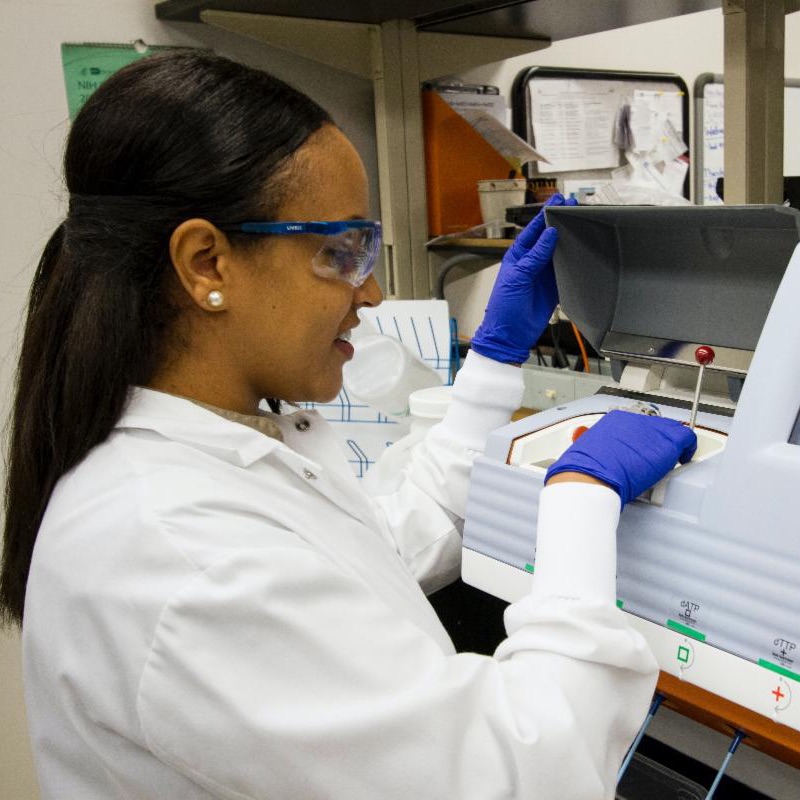
As a part of this year's 30th anniversary event, we developed a new research award winner video series “Where Are They Now?” This video series will allow the GI community to reconnect with past IFFGD Research Award winners to learn about their progress and current research.
Our research winners cover various topics like irritable bowel syndrome (IBS), gastroparesis, gastroesophageal reflux disease (GERD), pelvic floor disorders, and much more.
Click here to visit our YouTube channel to learn about new research from our past research award winners.
|
|
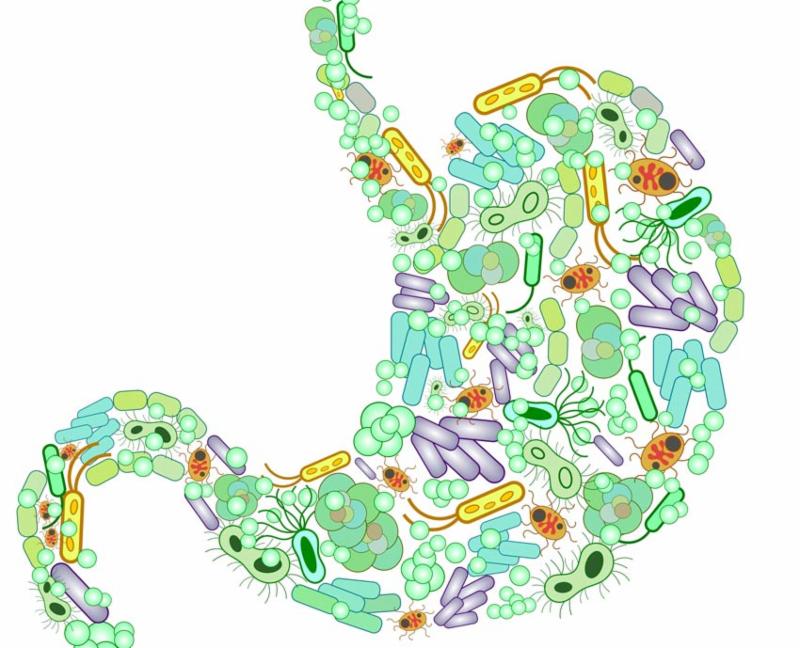
Gut microbiome is an exciting area of research. There are trillions of microorganisms living in the digestive tract - and how these microbes are involved in a constant exchange of signals between the brain and the gut are still being investigated.
"These microbes have a cooperative relationship with us, not only playing a role in digestion but also interacting and communicating with our own cells, our gut, and our brain." IFFGD Advisory Board Member, Emeran Mayer, MD.
|
|
At IFFGD, we want to increase our knowledge of the disparities in healthcare for those living with GI disorders among persons of varied racial and ethnic backgrounds.
IFFGD hopes to gain a broader perspective on the topics that patients feel are most important when receiving equitable healthcare and find ways to fill the gap needs.
Our current goal is to have a focus group meeting every other month starting this month.
If you are interested in joining the Disparities and Inequalities in Healthcare focus group, or have any questions, please email us at iffgd@iffgd.org.
|
|
To commemorate the 30th anniversary of IFFGD, we will be hosting a very special virtual edition of the Norton Education Series (NES).
The Nancy and Bill Norton Patient Education Series Event: IFFGD’s Thirtieth Anniversary Edition is a free virtual two-day event that will include medical education sessions and open panel discussions.
Some topics covered in the Medical Education Session: Pathophysiology and Diagnostics are Disorders of the Throat and Esophagus, Disorders of the Small Bowel, and Disorders of the Colon and Rectum.
Click here to learn more about the event and register!
|
|
Call for Names: IFFGD Patient and Caregiver Acknowledgment Wall |
During the Nancy and Bill Norton Patient Education Series Event and Virtual Ally Award Gala, we would like to remember those we have lost to GI disorders and honor those who are still in the fight.
Hearts are to honor those still living with a GI disorder, and candles are to remember those we have lost to GI disorders. Please submit their first name last initial and age (you can submit as many as possible).
To acknowledge these individuals, email their information no later than Friday, October 1st, 2021 using this link.
Once we have received all submissions, we will create a short video with all of the hearts and candles to present during the Nancy and Bill Norton Patient Education Series Event and Virtual Ally Award Gala.
|
|
Do you have an ally in your life? Nominate them for the 2021 IFFGD Ally Award.
The IFFGD Ally Award is an award to recognize those who go above and beyond to support and ensure the needs of an individual within the gastrointestinal (GI) community are met.
An Ally is someone who unites themselves with another to promote a common interest. People who are allies are not only your helpers but also have a common interest with your health in mind.
Nominations are due by Tuesday, August 31st, and must include one to two paragraphs with your reason and clear examples of why you are nominating your ally.
Individuals who are nominated for IFFGD's 2021 Ally Awards will be recognized, and the winners will be announced during the Ally Award Virtual Gala.
To learn more about the Ally Award nomination process and the Ally Award Gala, click here.
|
|
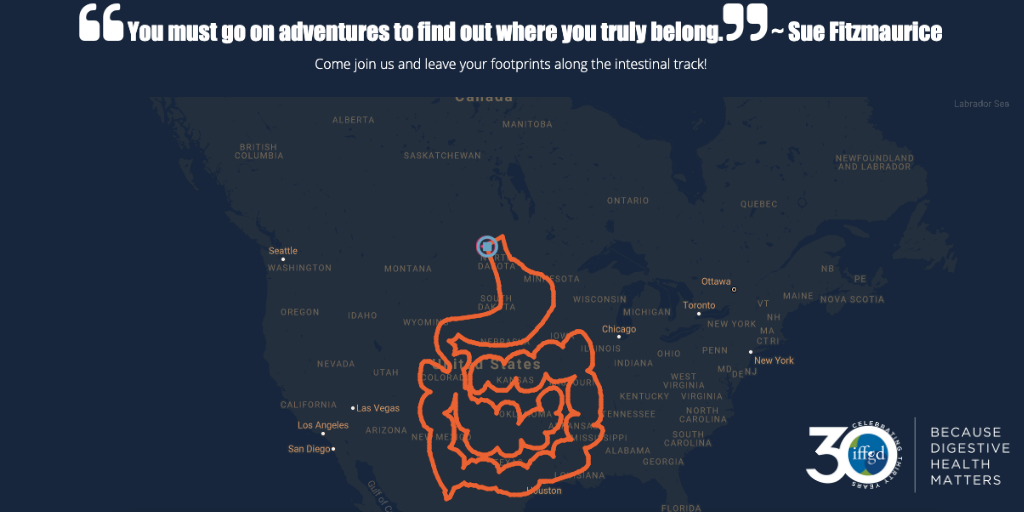
The 30th Anniversary Digestive Health Virtual Walk, Make Moves for GI Health, is a unique fitness event that goes far beyond a typical virtual walk. The event will span two weeks in August, during Gastroparesis Awareness Month.
It will provide the opportunity for participants to engage at their own pace and as their health and schedules permit. This event also includes self-care goals for those who may not be able to participate in the fitness portion of the event. Each participant will receive fundraising and mileage goals to encourage active participation and progress throughout the event.
To honor the thirty years of IFFGD’s existence, the overall campaign goal is for all participants to collectively walk 10,950 miles over two weeks. This number represents the number of days IFFGD has been a non-profit serving the GI community.
Event registration begins Saturday, July 10th click here for registration and event information. |
|
June is Scleroderma Awareness Month.
The Scleroderma Foundation cites that scleroderma or systemic sclerosis is a chronic connective tissue disease generally classified as an autoimmune rheumatic disease.
The word “scleroderma” comes from two Greek words: “sclero” meaning hard, and “derma” meaning skin. Hardening of the skin is one of the most visible manifestations of the disease.
The disease has been called “progressive systemic sclerosis,” but the use of that term has been discouraged since it has been found that scleroderma is not necessarily progressive. The disease varies from patient to patient.
Click below to learn more about scleroderma.
|
|
June is Men's Health Month. Many chronic GI illnesses appear to affect more women than men. These include irritable bowel syndrome (IBS), idiopathic gastroparesis, and functional dyspepsia.
However, in part, these differences may be due to a reluctance by men to seek medical care for their symptoms. For instance, women with IBS are three times more likely to report their symptoms to a doctor than men with IBS.
This Men's Health Month, take time to assess your digestive health and talk to your healthcare provider if you are experiencing symptoms.
Click below for tips on how to communicate with your healthcare provider during your next appointment.
|
|
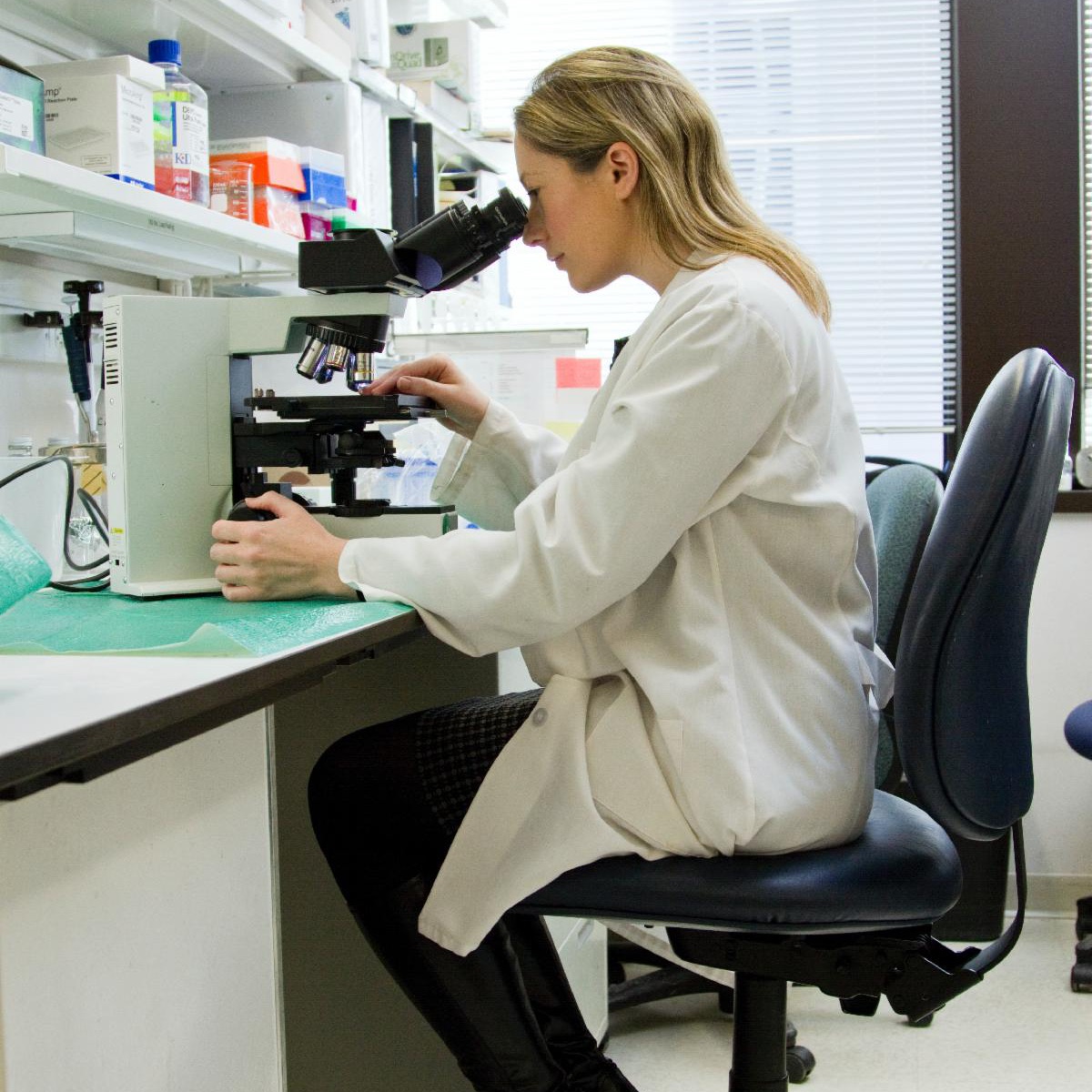
Clinical trials and research studies help to improve our understanding of the underlying mechanisms of diseases and advance the development of new and better treatment options. By participating in a study, you can help further the advancement of research and learn more about your condition.
Here are 3 studies currently recruiting participants:
|
|
IFFGD has an Advisory Board that is made up of 60 medical professionals from various disciplines representing the USA and ten other countries. Many of these individuals are noted experts in the field of functional gastrointestinal disorders. This month we would like to recognize our new advisory board member, Dr. Brennan Spiegel.
Dr. Brennan Spiegel is the Director of Health Services Research for Cedars-Sinai Health System, Assistant Dean for Clinical and Translational Science at the David Geffen School of Medicine at UCLA, and Director of the Cedars-Sinai Master’s Degree Program in Health Delivery Science.
Dr. Spiegel directs a multidisciplinary team that investigates how digital health technologies, including wearable biosensors, smartphone applications, virtual reality, and social media, can improve people’s lives.
|
|
|
His team developed one of largest and most widely-documented medical virtual reality program at Cedars-Sinai. Dr. Spiegel has published numerous best-selling medical textbooks, editorials, and more than 215 articles in peer-reviewed journals. He is listed in the "Top 100 Influencer" lists for digital health and virtual reality. His digital health research has been featured by major media outlets, including Bloomberg, CBS News, Forbes, Huffington Post, LA Times, NBC News, Reuters, The Washington Post and The Wall Street Journal.
His virtual reality research won the 2017 “Webby Award” for best technology on the internet, and in 2020 he published the book VRx: How Immersive Therapeutics Will Transform Medicine (Basic Books, NY, NY). His team is currently developing a new VR treatment for irritable bowel syndrome (IBS), and uses VR to manage pain, anxiety, and depression.
|
|
Dr. Spiegel’s research team receives funding from the NIH, PCORI, Robert Wood Johnson Foundation, Hearst Foundation, Veterans Administration, State of California precision medicine program, and industry sources. Dr. Spiegel is Editor-in-Chief of the American Journal of Gastroenterology – the leading clinical gastroenterology journal in North America, and was among the first group of clinical researchers to examine the gastrointestinal manifestations of COVID-19.
|
|
IFFGD is a nonprofit organization. We rely on donor support to fund research and to provide reliable information and support to those affected by chronic gastrointestinal disorders.
|
|
|
|
|
|
|