REMINDER: YOUR SUBMISSIONS ARE ENCOURAGED | | |
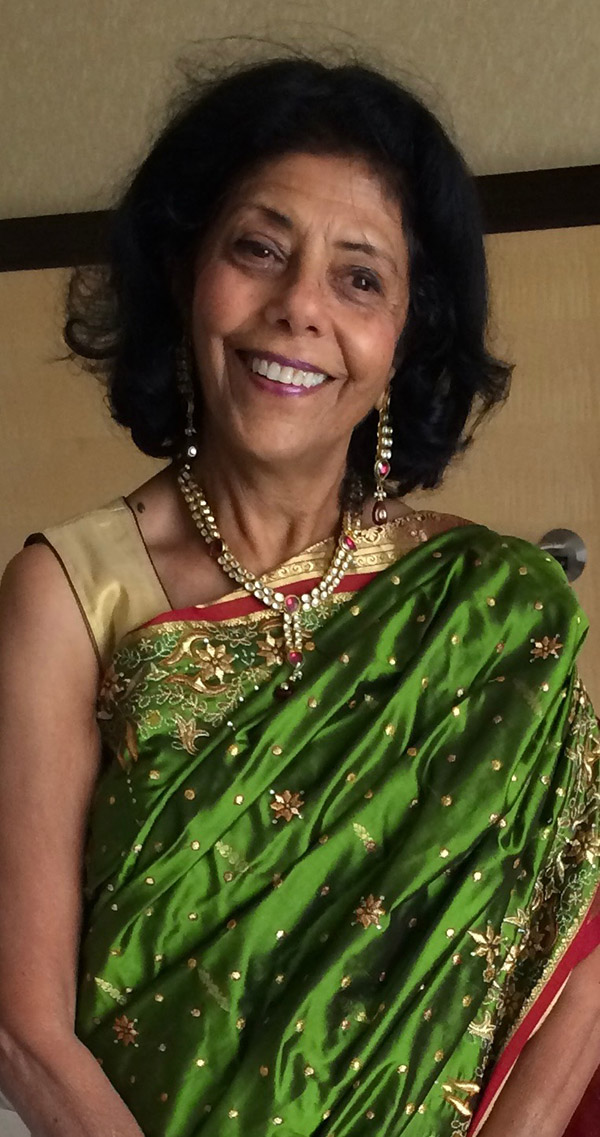
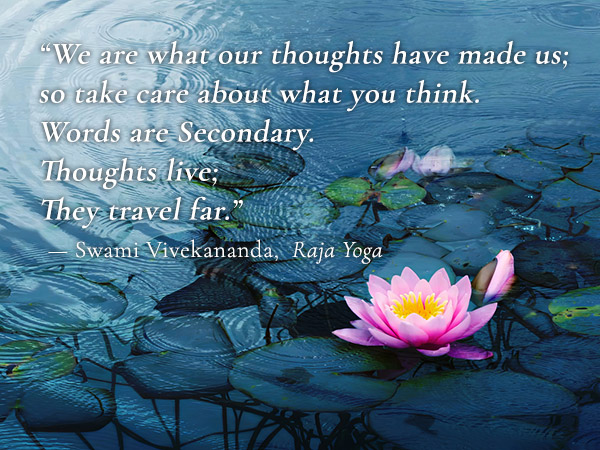
1.Bindu's Corner: This week, Bindu has brought us a quote from Swami Vivekananda's book, Raja Yoga.
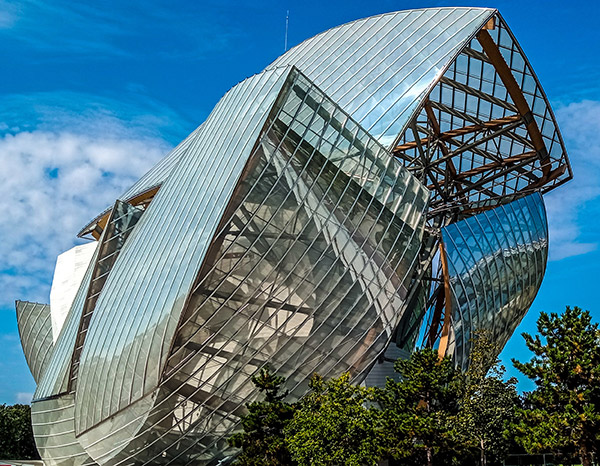
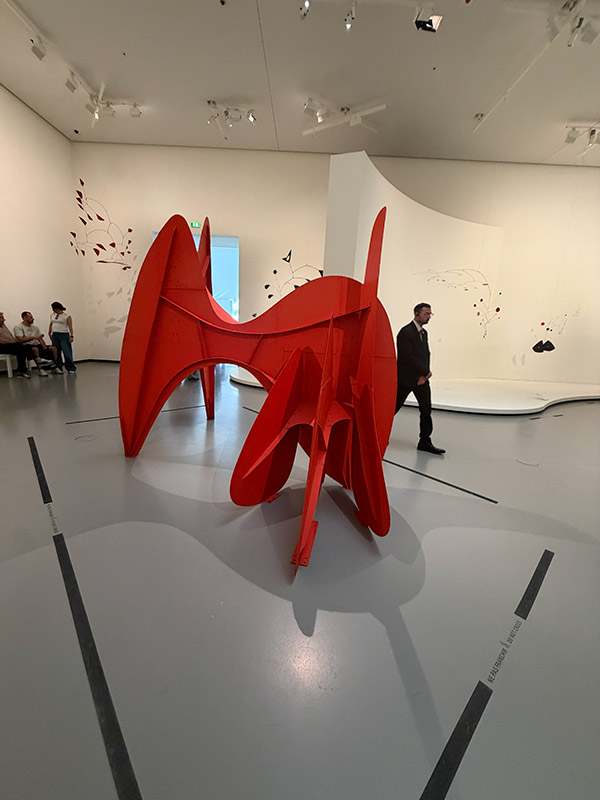
2. Museums: I recently got to visit one of my favorite museums, the Fondation Louis Vuitton in Paris, which was exhibiting an Alexander Calder retrospective.
3. Education: Learn French in an immersive setting with other adults in the South of France.
4. Father's Day: This Sunday is Father's Day. I have a brief history of the Holiday in America, the women behind it.
5. Summer Solstice: The summer solstice falls on Father's Day this year, and I have some activities to help celebrate both.
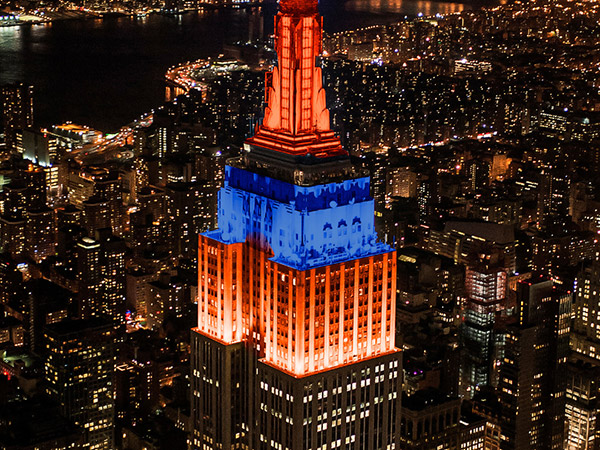
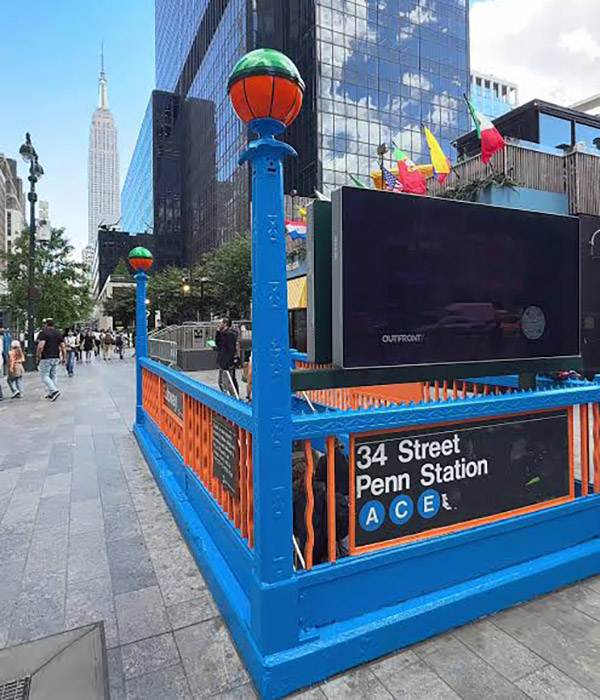
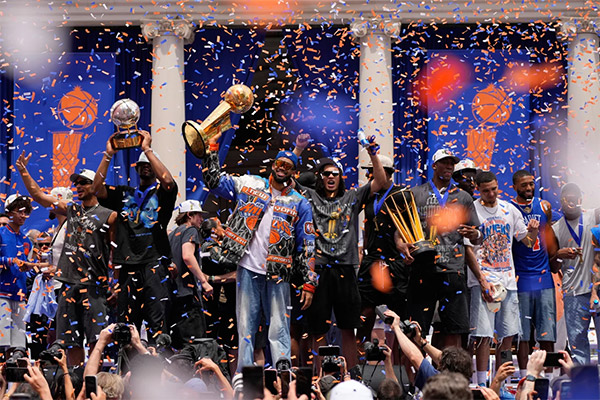
6. New York City: I'm back in the US in my favorite town, New York City, just in time to catch the joy, excitement, and celebration for the NY Knicks NBA Championship win.
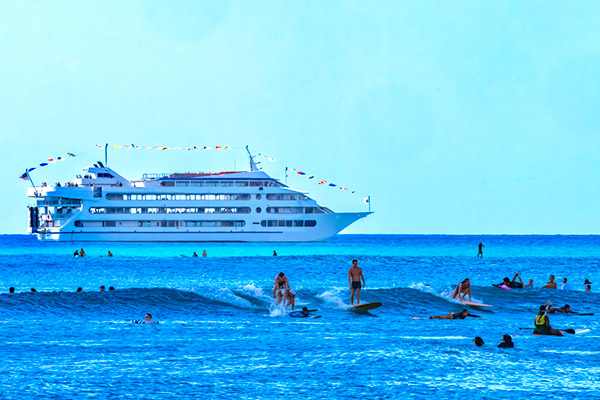
7. Weather: Strong storms in the Southern Ocean and areas around New Zealand are causing uncharacteristically high surf on the southern shores of the Hawaiian Islands.
8. Wellness: I have two articles from recent issues of Sensitive & Specific: The Testing Newsletter.
9. Hayward M. Fox, P.h.D: Read the latest post from Dr. Fox's blog.
| | Now, to this week's Flock. | | 1. Bindu's Corner: Thoughts Live | | The Raja Yoga was a seminal book for Swami Vivekananda, published in 1893 during his first tour of America; it can also be found in Volume 1 of The Complete Works of Swami Vivekananda. | |
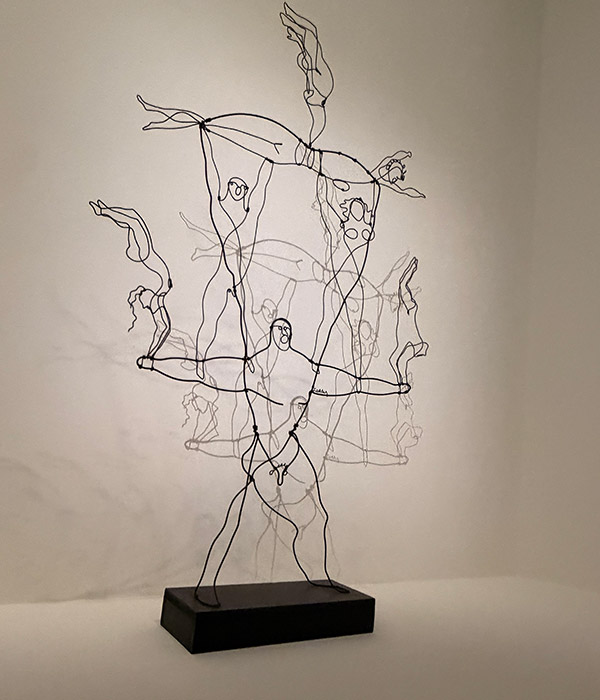
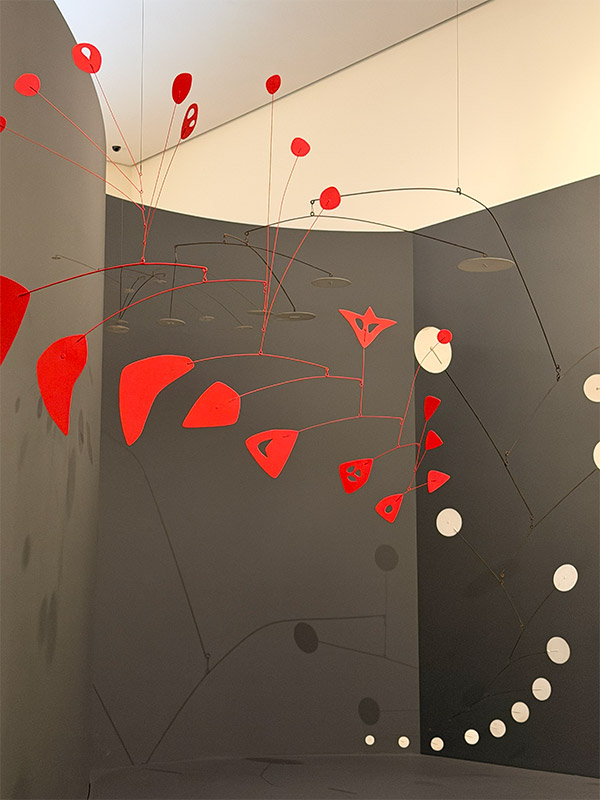
2. Museums: Fondation Luis Vuitton
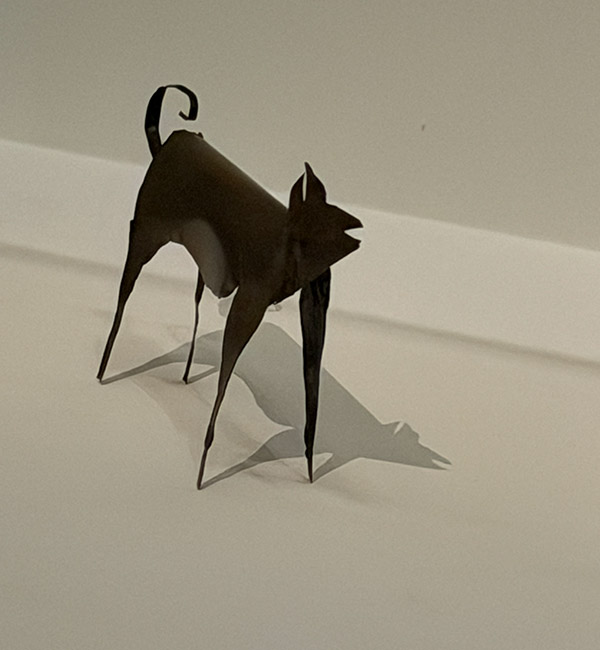
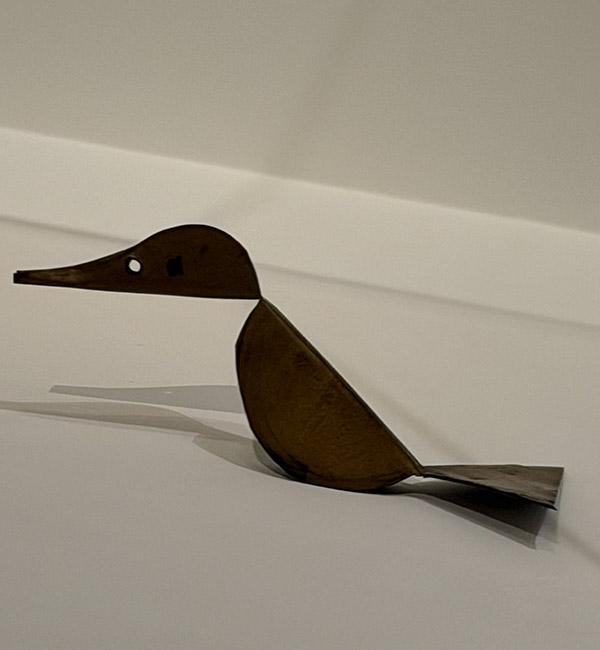
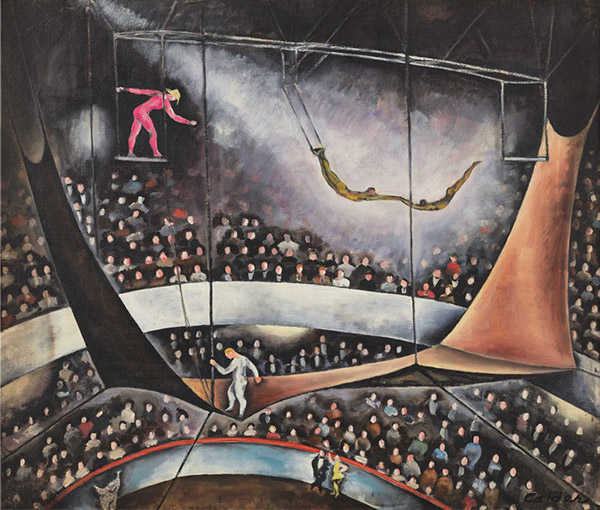
| | Last week, I was in Paris continuing my travels with my husband, Michael, to visit and catch up with friends and family in Europe. The weather was fantastic, warm sunny days, and the city was full of blooming flowers. While there, I was also able to visit one of my favorite museums, the Fondation Louis Vuitton, designed by famed architect Frank Ghery and surrounded by the Bois de Boulogne public park on the west side of Paris. | | I was lucky to catch the museum's exhibition dedicated to the life and work of Alexander Calder, Calder.Rêver en équilibre (Dreaming in Balance). | | Alexander Calder was the son of two artists, his father a sculptor, and his mother a painter. He was encouraged to create art from an early age. For Christmas in 1909, at 11 years old, he gave his parents two of his first sculptures, cut and folded from brass sheet, a small dog and a duck that would rock when pushed. Even at such a young age, his later style is recognizable in both pieces. In his early twenties, he was hired by a magazine to illustrate sporting events and the Ringling Bros. and Barnum & Bailey Circus before moving to Paris to pursue his artistic ambitions. The Circus, and in particular its acrobats, made a big impression on him and influenced his application of balance and movement in his work. | | Calder. Rêver en équilibre | |
On the occasion of the centenary of Alexander Calder’s arrival in France and the fiftieth anniversary of his death, the Fondation presents the exhibition “Calder. Rêver en Equilibre.”
| | One of the most important exhibitions ever dedicated to Alexander Calder, “Calder. Rêver en Equilibre” has been conceived in close collaboration with the Calder Foundation, its principal lender. The display also features loans from international institutions and leading private collectors, bringing together nearly 300 works: stabiles and mobiles – to use the Calderian terminology for static and kinetic abstractions – as well as wire portraits, carved wooden figures, paintings, drawings, and even jewelry, designed as unique sculptures. Throughout the chronological journey spanning more than 3,000 m2, the exhibition will highlight Calder’s fundamental artistic concerns: movement above all, but also light, reflection, humble materials, sound, the ephemeral, gravity, performance, and the interplay of positive and negative space. | | Fondation Louis Vuitton Gallery | In his mid-20s, Alexander Calder reconnected with his family’s artistic legacy (son of a painter and sculptor, grandson of a sculptor) by turning first to painting and drawing. After studying at the Art Students League of New York, he moved to Paris in 1926. In the Montparnasse district, then the epicenter of the international art world, he quickly became part of a thriving creative community. There he presented innovative works – figurative and minimalist wire sculptures that drew critical praise – and a miniature circus. Thanks to an exceptional loan from the Whitney Museum of American Art, the first in 15 years, the Cirque Calder is returning to Paris, the city where it was made. At the heart of this innovative body of performance art, Calder orchestrated miniature acrobats, clowns, and equestrians for ever-growing audiences. Fernand Léger, Jean Hélion, Le Corbusier, Jean Arp, Joan Miró and Piet Mondrian were among the spectators. | | Calder’s visit to Mondrian’s studio in 1930, where he was deeply impressed by the environmental installation, marked a decisive shift toward abstraction, first in painting and then in sculpture. Marcel Duchamp suggested the name “mobile” in 1931 for Calder’s kinetic abstract compositions, which were presented by the artist in 1932 at the Galerie Vignon in Paris. Initially powered mechanically and later set in motion by the slightest breeze, these works drew “their life from the indistinct life of the atmosphere,” as Jean-Paul Sartre wrote in 1946. Notably, in response to Duchamp’s terminology, Arp proposed the term “stabile” for Calder’s static objects of the early 1930s. | |
Calder’s innovative approach expanded the dimensions of sculpture to include time as an essential fourth dimension.”
— Dieter Buchhart and Anna Karina Hofbauer, the guest curators of Calder. équilibre.
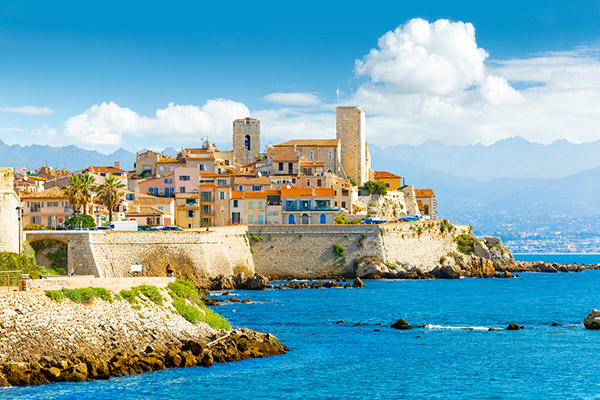
| | Exposition "Calder. Rêver en équilibre" | | 3. Education: Learn French in France | | I've posted before about summer camps where children and teens can learn a foreign language in a place where that language is spoken, and the advantages they present. The programs at Centre International D'Antibes offer French-language courses for adult students in France. Take French classes while visiting the South of France, and combine them with cooking and wine tasting, or business management, while soaking up French culture. | | French courses in France for adults | | |
French courses in France in a wonderful school
A few minutes’ walk from the town center, courses are held in the “Le Port” school , a provençal farmhouse typical of the South of France, converted into a language school with a restaurant overlooking the sea. Moreover, the town center and beaches are just a few minutes away on foot.
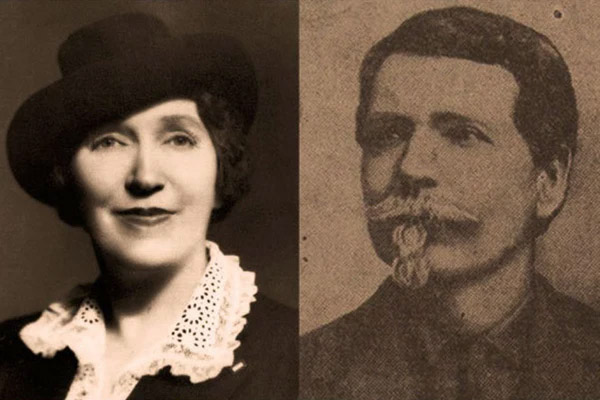
| | 4. Father's Day: Sunday, June 21, 2026 | | Sonora Smart Dodd and her father, William Jackson Smart | This Sunday is Father's Day. In past issues of the Flock, I've looked at how other countries celebrate their fathers and presented quotes about fathers and fatherhood from celebrities and great thinkers going all the way back to the ancient Greek playwright Euripides. This year I have some history of the holiday in America. I want to wish the fathers reading this a happy Father's Day, and ask all of my readers to keep their fathers and grandfathers in their minds and hearts this Sunday, whether they are still with us or not. | | The Forgotten History of Father’s Day | | |
Father’s Day did not become a national holiday until 1972. Why did it take so long to pass into law (unlike Mother’s Day, which was quickly embraced)? Why was it controversial at one time? Find out.
With America’s history, you might think that a holiday recognizing men would be perfectly acceptable. After all, men dominated American society in the early 20th century. In addition, a “Father’s Day” or day that recognizes the role of fathers in the family is an ancient tradition. In history books, there is mention of a Southern European tradition dating back to 1508.
Certainly, in modern days, we do not give Father’s Day a second thought. It’s been almost 50 years since President Richard Nixon’s administration declared the third Sunday in June a day to recognize and honor the role of fathers in society (that occurred in 1972).
Father’s Day Controversy
Interestingly, Father’s Day was not immediately accepted when it was proposed. Why not?
Mother’s Day came first (it was officially recognized in 1914), so men in the early 1900s associated such a tribute with women and found the idea of a day for men too effeminate to their liking. To be fair, Mother’s Day was couched in terms of femininity. In 1914, President Woodrow Wilson called Mother’s Day a way to recognize “that tender, gentle army—the mothers of America.”
Men viewed the idea of Father’s Day as similar to Mother’s Day, which was popular with florists; for fathers, it didn’t have the same sentimental appeal. As one historian writes, they “scoffed at the holiday’s sentimental attempts to domesticate manliness with flowers and gift-giving, or they derided the proliferation of such holidays as a commercial gimmick to sell more products—often paid for by the father himself.”
Also, according to Lawrence R. Samuel, author of American Fatherhood: A Cultural History, men had a different role in the family during the first half of that century. It was patriarchal, so they felt that a special day to exalt fatherhood was a rather silly idea, when it was mothers who were underappreciated.
However, that sentiment changed over time for several reasons.
| | The Women Behind Father’s Day | | |
Grace Golden Clayton
The first known Father’s Day service occurred in Fairmont, West Virginia, on July 5, 1908, after hundreds of men died in the worst mining accident in U.S. history.
Grace Golden Clayton, the daughter of a dedicated minister, proposed a service to honor all fathers, especially those who had died. However, the observance did not become an annual event, and it was not promoted; very few people outside of the local area knew about it. Meanwhile, across the entire country, another woman was inspired to honor fathers …
Sonora Smart Dodd
In 1909, Sonora Smart Dodd of Spokane, Washington, was inspired by Anna Jarvis and the idea of Mother’s Day. Her father, William Jackson Smart, a farmer and Civil War veteran, was also a single parent who raised Sonora and her five brothers by himself, after his wife, Ellen, died giving birth to their youngest child in 1898. While attending a Mother’s Day church service in 1909, Sonora, then 27 years old, came up with the idea.
| | Within a few months, Sonora had convinced the Spokane Ministerial Association and the YMCA to set aside a Sunday in June to celebrate fathers. She proposed June 5, her father’s birthday, but the ministers chose the third Sunday in June so that they would have more time after Mother’s Day (the second Sunday in May) to prepare their sermons. Thus, on June 19, 1910, the first Father’s Day events commenced: Sonora delivered presents to handicapped fathers, boys from the YMCA decorated their lapels with fresh-cut roses (red for living fathers, white for the deceased), and the city’s ministers devoted their homilies to fatherhood. | |
5. Summer Solstice: June 21, 2026
| | In addition to being Father's Day, this Sunday is the summer solstice and the first day of summer. This year, rather than going into the mechanics of the solstice or ancient solstice traditions, I have some suggestions for how to spend the solstice that also double as great Father's Day activities. To cap it off, I want to give summer a big welcome and wish everybody some Hot Fun in the Summertime! | | 5 Fun Activities to do on the Longest Day of the Year | | |
The longest day of the year is here – which means it’s the first day of summer! There are plenty of songs about the long days of summer. It must be because those artists are doing the fun activities on our list! Extra sunshine means extra time to enjoy the outdoors in so many different ways. We’ve compiled a list of 5 fun activities for everyone to enjoy this summer.
1. Go Outside!
There are so many ways to get outside and enjoy the longest day of the year! If you’re off or watching the kids, set out for a picnic at your local park. Your backyard works as well. Pack your favorite sandwich and healthy summer snacks like grapes, oranges, and carrot sticks.
2. Be a Kid
Summertime is the best time to bring out your inner kid. This is true even if you have kids yourself! If the weather permits, get yourself to a pool and soak up the rays. This is the day you have the most sunlight to soak up, after all.
While you’re at the pool, why not indulge in some ice cream. Even if you can’t make it to the pool, keep an ear out for the ice cream truck. Don’t worry – No one’s judging you for running after it today!
3. Use That Extra Time Wisely
Just how long is the longest day of the year? Northern cities like Chicago and New York see approximately 15 hours of sunlight on the longest day of the year. The lower latitudes tend to see a little bit shorter of a day, but the sun climbs higher in the sky. This is almost 6 hours longer than the winter solstice.
4. Catch Fireflies/Lightning Bugs
After dinner is the perfect time to head back outside to catch some fireflies. Right before the sun sets, these fun summer insects will normally make an appearance. This is the perfect activity for the longest day of the year because summer is the only season when these little bugs are around! What else didn’t you know about these captivating little creatures?
5. Watch the Sunset & Stay up Late!
The longest day of the year makes for a compelling argument for kids to stay up past their bedtimes and watch the sunset. It might be a great day to find a beautiful spot to watch the sunset as well. Bays, oceans, lakes, mountains, deserts, and plains are some great locations to see beautiful sunsets. Bring a camera and some jars to catch lightning bugs in to make the most of your evening.
After you’ve enjoyed the longest day of the year, keep the party going by staying up a little bit later than normal. You’re already out longer than normal so live a little!
| | Sly & The Family Stone - Hot Fun in the Summertime | |
6. New York City: NBA Champion NY Knicks
| | I got back to New York from Europe earlier this week. The city is ecstatic and completely decked out in orange and blue for its glorious team, the NBA Champion NY Knicks. | | New York comes together: How the city celebrated the Knicks | |
- New York partied like it’s … 1973. The Knicks’ NBA championship parade on Thursday wound through Lower Manhattan to City Hall, where the players were presented with symbolic keys to the city at a ceremony with the mayor.
- At City Hall, the mayor hailed the city’s unity during the championship run, saying it was good to be brought together by joy rather than tragedy.
-
Thousands of pounds of shredded paper rained down on Knicks players and celebrities riding aboard dozens of floats and vehicles in the ticker-tape parade, with music and cheers filling the air.
| | In The City That Never Sleeps, it’s no wonder Knicks fans shunned shuteye to begin lining up overnight for the most anticipated celebration in generations. | |
7. Weather: High Surf Warnings in Hawaii
| | Hawaii is experiencing high surf on all of the Island's south shores generated by strong gale-force storm winds thousands of miles to the south in the Southern Ocean and the South Pacific near New Zealand. If you're planning on celebrating Father's Day or a graduation in Hawaii, pay attention to beach conditions and heed local warnings. There is a reason Hawaiians don't typically build close to the shore, and when they do, they build their homes on stilts. | | High surf warning issued for south shores of all islands | | |
A High Surf Warning has been issued for the south-facing shores of all islands through 6 a.m. Tuesday, as Honolulu lifeguards recorded more than 7,000 preventative actions and 276 rescues on Sunday.
The warning replaces the high surf advisory that took effect Saturday night.
The National Weather Service in Honolulu says waves are expected to rise to 10 to 15 feet.
West shores exposed to the south-southwest swell are forecast to rise to 7 to 10 feet by Sunday afternoon. The waves could impact areas like Kailua-Kona on Hawaii Island and the Kaanapali coast of Maui, which are normally protected from the large wintertime swells from the northwest.
Continued caution
As the high surf warning continues into the week, Ocean Safety lifeguards urged caution as the big waves will impact some of Oahu’s most popular beaches, including Waikiki, Ala Moana and China Walls.
Beachgoers, especially visitors who are unfamiliar with local ocean conditions, are urged to use caution and be alert for strong breaking waves and strong currents that will make swimming difficult and dangerous.
| | High surf warning issued for south shores of all islands | |
8. Wellness: Sensitive & Specific Newsletter
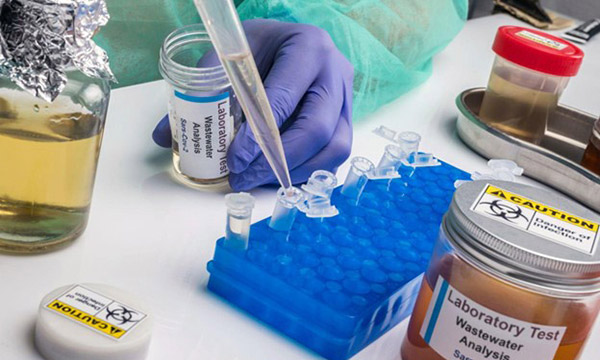
| | I have two articles from recent issues of Sensitive & Specific: The Testing Newsletter that I find very interesting. The first looks at new research suggesting that mRNA profiles can be used to determine an individual's biological age and mortality. The second article illuminates how wastewater testing helps health officials stay ahead of potential disease outbreaks during major events like the World Cup, which bring large groups of people from around the world and the potential pathogens they carry into a concentrated area. Subscribe to Sensitive & Specific: The Testing Newsletter here. | | Could mRNA profiles tell you how much time you have left? | | |
In the recent bestseller The Measure, by Nikki Erlick, every adult on Earth receives a package containing a string, the length of which reveals exactly how long they have left to live. According to a recent Nature investigation, mRNA (aka transcription) profiles are the equivalent of those strings. Whoa!
Well, maybe. The study actually claims that those profiles can be used to detect underlying inflammatory, metabolic, immunological, and epigenetic factors that combine to drive biologic age and mortality.
COMMENTARY: We are naturally skeptical of the large and growing "longevity" industry, because it spans the full gamut from the scientifically likely to full-on wishful thinking. This paper falls into the first category. It is complex and nuanced, and it adds to the growing preponderance of evidence linking mortality and disease to the specific biological pathways involved and the clinically measurable biomarkers that reflect them. That includes most of the usual systemic suspects: inflammation, metabolic disorder, DNA damage / mutation, and epigenetic modifications.
We are still some distance from a practical pan-morbidity, pan-mortality, all-in-one diagnostic test. But several different methodologies promise to lead us there - with the potential to reveal which, when, and for whom behavioral and therapeutic interventions would be best leveraged. And that, in the end, is really the point of these "biological age" tests, as a recent JMIR review notes. Knowing that your body or one of your organs is "older" than it should be isn't all that helpful, unless it is possible and you are willing to do something about it.
| | Watching the World Cup's wastewater | | From: Sensitive & Specific: The Testing Newsletter, Volume 13, Issue 22, By: Mara G. Aspinall and Liz Ruark, June 11, 2026 | |
Whenever big groups of people from all over the world gather together, public-health folks get a little antsy. When people cross borders, whatever microbes they're carrying cross with them. And if a lot of people are crossing borders at once, that's a lot of potential pathogens on the move.
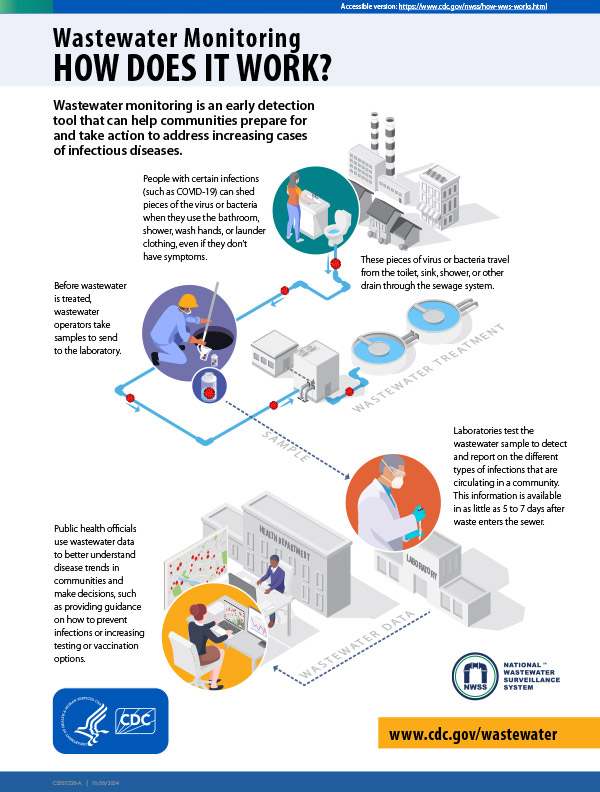
That's happening now, as thousands of people come to Mexico, Canada, and the US for the World Cup. So a team based in Washington, D.C. is watching for any sign of an outbreak by monitoring wastewater results, hospitalizations, and local health reports in the cities where the games will be played.
Under normal circumstances, one would expect the CDC to lead this team. But the current administration has drastically cut staff and funding to that agency. So this effort is a joint project of Georgetown University's Health Security Operations Center (HSOC) and MedStar Health, a hospital chain in the DC area.
While a lot of attention has been paid to the possibility that the games could bring Ebola to the US, HSOC officials are much less worried about that. Their number-one concern is measles, along with tropical diseases such as dengue and respiratory diseases like the flu. Wastewater surveillance can detect all of those and more, quite cost-effectively, and it provides evidence of outbreaks earlier than hospitalization data. (Unfortunately, under the administration's current budget plan, funding for the US's National Wastewater Surveillance System will go from about $125 million a year to $25 million, so we won't have as much of this information after this coming September.)
The project is sending daily status reports to FIFA, the organization that runs the World Cup, as well as to government officials and hospitals. The rest of us can keep tabs on the situation via an online dashboard, which features analysis by our favorite science communicator, Your Local Epidemiologist.
| |
9. Hayward M. Fox, Ph.D.: From Dr. Fox's Blog
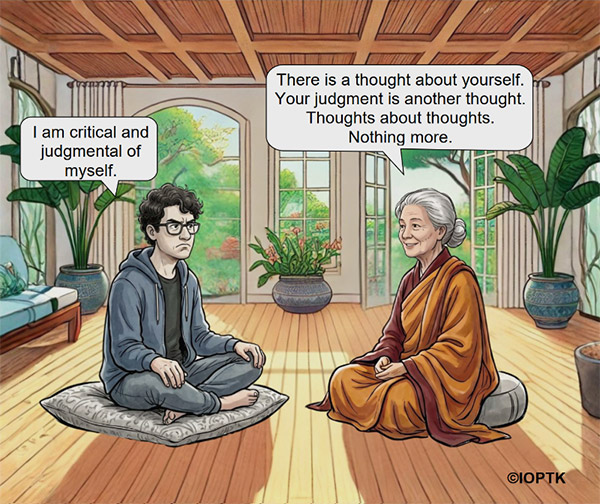
| | I again extend my thanks and gratitude to Dr. Fox for allowing me to share his wisdom and insight with my readers. Please visit Dr. Fox's website at the Institute of Personal and Transpersonal Knowledge and explore his past blog posts, guided meditations, and study guides. | | These Flock regulars are always here for you: | | Don't Be Shy: Share Your Stories! | | I'm looking forward to sharing more of your personal stories - oral, written, or otherwise, as we enter our third year. I'd so love to present them to The Flock, hit a mailbox below to share your story. | | Subscriptions & Idea Submissions
Reminder: Your submissions are always welcomed. | | |
Feel free to forward this email to a friend. If this was forwarded to you and you would like to receive your very own Flock Newsletter, you can sign up here. If you have any questions or suggestions for future Flock resources, don't hesitate to contact me.
Your fan and friend,
Beth
| | | The information and materials contained or referenced in this newsletter are for informational purposes only and not intended to be a substitute for professional medical advice, diagnosis, or treatment. Always consult a physician or other qualified medical professional with any questions you may have regarding a medical condition or treatment and before beginning a new health care regimen. Do not disregard professional medical advice or delay seeking medical advice or care based on anything contained in this newsletter. | | | | |