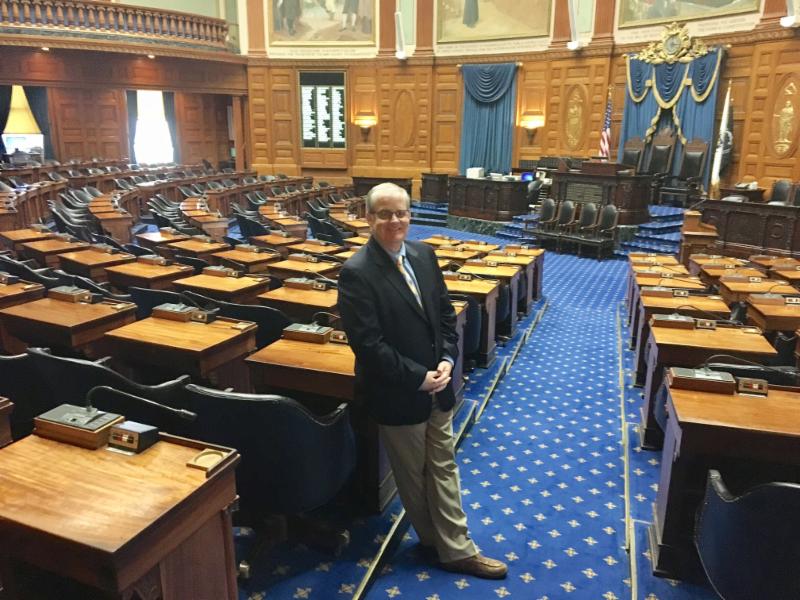
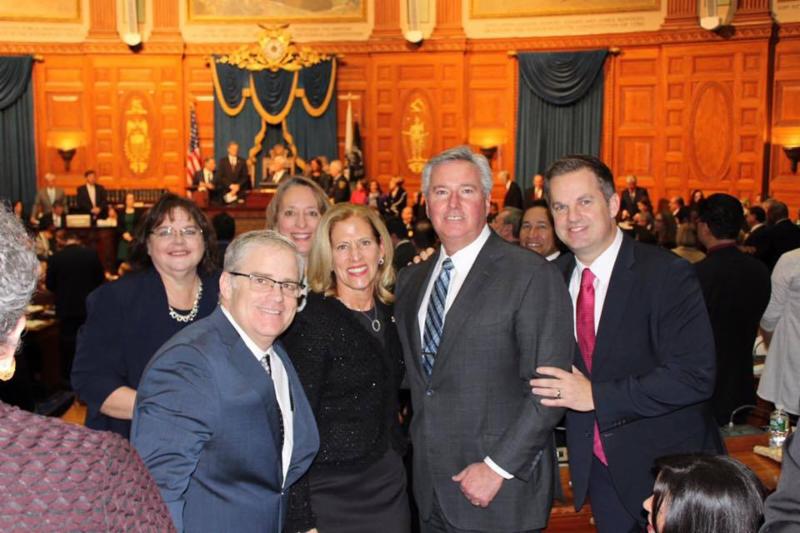
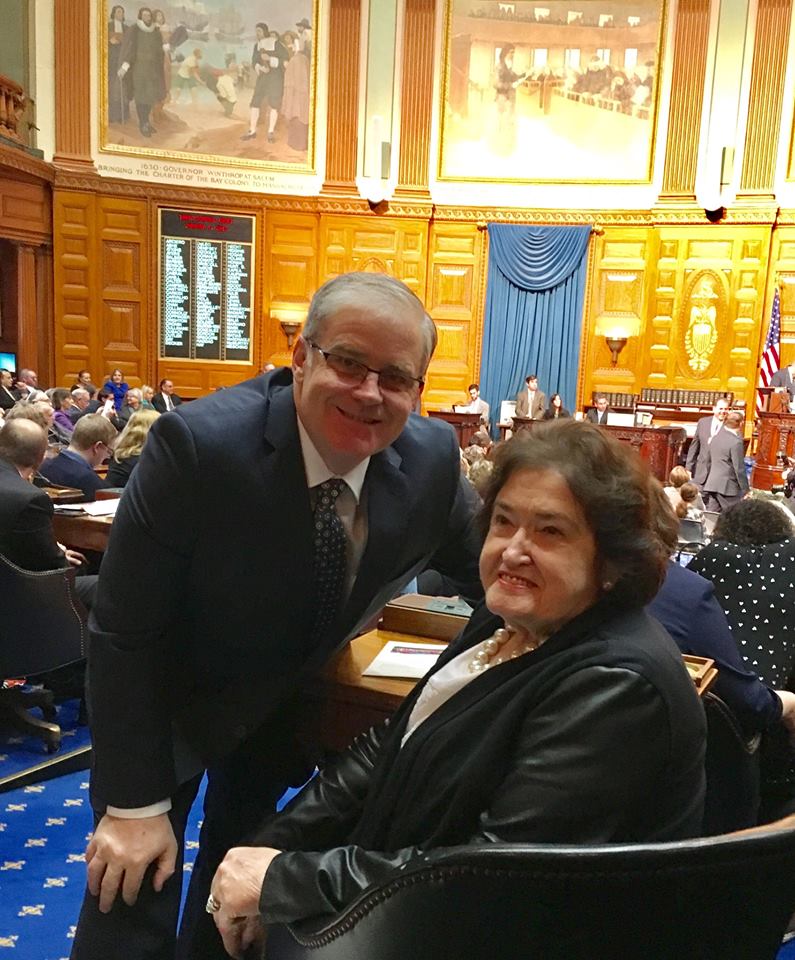
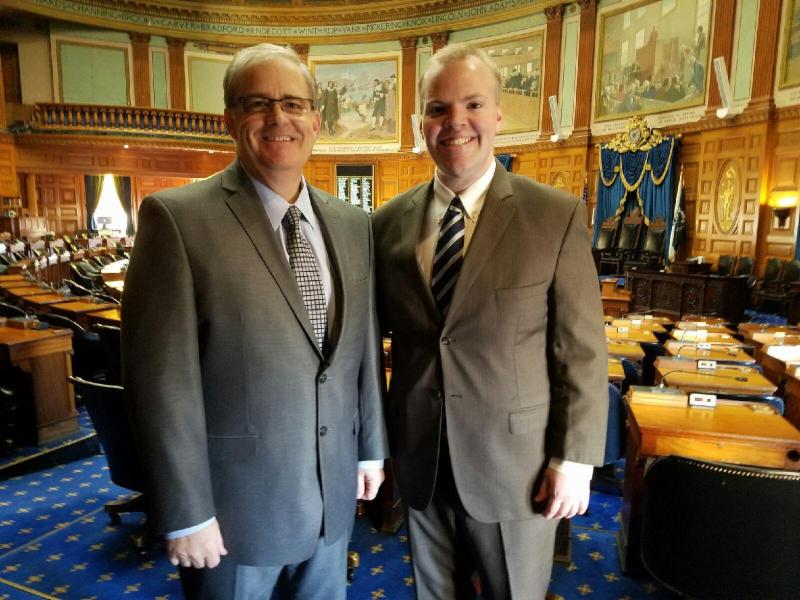
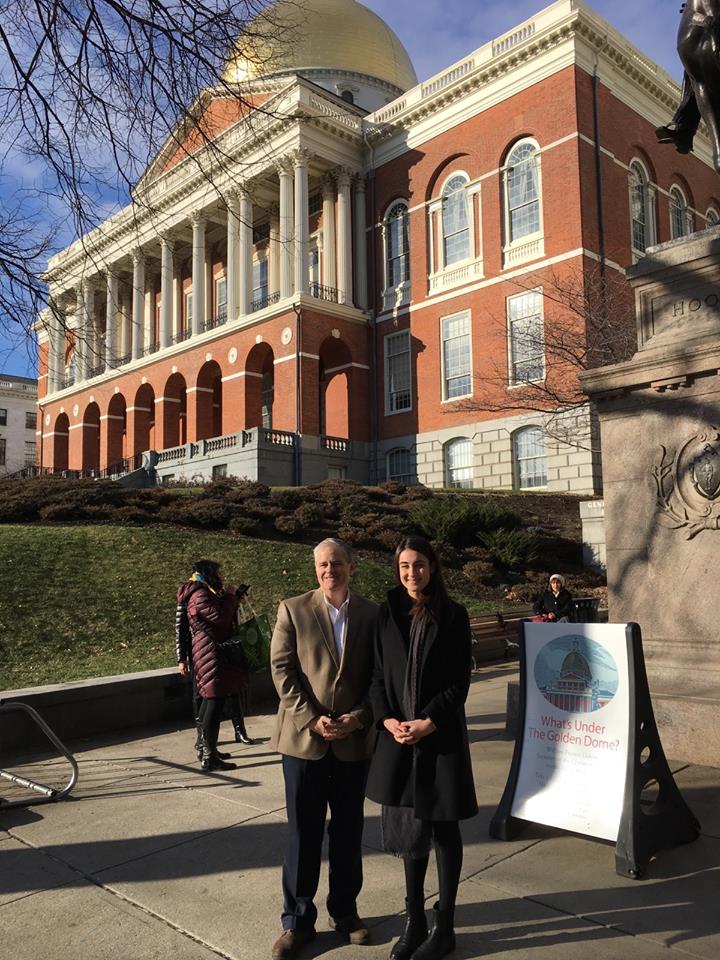
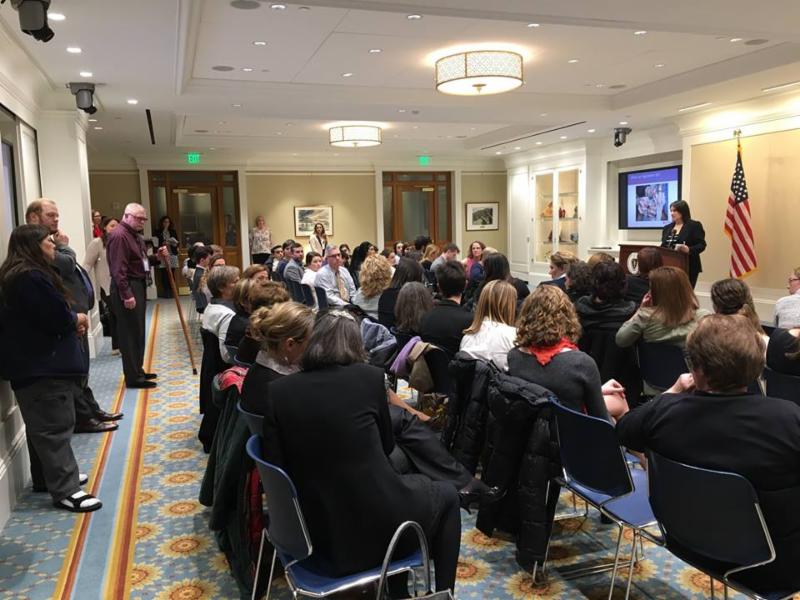
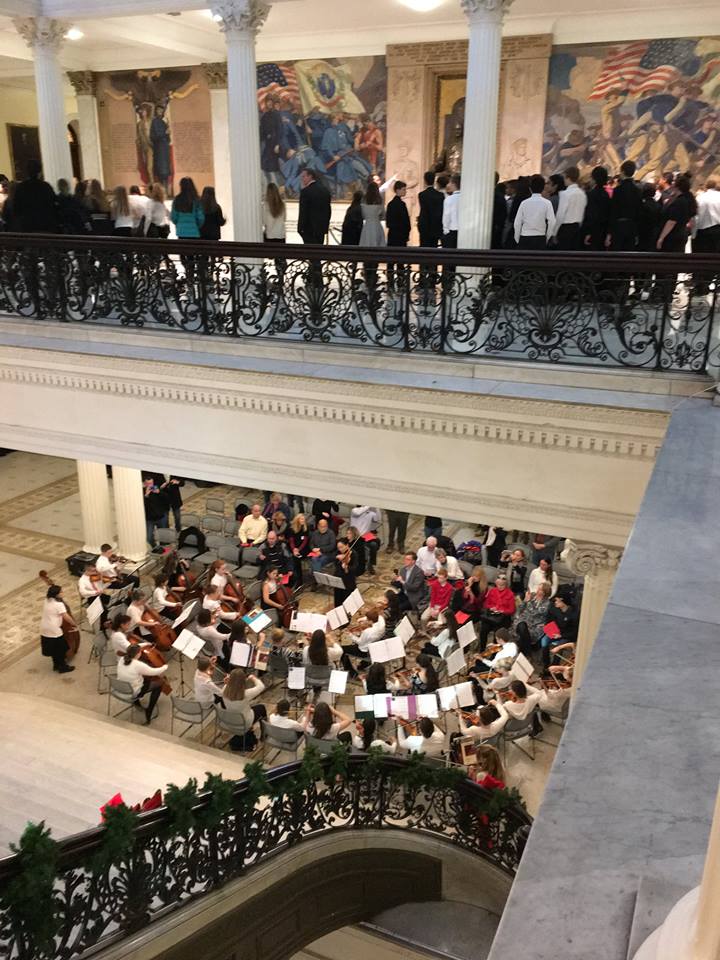
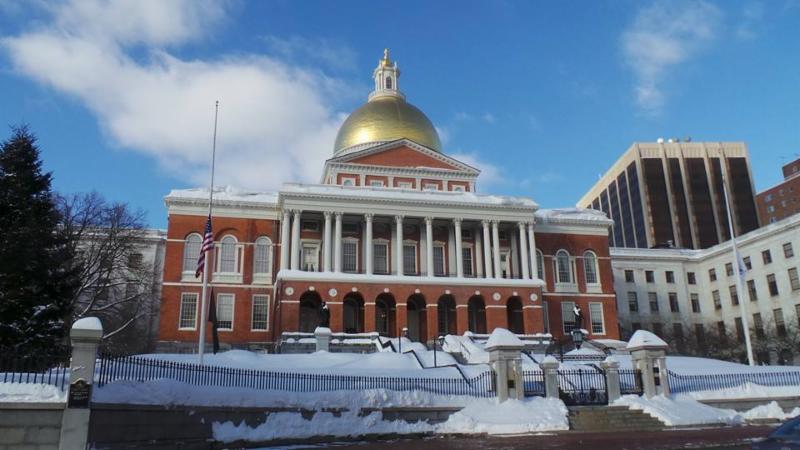
2017-2018 session underway at the Massachusetts State House
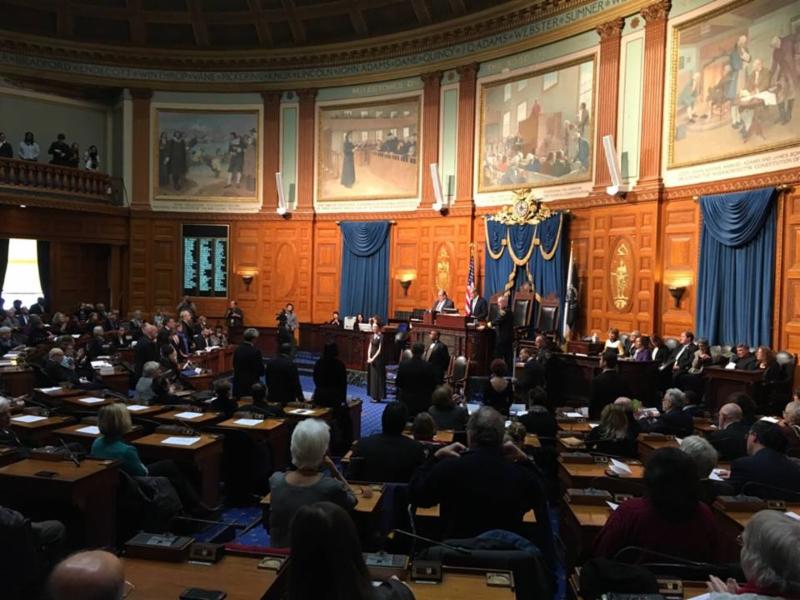
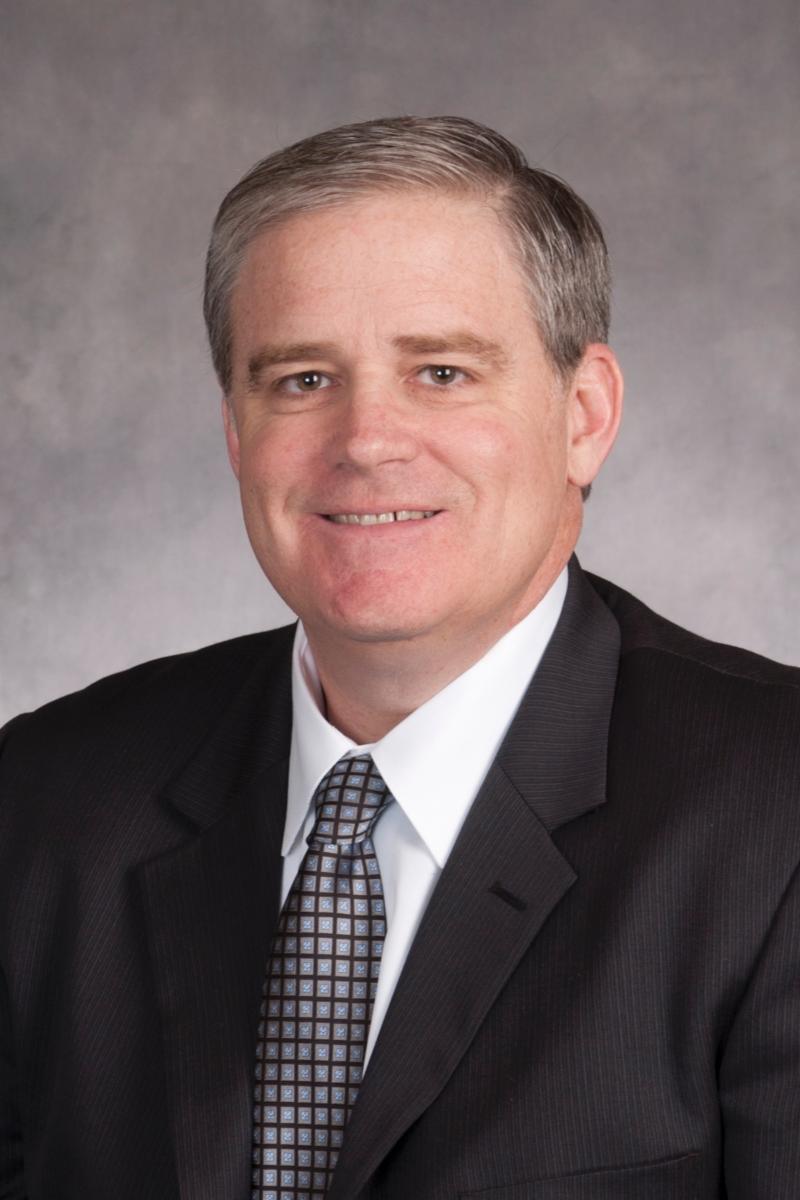
Rep. Stanley and his colleagues gathered at the State House on January 4th for a swearing in ceremony in the House Chamber. Rep. Stanley represents the 9th Middlesex district which encompasses portions for Waltham and Lincoln in the House of Representatives.
Rep. Stanley Offers Education Reform Recommendations for 2017-2018 session
An overwhelming majority of Massachusetts voters consider public education to be an extremely important issue. Most, if not all, public school parents want their children to receive the highest quality education possible and want their respective school districts to be given the proper tools and resources to provide this. With the start of the 2017-2018 legislative session quickly approaching, Rep. Stanley offers several proposals that will help close the achievement gap and allow public schools to focus more of their attention on education.
Learn more.
Rep. Stanley supports funding request for Stonehurst grant application
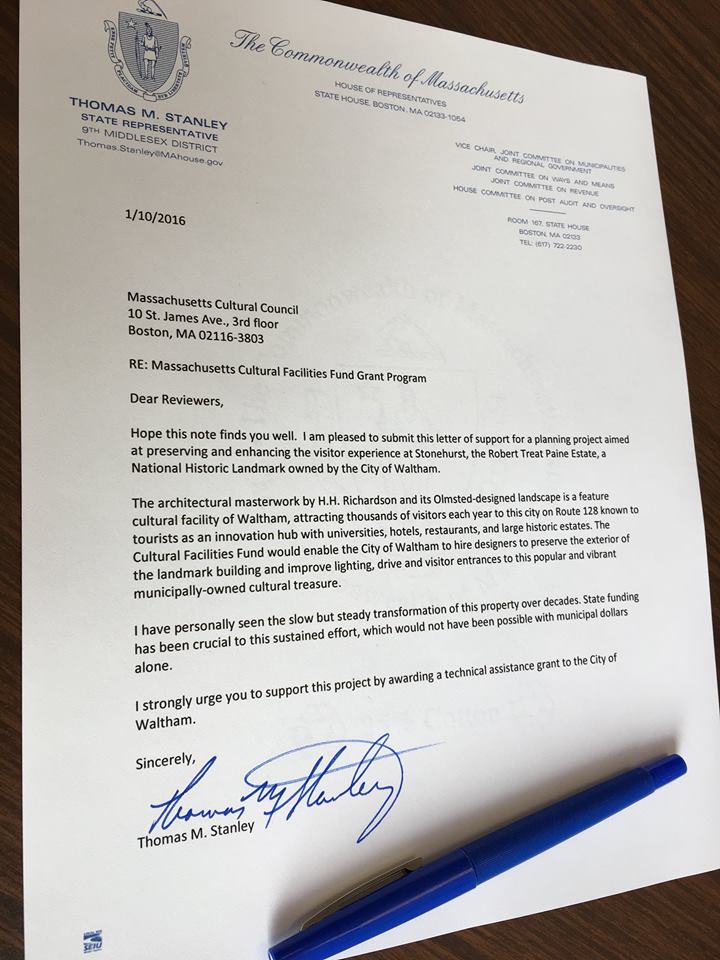
In a letter to the Massachusetts Cultural Council, Rep. Stanley expressed his strong support for a planning project aimed at preserving and enhancing the visitor experience at Stonehurst, the Robert Treat Paine Estate, a National Historic Landmark owned by the City of Waltham.
The architectural masterwork by H.H. Richardson and its Olmsted-designed landscape is a feature cultural facility of Waltham, attracting thousands of visitors each year to this city on Route 128 known to tourists as an innovation hub with universities, hotels, restaurants, and large historic estates. The Cultural Facilities Fund would enable the City of Waltham to hire designers to preserve the exterior of the landmark building and improve lighting, drive and visitor entrances to this popular and vibrant municipally-owned cultural treasure.
Rep. Stanley cosigns homeless bill of rights letter
Rep. Stanley signed onto a letter written to House Ways and Means Chairman Brian Dempsey requesting that House Bill 1129, an act providing a homeless bill of rights, be favorably reported out of the House Committee on Ways and Means.
This legislation would create a homeless bill of rights to ensure that people in Massachusetts are not mistreated or denied access to services based solely on their housing status. Included in the bill of rights is the right to use and move freely in public spaces, the right not to face discrimination while seeking or maintaining employment, and the right to vote, the right to register to vote and receive documentation necessary to prove identity for voting, and several other common-sense measures.
This bill would simply serve as a statement of legislative intent and would therefore incur no costs to the Commonwealth. The language was modeled after the law that was passed in Rhode Island in 2012, and since then, similar legislation protecting the rights of homeless persons has become law in Connecticut and Illinois.
Rep. Stanley Fights for Tourism Funding for Waltham and other Communities
In a letter to Speaker DeLeo and Chairman Dempsey, Rep. Stanley express his opposition to Governor's slashing of the Tourism Trust Fund and urging restoration of these funds. $75,000 for the Waltham Tourism Council was included in these cuts.
Governor Baker "swept" $3 million specifically from the Tourism Trust Fund, slashing by 50% the Regional Tourism Councils' $6 million funding level. These dollars are used to market and promote our state and the regions of the Commonwealth, creating jobs locally and generating more income for core services and programs. Rep. Stanley is concerned about the impact that the Tourism Trust Fund cuts will have on the jobs created and the revenue generated by tourism in Massachusetts.
Tourism is the #3 industry in MA, creating 135,000 jobs, generating $1.3 billion in state and local tax revenue and $20.2 billion in direct spending. Investing in tourism creates direct and indirect jobs and generates much needed revenue for education, public safety, transportation and health care among others. Tourism is a significant economic driver of our state's economy and like other important industries, it is critical that we invest in them to ensure continued growth.
Rep. Stanley Calls for Protection of Special-needs Trust Accounts
Recently proposed changes to MassHealth eligibility requirements would make it harder for residents older than 65 to establish special-needs trust accounts and still qualify for nursing home care and other health services from state and federal government agencies. The changes would force disabled seniors to spend down their personal financial resources, including held money in a trust, before qualifying for MassHealth benefits. Special-needs trusts allow seniors to pay for extra benefits, such as dental work or a home health aide that are not covered by MassHealth. They have traditionally been exempt from these calculations, allowing disabled seniors and families to plan for long-term care and provide them with small comforts that improve their quality of life.
According to MassHealth officials, the changes are being pursued in order to comply with 2008 federal Medicaid guidelines which advised states that disabled individuals over 65 wouldn't be able to transfer money into a pooled trust without a penalty. However, since MassHealth proposed the special-needs trust revisions, CMS officials have pointed out that there are other factors that determine Medicaid eligibility when it comes to trusts and transfers, such as how much money is in a trust and why it was deposited. CMS officials also point out that they don't necessarily exempt one from becoming eligible for Medicaid if an individual has a special-needs trust.
Long-term care costs make up a large percentage of the MassHealth budget as the median annual cost for a shared room at a nursing home in Massachusetts is $135,000. While it is important for MassHealth to reign in costs to ensure a sustainable future for the agency, any changes to the eligibility requirements in regards to special-needs trusts should be looked at with strict scrutiny.
State Revenues to Increase by 3.9% in FY18
State budget managers predict that tax revenues will increase by 3.9 percent in FY18 which means the state's fiscal year 2018 budget will total approximately $27 billion. This total is $1.02 billion more than the estimate used to finance the FY17 budget. Gov. Baker's budget is due on January 25
th.
Rep. Stanley co-leads Balser-Stanley Mental Health Bill
Rep. Stanley and Rep. Balser are filing legislation to require commercial insurance companies to pay for behavioral health emergency services provided by emergency service providers (ESP) around the state. The legislation would enable all Massachusetts residents to have access to vital ESP services that provide an immediate and appropriate response to psychiatric crises. Currently, individuals on MassHealth are covered by ESP services but many people with private health insurance do not have access to ESPs. Since the vast majority of Massachusetts residents have commercial insurance, the vast majority do not have access to ESPs.
ESP is a community-based and recovery-oriented service which provides behavioral health crisis assessment, intervention, and stabilization services for people with psychiatric illness. ESP teams have trained psychiatric clinicians that are "mobile" and will travel to the location of the crisis- home, school or community locations. ESP teams include "certified peer specialist" (someone with lived experience) and Family Partners (who have raised a child who has used ESP services).
Rep. Stanley sponsoring education, veterans, official song bill in 2017-2018 session
Rep. Stanley is sponsoring an act relative to charter schools which will require the following: An application submitted for the establishment of a commonwealth charter school shall (1) be submitted to the board of education for approval; (2) be filed with the local school committee for the school district in which the charter school is located; and (3) be submitted to the local legislative body and chief executive officer of the municipality in which the proposed commonwealth charter school for approval. If the local legislative body and chief executive officer do not approve the application, then it is deemed denied.
Rep. Stanley is also filing a bill to increase the veterans' burial benefit to $4,000 of the total cost of burial. The current veterans' burial benefit of $2,000 has not kept up with the rising costs of a burial. While funeral homes are still performing burials for veterans in need, $2,000 no longer provides for a dignified funeral.
Rep. Stanley is also sponsoring legislation to designate the song "14 Counties of Massachusetts" as the official county song of the Commonwealth. The words and music are written by Alissa Coates and Darci Hamann and the song was recorded by the third and fourth grade classes at Our Lady's Academy in Waltham.
Massachusetts Selected to Partner in Biopharmaceutical Manufacturing Innovation
Massachusetts will be a partner in the nation's first manufacturing innovation institute in biopharmaceutical manufacturing. The $250 million biopharmaceutical innovation institute is a national public-private partnership, awarded through Manufacturing USA, a federally-authorized network of manufacturing innovation institutes. Federal matching funds for the manufacturing innovation institute will be provided by the US Department of Commerce's National Institute of Standards and Technology. The University of Delaware convened this Manufacturing USA team.
Massachusetts will anchor the northeastern node for the biopharmaceutical manufacturing project, which will be known as the National Institute for Innovation in Manufacturing Biopharmaceuticals (NIIMBL). The NIIMBL project will be led regionally by a consortium of small, medium, and large biopharmaceutical industry partners from across the supply chain, along with the Massachusetts Institute of Technology (MIT), Quincy College, UMass Lowell, UMass Medical School, and the Worcester Polytechnic Institute (WPI).
The Commonwealth is supporting NIIMBL's collaborative research and development, and workforce training efforts, through a five-year, $20 million commitment from the Massachusetts Life Sciences Center (MLSC). The Commonwealth's matching contribution leverages $70 million in federal funds, awarded to the national project, and additional matching funds from private sector participants.
NIIMBL is a process innovation effort that aims to reduce the risks associated with manufacturing new therapies, improve efficiency in order to deliver new therapies to patients more quickly and at lower cost, and increase the quality and safety of new biopharmaceutical products.
Governor Baker Nominates Michaela C. Stewart to the Juvenile Court
Governor Baker nominated Michaela C. Stewart, an attorney dedicated to child welfare and juvenile law, to serve as an Associate Justice of the Juvenile Court. The Juvenile Court Department is a statewide court with jurisdiction over civil and criminal matters including delinquencies, youthful offender cases, care and protections and children requiring assistance cases. The Juvenile Court has 41 judges, including the Chief Justice, in over 40 locations. If confirmed by the Governor's Council Attorney Stewart will take the Boston seat vacated by the retirement of Honorable Marjory A. German.
Michaela C. Stewart has operated a private law practice for the last 18 years in Brockton and has focused primarily on Child Welfare Law. She also currently serves as a Resource Attorney for Child and Family Law, where she provides legal and technical assistance to panel attorneys. She previously served as a Youth Advocacy Division Panel Attorney from 2011 - 2014, representing children committed to the Department of Youth Services. Attorney Stewart has been involved in many community activities and has performed a significant amount of pro bono work. She graduated from Northeastern University with a B.S. in Criminal Justice before attending the Massachusetts School of Law. She resides with her family in Easton.
2017 Police Officer & State Trooper Exam Announced
The 2017 Municipal, MBTA Transit Police and State Trooper examination is scheduled for Saturday, March 25, 2017 with a last filing date of March 1, 2017. A late fee will be applied to applications filed after February 21, 2017, so candidates should apply early. This exam is offered for all Police Departments covered under Civil Service, the Department of State Police to fill State Trooper vacancies and may also be utilized by some non-civil service departments.
Learn more.