An Update from ASIPP
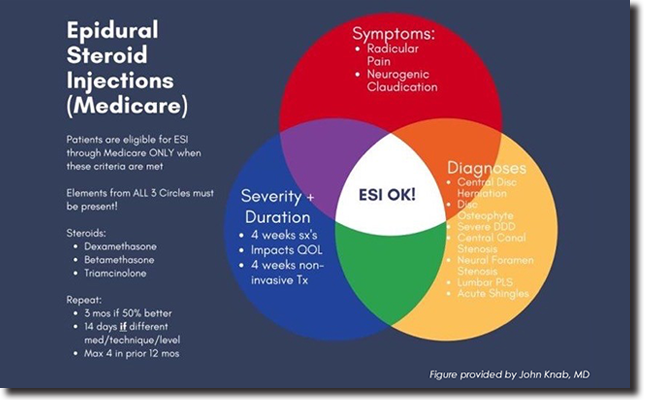
We received a response letter from United Healthcare addressing our letter to them regarding the recent publication of medical policy for epidural steroid injections for spinal pain - Policy Number: 2022T0616D.
They are reviewing their policy and we, ASIPP, will continue to correspond with United Healthcare regarding their upcoming draft.
CLICK HERE to view our June 21 letter to United Healthcare.
CLICK HERE to view United Healthcare's June 27, 2022 response letter to ASIPP.
|
|
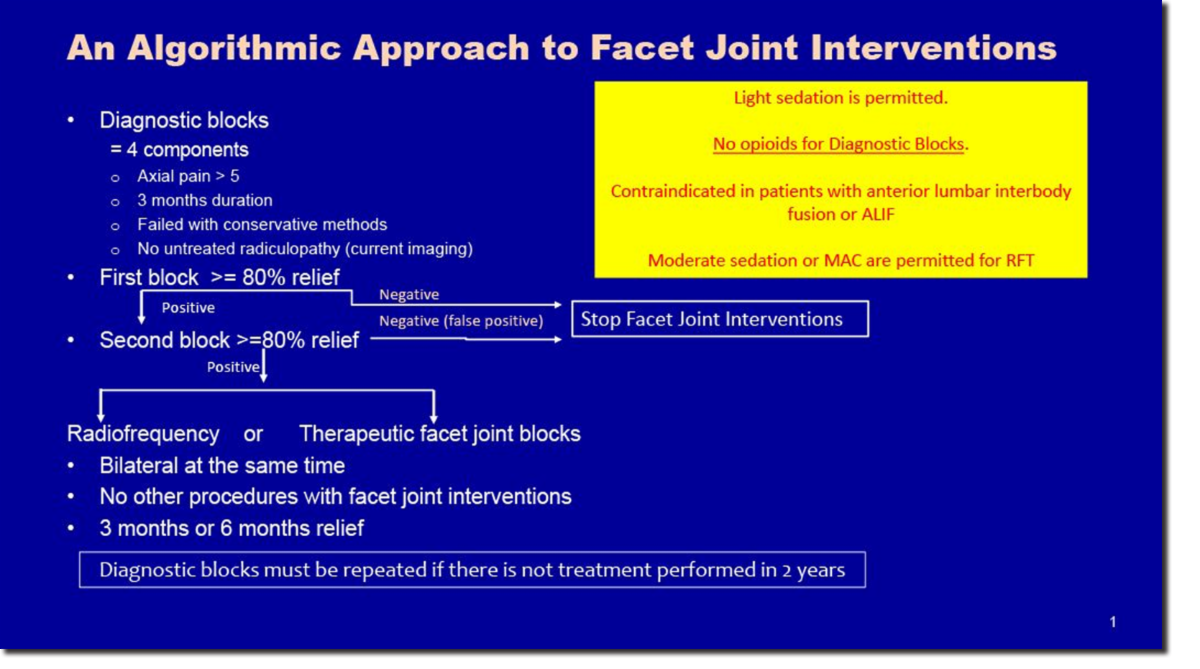
The algorithmic approach describes diagnostic block procedure, as well as therapeutic interventions.
|
|
Dr. Devi Nampiaparampil joined 'Fox News Live' to discuss the dangerous trend of Fentanyl overdoses.
|
|
|
August 5-7 | The Westin | Cincinnati
16 AMA PRA Category 1 Credits
|
|
The deadline to receive the
ASIPP Room Block Discount is July 14!
|
|
|
Primary care providers could add more than $100,000 to their incomes by billing more often for prevention and coordination of care services using Medicare codes, a new study shows.
According to the new research, primary care physicians used these codes for a median of only 2.3% of services provided to eligible patients.
"Investing in primary care is good for the health of patients, for achieving health equity, and for improving the value of health care spending, and yet the U.S. underinvests in primary care," lead author Sumit D. Agarwal, MD, of Brigham and Women's Hospital, Boston, said in an interview.
|
|
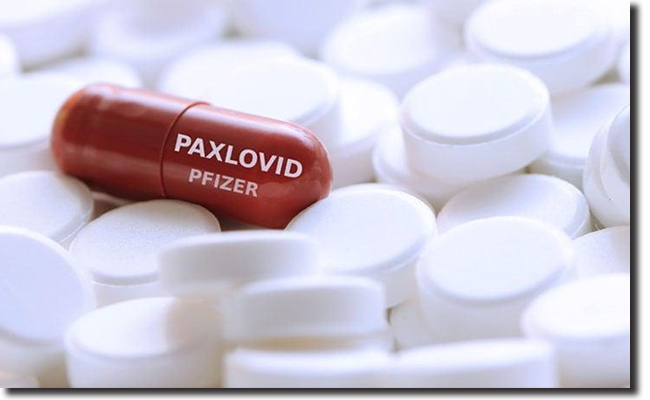
Anthony Fauci, MD, the chief medical adviser to President Joe Biden, said Tuesday that he went through a "Paxlovid rebound" that can occur after taking the antiviral to recover from COVID-19.
The symptoms that he had after he completed the treatment were more severe than those he had at first from the coronavirus, he said.
"After I finished the 5 days of Paxlovid, I reverted to negative on an antigen test for 3 days in a row," Fauci said during Foreign Policy's Global Health Forum event.
"And then on the fourth day, just to be absolutely certain, I tested myself again," he said. "I reverted back to positive."
|
|
NEXT EXAM DATES:
Part I
July 30, August 27, September 17, October 22, November 19 & December 17
Part II
September 23
|
|
Data helped drug to gain recent label expansion
The JAK inhibitor upadacitinib (Rinvoq) outperformed placebo in ankylosing spondylitis patients whose disease hadn't responded to standard biologic drug therapy, phase III trial data showed.
Almost half of patients receiving the oral medication (45%) met the study's primary endpoint, the so-called ASAS40 degree of symptom reduction, compared with 18% of a placebo group in the randomized trial (P<0.0001), according to Désirée van der Heijde, MD, PhD, of Leiden University in the Netherlands, and colleagues.
|
|
North Carolina patient Kathleen Valentini was referred to an orthopedic surgeon after experiencing excruciating pain in her hip that continued to worsen. When an x-ray failed to reveal the cause, the orthopedic surgeon ordered an MRI to determine the source of Valentini's symptoms.
Valentini's insurer, however, denied coverage of the MRI, saying that it was medically unnecessary. Group Health Inc (GHI) stated the MRI would only be medically necessary if Valentini failed to improve after 6 weeks of physical therapy, according to federal court documents available on PACER.
The orthopedic surgeon immediately appealed the insurer's denial. Not only was the MRI necessary, he argued, but Valentini had just completed a full course of physical therapy ― which the insurer had paid for.
|
|
Scientists discover ‘catastrophic’ changes in blood cell composition, raising the prospect of new therapies to slow the aging process
A groundbreaking theory of aging that explains why people can suddenly become frail after reaching their 70s has raised the prospect of new therapies for the decline and diseases of old age.
Researchers in Cambridge discovered a process that drives a “catastrophic” change in the composition of blood in older age, increasing the risk of blood cancers and anemia, and impairing the effectiveness of white blood cells to fight infection.
Scientists believe similar changes occur in organs throughout the body, from the skin to the brain, potentially underpinning why people often age healthily for decades before experiencing a more rapid decline in their 70s and 80s.
|
|
|
|
Please plan to join us at the
2023 ASIPP Annual Meeting
March 16-18 National Harbor, Maryland
Register Early
More details will be posted on our website at asipp.org.
Registration begins November 2022.
|
|
For meeting or exhibitor/sponsor information:
|
|
- ASIPP Members Only Site Information - |
|
-
To log in for the first time you will need to click “forgot password” at the bottom of the login window.
- Check your email and then log in as directed.
-
If you have problems logging into your account, click here.
|
|
Pain Medicine Case Reports (PMCR) and Editor-in-Chief Alaa Abd-Elsayed, MD, PhD would like to invite you to submit case reports and case series to the PMCR journal. Your article will be published free of charge.
Open access journals are freely available online for immediate worldwide open access to the full text of published articles. There is no subscription fee for open access journals. Open access journals are no different from traditional subscription-based journals: they undergo the same peer-review and quality control as any other scholarly journal.
Interested in becoming a member of the PMCR Editorial Board?
Editorial board members are asked to review 2-6 manuscripts per year. Please submit your most up-to-date CV to sgold@asipp.org for consideration.
For more information or to submit your articles, click here.
|
|
| CASE REPORT |
Allision N. Heizelman, MD, Barbara J. Koschak, APNP, and Alaa Abd-Elsayed, MD
Abstract
BACKGROUND: Spinal cord stimulation is a safe and efficacious treatment for chronic pain. While there are limited reports in the literature, contact allergy related to these synthetic devices can occur, with nickel being the most common offending agent.
CASE REPORT: We present a 66-year-old woman with chronic lower back pain, failing conservative and surgical treatment measures, who underwent successful permanent spinal cord stimulator (SCS) implantation. Following placement, she developed a rash overlying the implantation site, diagnosed by dermatology as allergic dermatitis. She attempted topical steroid treatments, which aided symptoms; however, she ultimately opted for device removal, despite the SCS providing significant improvement in pain symptoms.
CONCLUSIONS: Allergic dermatitis is a potential complication of SCS placement. This should be discussed during the informed consent process and the skin monitored closely following device placement. Allergic symptoms can be significant, even pushing patients towards device explantation despite significant improvement in pain symptomatology.
KEY WORDS: Allergy, contact dermatitis, irritant, nickel, rash, spinal cord stimulator
|
|
| PROSPECTIVE STUDY |
Chul-Hyun Cho, MD, Du Hwan Kim, MD, Du-Han Kim, MD, Byong-Chan Choi, MD, Soon Gu Kim, PhD, Dong Gyu Lee, MD, and Jang Hyuk Cho, MD
Abstract
BACKGROUND: Intraarticular (IA) corticosteroid injection is commonly performed in patients with primary frozen shoulder (PFS). However, the best administration site remains controversial.
OBJECTIVES: To compare the efficacy of rotator interval (RI) vs posterior capsule (PC) approach for ultrasound-guided corticosteroid injections into the glenohumeral joint of patients with PFS.
STUDY DESIGN: A randomized, exploratory, prospective study.
SETTING: A single fellowship training institution in Daegu, Republic of Korea.
METHODS: This study was approved by the Institutional Review Board (2019-04-047-001). Ninety patients with PFS were randomly assigned to either RI approach (RI group, n = 43) or PC approach (PC group, n = 45) for ultrasound-guided IA corticosteroid injection. Fluoroscopic images to assess the accuracy of the injection were obtained immediately after injection by a shoulder specialist. Visual Analog Scale for pain, the American Shoulder and Elbow Surgeons score, the subjective shoulder value, and range of motion (ROM) were used to assess clinical outcomes for all patients at the time of presentation, and at 3, 6, and 12 weeks after injection.
RESULTS: The accuracy of injection was 76.7% (33/43) and 93.3% (42/45) in the RI and PC groups, respectively; the between-group difference was statistically significant (P = .028). Significant improvements were observed in both groups in terms of all clinical scores and ROMs throughout follow-up until 12 weeks after the injection (all P < .001). At 12 weeks, better improvements in forward flexion and abduction (P = .049 and .044) were observed in the RI group than in the PC group. No adverse effect related to injection was observed in either group.
LIMITATIONS: This study had no control group receiving placebo injections and limited follow-up time.
CONCLUSIONS: Both groups showed significant pain reduction and functional improvement until 12 weeks after injection. Although no significant differences were observed in pain and functional scores between the 2 groups, the RI group showed better improvement of ROM than the PC group. These results indicate that the RI and anterior structures are a major site in the pathogenesis and treatment target of PFS.
KEY WORDS: Frozen shoulder, injection, corticosteroid, rotator interval, prospective study, ultrasonography, range of motion, pain
|
|
| PROSPECTIVE STUDY |
Mohammad A. Abdullah, MD, Mohamed M. Abu Elyazed, MD, and Shaimaa F. Mostafa, MD
Abstract
BACKGROUND: Optimal analgesia following knee surgery is essential for early mobilization and rehabilitation and minimizing morbidity.
OBJECTIVES: We compared the addition of the interspace between the popliteal artery and the posterior capsule of the knee (IPACK) block to the adductor canal block (ACB) versus ACB alone on postoperative analgesia and ambulation ability in patients undergoing total knee arthroplasty (TKA).
STUDY DESIGN: A prospective randomized study.
SETTING: An academic medical center.
METHODS: Eighty patients undergoing TKA were randomly allocated to receive either ACB or combined ACB-IPACK block at the end of surgery. ACB was performed using 20 mL bupivacaine 0.25% in both groups, while IPACK block using 30 mL bupivacaine 0.25% was added in the ACB-IPACK group only. Visual analog scale (VAS) was evaluated at rest and with 45° knee flexion at 4, 6, 12, and 24 hours postoperatively. The quadriceps muscle power and mobilization ability were assessed at 12 hours and 24 hours postoperative. Total 24 hour postoperative morphine consumption, time to first rescue analgesic request, and patient satisfaction were documented.
RESULTS: The mean postoperative morphine consumption was higher in the ACB group (20.93 ± 7.17 mg) than the ACB-IPACK group (9.68 ± 3.56 mg) (P < 0.001, 95% CI; 8.71; 13.79). The time to 1st rescue analgesic consumption was longer in the ACB-IPACK group (645 ± 254 min) than ACB group (513 ± 247 min) (P = 0.021, 95% CI; 20.4; 243.6).
At 4 hours, 6 hours, and 12 hours postoperative, the median postoperative VAS scores were higher in the ACB group than those of the ACB-IPACK group at rest (P = 0.003, 0.001 and 0.007) and on 45° knee flexion (P = 0.001, 0.001, 0.002) respectively. At 24 hours, the median VAS score was comparable between both groups both at rest and on 45° knee flexion (P = 0.358 & 0.054), respectively. The TUG test and the straight leg raise (MRC) scales at 12 hours, and 24 hours postoperative were comparable between both groups (P > 0.05).
LIMITATIONS: This study was limited by its small sample size.
CONCLUSION: The addition of IPACK to the ACB significantly reduced the postoperative morphine consumption and postoperative pain scores compared to the ACB alone without significant difference in mobilization ability in patients undergoing TKA.
KEY WORDS: Pain, postoperative, arthroplasty, knee replacement
|
|
Since this malpractice insurance program officially launched in November 2018, ASIPP has signed up hundreds of providers with an average savings of 30%. This is professional liability insurance tailored to our specialty and will stand up for us and defend our practices.
Norcal Mutual is A-Rated by AM best and is licensed in all 50 states. To read a few important points to keep in mind about the program, including discounts, administrative defense, cyber coverage, aggressive claims handling, and complimentary award-winning risk management CME activities, click here.
|
|
ASIPP® has formed a partnership with Henry Schein and PedsPal, a national GPO that has a successful history of negotiating better prices on medical supplies and creating value-added services for independent physicians. Working with MedAssets, PedsPal provides excellent pricing on products like contrast media that alleviate some of the financial pressures you experience today.
|
|
ASIPP® is now offering our members the benefit of a unique revenue cycle management/ billing service.
We have received a tremendous amount of interest in the ASIPP® billing and coding program.
Click here to learn more about the negotiated rate for practices and more!
|
|
|
up-to-date news related to you, your practice, and your patients!
|
|
|
|
|
|
|