More on Vitamin D
The process of writing one of these articles takes a bit of time and, if I'm lucky, a topic will come to me well ahead of my Tuesday deadline. It is a little bit like a game to meet the deadline as I can be a procrastinator and tend to put things off. If Tuesday is a busy day at the pharmacy, I may get caught up in that busyness and not get my article finished until the very end of the deadline.
Why am I telling you all of this? Today's article started with the topic Curcumin, but after scrolling my Facebook feed, I came across an article posted by The Dickinson Press on their Facebook page. I thought it would be appropriate to refute or fill in some of the blanks left in that article.
First of all, anytime I see information about dietary supplements in our media, I am pleased. It is, however, rare that the data is presented in a positive light as with this article. I have a few issues with the information, and I would like to expound on why.
The first half of the article laid the groundwork for vitamin D and why a deficiency needs addressing. Nowhere in the article does it mention a blood level of vitamin D, the optimal level, the unsafe level, or what level you could expect from taking a supplement.
Deficiency is less than 20ng/ml, and insufficiency is less than 30ng/ml. Looking at an optimal vitamin D level is a challenge as the reference range of some labs shows a level of 30-50ng/ml, with >50 listed as toxic. This can be confusing when reading the literature as the optimal range is often listed at 40-60ng/ml, and I would concur with that level.
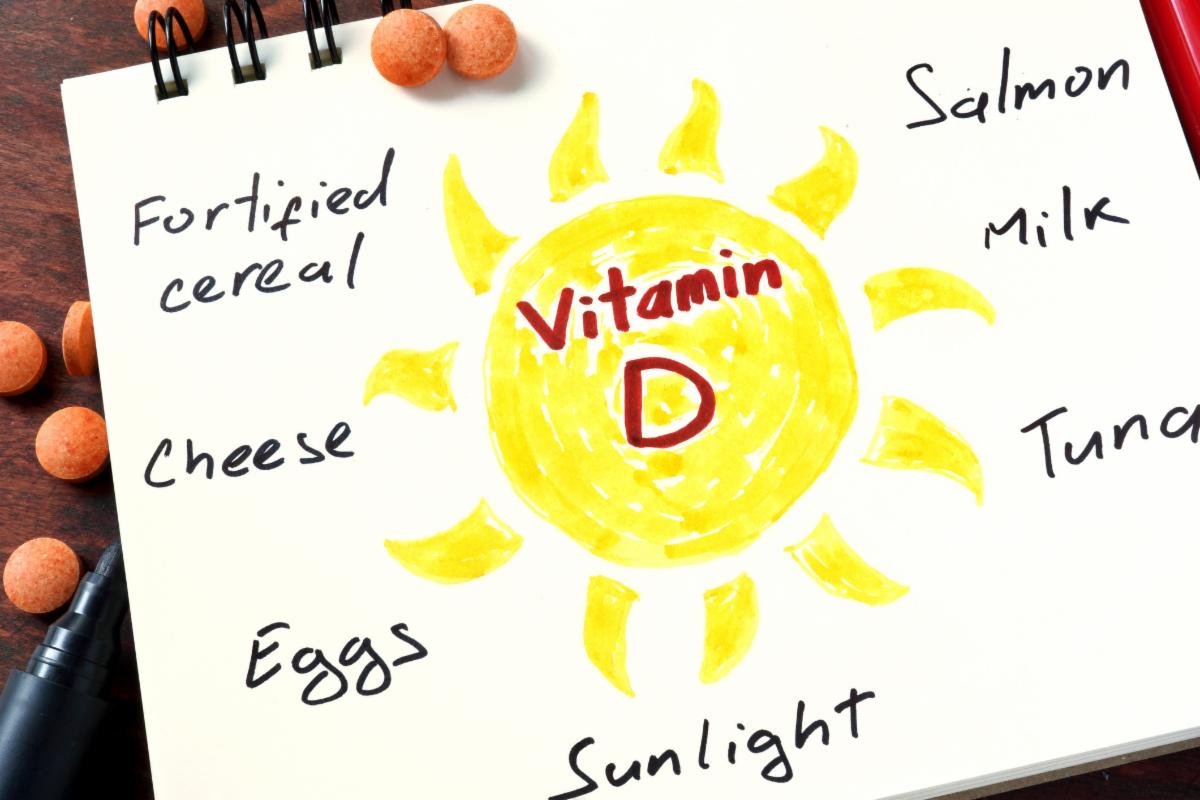
A study referenced in the article indicated that 1000IU of Vitamin D would raise your level roughly 10ng/ml, which we tell our patients at the pharmacy. Food sources provide minimal amounts of vitamin D unless you eat fresh rainbow trout or wild-caught salmon, which can provide between 400-600IU per 3 oz serving. I have explained in previous articles that our sun's potency lacks the strength to make the conversion in our skin for at least six months out of the year, so the need to supplement is evident during our winter months.
Health officials in England were giving away vitamin D at 400iu per day doses for patients at risk for poor outcomes and not finding that this was beneficial in the Covid battle. If you look at my above statement on dosing and consider a person having a vitamin D level of 10, adding 400IU on average would bring them up to 14, and expecting them to have a better outcome vs. covid doesn't seem plausible.
The VITAL study, which looked at giving patients 2000IU of vitamin D and 840mg of Omega 3 EPA + DHA, did not decrease the endpoints of cancer and cardiovascular disease incidence for all patients. However, at years 3-5, it significantly decreased cancer mortality or death and decreased the incidence of cancer in normal-weight individuals. Both items are listed in the summary of the study.
The study from Brazil looking at giving high dose vitamin D at 200,000iu one time upon admission did not affect the length of stay for patients with moderate to severe covid entering the facility. Item to note is that patients came into the facility with an average vitamin D level of 10 when 30 to 60 is the normal range.
The RDA or recommended daily allowance for vitamin D is 600-800IU/day. The RDA was established to overcome a deficiency in vitamin D which caused rickets or weakening of the bones. Based on the previous information, the 600-800IU would increase the level from 10ng/ml up to 16-18ng/ml, well below the reference range and even further below the optimal range.
Dr. Winter indicated that the recent increase in kidney stones is from mega-dosing of Vitamin C and D. Yet, she does not say that the patients were tested to see if they had a level that would exceed the reference range. This test can be easily done and costs $50 out of pocket with no insurance. Dr. Koo from the Mayo Clinic indicated that the increase in kidney stones could be from multiple reasons and not just pinning the blame on mega dosing of C and D.
A 2013 study of 2,012 participants – published in the American Journal of Public Health –found no statistically relevant association between 25-hydroxyvitamin D (25 (OH)D) serum level in the range of 20 to 100 ng/mL and the incidence of kidney stones. The study said that age, weight, and gender might play a role in determining the potential for kidney stones. Another study looking at the incidence of kidney stones found that kidney stones don't start to form until vitamin D levels go over 150ng/dl, which would require a massive dose of vitamin D.
Something to consider would be adding vitamin K2 to your vitamin D as the K2 will pull calcium out of the blood and channel it into your bones, decreasing the calcium burden in the blood and, therefore, the urine, if kidney stones are an issue or concern.
Here is a summary of Vitamin D and the information from the newspaper article that is hopefully a little easier to digest:
• Vitamin D deficiency is a healthcare concern at the latitude we live at in North Dakota – weight, skin color, and ethnicity are all factors to consider
• In the VITAL study, Vitamin D did not reduce the incidence of cancers but decreased mortality of cancer patients
• Vitamin D is not a good treatment for moderate to severe covid patients in the hospital testing, yet patients who respond the worst to covid have the lowest levels of vitamin D
• Excessively high vitamin D levels are a concern, and they should be addressed.
• Seasonal workers in the sun for much of the day may be running a level of 100ng/dl with no adverse effects, which does not adversely affect them.
The final word on this is that we need Vitamin D where we live and you need to test your vitamin D level, find out where you are at, and supplement accordingly to achieve an optimal level. Supplementation is going to look different for each individual. The bottom line is "know your level."
Please stop in or call the pharmacy for help with testing or selecting an appropriate vitamin D product. You can access this and other articles on our website at irsfeldpharmacy.com. Until next time, be vigilant about your health!!
|