APRIL 2026 | VOLUME 2 ISSUE 10 | | |
Gwendolyn Clegg
Martin “Marty” Guggenheim is often referred to as the father of family defense. Recently, Marty was honored by the NYU School of Law where he pioneered the Family Defense Legal Clinic: the first clinic of its kind in the country. But, not as a teaching clinic, he would say, but as a clinic to serve the community.
On March 2, 2026, the NYU Annual Survey dedicated its volume to Marty. The Annual Survey is a distinction bestowed upon an individual who has made a sustained and consequential contribution to the law. Marty’s contributions as a teacher, professor, legal scholar, litigator and author are profound and I am without space to enumerate it all here. I encourage you to seek out his teachings and scholarship as his work has paved the way for the work that we do for the families and children of Oklahoma. He argued and won one of the most ground breaking cases in our work, Santosky v. Kramer, 102 S.Ct. 1388 (1982).
I am very fortunate to know Marty. I am fortunate to have had his counsel over the years. I am fortunate to have his support in the work we are doing in Oklahoma. I am fortunate to receive his words of encouragement and excitement about my work and our work in Oklahoma. I am extremely fortunate to serve with him on the American Bar Association’s, Center for Children and the Law’s, National Alliance of Parent Representation Steering Committee.
I met Marty in 2009 at the very first ABA Center for Children and the Law’s Parent Attorney conference in Washington, D.C. He was the keynote speaker. I remember being stunned into absolute silence and stillness as I listened to his words. This man from NYU in New York City, knew what it was like to represent parents in dependency cases (Oklahoma calls them deprived cases). His words spoke to my exact experience in Oklahoma. It was then that I knew I was no longer alone in the practice of juvenile deprived law.
I want to illustrate for you a small portion of Marty’s career and influence on our work by sharing with you many, but not all, the words of our esteemed colleague Christine Gottlieb. She spoke these words in honor of Marty at the NYU Annual Survey dedication. Professor Gottlieb focused her comments on the profound impact on Marty’s scholarship and teaching, highlighting key aspects of his work and legacy.
“Marty never forgets who and what are at stake however much the powers that be might want to detach doctrinal analysis from the underlying social policy. He won’t allow it.
Choices that so often harm the families those powers claim to care about.
Marty's consistent willingness to say true things that people do not want to hear and his ability to speak that truth to power in a way people could hear, not always yet, but far more often than anyone would have guessed.
Titles of his scholarship show the boldness of his message, his game changing book, What’s Wrong with Children’s Rights, his articles, "How Children’s Lawyers Serve State Interests," "The Right to be Represented but Not Heard," "How Racial Politics Led to the Enactment of the Adoption and Safe Families Act, the Worst Law Affecting Families ever Enacted." That is a title.
When the book getting the most attention in the field was “Nobody’s Children” Marty’s review and the Harvard Law Review was titled “Somebody’s Children.” And of course, he meant the somebodies who are so often denigrated by our child welfare system.
These are just a fraction of his writing that influenced not only the literature but the ways practitioners and judges around the country understand the law of children.
His scholarship galvanized the largely ignored field of family regulation. True his writing also provided key insights from juvenile delinquency to minors’ rights to abortion and more.
But in child welfare and family regulation it is not an overstatement to say Marty shook the existing ground so hard that the columns have started to teeter and some are falling.
Marty being Marty often focuses on the things he did not accomplish, how far there is to go. His groundbreaking paradigm for representing children, which no one has effectively rebutted, has not, he reminds us, been embraced by the children’s lawyers on the ground.
He says he lost the mantle of children’s advocates when he recognized that serving children means serving parents, and yet, Marty profoundly changed the children’s bar.
As I look around this room and think of children’s lawyers around the county who work every day now to keep families together, I know that Marty helped transform children’s advocacy.
In the same vein, when Santosky is mentioned, Marty bemoans that the clear and convincing standard is not always meaningfully implemented. But as you’ve heard he did not simply establish the standard, he followed up by reconceiving parent defense and convincing the federal government that funding parent defenders serve children.
And while I believe Marty understands the importance of the heightened standard it is not even the most important part of the Santosky decision. He convinced the Supreme Court, to say two things that are central to all advocacy in the field today.
First, the court embraced the idea that, quote, “the child and his parents share a vital interest in preventing erroneous termination of their natural relationship.” This is the single yet critical idea, the vast majority of time, and until shown otherwise, parents and children’s legal interests are aligned, not at odds.
And second, at the height of the Reagan era, Marty got the Supreme Court to recognize that family court proceedings are, again, I quote, “often vulnerable to judgments based on cultural or class bias.” These two points are now made daily in family courts and more and more often in federal courts around the country.
When I look around this room and see the advocates who cite the language to argue that parents’ rights serve children’s interest, and to remind courts that race and class bias taint our child protection system, I know that Marty working together with so many of you who are here, has transformed family defense.
My final point of all the roles Marty has played and been so gifted at playing scholar, litigator, leader of a field, I believe the most important is his role as teacher.
To watch the entire ceremony: https://www.youtube.com/watch?v=xEzRuY2khfI.
As Marty received his distinction he gave the audience this gift: “What we learned was that we loved the work, hate the field. What we learned is we could make a difference. That was astonishing to us. We actually could win. And so what we came up with was, we gotta do more of this. We love it.”
Which is why I said earlier that I knew I was no longer alone in the practice of juvenile deprived law.
| | |
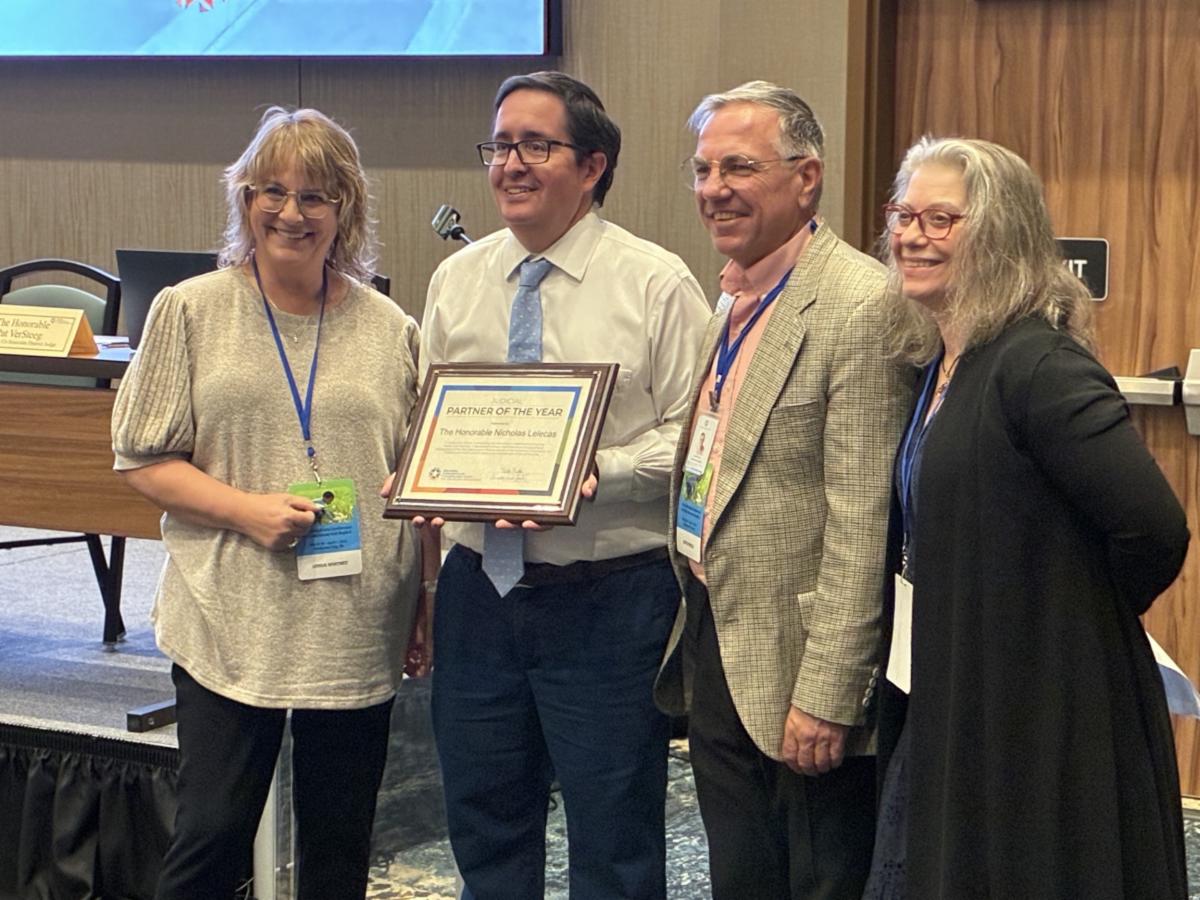
Shoutout to Judge Lelecas!
Awarded the PARB Judge of the Year Award!
| |
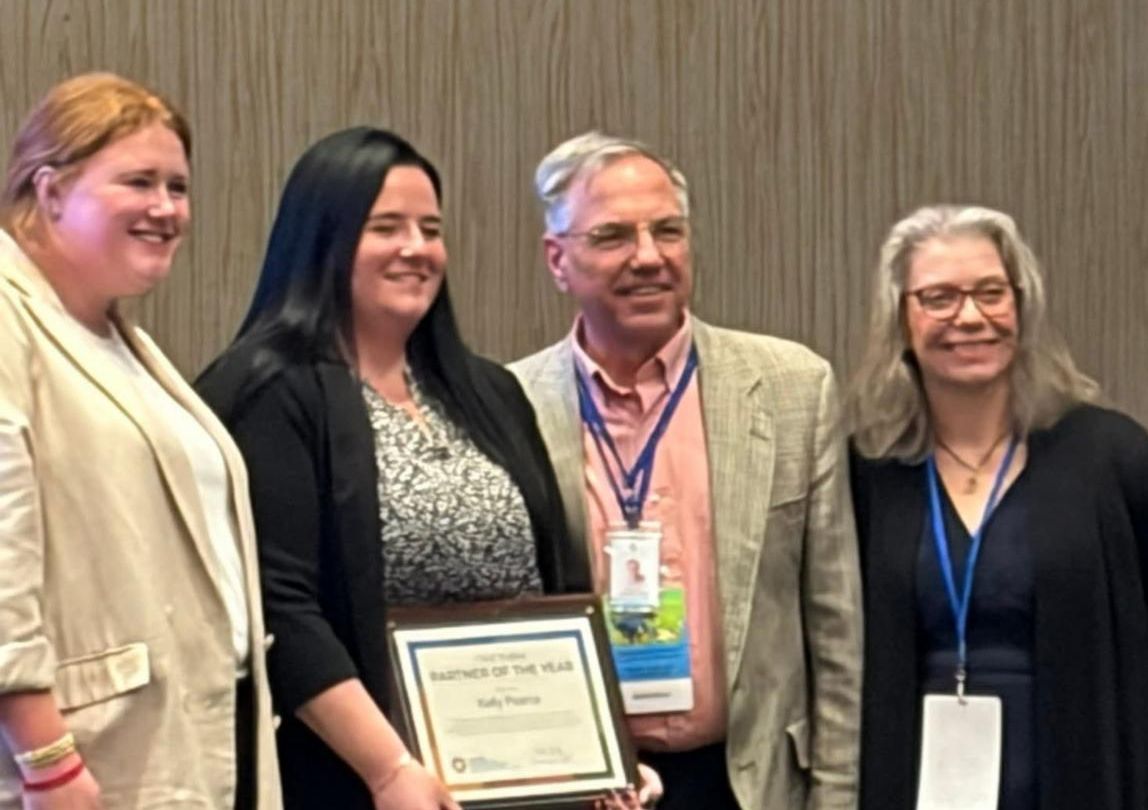
Shoutout to Kelly Pearce!
Kelly was awarded PARB's Community Partner of the Year Award. Kelly is the gold standard of DHS caseworkers.
| |
Shoutout to Vanessa Campbell!
Vanessa successfully represented her child clients at her first jury trial in fifteen years!
| |
Shoutout to Judge Beare!
Judge Beare gives each parent a three-ring binder containing their ISP and a calendar! This is a wonderful practice.
| |
Shoutout to Cristine Atkinson!
Cristine works tirelessly for her clients. When she identifies a global problem, she will dedicate her efforts and resources, both in and out of the courtroom, to achieve consistent and positive results for her clients.
| |
Shoutout to Cheyenne Donatello!!
When Cheyenne inherited this case in Family Treatment Court, NM was facing a JT to terminate her parental rights to 7 children. Through her consistent and strong advocacy over the course of the last year, the children were returned home, and the case was successfully closed!
| | |
Shoutout to Justin Vann!
Justin Vann did a wonderful job in a jury trial representing mom, especially in his skill at making his client relatable to the jury!
| |
Shoutout to John Nelson!
One of our judges has said that John does a fantastic job. He has become an expert in one area and has helped his colleagues learn this area. She is very impressed with his courtroom skills and has been an outstanding advocate for a non-citizen child working tirelessly to protect her immigration status.
| |
Shoutout to Cole McMahan!
Cole does a great job. He does everything the way he is supposed to and has been very good at helping his incarcerated clients.
| |
Shoutout to Zach Curtis!
Zach successfully mediated on behalf of his client! He secured continued contact after relinquishment in a factually difficult case.
| |
Shoutout to Jennifer O'Daniel!
Jennifer O’Daniel for her great advocacy in court today! Her client is mom. The Tribe requested a change in placement to better facilitate reunification efforts because State wasn’t following through for sufficient visits for parents. DHS half heartedly served 5 day notice and told foster home they did so because Tribe wanted it. They were indifferent on changing placement. Children’s attorney was middle of the road too. Jennifer’s in court advocacy and legal argument tipped the scales for the Court to deny objection to removal. The kids will be placed with siblings an hour closer with a family willing to bridge with mom!
| |
Shoutout to Luis Ortiz and Lisa Bohannon!
Shoutouts to Luis and Lisa for requesting IDTs!
| |
Shoutout to Timothy Michaels-Johnson!
TMJ was called the "most underutilized assett OFR has" by one of our contractors! She expressed that his help "single-handedly made the biggest difference in her trial performance, and thanks to his assistance, the children received the outcome they deserved." He shared a "wealth of information," and also followed up with additional resources and voir dire questions. She emphasized the need to spread the word about the wealth of knowledge our supervising attorneys offer, especially Timothy!
| | Have you done something awesome? Do you have a good story? Share it here! | | |
Danielle Dezort, Region 4 Managing Attorney
Kinship placement- the gold standard.
In child welfare, there is an idealized narrative that often goes unquestioned: when a child’s home becomes unsafe, the system intervenes, providing a seamless transition into the safe, structured environment of a traditional foster home. The underlying assumption is that a clean slate with a well-intentioned resource family is inherently healing.
The profound irony of the child welfare system is that the very act of "saving" a child, removing them from their home and placing them with people who are unfamiliar to them, inflicts a distinct and devastating trauma all its own. When we allow traditional foster care to become the default rather than the absolute last resort, we risk compounding the child’s trauma. Kinship care isn't just a secondary option to fall back on when it's convenient; it is the vital mechanism for preserving a child's identity, culture, and sense of belonging.
As advocates, it is our duty to challenge the assumption that the quickest option (a preapproved open traditional foster home) is the only option. We have both Title 10A and the state’s own data to back us up.
Kinship placement is a statutory mandate, not a suggestion. Oklahoma Statute Title 10A recognizes that family bonds are essential, which is why the law doesn't just encourage kinship placement—it demands it. When administrative hurdles delay kinship approvals, or when the system defaults to an open bed in a traditional foster home to save time, it runs counter to the clear mandates of the Children and Juvenile Code.
We must consistently remind the court of these statutory guardrails:
10A O.S. § 1-4-204 (Placement Preferences & Diligent Efforts): The law explicitly dictates that "preference shall be given to relatives and persons who have a kinship relationship with the child." Crucially, the statute places the burden on OKDHS to make "diligent efforts" to secure these placements, including a requirement to conduct a "nationwide relative search... within three (3) months of the child being taken into custody." If the Department cannot document these diligent efforts on the record, we must hold them accountable.
10A O.S. § 1-7-106 (Placement of Child into Foster Care): This statute removes ambiguity, stating that a child entering care "shall, when possible, be placed with relatives, or other persons having a kinship relationship."
10A O.S. § 1-9-119.1 (Rights of Children): Under the child's bill of rights, children have a legal right to be placed according to a specific hierarchy. The first priority is an approved relative, followed by an approved kinship placement. Traditional resource families are placed purposefully at the bottom of that statutory list.
When system actors prioritize traditional foster care, they often do so under the belief that it offers superior safety and stability. However, OKDHS's own statistics force us to confront an uncomfortable truth. When comparing kinship to traditional out-of-home care, the data points to clear systemic disparities.
Placement Instability: According to OKDHS's metrics (Pinnacle Plan Measures 4.1 and 4.2), placement instability remains a chronic issue. Children in traditional foster care are significantly more likely to experience the trauma of moving from home to home. Each move is devastating and life-altering. Kinship placements demonstrably reduce this disruption, offering the consistency that is critical to a child's well-being.
Maltreatment in Care: We remove children to keep them safe, yet state reporting routinely logs substantiated maltreatment occurring while children are in out-of-home care. A troubling proportion of these incidents occur in traditional foster homes, shelters, and group homes, challenging the narrative that removal guarantees safety.
Our Role as Advocates
The child welfare system is composed of professionals who largely want what is best for children. But a system constrained by limited resources will naturally gravitate toward the path of least resistance, which is often an established, traditional resource home.
It is our job to ensure the path of least resistance does not trump the law. We must actively scrutinize the "diligent efforts" made to locate kin, object when relatives are sidelined for minor, curable issues, and respectfully remind the court that replacing a child's family with an unfamiliar foster placement is an extreme intervention, not a righteous cure.
Advocating relentlessly for kinship placement is how we ensure the system truly protects children and works toward the goal of safe and successful family reunification.
At the end of day, when representing children and parents in deprived cases, a question worth asking ourselves is, “What would I want to happen if this were me?” “If this were my child?” “My nephew?” “ My cousin?” We must take these cases personally. These are people depending on us. Depending on us to do the work it takes to ensure that the least amount of damage is done while they are going through one of the worst times of their lives.
| | Notice of Intent to Appeal | |
Evan Humphreys, Managing Attorney for Appellate Practice
A Notice of Intent to Appeal (NOIA) is not required to initiate an appeal from a deprived proceeding. NOIAs are a feature of criminal appellate procedure. 22 O.S. Rule 2.5. This rule only applies in proceedings before the Court of Criminal Appeals. See 22 O.S. Rule 1.0. Deprived appeals are handled by the Supreme Court and the Court of Civil Appeals. See 10A O.S. § 1-5-103(A).
Moreover, the language of the rule states the NOIA must be filed within 10 days of the imposition of the Judgment and Sentence. 22 O.S. Rule 2.5(A). A party in a deprived case does not receive a Judgment and Sentence.
Finally, nothing in Title 10A requires the filing of a NOIA. It only requires the filing of a petition in error within 30 days of the order being appealed. 10A O.S. § 1-5-103(A).
The Oklahoma Supreme Court has at times described deprived proceedings as “substantially similar” to criminal cases. Matter of Chad S., 1978 OK 94, ¶ 13, 580 P.2d 983 (“The state is the initiating party, the proceeding is formal, and the potential loss is quite substantial.").
However, appellate courts have made it clear that a juvenile deprived case is ultimately civil in nature. See Matter of V.J.R., 2024 OK 66, ¶ 29, 556 P.3d 1010; Matter of H.T., 2012 OK CIV APP 49, ¶ 16, 276 P.3d 1054.
In short, the similarities between deprived and criminal cases – no matter how substantial – do not create identical rights or responsibilities. The similarities may result in shared rights and protections for parties in a deprived case, but they do not create the same procedural requirements.
| | | |
Priscilla Minor-Thoms, Region 5 Director of Social Work
When Systems Overwhelm Families: How Interdisciplinary Teams Help Families Navigate Change
Families who enter the child welfare system are often facing one of the most difficult moments of their lives. While the court process is structured and guided by legal standards, for many parents and youth the system itself can feel overwhelming. They are suddenly expected to understand court expectations, navigate service requirements, attend multiple appointments, communicate with professionals, and make meaningful life changes—all while managing the emotional impact of a case involving their family.
For professionals working in this space every day, the processes and terminology of the system are familiar. But for families and youth, the experience can feel confusing, intimidating, and sometimes impossible to navigate alone.
This is where interdisciplinary teams become so important.
Attorneys provide legal advocacy and ensure that the client’s rights and interests are represented in court. Social workers bring clinical insight, systems knowledge, and an understanding of the barriers that may be affecting a family’s ability to meet expectations. Parent Mentors and Youth Mentors add another critical layer of support—lived experience and practical guidance that help families and youth understand what the system is asking of them and how to move forward.
Parent Mentors often serve as translators of the system for parents. They help explain court expectations in practical terms, prepare parents for meetings or hearings, and break down the steps required to comply with case plans. Youth Mentors provide a similar bridge for young people involved in the system, helping them understand their voice in the process, navigate services, and think about their goals for stability and independence.
Sometimes this support looks simple: helping a parent organize documents, assisting a youth in preparing questions for a meeting, identifying transportation options, or helping families create routines that support stability. These practical steps often make the difference between someone feeling defeated by the system or empowered to engage with it.
When families and youth feel overwhelmed, they are more likely to disengage. When they feel supported and understood, they are more likely to participate, communicate, and work toward meaningful change.
The interdisciplinary team model recognizes that legal advocacy alone is not always enough to help families succeed. By combining legal expertise, social work insight, and the lived experience of Parent and Youth Mentors, we create a structure that supports both accountability and understanding.
Ultimately, when families and youth are better able to navigate the system, the entire process works more effectively—for parents, for young people, and for the courts.
Director’s Reflection
In my work with interdisciplinary teams, I am continually reminded that systems can be difficult to navigate even for professionals who work within them every day. For families and youth experiencing the system, the guidance and encouragement provided by Parent Mentors and Youth Mentors can make a meaningful difference. Their ability to connect, explain, and walk alongside clients often helps transform confusion and fear into engagement and hope.
| | |
In the Matter of E.C.S. and D.C.S., Alleged Deprived Children
REVERSED AND REMANDED
Father appeals the termination of his parental rights, asserting that State failed to notify him that his failure to appear at the termination hearing would result in waiver of his right to a jury trial. Father could not be personally served and was notified by publication. The Notice by Publication advised Father that his failure to appear would constitute consent to termination and result in a default judgment, but it did not inform him that his absence could result in waiver of his right to a jury trial specifically. When Father failed to appear at jury trial, the trial court converted the proceeding to a nonjury trial pursuant to 10A O.S. § 1-4-502(B) and terminated Father's parental rights. Relying on the Oklahoma Supreme Court's recent holding in In re F.B., 2025 OK 25, COCA finds that a trial court cannot find waiver of the right to a jury trial unless the record reflects the parent received prior notice that his absence could result in that specific consequence. Because the Notice by Publication here contained no such warning, Father's due process rights were violated and the trial court's order cannot stand. COCA reversed and remanded. Read full opinion
| |
In the Matter of F.L., T.L., E.L., and K.L., Alleged Deprived Children
Mother and Father appeal the termination of their parental rights following a six-day jury trial. They raise five claims of error: due process violation for lack of an interpreter at the hearing where their first ISP was adopted; insufficient evidence of failure to correct conditions; insufficient evidence that termination was in the children's best interests; trial court error in denying Father's motion in limine to exclude reference to referrals on which the children were not adjudicated deprived; and ineffective assistance of counsel.
On the interpreter issue, the record reflects an interpreter was present at the hearing in question, Parents acknowledged and agreed to the ISP without objection, and a Spanish-speaking DHS caseworker explained the requirements. COCA finds Parents were provided ample notice of the conditions to correct and rejects the due process claim. On the grounds for termination, COCA finds the State presented sufficient evidence from which the jury could form a firm belief that Parents failed to correct the conditions of medical neglect as to T.L. and lack of proper parental care as to both T.L. and F.L., noting the record of Parents' failure to demonstrate behavioral change, and inability to articulate or address medical needs. On the motion in limine, the trial court's denial of a motion in limine is not itself appealable, Parents failed to point to specific record citations where objections were made at trial, and even if preserved, COCA finds the evidence was relevant and its admission was not reversible error. On ineffective assistance, COCA finds counsel conducted vigorous cross-examinations, successfully limited the referral evidence at trial, and that Parents failed to demonstrate the outcome would have been different but for any alleged deficiency. COCA affirms. Read full opinion
| |
In the Matter of the Adoption of J.E. and S.E., Minor Children
Mother appeals the trial court's finding that J.E. and S.E. are eligible for adoption without her consent under 10 O.S.2021, § 7505-4.2(B)(1) for willful failure to substantially comply with a child support order during the relevant fourteen-month period. Mother argues her noncompliance was not willful due to unemployment and an abusive relationship, and that in-kind contributions should count toward her obligation. COCA finds in-kind contributions do not satisfy a court-ordered support obligation, and Mother's own bank records show she had income during periods she claims she could not pay. The record does not support that her abusive relationship prevented payment. COCA affirms. Read full opinion
| |
In the Matter of B.G., Alleged Deprived Child
Father appeals the termination of his parental rights on grounds of failure to correct conditions and foster care placement under 10A O.S. §§1-4-904(B)(5) and (17). Father argues termination was not in Child's best interests and that the domestic violence evidence was weak and contradictory. Child has extensive medical needs and has been in the same foster placement since leaving the hospital at birth. Despite having approximately 16 months to correct conditions, Father had not completed the ISP. Father missed appointments, failed to properly administer medications during overnight visits, and ignored physician recommendations. DHS, CASA, and the foster mother all testified termination was in Child's best interests, and the foster family is prepared to adopt.* COCA finds clear and convincing evidence supports both grounds for termination and that termination is in Child's best interests. COCA affirms. Read full opinion
*This is a case where the presence of a willing adoptive family is considered in the termination. The inverse situation, arguing that the lack of a willing adoptive home/stable placement should be considered when weighing termination, is often shot down. This case is good to keep handy to make reference to the often allowed inverse consideration in your arguments.
| | |
In the Matter of the Adoption of K.N.L.
Mother appeals the district court's finding that K.N.L. could be adopted without her consent under 10 O.S.2021, § 7505-4.2(H), on grounds that she failed to maintain a substantial and positive relationship with the child for twelve consecutive months out of the fourteen months preceding the filing of the petition. Mother argues the court improperly considered evidence outside the statutory look-back period and that Guardians failed to meet their burden by clear and convincing evidence. COCA finds the record demonstrates the court properly limited its analysis to the statutory period, during which Mother was incarcerated and the last letter Guardians received from her predated the look-back period entirely. Mother's claim that Guardians interfered with her efforts also fails because she never took legal action to remove any alleged impediments as required by statute. COCA affirms. Read full opinion
| |
Brown v. DHS
DHS appeals the district court's order reversing an ALJ's decision to place Corde Brown on the community services worker registry for neglect of a vulnerable adult. Brown was employed as a community services worker caring for C.K., a blind and deaf vulnerable adult, when C.K. developed aspiration pneumonia under Brown's supervision. The ALJ found DHS proved neglect by clear and convincing evidence and ordered Brown placed on the registry. The district court reversed, finding that record inconsistencies and conflicting statements demonstrated DHS failed to meet its burden. DHS appeals, arguing the district court improperly reweighed factual evidence in violation of the APA and conducted a de novo review. COCA cannot reach the merits because DHS failed to include the administrative hearing exhibits in the appellate record: the very exhibits upon which the district court's reversal was predicated. As appellant, it was DHS's sole obligation to ensure a complete record. Without it, COCA must presume the district court was correct. COCA affirms. Read full opinion
| |
In the Matter of A.K.W. and A.K.W., Adjudicated Deprived Children
Mother, appearing pro se, appeals a unanimous jury verdict terminating her parental rights. Mother raises three claims: that the special judge who entered the emergency custody order was not a constitutionally valid judge; that the trial court improperly took custody using only legislative authority and a caseworker's secondhand knowledge; and that she was denied due process and a jury trial at the initial custody stage. COCA finds Mother's first claim unfounded, as the Oklahoma Constitution expressly provides for the appointment of special judges. Her remaining claims appear to conflate this case with a separate divorce proceeding and challenge actions taken at the initial custody stage rather than the termination itself, neither of which is properly before COCA on this appeal. Mother's brief did not comply with appellate rules and failed to direct the court to specific portions of the record. COCA finds the extensive record supports the jury's unanimous verdict by clear and convincing evidence. COCA affirms. Read full opinion
| |
In the Matter of E.O.D., Alleged Deprived Child
Mother appeals both the Emergency Custody Order (ECO) and the subsequent deprived adjudication of E.O.D. Mother was arrested the day after the child's father died of a gunshot wound in her home. Mother raises several claims: that the ECO application was invalid for lack of a proper affidavit; that she was denied due process by lack of notice of the emergency custody hearing; that the trial court violated her Fifth Amendment rights by requiring her to take the stand and drawing adverse inferences from her refusal to answer questions; and that the State failed to prove deprivation by clear and convincing evidence. COCA finds the appeal of the ECO is moot because the deprived adjudication, which superseded it, afforded Mother full due process. On the affidavit issue, the statute provides that an ECO application "may" be supported by a sworn affidavit, it is not mandatory. On the notice issue, while Mother had a statutory right to notice of the emergency custody hearing, the failure to provide it does not invalidate the entire proceeding where she was subsequently afforded a meaningful opportunity to be heard. On the Fifth Amendment claims, COCA finds the right to refuse to take the stand applies only in criminal proceedings, not civil ones, and adverse inferences from silence are permissible in civil cases. COCA finds the record contains competent evidence to support the adjudication. COCA affirms. Read full opinion
| |
In the Matter of A.P-J.
Father appeals a Faretta hearing order finding him capable of self-representation and restricting his visitation to a therapeutic setting, raising claims of due process violations, ICWA noncompliance, hearsay, and retaliatory visitation restrictions. COCA declined to reach most arguments on the merits because Father failed to provide a hearing transcript or compliant narrative statement under Okla. Sup. Ct. R. 1.30, and several claimed errors arose from post-appeal motions the trial court never had opportunity to rule on. Applying Hamid v. Sew, COCA presumed no trial court error from the silent record. COCA affirms. Read full opinion
| | Interested in being notified as appellate decisions are made? Sign up for OSCN's mailing list using this link. | | |
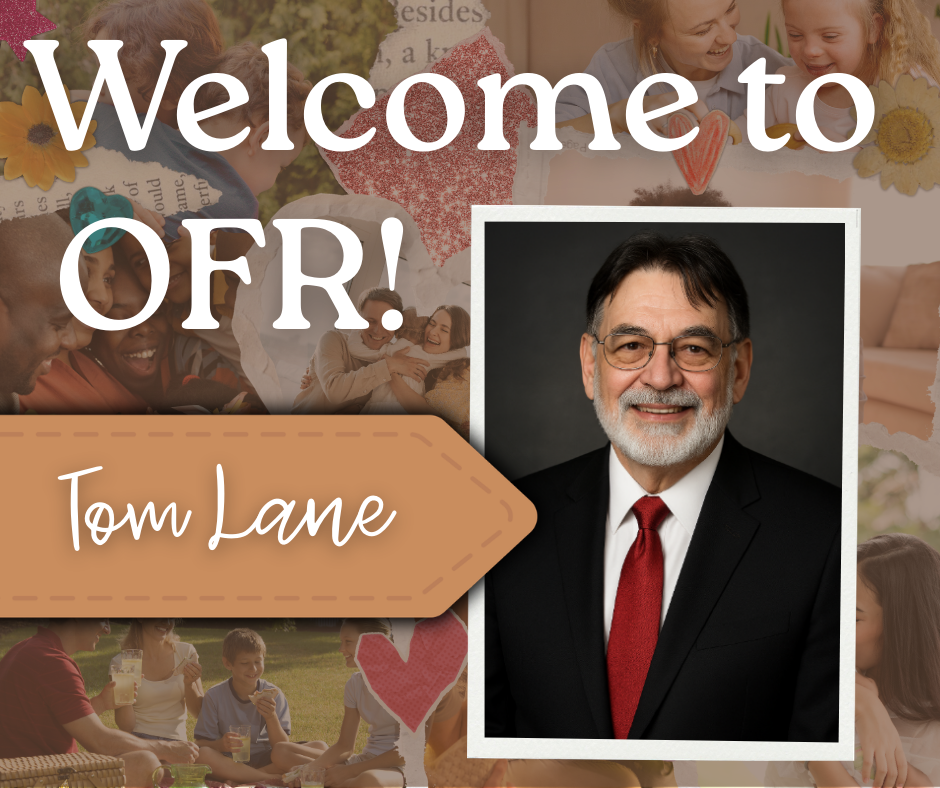
Tom Lane - Trial Attorney, Kay County
Tom C. Lane, Sr. is a veteran Oklahoma trial attorney and judicial officer with experience across Tribal, Federal, State, and Municipal courts. He currently serves as Municipal Judge for Newkirk, Oklahoma, Associate District Judge for the Ponca Nation Tribe of Oklahoma, and he represents children and families for the Office of Family Representation/ DHS. He is admitted to practice before the U.S. Supreme Court, U.S. Court of Military Appeals, Federal District Courts for the Northern and Eastern Districts of Oklahoma, and the Tenth Circuit Court of Appeals, and is a member of both the Osage Nation and Ponca Nation Tribal Courts.
Prior to working ten years for the State of Oklahoma as Assistant District Attorney (A.D.A.) for Kay and Noble Counties, he had a private practice in the Tulsa, Oklahoma area. As A.D.A. he led the Noble County satellite office, prosecuted major felony and misdemeanor cases, and co-founded the region’s first Multi-Disciplinary Teams (MDTs) for child protection and family treatment courts. His training and experience with children and families is extensive as evidenced in his national, state and local training in addition to being requested to speak nationally at the “Crimes Against Children” International Conference in Dallas, Texas.
Lane’s professional leadership includes serving as Past President of the Creek County Bar Association, co-chairing county MDTs, revitalizing American Legion Post #36, and founding the TC Lane Make a Difference Foundation. His service has been recognized with honors from the National Society Daughters of the American Revolution (DAR), including the National Defense Distinguished Citizen Medal and a Quilt of Valor for his U.S. Navy service. A graduate of Texas A&M University (B.B.A.) and the University of Tulsa College of Law (J.D.), Lane is widely regarded for his judicial temperament, integrity, and commitment to community-centered justice.
Tom and his wife, Nanette, currently reside in Ponca City, Oklahoma and the two of them enjoy traveling and spending time with their family. Tom also enjoys his time and service to the Masonic Lodge #83 Ponca City. His local service also includes time (forty years) as a leader and volunteer with Boy Scouts of America where his two sons and grand son earned their Eagle Rank.
| |
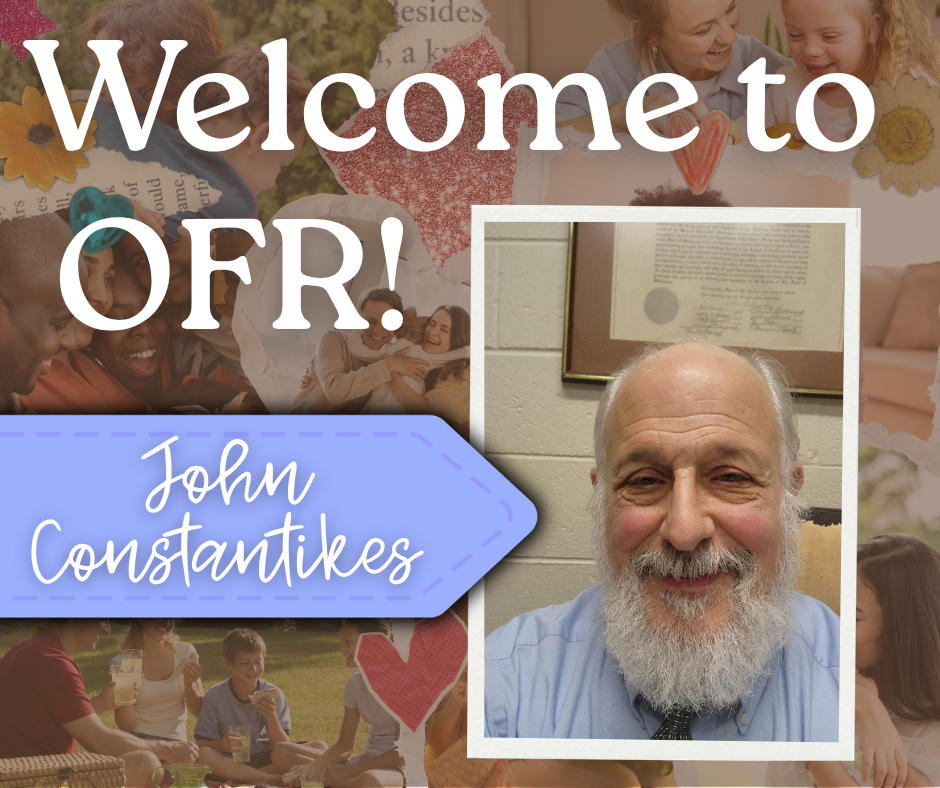
John Constantikes - Trial Attorney, Pittsburg County
John is a long-time OBA member. He was born and raised in Bartlesville, has lived and practiced in Norman and Oklahoma City, and currently practices in McAlester and surrounding areas. He is a trial lawyer whose practice has included criminal defense, appellate work, domestic relations, juvenile law, and personal injury. While in law school and thereafter he clerked for the Honorable William J. Holloway, Jr., in the United States Court of Appeals for the Tenth Circuit. He also clerked in the District Court of Oklahoma County, interned in the United States Attorney’s Office, and has served as a state prosecutor and as a municipal judge. His degrees include a B.A. in Letters and an M.A. in Philosophy from the University of Oklahoma, as well as a Juris Doctor from Oklahoma City University Law School.
| | |
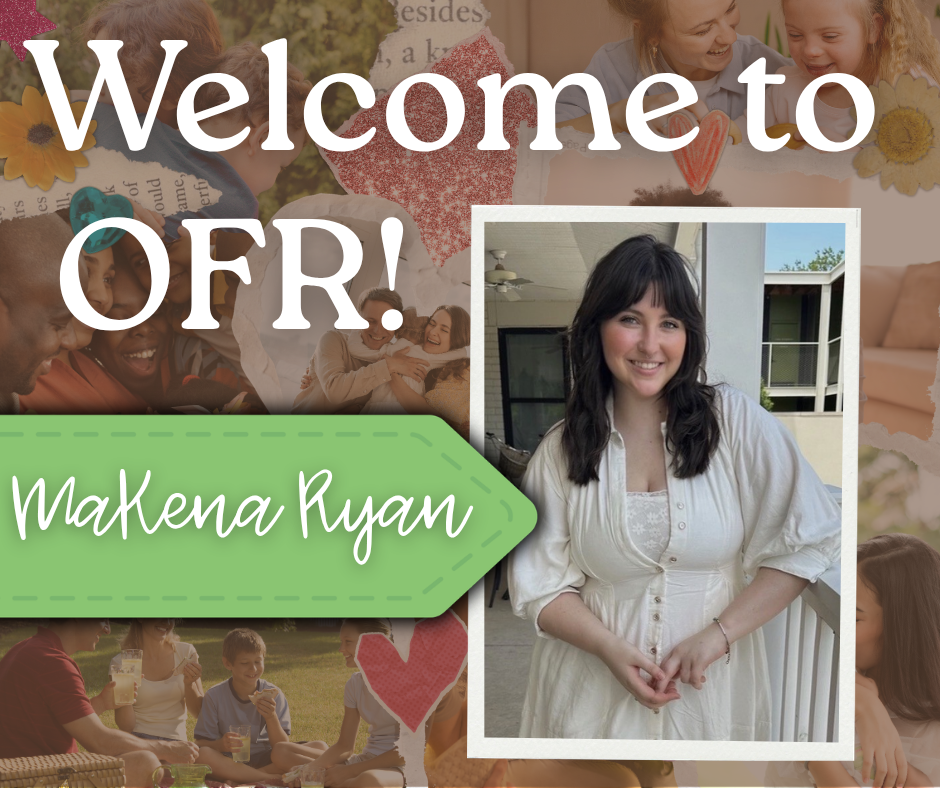
Makena Ryan - Social Worker, Region 1
My name is MaKena Ryan. I hold both a Master of Social Work (MSW) and a Bachelor of Social Work (BSW) from the University of Oklahoma. Through my internships and professional experience, I have had the opportunity to work with individuals and families across Oklahoma from diverse backgrounds, providing comprehensive and holistic social services.
I have experience supporting children, families, and adults, both in and out of the child welfare system, and I am deeply committed to empowering others with the tools and resources they need to create meaningful change and build hope for the future.
In my free time, I enjoy spending time with my dogs, being with my family, and connecting with friends.
| |
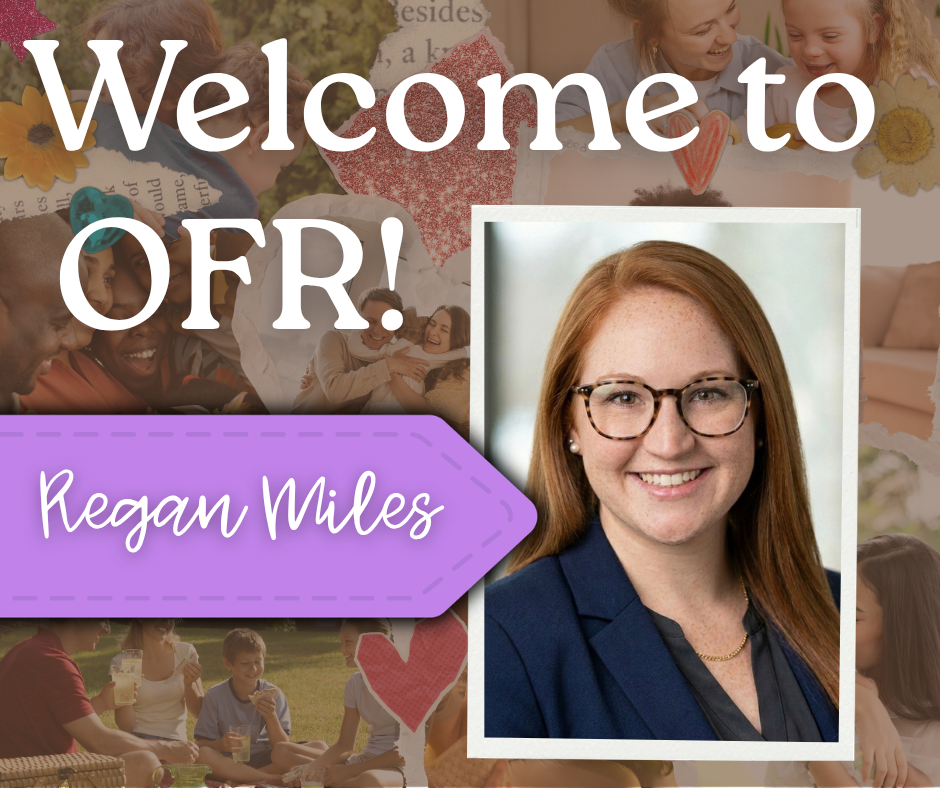
Regan Miles - Trial Attorney, Kay County
Regan Miles is a 4th generation attorney who was born and raised in Ponca City, Oklahoma. Regan stayed in Ponca City to raise her triplet boys, moving with the children briefly to Edmond, Oklahoma, to pursue her law degree at the Oklahoma City University School of Law.
Prior to law school, Regan was primarily a stay-at-home mother while also obtaining her undergraduate degree majoring in Criminal Justice and minoring in Sociology.
Regan’s professional portfolio includes family law, adoptions, guardianships, civil litigation, property, serving as a Guardian Ad Litem, and a passion for having a particular focus on juvenile deprived proceedings.
Outside of her professional life, Regan enjoys spending time with her foster child, her boys, and her parents. She is an avid reader, loves to travel, and believes a good sense of humor is essential to maintaining happiness.
| | |
NACC Events Calendar!
Foundations of Child Welfare Law & Practice - Live Online Training
Mondays, April 13 – June 8
Become an even better lawyer with NACC's signature training! Learn how to improve your practice for children, families, or the agency.
Foundations of Child Welfare Law and Practice provides a comprehensive overview of child welfare law and practice, and helps attorneys prepare for the Child Welfare Law Specialist certification exam.
This weekly, online training is based on the fourth edition of Child Welfare Law and Practice: Representing Children, Parents, and Agencies in Neglect, Abuse, and Dependency Cases.
NACC’s 49th National Child Welfare Law Conference will be in Portland, Oregon! Learn more and register!
Onsite in Portland
Wednesday, August 12 through Friday, August 14, 2026
Pre-conference Tuesday, August 11, 2026
Hilton Portland Downtown
Online in October
Wednesday, October 14 through Friday, October 16, 2026
From the comfort of your home or office!
Check out NACC’s Resource Center! Filter by topic area, resource type, and view NACC’s Information Hubs:
NACC Resource Center
Race Equity Hub
Student Hub
| |
Jayci Howerton, Region 1 Director of Social Work
ICWA’s “Gold Standard”
The Indian Child Welfare Act (ICWA) is often described as the “gold standard” of child welfare. That characterization is grounded in the statute’s heightened protections for Indian children and families, particularly its emphasis on preventing unnecessary removal, preserving family integrity, and maintaining Tribal connections.
This article outlines what the ICWA “gold standard” should require in practice and how OFR attorneys can support its implementation.
Early Identification and Inquiry
Timely and thorough inquiry into Native citizenship is essential. Delayed identification can result in invalid proceedings, disrupted placements, and vacated orders. Early inquiry ensures compliance with ICWA’s notice provisions and allows Tribes to exercise their rights from the outset. See 25 U.S.C. § 1912(a); 25 C.F.R. § 23.107. To avoid complications later in a case, Courts “must treat the child as an Indian child, unless and until it is determined on the record that the child does not meet the definition of an Indian child.” 25 C.F.R. § 23.107(b)(2).
Active Efforts
“Active efforts” are defined. Active efforts must be affirmative, active, thorough, and timely efforts intended to maintain or reunite an Indian child with their family. 25 C.F.R. § 23.2.
Critically, ICWA requires more than proof that efforts were offered. The State must prove that:
- Active efforts were made
- Those efforts were tailored to the family and geared toward barriers preventing children from remaining in the home
-
Those efforts were unsuccessful
This showing is required:
- Prior to removal, unless there is an emergency as defined under 25 U.S.C. § 1922, C.F.R. § 23.113
- Prior to foster care placement as defined by ICWA (clear and convincing evidence)
- Prior to termination of parental rights (clear and convincing evidence)
See 25 U.S.C. § 1912(d)
Active efforts are not satisfied by referrals or passive service plans. Courts should require specific, fact-based evidence addressing:
- What services were provided
- How services were culturally appropriate and tailored
- What barriers existed and how they were addressed
- Why those efforts ultimately failed
Without proof that active efforts were both made and failed, ICWA’s protections are not met.
Placement and Cultural Context
Placement decisions must reflect Tribal definitions of family and community. Extended kinship networks may include individuals who are not biologically related but hold significant familial roles. Failure to recognize these relationships can undermine ICWA’s placement preferences and the child’s cultural continuity.
OFR attorneys should recognize that:
- “Family” may include non-biological but culturally significant relationships
- Tribes often have many services that can help their members, sometimes members of other tribes, and some tribes offer services to non-members. Instead of using the default state providers, educate yourself about the cultural services available in your area that you can offer as alternatives to state-recommended services.
- Historical trauma and mistrust of systems may impact engagement
When available, culturally appropriate services are not optional. They are central to whether active efforts are meaningful.
Documentation and the Record
ICWA compliance must be clearly established in the record. This includes:
- Detailed testimony regarding active efforts and their failure
- Tribal input or position on efforts and placement. However, tribal position is not dispositive of the issue. Active efforts is a finding by the court and must consider all evidence and positions.
- Targeted advocacy by OFR attorneys to identify gaps in services or failures to address barriersTargeted advocacy by OFR attorneys to identify gaps in services or failures to address barriers
A well-developed record is essential not only for trial-level decision-making but also for appellate review.
Role of OFR Attorneys
OFR attorneys play a critical role in enforcing ICWA’s standards by:
- Holding the State to its burden of proof for active efforts
- Challenging efforts that are passive, generic, or untimely
-
Ensuring active efforts were made and failed before removal and placement
- Raising deficiencies in inquiry, notice, and placement
- Advocating for culturally appropriate services and placements
OFR social workers and mentors support this work by identifying culturally relevant resources and assisting families in navigating services.
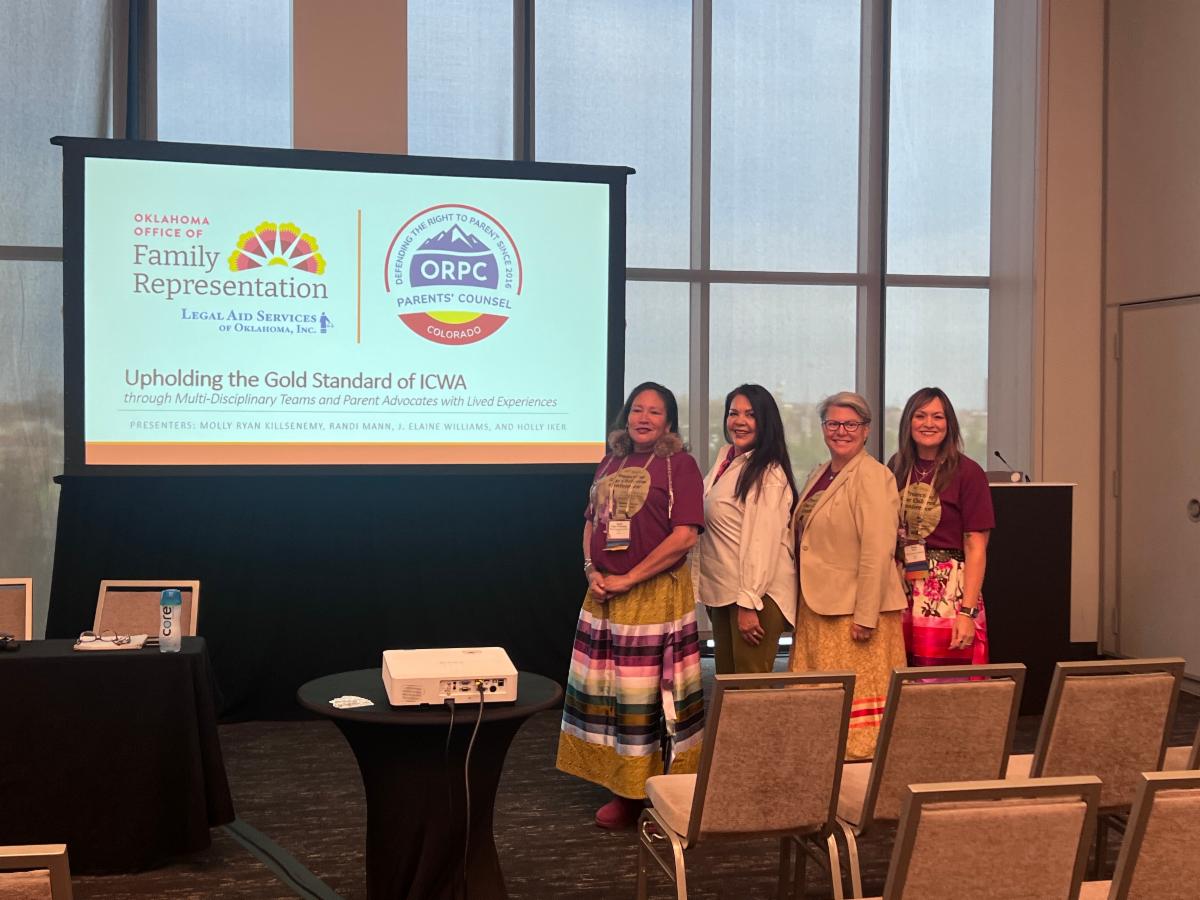
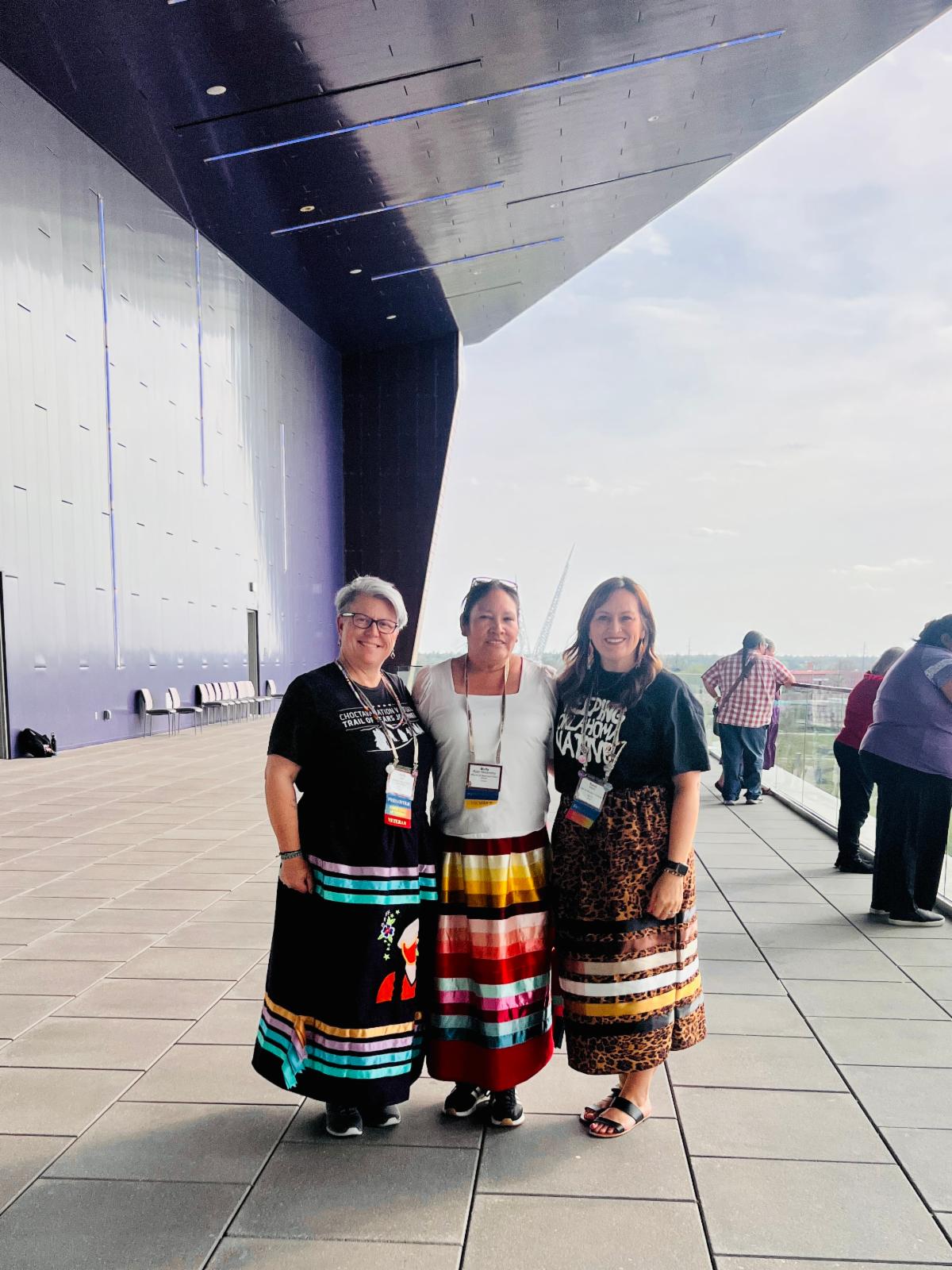
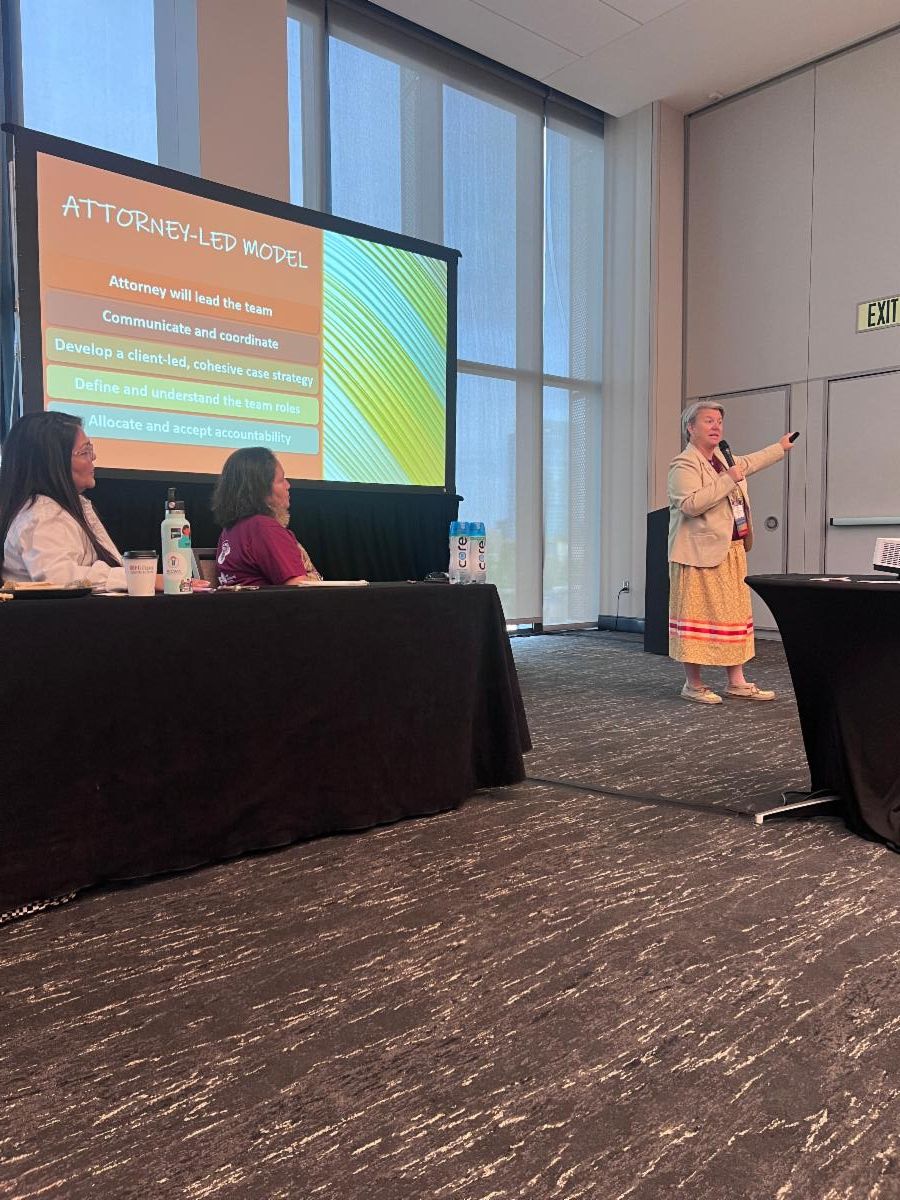
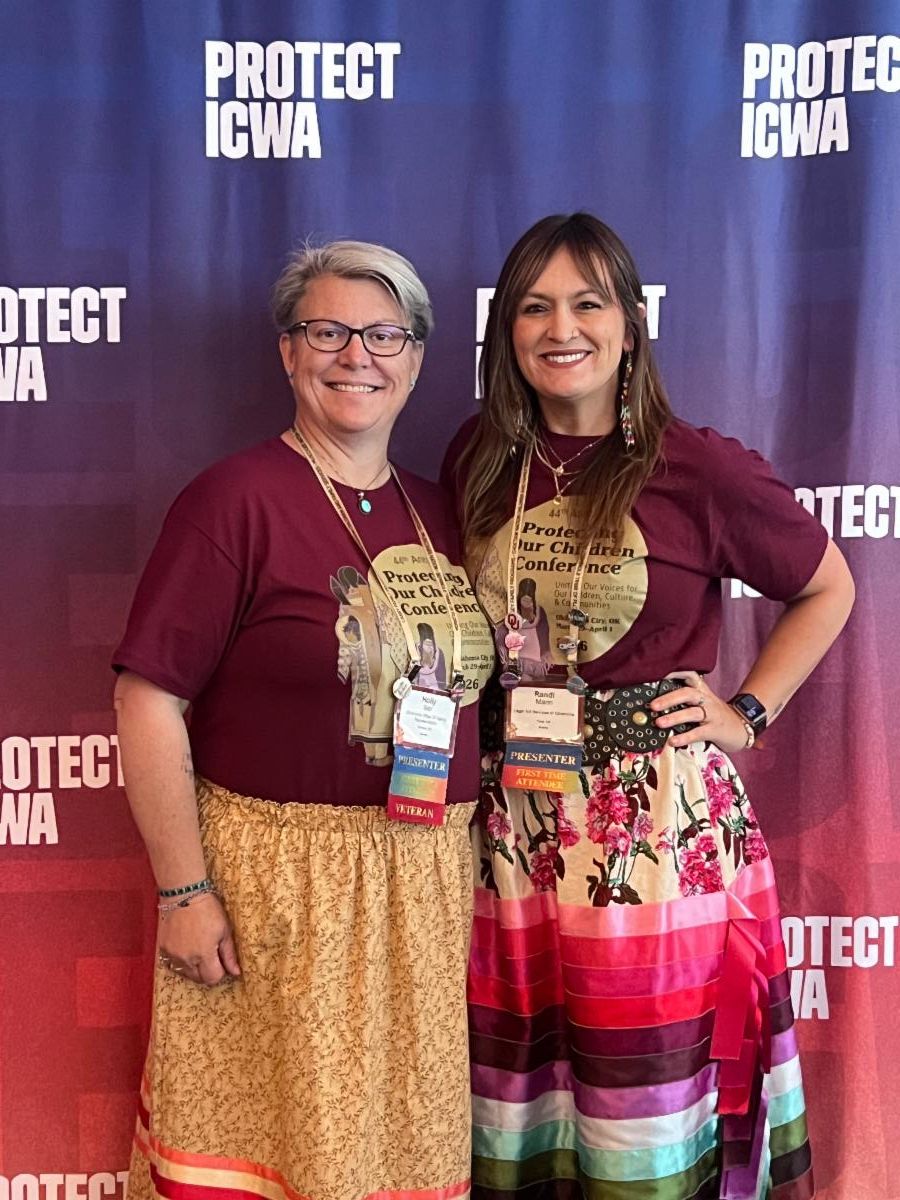
| | | Holly Iker and Randi Mann attended and presented at the National Indian Child Welfare Association Conference! Their presentation was titled Upholding the Gold Standard of ICWA. | |
| How did you like this email? | | | | | | |