- Native Plants for Stormwater Projects
- Stormwater Professionals Visit Hoffman Nursery
- Ways Growers Are Stepping Up to the Plate to Recruit Best Talent
- The Scoop on American Beach Grass
- A Small Ornamental Grass for the Garden
- Plant Spotlight: Feather Reed Grass
- Poll: Which is your fall favorite?
- A Beginner's Guide to the Naturalistic Garden
- Site Analysis for Naturalistic Planting Design
- Global Biodiversity Ranked: Which Country Has the Most Flora and Fauna?
- A Pep Talk for Land Stewards
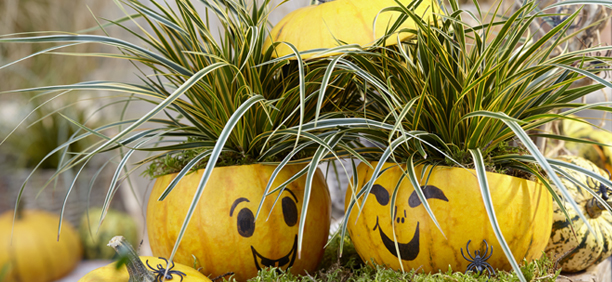
- Happy Halloween!
| |
|
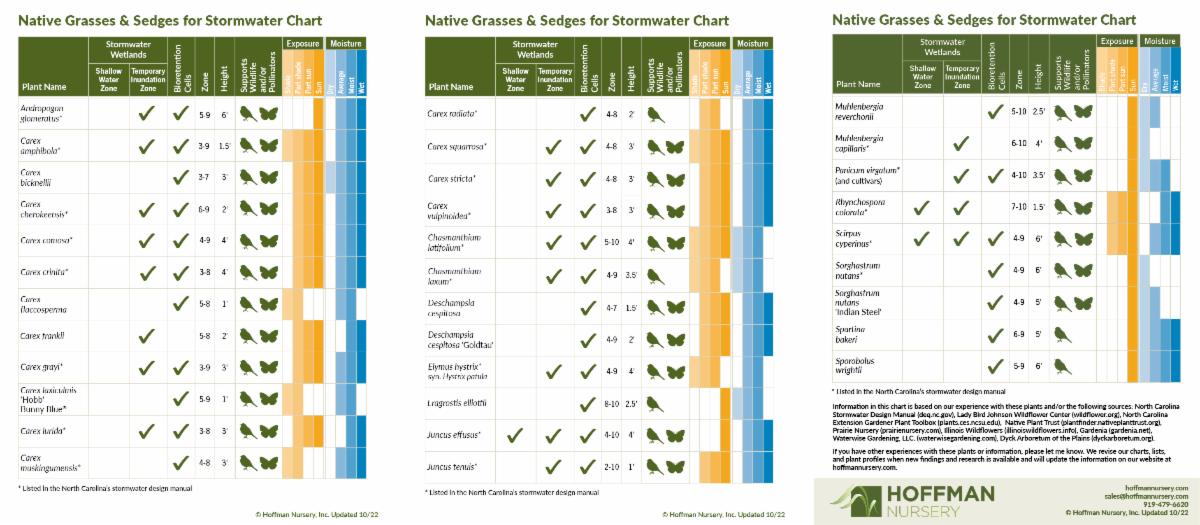
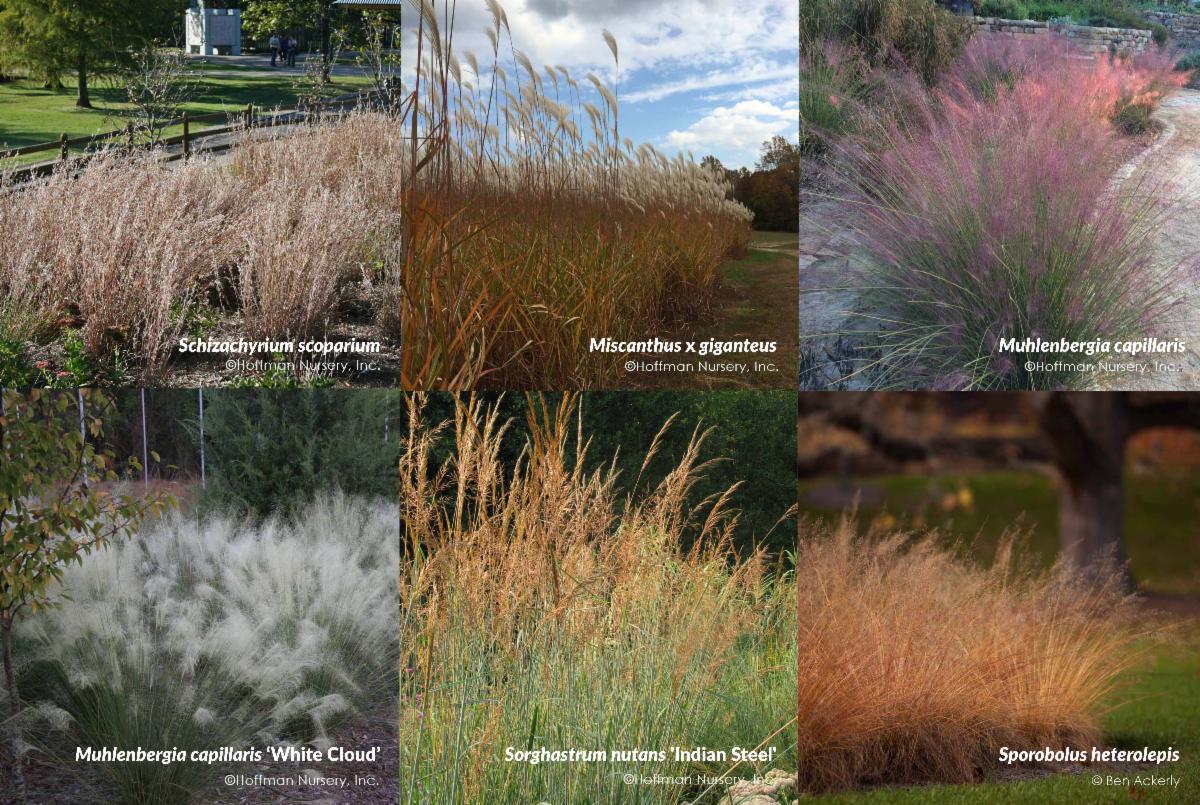
Stormwater control measures (SCM) are structures that treat and manage the water that runs off parking lots, roof tops, and other impermeable surfaces during and after a rain event. Green stormwater infrastructure measures like bioretention cells and stormwater wetlands use plants, soils, and natural systems to slow and collect runoff, filter out pollutants, and increase water infiltration.
Grasses and grass-like plants are ideal for these measures! Their bunching habit and extensive root systems boost their ecological value by slowing stormwater, reducing erosion, and sequestering carbon. We've taken these plants and put them into a chart to help you decide what plants work best for your projects.
| |
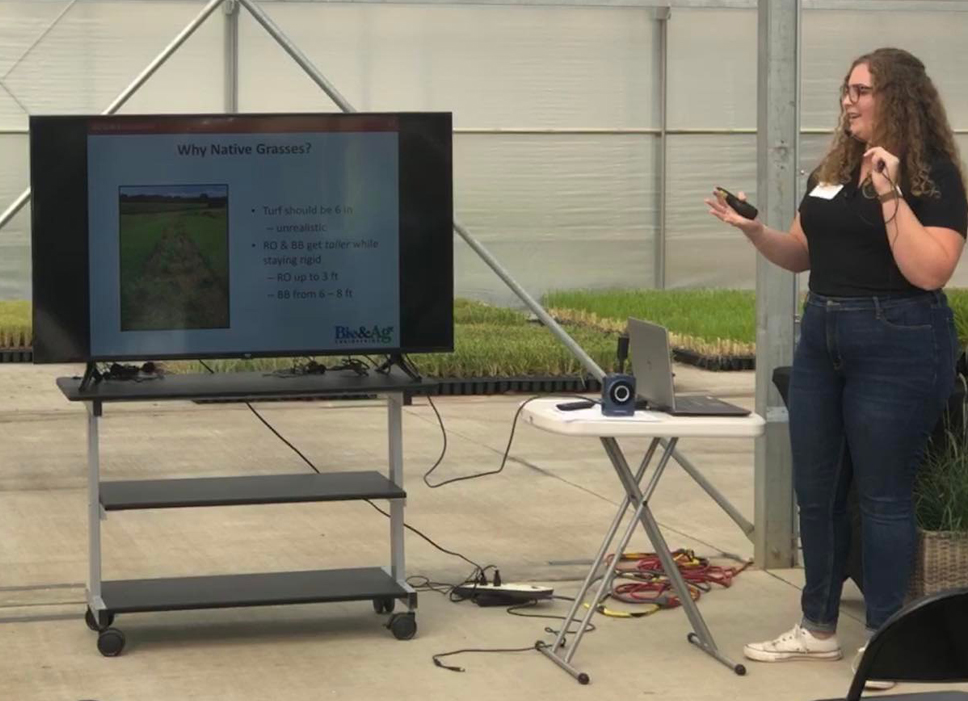
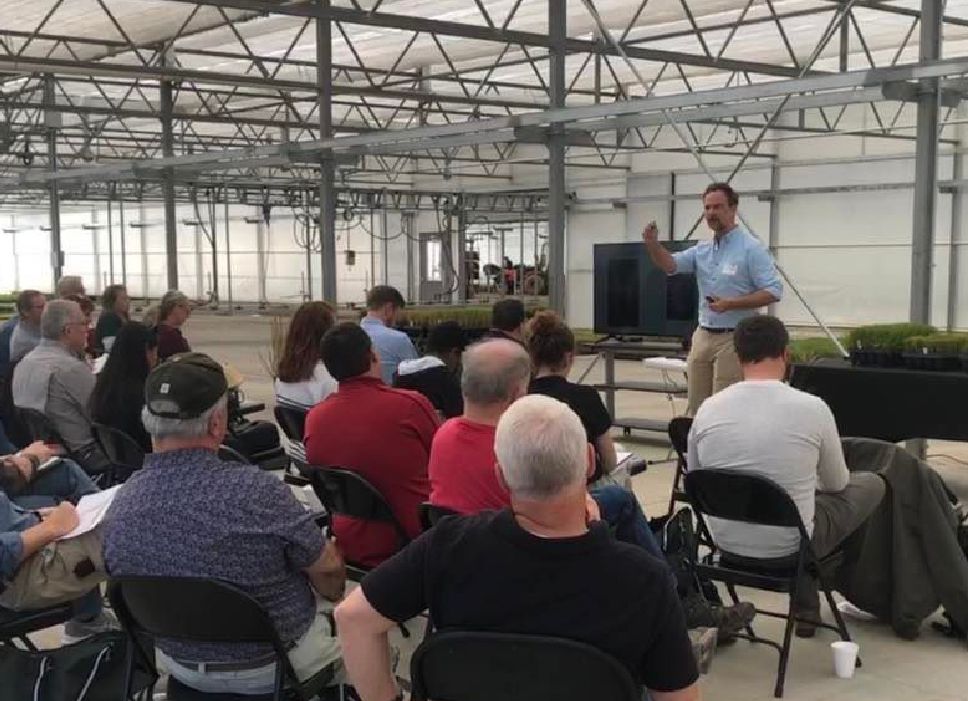
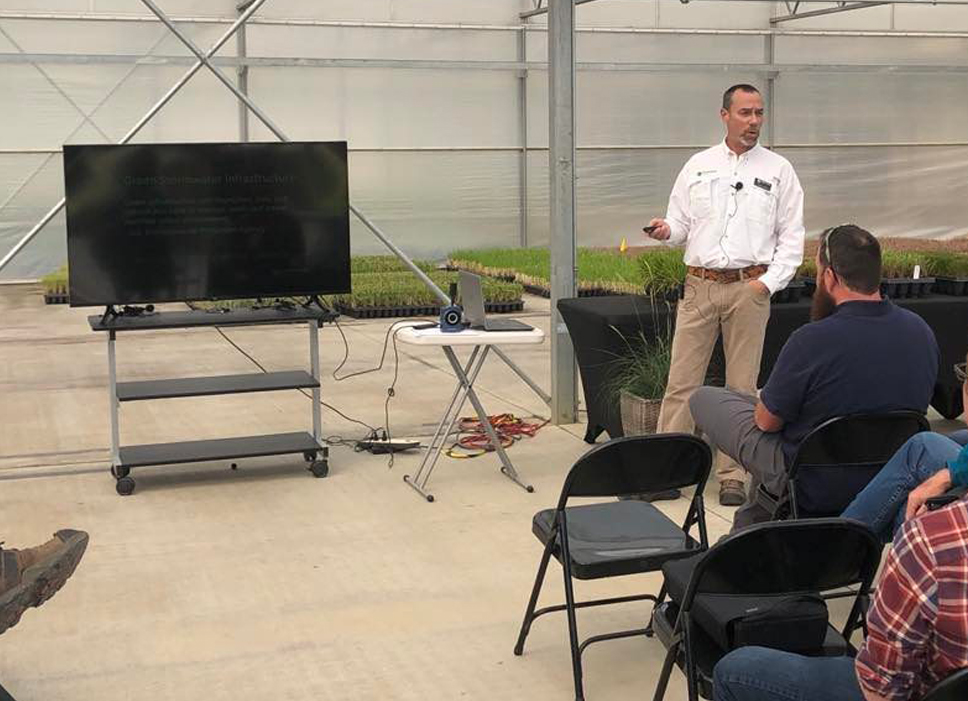
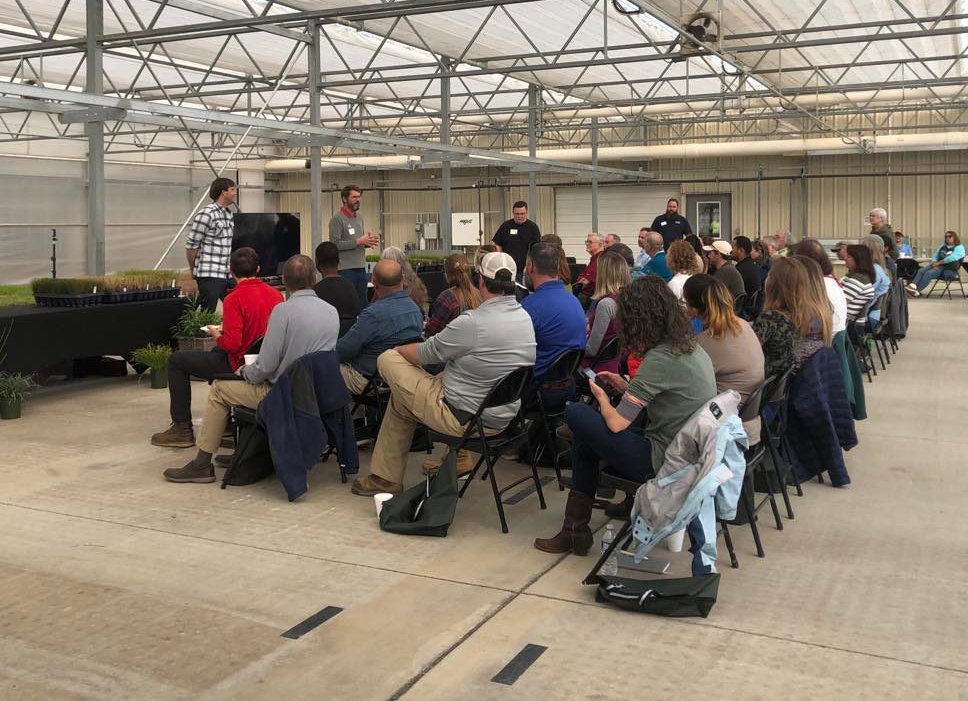
Stormwater Professionals Visit Hoffman Nursery | |
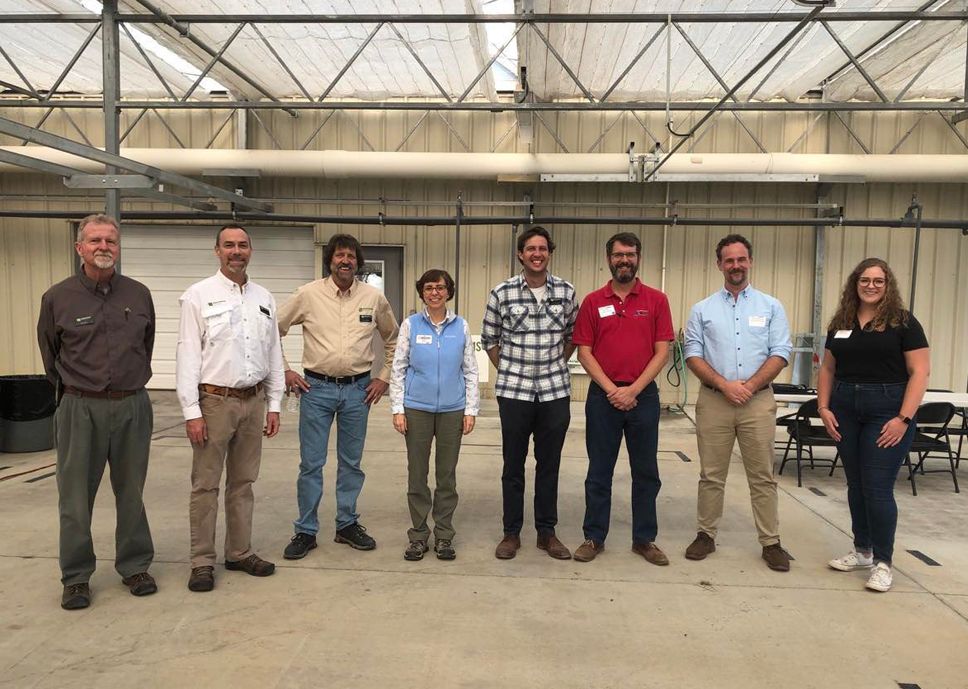
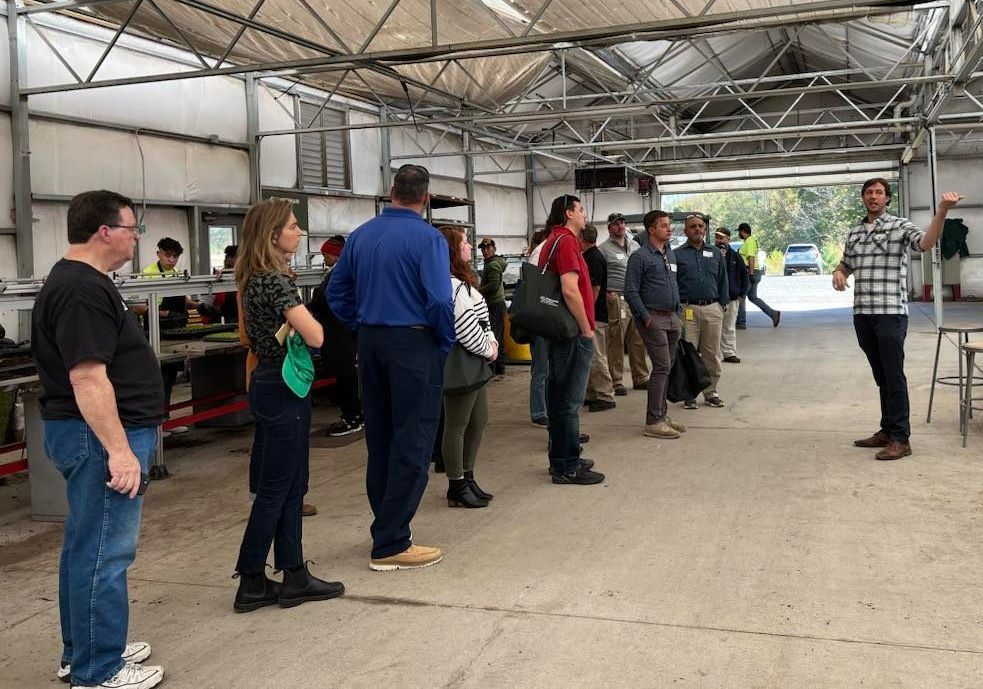
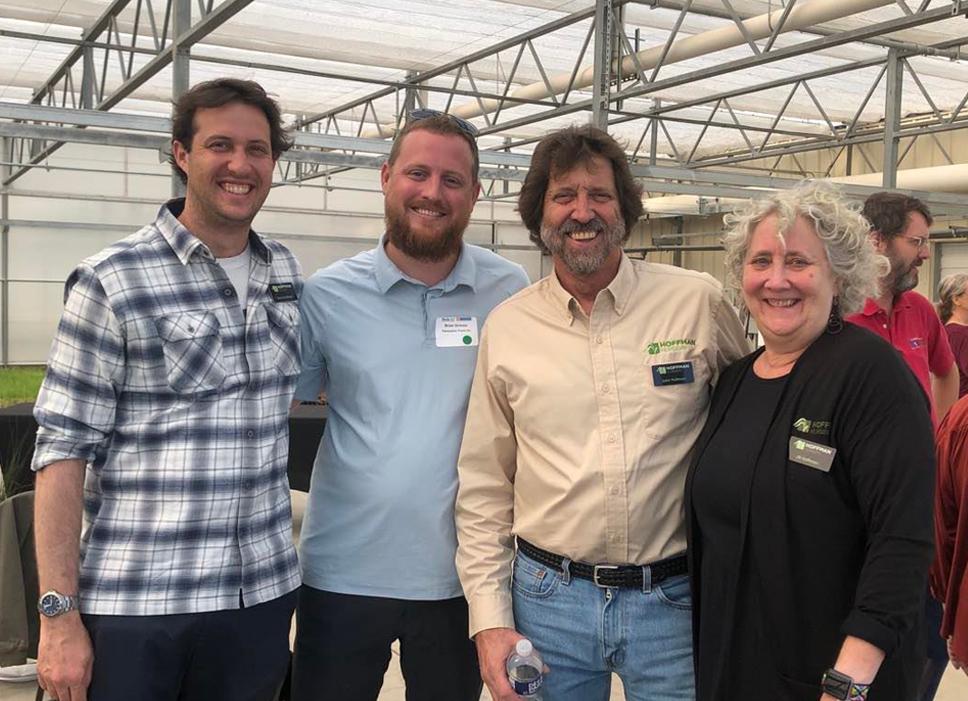
Last week Hoffman Nursery partnered with NC State's Department of Bio & Ag Engineering and NC Cooperative Extension to host over 80 Green Industry Professionals for a one-of-a-kind event. From growing to propagation, production to harvesting, participants got a behind-the-scenes look at how a wholesale nursery works. The event included presentations given by Hoffman Nursery’s Sales and Customer Service Manager Stephen Gillis and Landscape Architect and Educator Preston Montague on plant selection for stormwater projects. In addition, NC State Graduate Student Emily Leupp presented a talk on her swales research and Stacey Jones on NC Cooperative Extension. It was a terrific day filled with grasses, green infrastructure, and great conversation. Thank you to everyone who attended the event and to NC State's Department of Bio & Ag Engineering and NC Cooperative Extension for partnering with us. Check out photos from the event below. | |
A tight labor market and tiresome job duties at greenhouses across the country lead to stiff competition to recruit employees. In this excellent article by Greenhouse Grower, learn how growers are working hard to differentiate themselves and recruit the cream of the crop. In it, our Senior Director of HR and Legal, Martha Hamblin, discusses how Hoffman Nursery is attracting candidates through company culture and commitment to the community. | |
|
The Scoop on American Beach Grass | |
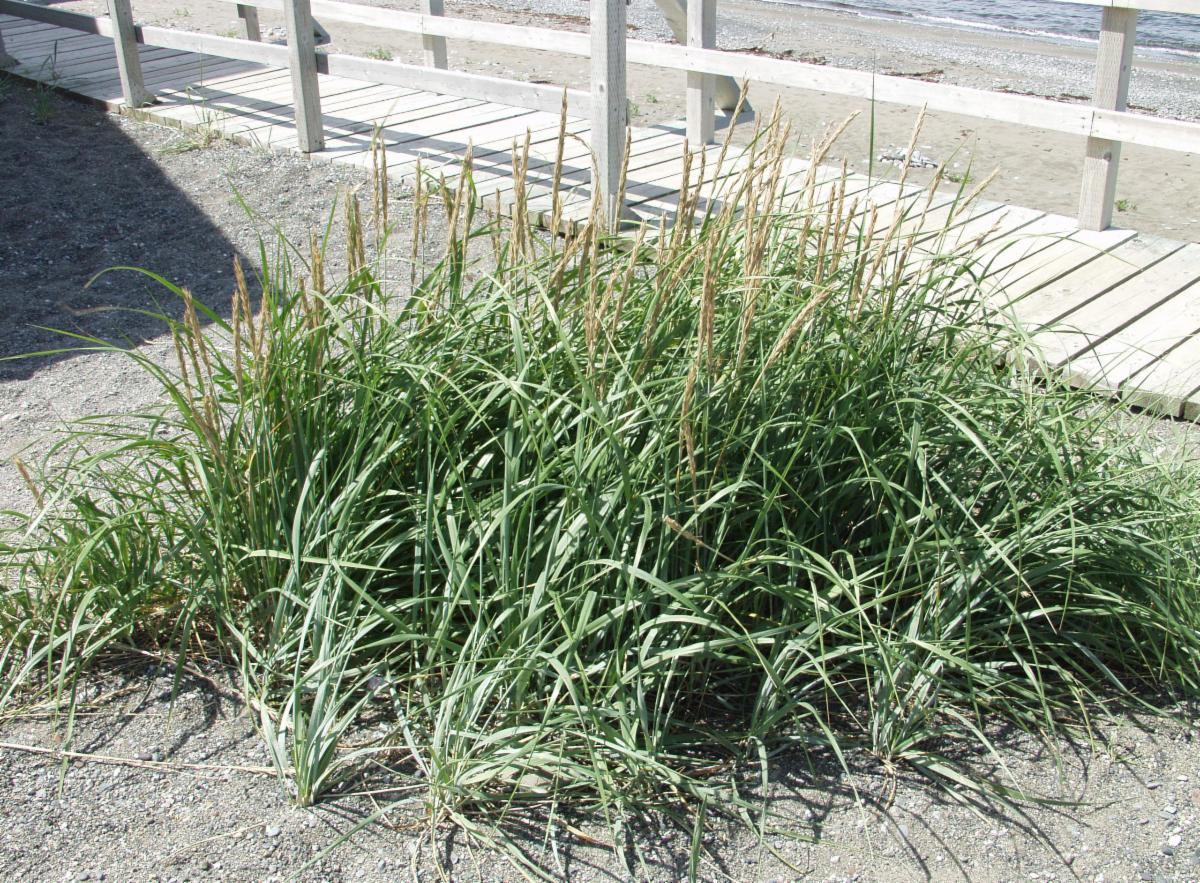
Considering recent weather events, we want to take some time to feature one of our crops that's ready to be planted in the landscape during the fall season, Ammophila breviligulata (American Beach Grass).
Check out this blog post written by Sami on our Sales Team as she gives us the scoop on American Beach Grass.
| | | |
|
A Small Ornamental Grass for the Garden
Horticulture Magazine
| Ruby grass (Melinus nerviglumus) ranks among the showiest of the small ornamental grasses. This tightly clumped grass looks dramatic in the landscape, whether it's planted singly, in masses or mixed with flowering perennials. It also works well as a container specimen. In 2022, Melinus nerviglumus was named Grass of the Year by the Nebraska-based GreatPlants program. | | |
|
|
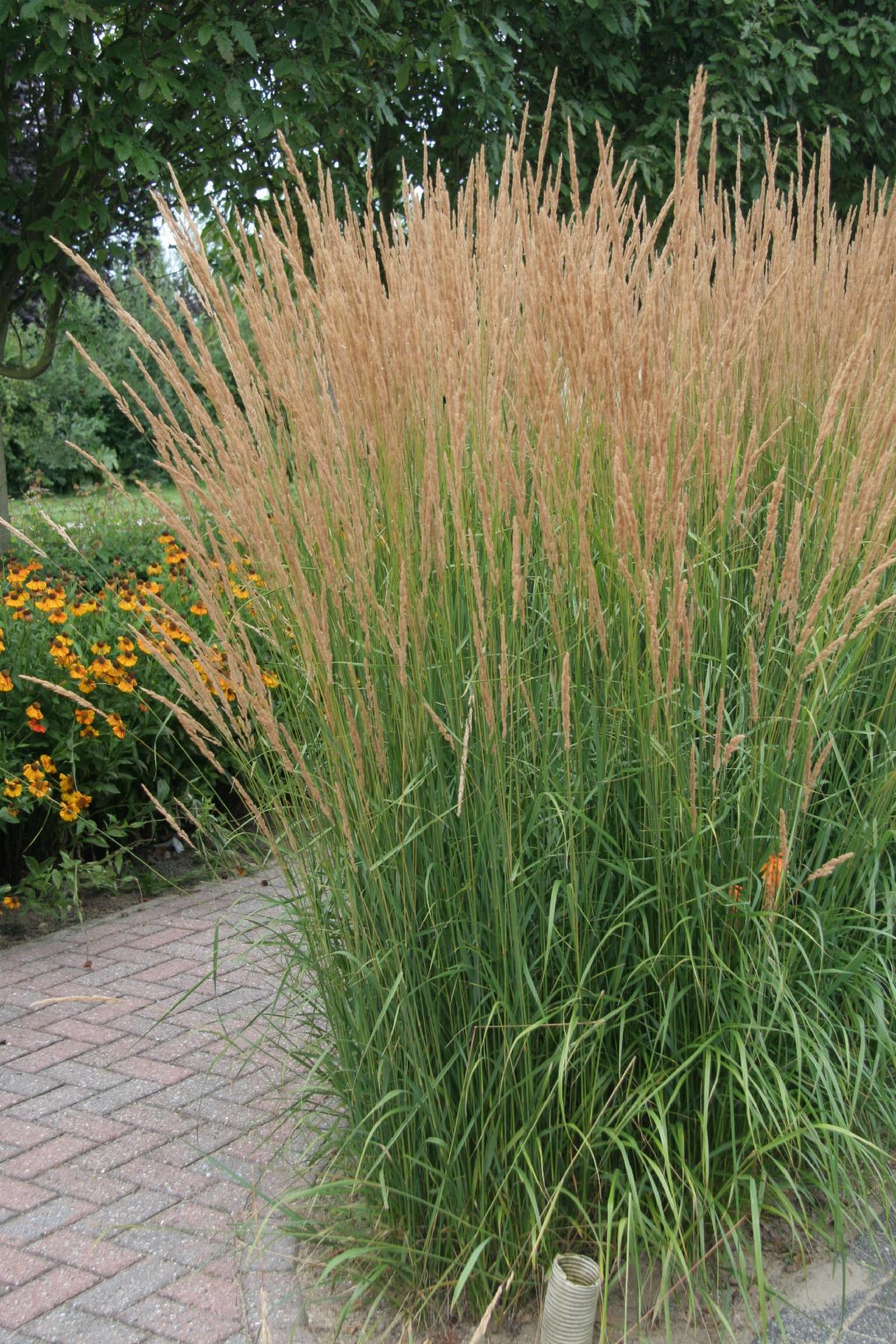
With a narrow, upright growth habit and long-lasting plumes, this best seller was the first ornamental grass to receive the Perennial Plant of the Year® Award (2001). It offers good looks and undemanding growing requirements. Green foliage grows in a neat, 2’ clump. In late spring, stalks rise to 6’ capped with elongated, showy seed heads. Tolerant of heavy clay and compacted soil. Not known to reseed; seeds believed to be sterile.
See our Plant Profile
| | |
Poll: Which Grass is your Fall Favorite? | |
With their dazzling color and captivating movement, ornamental grasses are the heart of any fall landscape. |
| Which is your Fall Favorite? | | | |
Naturalistic Landscape Design | |
|
A Beginner's Guide to the Naturalistic Garden
Wall Street Journal
| Landscape design continues to grow less formal-more prairie than pruned, more meadow than managed. Adhering to the practice of "right plant, right place," even to the point of choosing only native flora, promises to better support birds and bees, and to require fewer resources, including water and the sweat of your brow. | | | |
|
Site Analysis for Naturalistic Planting Design
Land8
| When you’re planning to use plants as your primary design medium, you will need to pay attention to the aspects of a site that affect their thriving and survival. Small-scale differences in topography and aspect can have a significant influence on what species thrive. If you’re planning to use a lot of herbaceous plants, you need to observe at an especially detailed scale – on a meter by meter (even foot by foot) basis. Identifying where those differences occur and how they interact will be essential to creating a successful design. | | | |
|
Global Biodiversity Ranked: Which Country Has the Most Flora and Fauna?
Greenroofs.com
| A recent study outlines the world's most and least biodiverse countries. To come to this determination, researchers compiled available data on each country's mammals, amphibians, fish, reptiles, amphibians, and plant species to create a comprehensive index comparing the world's most biodiverse countries. | | |
|
|
A Pep Talk for Land Stewards
The Prairie Ecologist
| |
Land stewardship is hard. We face what seems like a continually increasing number of challenges to our attempts to facilitate biological diversity. Encroachment by invasive species is a constant threat – except that it isn’t constant because we get new ones thrown at us all the time. Habitat fragmentation, climate change, eutrophication, and other broad changes to the world we work within all make our work harder. Maybe worst of all, our friends, family, and sometimes even supervisors, don’t really understand what we do or why we do it. After all, shouldn’t we be leaving nature alone to ‘take its course’?
| | | | |
|
|
We hope you have a
Happy Halloween!
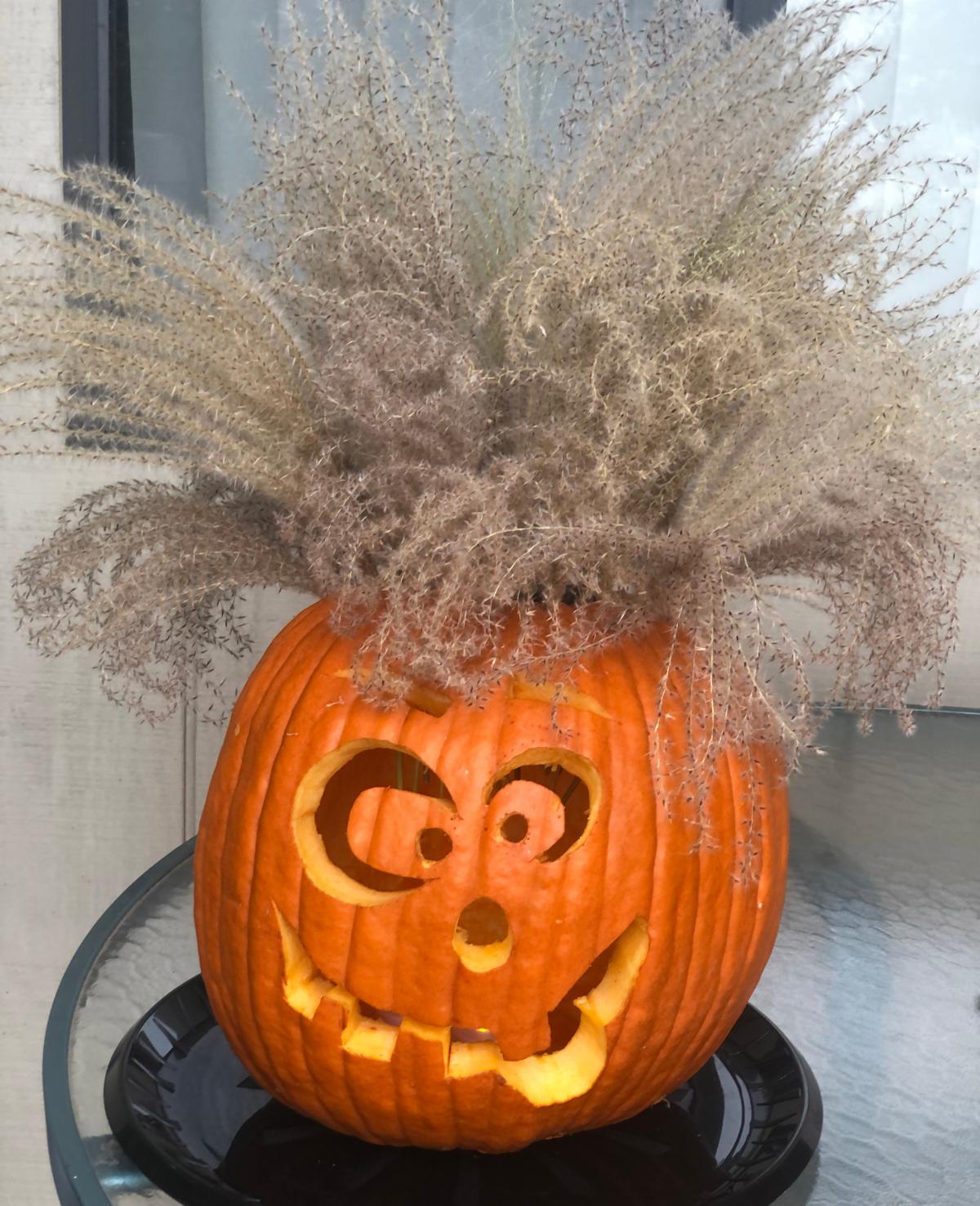
Be on the lookout for some spooky grass content on October 31st in our availability email and on social media!
Sign up for our Availability Email
Follow us on Social Media:
| |
|
Download Availability & Order Form
Prices for liners, number of liners currently in stock, and future availability are listed in PDF and Excel files. You may also use these as order forms. Need details on what the numbers mean? Learn more here.
| |
Join us for the best in grass-related content. | | | | | |