| |
|
News & Updates
June 2026 Edition, Issue 102
| | Welcome to another edition of the CARTA monthly updates. Read on to keep abreast with what is new. |
|
|
◘ Program News
◘ Partner News
◘ Fellows News
◘ Publications
◘ Opportunities
◘ Resources
| *Click on 'view entire email' should all content not be displayed in a single email* | | | | Launch of the Capacity Building and Scientific Impact Tracking System for Africa | | |
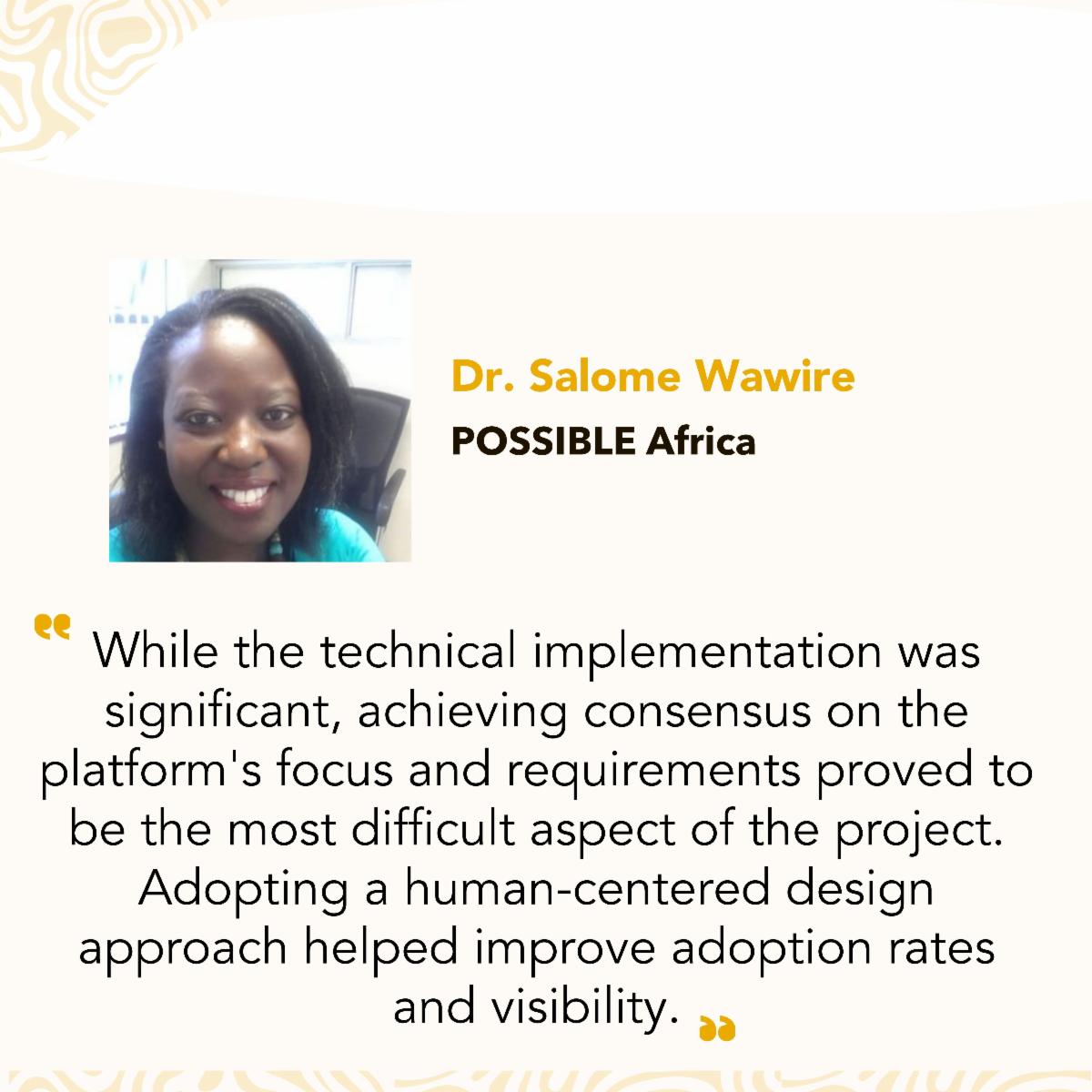
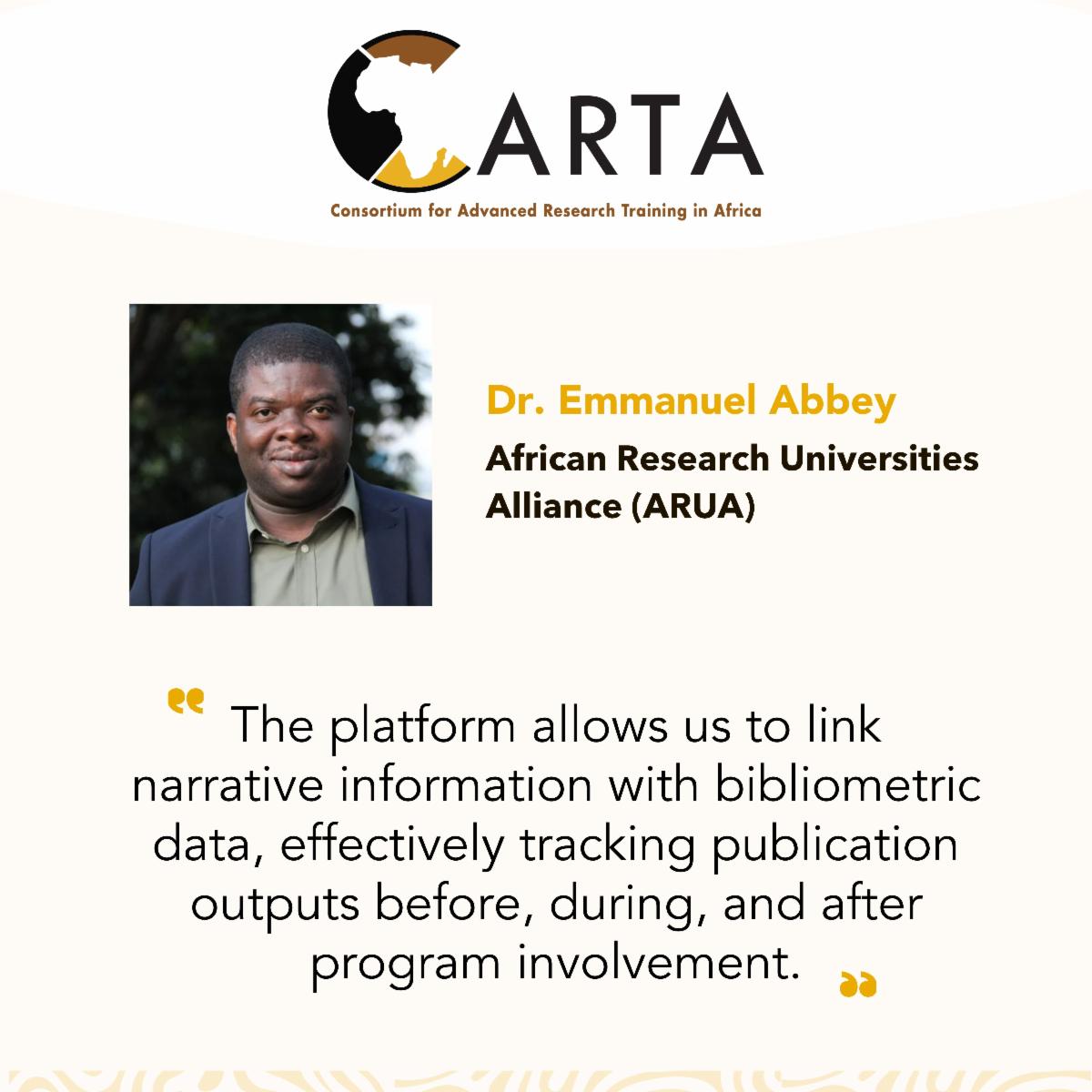
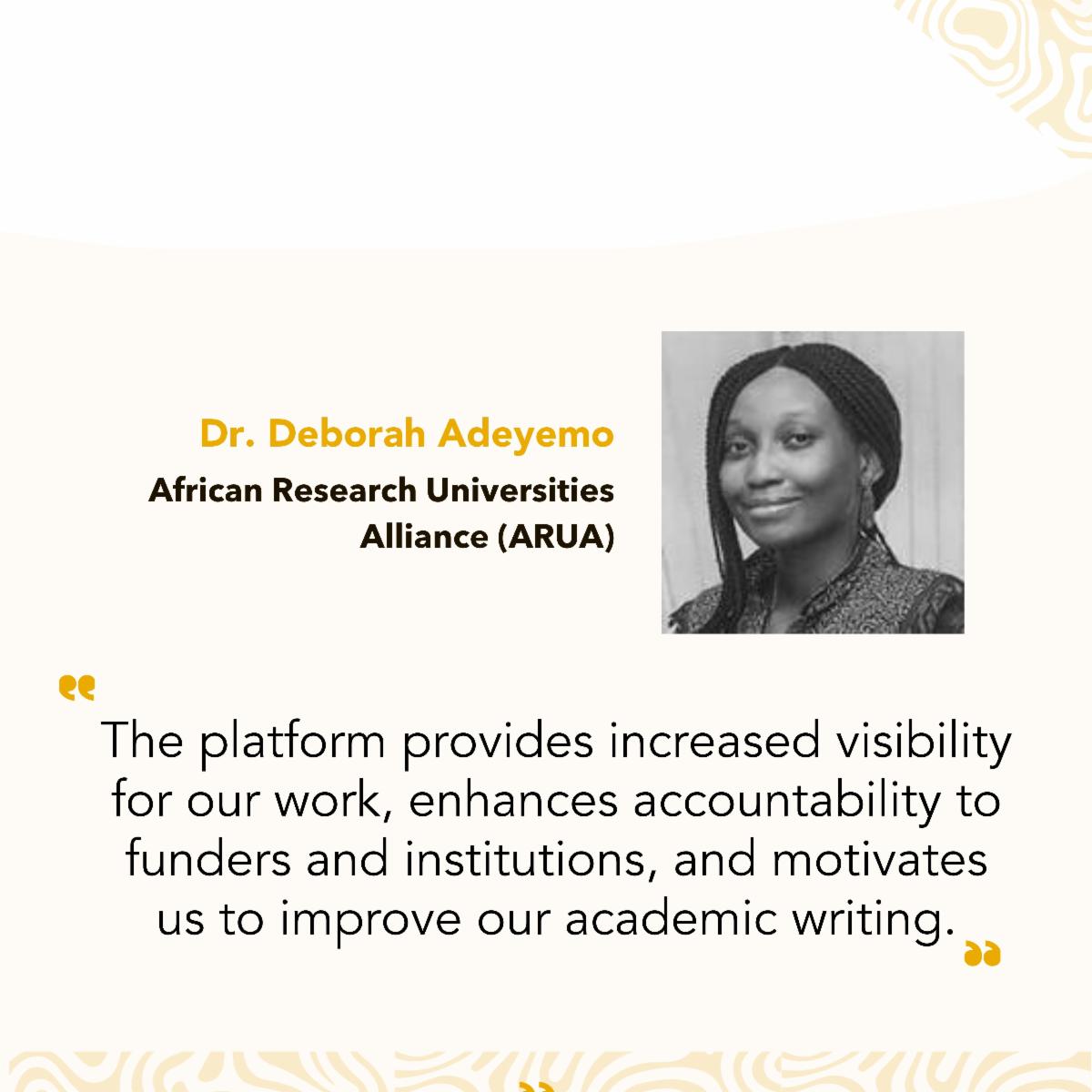
The Capacity Building and Scientific Impact Tracking System for Africa (CB-SITS Africa) was officially launched on June 10, 2026, during a webinar convened by CARTA. The webinar featured speakers from the University of Witwatersrand (Wits), the African Institute for Mathematical Sciences (AIMS) Rwanda, BANGA at the University of Ghana, the African Research Universities Alliance (ARUA), and POSSIBLE Africa at the Science for Africa Foundation, who shared their experiences and perspectives as partners in the initiative.
| | |
CB-SITS Africa aims to transform how research capacity and scientific impact are tracked and evaluated across the continent through a robust, data-driven system, enabling institutions, researchers, and policymakers to assess progress, optimize funding allocation, and maximize research impact on society. The system, which automates tracking, moves beyond manual data processes, centralizes program metrics to enhance research visibility and strategic reporting, and utilizes automated data aggregation and natural language processing to generate impact summaries. It provides detailed tracking of publication trends, grant success rates, and alignment with the UN’s Sustainable Development Goals.
| |
CARTA at the PERKA II Close Out Meeting | |
CARTA Co-Director Sharon Fonn and Program Manager Marta Vicente-Crespo attended the Peer-Learning for Emerging Researchers' Knowledge and Advancement (PERKA) II close-out meeting in Cape Town, South Africa, on June 23, 2026. Themed “From PhD to Impact”, the meeting marked the culmination of a multi-year study examining PERKA II, BANGA, and CARTA as case studies of initiatives that strengthen post-PhD support and foster early-career research leadership in Africa.
The meeting brought together key stakeholders, including postdoctoral fellows and representatives from research institutions and funding agencies, to engage with the findings and share insights on the impact of post-PhD support. The findings underscored the impact of CARTA's post-PhD support in enabling fellows to advance their careers while generating research that creates meaningful benefits for institutions, communities, and society.
During the meeting, Sharon and Marta emphasized that while investing in individual early- and mid-career researchers (EMCRs) is essential, lasting impact requires strengthening the institutional environments in which they work. They presented CARTA's institutionalization model as a key intervention to drive change in African universities and create enabling ecosystems for researchers to thrive.
Participants called for the establishment of communities of practice that bring together the broader ecosystem supporting EMCRs—including university leaders, research managers, funders, and policymakers—to facilitate peer learning, share good practices, and accelerate institutional transformation.
| |
|
CARTA is committed to sharing its experiences and insights. Over the past few years, we have published several papers documenting key outcomes and lessons learned from our work. We look forward to producing more knowledge products as resources allow.
To explore our publications, visit our article list on Semantic Scholar
| | | | Carnegie Corporation of New York Rebrands as the Andrew Carnegie Foundation | | We would like to inform the network that the Carnegie Corporation of New York, one of CARTA’s funding partners, has changed its name and will now operate as the Andrew Carnegie Foundation, effective June 9, 2026, following its 115th anniversary. The foundation notes that this change will not affect existing grants or disbursement of funds but will be accompanied by updated branding, including a new name, logo, and website. Going forward, grantees are requested to refer to the institution as “the Andrew Carnegie Foundation, formerly Carnegie Corporation of New York” on first reference (and “Carnegie” or “the foundation” thereafter through 2026), and to adopt the new name fully from 2027 onward. To support grantees with this transition, a grantee guide is available. More details | Makerere Set to Develop Curriculum to Transform Graduate Supervision and Mentorship | |
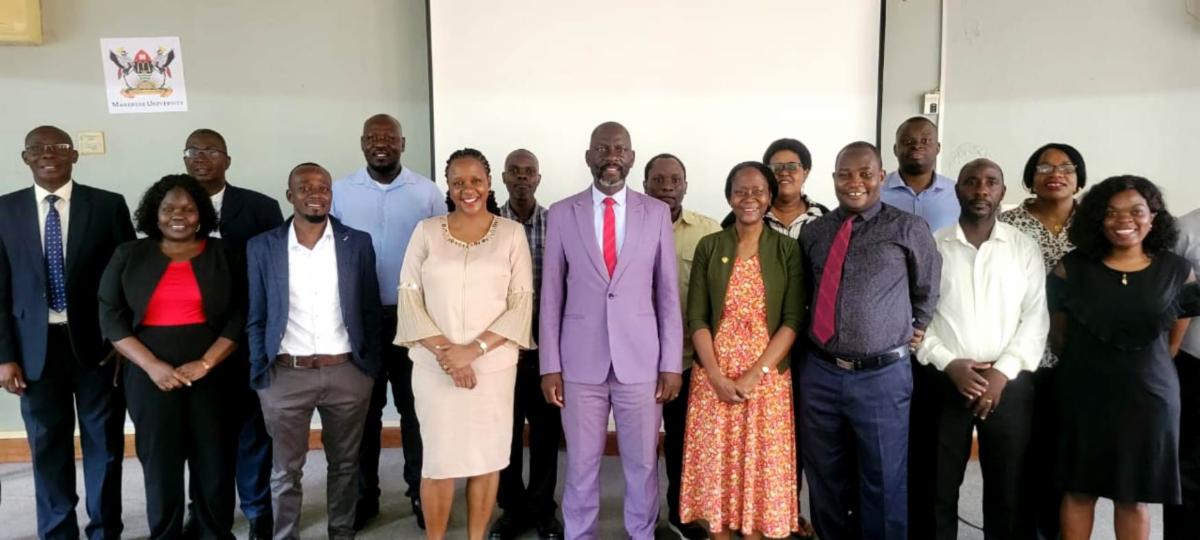
Makerere University is developing a specialized curriculum on graduate supervision and mentorship to strengthen the quality of postgraduate education. Drawing on CARTA's digitized curricula, the program will equip academic staff with practical skills in research supervision, mentorship, teaching, and higher education management. The curriculum is being developed through a consultative process involving academic staff, curriculum experts, and other higher education stakeholders to ensure it responds to institutional needs and emerging best practices. Once implemented, it is expected to enhance postgraduate training, improve the quality of research supervision, and strengthen research excellence at the university.
The initiative builds on CARTA's investment in strengthening doctoral education through the digitization and adaptation of its four core interventions: PhD Training, Graduate Supervision, Institutional Support, and Graduate Grant Writing. Together, these resources support universities to strengthen institutional capacity, improve doctoral training, and build research ecosystems that produce graduates equipped to address national and global development challenges. Read more
| CARTA Research Hub Strengthens Capacity for Adolescent Research | |
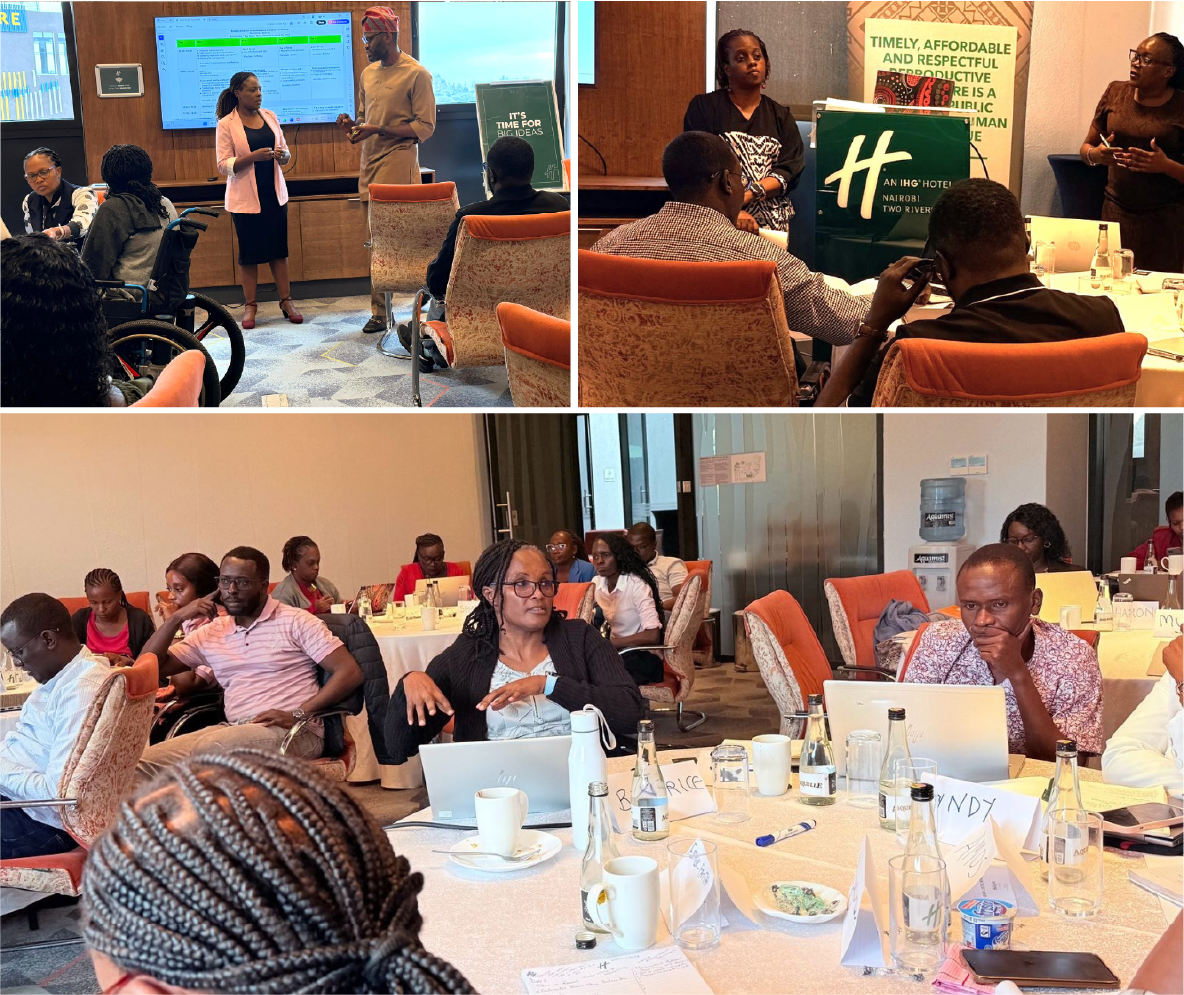
The CARTA Social Exclusion Research Hub, housed at the African Population and Health Research Center (APHRC), convened a four-day training on social exclusion in adolescent research, from June 22 to 25 in Nairobi, Kenya.
The workshop convened early-career public health researchers and policy practitioners to strengthen their capacity to design, conduct, analyze, and translate high-quality research on adolescent social exclusion.
Participants gained knowledge and skills in key areas, including adolescent social exclusion, ethical research design, qualitative and quantitative methods, equity and intersectionality, policy engagement, knowledge translation, and research leadership. Sessions also encouraged critical reflection on how research can better address the needs and experiences of marginalized adolescents, including pregnant and parenting adolescents, adolescents with disabilities, and those living in low-resource settings. In addition to enhancing technical skills, the workshop facilitated peer learning, mentorship, and collaboration among participants, creating a network to support future research and knowledge exchange.
| | |
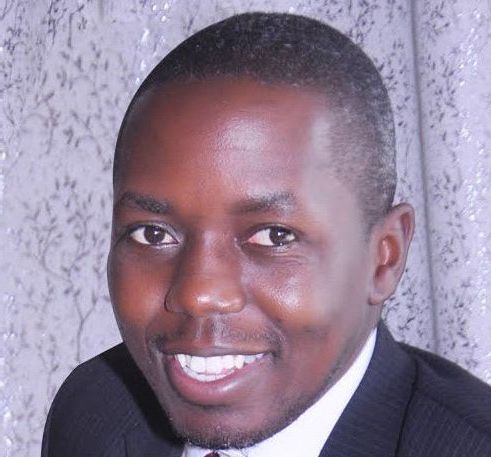
Eniola Cadmus, cohort 7, University of Ibadan, was promoted to the rank of Reader in the Department of Community Medicine, College of Medicine, effective May 25, 2026.
| Early Career Researchers in Action | |
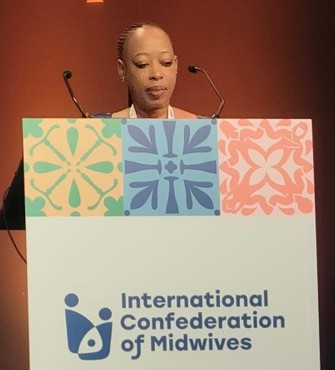
Alice Muhayimana, cohort 10, University of Rwanda, presented her PhD findings “Women’s Experiences, Current Practices, and Sustainable Strategies to Improve Respectful Maternity Care in Rwanda: An Appreciative Inquiry Approach” at the International Confederation of Midwives (ICM) congress. Taking place on June 14-18, 2026, in Lisbon, Portugal, the ICM Congress gathered midwives and stakeholders from all over the world to share current practices, progress, and research findings around midwifery.
| |
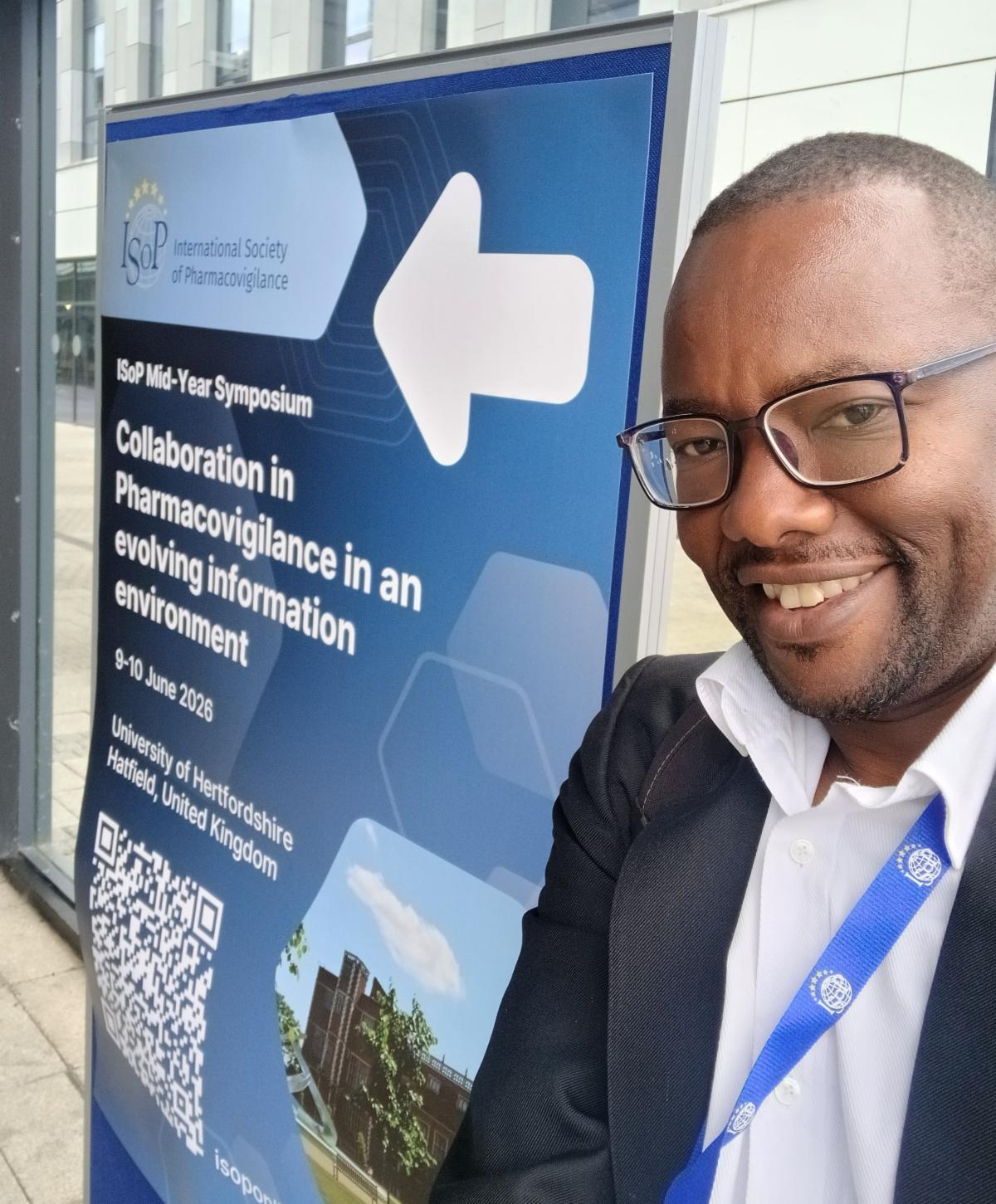
Henry Zakumumpa, cohort 4, Makerere University, delivered an oral presentation on “Improving data quality in reporting adverse drug reactions” at the International Society of Pharmacovigilance Conference that was held on June 9 - 10, 2026, in Hatfield, United Kingdom. The abstract was derived from a concluded pharmacovigilance research grant supported by CARTA and the Uppsala Monitoring Center, Sweden.
| |
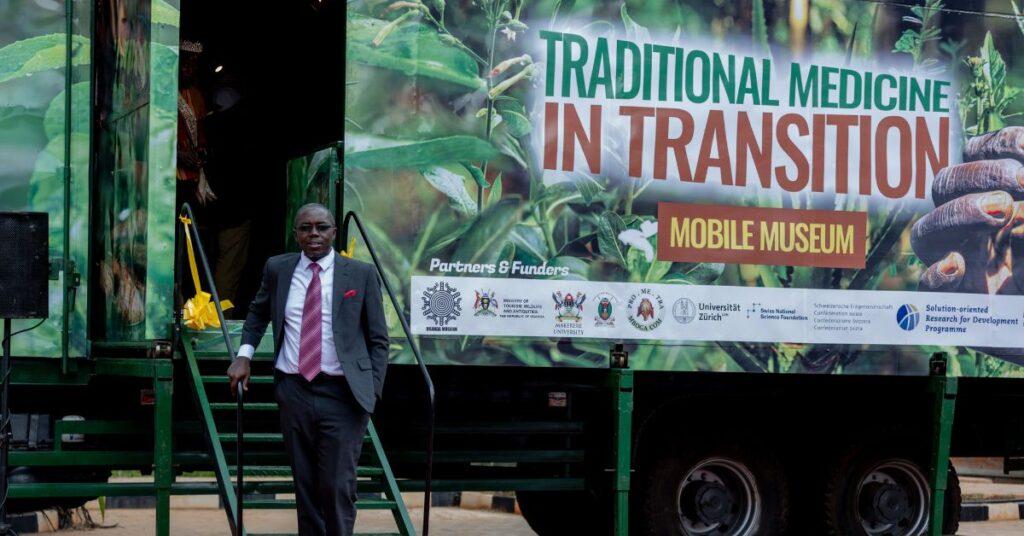
Godwin Anywar, cohort 6, Makerere University, served as a panelist in a session on "Indigenous Knowledge as Science Diplomacy: Co-Creating Sustainable Futures in Africa at the Sustainability Research and Innovation 2026 Africa Regional Conference, held in Cape Town, South Africa, on June 22 - 26. He also attended the 65th Annual Meeting and Conference of the Society of Ethnobiology, held from May 29 to June 4, 2026, at Université de Montpellier in Montpellier, France, where he presented two research papers.
Additionally, Godwin was invited to deliver a series of presentations on the responsible use of artificial intelligence in scholarly writing. On June 25, he facilitated two sessions at the Makerere University College of Humanities and Social Sciences, training second-year PhD students and academic staff on the ethics and responsible application of AI in academic writing and research. On June 29, he delivered an online seminar for the Association of Ugandan German Scholars (AUGA) on "Scholarly Writing in the Age of AI: Opportunities, Risks and Responsible Practice," equipping researchers with practical guidance on leveraging AI ethically to enhance research quality while maintaining academic integrity.
| |
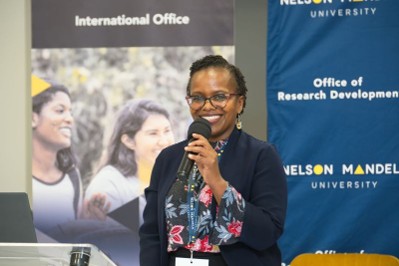
Christine Mbindyo, cohort 8, University of Nairobi, participated in the 2026 Australia–Africa Universities Network (AAUN) Conference, held at Nelson Mandela University, Gqeberha, South Africa, from June 8–11, 2026. During the conference, she coordinated a session on "Circular Innovations in Water, Energy and Health Systems,” in her role as Program Director for the AAUN’s Emerging Career Researchers (ECR) Program. The session brought together researchers from Africa and Australia to showcase innovative research addressing sustainability challenges through circular economy approaches while fostering interdisciplinary collaboration, knowledge exchange, and new research partnerships.
Christine’s engagement with the AAUN began during the PERKA II Stakeholder Workshop at the University of Pretoria in February 2025, which she attended as a CARTA postdoctoral fellow. During the workshop, representatives of AAUN-ECR introduced the program and encouraged eligible researchers from member institutions—including the University of Nairobi—to join. Christine subsequently applied to the network, introduced other early-career researchers from her university to the opportunity, and was later appointed to the AAUN-ECR Africa Committee.
Key outcomes of her participation in AAUN include the formation of an Africa–Australia multidisciplinary research team and initiation of a joint application to the Partnership and Research Development Fund seed funding call; early discussions toward a Memorandum of Understanding between the University of Nairobi and Nelson Mandela University (prominent AAUN member institution and partner); and the development of collaborative links with researchers from the University of Sydney, UNSW Sydney, and Curtin University, opening pathways for future joint research and capacity-strengthening initiatives.
| | |
Bridging Traditional Medicine and Modern Science to Advance HIV Research
Traditional knowledge holds valuable insights for improving health, but much of it remains underexplored. Meet CARTA graduate Godwin Anywar, whose research on medicinal plants used to support people living with HIV demonstrates how rigorous science can validate indigenous knowledge while opening doors to international collaboration and influence.
| | |
| |
Africa’s Progress is Real, and Now We Must Scale What Works
The article argues that Africa has made significant progress in research, innovation, entrepreneurship, and economic development, and that the priority now is to scale proven solutions, strengthen partnerships, and invest in African-led institutions and ideas to accelerate sustainable transformation across the continent.
Bridging the Implementation Gap: Challenges and Opportunities for Integrating Whole Genome Sequencing in Tuberculosis Surveillance in Low-resource Settings
Explores the barriers and opportunities to integrate whole-genome sequencing into tuberculosis surveillance systems in resource-constrained settings and highlights practical considerations to strengthen disease monitoring and public health response.
Ebola Response Highlights Value of African Science
The article argues that Africa's rapid, African-led Ebola response demonstrates the continent's growing scientific leadership and highlights the urgent need for sustained investment in African research institutions, preparedness systems, and local scientific capacity to strengthen global health security.
| | |
Funding: Advancing Global Health
The Department of State invites eligible applicants to advance the America First Global Health Strategy, which aims to save lives, strengthen health systems, enhance efficiency, foster self-reliance, and ensure U.S. investments benefit American safety, strength, and prosperity. This Annual Program Statement (APS) establishes a supplemental framework through which the Department of State may identify and support projects that complement, extend, and/or fill identified gaps in the implementation of these bilateral MOUs. Through specific Addenda, the Department will signal priorities and needs.
Details I Deadline: Rolling with country-specific closing dates
| |
|
Funding: Tackling Bacterial and Fungal Antimicrobial Resistance in Sub-Saharan Africa and South Asia
The National Institute for Health and Care Research (NIHR), through its Global Health Research (GHR) themed Program, invites researcher-led outline applications for its 2026 theme, "Tackling bacterial and fungal antimicrobial resistance in sub-Saharan Africa and South Asia," with the goal of funding a portfolio of applied health research that generates high-quality evidence on the impact of interventions to reduce the AMR burden, strengthen health systems, and improve health outcomes for vulnerable populations.
Details | Deadline: July 8, 2026
| |
Funding: Cambridge-Africa ALBORADA Research Fund 2026
The Cambridge-Africa ALBORADA Research Fund invites applications from pairs of researchers at postdoctoral level and above from the University of Cambridge (or an affiliated institution) and an African university or research institution to establish or strengthen equitable research collaborations across all disciplines. The fund provides grants of up to £25,000 for collaborative research projects and up to £15,000 for research training workshops and capacity-strengthening activities in Africa. Applications must be submitted jointly by eligible Cambridge- and Africa-based researchers.
Details | Deadline: September 3, 2026
| |
Fellowship: Women in AI Program 2026 for Women Researchers in Africa
Jointly implemented by The New School, the African Population and Health Research Center, and the KAIA Network, the Women in AI Fellowship offers funding, mentorship, and AI/ML training to support women researchers in sub-Saharan Africa advancing ethical and inclusive innovation through Artificial Intelligence and Machine Learning. The program targets women enrolled in or admitted to PhD studies, particularly those working in social sciences or related fields and seeking to integrate AI/ML into their research. Fellows receive a $5,000 research grant to cover costs such as tuition, data, computing, travel, and mentorship, along with access to AI/ML training, expert matching, and the KAIA Network for collaboration and peer learning.
Details | Deadline: July 31, 2026
| | |
Fellowship: Open Doors Program 2026 for Women Researchers in Africa
The UGent - VIB International Plant Biotechnology Outreach (VIB-IPBO) invites postdoctoral female scholars in research in plant breeding, agrobiotechnology, molecular biology and genetics, microbiology, chemical ecology, plant and soil health, livestock, or aquaculture. Not limited to age, applicants must have an active employment contract with a higher education institution or an (inter)national research center in any of the provided countries for the duration of the fellowship (20 months), during which they conduct research and teach. Applicants must be supervising MSc or PhD students and supporting staff.
Details I Deadline: Rolling Basis
| | |
Fellowship: Wiko Early Career Call - Humanities and Social Sciences
Wissenschaftskolleg zu Berlin (Institute for Advanced Study) invites applications for its fellowship program, which offers researchers from all disciplines and countries the opportunity to pursue self-designed projects in an intellectually stimulating, interdisciplinary environment in Berlin, Germany. Open to scholars with a completed doctorate and a strong publication record, the fellowship provides up to 10 months of residence with no thematic restrictions, allowing fellows the freedom to advance research, develop new ideas, and engage with an international community of academics and public intellectuals. Early-career researchers in the humanities, social sciences, life sciences, and natural sciences are especially encouraged to apply through dedicated annual calls.
Details | Deadline: September 1, 2026
| |
Scholarship Program for Early-Career African Researchers
Coimbra Group Universities have been providing, since 2008, early-career researchers from universities in Sub-Saharan Africa with the opportunity to spend a short period (generally 1 to 3 months) at a Coimbra Group University to carry out part of their research there. The program aims to support these scholars in continuing research-related to their work at their home institution while fostering academic and research collaborations with scientists and institutions based in Europe. Female candidates are encouraged to apply under this scholarship program and will be prioritized.
Details | Deadline: July 31, 2026
| |
Scholarship: Rhodes Program for West Africa 2027
The Rhodes Trust invites applications from outstanding young leaders from eligible West African countries to pursue fully funded postgraduate study at the University of Oxford. The scholarship covers Oxford University course fees, a living stipend, health insurance, and travel to and from the UK. Applicants must meet the eligibility requirements for nationality, age, academic achievement, English language proficiency, and residency and demonstrate exceptional intellect, leadership, character, and commitment to service. Three scholarships are awarded annually for the West Africa constituency.
Details | Deadline: August 27, 2026
| |
|
Call for Proposals: Enhancing Integrated Research and Healthcare in Sub-Saharan Africa Through Digital Innovation and Artificial Intelligence
Global Health EDCTP3 invites applications for its funding opportunity on Training and Innovation Networks for Sustained Capacity Development in Ethics, Regulatory, Pharmacovigilance, and Digital Regulatory Platforms in Sub-Saharan Africa. The call seeks to strengthen ethics oversight, regulatory systems, pharmacovigilance capacity, and digital health infrastructure through training, innovation, twinning, and collaborative networks that support resilient and future-ready health research ecosystems. Eligible consortia are encouraged to submit proposals that advance regulatory harmonization, digital transformation, and workforce capacity development to accelerate access to safe and effective health products across Africa.
Details | Deadline: September 2, 2026
| |
Call for papers: A lifecycle Perspective on the Health and Care Workforce and Labour Market Dynamics
Frontiers in health services invites researchers, practitioners, and policymakers to contribute to its research topic on “A Lifecycle Perspective on the Health and Care Workforce and Labour Market Dynamics.” This call seeks submissions that explore workforce challenges and opportunities across different life stages, with a focus on strengthening health systems, informing policy, and advancing evidence on workforce sustainability and equity. Contributors are encouraged to submit interdisciplinary research that addresses recruitment, retention, training, and the evolving dynamics shaping the global health and care workforce.
Details | Deadline: September 30, 2026
| |
Call for Registration: REDCap Africa Symposium 2026, South Africa
Registration is open for the 10th Edition of the REDCap Africa Symposium, which will take place in Cape Town, South Africa, from October 21–22, 2026. The symposium will be focused on strengthening data systems, research management, and digital innovation across Africa. The symposium offers a platform for knowledge exchange, skills development, and collaboration in advancing data-driven research and health systems. Details
| |
Call for Participation: African Students' Leadership Summit 2026
The Association of African Universities (AAU), in collaboration with its North Africa Regional Office (NARO) and hosted by Al-Azhar University, invites undergraduate and postgraduate students, doctoral researchers, and young innovators to participate in the inaugural African Students' Leadership Summit 2026. Held under the theme "Shaping the Next Generation of African Transformation: Leadership, Innovation, and Agenda 2063 in Action," the summit will bring together emerging leaders from across Africa to strengthen leadership, strategic thinking, innovation, and collaboration. The summit will be held in Cairo, Egypt. Details
| |
Training: Academic Leadership Summit (ALS) 2026
The Association of African Universities (AAU) invites faculty members, instructional designers, IT professionals, and academic leaders from African higher education institutions to participate in the Academic Leadership Summit (ALS) 2026, themed "Designing, Developing, and Delivering High-Impact Online Learning in African Universities." The five-day summit will equip participants with practical skills to design engaging, scalable, and contextually relevant online learning programs through a unique "Build-As-You-Learn" approach. The summit will take place 5–9 October 2026 at the AAU Secretariat, Accra, Ghana. Participation costs USD 700 for AAU member universities and USD 800 for non-member universities, covering training, materials, and meals. Participants are responsible for their own travel and accommodation. Register by September 2, 2026.
| |
Funding, Scholarships, and Global Opportunities
Check out the list from Opportunity Desk, a curated set of high‑impact opportunities for students, professionals, researchers, entrepreneurs, and change‑makers that are currently open with upcoming deadlines. Details
| | |
Access a wide range of opportunities related to the National Institute for Health and Care Research here:
latest-NIHR-funding-opportunities
Disclaimer:
The opportunities CARTA shares are mostly from external parties. Linking to an external site does not constitute endorsement by CARTA.
| | |
Free Online Course on Scaling Impact for Sustainable Development
Developed by the International Development Research Center (IDRC) and hosted by the SDG Academy, this free, self-paced course equips researchers, practitioners, policymakers, funders, and students with practical approaches to scaling research and innovation for sustainable development. Through practical tools, real-world case studies, and evidence-informed approaches, participants will learn how to design, adapt, and scale interventions to achieve greater, more sustainable impact. Enroll
| |
|
Master the Essentials of Good Grant Practice
Strengthen your grant management skills through APHRC’s good grant practice offerings. These include eight self-paced modules in English and French delivered through APHRC’s Virtual Learning Academy (VLA), an expert-led webinar series, and an interactive community of practice to support continuous learning and peer exchange.
| |
Grantsmanship Resources
Build your grantsmanship skills through a comprehensive suite of resources offered by APHRC's Afrique Research Support Hub (ARSH). These include expert-led webinar series and self-paced courses covering discovery research, proposal development, budgeting, research ethics, and grant resubmissions, designed to support early- to mid-career researchers in strengthening competitive grant applications. Access the full range of resources:
| | WE WOULD LOVE TO HEAR FROM YOU | | |
To be featured in the next CARTA Monthly, share with us your news and updates
via email to cartacomms@cartafrica.org on or before July 20, 2026.
Submissions should include but are not limited to:
Upcoming events, meetings, story ideas, new collaborations, new trials/updates, upcoming and published papers, policy briefs, community engagement activities, scholarships, what you are reading, if you won a grant, attending or about an upcoming conference, a call for applications/funding/papers, etc.
| | | | |