FEBRUARY 2026 | VOLUME 2 ISSUE 8 | | |
Gwendolyn Clegg
February is often thought of as the month of love. February is also the month we celebrate with fierce focus Black history.
Black history is love and love is black history, and not for just one month of the year.
An orator, role model and educator, Dr. Martin Luther King shines his universal light to instill in all of us love for each other and the need to know and understand thoroughly black history.
I will leave you with a few quotes of his to guide you in your relational practice with your clients and to incite in you a fierce, roaring fire, to love all humans, to struggle with each other for understanding and to pour into each other in every small act you undertake to exact justice for your clients.
“If I cannot do great things, I can do small things in a great way.” — Martin Luther King Jr.
“Make a career of humanity. Commit yourself to the noble struggle for equal rights. You will make a greater person of yourself, a greater Nation of your country, and a finer world to live in.” — Martin Luther King Jr., Address at the Youth March for Integrated Schools
“Nonviolence is absolute commitment to the way of love. Love is not emotional bash; it is not empty sentimentalism. It is the active outpouring of one’s whole being into the being of another.” —Martin Luther King Jr., 1957
| | |
Shoutout to Courtney Jordan!
She filed a beautiful motion contesting jurisdiction under both the UCCJEA and ICWA. The state agreed and dismissed the case for lack of jurisdiction and baby was released to mom and dad!
| |
Shoutout to Cristine Atkinson!
In a case that was on a termination track, in large part due to a hostile relationship between the parent and worker, Cristine did not back down. She requested a CASA and a CHBS referral , filed multiple responses to DHS court reports, and successfully had the worker changed. There have now been 4 weekends with Mom and they are headed to trial reunification!
| |
Shoutout from Your Case Plan
We’d like to recognize our most engaged Oklahoma Office of Family Representation users for January: Charise Walker, Mallory Tecmire, and Axel Gould.
We’re also excited to share that Your Case Plan is getting an upgrade with a refreshed look, new features, and expanded functionality coming soon. Reach out to your regional lead for more details.
| | |
Shoutout to Yvette Hart!
Yvette Hart successfully responded to a petition for certiorari filed by the State. The State's petition was denied and the opinion reversing the client's termination order was upheld.
| |
Shoutout to Brian Bush!
Shout out to Brian Bush. He represents a mother in Tillman County. He has provided zealous advocacy throughout his representation. Mother was given therapeutic visitation during our court observation in September. He has provided terrific in-court and out-of-court advocacy. The former foster parents were not willing to bridge and only wanted to keep the child in their home if they were going to adopt. Brian's diligence on this case led to a new foster placement for the child with a family that is actively bridging with the mother. This case is progressing well because of Brian's advocacy.
| | Have you done something awesome? Do you have a good story? Share it here! | | |
Discovery
Rebecca Phillips, Region 1 Managing Attorney
Discovery, to me, has never been the most exciting part of lawyering. In civil practice it’s a weapon. In criminal law, a duty and a right. Universally tedious.
What amount of discovery can be done in a deprived case?
Oklahoma Statutes Title 10A §1-4-401 provides:
A. The provisions of the Oklahoma Discovery Code and the Rules for District Courts of Oklahoma do not apply to juvenile proceedings except as provided by this section.
B. The court may order the parties to exchange information that is not work product and not privileged, including:
- The assessment and investigation records of the Department of Human Services; provided, all information that identifies the reporter of alleged child abuse or neglect shall be redacted;
- Law enforcement reports;
- Any video or audio recording of an interview with the child alleged to be deprived;
- Any exhibit any party intends to introduce at trial; and
- The names of any witnesses any party may call and a synopsis of the expected testimony.
C. The court may in its discretion enter a scheduling order, order mediation, and conduct status and settlement conferences as needed during deprived proceedings.
D. All information produced, exchanged, or used during the pendency of the deprived action is confidential and shall be subject to a protective order. The disclosure or use of the information for any other purpose is prohibited except as permitted by law.
The comparative brevity and notably permissive language in this statute is pretty uninspiring. The prosecutor gives you the 14A (Report to District Attorney) before the adjudication hearing and all of their exhibits and a witness list before termination trial and there’s nothing to fight about, right?
Well, that’s no fun at all.
OHS uses a central database for their record keeping, often referred to as “KIDS”. This system houses more than the 14A and periodic reports to the court. For instance:
- Case contacts – Ideally, workers assigned to a case should be making a note of every time they do work on that case, much like attorneys who bill hourly, but in more detail. These case contact entries should include summaries of conversations with your client, service providers, and foster resource providers.
- Child Safety Meeting and Family Team Meeting notes – Coordinators should be taking notes and completing a summary after these meetings which are then kept in KIDS along with other case records. This can be especially helpful if you were not the attorney for the life of the case or if you were unable to attend some of these meetings.
- Family Centered Services notes – If a case is open because of a “failed FCS case”, don’t just take their word for it. There are records of all FCS agreements and meeting notes, and the reasons for “failure” can be shocking.
These records aren’t specifically mentioned in the above-cited statute. If your judge is not persuaded under normal discovery, you may be able to use 10A §1-6-102(E), which provides:
E. When confidential records may be relevant in a criminal, civil, or administrative proceeding, an order of the court authorizing the inspection, release, disclosure, correction, or expungement of confidential records shall be entered by the court only after a judicial review of the records and a determination of necessity pursuant to the following procedure:
1. A petition or motion shall be filed with the court describing with specificity the confidential records being sought and setting forth in detail the compelling reason why the inspection, release, disclosure, correction, or expungement of confidential records should be ordered by the court. A petition or motion that does not contain the required specificity or detail may be subject to dismissal by the court;
2. Upon the filing of the petition or motion, the court shall set a date for a hearing and shall require notice of not less than twenty (20) days to the agency or person holding the records and the person who is the subject of the record if such person is eighteen (18) years of age or older or to the parents of a child less than eighteen (18) years of age who is the subject of the record, to the attorneys, if any, of such person, child or parents and any other interested party as ordered by the court. The court may also enter an ex parte order compelling the person or agency holding the records to either produce the records to the court on or before the date set for hearing or file an objection or appear for the hearing. The court may shorten the time allowed for notice due to exigent circumstances;
3. At the hearing, should the court find that a compelling reason does not exist for the confidential records to be judicially reviewed, the matter shall be dismissed; otherwise, the court shall order that the records be produced for a judicial review. The hearing may be closed at the discretion of the court; and
4. The judicial review of the records shall include a determination, with due regard for the confidentiality of the records and the privacy of persons identified in the records, as to whether an order should be entered authorizing the inspection, release, disclosure, correction, or expungement of the records based upon the need for the protection of a legitimate public or private interest.
Maybe you get denied. Maybe not. A “no” is better than not knowing. Let the bare bones statutory authority be a spark for curiosity and exploration. Maybe it isn’t OHS records in your case. Be creative. Find out what is out there that could help your client and how to get it. Share your outcomes. And, as always, let us know if we can be any help!
*If you are denied KIDS records before a termination trial, the first question you should be asking your OHS worker is how they prepared to testify. When they say they reviewed records in KIDS, orally renew your motion in open court for those records. If the judge doesn’t give you an even playing field, make sure the jury knows it – safe bet the judge will grant your request next time.
| | |
February Reflections on Hope
Christopher Copeland, Region 4 Director of Social Work
February often arrives quietly, tucked between the urgency of a new year and the promise of spring. Yet for those of us serving children and families across Oklahoma, February carries a deeper meaning, it is a month that invites us to pause, breathe, and remember that hope is not a luxury, it is a lifeline.
In “The Body Keeps the Score”, Dr. Bessel Van Der Kolk reminds us that trauma is not simply an event of the past; it is an imprint carried in the body, shaping how people move through the world. For many of the families we walk alongside, this truth is lived daily. Their stories hold layers of survival, resilience, and longing for safety. While trauma leaves its mark, so does healing. Especially when communities show up with compassion, consistency, and dignity.
February is also Black History Month, a time when we honor the strength, brilliance, and perseverance of Black Americans whose stories have shaped our nation. Their legacy teaches us something profound about hope, that it is not passive, but active. It is the courage to rise, to rebuild, and to believe in a future that may not yet be visible. It is the insistence that dignity belongs to every person, no matter what their circumstance or history.
This month, we are reminded that hope is both a personal and collective act. The families we serve, many navigating generational trauma, systemic barriers, and the weight of lived experience deserve the same unwavering belief that fueled so many of the leaders we celebrate during Black History Month. Their stories echo the truth that healing is possible when people are met with justice, compassion, and opportunity.
At Oklahoma Family Representation, our interdisciplinary approach allows us to offer that hope in tangible ways through advocacy, through trauma‑informed practice, and through the unwavering belief that families can heal when given the right support. Every conversation, every court appearance, every home visit becomes an opportunity to help a family rewrite their story.
As we move through February, may we continue to be bearers of hope, grounded, steady, and intentional. Let us honor the resilience of the families we serve and the legacy of those who fought for freedom, equity, and possibility. Healing is not only possible, but already unfolding in small, powerful ways.
Thank you for the heart you bring to this work. Hope grows because you do.
| | |
In the Matter of W.P., Alleged Deprived Child
VACATED AND REMANDED
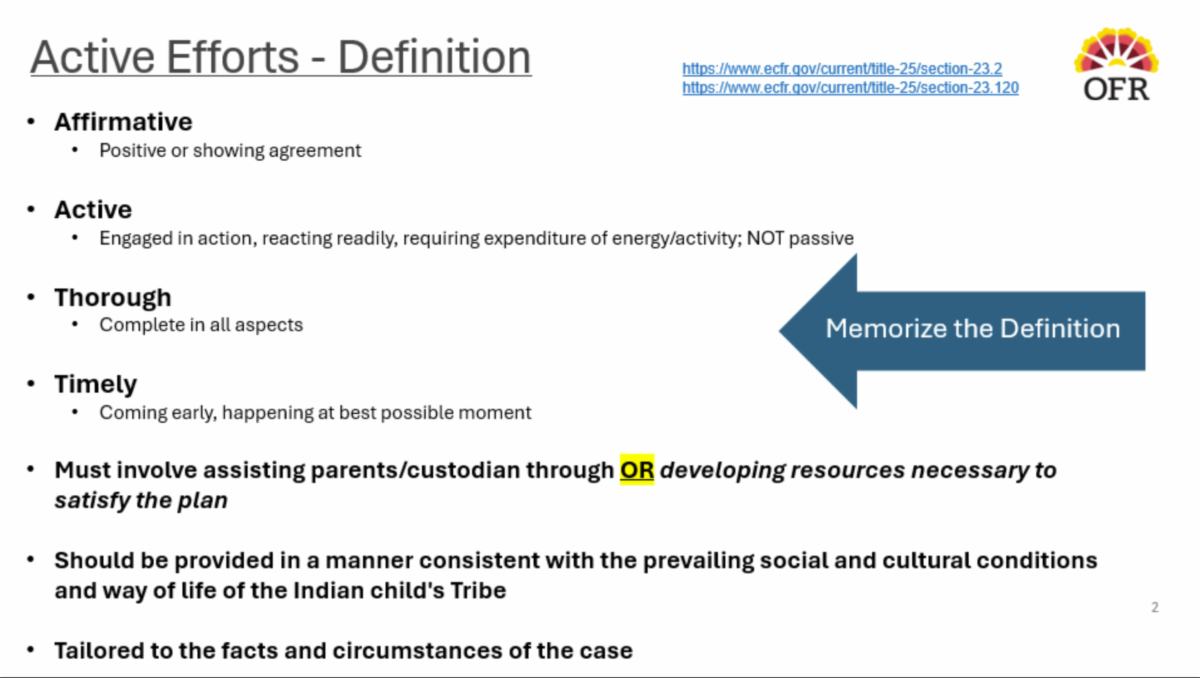
Mother appeals an order terminating her parental rights to an Indian child, arguing the order was deficient for failing to include mandatory ICWA findings on active efforts. COCA agreed the trial court used the incorrect non-ICWA termination form and failed to make required findings identifying what active efforts were made and why they were unsuccessful, which constitutes fundamental error and prevents meaningful appellate review. COCA rejected the State’s argument that the omission was a mere scrivener’s error or could be cured by reference to minute orders or prior hearings, holding that ICWA requires a first-instance factual determination in the termination order itself. The termination order was vacated and remanded for the trial court to enter a fully ICWA-compliant order; no ruling was made on the merits of termination. Read full opinion
NOTE: In footnote 1, COCA notes that Child's counsel did not respond to an Order requiring compliance with the Oklahoma Supreme Court's Roles to reply to the appeal. Child's counsel waived the minor child's right to participate in this appeal.
| | |
In the Matter of J.S. Jr., Alleged Deprived Child
Mother: Mother appeals termination of her parental rights, arguing notices for later hearings did not meet 10A O.S. § 1-4-905 requirements after she failed to appear. COCA held the termination petition was properly served with the required statutory warning language and that the statute does not require that same language or formal service for each subsequent hearing once a compliant petition is served. Mother was advised of future dates, appeared at the best-interest hearing, and waived any notice defect. Clear and convincing evidence supported best interest. COCA affirms. Read full opinion
Father: Father appeals termination of his parental rights after failing to appear at scheduled hearings, arguing the later hearing notices were legally insufficient under 10A O.S. § 1-4-905 and violated due process. COCA held the termination petition was personally served with the required statutory warning language and that the statute does not require the bold consent-warning language to be repeated in notices of each subsequent hearing once a compliant petition is served. The record showed Father and counsel were present when later dates were set, counsel appeared at intervening hearings, and Father attended the best-interest hearing, making notice legally sufficient. COCA affirms. Read full opinion
| |
In the Matter of X.W., Alleged Deprived Child
Mother appeals denial of her petition to vacate an earlier order terminating her parental rights, arguing she lacked adequate notice that failure to appear could result in termination and that termination in her absence violated due process. The record showed Mother was personally served with a summons and termination notice containing the required statutory warning language under 10A O.S. § 1-4-905, requested continuances, acknowledged the trial date, and affirmatively asked that counsel proceed in her absence. COCA held the notice complied with statutory and constitutional requirements, that a parent’s failure to appear after proper notice constitutes consent under § 1-4-905(A)(5), and that termination was based on clear and convincing evidence rather than default. COCA affirms. Read full opinion
| | |
In the Matter of A.C., E.C., M.C., I.C., I.C., H.C., Z.C., & Q.C., Alleged Deprived Children
Father appeals the trial court's decision to appoint permanent guardians for the children. Over the life of the case, the state filed several amended petitions requesting termination. After a four-day jury trial in 2023, a jury found that Father's rights should not be terminated. At the time of this order, Father had reunified with three of his children, and consented for two of the children to be in guardianship. Father disputes guardianship for the remaining three children. Father argues State failed to prove by clear and convincing evidence that he did not substantially correct the conditions leading to adjudication and that the court improperly focused on best interests alone. COCA held 10A O.S. § 1-4-709(A)(2)(c) requires proof the parent failed to correct any condition, not all conditions, leading to adjudication, and the record supported findings that Father failed to correct some conditions despite service completion. The court reminds us that just as completion of a service plan is not necessary to show change of conditions, completion of services does not necessarily equate to change of conditions. COCA ultimately found that guardianship was in the children’s best interests. COCA affirms. Read full opinion
| |
In the Matter of A.F., A.F., A.F., & A.F., Alleged Deprived Children
Mother appeals a permanency review order finding that both reasonable efforts and active efforts were made, arguing DHS failed to provide adequate assistance and that her inability to attend certain medical and training classes defeated an active-efforts finding under ICWA. The record showed that DHS provided extensive services including supervised visitation, referrals, counseling, transportation assistance, coordination with the Choctaw Nation, tutoring support, and facilitation of specialized medical training for a medically fragile child. COCA held active efforts are evaluated case-by-case, and that DHS was not required to attend classes with Mother. Because ICWA applied, the active-efforts standard governed and was met by clear and convincing evidence; the reasonable-efforts finding was therefore immaterial. COCA affirms. Read full opinion
| | Interested in being notified as appellate decisions are made? Sign up for OSCN's mailing list using this link. | | |
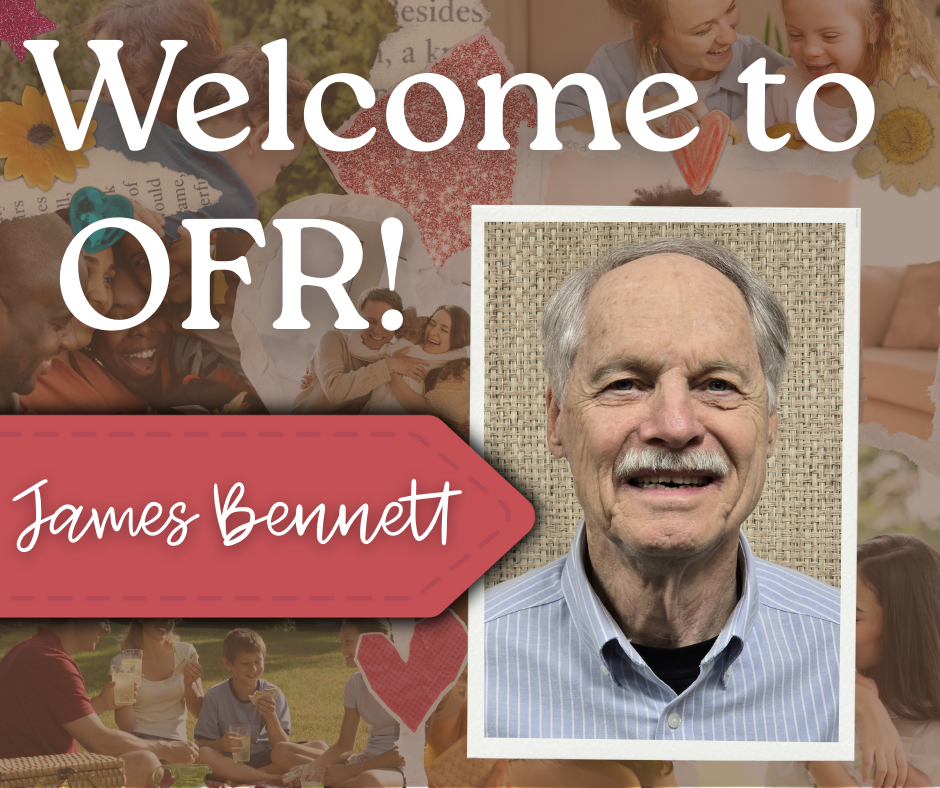
James Bennett - Trial Attorney, Noble, Logan, and Payne Counties
I have primarily practiced family law for more than twenty years and have been a long time member of the OBA Family Law Section. I have also represented both children and parents in DHS cases for Oklahoma courts, primarily in Logan County. My primary counties are now Logan, Payne and Noble counties. I am happily married, have four sons and 5 grandchildren. I live and office in Guthrie, Ok.
| |
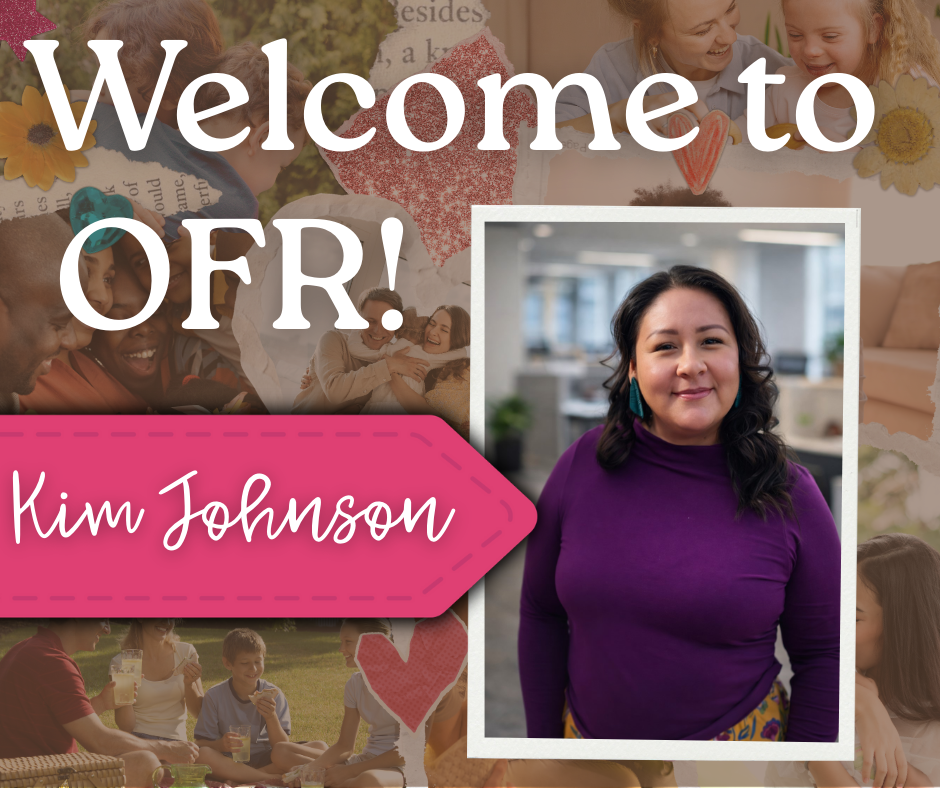
Kim Johnson - Social Worker, Region 4
Kim Johnson (she/her) is a member of the Seminole Nation of Oklahoma, she is from the Bird clan and Tallahassee band. She is also a descendent of the Sac & Fox Nation of Oklahoma. Kim has worked within the field of Indian Child Welfare since 2007. She has spent several years working for a nonprofit in the metro Denver area providing case management services and Indian Child Welfare Advocacy (ICWA) advocacy. Within Kim’s work experience, she has been qualified to provide Expert Witness testimony in Child Welfare, Indian Child Welfare and Social Work. While in Denver Kim established and maintained relationships with a multitude of tribes to ensure that culturally responsive services and ICWA advocacy is provided on behalf of tribal children and families. Kim later began her career with the Chickasaw Nation as a child protective services worker, adoption manager, permanency manager and senior manager; she previously served as a director of the child welfare services program. Her career path also led her to serve as a Leadership Development Coach and eventually a Program Manager with the Center for Workforce Equity and Leadership. Kim presently provides consulting work focused on elevating tribal sovereignty and the necessity to uphold the Indian Child Welfare Act.
She holds an associate’s of art degree in social work from Haskell Indian Nations University, a bachelor’s and master’s degree of social work from Arizona State University.
Kim’s hobbies include: cooking, watching football, kayaking, hiking, traveling to new places and spending time with her family. Kim is an accomplished beadwork artist, she has placed 1st in the 2018 and 2019 Te’Ata Fisher Chickasaw Nation Employee Art Show for beaded jewelry and beadwork. Kim was raised in a Maskoke language home. Her grandmother was a monolingual speaker and her mother is bilingual. Kim’s cultural upbringing has heavily influenced her determination to ensure that tribal children and families are connected to their culture and tribal community. She firmly believes that these components are essential to strengthening identity for Tribal children and contribute to the health and well-being of their families and tribal communities.
| |
Zack Pyron - Trial Attorney, Seminole County
I was born and raised in Seminole, Oklahoma, and graduated from Seminole High School in 2002. After attending the University of Oklahoma for my bachelor's degree and Oklahoma City University School of Law for my Juris Doctorate, I returned to Seminole to work for my late father's, Rob Pyron, law practice. I currently practice law with my brother, Josh Pyron, and we continue to operate a general practice in Seminole, Oklahoma.
| |
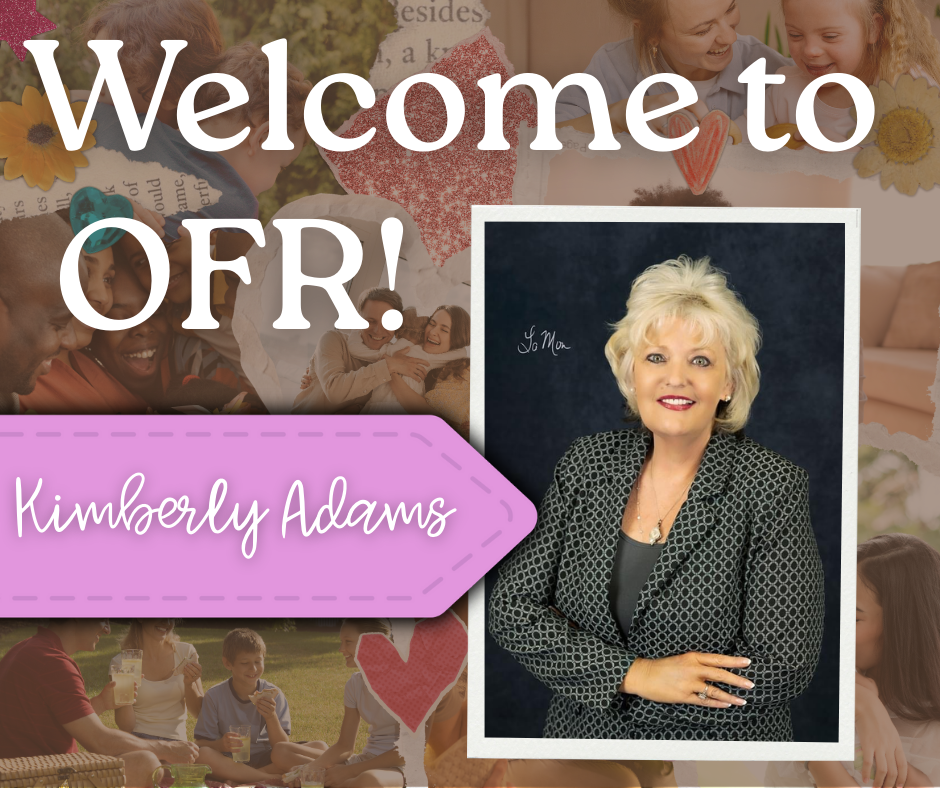
Kimberly Adams - Trial Attorney, McIntosh County
Kimberly Adams is a practicing attorney in Pittsburg County, Oklahoma since 2001. She obtained a Juris Doctorate from the University of Oklahoma in December 2000. Areas of practice include family law, criminal defense, real estate, probate, estate planning, and juvenile deprived; member of the Pittsburg County Bar Association, Choctaw, Chickasaw and Seminole Nations of Oklahoma.
| | |
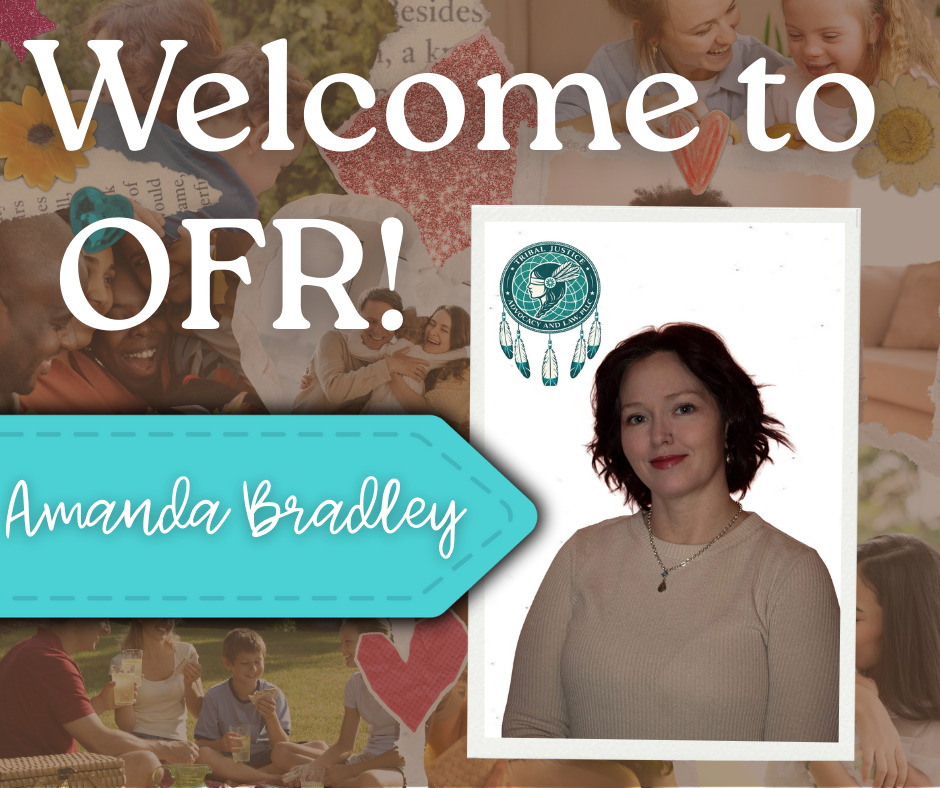
Amanda Bradley - Trial Attorney, Muskogee and Okmulgee Counties
Amanda Bradley is a trial attorney with experience in criminal law, juvenile matters, and child welfare, recognized for strategic, decisive advocacy in complex and high-stakes cases. Her dual-perspective background allows her to anticipate opposing strategies and position matters for strong outcomes.
Before entering private practice, Ms. Bradley served as a Child Welfare Specialist II with the Oklahoma Department of Human Services, conducting abuse and neglect investigations, working closely with courts and law enforcement, and testifying in child welfare proceedings. She later practiced in private practice, representing clients in criminal defense, juvenile delinquent matters, and deprived proceedings.
Ms. Bradley also served as an Assistant Attorney General II for the Cherokee Nation, where she prosecuted criminal cases and represented the Nation in hearings and trials, gaining deep insight into prosecutorial discretion.
A proud citizen of the Cherokee Nation, Ms. Bradley is a founding partner of Tribal Justice Advocacy and Law, PLLC, committed to protecting individual rights, strengthening families, and serving clients and communities with integrity and excellence.
| |
Tim Gungoll - Trial Attorney, Kay County
Tim Gungoll is an attorney with over 25 years experience. He has been a prosecutor and defense attorney in both criminal and juvenile law, and has primarily practiced in the areas of criminal law, family law, adoptions, guardianships and both deprived and delinquent juvenile law. He served as the defense attorney in Garfield County for adult drug court, mental health court, juvenile drug court, misdemeanor drug court and community sentencing. He helped establish the Garfield County Family Treatment Court.
He and his wife Deborah live in Enid, Oklahoma with their two dogs and two cats. They have 3 adult children and one grandchild with another grandchild on the way.
Tim enjoys biking and hiking when outdoors and building and fixing things while indoors. I believe in transformation and the ability of individuals to positively change and adapt given the right resources.
| |
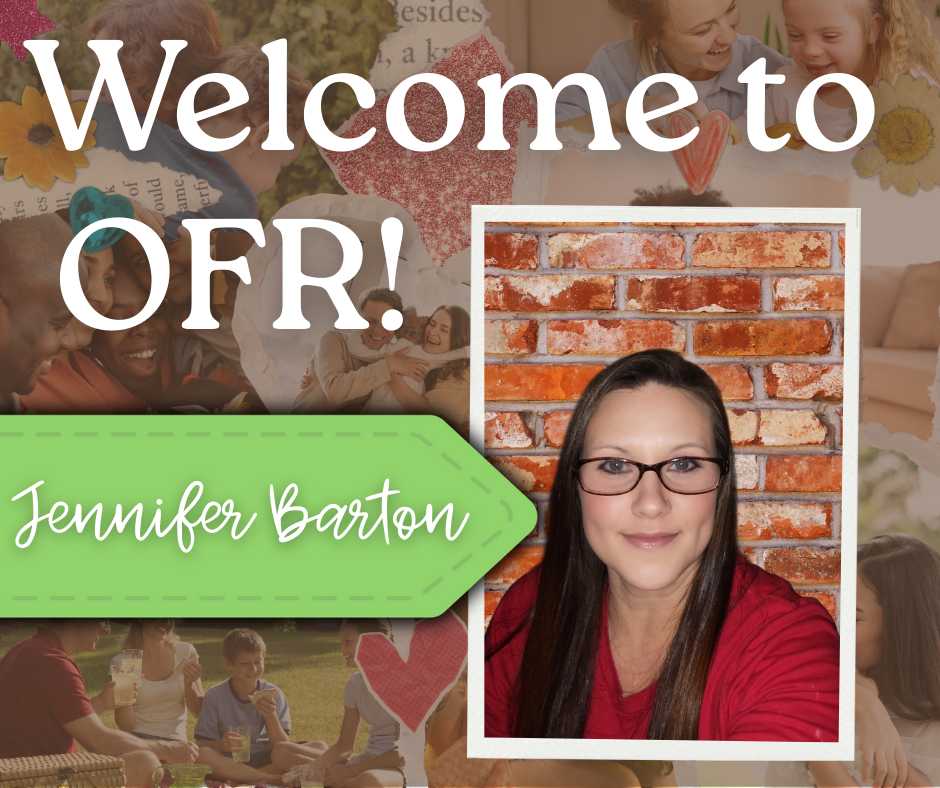
Jennifer Barton - Parent Mentor, Region 4
OFR would like to introduce Jennifer Barton, our newest Parent Mentor in Region 4. Jennifer comes to us from the Hosea Ministries Foundation, where she spent over two years dedicated to supporting women and children in transitional sober living. Having served on the Board of Executives and led the Housing and Intervention committees, Jennifer has seen firsthand the strength it takes for families to rebuild and thrive. Passionate about advocacy and fundraising, Jennifer is deeply committed to walking alongside families as they navigate the complexities of the legal system. She looks forward to helping parents find their path forward and is eager to get to work within this community.
| | |
NACC’s 49th National Child Welfare Law Conference will be in Portland, Oregon! Learn more and register!
Onsite in Portland
Wednesday, August 12 through Friday, August 14, 2026
Pre-conference Tuesday, August 11, 2026
Hilton Portland Downtown
Online in October
Wednesday, October 14 through Friday, October 16, 2026
From the comfort of your home or office!
Independent Study Shows Child Welfare Law Certification Improves Legal Representation:
NACC is excited to share that the Participatory Action Research Collective released the results of a year-long study on NACC's Child Welfare Law Specialist certification program.
The Counsel for Kids campaign created a new suite of resources called Kids Can Be Clients. Check out their new:
-
Issue brief explaining children’s executive functioning, communication, reasoning, and judgement;
- Companion table, providing a snapshot of cognitive development, child skill expression, and attorney engagement for school-aged children;
-
Practical tips tool to assist attorneys with client-engagement strategies;
- Webinar, Kids Can Be Clients: Honoring Children’s Capacity and Right to Be Heard, showcasing best practices for engaging children in and out of the courtroom;
-
Quick reference guide for attorneys representing infants and toddlers;
-
Best practices tipsheet, and short table talk;
- Virtual presentation, “Oh Baby, You Need a Lawyer!"
Check out NACC’s Resource Center! Filter by topic area, resource type, and view NACC’s Information Hubs:
NACC Resource Center
Race Equity Hub
Student Hub
| |  | |
Jayci Howerton, Region 1 DSW
About twenty-three percent (okdhs.gov, statistical tables, out of home care placements, race) of child welfare cases in the state of Oklahoma are Indian Child Welfare cases. While some may look at that percentage and not feel alarmed, when Native American children make up only 8.1% of Oklahoma’s child population (according to 2023 Annie E. Casey Foundation data), that statistic should give us pause. The disparity is significant. While the reasons behind it are complex and worth discussing, the fact remains: Native American children are taken into custody at a disproportionately high rate.
It is difficult to argue that practices surrounding the implementation of ICWA procedures in Oklahoma do not need improvement—and we plan to be part of that improvement. At OFR, our goal is to provide high-quality legal representation to our clients and to help ensure outcomes move toward what is fair and correct, whatever that may be. That support may come through legal representation, interdisciplinary (IDT) teams supported by social workers and mentors, or through the many high-quality trainings OFR provides.
To further this effort, we will be dedicating a regular section of our newsletter to ICWA. Each month, this space will focus on specific practices, tips, resources, and training opportunities that may be beneficial across our roles. If you have suggestions for topics or comments, please reach out at ofr@laok.org
| | |
| How did you like this email? | | | | | | |